The glass is the first clue. At the Coronation Tap in Clifton, the house cider comes in a half-pint glass and nothing bigger, whatever case you make to the person behind the bar. It is called Exhibition, it runs at a little over 8 per cent, and the rule has outlasted every generation of students who thought they could beat it.

Bristol takes cider more seriously than any other English city. The Somerset orchards start a few miles south, Thatchers presses its apples just over the hill at Sandford, and the city has kept a handful of proper cider houses where the cider is the point and the beer is a courtesy. Around them sit dozens of ordinary locals that keep a box or two of farmhouse cider behind the bar, and a newer set of taprooms that treat cider the way Bristol’s brewers treat pale ale.

What follows is for the cider drinker. It goes house by house through the cider pubs, picks out the locals with a proper list, sends you to the farms and tells you how to reach them without a car, and finishes with the part people learn the hard way: how strong this stuff is. For Bristol’s pubs as a whole, including the many where cider is an afterthought, the city guide has the lot.
On this page
What Bristol means by cider
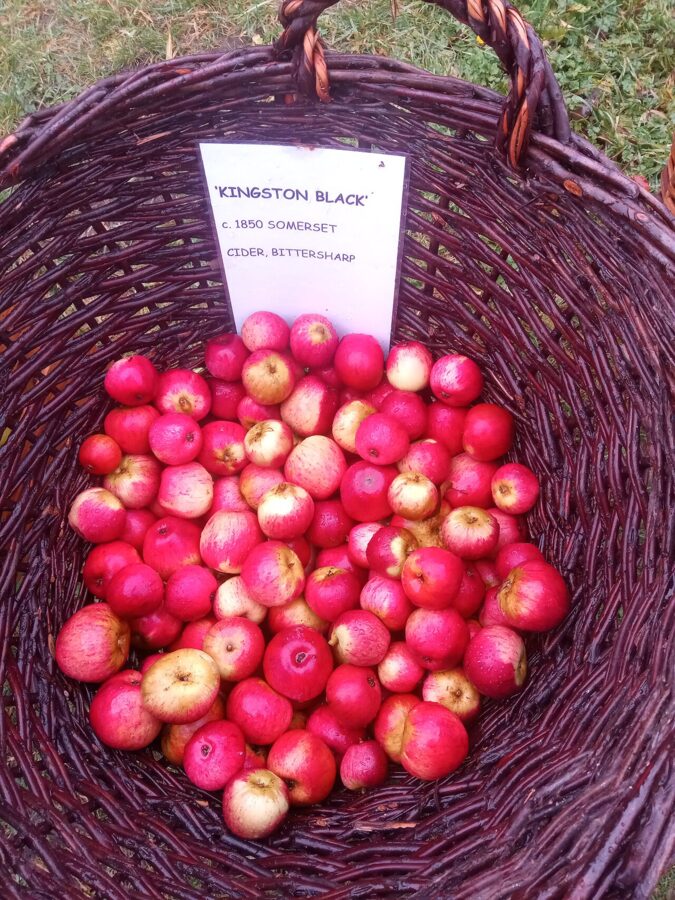
Start with the words, because the bar staff will use them. Farmhouse or real cider is made from the whole juice of freshly pressed apples, fermented, and usually served still and often cloudy from a bag-in-box or a barrel. CAMRA’s definition is the one the serious pubs work to: no concentrate, no sugar added to push up the strength, nothing watered down afterwards. Most of it lands between 6 and 7.5 per cent.
Scrumpy is an older and looser word. It once meant rough farm cider made from windfalls, and in Bristol today it means whatever the person saying it wants, from a fine dry Somerset cider to the cheap cloudy stuff that sends freshers home early. The Coronation Tap’s landlord in the 1960s is said to have banned the word outright and made customers ask for dry, medium or sweet. That is still the better way to order.
The city has been singing about all this since Adge Cutler and the Wurzels put out “Drink Up Thy Zider” in the 1960s, and Bristol City fans still sing it at Ashton Gate. If you want the wider picture first, the guide to British cider covers styles and regions across the country; this one sticks to Bristol and the farms within reach of it.

The big names and the small ones
Thatchers, a family firm at Myrtle Farm in Sandford since 1904, makes the Gold that sits on a keg font in a great many pubs in the city. It also makes stronger, more traditional ciders such as Cheddar Valley, Stan’s Big Apple, Katy and Rascal, which are closer to the farmhouse style. Westons, from Much Marcle in Herefordshire, makes Old Rosie and Stowford Press. Both firms are big, both are perfectly decent, and neither is why you go to a cider house.
The farmhouse makers are. Rich’s, Wilkins, Hecks, Harry’s, Tricky, Ham Hill: small Somerset producers whose cider arrives at the pubs in boxes and changes with the season. Then there are the craft makers, Ganley & Naish in Totterdown, Pilton, Oliver’s in Herefordshire, Iford, who make single-variety and keeved ciders, often sparkling, sold in 750ml bottles and described the way wine is. Bristol’s taprooms stock them in depth, and they are worth the money once.

Exhibition, and the half-pint rule
Exhibition is the Coronation Tap’s own cider, and you cannot buy it anywhere else. The pub says only that it is produced exclusively for them; drinkers have long said that Thatchers makes it. Published strengths range from 8.2 to 8.4 per cent depending on who you ask, which in practice is the same thing: roughly twice a pint of lager.
It is served in halves only, to everybody, which is more even-handed than the house used to be. The challenge every student hears about is ten halves of Exhibition before ten o’clock. Most people who try it remember the first four.
Exhibition has a cousin on the harbour. The Apple’s Old Bristolian runs at about 8.4 per cent and the boat has long poured it by the half too. Treat a half of either as you would a medium glass of wine, because in alcohol that is roughly what it is.
Perry, and Bristol’s cider science
Perry is the same idea made with perry pears: lighter, often sparkling, and easy to underestimate. Any cider pub worth the name keeps at least one, and Rich’s sparkling perry is a common sight in Bristol fridges.
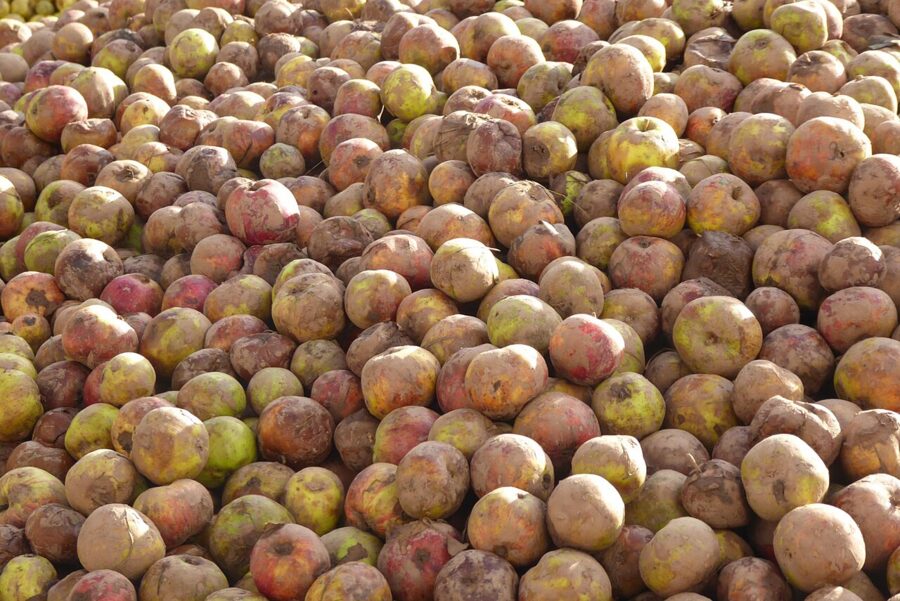
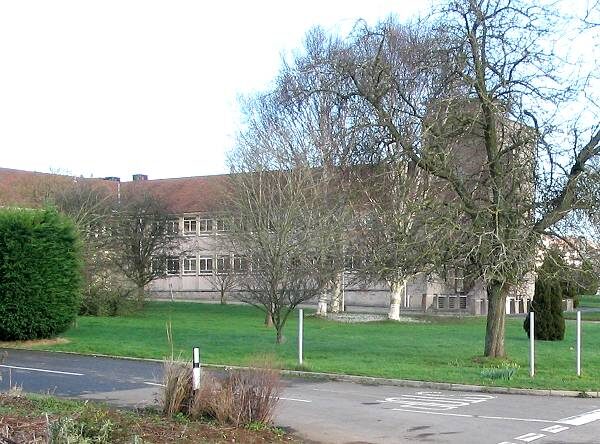
Bristol also has a claim on the science. In 1903 a National Fruit and Cider Institute opened at Long Ashton, just outside the city, to study and improve West Country cider, and in 1912 it became the University of Bristol’s Long Ashton Research Station. Its scientists sorted cider apples into the sweets, sharps, bittersweets and bittersharps that makers still talk about, bred new varieties and, during the Second World War, developed Ribena. The station closed in 2003, but some of the last apples grown there survive in Thatchers’ heritage orchard at Sandford.

The cider houses
Bristol has five places where cider is the whole point, and the memory of a couple more. They are spread out: Clifton at the top of the hill, Spike Island and Welsh Back on the water, the Harbourside, and a railway arch in St Philip’s. Doing all five in one go is a long, steep evening, and not one I’d recommend at Exhibition strength.
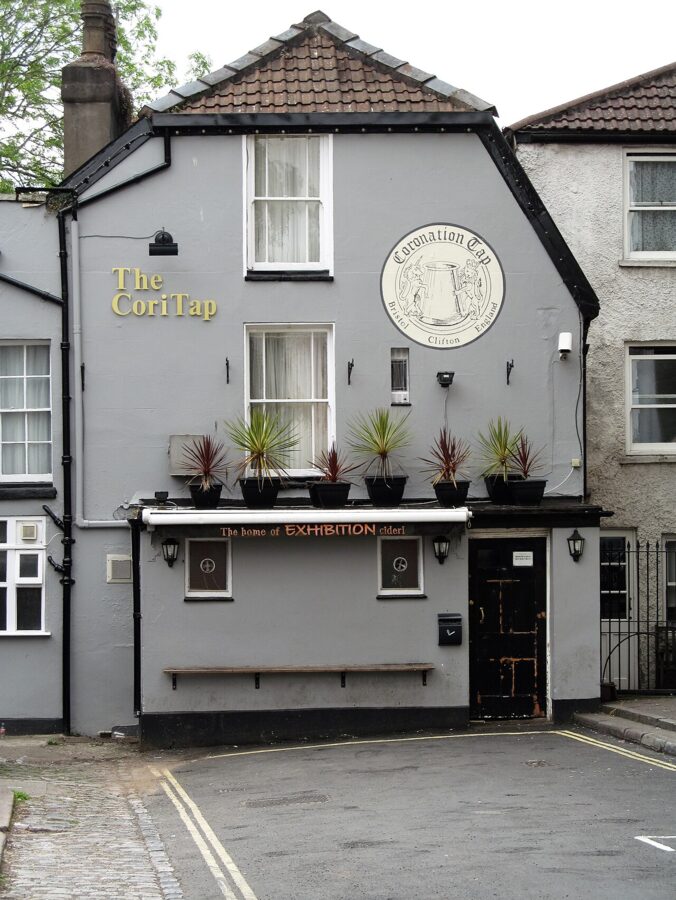
The Coronation Tap, Clifton
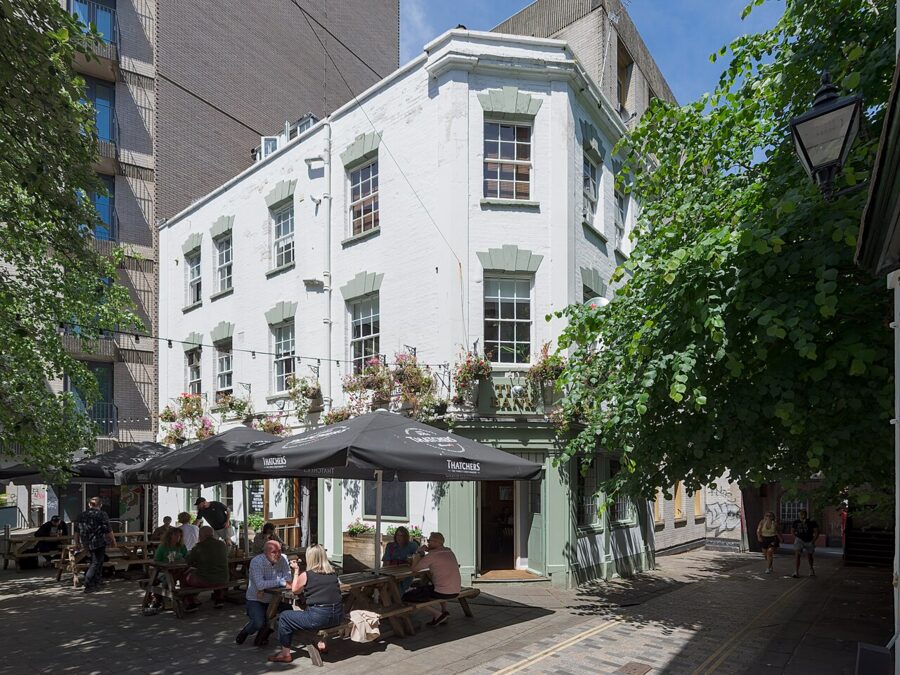
The Cori, as everyone calls it, is on Sion Place, a lane of terraces a few minutes from the Clifton Suspension Bridge. The pub’s own history says it began as Clifton Farm, among orchards and grazing, and a document of 1806 describes “a beerhouse with cottage adjoining”, which makes it older than the bridge by decades. The name suggests a coronation, but I haven’t found the paper that says which one.
Inside it is a low room with wood panelling, benches set into the walls and a small stage in the corner. Bristol United Breweries altered the building heavily in 1940. Henry Bonner, landlord from 1882 to 1917, appears in a photograph from around 1900 standing outside in his shirt sleeves with his daughter; Dick Bradstock, who ran it in the 1950s and 60s, is remembered by old regulars as a strict one, who banished customers for canoodling or for buying a woman a pint.
The list goes well beyond Exhibition: changing draught ciders, boxed farmhouse ciders, mulled cider in winter, and real ale and lager for anyone who has been dragged along. You can take any of it away, and they will fill your own container if you bring one. Staff will let you taste before you choose, which is the right way to do it.
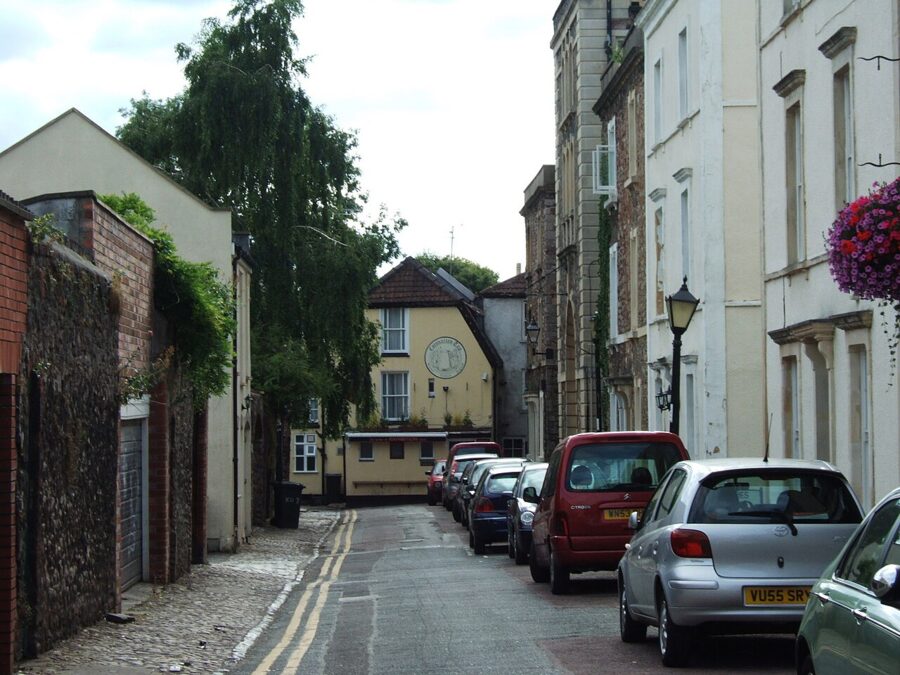

It is an evening pub. Doors open at around 17:30 to 18:00 on weekdays and later on Saturdays, so don’t plan a lunchtime visit.
Gig nights are loud and packed, and so is every night in September and October, when new students arrive to try the Exhibition. Clifton Down station is about twenty minutes’ walk away, and the 8 and 505 buses stop close by. For the rest of Clifton’s pubs, the village has plenty within five minutes of the door.
The Orchard Inn, Spike Island
If you only have time for one, make it this. The Orchard Inn is a plain corner pub on Hanover Place, in the old dock streets of Spike Island near the SS Great Britain, and it has been a pub since 1834; it was the White Horse until the 1980s. It won CAMRA’s national Cider Pub of the Year in 2009 and the Bristol and District branch award every year from 2023 to 2026.
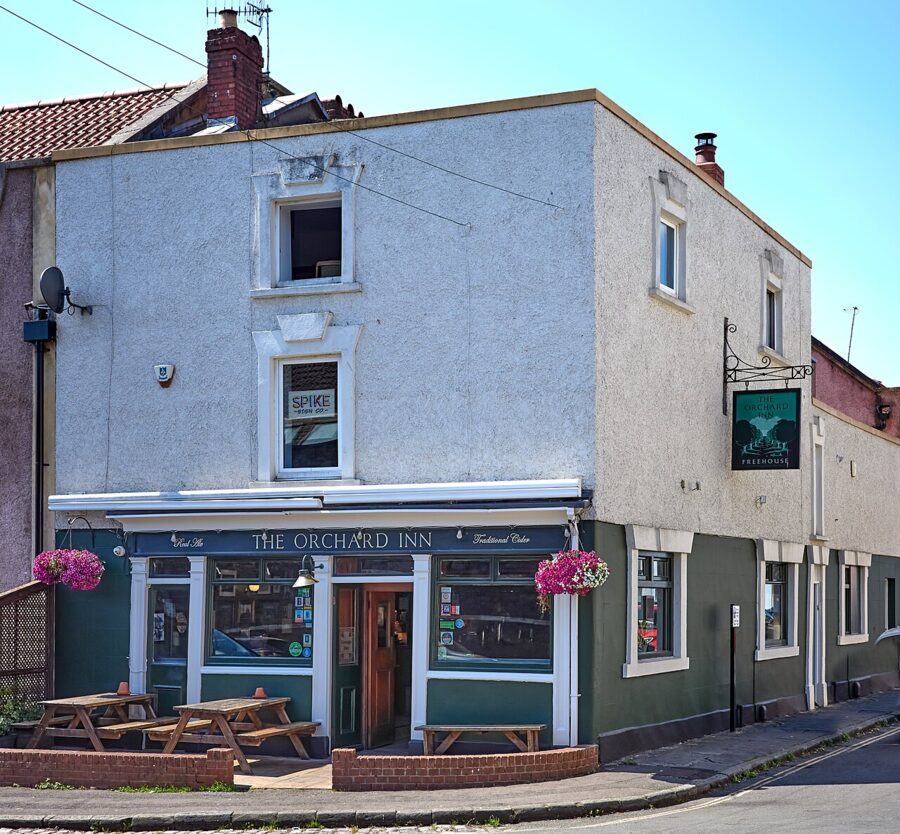

The cider is the reason. There are usually more than twenty on, about fifteen still and seven sparkling, from farms such as Rich’s, Hecks, Wilkins, Ashridge, Ham Hill, Harry’s and Tricky, and Thatchers Traditional, Black Rat and Old Rosie are on tap for anyone who wants something familiar. Real ale is served from casks behind the bar or fetched up from the cellar, often from Arbor or Bristol Beer Factory.
Food is rolls, pasties and pork pies until they run out. Monday night is the blues jam round the pub piano, and there is a monthly Irish session. Dogs are welcome, and children until 21:00.
It opens at 16:00 on Monday and at noon the rest of the week, and closes at 23:00 (22:00 on Sunday). On Ashton Gate match days it opens at 11:00 and fills with away fans, since it is one of the pubs certified as away-friendly. From the centre it is a fifteen-minute walk over Prince Street Bridge and along the harbour, and the pubs of Hotwells are just across the water if you want to keep going.
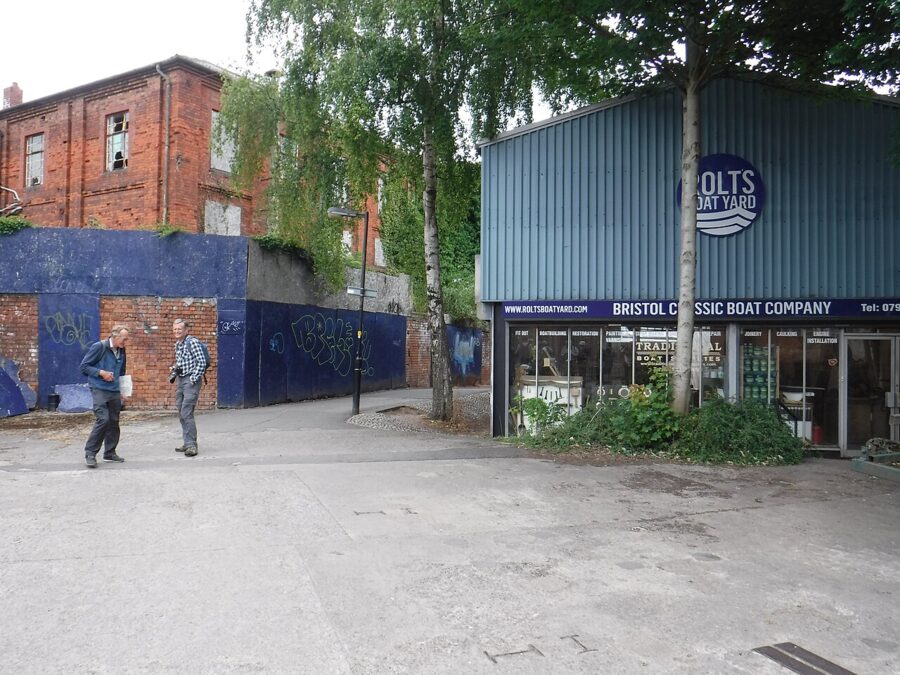

The Apple, Welsh Back
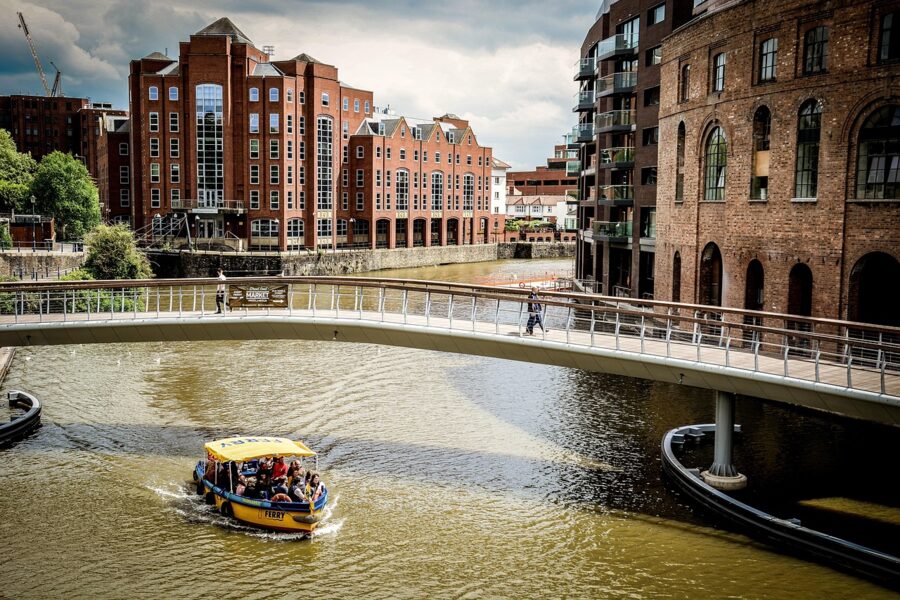
The Apple is a cider bar on a 1920s Dutch barge moored on Welsh Back, at the end of King Street, and it has been serving farmhouse cider on the harbour since 2006. The bar on board is as small as barges are. The real bar is the big cobbled quayside terrace with its own outside counter, which on a warm Saturday afternoon is the most crowded strip of pavement in the city.
The list runs to about thirty. There is a board of draught farmhouse ciders, dry through to sweet, with makers such as Rich’s, Wilkins, Harry’s, Tricky and Iford, a row of fruit ciders, bottles, and Old Bristolian. Regulars still order that one by name.
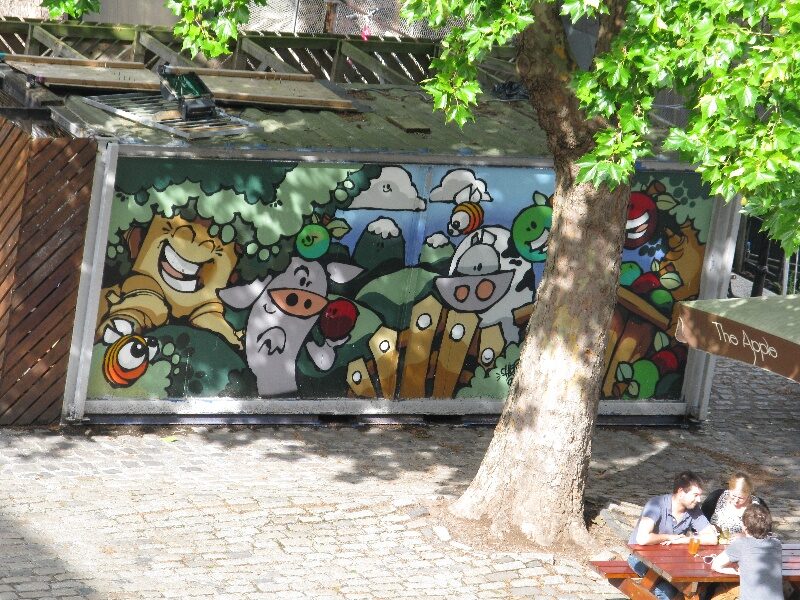

There is no kitchen. You are welcome to bring your own food or have some delivered to the quayside, and on a summer evening plenty of people do both. It is open from noon until midnight, Monday to Saturday, and until 22:30 on Sunday.
The Apple and the Orchard are a natural pair, about twenty-five minutes apart along the harbour. Do the Apple in daylight, when the terrace is the point, and the Orchard after dark, when the cider list is.
The Stable, Harbourside
The Stable is the odd one out: a restaurant chain that takes cider more seriously than most pubs. It opened beside the Watershed on Canons Road in July 2013, the third of the Dorset company’s self-styled “cathedrals of cider”, and behind the bar a purpose-built stillage holds more than twenty boxes of farmhouse cider and perry, with over thirty ciders on draught in all.
Most people come for the pizza and pies, which is fine. Drinkers who don’t want to eat are welcome, and it is a far better bet than the chain bars around it on the waterfront. It opens at 11:30 every day and closes at 23:00, or midnight on Friday and Saturday, with food from noon to 22:00, and both families and dogs are welcome. Order halves and work along the stillage.
The Cider Box Taproom, St Philip’s
Bristol’s brewers fill railway arches with taprooms, and in 2020 the cider people took one too. The Cider Box, which had started as a distribution business, moved from Shepton Mallet to Arch 5 on Silverthorne Lane and opened in March 2020 as Bristol’s first cider taproom. Its founder, Dan Heath, grew up in Castle Cary, which may explain a lot.
It is still the best place in the city to drink new-wave cider. Around twenty ciders and perries are on, most made with at least 90 per cent juice, plus a couple of local keg beers, and a small cidery at the side of the arch makes one-off batches, sometimes with the university, sold simply as Cider Box cider with the strength on the board. The big sharing bottles, from makers such as Pilton, are the thing to order if there are two or more of you. There are toasties.
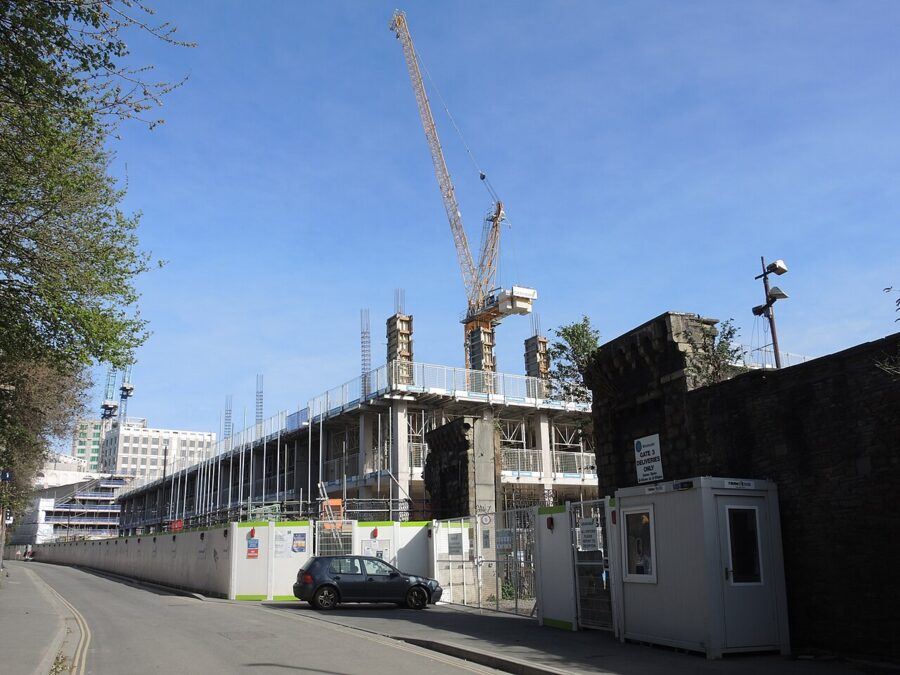

Mind the hours. It opens on Fridays 17:00–22:00 and Saturdays 13:00–22:00, and nothing else, and it also takes private hire, so check its social feeds before crossing town.
The ones that have gone quiet
The Apple Tree on Philip Street in Bedminster, once the Maltsters’ Arms, was one of the last old-fashioned scrumpy houses in Bristol: one bar, plain furniture round the walls, Taunton Traditional cider and live music in the side garden in summer. Its long-serving licensee retired, and it has been shut since early 2026 for repairs; CAMRA lists it as closed long term. If it reopens, it deserves a visit.
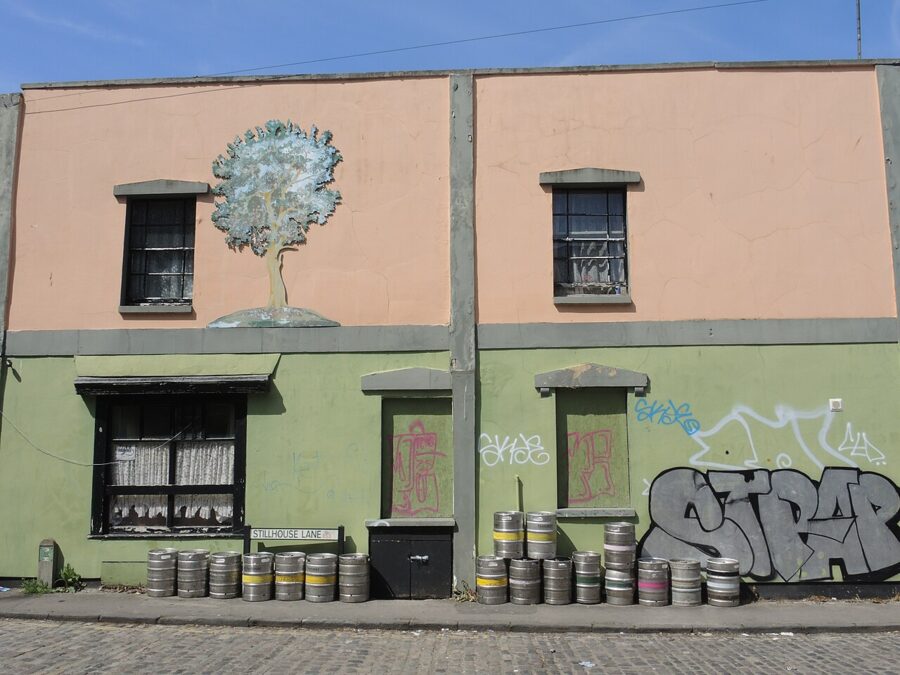

On Gloucester Road, the Cider Press, which once advertised 32 draught ciders, is now the Two Suns, a big one-room pub with screens for the sport. CAMRA no longer lists real cider there. It is a perfectly good place to watch a match; it is no longer a cider pub.
Locals with a proper cider list
Plenty of Bristol pubs keep a real cider or two on a box or a handpump, and a few keep five. These are the ones worth the walk for a cider drinker, area by area, all trading in 2026.
The old city and King Street
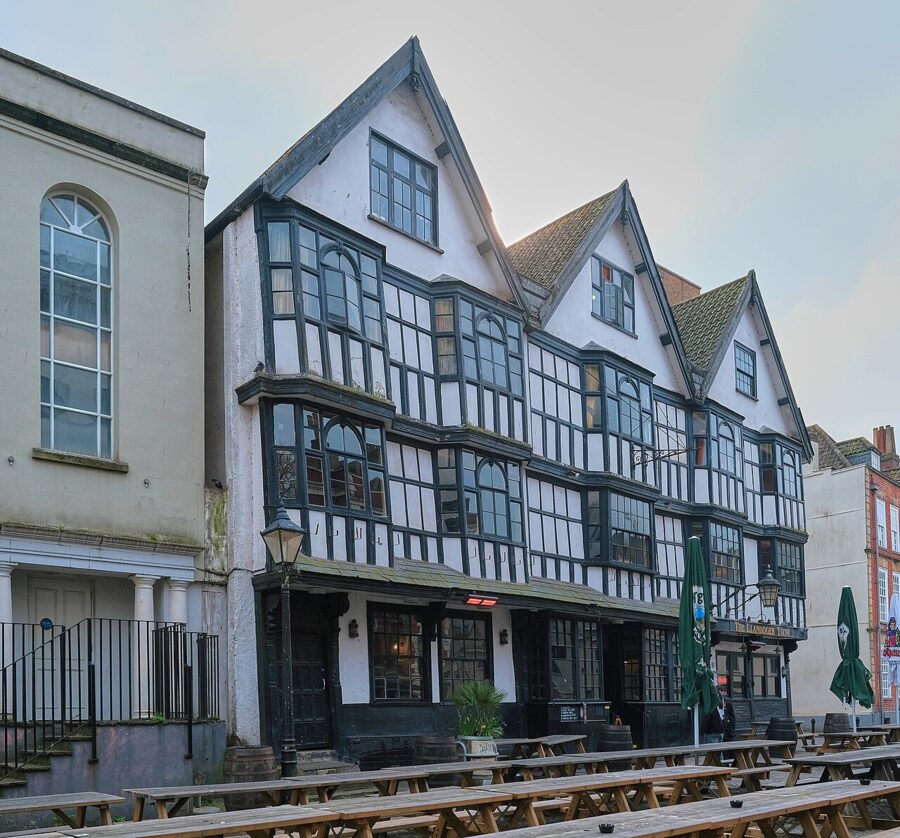
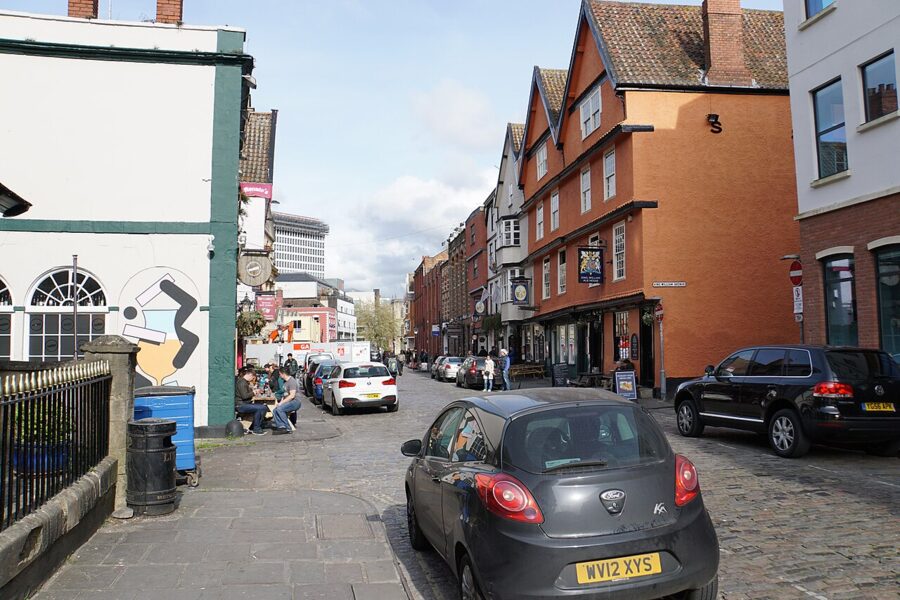
King Street, the cobbled street that runs from Welsh Back towards the Old Vic, has the Apple at one end and the Llandoger Trow in the middle, a timber-framed 17th-century building that pours two real ciders beside its beers. A few doors along, the Famous Royal Navy Volunteer lists around thirty-five beers and ciders and serves in thirds, halves, two-thirds and pints, which is ideal for working through a cider list without falling over.


Up in the old city proper, the Bank Tavern on John Street is one small room with bare boards and green settles, three guest beers, Draught Bass and a real cider. Food runs 12:00–16:00, and the Sunday lunch is booked months ahead, so plan that or forget it. The rest of the old city’s pubs are within ten minutes of here.

Redcliffe, Temple and the station
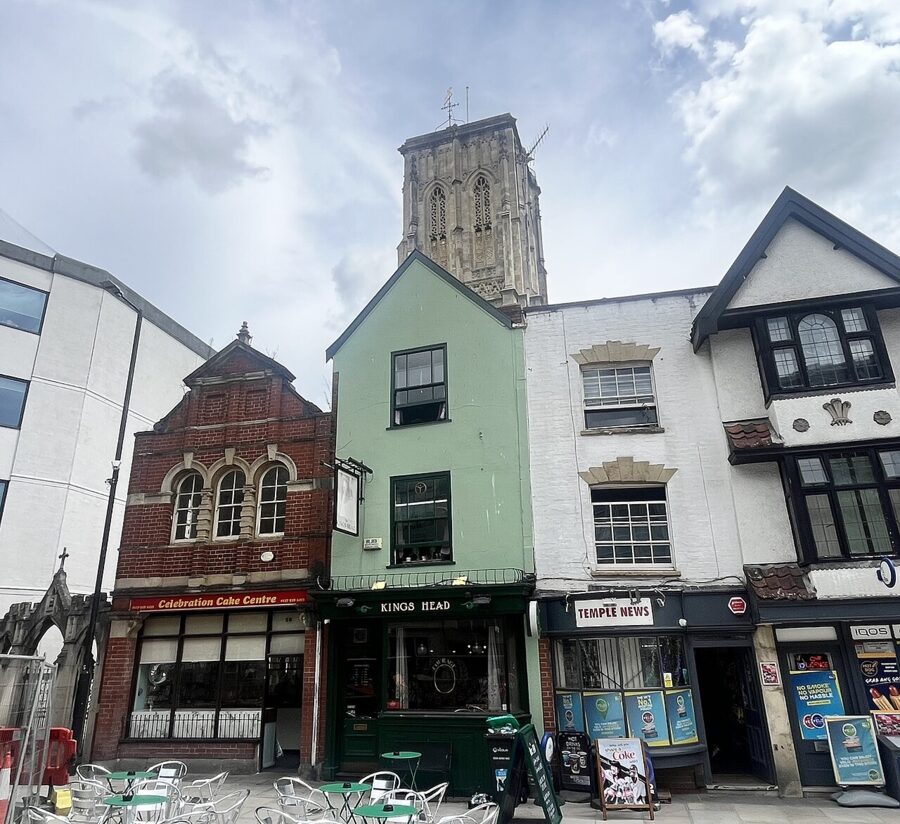
The Kings Head on Victoria Street, on the walk in from Temple Meads, dates from around 1660 and has an interior CAMRA rates as nationally important. Its mid-Victorian bar back is the second oldest the campaign knows of in Britain. It pours five changing cask ales and a real cider that is not from concentrate, and there are cheese and onion rolls.

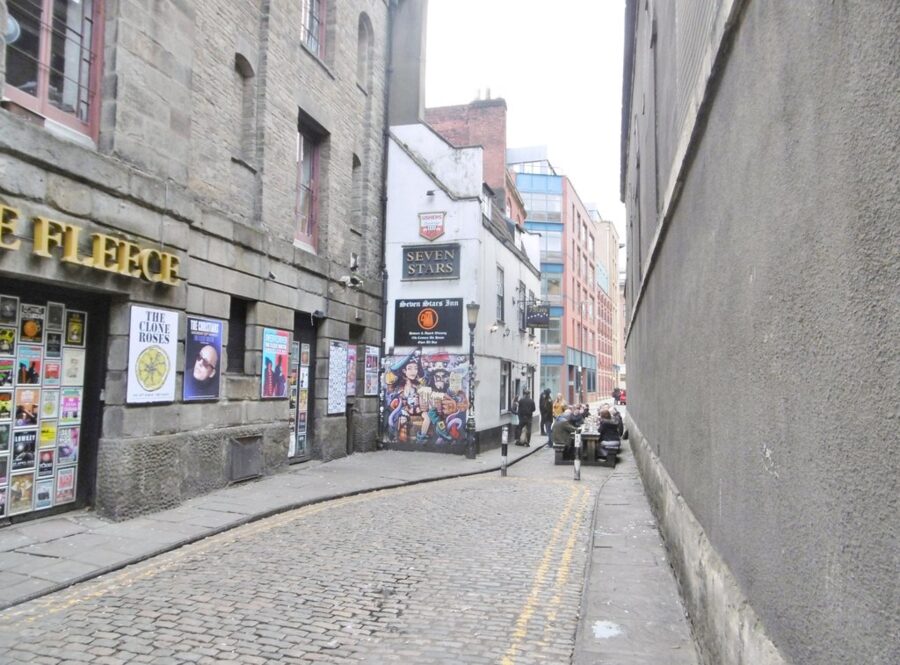
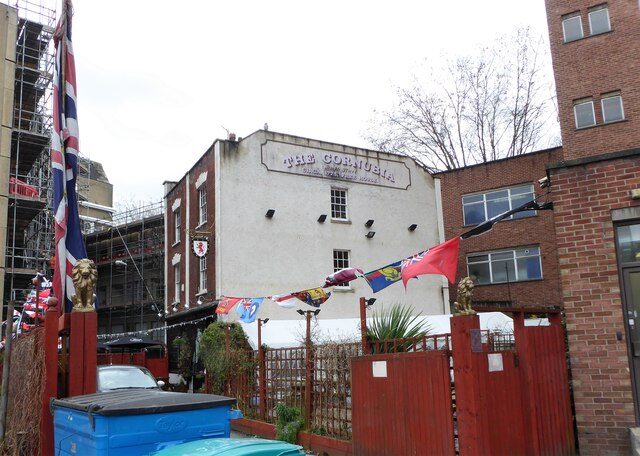
Round the corner, the Seven Stars on Thomas Lane keeps two real ciders alongside five changing beers. In 1787 the abolitionist Thomas Clarkson used it as a base to gather evidence from sailors about the slave trade. The Cornubia on Temple Street has two ciders on handpump and a garden that wraps round the front and side, and it shuts on Sundays, which catches people out.


Kingsdown, Cotham and Redland
On the hill north of the centre, the Hillgrove Porter Stores keeps two real ciders among a dozen handpulls, and the Kingsdown pubs around it make a good short crawl if your legs are up to the gradient. Over the top, the Cotham Porter Stores on Cotham Road South is a Wickwar pub that serves traditional cider straight from the box, with Ganley & Naish’s Barn Razer from Totterdown among the regulars, and sells it in halves as readily as pints.
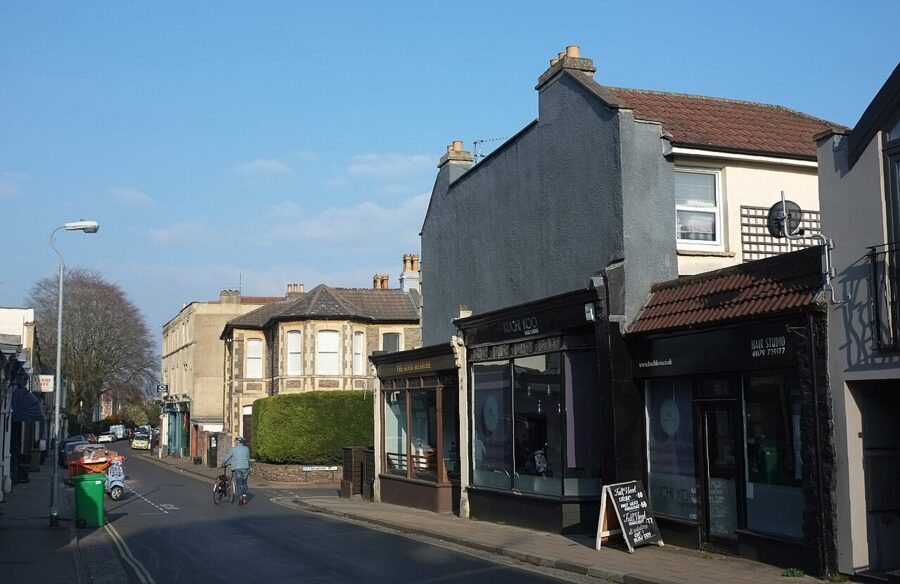

The Red Monkey on Chandos Road, near Redland station, is a converted shop with no music, no television and phones used with discretion. It keeps three to five traditional ciders from boxes beside its ales. It is the place to go if you want to talk about them.
Clifton and south of the river
Apart from the Cori, Clifton’s best cider stop is the Victoria on Southleigh Road, a small listed tavern near the Lido that reopened in 2026 with a traditional cider on beside Bristol Beer Factory ales. South of the river, the Coronation on Dean Lane in Southville and the Star & Dove in Totterdown both keep real cider, and the guide to south Bristol’s pubs covers the rest of Bedminster, Southville and Totterdown.
Further out: the Black Cat, Weston-super-Mare
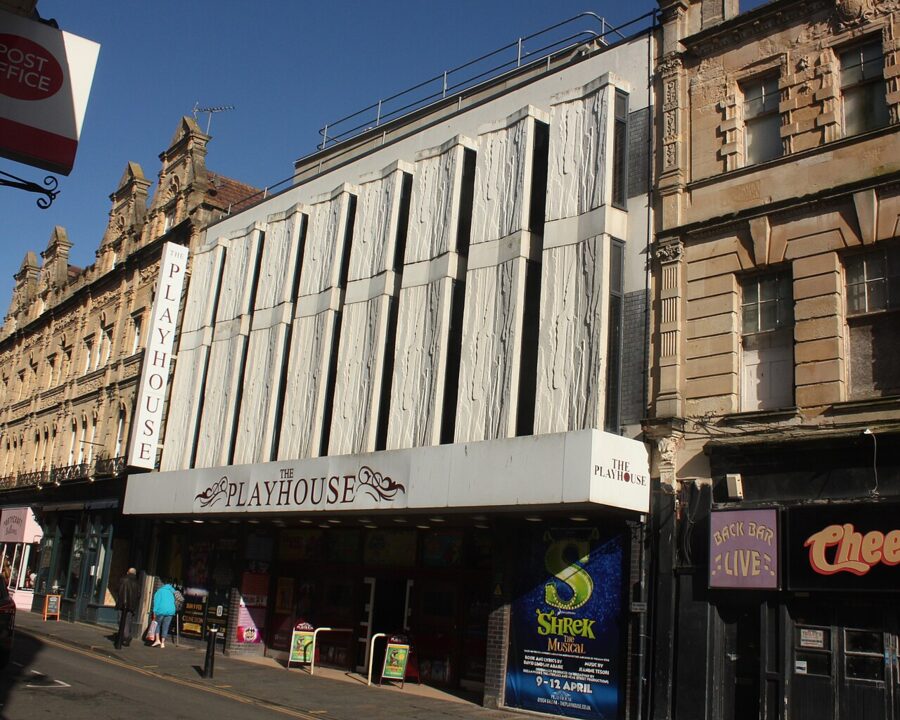
The best cider list in the branch area after the Orchard’s is in a former clothes shop in Weston-super-Mare. The Black Cat on the High Street, opposite the Playhouse, is a micropub that keeps up to thirty ciders chosen to meet CAMRA’s definition, including keeved ciders, perries and German apfelwein, alongside up to four cask ales. It was runner-up to the Orchard as the branch’s Cider Pub of the Year in both 2025 and 2026, and Weston is a short train ride from Temple Meads.

Thatchers and the cider farms
The farms are the other half of a Bristol cider trip, and the nearest is close enough for an afternoon. Most of the rest need a car, which is a problem for the obvious reason. Pick a driver, or use the cycle path to Sandford.
Thatchers at Myrtle Farm, Sandford
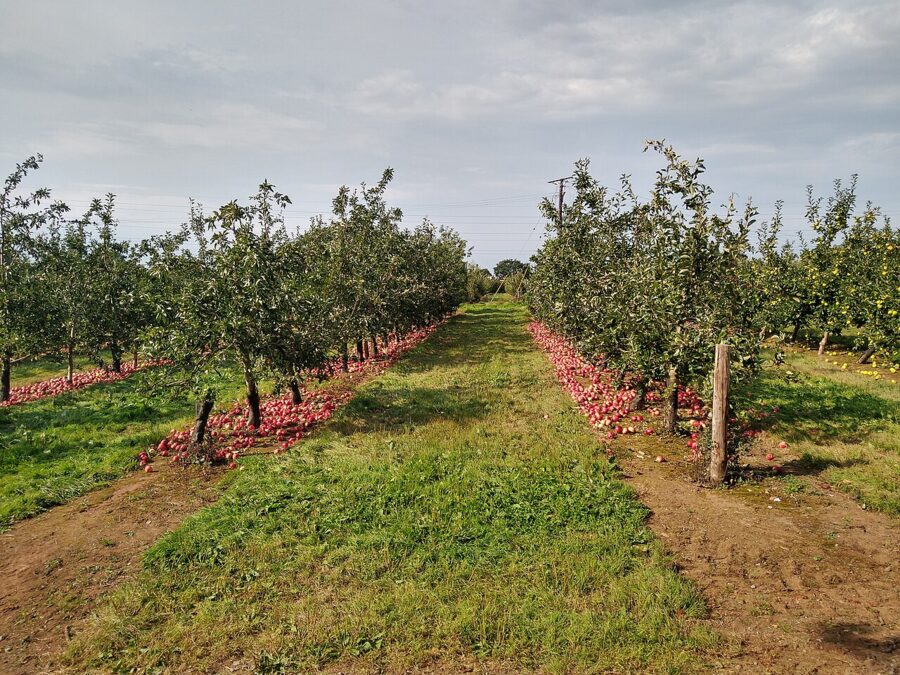
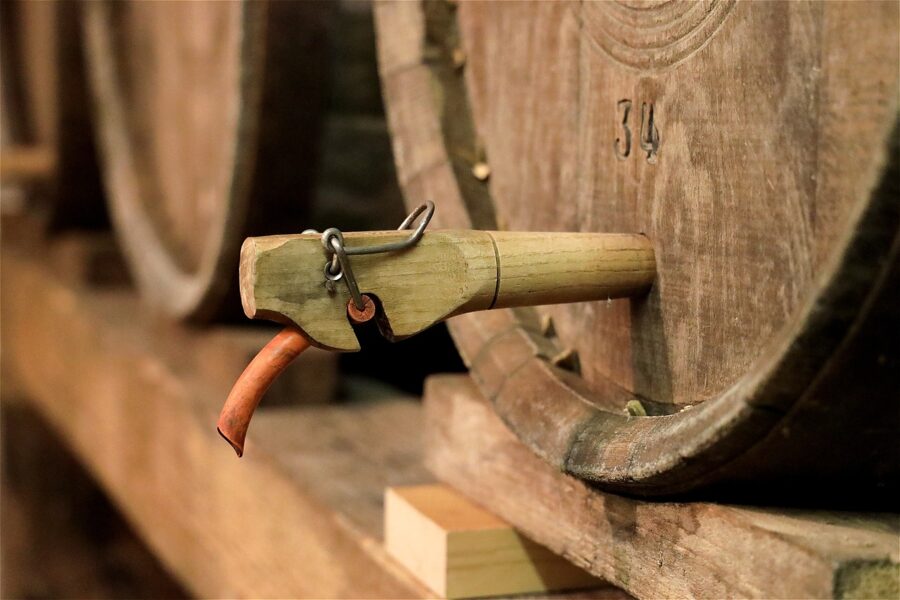
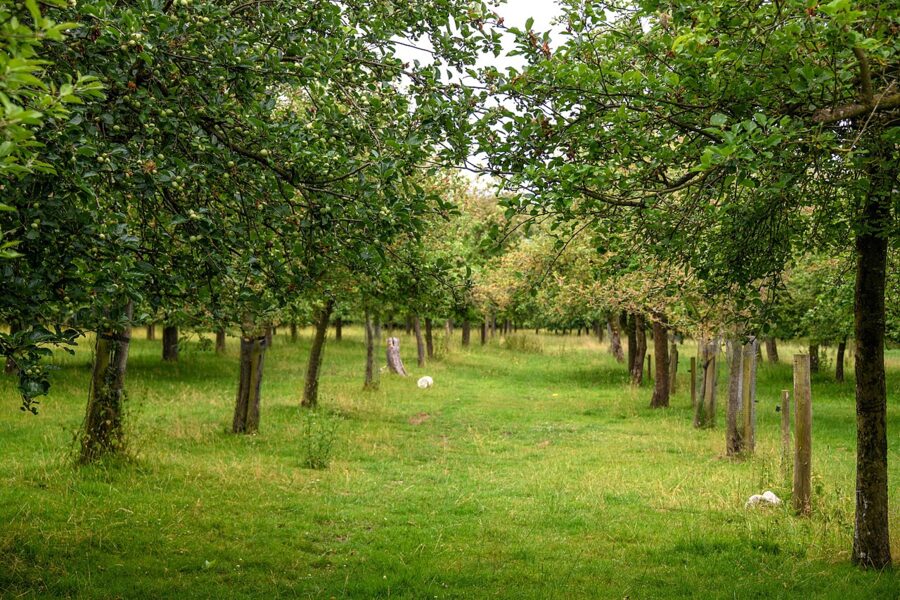
William Thatcher started making cider at Myrtle Farm in 1904, and his farm workers took part of their wages in it. Four generations on, Martin Thatcher runs the business with his daughter Eleanor, the fifth generation, alongside him. The farm grows apples on about 500 acres of its own orchards, including an exhibition orchard of 458 varieties, and matures its traditional ciders in old oak vats.
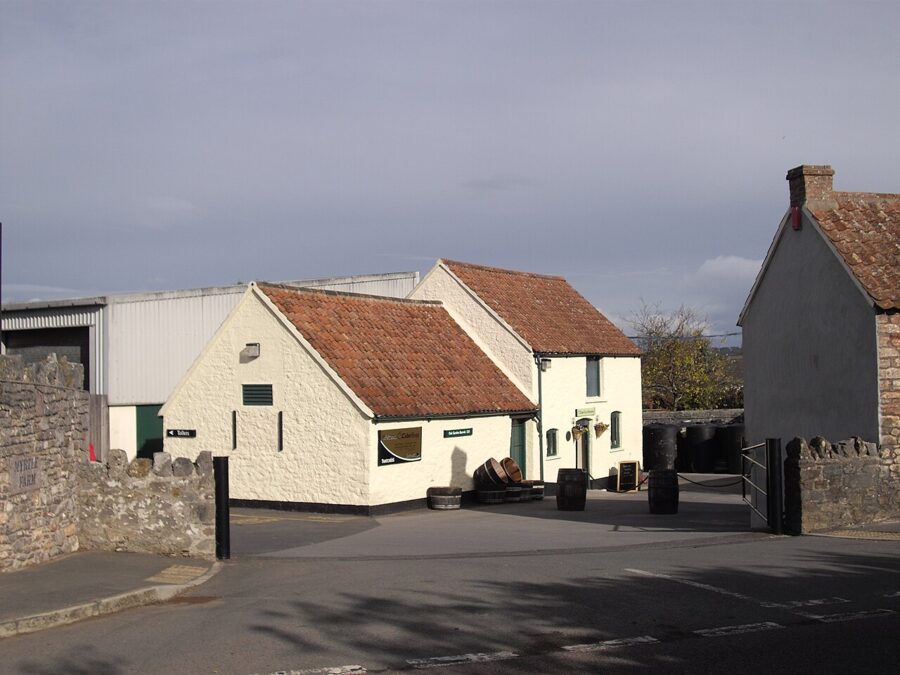

The shop sells the whole range, including draught cider from the barrel to take home, plus local cheese and chutney. It opens Tuesday to Saturday 10:00–17:00 (to 19:00 on Thursday) and Sunday 10:00–14:00, and shuts on Mondays.
Tours take about two hours and cost £20, covering the mill and the packaging hall and ending with a tasting. Since the start of 2026 they run from Tuesday to Friday only, because the upgraded mill no longer works at weekends. You must be 18, book ahead and wear closed shoes, and dogs can’t come.
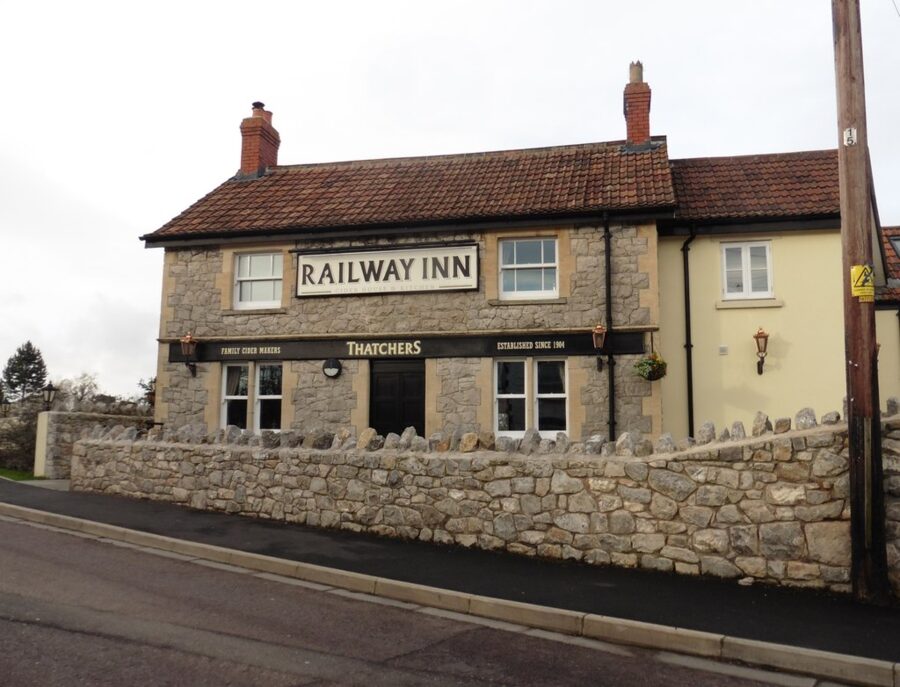
Next door, the Railway Inn has been the Thatchers pub since 2015: an oak-framed dining room, a lounge with an open fire, a cider garden with an awning, and the full Thatchers range including Cheddar Valley and Stan’s Big Apple. It is open 10:00–23:00 every day except Sunday, when it closes at 22:00, and you should book if you want to eat.

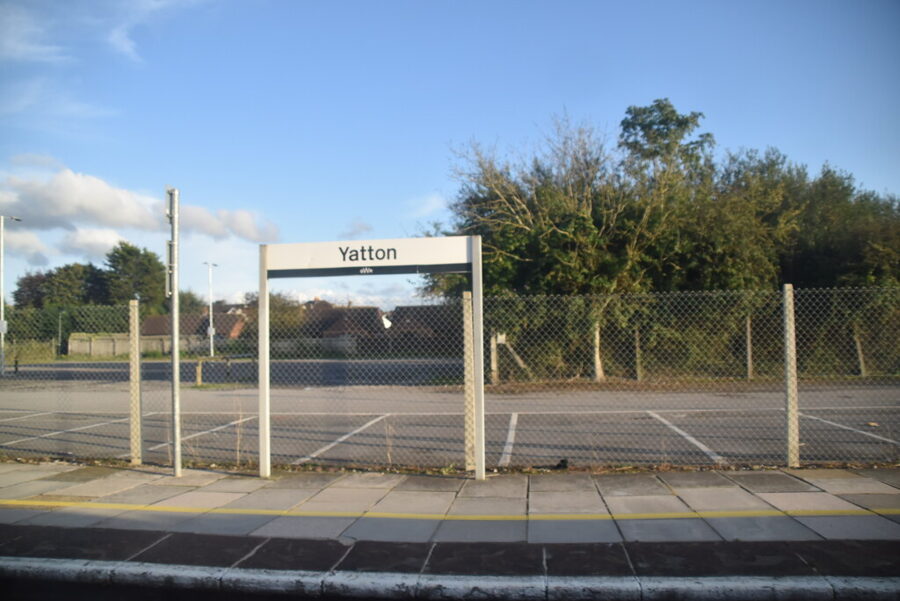
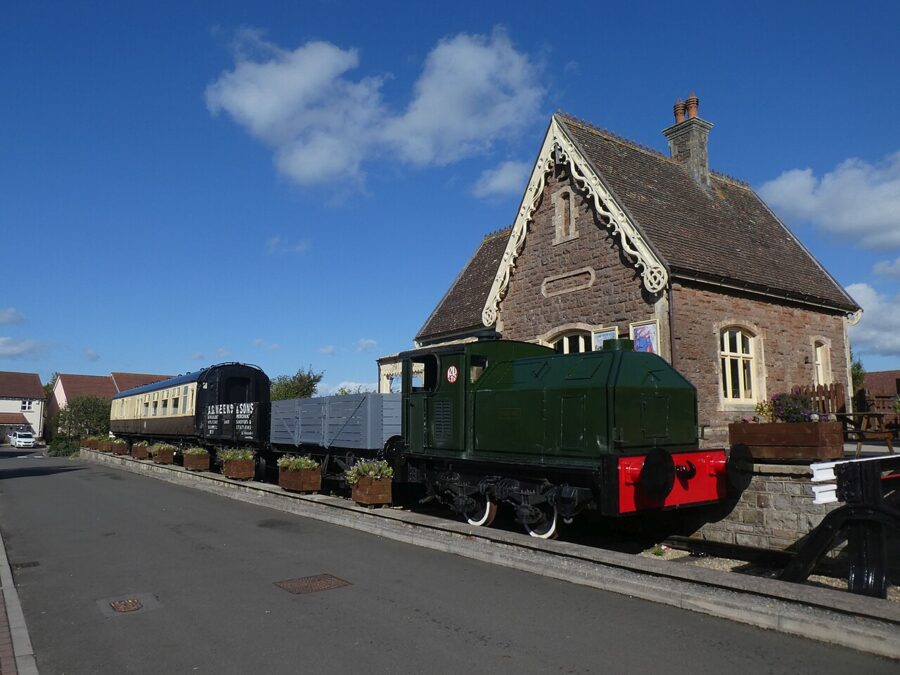
Getting there is half the fun. Sandford is on the Strawberry Line, the trackbed of the old Cheddar Valley railway, now a path for walkers and cyclists. Take the train from Temple Meads to Yatton, then walk or cycle about four miles south along the line to Sandford, where the old station still stands. The Mendip pubs beyond it are in the guide to north Somerset’s pubs.


If you came here looking for where Thatchers is poured, the short answer is almost everywhere, because Gold is on keg all over the city. For the traditional ciders, the Railway Inn has the full range, and the Orchard Inn keeps Thatchers Traditional on tap. And if the stories about Exhibition are right, you have already drunk the strongest of them in Clifton.
Wilkins at Mudgley
Roger Wilkins makes cider at Lands End Farm in Mudgley, on a ridge above the Somerset Levels near Wedmore, and of all the farm visits it is the one I’d pick. There is no shop to speak of, just barrels in a barn, dry, medium and sweet, and a taste of each before you buy. Cheddar and Stilton, eggs and vegetables are for sale too, and the unpasteurised Cheddar is worth the trip on its own.

The farm is open every day from 10:00 to 20:00, except Sunday, when it closes at 13:00 so Roger can have his lunch in peace. He doesn’t sell online; you phone the farm to have cider sent. Mudgley is about twenty-five miles south-west of Bristol and needs a car, so somebody has to stay sober. The Orchard and the Apple both pour Wilkins if you’d rather skip that argument.
Rich’s at Watchfield
Gordon Rich started pressing cider apples at Mill Farm in Watchfield, near Highbridge, in 1954, and the farm is now the most visitor-ready of the Somerset makers: a restaurant with a carvery, a farm shop, and a small museum of old presses and oak vats. Tours run on Saturdays, last about an hour and a half and start from £10, ending at the tasting bar.
It is close to junction 22 of the M5, under an hour from Bristol. The farm’s charity wassail, with the Skimmity Hitchers playing, is on Saturday 16 January 2027. Wassailing, the old January custom of toasting the apple trees with cider and noise for a good crop, is the best excuse there is for a cider farm in midwinter.
Street, Taunton and the Levels
Hecks in Street has made cider since 1841 and still sells it from its farm shop in the town, with perry and apple juice. It also makes the Orchard Inn’s house cider, so you may already know it.
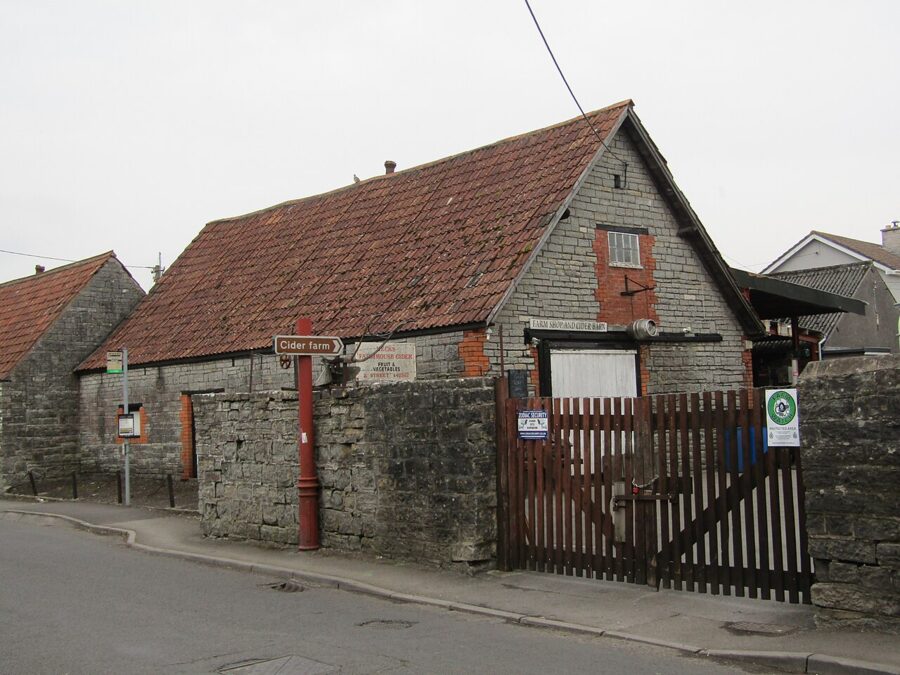

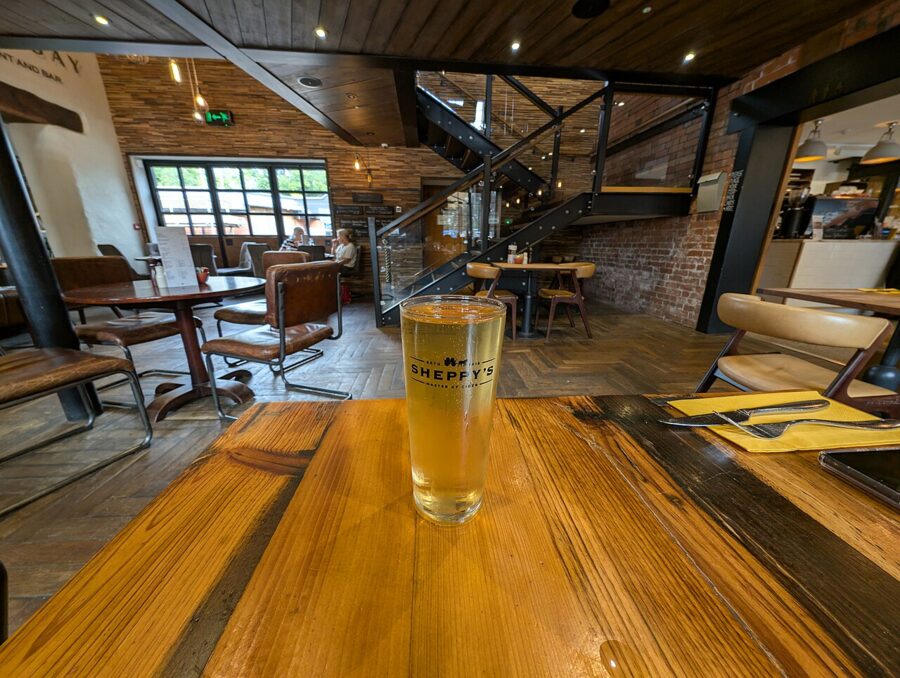
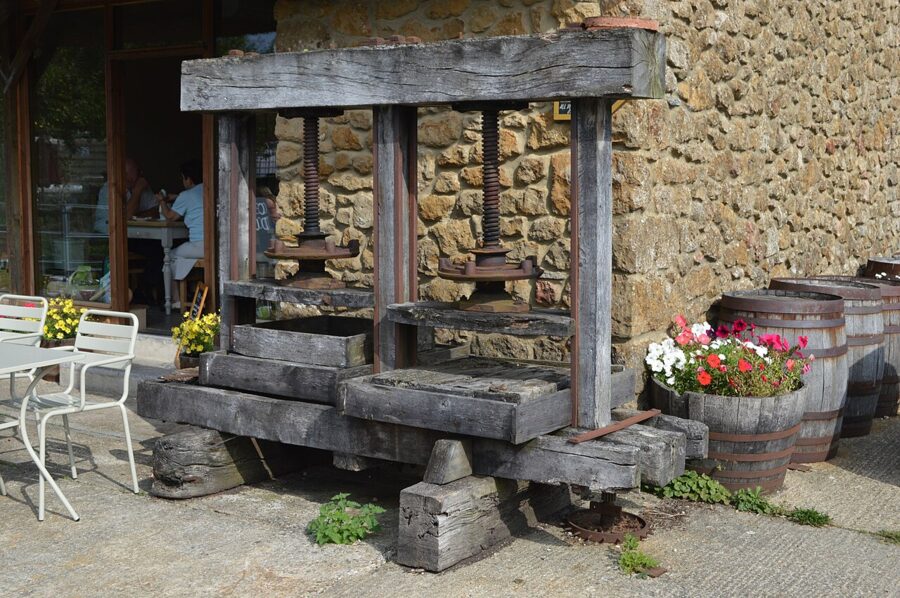
Further south, Sheppy’s at Three Bridges near Taunton has a shop and a cider museum. Burrow Hill, at Kingsbury Episcopi on its little hill above the Levels, is where Somerset Cider Brandy is distilled, and its farm sells the cider too. Perry’s at Dowlish Wake, near Ilminster, keeps an old press in the yard and has a shop and café.


Westons, if you’re heading north
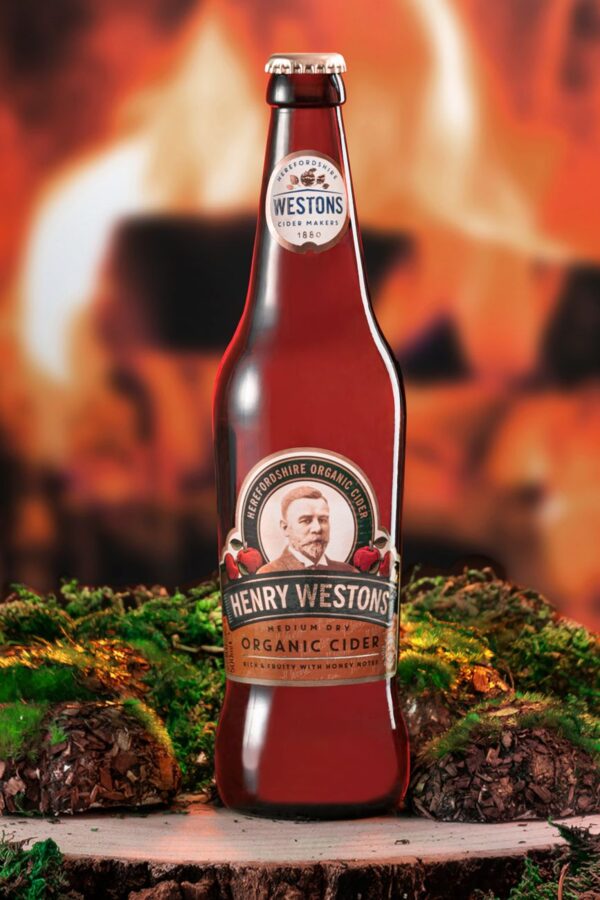
Westons at Much Marcle is the big Herefordshire maker, with tours, a restaurant, shire horses and walks. It makes Old Rosie, the cloudy still cider on tap at the Orchard, as well as Stowford Press and the Henry Westons range. Allow an hour and a quarter from Bristol by car.
How to drink it without regret
Farmhouse cider is stronger than it tastes. A typical pub lager is 4 to 4.5 per cent; most farmhouse ciders are 6 to 7.5, and the house strong ones at the Cori and the Apple are over 8. A pint of 7 per cent cider is about four units of alcohol, against two and a bit for a pint of ordinary lager.
So drink halves. Draught cider can legally be sold in thirds, halves, two-thirds and pints, and halves let you try twice as many. Ask for a taste before you commit: in a proper cider pub nobody minds, and the staff would rather you liked what you bought.
Know the words. Dry, medium and sweet matter most, then still or sparkling, then cloudy or clear. If you like the big brands, start with a medium sparkling cider and work towards the dry ones; if you drink white wine, go straight to a dry still cider from a single farm, or one of the keeved bottles at the Cider Box.
Some house manners. Don’t ask for ice in farmhouse cider; they will give it to you, but they’ll think less of you. Don’t attempt ten halves of Exhibition before ten. And don’t drink strong cider on an empty stomach, which is what the Orchard’s pork pies are for.
The rest of pub etiquette applies as it does to beer: order at the bar, take your turn on rounds, and thank the staff.
Then there is the morning after. Farmhouse cider has a reputation for hitting late and hard, and most of that is simply strength. Water between halves, something to eat, and a firm decision about the last one before you are on it.
One Saturday, five cider houses
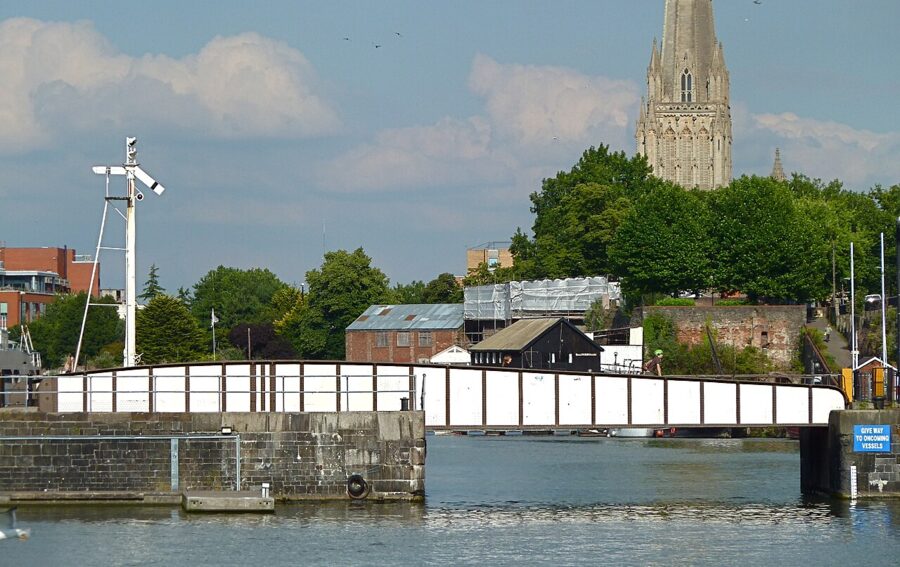
Saturday is the day to do it, because the Cider Box opens at 13:00. Start there, with a sharing bottle and a toastie. Walk to Welsh Back for the Apple’s terrace in the afternoon sun, then along the harbour past the Stable and over Prince Street Bridge to the Orchard Inn for the evening, and a pork pie. The Cori opens later on Saturdays, so save it for last: it is a steep half-hour walk from Spike Island through Hotwells, or a short taxi ride.
In 2026 the Cider City festival took over King Street on 8 August, with a block party, special releases and a trail round the city’s cider pubs, and an official cider bar at the Old Vic. If it comes back, that is the weekend to plan around.

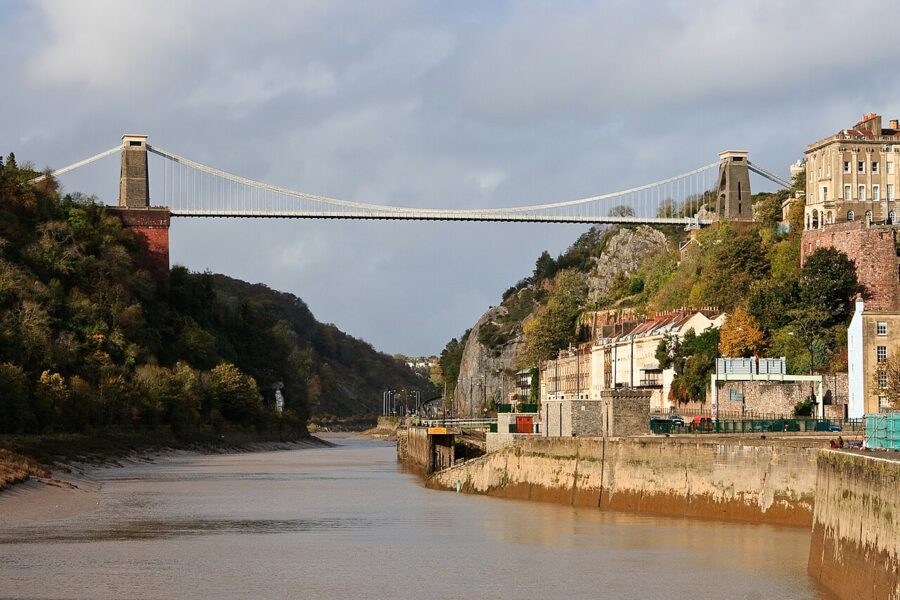
Whichever way you go, finish where this started. Order a half of Exhibition at the Coronation Tap, don’t argue about the glass, and walk up to the Suspension Bridge to drink in the view instead of a second one.