
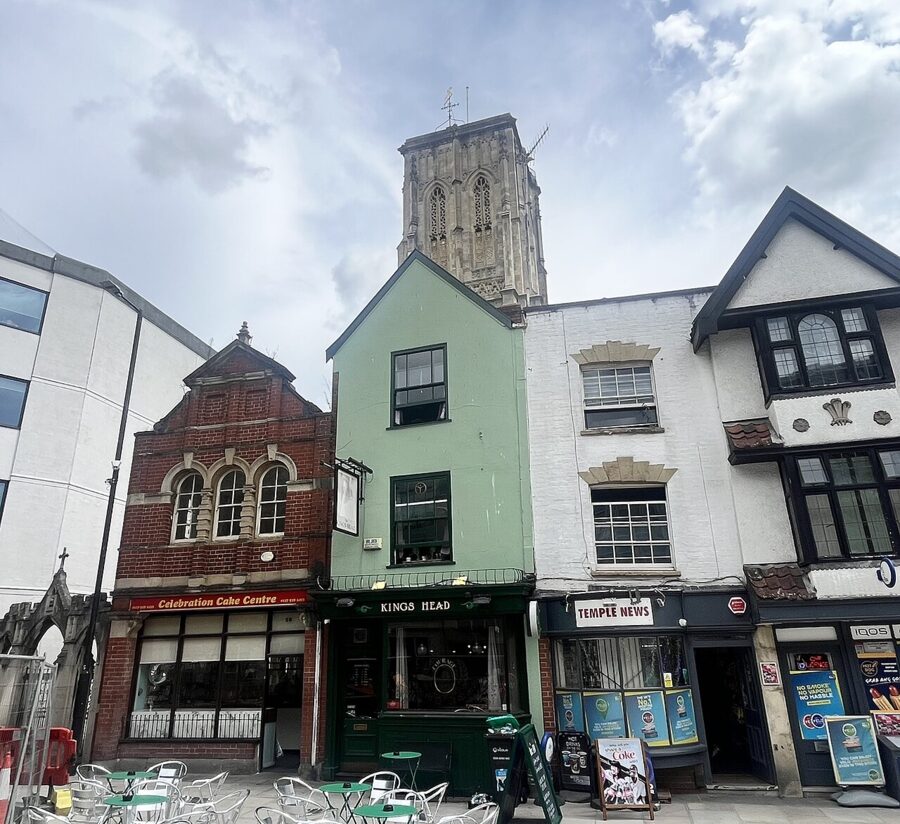
In the Kings Head on Victoria Street you drink a pint of something from a small local brewery in front of a mid-Victorian bar-back that CAMRA reckons is the second oldest it knows of anywhere in Britain. The pub is a ten-minute walk from the platforms at Temple Meads. That is Bristol in one room: the old thing and the good pint usually turn out to be standing at the same bar.

It is also a city that drinks uphill. The harbour pubs sit at water level, the best locals hide in the lanes of Kingsdown or hang off the edge of Totterdown, and anyone who plans a crawl from a flat map learns about St Michael’s Hill the hard way. Bristol drinks cider without apologising for it. And lately it has filled railway arches and old brewery buildings with taprooms of its own.
So start by the water, where the city started, and work your way up. Wear shoes you can climb in, carry a card because several of the best places no longer take cash, and expect many pubs north of the centre to stay shut until 16:00 on weekdays.
On this page
- Cider, a harbour and too many hills
- The old city and King Street
- Down by the water
- Up the hill: Kingsdown, Cotham and Clifton
- Stokes Croft, Montpelier, St Werburghs and Easton
- South of the river: Bedminster, Southville and Totterdown
- Cider, and where to drink it properly
- One evening, harbour to hilltop
- Hills, trains, buses and other practical things
Cider, a harbour and too many hills
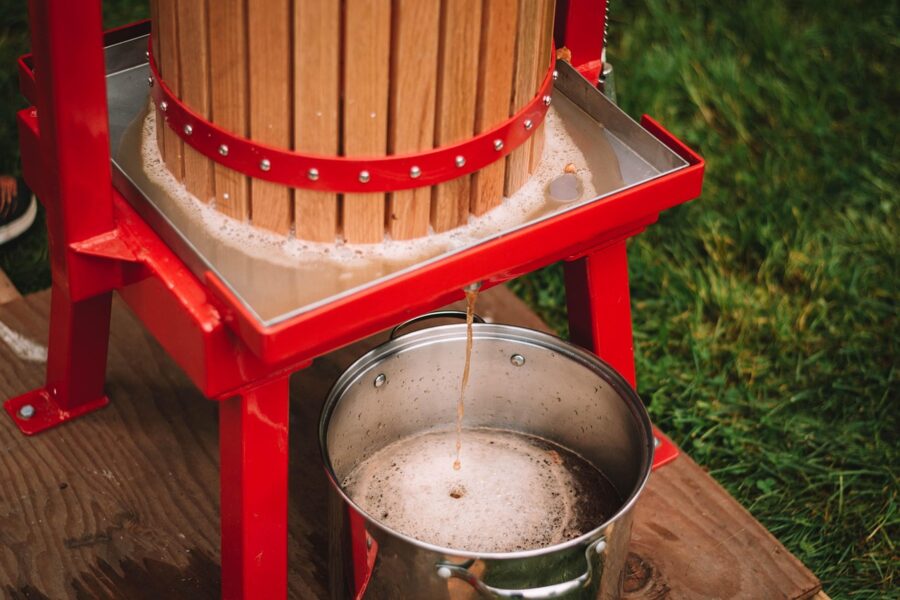
Three things shape a night out here, and the first is cider. Bristol sits at the top of the West Country cider country, with the Somerset orchards a few miles south, and plenty of ordinary locals keep a real cider on a handpump or in a box behind the counter. It is the flat, dry farmhouse kind that would get a puzzled look in Leeds. Two places, the Orchard Inn and the Apple, stock it by the dozen.
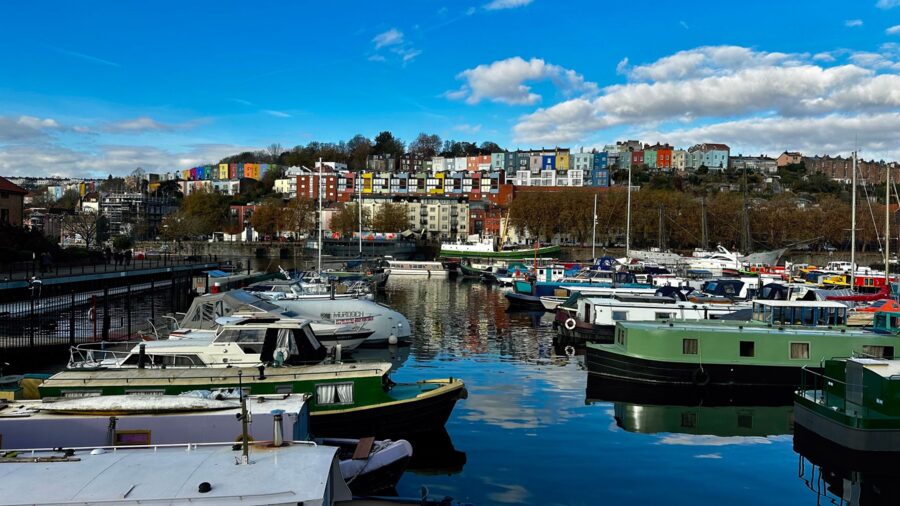
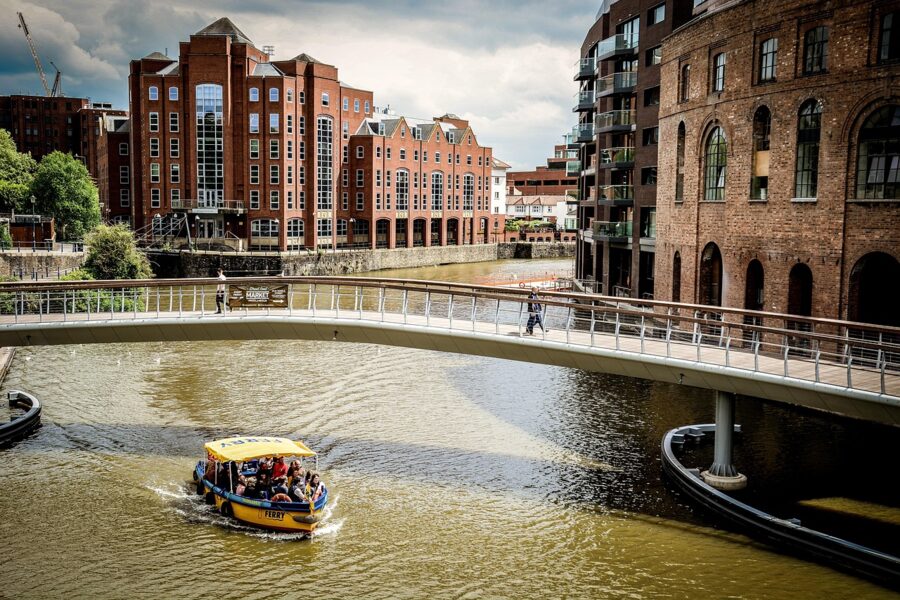
The second is the water. The Floating Harbour was finished in 1809, a loop of river locked off so ships could stay afloat at low tide, and its pubs served sailors and dockers for the next century and a half. The big ships moved downriver long ago. What is left is a ring of old dockside pubs and a couple of converted boats, most with somewhere to sit and watch the water.
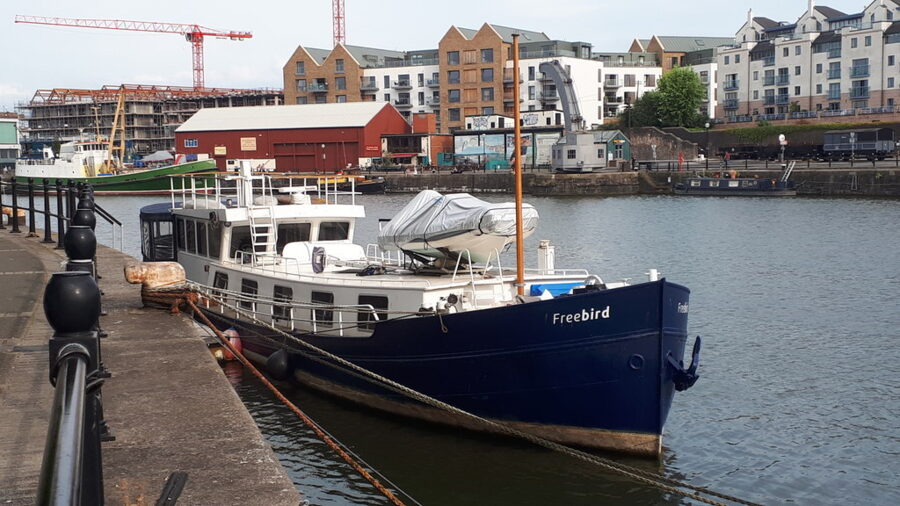

The third is the hills, which nobody warns you about properly. The old city sits low and everything else rises: Christmas Steps up to Kingsdown, Jacob’s Wells Road up to Clifton, Bedminster up to Windmill Hill, and Totterdown up slopes so steep that people park sideways. Plan the climbing early and finish downhill.
Then there is the brewing. George’s brewery made beer by the river on the Counterslip from the 1780s until it closed as a Courage plant in 1997, and its name is still picked out in raised letters on old pub fronts across the city. Today you will see Bristol Beer Factory, Moor, Wiper and True, Lost & Grounded, Left Handed Giant, Good Chemistry, Arbor, New Bristol Brewery and Twisted Oak on handpumps all over town.
Some of it is hazy on purpose. Moor sells its beer unfiltered and naturally carbonated, so a cloudy pint of it is cloudy for the right reasons. If you came for real ale, Bristol is generous: the Hillgrove Porter Stores has twelve handpulls, the Cornubia six, and few serious pubs have fewer than three. Keg drinkers will be just as happy.
The old city and King Street
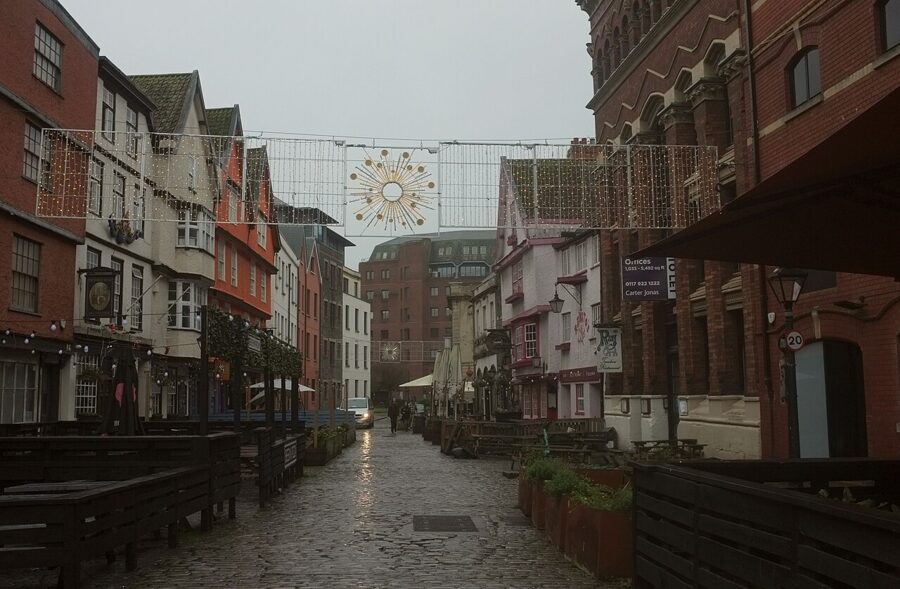

If you only have one evening, start here. The old city is the medieval core inside the line of the vanished walls, and King Street, just outside them by the harbour, is its drinking street. Five of the pubs below are within a two-minute stagger of each other, which on Friday and Saturday nights is exactly the problem.
King Street itself
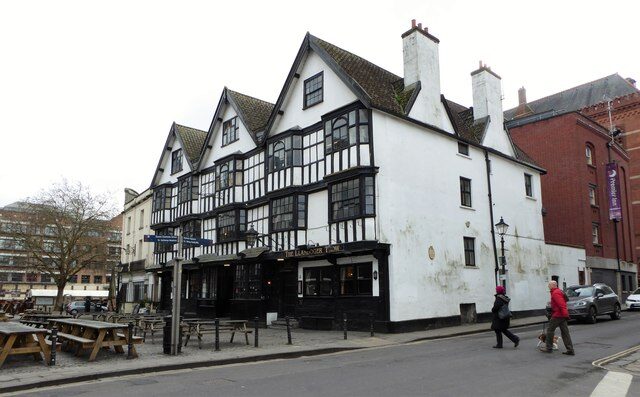

The Llandoger Trow is the building on the postcards. The stories come with it: that Daniel Defoe met Alexander Selkirk here and went home to write Robinson Crusoe, and that it was the model for the Admiral Benbow in Treasure Island. Nobody can prove either, so enjoy them the way you enjoy the ghost it is also said to have. The ground floor is a run of old rooms with up to five changing cask ales, more than twenty-five keg lines leaning towards German and Czech beer, and two real ciders.
There is sea shanty singing, comedy and bluegrass, and techno in the back Red Room at weekends. It is card only, opens at 14:00 on Mondays and Tuesdays and at noon otherwise, and on a dry evening the shared benches outside are the best seats on the street.
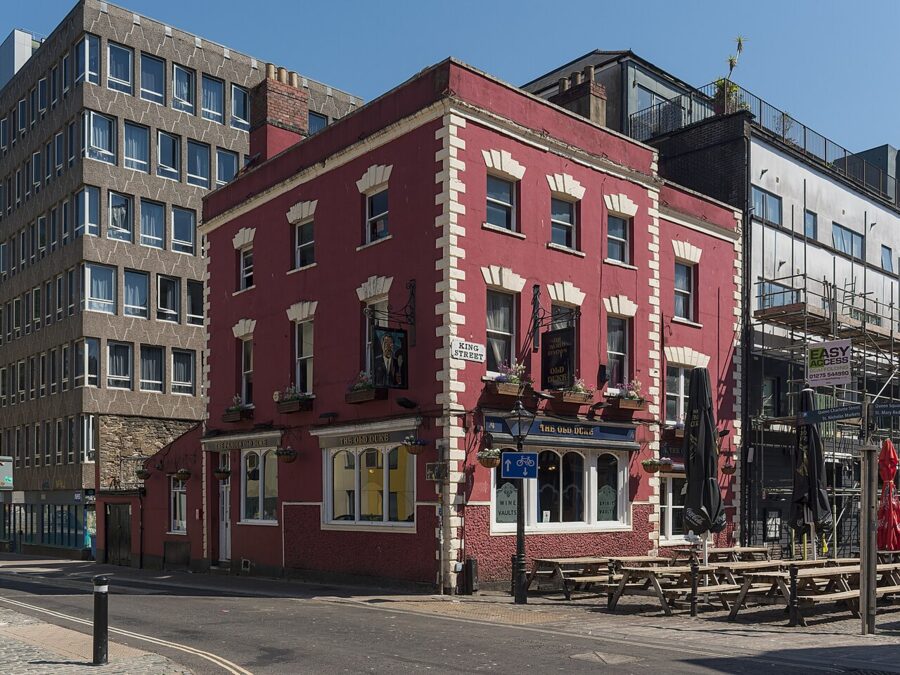

Directly opposite, the Old Duke is a jazz and blues pub in a building of about 1775 with free live music every night and on weekend afternoons. When a good band is on it gets very full. Go for the music rather than the beer, which is solid and unadventurous (Otter Ale is a regular), and if it is packed, take your pint outside and listen through the door.
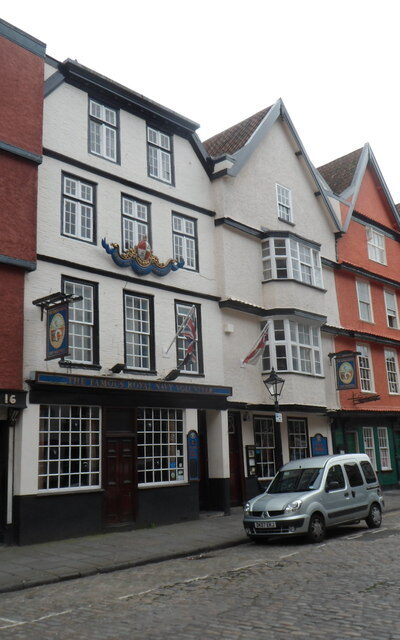

A few doors along, the Famous Royal Navy Volunteer, the Volley to its regulars, is the beer lover’s choice. It pours around thirty-five beers and ciders, up to seven on cask, in thirds, halves, two-thirds or pints. There is a fire in the snug in winter and a sun-trap roof terrace in summer. Food runs 12:00–15:00 and 18:00–21:30 Wednesday to Saturday and until 17:00 on Sunday, with none on Monday or Tuesday.
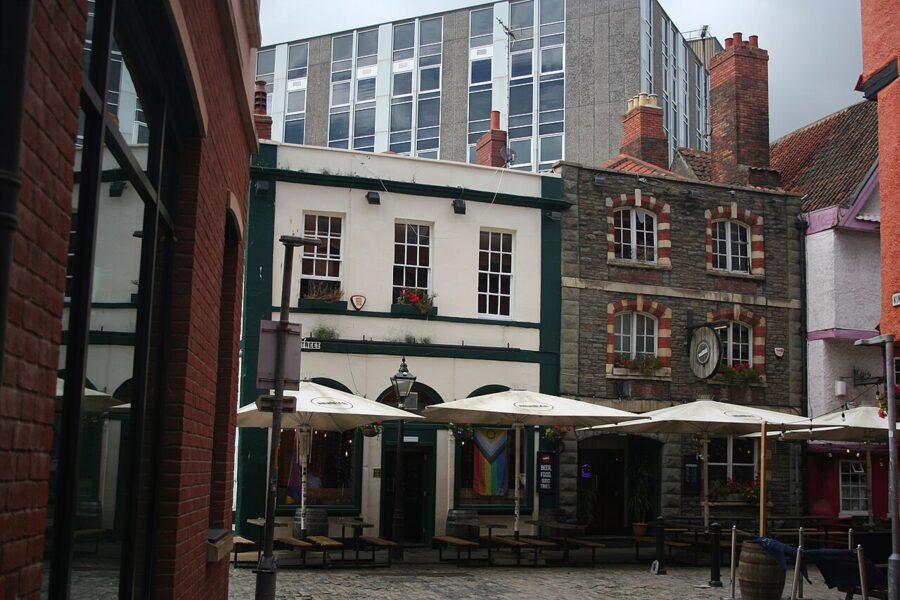

Small Bar is not small. It is the street’s craft beer bar, with about twenty-five draught lines, two cask handpumps, a bottle list of sours and wild beers, Asian fried chicken from Wings Diner and a top-floor lounge of old leather armchairs on busy nights. It opens at 16:00 Monday to Wednesday and at noon from Thursday. A few doors away, the Beer Emporium burrows into three brick tunnels with a long keg list and an Italian restaurant; no cask, shut on Mondays, perfect when it is raining sideways.
Inside the old walls
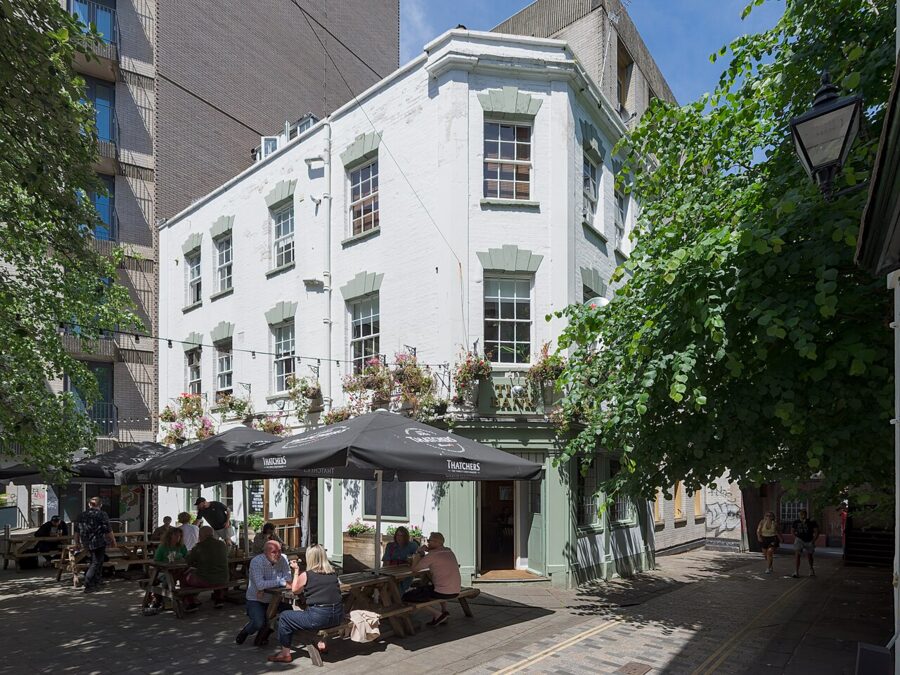

Walk up past St Nicholas Market and the old city closes in. The Bank Tavern on John Street is the best small pub in it: one traditional room with bare boards and green settles, three guest beers that often include something dark, Draught Bass as the regular and a real cider. Food runs 12:00–16:00 daily, and the Sunday roast is booked months ahead, so plan that one or forget it. Tuesday is quiz night.
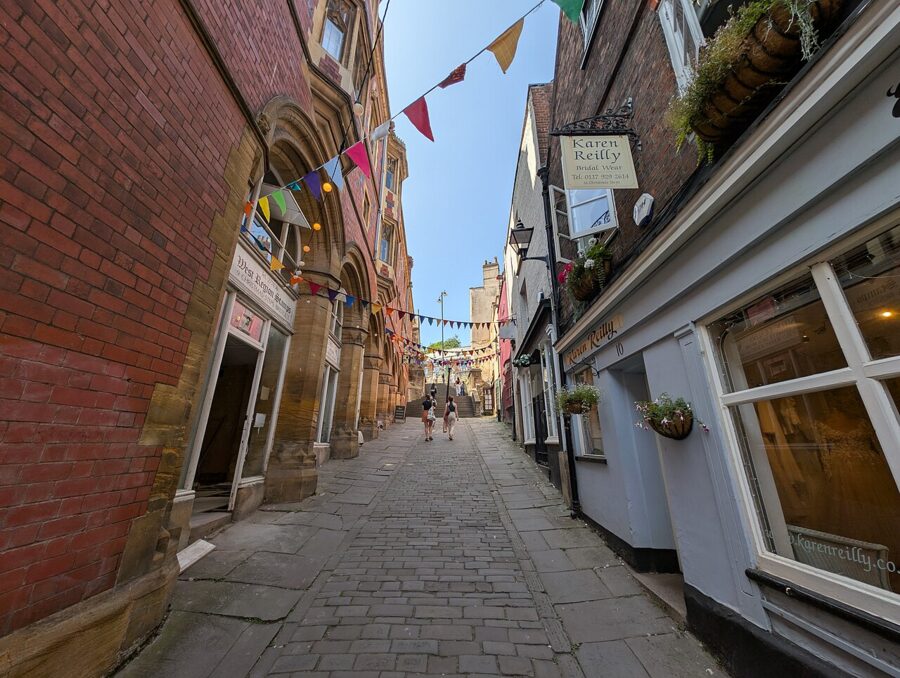
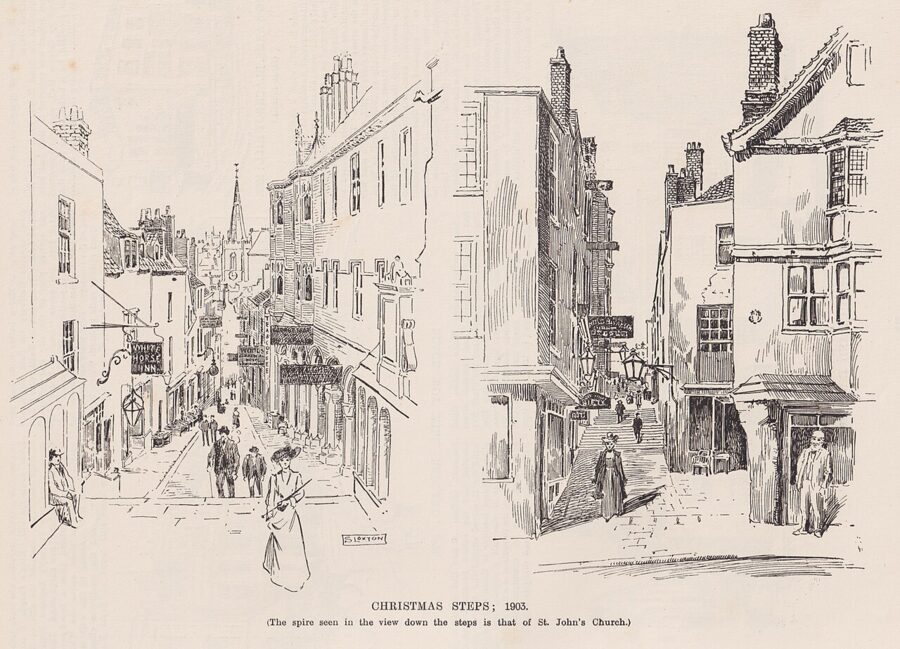
The Christmas Steps pub sits at the bottom of the stepped street of the same name, over two levels joined by a narrow staircase. The pub says it dates from about 1600; Bristol’s CAMRA branch, more cautious, calls it three hundred years old. It belongs to the people behind Crack magazine, so the jukebox is good, and it has at least four cask ales including house beers from Twisted Oak. Food runs until 21:00 (18:00 Sunday), it opens at 17:00 on Mondays and noon otherwise, and the stairs to the toilets are a test best taken early.
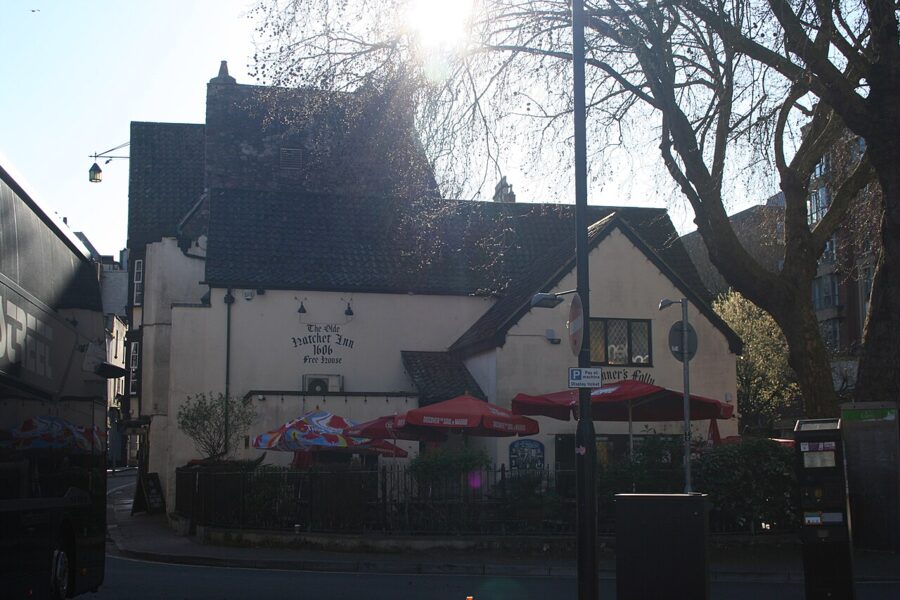

A few minutes west, the Hatchet Inn is a half-timbered building of 1606 and probably the oldest pub in Bristol to have traded without a break. You will also be told about a door covered in human skin. Treat that as you would any claim among the oldest pubs in England: the date is evidence, the skin is folklore. Inside, a careful 2021 refit left nooks round a central bar, a pool room upstairs and a hidden garden, with four cask beers and food every day.
Back towards the river, the Old Fish Market on Baldwin Street is a Grade II-listed Fuller’s pub in the old fish market. It is mostly sport on several screens and pizza, with live jazz on Sundays at 19:00. Useful rather than special.
Redcliffe, Temple and the station pubs
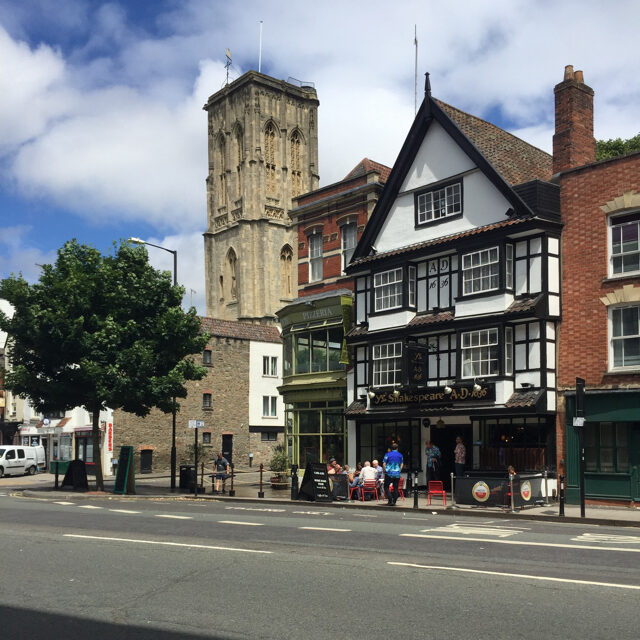

South of Bristol Bridge, Victoria Street runs to Temple Meads, and the pubs along it make the best welcome to the city. The Kings Head pours four or five changing cask ales from small breweries, usually including a dark one, plus real cider, cheese rolls and pickled eggs, and you can bring your own food. It opens at 16:00 on Mondays, noon Tuesday to Saturday and 14:00 on Sundays. In 2025 it was runner-up in CAMRA’s national award for saving a heritage pub.
Ye Shakespeare, a few doors along, is listed Grade II and dated 1636 on its gable. The front bar has had a pale modern refit that will split opinion; I’d head for the back room.
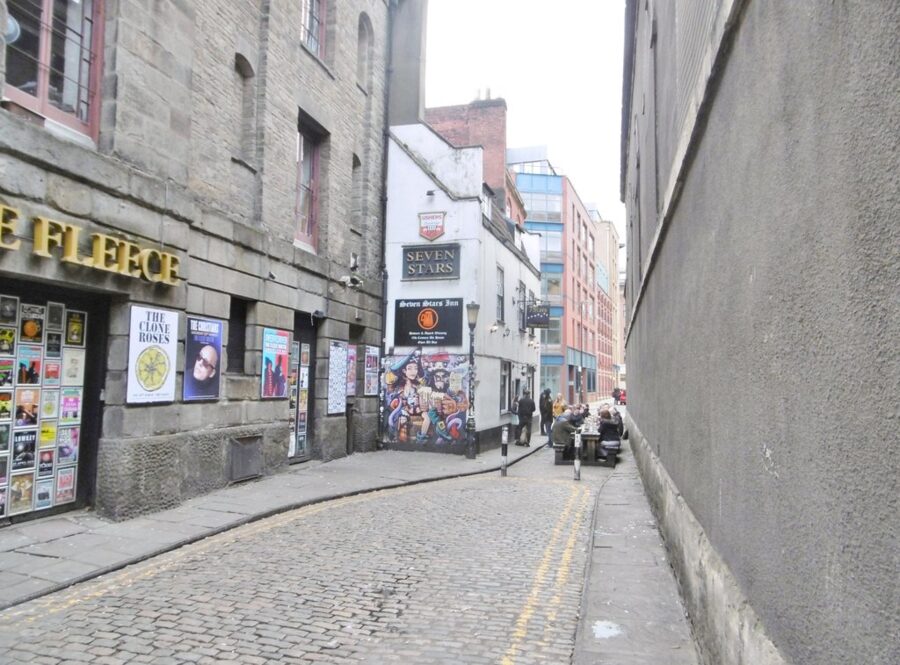

The Seven Stars in Thomas Lane has the most important history of any pub in the city. In 1787 the abolitionist Thomas Clarkson used it as a base while gathering evidence from sailors about the slave trade that had made so much of Bristol’s money. Today it is a one-room beer pub: up to five changing beers, two real ciders, a log burner, a jukebox and a ten-ale festival every other month. There is no food, but you may bring your own.
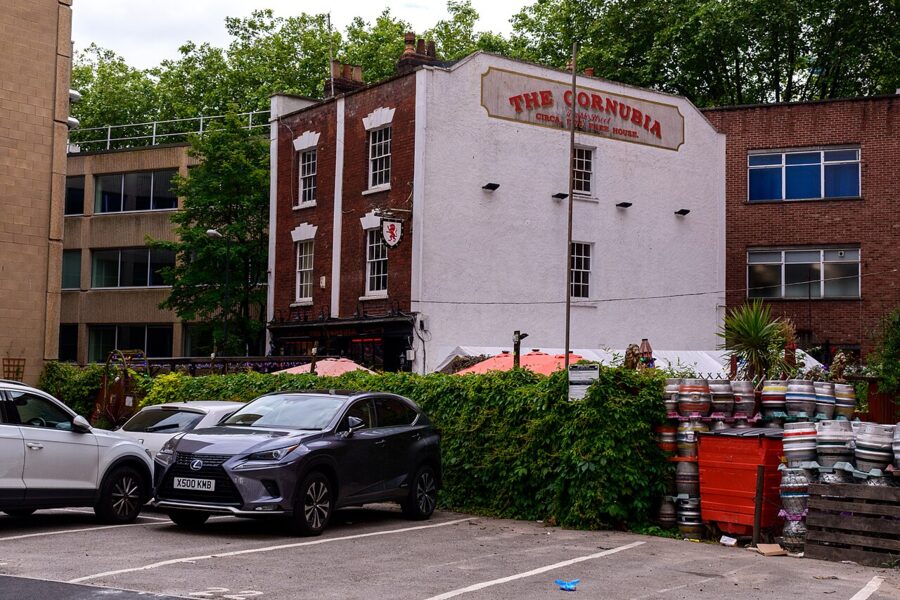
The Cornubia on Temple Street is the other must for beer drinkers. Six changing ales, usually more than one dark, a house beer from Twisted Oak, two ciders on handpump, pies and scotch eggs, and a garden wrapped round the front and side. It opens 12:00–23:00 Monday to Saturday and shuts on Sundays, which catches people out every week.
The Bridge Inn on Passage Street is tiny, with a giant black-and-white Jimi Hendrix on the front, Bristol music posters inside, one regular and three changing beers, a shelf of malts and a poetry night on the last Sunday of the month.
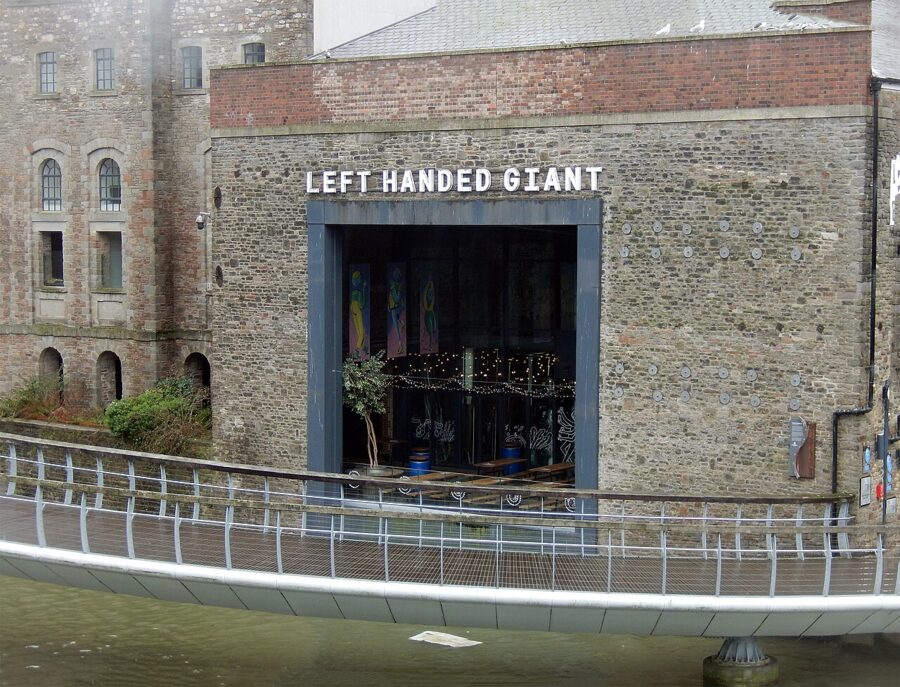

For the new Bristol, walk over to Finzels Reach. The Left Handed Giant brewpub opened in 2019 in part of the old George’s brewery and brews on the premises, normally with four cask ales among its taps, pizza from Pizza Is Lovely and darts and pool upstairs. It is card only. Under the railway arches near Temple Meads, Little Martha Brewing pours its own beer from the tank, is shut on Mondays and does not mind you bringing in a pasty.
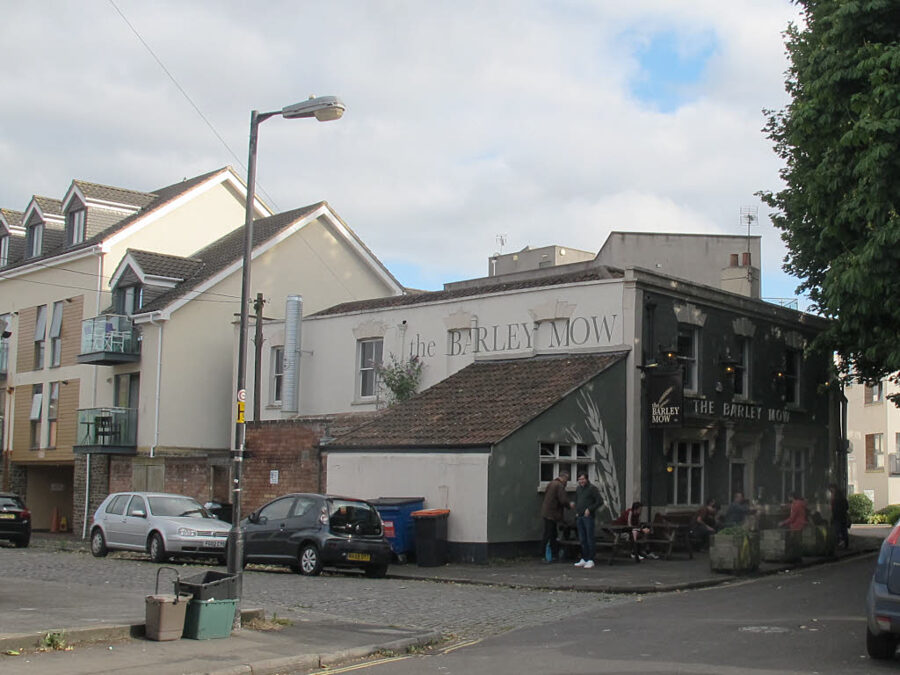
The Barley Mow on Barton Road is Bristol Beer Factory’s flagship: bare boards, eight handpumps, a walled garden and Sunday roasts from 12:00 to 17:00. From the back exit of Temple Meads, cross the footbridge and walk about 400 yards.

Down by the water
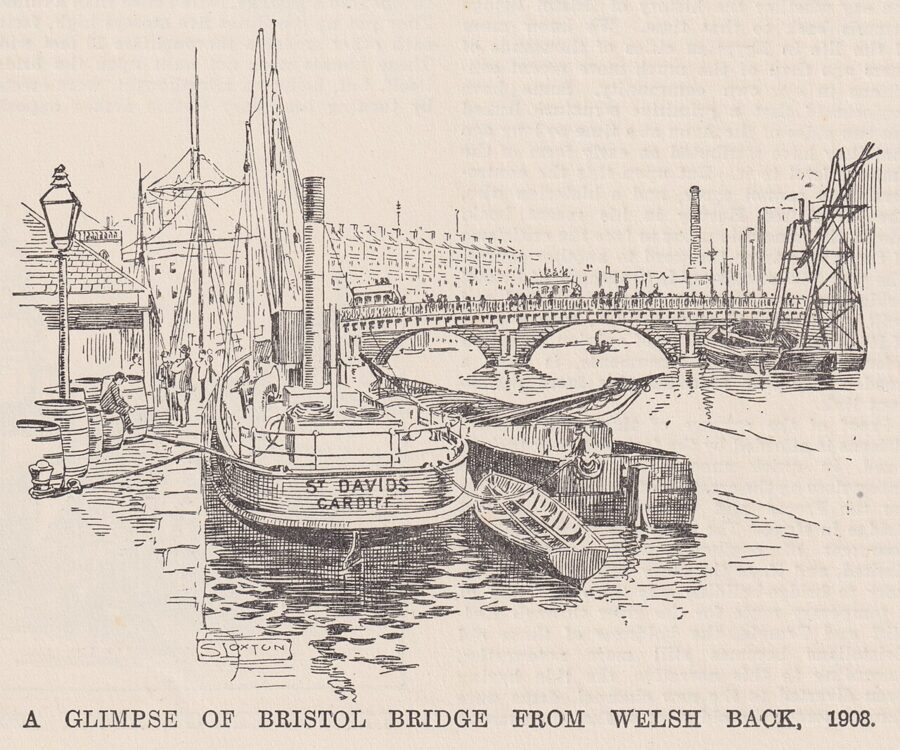
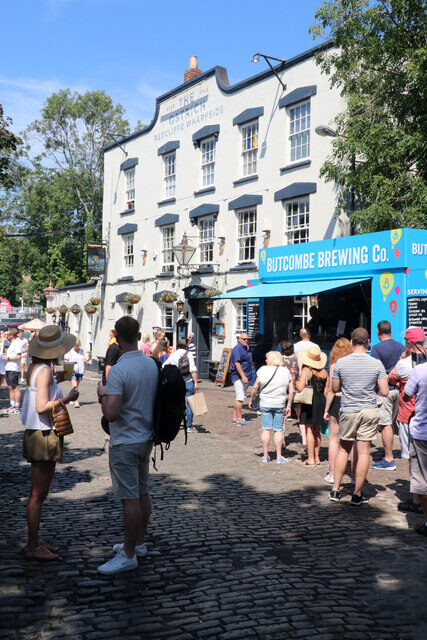
Follow the harbour west from Redcliffe and the pubs come with views. The Ostrich on Lower Guinea Street is an 18th-century Butcombe pub on Bathurst Basin with a big quayside terrace, an upstairs restaurant and a skeleton in a “cave” inside for you to find. Food runs from noon to 21:00, and children and dogs are welcome. It is very busy on sunny days, so come mid-afternoon or late.

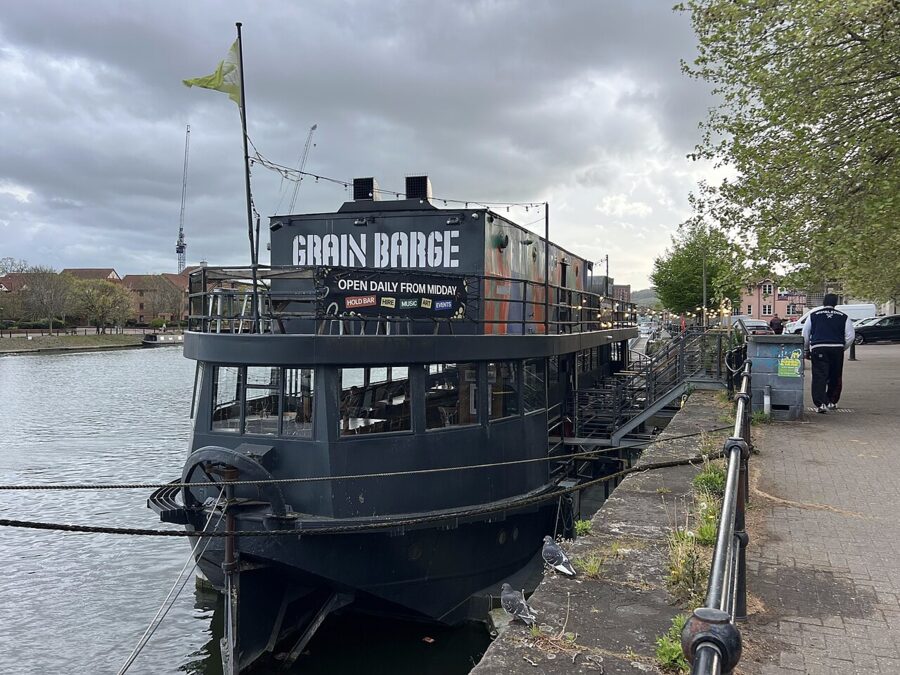

The Grain Barge, moored by Hotwell Road, is the better of the floating pubs for beer: four cask ales, plenty for vegetarians and vegans, a top deck as the beer garden and music and comedy down in the hold. It is card only; dogs are welcome, and children until 21:30.
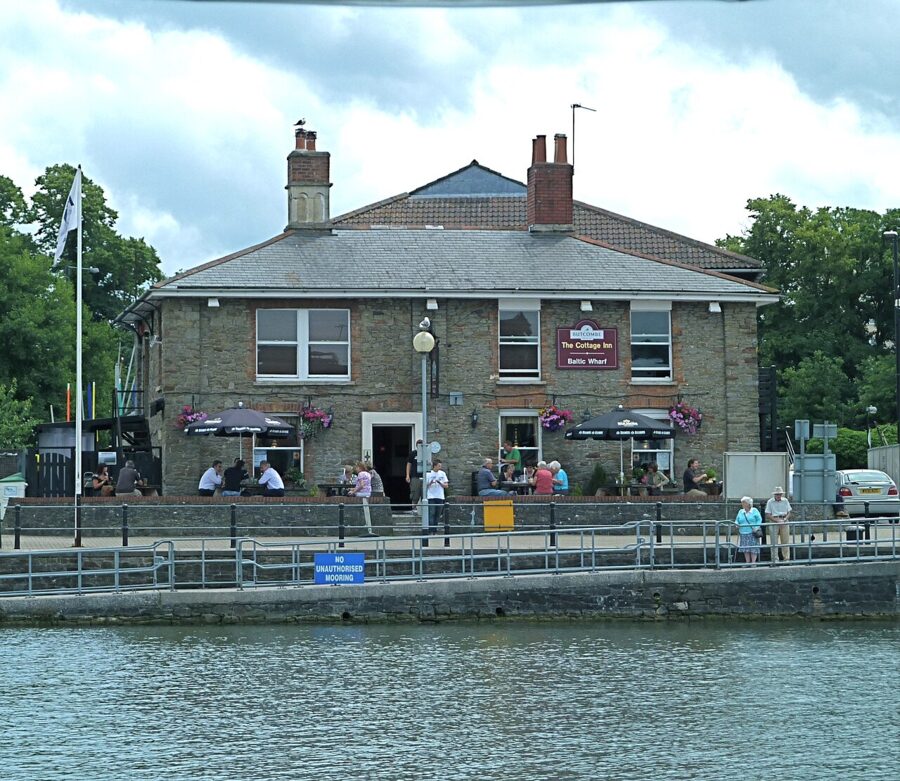

Across the water at Baltic Wharf, past the SS Great Britain, the Cottage Inn has one of the best positions in the city, looking along the harbour to Clifton and the Suspension Bridge. It is another Butcombe house with food until 20:00. Take the ferry there and walk back.
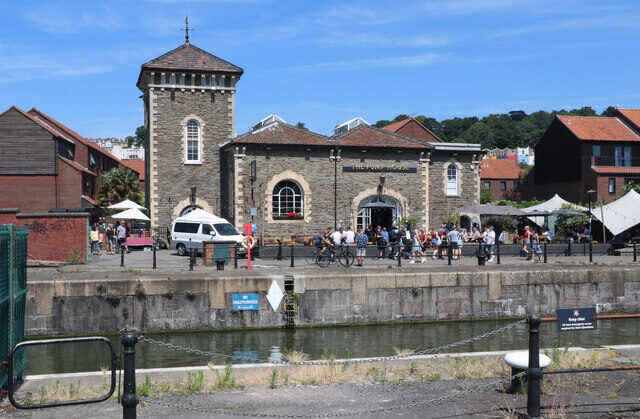

Out at Hotwells, where the harbour meets the Cumberland Basin locks, four pubs sit close together. The Pump House is the grand one, a Grade II-listed Victorian pumping station run by Bristol Beer Factory, with roomy bars, an upstairs dining room, a long terrace and step-free access with an accessible toilet. It is the obvious choice for a long lunch.
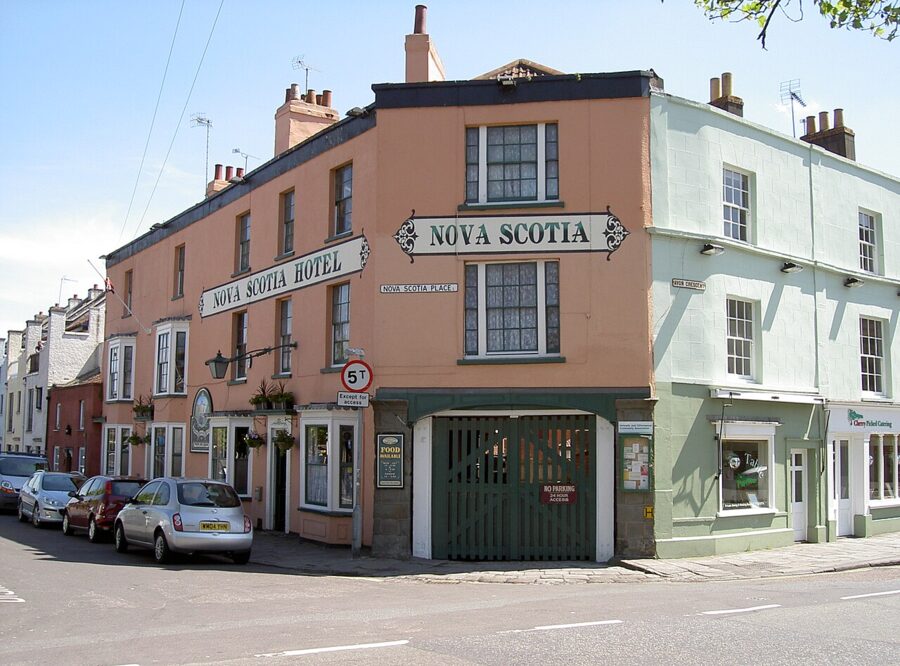

The Nova Scotia, on the dock edge by the locks, is the one for an old interior: a single bar serving a small lounge, a plain strip by the counter and the Captain’s Room behind a Victorian screen. Food runs 12:00–16:00, Monday is quiz night and Thursday brings an Irish session.
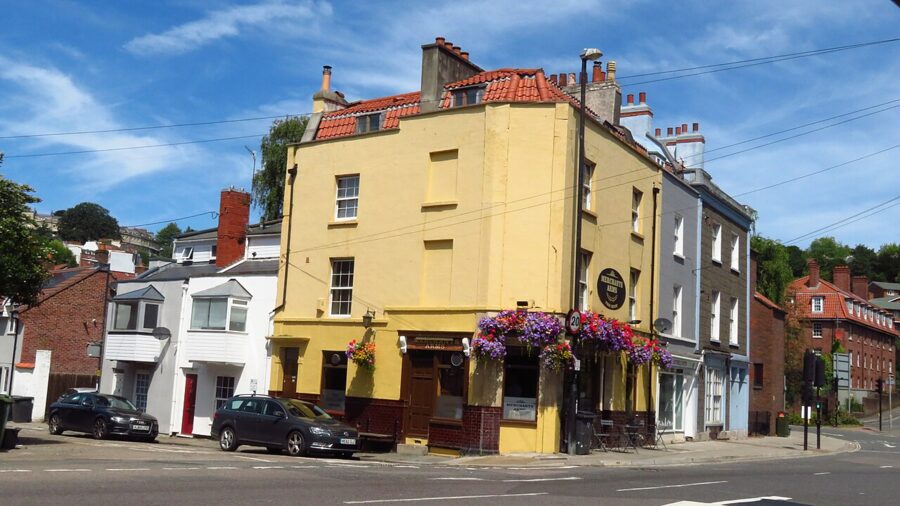

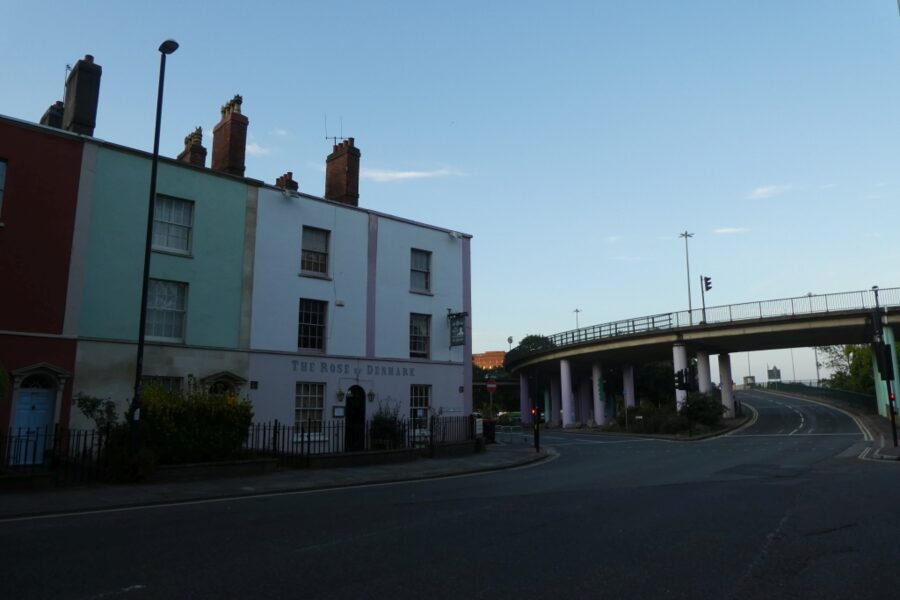
Close by, the Merchants Arms has been licensed since 1832, a quiet free-of-tie local with four cask ales including a dark one and home-made rolls, pork pies and pasties; it opens at 16:00 on weekdays. A few minutes away, the Rose of Denmark reopened in October 2024 after a careful refit, with a slate bar and a proper fire. Between them you have the best quiet hour on the harbour.

Up the hill: Kingsdown, Cotham and Clifton
North of the centre the city climbs. Kingsdown is a hillside of Georgian terraces and lanes reached up St Michael’s Hill or Christmas Steps, Cotham and Redland spread out behind it, and Clifton sits on the high ground above the Avon Gorge. These are neighbourhoods of locals rather than destinations, which is the point of them.
St Michael’s Hill and Kingsdown
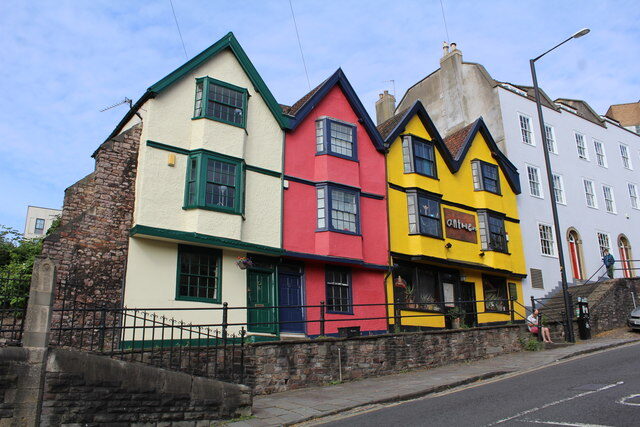

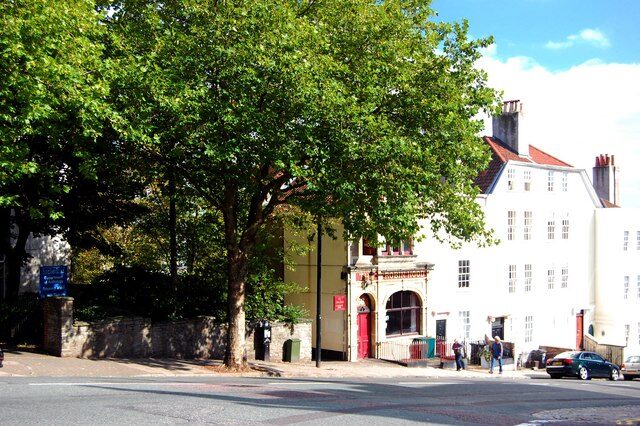

The Robin Hood, partway up, was a grocer’s before it was licensed in 1841 and is listed Grade II. It keeps its arched windows and panelling, then adds murals by local artists, a dumbwaiter disguised as the TARDIS and knitted caps on the handpulls. Three to five cask beers come mostly from local breweries, and one or two are £4.20 a pint for CAMRA members, students and NHS staff from the hospital next door. It opens at 16:00 Monday to Wednesday and 14:00 from Thursday, with a Wednesday quiz.
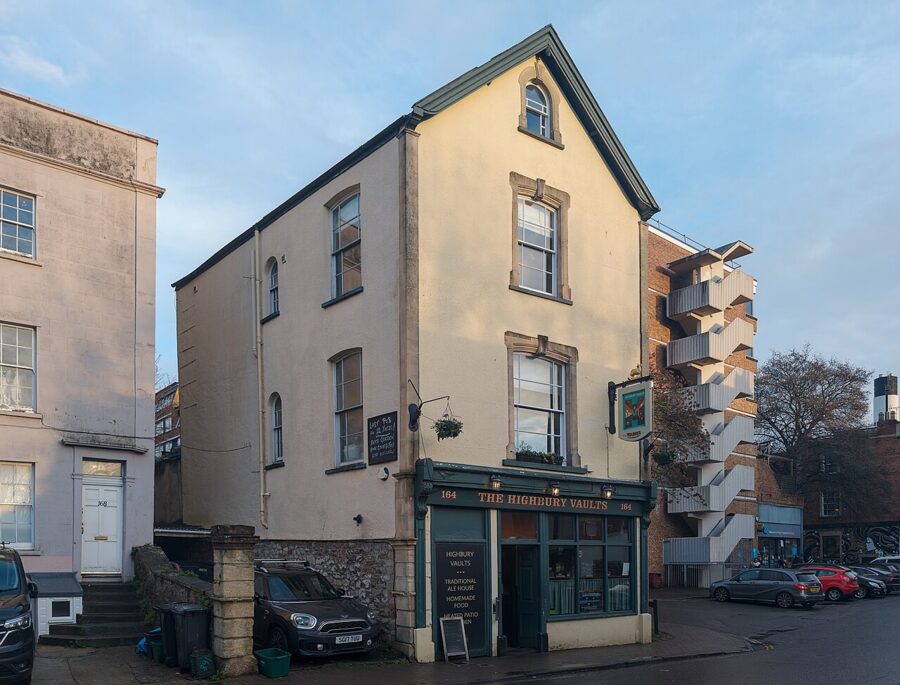

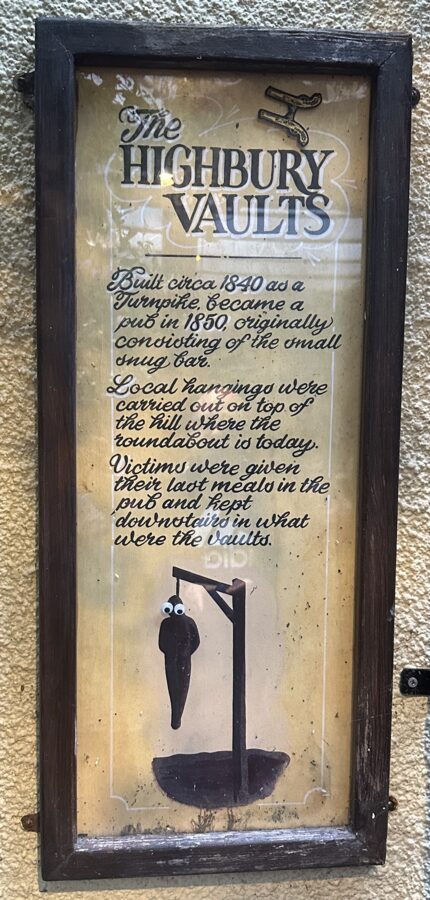
At the top is the Highbury Vaults, a Kingsdown local every Bristol student seems to have passed through, and still worth the climb. It is a wood-panelled run of small rooms with a tiny front snug, a model train that runs from room to room and a bar billiards table, and it is on CAMRA’s regional inventory of historic interiors. There are up to three guest beers, often local, but no meals, just filled rolls and sausage rolls. Dogs are allowed in the front rooms, the toilets are down steep stairs in the old vaults, and it is open 11:00–23:00 (from noon on Sunday).
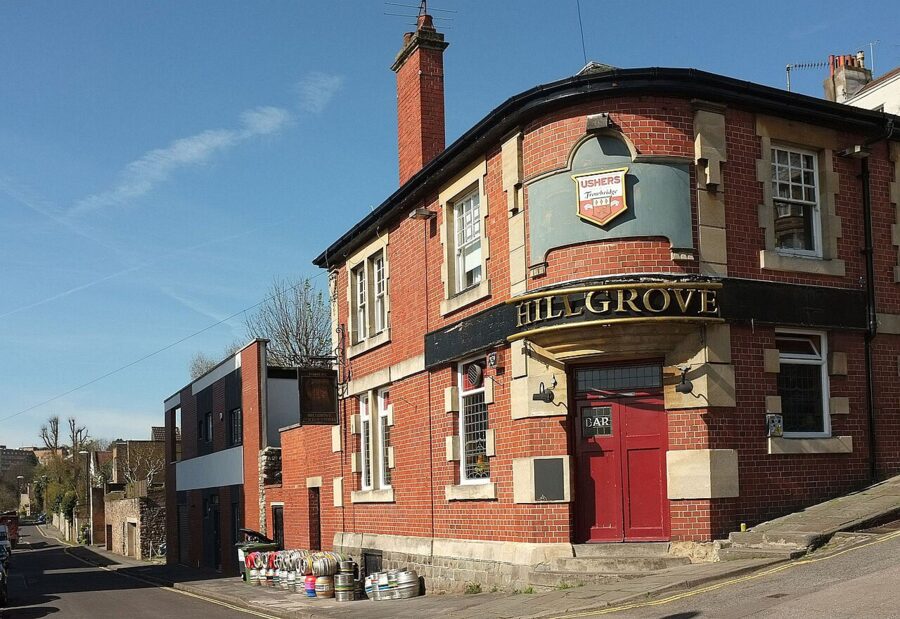

Ten minutes east, the Hillgrove Porter Stores on Hillgrove Street North is the beer drinker’s pub of the hill. It has twelve handpulls, often all in use at weekends, two real ciders, single malts, stained glass and a horseshoe bar, and Japanese food 17:30–21:00. It opens at 16:00 on weekdays and 14:00 at weekends.
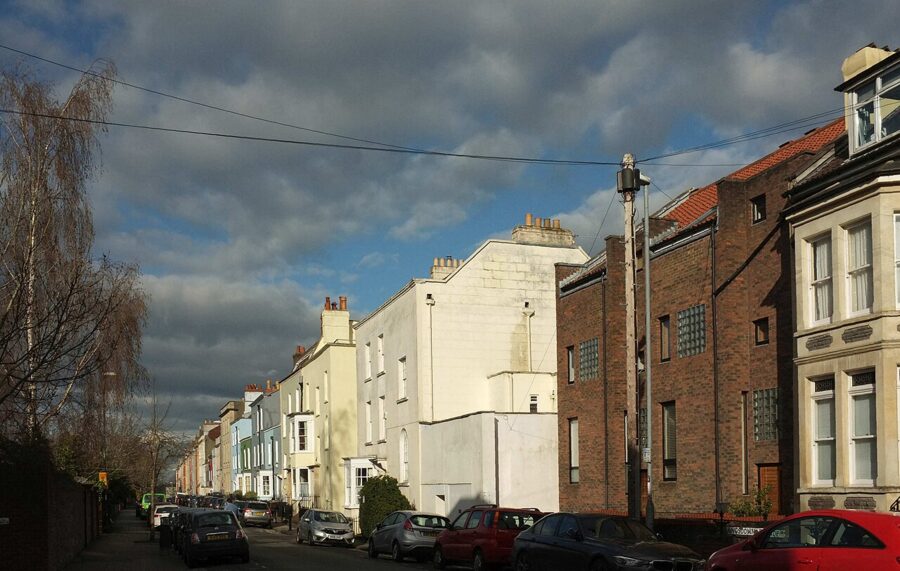

One gap on the hill: the Green Man on Alfred Place, long a Kingsdown favourite, has been closed since April 2026. If an old list sends you there, go to the Hillgrove.
Cotham and Redland
Over the top, the Cotham Porter Stores on Cotham Road South has belonged to Wickwar since 2013. Wickwar ales come on handpull with guest beers and traditional ciders straight from the cask, and the settles by the door are the seats to get. Local legend has the Beatles at a lock-in here after their Colston Hall show in November 1963, and regulars will point to a mural as evidence. The Thursday quiz is hard and popular, so arrive by 18:30 for a 19:30 start.
The Red Monkey, near Redland station, is a converted shop and a quieter pub altogether: no music, no television, phones used with discretion. It has up to five cask ales and five traditional ciders, rolls, pies and cockles, a dog bar with water and biscuits, and Irish sessions on Sundays. If you want to talk, it is perfect.
Clifton
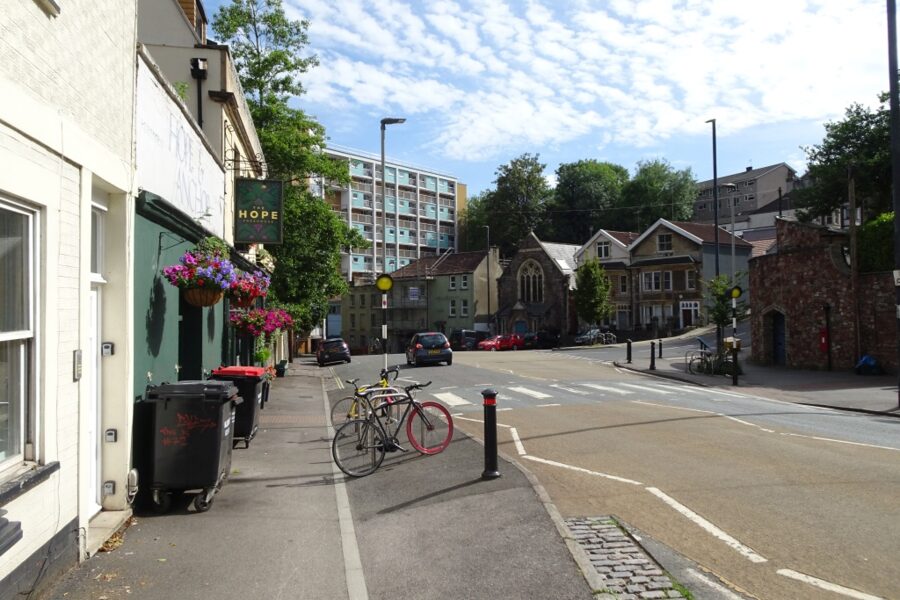

Clifton is Bristol’s smart end, all Georgian crescents and boutiques, and its best pubs are smaller and older than the houses around them. On the climb up Jacob’s Wells Road, the Hope & Anchor is a friendly stop with up to two local ales, a house pale from New Bristol Brewery, good cheap food from Tuesday to Sunday and a terraced garden. It takes cards only.
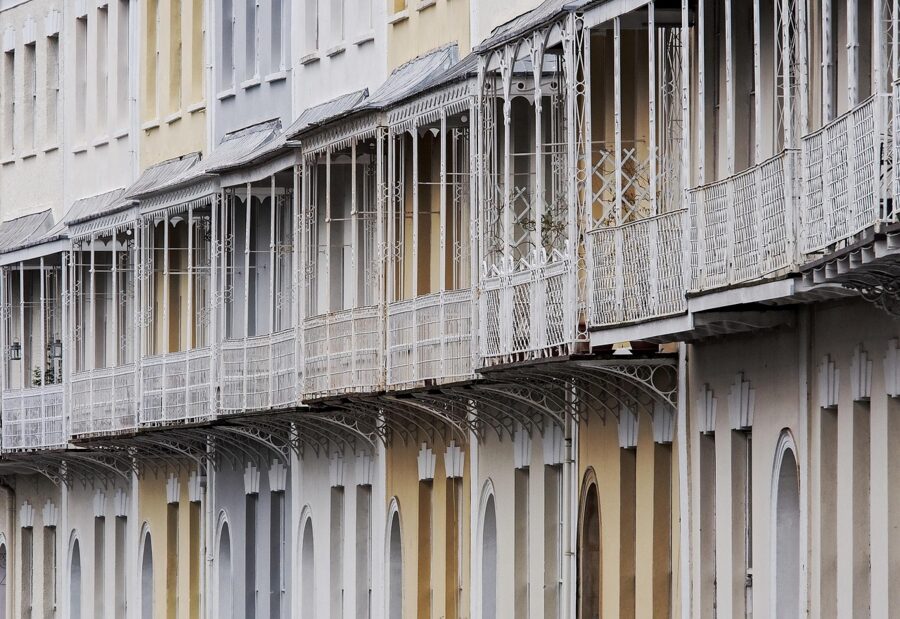
The Victoria on Southleigh Road, off the bottom of Whiteladies Road by the Clifton Lido, is a small Grade II-listed tavern that reopened in July 2026 with a new tenant after nine months shut. The refit added an upstairs snug; downstairs there is Bristol Beer Factory cask, a traditional cider, Belgian bottles and a fire in winter.
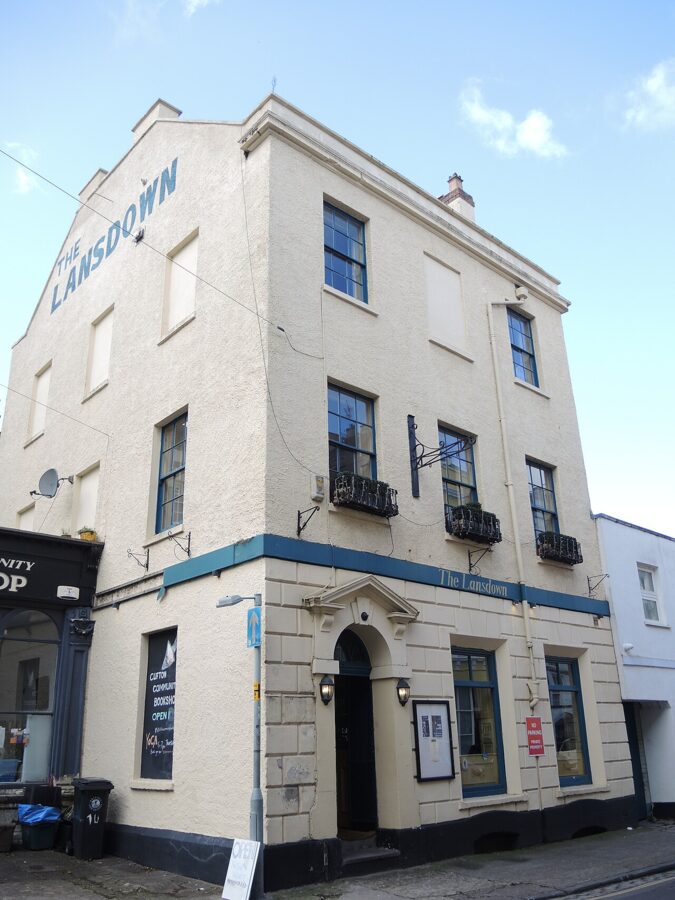

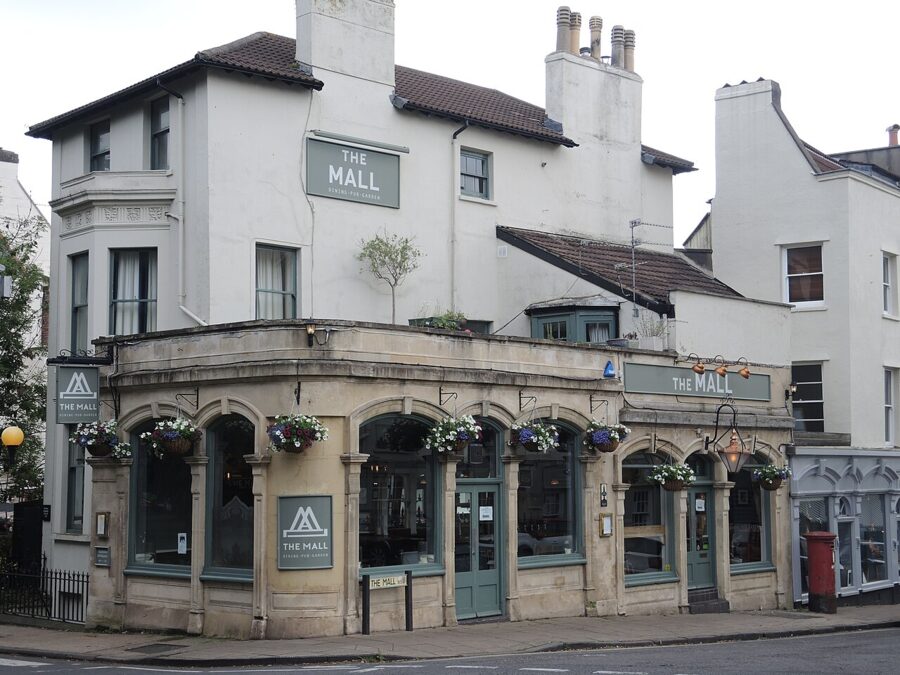
The Lansdown is a traditional pub with a strong list of South West ales and a covered, heated courtyard with a big screen for rugby; food runs Tuesday to Sunday. Up in Clifton Village, the Mall is the smarter option, refitted in 2025, with two bars, a terraced garden, a long wine list and a pricier menu.

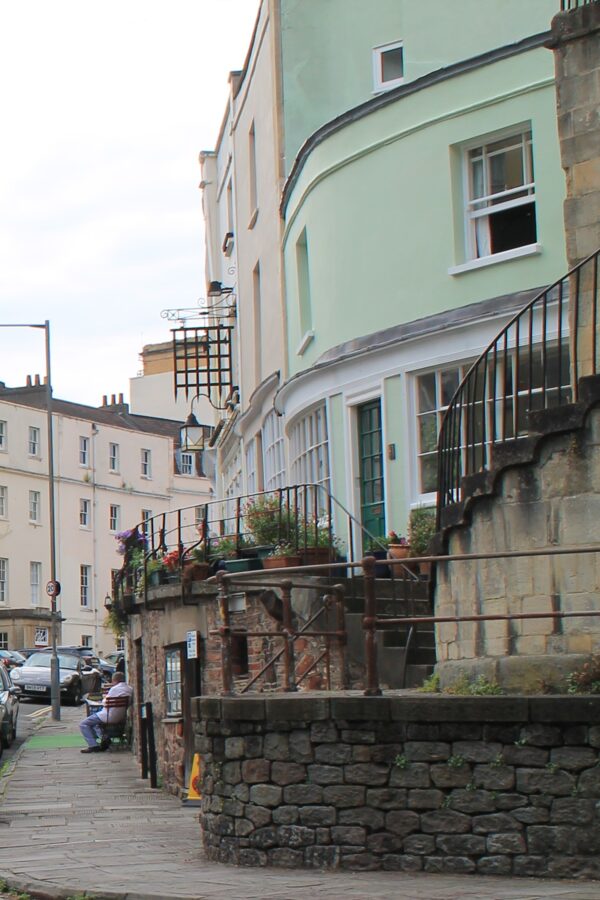
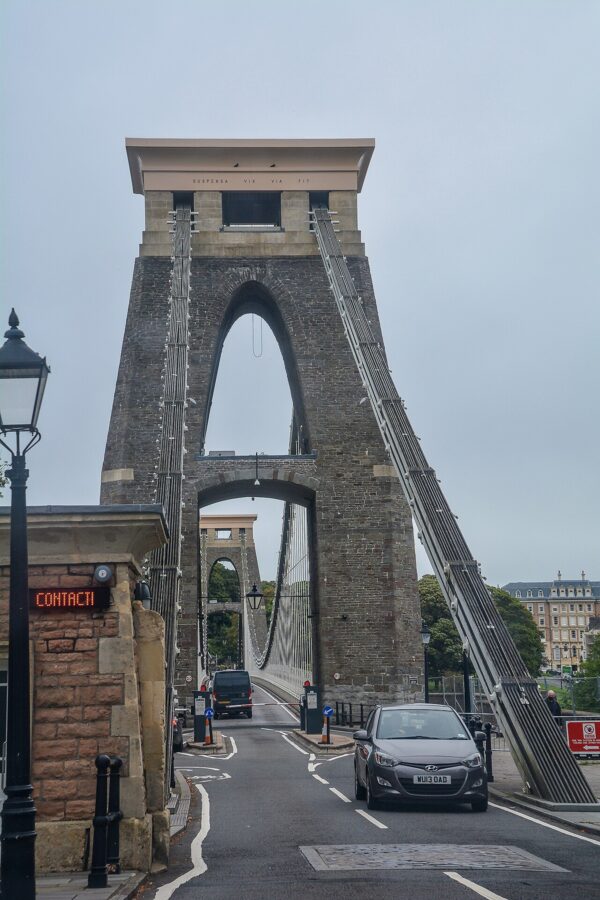
The Portcullis on Wellington Terrace, the village’s small Belgian beer pub, closed temporarily in mid-November 2026 and is expected back by early December. When open, it has Bristol Beer Factory cask, a long Belgian list and no children or large groups.

Stokes Croft, Montpelier, St Werburghs and Easton
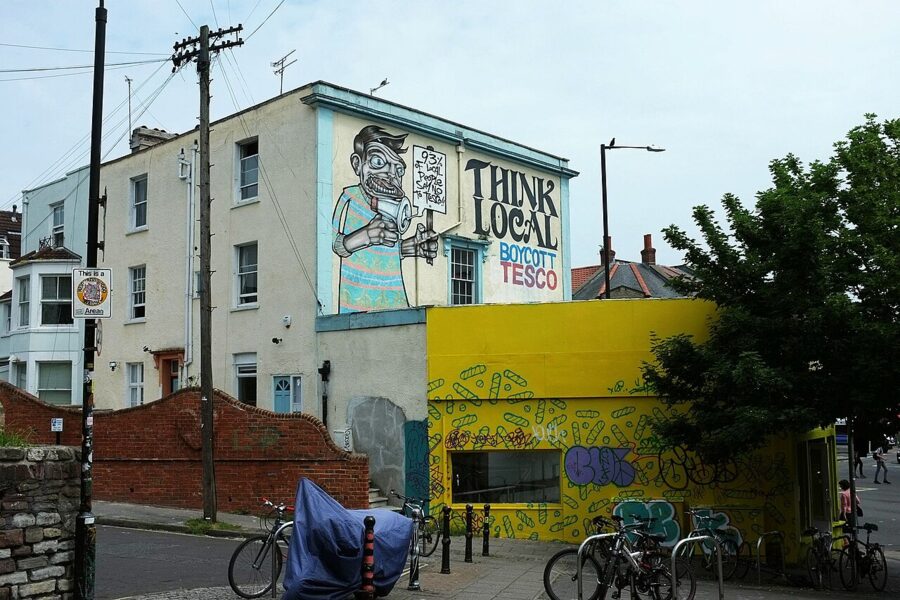

North-east of the centre the city gets louder. Stokes Croft is murals, music venues and late bars; Montpelier behind it is a tangle of painted terraces; St Werburghs and Easton beyond the railway are places where the pub is still the centre of things. Expect DJs, quizzes, big gardens and good beer in rooms that are not trying to impress anyone.
The Bell on Hillgrove Street, just off Stokes Croft, has been independent since 2022: two rooms with local art on the panelled walls, a dartboard and a rear garden heated in cold weather. It fills on Fridays with people heading to the clubs, and DJs play from 22:00. The Cadbury on Richmond Road in Montpelier is a warm, cavernous local with three rotating cask ales, a big back garden, a Wednesday quiz and Sunday roasts. It opens at 16:00 daily and is 200 metres from Montpelier station.
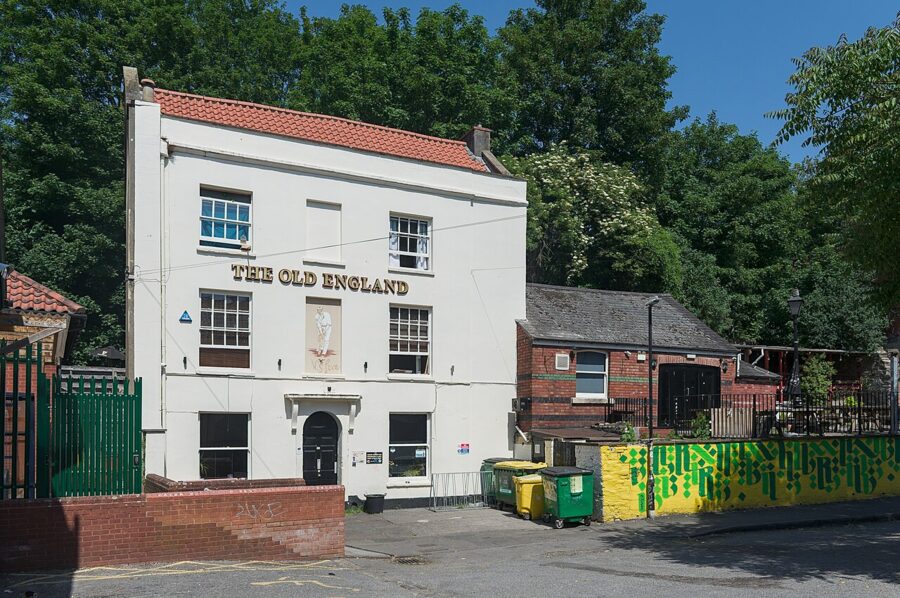

Round the corner on Bath Buildings, the Old England is a big community pub thought to be the only one in the country with its own cricket practice nets. It has a tournament-grade pool table upstairs, a raised sun-trap garden, an open fire, Wadworth beers and a Tuesday jam night, and opens at 17:00 on weekdays.
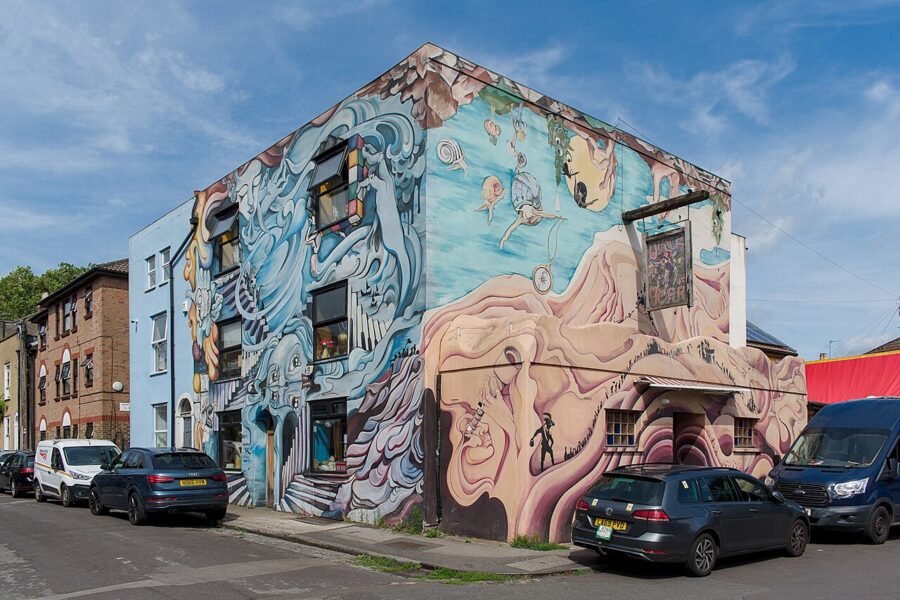

Over the railway, the Duke of York on Jubilee Road is the best pub in St Werburghs and one of the most enjoyable in the city. Inside is a grotto of fairy lights, carved mirrors and memorabilia, a library of books and board games, and a skittle alley along with pool and darts. Its four changing beers, mostly local, always include a dark one and a best bitter. It opens at 17:00 on weekdays.
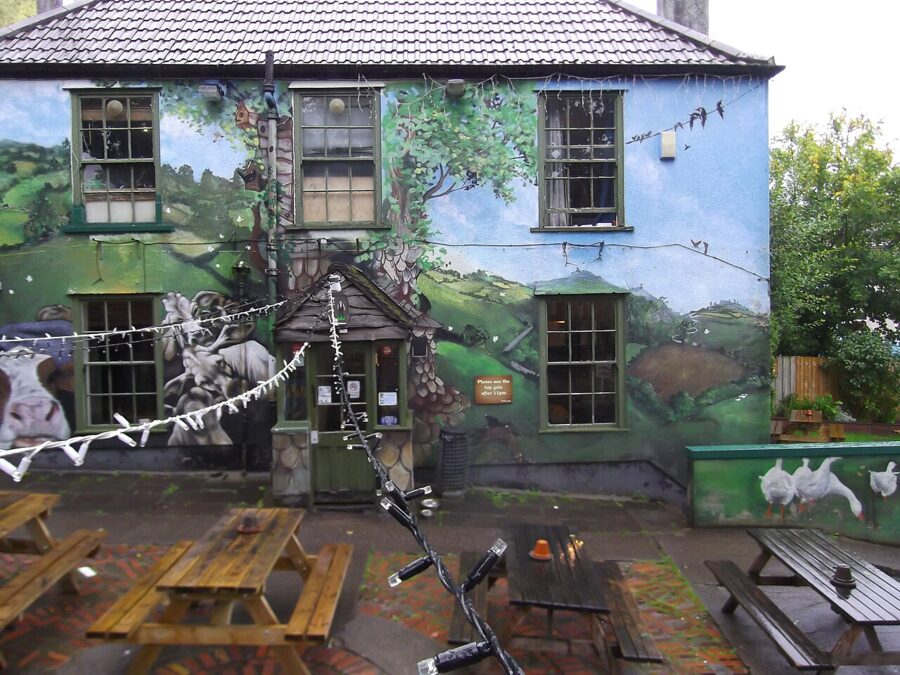

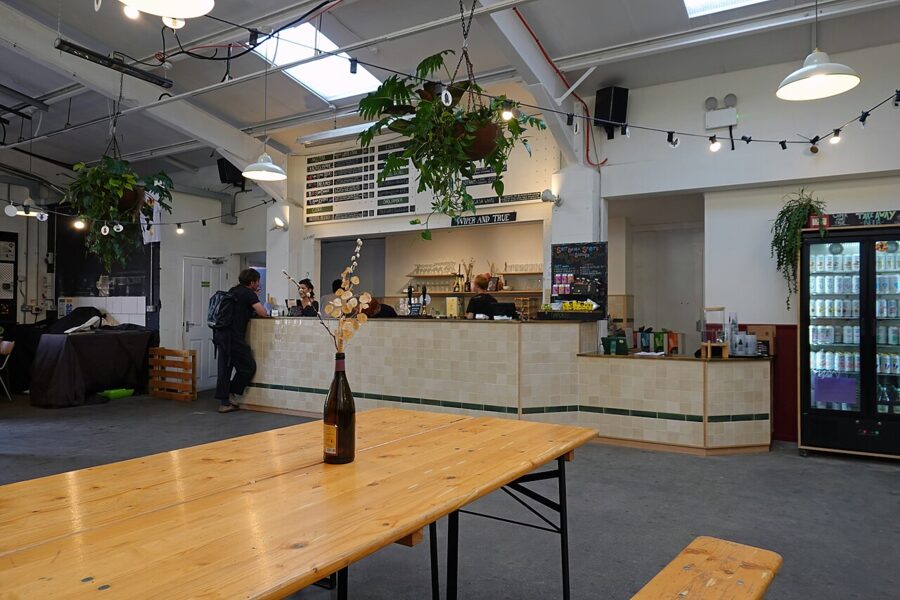
The Farm, also in St Werburghs, takes its community role seriously: families in the day, a pre-club crowd at night, regular live music and an enclosed garden with converted pig houses to shelter in when it rains. Wiper and True, one of the breweries that remade Bristol beer, runs a taproom in Old Market and a bar at its Barrel Store in St Werburghs.

In Easton, the Greenbank on Belle Vue Road reopened in 2014 after a long closure and now has four local ales and a real cider, a name for pizza and roasts (book the roast) and a Wednesday quiz. It is a few minutes from Stapleton Road station.
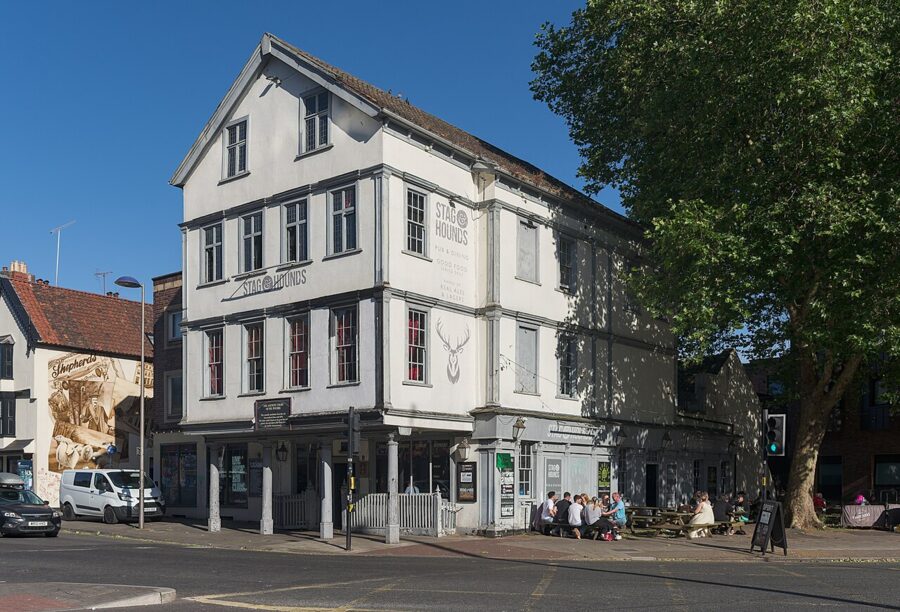

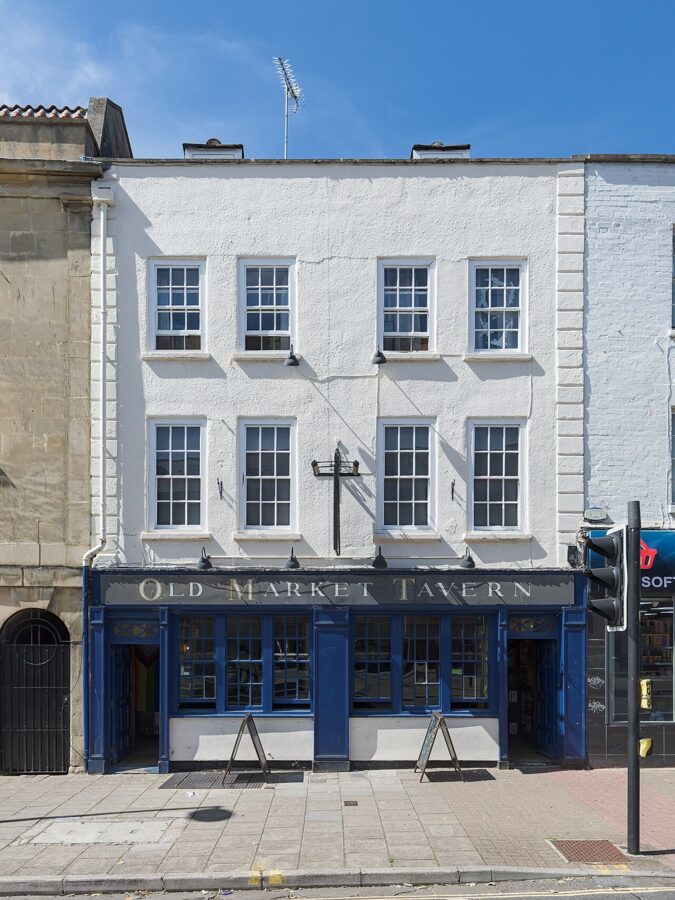
Old Market has three more worth knowing. The Old Market Tavern hides oak beams, low ceilings and a walled sun-trap garden behind a plain front, with Butcombe beers and an all-vegan menu. The Grade II-listed Stag & Hounds by the bus interchange once housed the “pie poudre” court for market traders’ quarrels and has jazz on Sundays from 17:00. The Coach & Horses is a deceptively big three-room corner pub with a sun-trap courtyard and managers keen on cask.

For a weekend afternoon, the Lost & Grounded taproom on Whitby Road in St Annes sits beside the brewhouse, pouring German and Belgian-inspired beers, with tours on Saturdays. It opens only on Friday evenings and weekend afternoons, and you can walk there along the Feeder Canal.
South of the river: Bedminster, Southville and Totterdown

Cross the New Cut and Bristol changes again. Bedminster and Southville grew up around tobacco factories and George’s pubs, and North Street is now a long run of independent shops and some of the best pubs in the city. Bristol City play at Ashton Gate at its western end, so on match days the nearest pubs fill with fans.
North Street and Bedminster
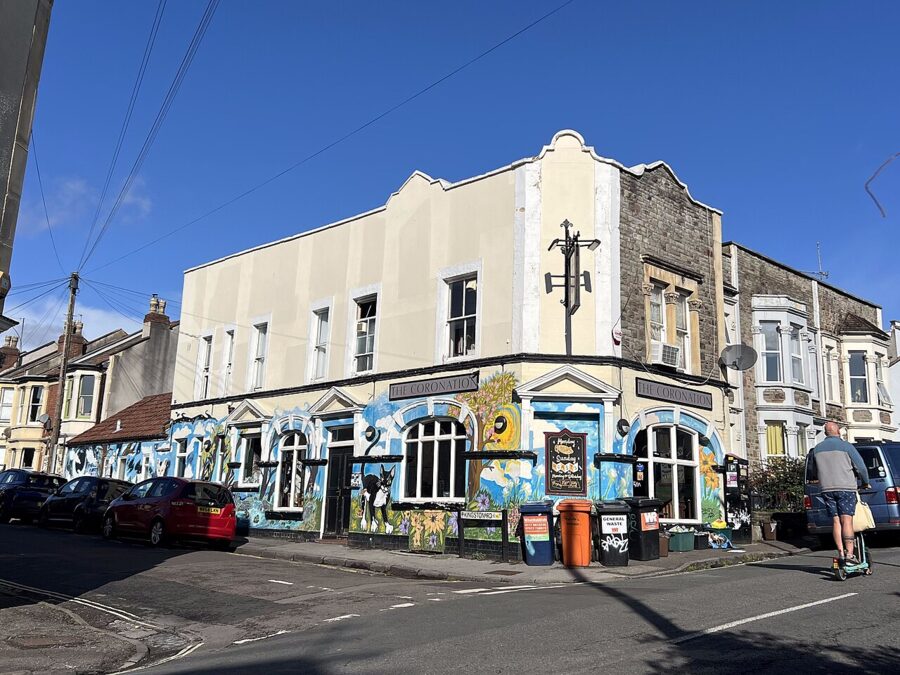

The Coronation, in the terraces between Bedminster and the river, is a classic Southville local a short walk from the centre over the Gaol Ferry Bridge. Up to five good-value ales, real cider, plenty of vegan food, a Monday quiz and a Sunday roast that has become an institution. Dogs on leads are welcome.
On North Street, the Spotted Cow has been a pub for more than two hundred years. Five changing local beers, a big walled garden with a heated marquee, a rooftop kitchen garden and a roast that you should book; dinner runs until 21:00 every evening.
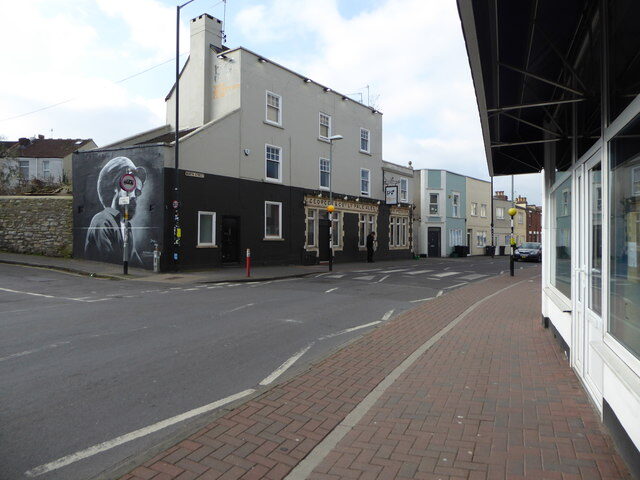

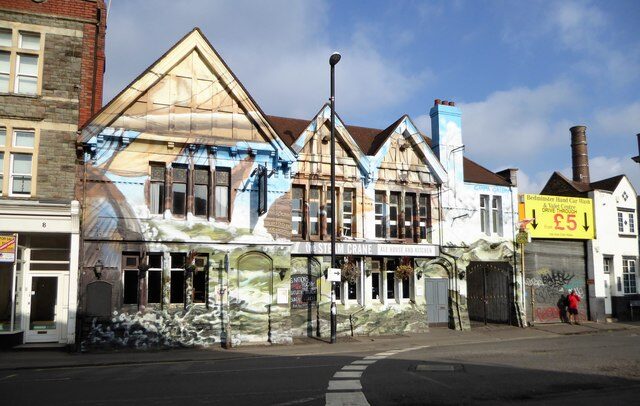

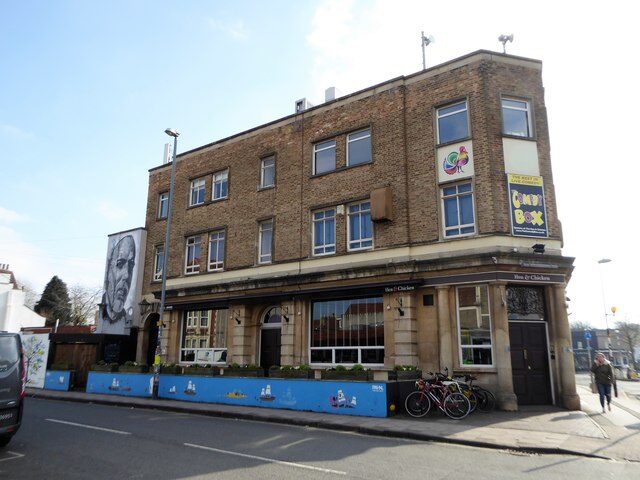
The Steam Crane is the big retro one, with sofas, local art, a large yard and a long list of local craft keg but no cask. The Hen & Chicken, on a big corner of North Street, is a busy bar with a large upstairs room that often hosts comedy. Good for a night out, less so for a quiet pint.
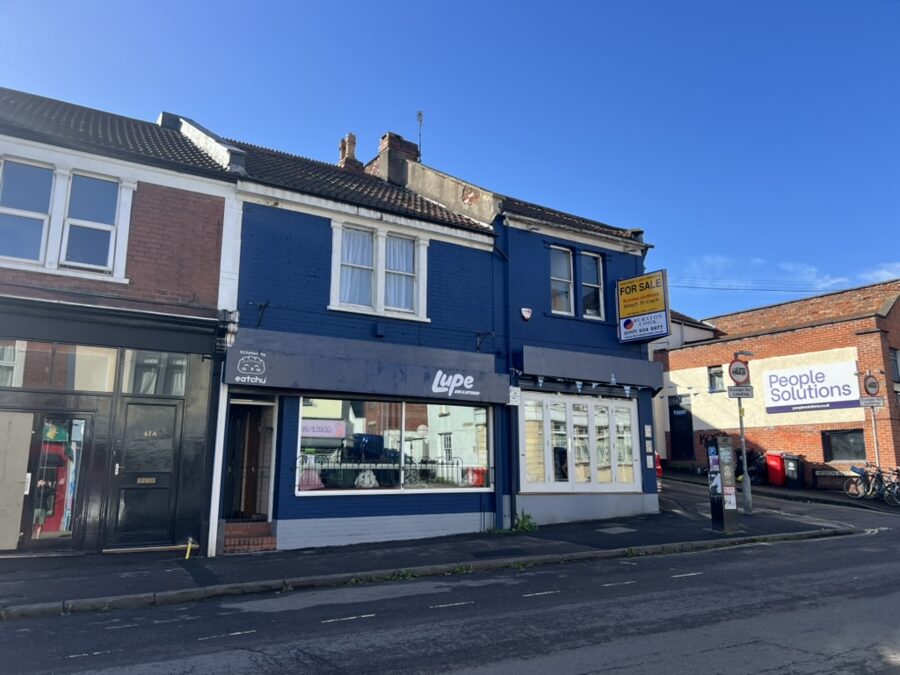

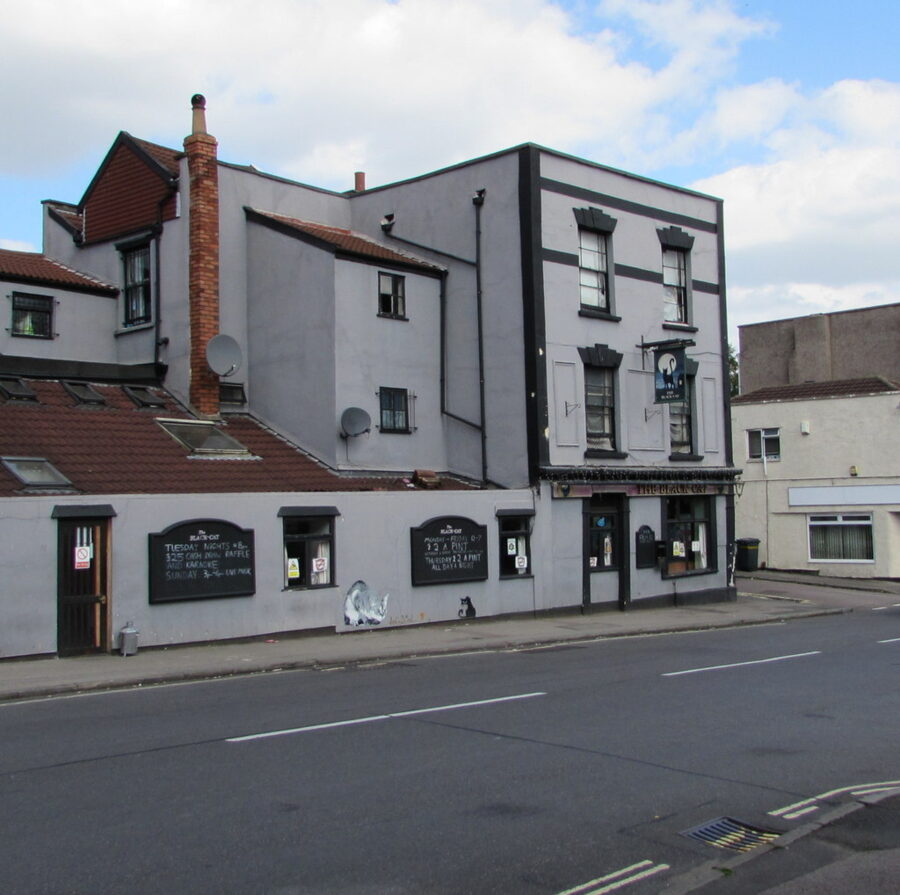
Lupe is a small, friendly bar with three ever-changing cask ales, a fridge strong on Belgian and German beer and Japanese street food from Eatchu; families and dogs are welcome. At the top of East Street the London Inn is a single-bar community local, and on West Street the Black Cat is one long room with two keenly priced cask ales and weekend music. Neither will make a glossy list, which is the reason to go.
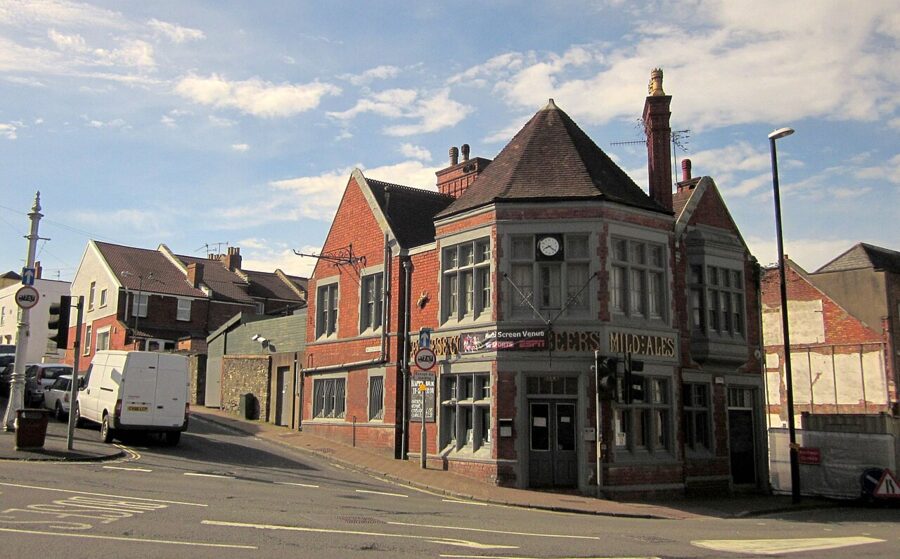


The Victoria Park on Raymend Road feels like a country pub in a red-brick terrace: a big south-facing garden looking to Dundry Hill, a wood-fired pizza oven and three well-kept beers, with food until 21:00 (20:00 Sunday). Bedminster station is 400 metres away.
Windmill Hill and Totterdown
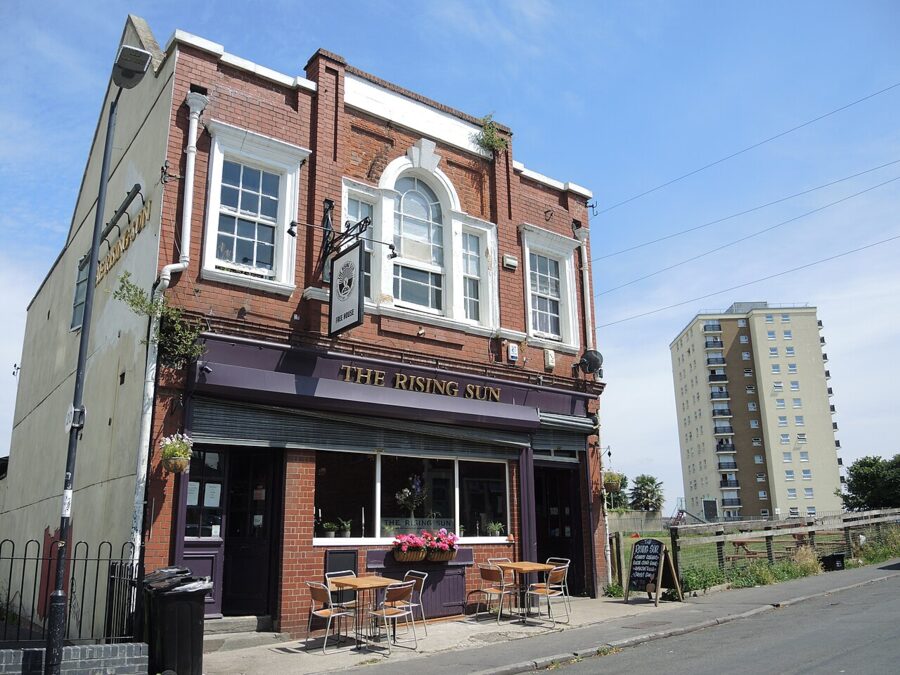

The Rising Sun rewards the climb from Bedminster with a view over the city, a big mural, a sheltered courtyard, one changing cask ale and regular open-mic nights. It opens at 16:00 Monday to Thursday and 13:00 from Friday.
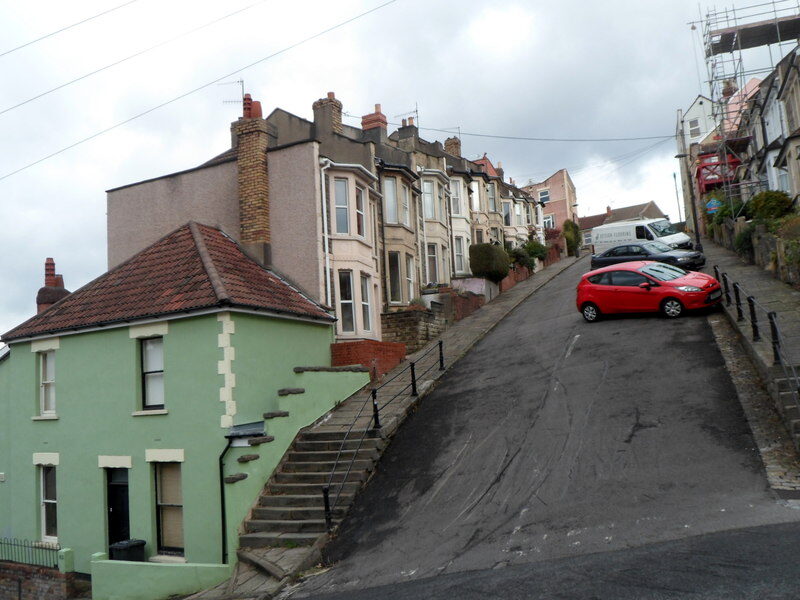

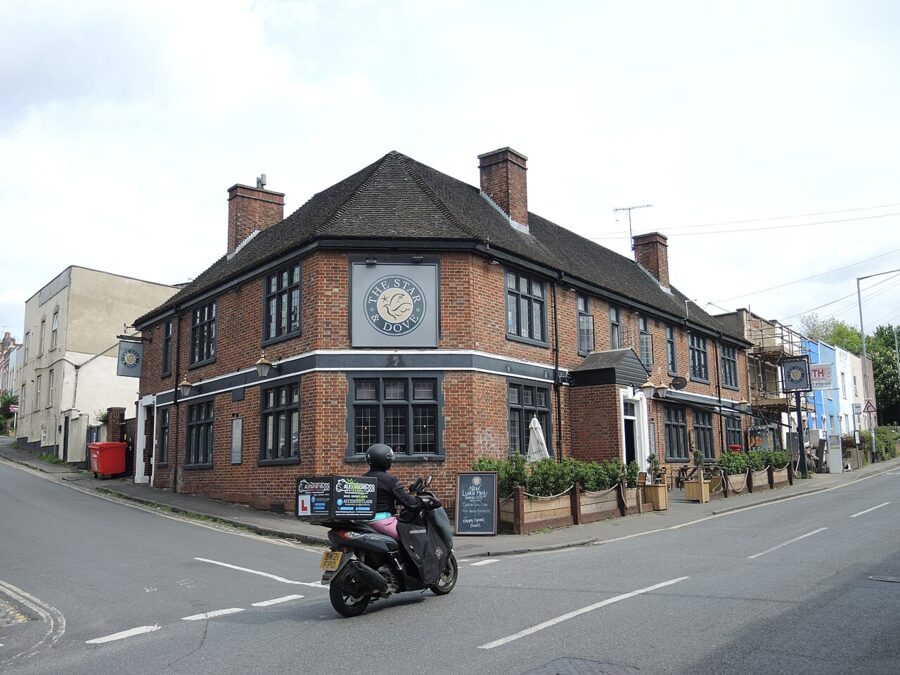
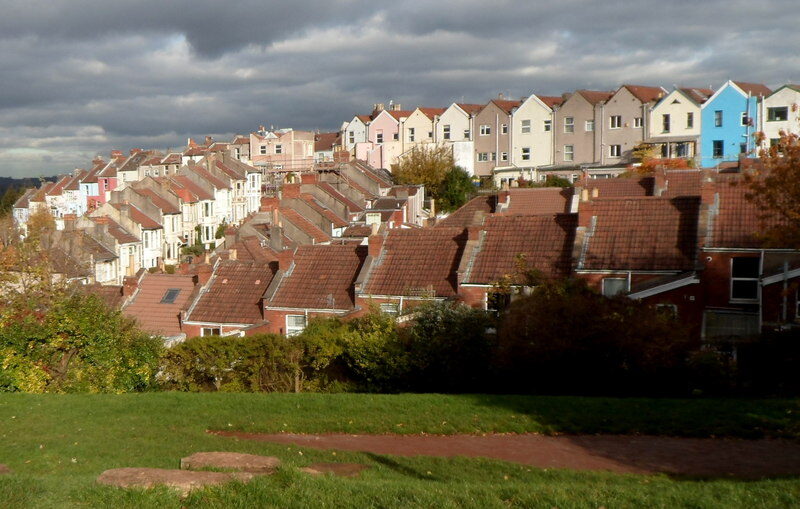
Totterdown, the hill of painted houses above Temple Meads, has three good pubs. The Star & Dove on St Luke’s Road is a roomy red-brick local near Victoria Park with two or three cask ales, a real cider, a log burner, pool in the public bar and a back garden; the kitchen is shut on Mondays.

The Oxford is a well-loved local in a U-shaped room with a stage and odd decorations, including legs dangling from the ceiling, Bristol Beer Factory beers, open mic on Thursdays from 19:00 and a Sunday blues jam from 16:00. Down on Bath Road, the Thunderbolt is a real ale and music pub that opens for gigs in the evenings; check its website, as private hire sometimes closes it.


Cider, and where to drink it properly
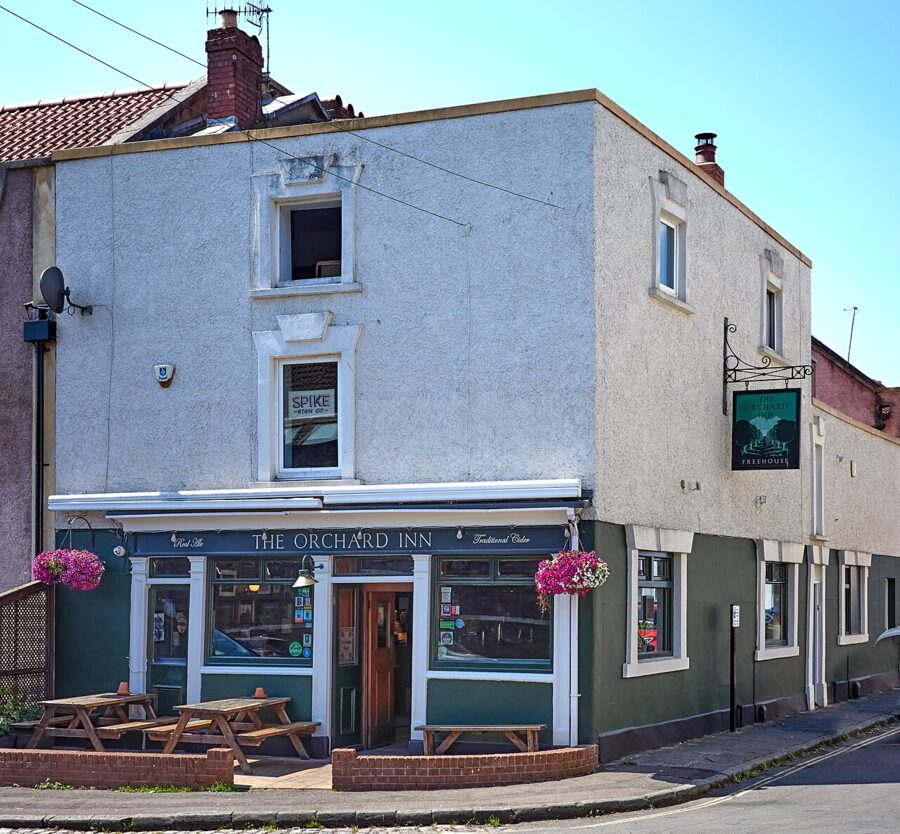

The single best place in Bristol to understand cider is the Orchard Inn, a plain backstreet corner pub on Spike Island near the SS Great Britain. It opened as the White Horse in 1834 and keeps around fifteen flat and seven sparkling ciders, many from farmhouse makers such as Rich’s, Hecks (who make the house cider), Wilkins and Ashridge, with cask ales served from behind the bar. Food is rolls, pasties and pork pies until they run out, and there is a blues jam on Monday nights. It opens at 16:00 on Monday and noon otherwise, and at 11:00 on Ashton Gate match days.
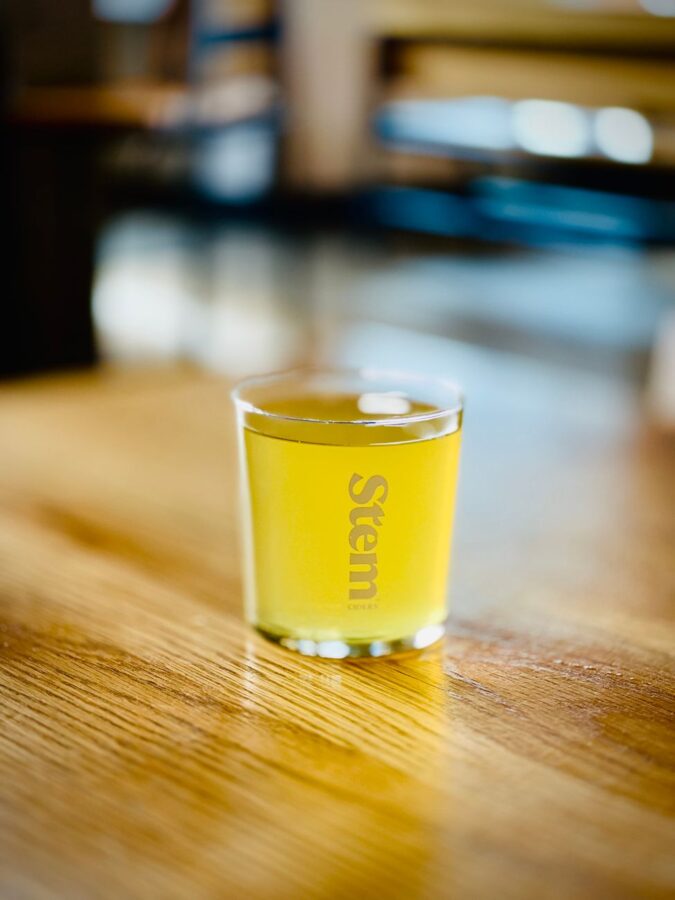
How to order: ask what is on and whether it is dry, medium or sweet, and start with a half. Farmhouse cider is usually still or nearly so, cloudy or golden, and often stronger than the big brands. “Scrumpy” means rough farm cider rather than any particular one, and the staff in these pubs would rather tell you who made it.
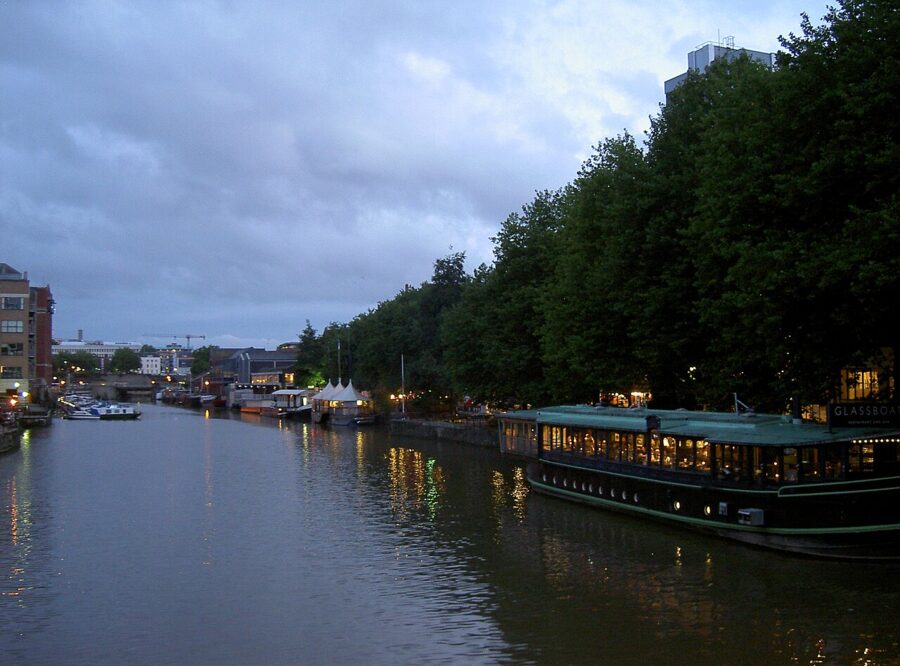

The Apple, a converted 1920s Dutch barge on Welsh Back, is the other essential stop: around thirty ciders in bottle, can and on draught, some straight from the barrel or box. Most of the drinking happens on the big quayside terrace with its own outside bar. There is no food, but you may bring your own to eat outside, and it is open from noon until midnight (22:30 Sunday).
For something particular, the Cider Box Taproom fills an archway a short walk from Temple Meads with about twenty local ciders and perries, most at least 90 per cent juice, and makes small one-off batches on the premises. It opens only on Friday evenings and Saturdays. The Cotham Porter Stores, the Red Monkey, the Hillgrove, the Llandoger Trow and the Seven Stars all take cider seriously too.
One evening, harbour to hilltop
Walk this route on any evening between Tuesday and Saturday. It covers about three and a half kilometres and saves the climb for the end. Start late afternoon and allow five or six hours.
- The Kings Head, Victoria Street. Ten minutes from Temple Meads. One pint in front of the bar-back.
- The Seven Stars, Thomas Lane. Five minutes away. Read the plaque, then pick the darkest thing on.
- King Street. Ten minutes over the bridge. The Volley for its beer list, the Llandoger Trow for the building.
- The Apple, Welsh Back. Two minutes on. A half of cider on deck.
- The Christmas Steps. Ten minutes through the old city. Eat here; there is no kitchen at the top.
- The Robin Hood, St Michael’s Hill. Five or six minutes of climbing. Find the TARDIS.
- The Highbury Vaults. A few minutes further up. Last orders in the snug.
Do it in reverse to end by the water, and the hill becomes the easy part. On Sundays the Kings Head opens at 14:00 and the Christmas Steps kitchen stops at 18:00, and on Mondays both open later.
Hills, trains, buses and other practical things
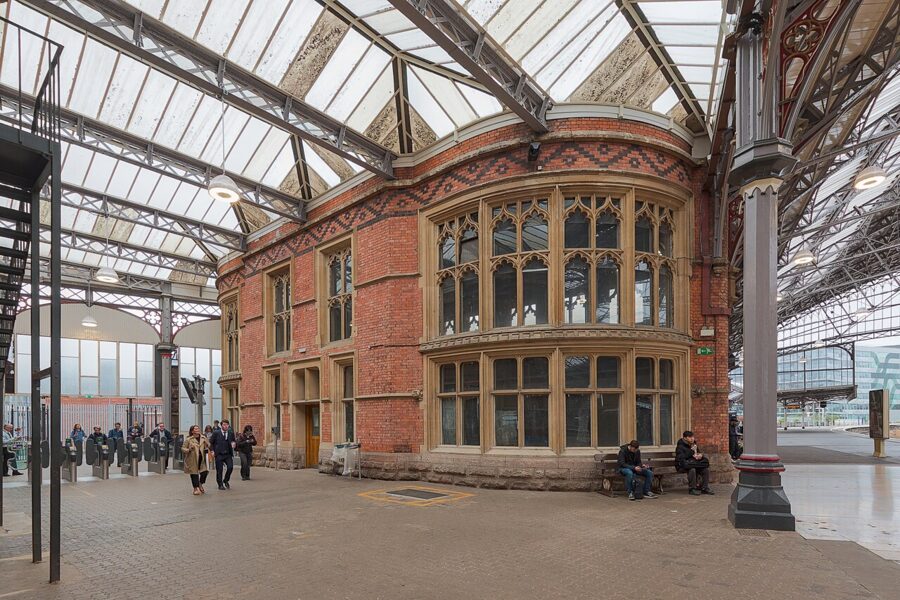

Trains. Temple Meads is the main station, ten minutes’ walk from King Street. The local Severn Beach line from it stops at Lawrence Hill and Stapleton Road for Easton and St Werburghs, Montpelier for the Cadbury and the Old England, Redland for the Red Monkey and Cotham, and Clifton Down for the Highbury Vaults and the Victoria. Check the time of the last train before you order another round.
South of the river, Bedminster station serves the Victoria Park, the Rising Sun and the Coronation, and Parson Street is closest to the Spotted Cow. Most bus routes run in and out of the centre, and the harbour ferries are the pleasant way to Baltic Wharf and Hotwells.
Hills and stairs. Do the climbing early. Christmas Steps and St Michael’s Hill are steep but short, Totterdown and Windmill Hill steeper, and Hotwells to Clifton longer than it looks. The Christmas Steps and the Highbury Vaults have steep stairs to the toilets; the Pump House, the Merchants Arms and the Left Handed Giant are the easiest for step-free access.
Paying. Card only at the Llandoger Trow, Small Bar, the Left Handed Giant, the Grain Barge, the Christmas Steps and the Hope & Anchor.
Children and dogs. The Ostrich, the Grain Barge (children until 21:30), the Orchard Inn (children until 21:00) and the Barley Mow welcome both. The Highbury Vaults allows dogs in its front rooms, and the Kings Head, the Bell and the Duke of York take children until 19:00.
Opening times. Many pubs outside the centre open at 16:00 or later on weekdays. The Cornubia shuts on Sundays, the Beer Emporium and Little Martha on Mondays, and the Cider Box Taproom opens only on Friday evenings and Saturdays.
And when you reach the Highbury Vaults at the end of the night, remember it closes at 23:00. Ask for a filled roll while there are still some left, take it into the front snug, then walk down St Michael’s Hill into the centre: the only downhill leg of the evening.