
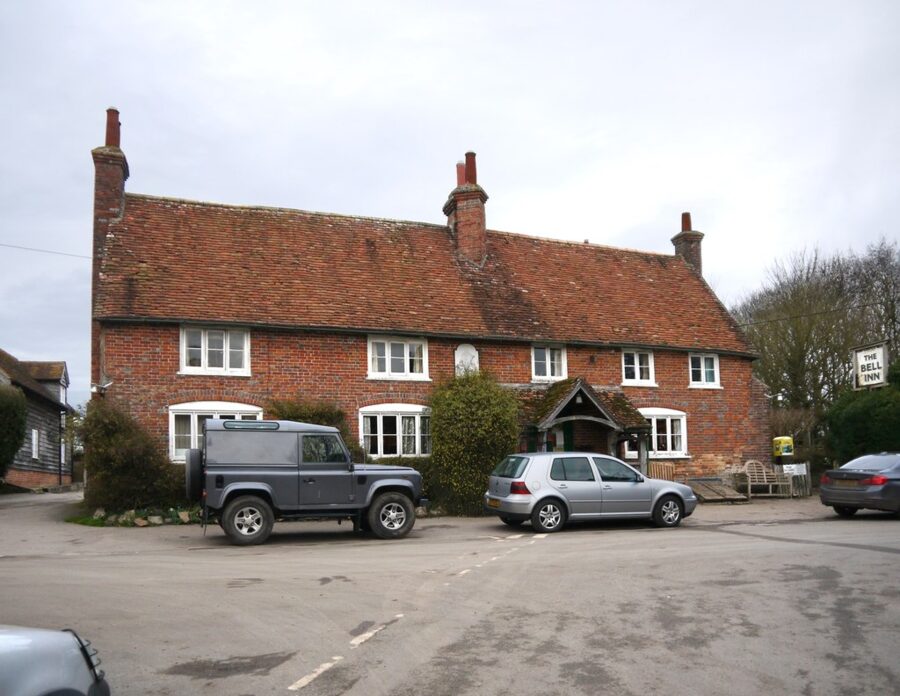
The handpumps at the Bell in Aldworth are ebony, they are dated 1902, and they sit behind a glazed hatch rather than a bar. You order through the hatch, you take your pint into a panelled tap room with a huge inglenook, and if you are hungry you get a filled roll, because that is what the Bell does. The same family has run it since the eighteenth century. CAMRA has twice named it the best pub in Britain, in 1990 and again in 2019.
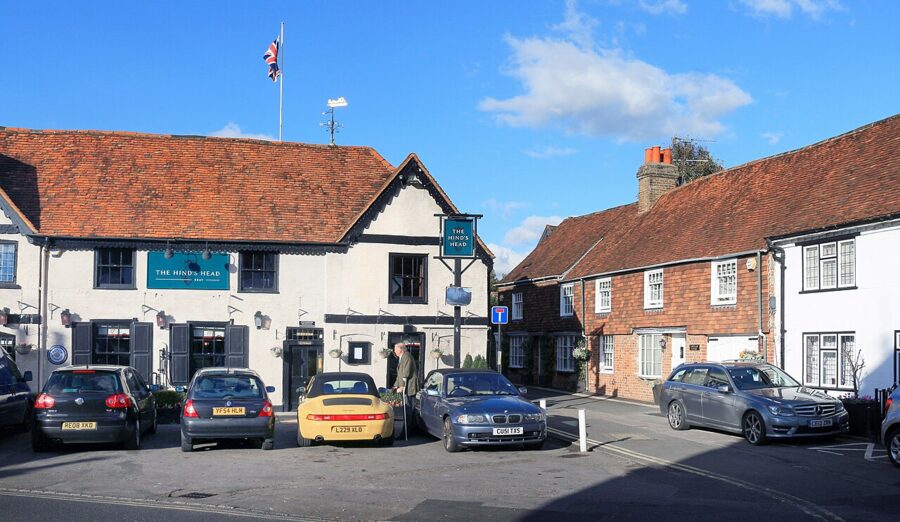
Twenty-odd miles east as the crow flies, in Bray, the Hind’s Head has held a Michelin star since 2013 and serves its chips triple-cooked. Berkshire is a small county, and it holds both kinds of pub without apparent strain. It also holds a good many in between: Victorian backstreet locals in Reading, coaching inns on the old Bath road, canal pubs on the Kennet, and dining pubs in the villages near Windsor where the Sunday tables go early.

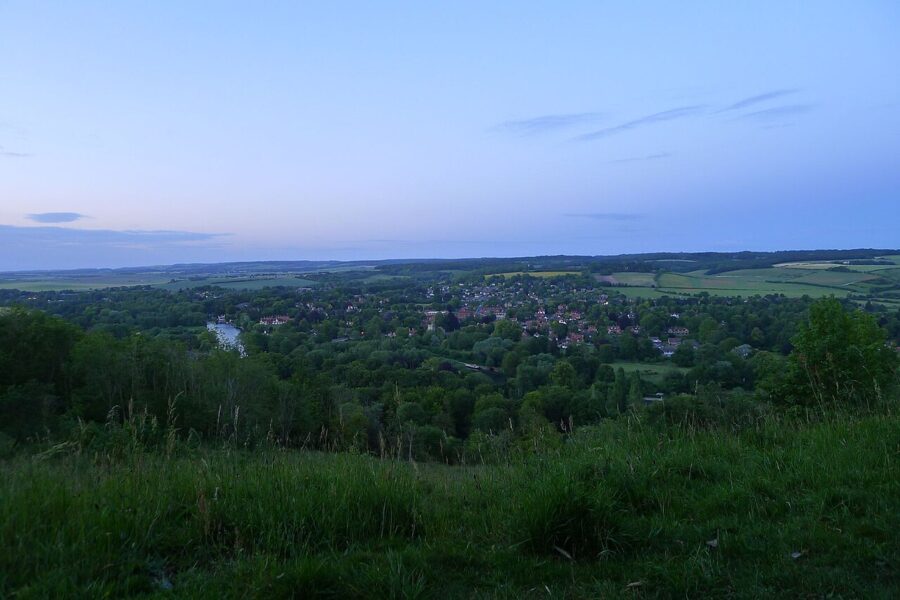
The shape of the county explains most of it. The Thames runs along the whole northern edge, from the Goring Gap at Streatley down to Windsor and the edge of Heathrow. The Kennet comes in from Wiltshire through Hungerford and Newbury and meets the Thames at Reading.
North of the Kennet the chalk rises into the Berkshire Downs, racehorse country, with the Ridgeway along the top. Reading sits where the two rivers meet and has the best concentration of real ale pubs in the county.

On this page
What Berkshire pours
Reading used to be known for three Bs: beer, bulbs and biscuits. The beer was Simonds.
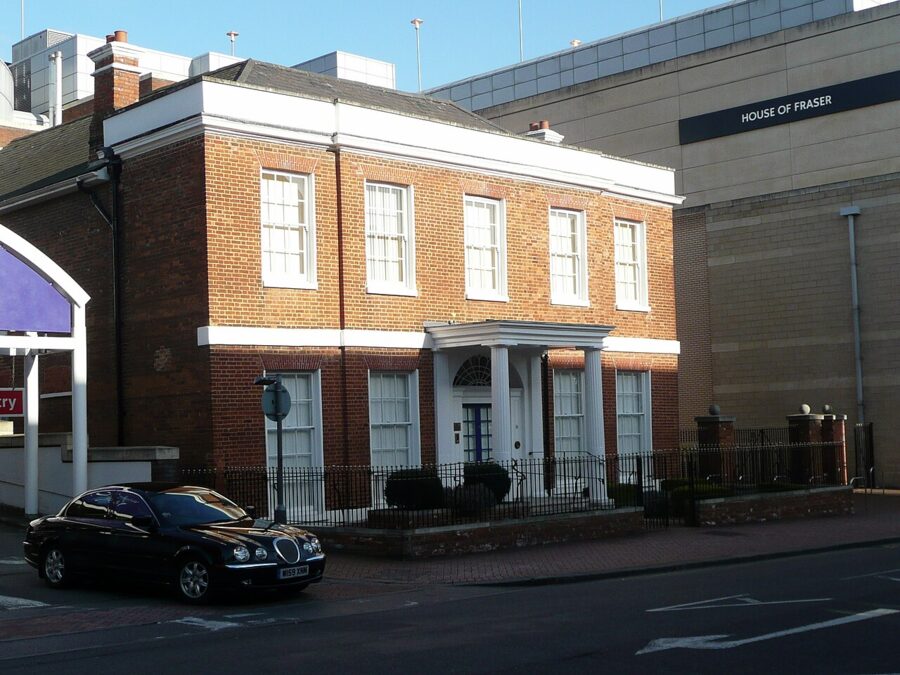
William Blackall Simonds started brewing in 1785 and moved to Bridge Street in 1790, and Simonds pubs carried a hop leaf sign from 1930. The firm merged with Courage in 1960 and the Bridge Street site brewed until 1978. Courage’s newer Berkshire Brewery, beside the M4 on the Reading and Shinfield border, shut in March 2010. That was the last of the big ones.

What replaced it is a crowd of small brewers, and the good pubs here lean on them. Renegade in Yattendon was the West Berkshire Brewery until it went into administration in 2021 and the Yattendon Group bought it; its Good Old Boy is the nearest thing the west of the county has to a house bitter.
Siren and Elusive brew at Finchampstead, Double-Barrelled in Reading, Stardust at White Waltham, Indigenous at Chaddleworth on the Downs, and Windsor & Eton in Windsor. Loddon, whose Hullabaloo and Hoppit turn up all over Reading, is technically in Oxfordshire, at Dunsden Green, a mile or two across the Thames from Sonning. Rebellion, brewed over the river in Marlow, is on plenty of bars too.
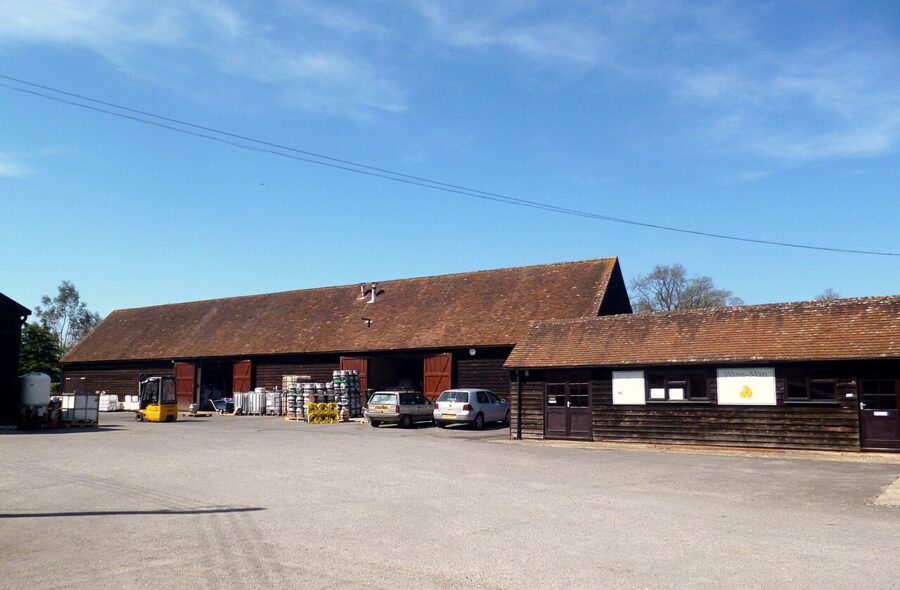

The smallest of the lot works in an outbuilding behind the Bell at Aldworth. Aldworth Brewing started there in 2022, and its Five Giants is the beer the Bell pours most. If you want to know what real ale tastes like when it has only crossed the yard, that is the pint.

Berkshire is not a cider county the way Somerset is, but the drinkers have caught up. Tutts Clump cider comes from the Pang valley and is on at the Bell. The Nag’s Head in Reading keeps thirteen ciders and perries, some chilled and some not, and the Bell at Waltham St Lawrence usually has half a dozen ciders and a couple of perries, more in summer.
The pubs themselves fall into four rough kinds, and it helps to know which you are walking into.
Reading’s are wet-led and serious about beer. The Thames pubs are old, handsome and busy on a summer weekend. The dining pubs of the east, around Bray and Maidenhead, can be superb and are not cheap. And the downland locals of the west are the ones I would drive for.
Reading: the backstreet locals
Reading is not a pretty town, and its best pubs do not pretend otherwise. Most are a short walk from the station, one sits on the Kennet towpath, and several are in the current Good Beer Guide. Do them on a weekday if you can: on Reading FC match days the Nag’s Head fills up early.
The Nag’s Head, Russell Street
This is the one beer drinkers come for. There are twelve changing cask beers, and one of them is always a mild, one a bitter and one a stout, so you are never left with nothing but pale ales. There is a fourteen-tap craft wall, thirteen real ciders and perries, darts, cribbage and backgammon. Food is toasties, sausage rolls and barbecue pork or beef rolls, which is all you need.

It opens 12:00–23:00 most days and stays open until midnight on Fridays and Saturdays, when it opens at 11:00. Reading West station is about an eight-minute walk; from the main station it is closer to a quarter of an hour.
The Retreat, St John’s Street
East Reading’s terraced streets hide this one, and that is part of its charm. The Retreat opened in 1875, was a Higgs house and then a Wethered’s one, and was in the very first Good Beer Guide in 1974. CAMRA rates its interior one star for the original counter and the mirrored back fitting behind it, which survived a careful refurbishment in 2020 and 2021.
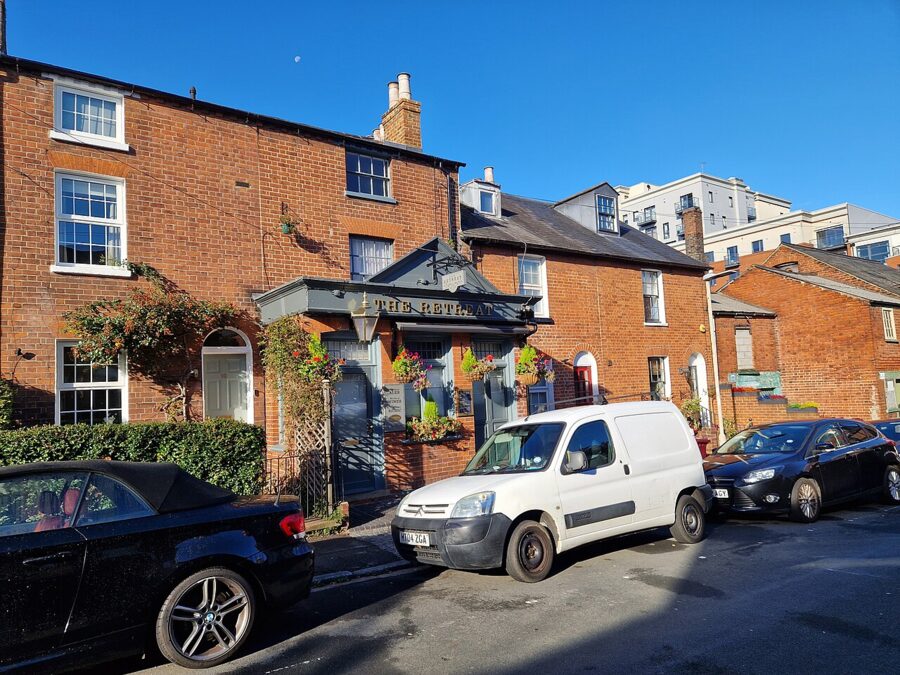

Harvey’s Sussex Best, Dark Star Hophead and St Austell Tribute are the regulars, with two guests beside them. There is no food, and you are welcome to bring your own. Jazz is usually on the last Sunday of the month, a quiz runs every other Wednesday, and there has been a pickled onion competition since 2006. It is about a quarter of an hour from the station on foot.
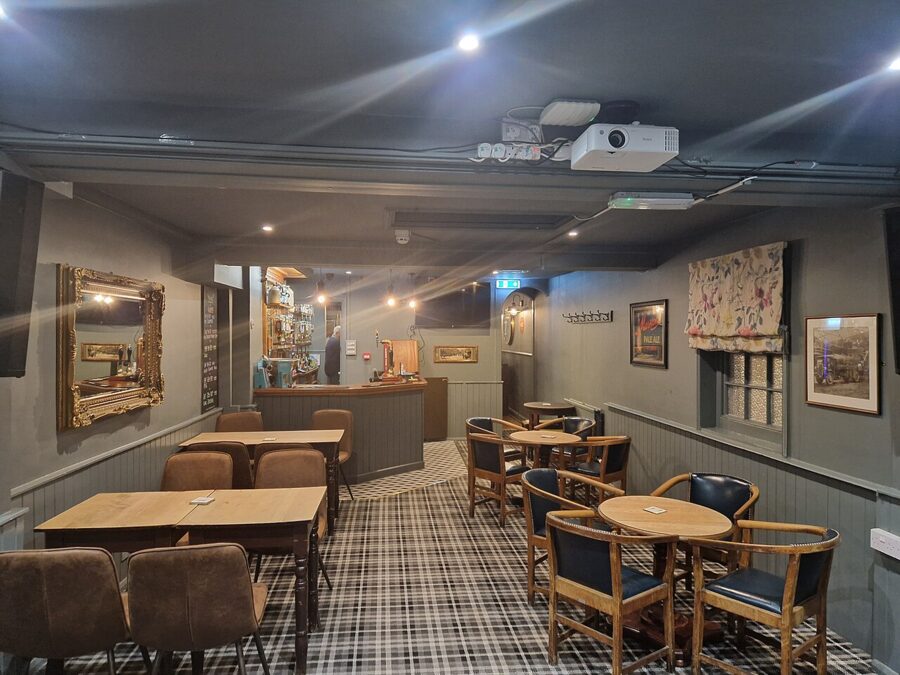

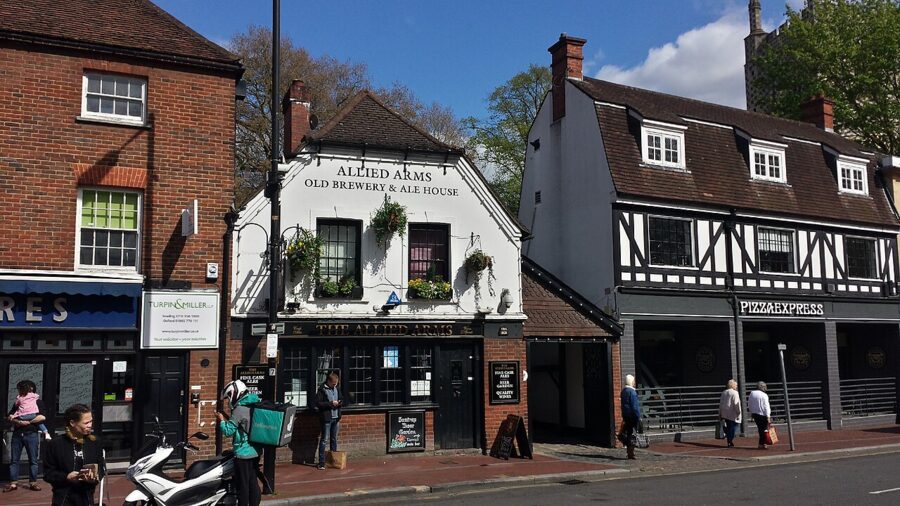
The Allied Arms, St Mary’s Butts
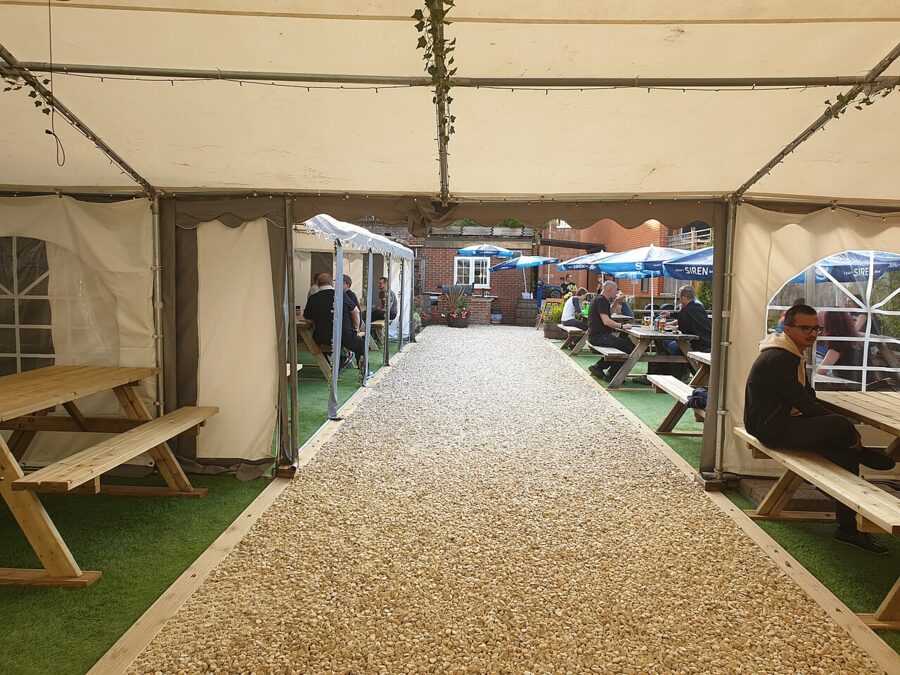
The Allied Arms is older than it looks from the street. Its listing describes an early nineteenth-century gable over a sixteenth-century timber frame, and it has traded as a pub since around 1828. You go in down a side passage to two small bars and then out to a walled garden, the best town-centre garden in Reading, with heaters for the cold months.

Loddon Hullabaloo is the regular, and at weekends there can be ten cask beers on, often including a mild, a porter and a strong IPA. It shuts on Sundays except on bank holiday weekends. The station is about seven minutes away.
The Castle Tap, Castle Street
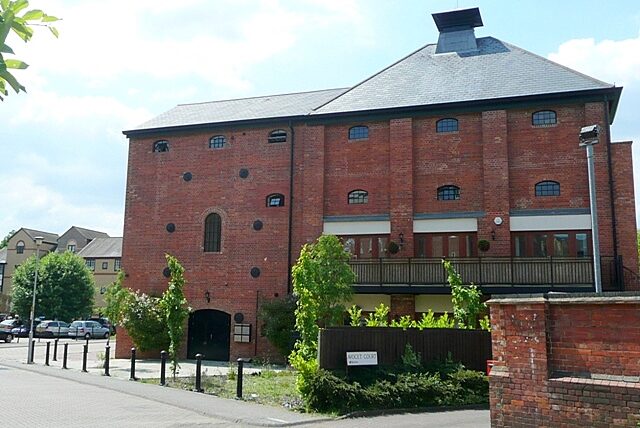
This used to be the Horse & Jockey, and in 2026 it became something rarer: a pub its drinkers own. A community interest company raised £50,000 in shares by May to buy the lease. It pours four changing cask beers and four real ciders, there are cheeseboards rather than a kitchen, and there is live music most weekends. It opens at 16:00 from Monday to Thursday, 14:00 on Fridays and noon at weekends, and it is about a twelve-minute walk from the station.
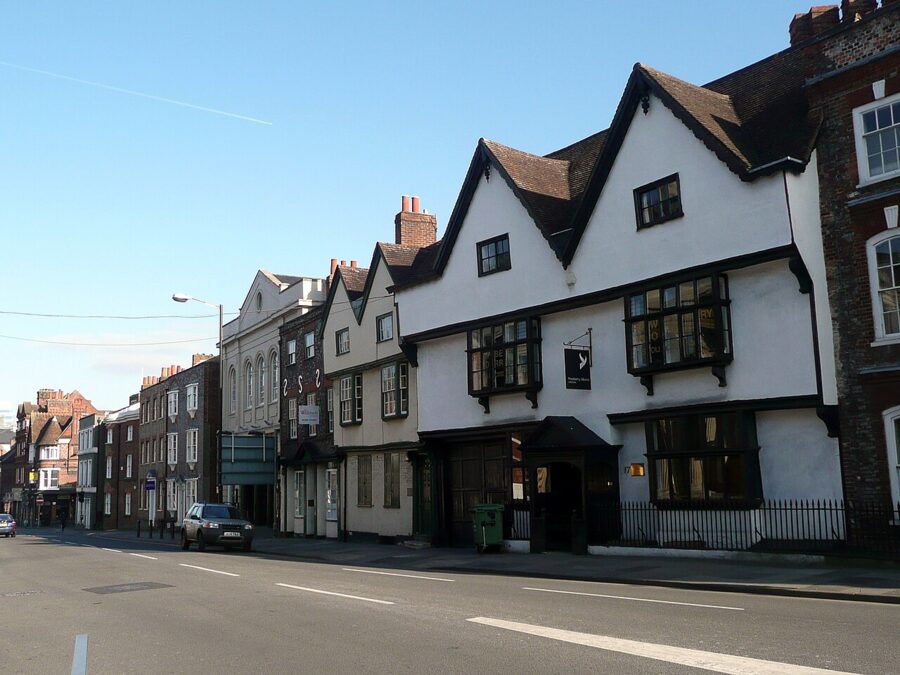

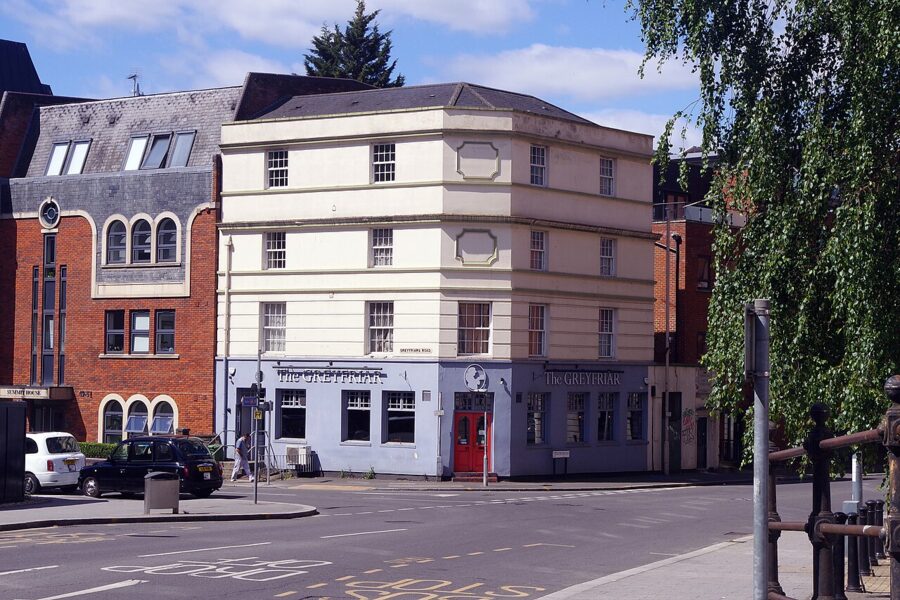
The Greyfriar, Greyfriars Road
If you have twenty minutes before a train, this is where you go. The Greyfriar is a corner free house two minutes from the station, previously the Tudor Arms and then the Malthouse, with four changing cask beers, mostly from local brewers, plus four ciders and eight craft keg lines. Lunch is panini, and pizzas from a place nearby are delivered to your table. It is closed on Sundays.

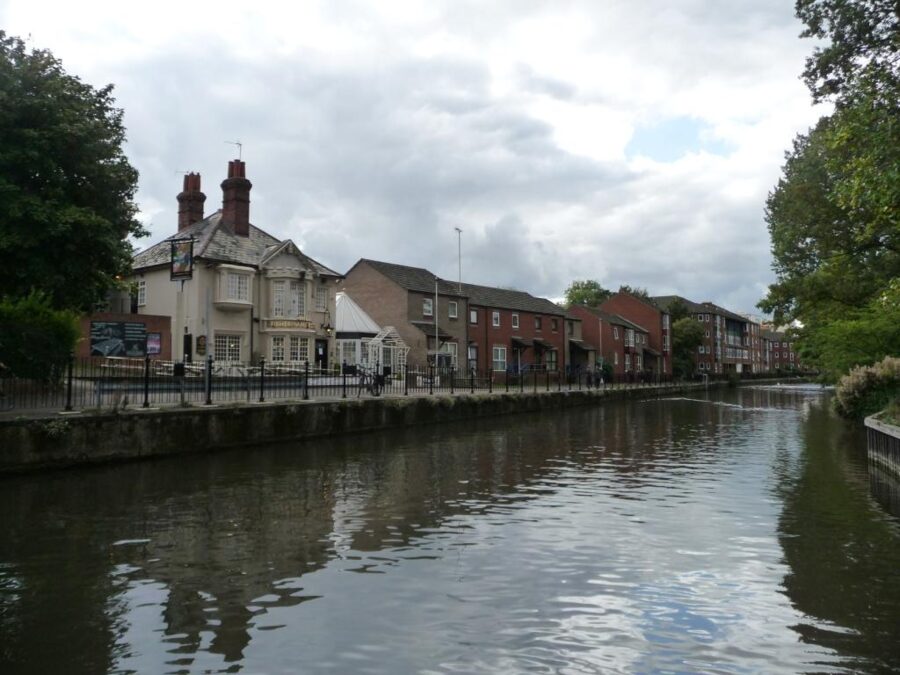
The Fisherman’s Cottage, Kennet Side
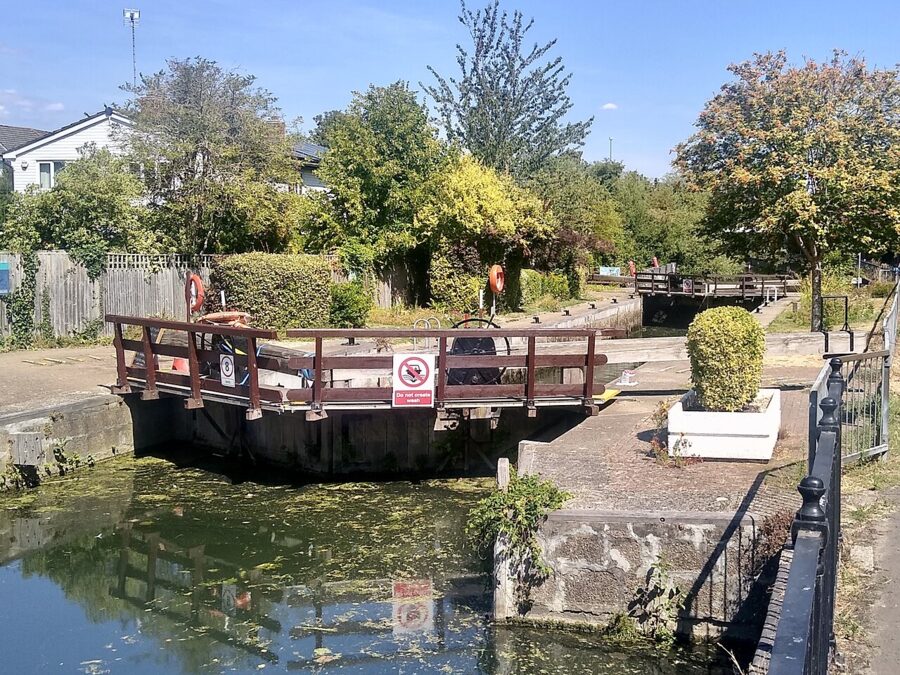
The Kennet runs right through Reading, and this is the pub that makes the most of it. It sits on the towpath by Blake’s Lock, independent now after Fuller’s sold it, with a garden by the water.
The beer list is short (Tribute is the regular), so come for the setting and the food: home-cooked, with Sunday roasts in winter. The kitchen serves Wednesday to Saturday 12:00–20:45 and Sunday 12:00–17:30, and the pub is closed on Mondays and Tuesdays. Irish music plays on the first and third Sunday afternoons.

The Butchers’ Arms, Tilehurst
Out in the western suburbs, on Lower Armour Road, the Butchers’ Arms is the sort of pub that keeps a neighbourhood together. It was a Wethered’s of Marlow house and its two-bar layout survives. It once faced another pub across the road, the Bird in Hand, which has closed. The Butchers’ does not do food at all, which tells you what it is for.
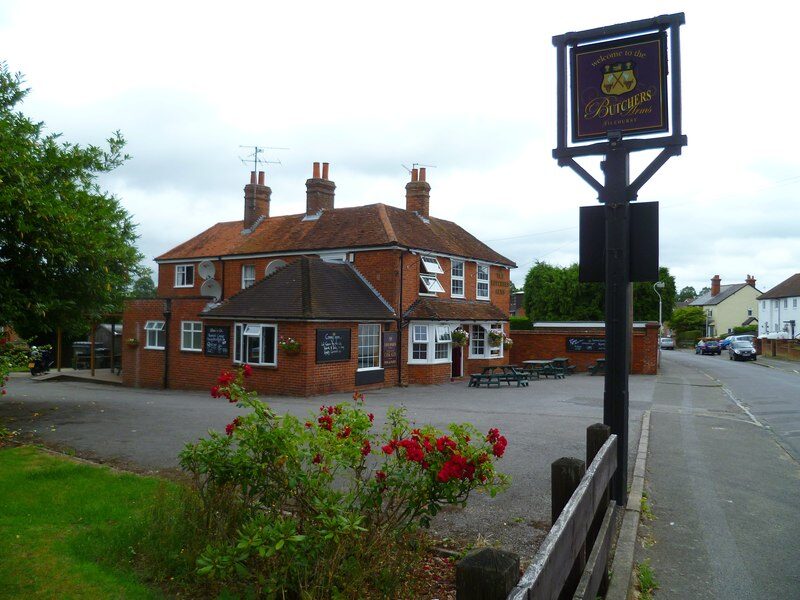

Sharp’s Doom Bar is the regular cask beer, with one changing beer beside it. There is sport on TV, live music every couple of months, a fireworks night in November and a Salvation Army band before Christmas. It opens 12:00–23:00, until midnight on Fridays and Saturdays. Tilehurst station is a quarter of an hour’s walk downhill; the 17 bus stops at the Victoria crossroads, five minutes away.
Along the Thames: Streatley to Colnbrook
The Thames gives Berkshire its prettiest pubs and its busiest. On a dry Saturday in June the riverside villages are full by noon, so arrive early or come in winter, when the fires are lit and the towpath is yours. Oxfordshire and then Buckinghamshire are on the far bank all the way down, and the bridges make it easy to cross for a pint on the other side.
Streatley: the Bull
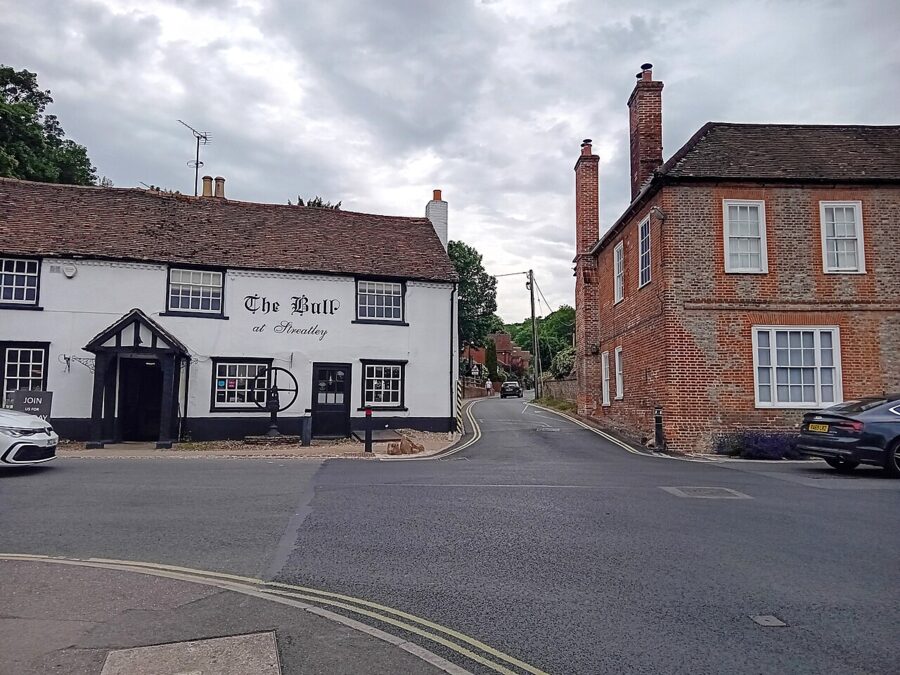
The Bull stands at the crossroads where the Ridgeway comes down off the Downs to the river, which makes it the obvious first or last pub of a walk.
Marston’s refurbished it sympathetically in 2018. Its four cask beers come from that company’s list, and cask is discounted on Mondays. Food stops between 15:00 and 17:00 and finishes at 20:00. There are six rooms in a block next door.

Goring & Streatley station is on the Oxfordshire side, a walk of about a quarter of an hour over the bridge.
Sonning: the Bull Inn
Jerome K. Jerome told readers of Three Men in a Boat to put up at the Bull in Sonning, behind the church, and plenty still do. It is a sixteenth-century building owned by the church next door and leased to Fuller’s, with most of the inside given over to dining and a separate Village Bar for drinkers. London Pride, Gales HSB and Dark Star Hophead are on, with a guest that is often from Windsor & Eton.
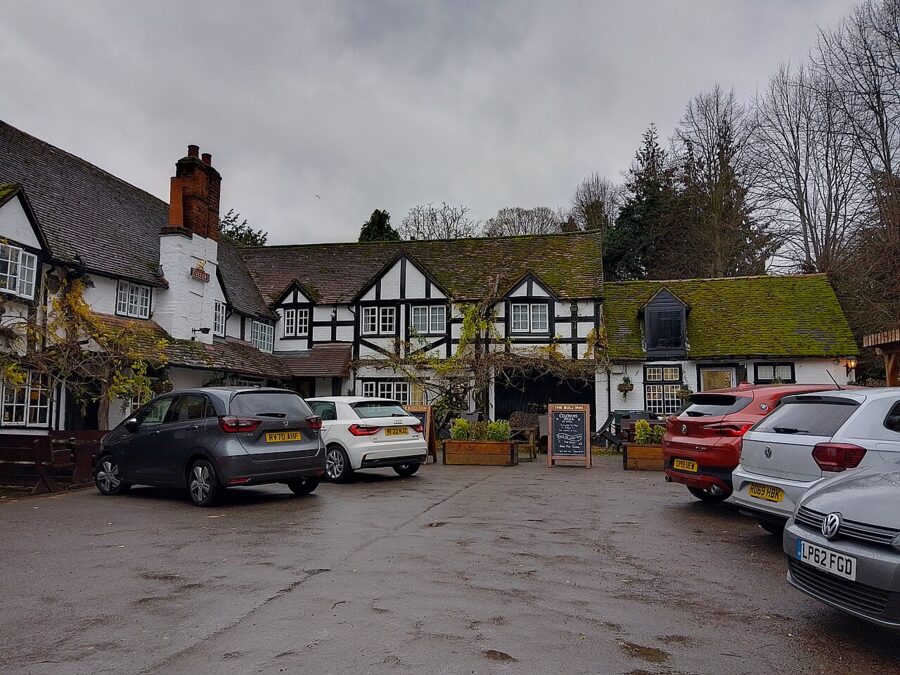

Food runs 12:00–15:00 and 18:00–21:00 on weekdays, 12:00–21:00 on Saturdays and 12:00–20:00 on Sundays. There are seven bedrooms, and dogs are welcome in both bars. The Thames Path is a couple of minutes away.
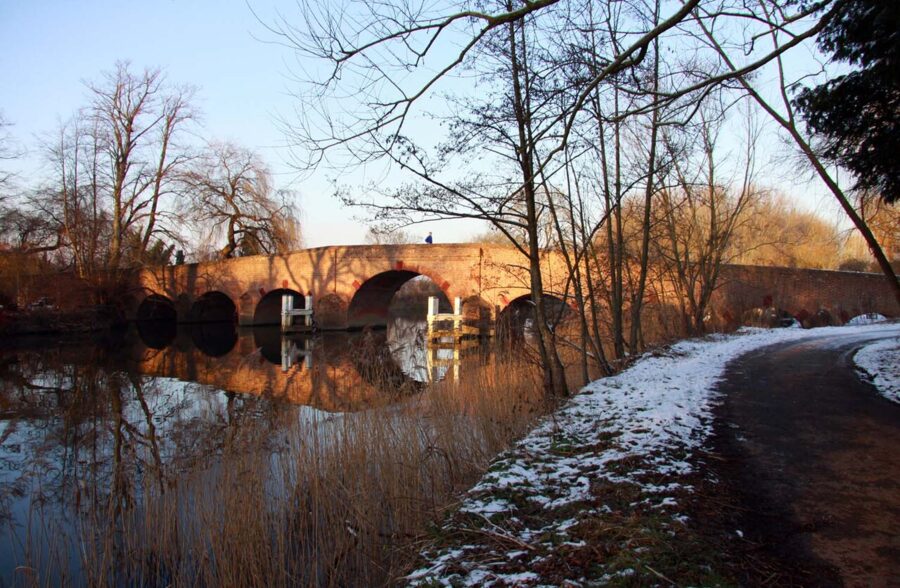

Hurley: Ye Olde Bell
Ye Olde Bell is one of the oldest pubs in England, if you believe its claim: 1135, when it is said to have been the guest house of Hurley Priory. The priory is real, a Benedictine house founded in 1086 as a cell of Westminster Abbey, and the building is plainly old. But other accounts give 1187, and a year that moves about like that is a tradition rather than a record. I would enjoy the beams and leave the date alone.
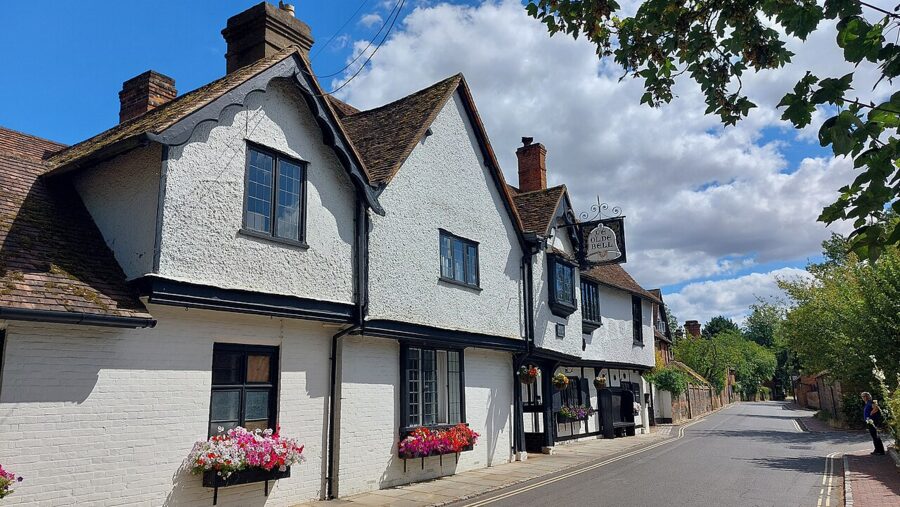

Today it is a hotel with a two-rosette restaurant, and CAMRA lists no cask ale here, so come for the building, the garden and a lunch rather than the beer. Hurley village is small and the Thames Path runs past the bottom of it.

Bray: the Hind’s Head
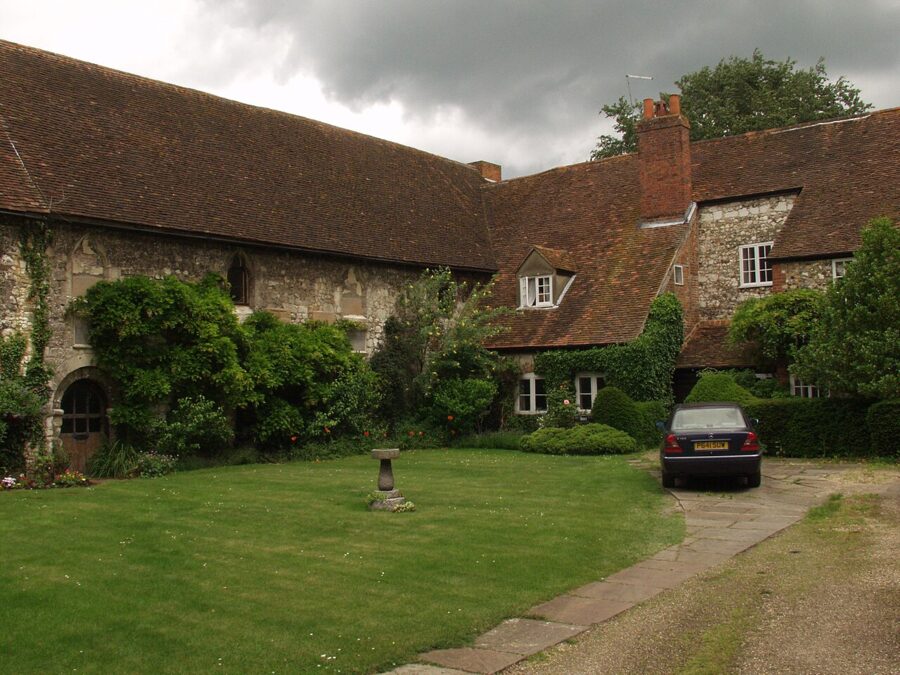
Bray is famous for its restaurants, and the Hind’s Head is the one that still looks like a village pub. The building has served drinkers since the 1400s, first as a hunting lodge and later as a coaching inn. Heston Blumenthal bought it in 2004, and it has held a Michelin star since 2013, kept again in 2026.
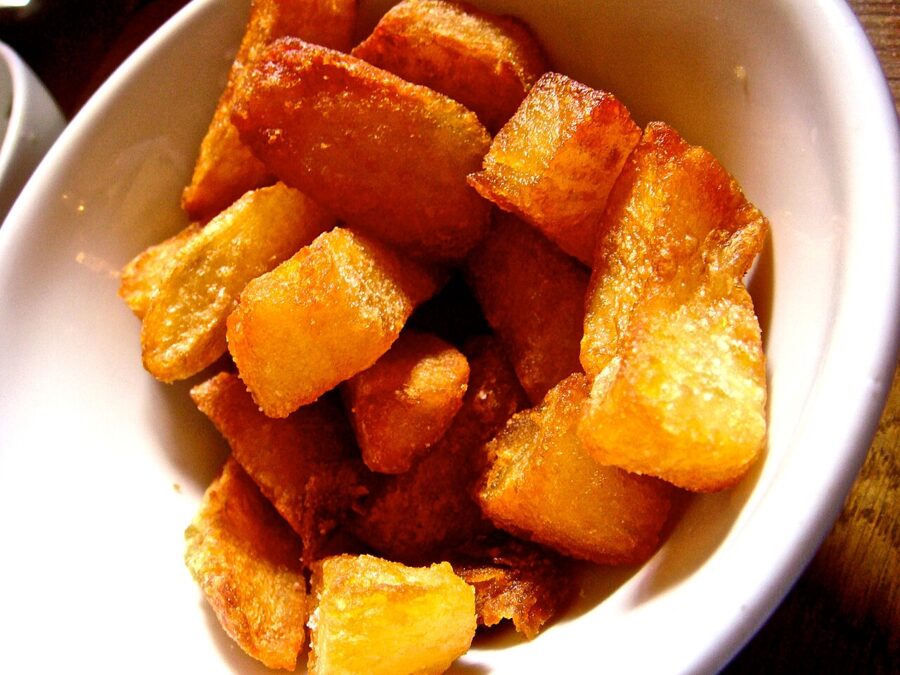

The food is British and old-fashioned in the good sense: the Scotch egg, the chips, the quaking pudding. Book for the restaurant, which serves lunch 12:00–14:30 on weekdays (to 15:00 at weekends) and dinner from 18:00 on weekdays and 17:00 at weekends. The bar is open 11:30–23:00 (22:30 on Sundays), and it is perfectly acceptable to walk in for a drink by the fire.
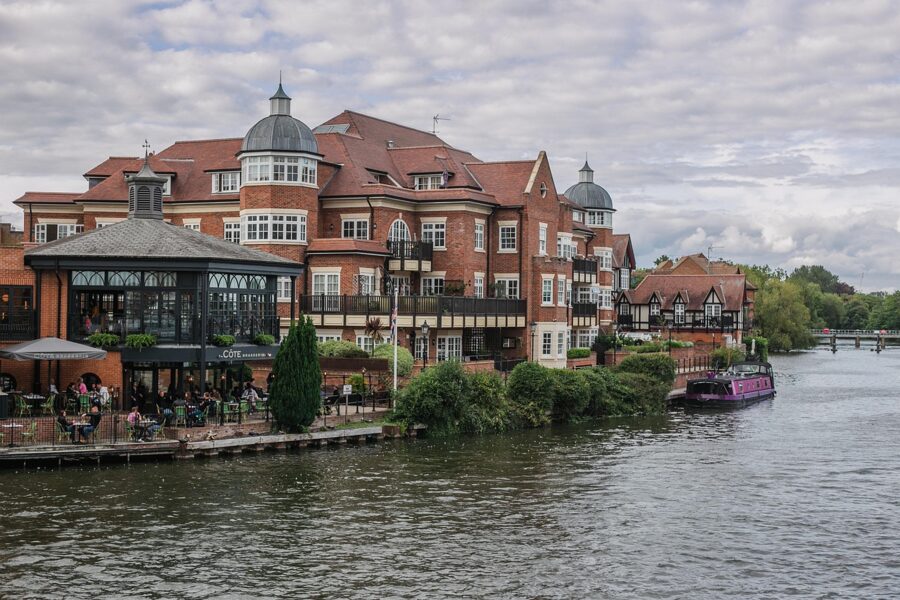
Windsor: the Carpenters Arms and the brewery tap
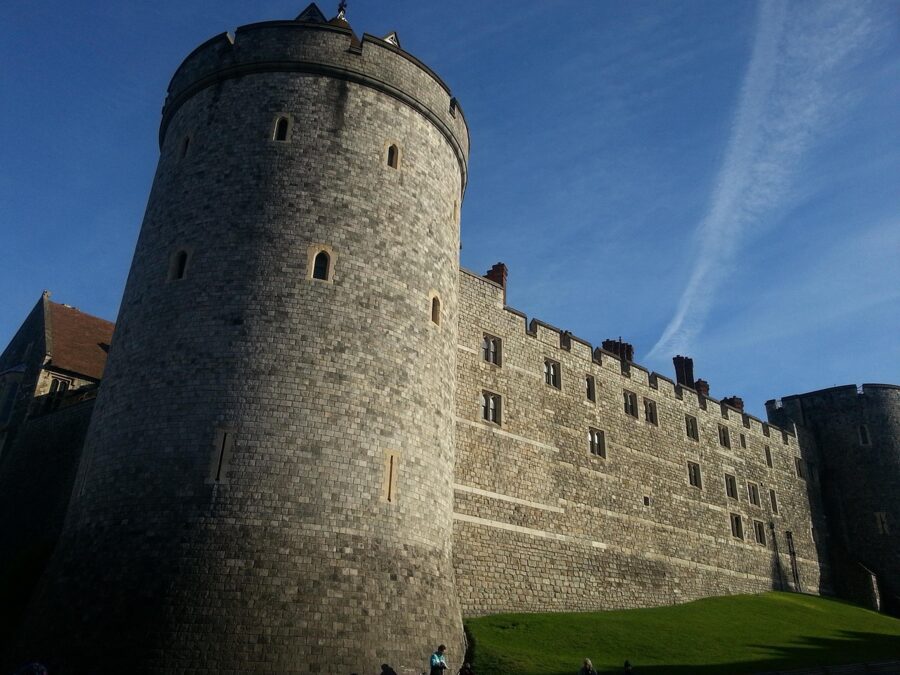
Windsor’s pubs mostly serve tourists, and the Carpenters Arms does too, but it does it well. It is a Nicholson’s house on Market Street, a cobbled lane a minute from the castle, spread over three levels with doors on two streets. A refit in October 2026 put back the wooden panelling stripped out in the 1980s, and the old Ashby’s Brewery tiles by the entrance are still there. There is a legend that the lowest level hides a passage to the castle, guarded by a suit of armour.
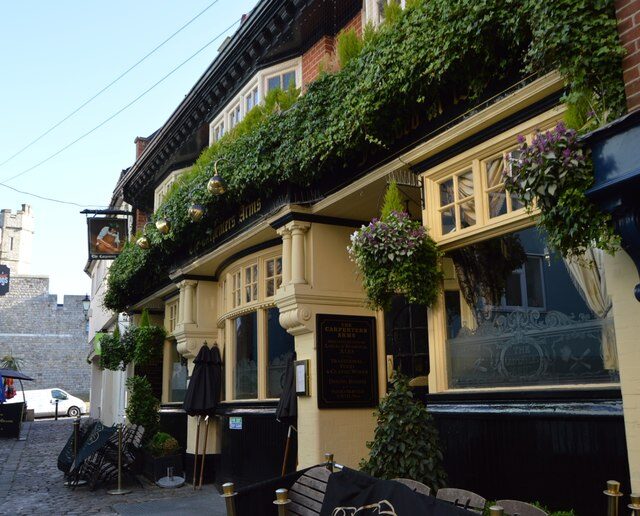

It opens 11:00–22:00 daily and serves food until 21:00, or 22:00 from Thursday to Saturday.
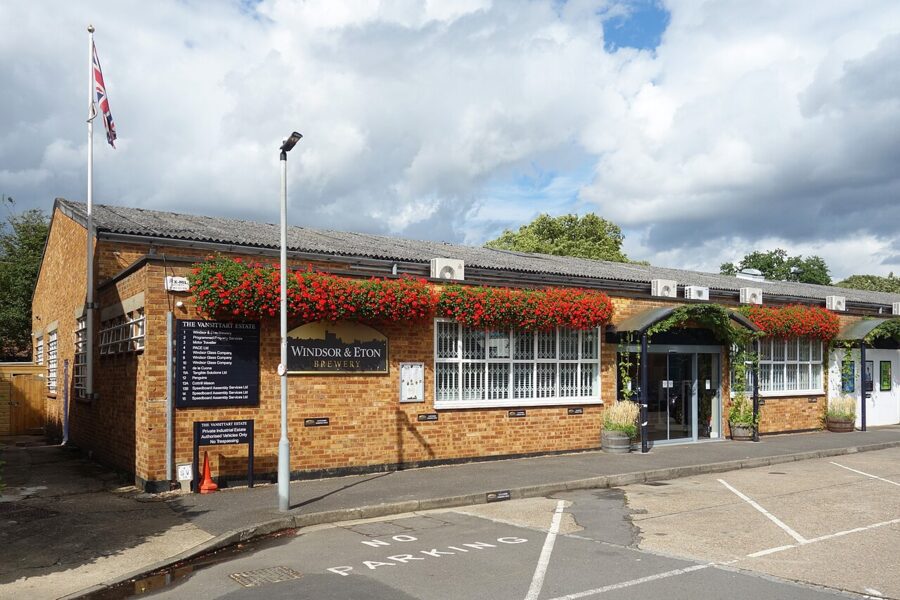
For local beer, walk ten minutes west to the Windsor & Eton Brewery taproom on the Vansittart Estate. Unit 4 opened in August 2021 with eight handpumps, six for the brewery’s own beers and two for guests, plus keg lines and a kitchen. Guardsman, Knight of the Garter and Windsor Knot are the regulars. It opens at noon on weekdays and 10:00 on Saturdays, and there are brewery tours on Saturdays if you book.

Colnbrook: the Ostrich
Colnbrook is on the edge of Heathrow, and the Ostrich is the best reason to come. It is a Grade II*-listed coaching inn on the old London to Bath road, a road that once supported ten inns in this one village. The Ostrich claims a foundation date of 1106 and says its name is a corruption of “hospice”. The building that stands now is plainly not the original, and nobody can prove the date.
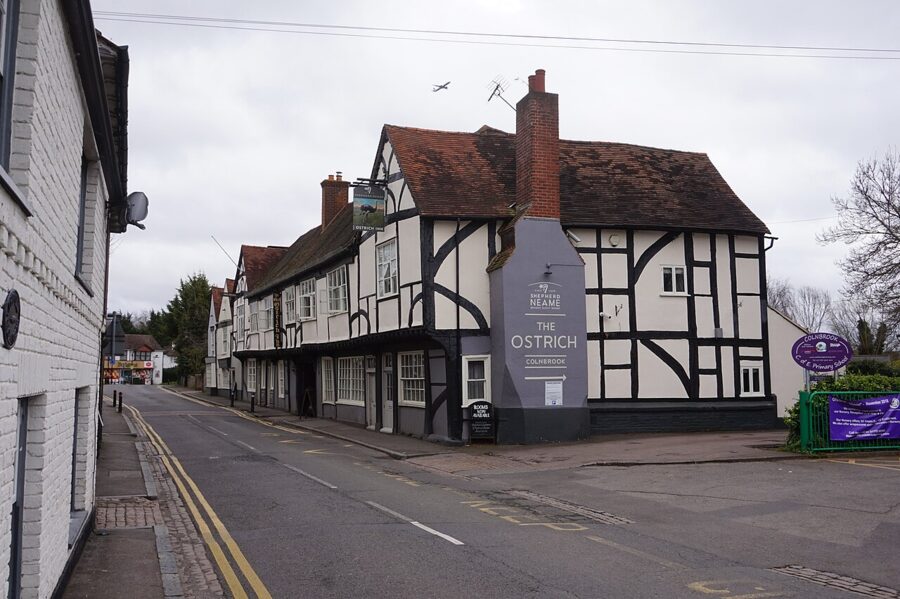

Its other story is a murder. Thomas Deloney’s Pleasant History of Thomas of Reading, written around 1598, has a landlord named Jarman who tipped guests through a trapdoor beneath the bed into a boiling cauldron, until he killed a rich clothier called Thomas Cole. It is fiction, but local tradition attaches it to the Ostrich, and you may well hear it at the bar. The beers are from Windsor & Eton, food runs from lunch through to 21:00, and the 81 bus stops close by.

The Downs and the Pang valley
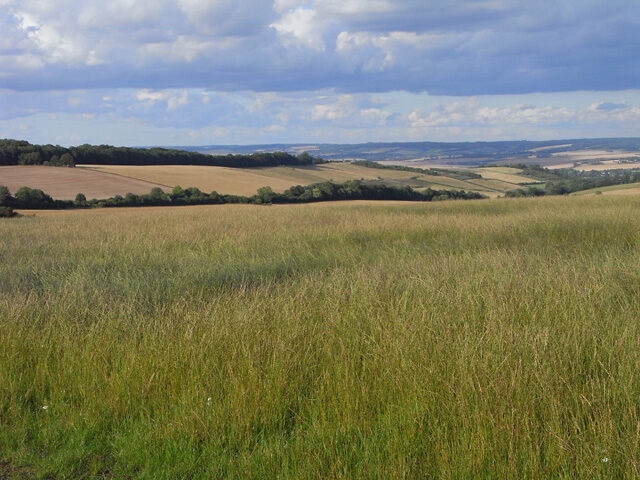
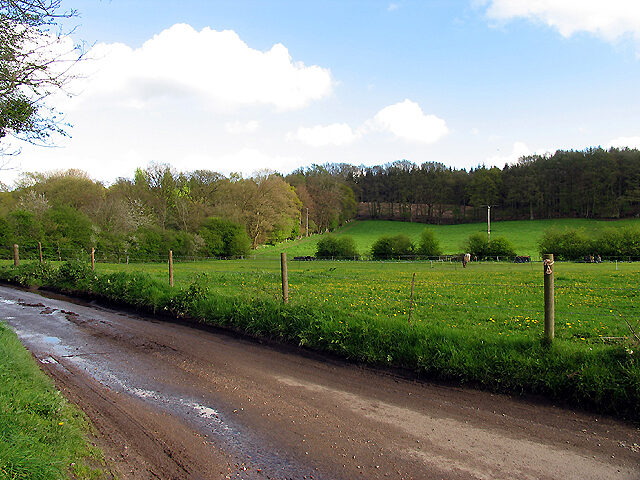
West of Reading, the Pang valley winds up into chalk country of beech woods and big fields, with small villages a few miles apart. This is where Berkshire’s best pubs are, and you will need a car, a bike or a good pair of boots. Several shut one day a week, so check before driving out.

Aldworth: the Bell
The Bell’s building dates from the fifteenth century or earlier and has been altered over the centuries since, and its interior is the only one in Berkshire to earn CAMRA’s top three-star rating. The tap room has panelling, a huge inglenook and a red quarry-tiled floor, and much of the furniture came from the village smithy and carpenter’s shop that the same family ran. The hatch servery is thought to date from the 1930s.
The beer list is the best in the county for my money. The house’s own Five Giants is joined by Indigenous Baldrick, a mild, and by Arkell’s 3B, Rebellion Roasted Nuts and Amwell Springs Chairman Dave. Food is filled rolls, and they are the point: a ploughman’s here, when there is one, is the plain kind the dish ought to be.
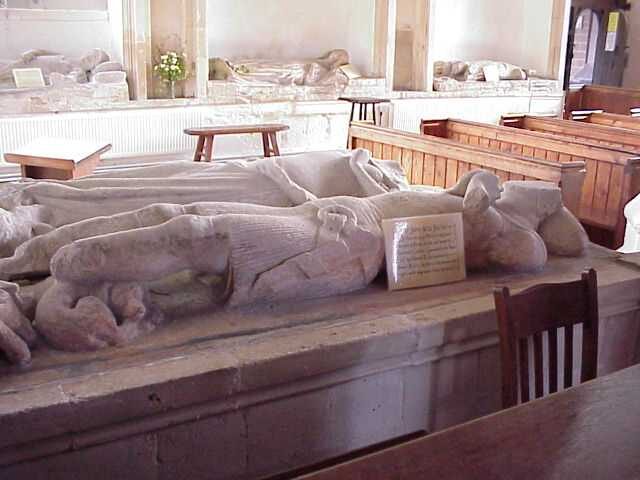

The Bell is open 12:00–20:00 from Tuesday to Sunday and shut on Mondays, except bank holiday lunchtimes. It closes for the odd week’s break, so check its Facebook page before a long drive. There is dominoes and shove ha’penny, and children and dogs are welcome. The Ridgeway is little more than a mile to the north.
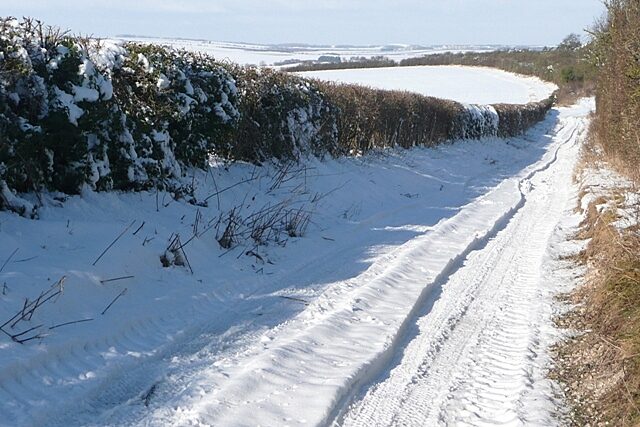

Yattendon: the Royal Oak and the Renegade taproom
Yattendon is an estate village with a square, and the Royal Oak sits on it. It is a smart dining inn now, with an orangery added in 2019, ten bedrooms and a walled garden. Lunch is served 12:00–14:00 from Monday to Thursday (14:30 on Fridays and Saturdays) and dinner 17:30–20:30, with food all day on Sundays until 20:00. Dogs can stay in the rooms for £15 each.
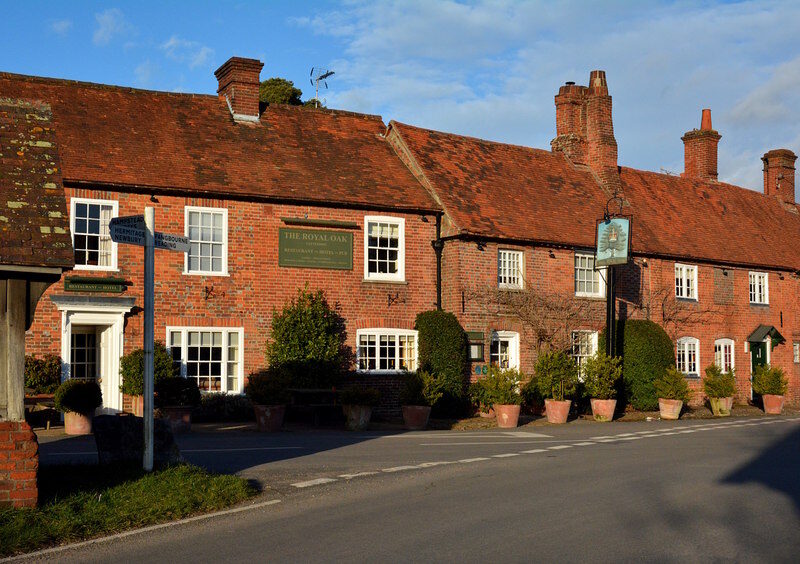

For beer, go to the Renegade Taproom & Kitchen at the Old Dairy, just outside the village, where a glass wall separates the bar from the brewing kit. All four regulars are on: Good Old Boy, Maggs’ Mild, Mister Chubb’s and Maharaja IPA, with two guests. It opens at noon from Monday to Saturday and serves food until 20:30, with pizzas and burgers, and on Sundays it opens at 09:00 for breakfast and closes at 18:00.
Frilsham: the Pot Kiln
The Pot Kiln stands alone in the woods between Yattendon and Bucklebury, and on a summer evening its garden is one of the best places in the county to be. The house bitter is brewed for it by Renegade, and Indigenous Chinwag and Tickety-Boo sit beside it. The old public bar has quarry tiles and panelling; the main bar was moved and enlarged in 2024.
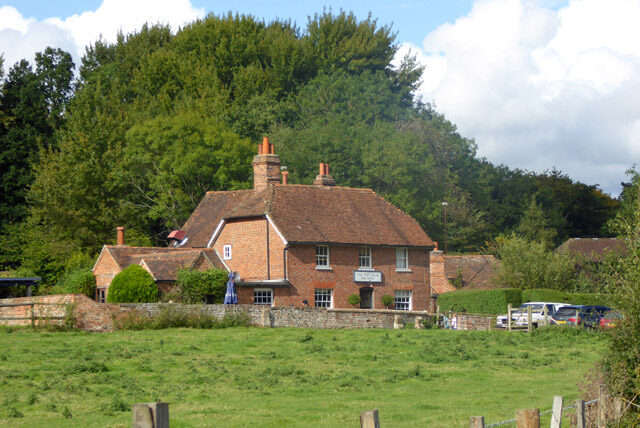

The kitchen has had a busy couple of years, with a Basque menu that has since given way to pub food again, so look at the current menu before booking a special dinner. Food is served 12:00–14:00 and 18:00–20:30 most days, and there are seven bedrooms.

Stanford Dingley: the Bull
A couple of miles down the Pang, the Bull is a fifteenth-century pub with a bit of exposed wattle and daub in the tap room wall. It reopened in 2018 after a £200,000 refurbishment and is now owned by the chef behind the Bladebone at Chapel Row. Wadworth Henry’s IPA, Renegade Good Old Boy and Doom Bar are the beers, and there is real cider.
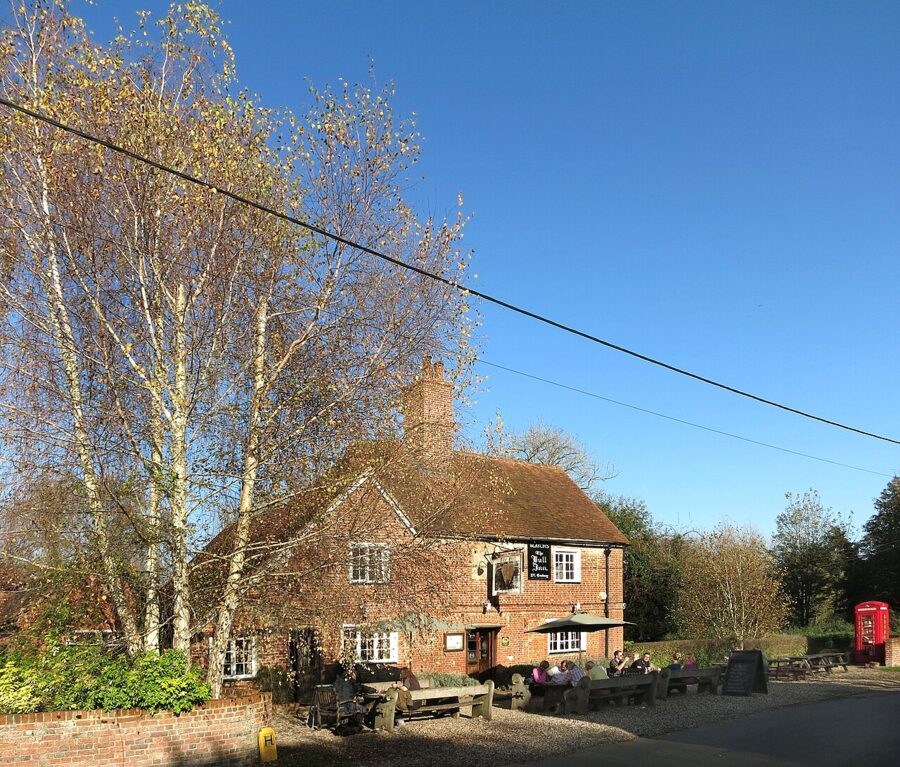

It is closed on Tuesdays, and there is no food on Mondays or Wednesdays. Lunch runs to 15:00 and dinner from 17:30, and Sunday lunch is 12:00–16:00.

The Kennet: Newbury and Kintbury
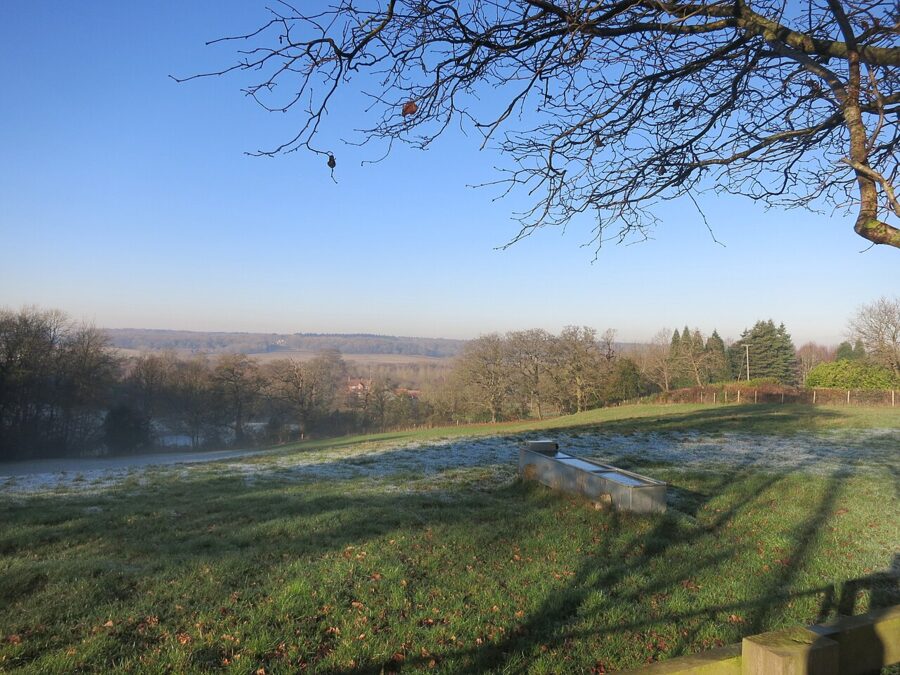
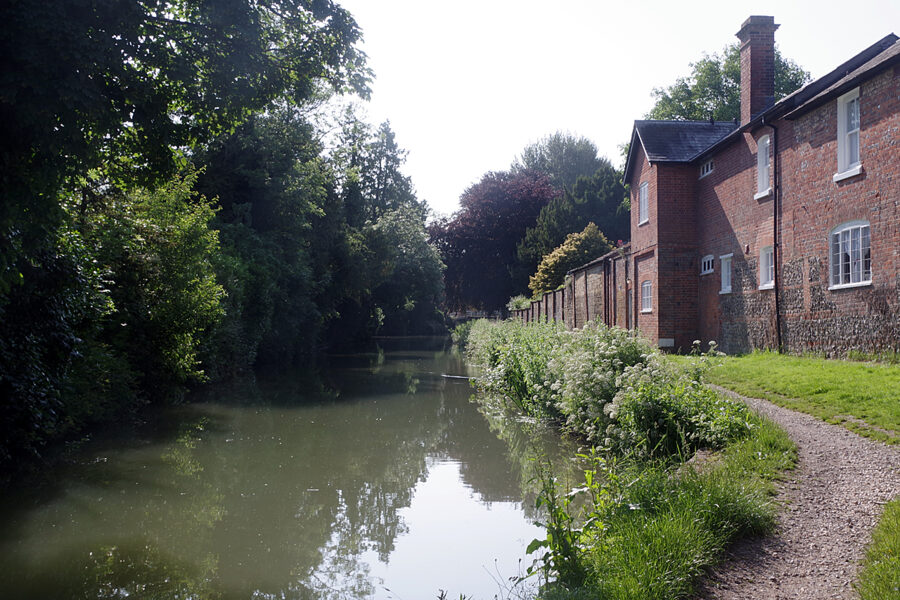
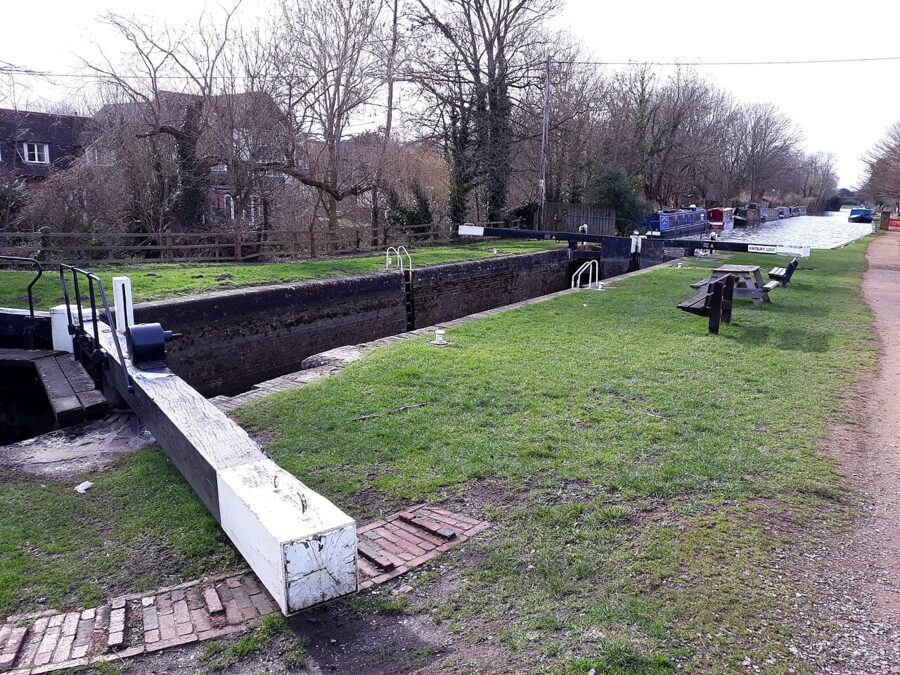
The Kennet & Avon Canal follows the river west from Reading through Newbury to Hungerford and on into Wiltshire, and the railway runs alongside it. That makes the Kennet valley the easiest stretch of the county to do by train, with a towpath between stations.

Newbury: the Lock, Stock & Barrel
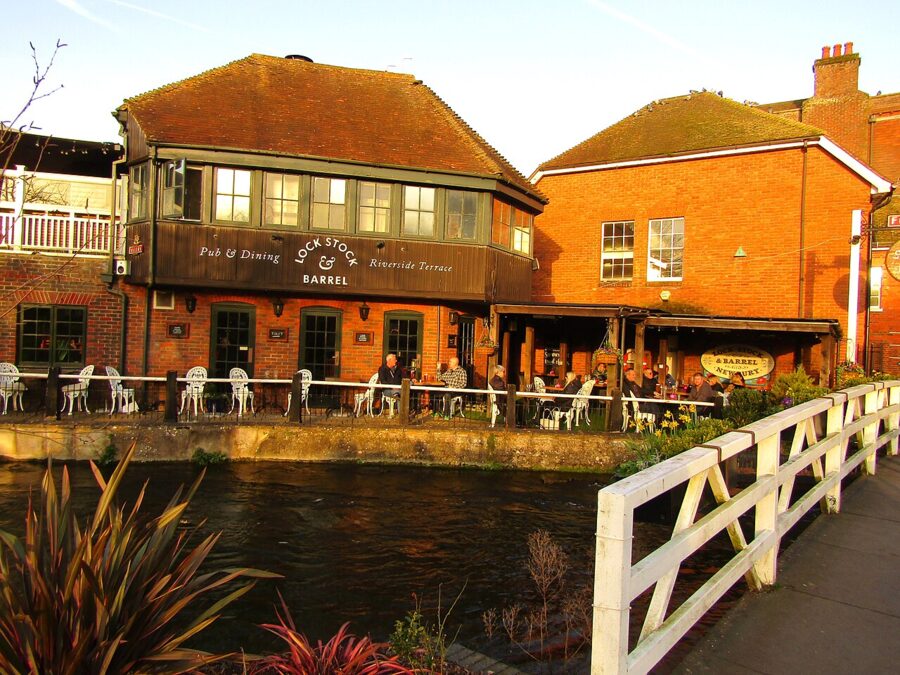
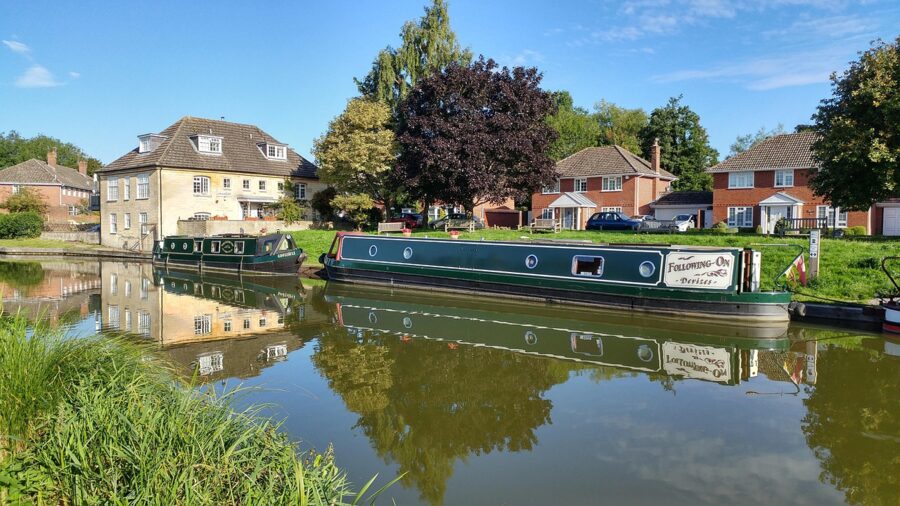
Newbury’s best-placed pub is a Fuller’s house on Northbrook Street, right on the canal by Newbury Lock, with a roof terrace that looks over the lock and across to St Nicolas’ Church.
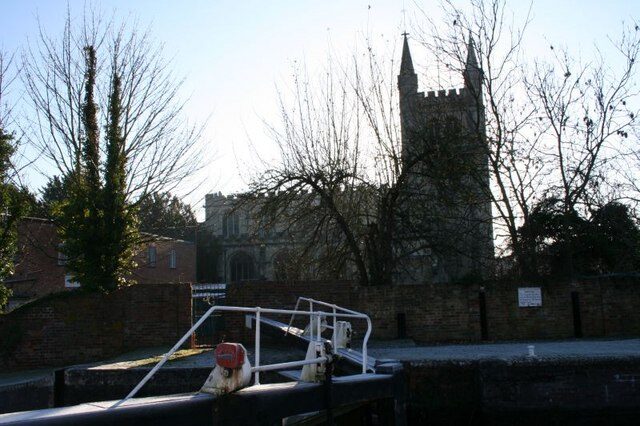

ESB and London Pride are the regulars, with Dark Star Hophead or a seasonal guest. Food runs to 20:00 from Monday to Thursday, 21:00 on Fridays and Saturdays and 19:00 on Sundays. It is a ten-minute walk from the station.

Kintbury: the Dundas Arms
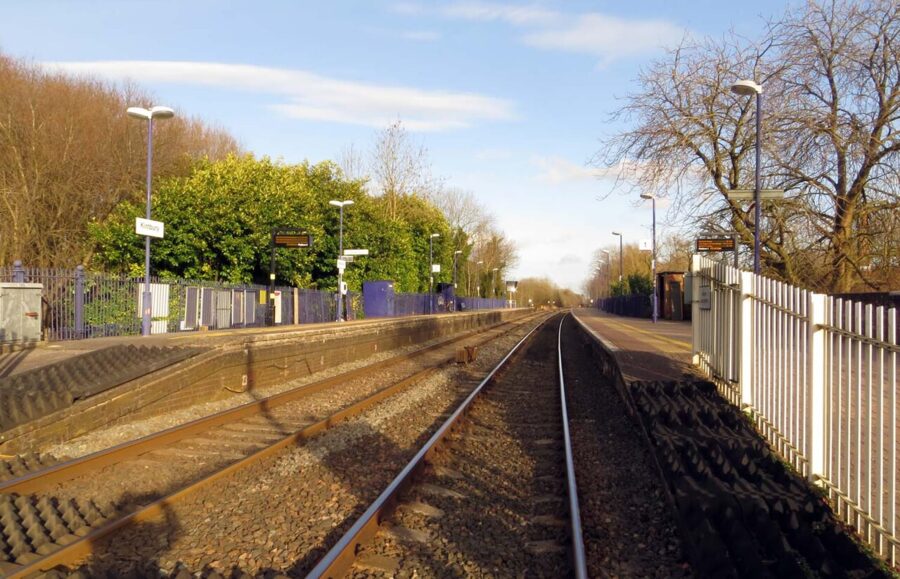
The Dundas Arms is the reason to get off the train at Kintbury, and it is seventy metres from the platform. It is an eighteenth-century inn on the strip of land between the river and the canal, owned and run by Butcombe, with a bar, a library with a log fire, a restaurant and eight bedrooms. Butcombe Original is the regular, and a garden bar opens in summer, when the range grows.
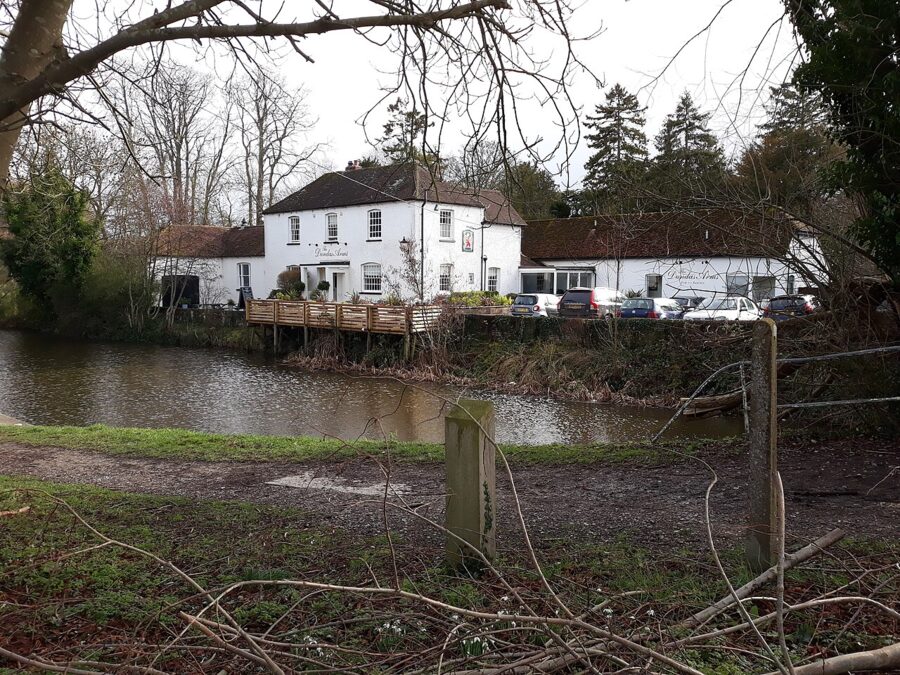

It opens at 08:00 for breakfast, and food is served 12:00–21:00 from Monday to Saturday and until 19:00 on Sundays. Dogs and children are welcome. Butcombe makes much of the Sunday roast here, and on a winter Sunday the library fire is the place to eat it.

East Berkshire: Waltham St Lawrence and Wokingham
The east of the county is commuter country, and a lot of its pubs have become restaurants. Two are worth going out of your way for.
Waltham St Lawrence: the Bell
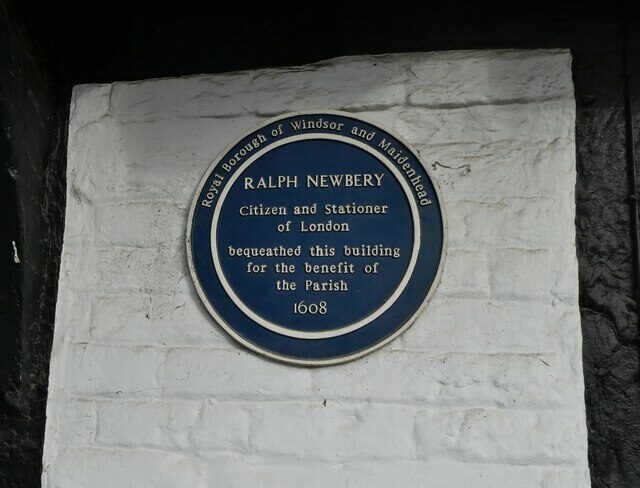
The Bell is a half-timbered building of around 1400, and its story is better than most. Ralph Newbery, a citizen and stationer of London, left it to the village in 1608, and its income still benefits the parish. It is said to have become a pub in 1723. The lounge has Jacobean panelling.
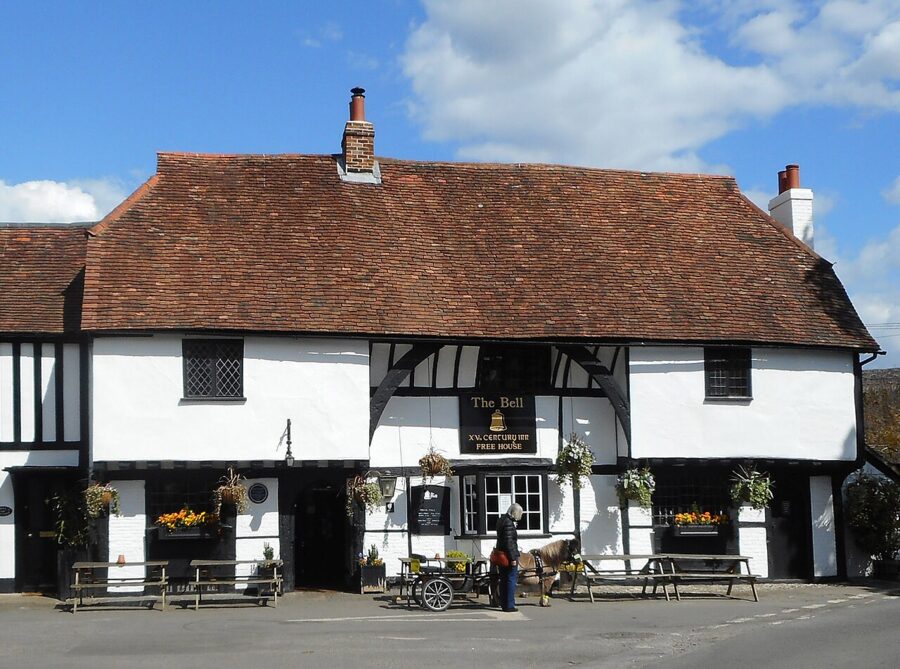

It works as the village local and a restaurant at once, and it bakes its own bread. Loddon Hoppit is the regular and four guests are mostly local, with a mild or stout now and then and up to six ciders and two perries.
It is closed on Mondays and shuts 15:00–17:00 from Tuesday to Friday. Food is 12:00–14:00 and 18:00–21:00 in the week, and Sunday lunch 12:00–15:00. Dogs and children are welcome, and a folk session runs on the first Thursday of the month.

Wokingham: the Broad Street Tavern
A Wadworth pub on the main street, with two panelled front rooms (one with a fire) and a big courtyard garden at the back with heaters. 6X, Henry’s IPA and Horizon are on with a guest. Children are welcome 12:00–18:00, there is a quiz on Tuesdays and live music on Fridays, and it is card only. The station is about eight minutes’ walk.
Three days out
Berkshire is easy to drink in without a car, if you plan around the trains. These three routes link the pubs above with stations at each end.
Reading on foot
Start at the Greyfriar, two minutes from the station, then walk ten minutes south to the Allied Arms on St Mary’s Butts. From there it is five minutes to the Castle Tap (if it is open yet) and another ten to the Nag’s Head on Russell Street. Catch a train from Reading West, or walk back.
For a longer day, start instead at the Retreat in east Reading, walk down to the Fisherman’s Cottage on the Kennet, and follow the river to the Thames and then east on the Thames Path to the Bull at Sonning. That last stretch is a little over an hour, and buses run back to Reading from Sonning.

The Downs from Goring & Streatley
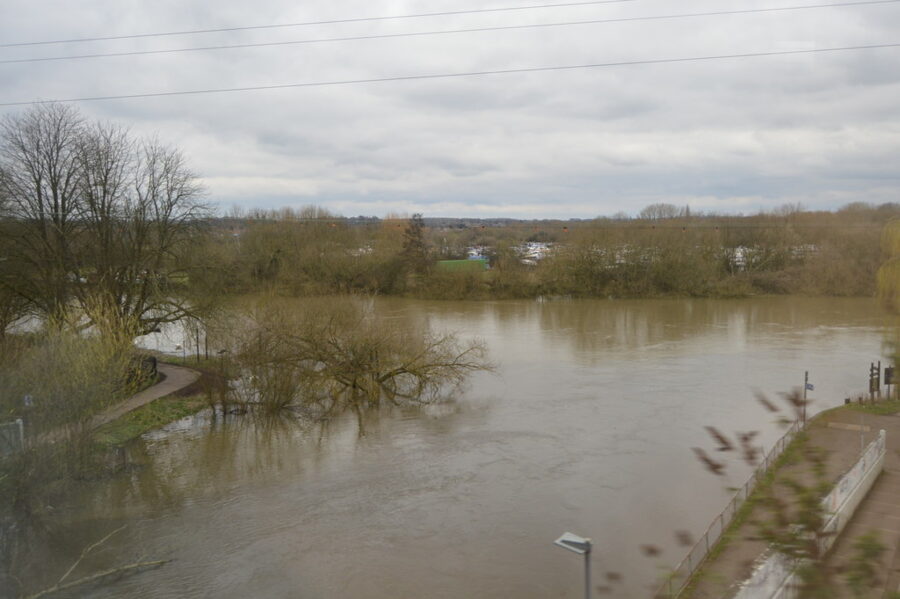
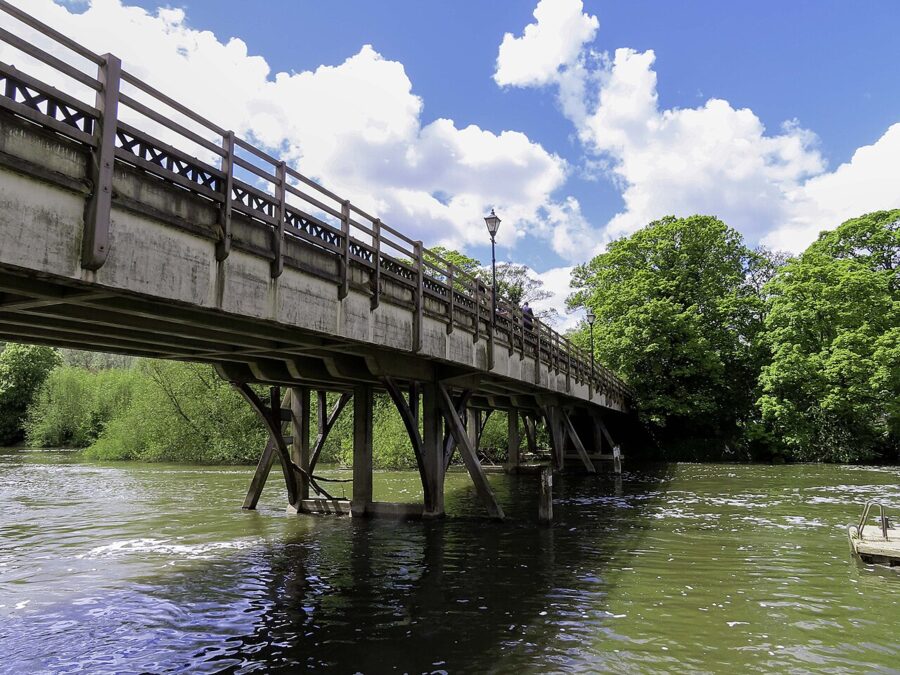
Take the train to Goring & Streatley, cross the bridge into Berkshire and start at the Bull. The Bell at Aldworth is roughly three miles west by the lanes, longer if you climb up onto the Ridgeway first and drop down to the village. Be at the Bell before 20:00, when it closes, and remember it shuts on Mondays. With a car, the Pot Kiln, Yattendon and Stanford Dingley are all within twenty minutes, but there is no sensible bus between them.

The Kennet by train
Take the train to Hungerford and walk east along the canal towpath for about three miles to Kintbury and the Dundas Arms.
From Kintbury, take the train on to Newbury for the Lock, Stock & Barrel by the town lock. Trains stop at all three on the line between Reading and Bedwyn, and Kintbury is a small stop, so check the times before you settle in.

Practical notes
Opening hours. Town pubs open around noon and close at 23:00, later on Fridays and Saturdays. Country pubs close a day a week and some close in the afternoons: the Bell at Aldworth is shut on Mondays and stops serving at 20:00, the Bell at Waltham St Lawrence shuts on Mondays and between 15:00 and 17:00 on weekdays, the Bull at Stanford Dingley shuts on Tuesdays, and the Fisherman’s Cottage in Reading closes on Mondays and Tuesdays. The Allied Arms and the Greyfriar are closed on Sundays.
Food. Kitchens close well before the bar. Most country pubs stop serving at 20:30 or 21:00, and earlier on Sundays. The Hind’s Head and the Sunday lunches at the Bell at Waltham St Lawrence need booking; the Retreat, the Castle Tap and the Butchers’ Arms do not cook at all.
Rooms. The Bull at Sonning has seven, the Royal Oak at Yattendon ten, the Dundas Arms eight and the Pot Kiln seven. The Bull at Streatley, the Bull at Stanford Dingley, Ye Olde Bell and the Ostrich also have rooms.
Dogs and children. Most of the pubs here take dogs, the Bull at Sonning in both bars. Children are a different matter in some town pubs: they are welcome at the Butchers’ Arms until 20:00 and at the Broad Street Tavern until 18:00. The Bell at Aldworth welcomes both.
Parking and paying. Parking is tight in Sonning and central Windsor, and Reading’s town pubs have little or none, so use the trains. The Allied Arms and the Broad Street Tavern take cards only.
If you do one thing, take the train to Goring & Streatley on a Saturday, walk over the bridge and up to Aldworth, and order a Five Giants through the hatch at the Bell. Ask what rolls they have left.