In 1995 a team of researchers sat in British pubs and timed foreign tourists waiting at their tables for a waiter who was never going to come. A sharp-eyed American couple worked it out in just under two and a half minutes. A party of six young Italians took more than three quarters of an hour, though they were deep in an argument about football and didn’t seem to mind.
The study went into Passport to the Pub, a little guide to pub etiquette that the anthropologist Kate Fox wrote in 1996 for the brewers’ trade body. Thirty years on, most of it still holds. The rules of the British pub are not written down anywhere, nobody will explain them to you, and every native in the room follows them without thinking.

They are also easier than they look. Almost all of them come from two facts: there is no table service for drinks, and the pub is a shared room where strangers are expected to rub along. Get those two into your head and the rest follows, from the invisible queue to the round you mustn’t dodge.

A city bar on a Friday night plays them faster than a village local on a wet Tuesday, but they’re the same rules.
On this page
Nobody is coming to your table
This is the first rule and the one that catches most visitors. In a pub you go to the bar, order, pay and carry the drinks back yourself. Some pubs bring food to the table, and a few smart dining pubs will take a drinks order there too, but the default everywhere from a Cornish village to a Glasgow corner bar is the counter.
Fox thought this was the clever bit of the whole design. The British are bad at striking up conversations with strangers, and the bar is about the only place in the country where doing so is entirely normal. Making everyone walk up to the counter puts them shoulder to shoulder, waiting, with something to talk about.
The queue you can’t see
A busy bar looks like a free-for-all, and it isn’t. Everyone standing at it knows who arrived before them and who after, and good bar staff know too. The queue is there; it just runs along the counter instead of back from it.
So you join it by finding a gap at the bar and waiting your turn. You don’t shoulder past someone who was there first, and if the person next to you was clearly waiting longer and the barman comes to you, it’s good form to say “I think he was first.” That small courtesy gets noticed and usually repaid.
Since the pandemic some younger drinkers have taken to forming an actual line. Purists grumble, but if you find one, join the back of it.
Catching the eye
You get served by being seen, not heard. Stand square to the bar, hold your money, card or empty glass where staff can see it, and look hopeful. When you catch someone’s eye, a raised eyebrow and a small nod are all that’s needed; they’ll nod back, which means you’re next or near enough.
What you never do: wave notes, click your fingers, tap a coin on the counter or shout “mate”. All of these push you to the back of the invisible queue. The regular who calls “any chance of a drink this week?” to a barman he has known for twenty years is the exception, and you haven’t earned that yet.
A small practical trick from Fox’s book still works: stand next to someone who is being served. Staff have to look your way when they hand over the drinks and take the money, and that’s when your eyebrow does its work.
What to say when you get there
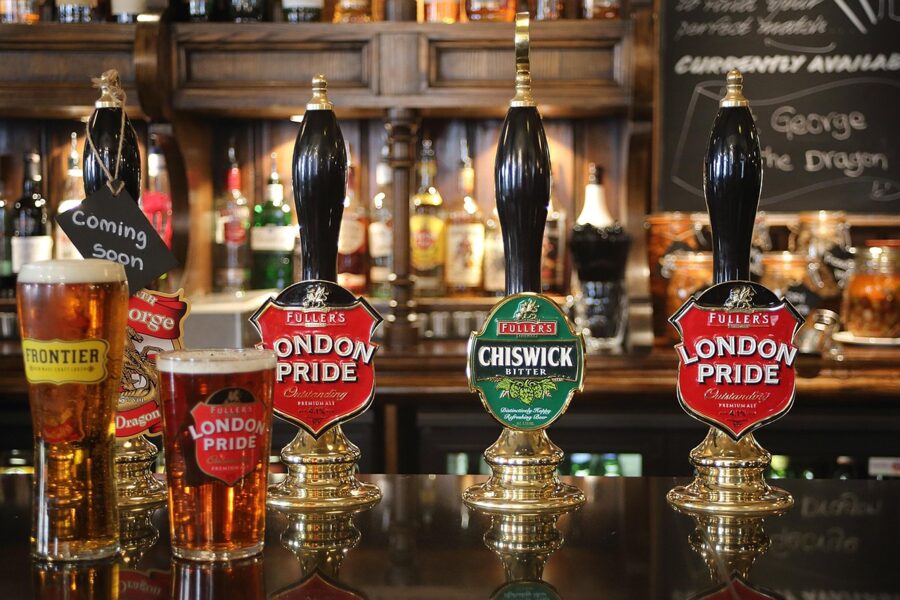
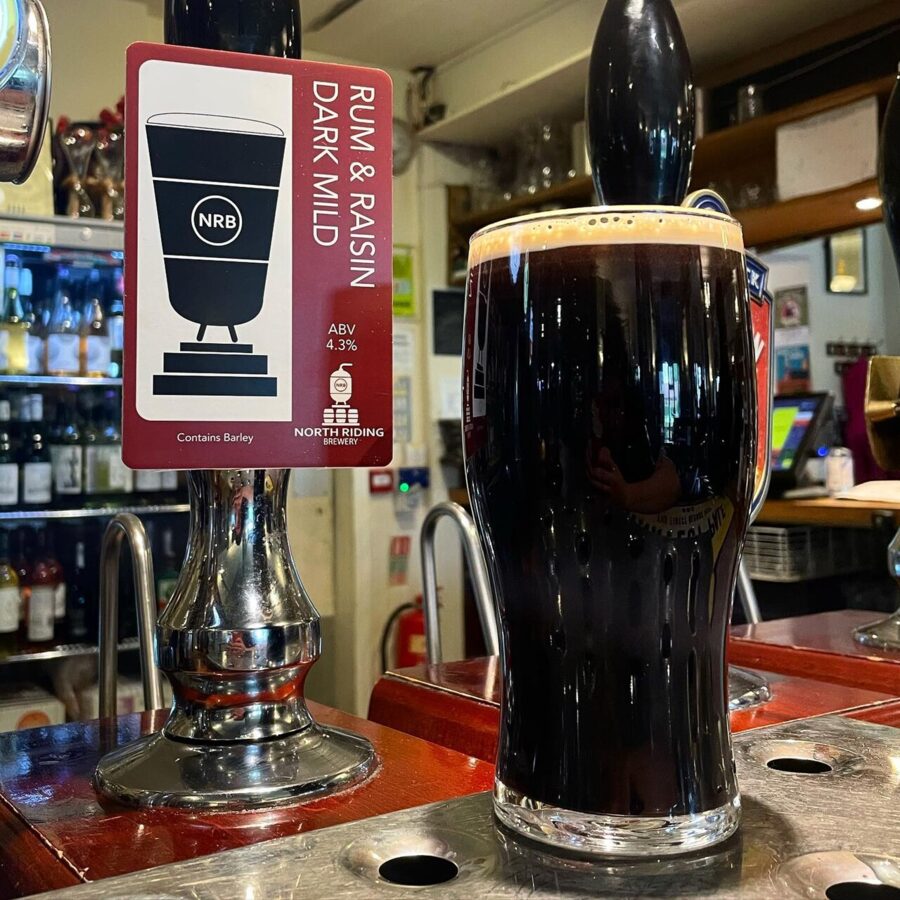
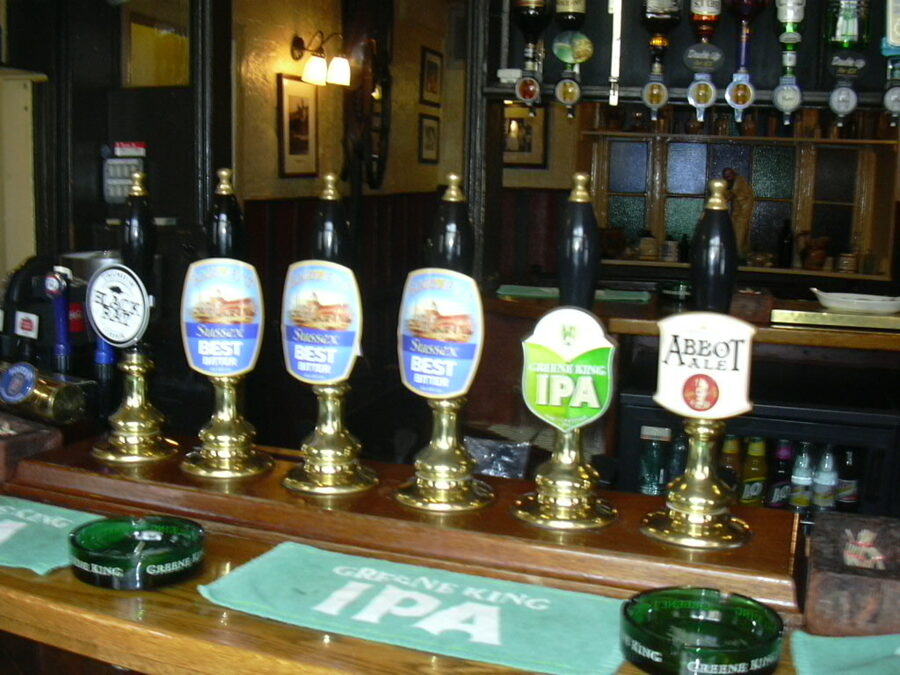
Know what you want before you’re at the front. A board behind the bar usually lists the beers, and the pump clips on the handpumps tell you the rest. If you don’t know a cask beer, ask what it’s like, and in most pubs you can ask for a small taste before you commit; a quiet afternoon is the time for that, not the Friday rush.
Then say it plainly, measure first: “A pint of London Pride, please,” or “Two halves of the mild and a lime and soda.” Asking for “a beer” gets you a puzzled look or whatever lager is nearest the till. “Please” and “thanks” are not optional, and “cheers” covers both.
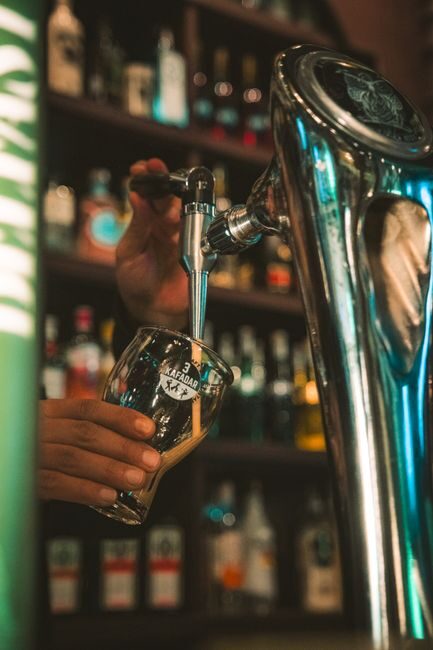
If a friend is buying, learn the answers to “What are you having?” “Same again” means exactly that, and “I’m all right, thanks” means no. “Go on then” is yes after a token protest, which is how most Britons accept anything.
Paying, tipping and “one for yourself”
You pay when you order, every time. Running a tab is unusual outside smart bars and dining pubs, and where it’s offered they’ll usually want a card behind the bar. Nearly every pub takes cards and contactless now; a handful of old-fashioned places still take only cash, and a few newer ones take only cards, so carry both.
Tipping at the bar is not expected. The traditional way to thank someone who has looked after you is to add “and one for yourself” to your order, which invites them to add the price of a drink to the bill. Most staff take it as cash rather than drinking it on shift, and that’s fine. Fox’s point was that buying the barman a drink treats him as an equal in a way a tip doesn’t.
Food is different. Where staff bring food to the table, 10 to 12.5 per cent is normal, and many pubs add a discretionary service charge to the bill, which you can ask to have removed if the service was poor. Since 1 October 2024 the law in England, Scotland and Wales has required employers to pass all tips and service charges to their staff without deductions, so the money now goes where you meant it to.
Which room, which door
Older pubs were built as a set of separate rooms, and some still are. The public bar was the plain room with the dartboard and the cheaper beer; the saloon or lounge was carpeted and a little dearer; the snug was a small, private room, often favoured by women at a time when they weren’t welcome in the public bar. The class lines have gone, but the rooms survive in the best old pubs.
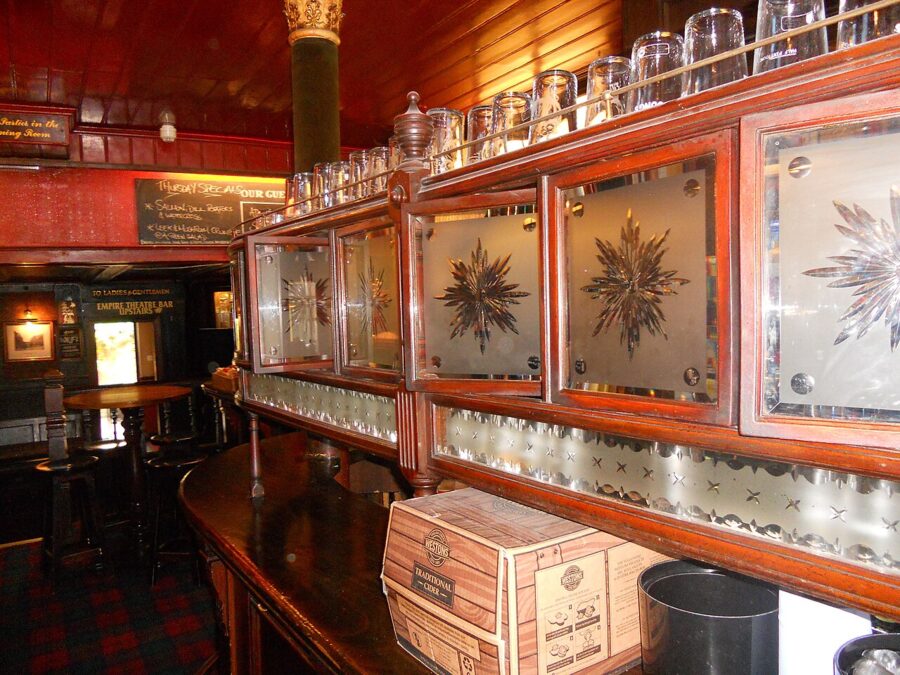

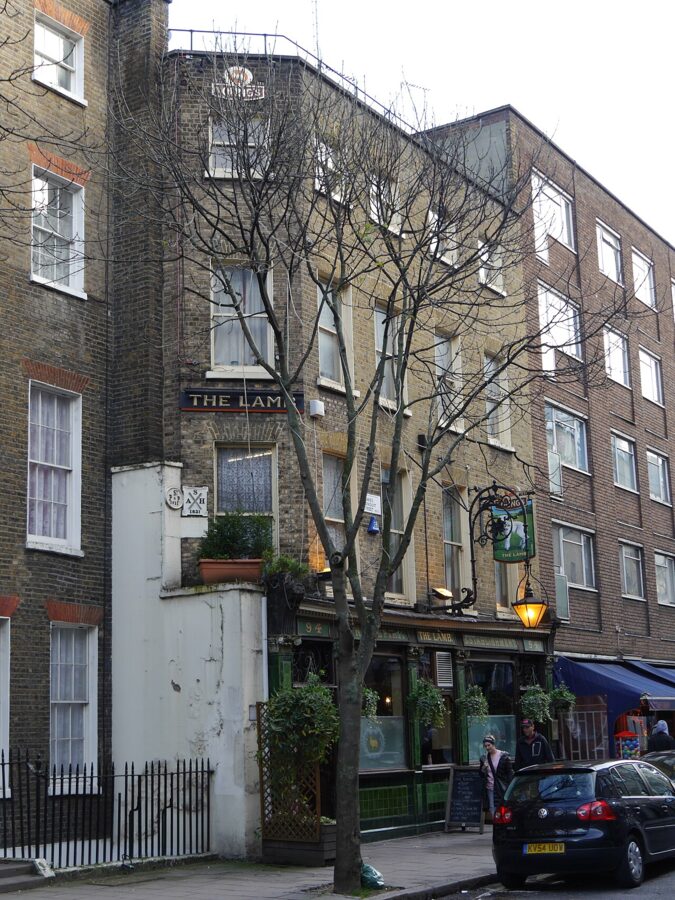
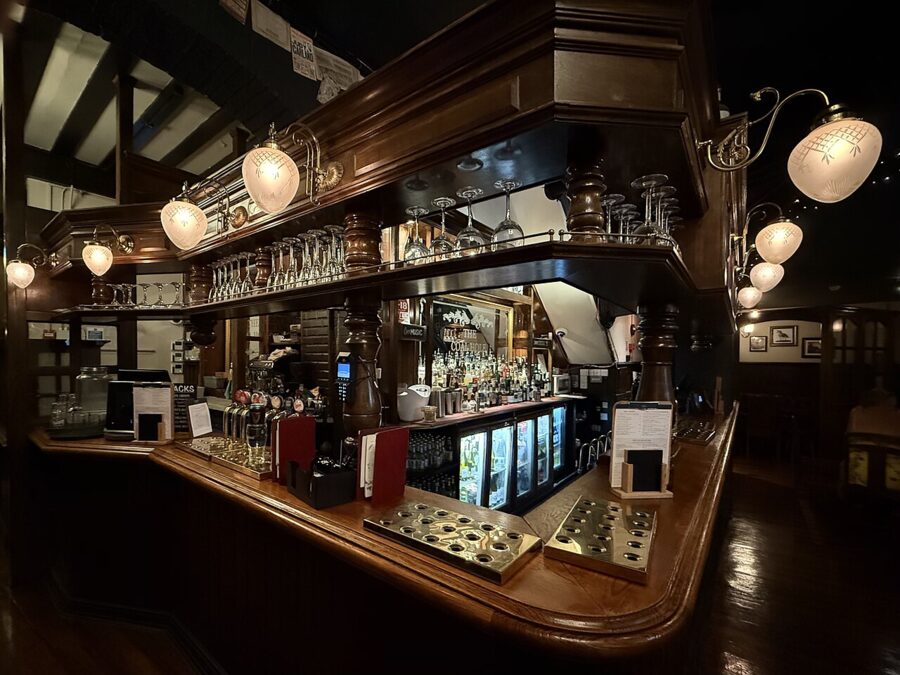
The Lamb on Lamb’s Conduit Street in Bloomsbury, a Young’s house under ten minutes’ walk from Russell Square station, keeps the most famous set of snob screens in London. They’re small etched-glass panels that pivot above the bar so that a Victorian drinker could order without being looked at by the people in the next bar. Nobody needs them for that now, but they tell you how seriously the Victorians took who drank where.
Each room still has its own regulars and its own tone, so take a moment in the doorway. If one is full of quiet talk and another has the television and the pool table, choose by mood, not by the nearest seat.
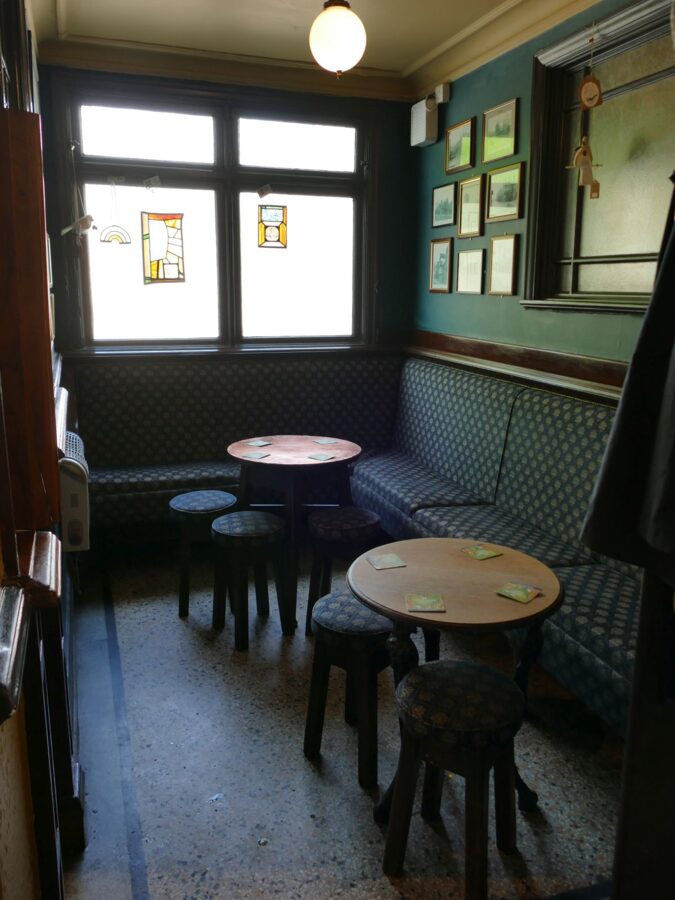

Two seating rules apply in every room. A coat or a bag on a stool means the seat is taken, and the people who left it there will be back. And if a table has spare seats, ask “Is anyone sitting here?” before you take one; sharing a big table is normal, and a simple question turns it into the start of a conversation rather than an invasion.
Rounds: the British drinking system
If you’re drinking with a group, you’ll be drinking in rounds. One person goes to the bar and buys a drink for everyone; when the glasses are low, the next person goes. By the end of the evening everyone has bought once and everyone has drunk the same number of drinks, which is the whole idea.
The round is the most serious rule in the pub, and it’s the one visitors get wrong because nobody explains it. Accepting a drink puts you in the round. Leaving before your turn, or buying a round when it suits you rather than when it’s due, is the kind of thing a group will remember for years and mention at weddings.
How it works in practice
The person buying asks “What’s everyone having?” and goes to the bar alone or with one helper to carry. That matters on a busy night, whether it’s a city bar after work or the yard of the George Inn in Southwark in July: a group of six crowding the counter and ordering one at a time, each paying separately, is the thing bar staff dread most. Order together, pay once, and sort out who owes whom elsewhere.
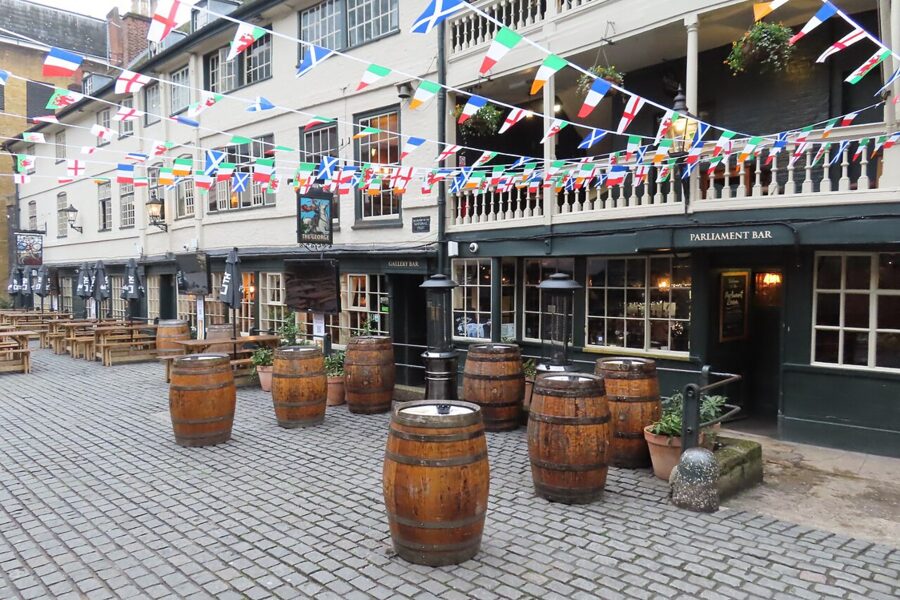

The pace is set by the fastest drinker, which is the round’s one real flaw. When it’s your turn and someone has an empty glass, you go, even if your own pint is half full. If you can’t keep up, switch to halves or a soft drink inside the round rather than dropping out of it.
Big groups split. Ten people in one round means ten drinks a time, so a large party usually breaks into rounds of three or four, and couples often count as one. Nobody announces it; just follow along.
How to get out of one
There are decent ways to skip a round, and they all involve saying so at the start. “I’m only stopping for one, so I’ll get my own” is perfectly acceptable before the first drink is bought. So is buying the first round yourself and then leaving: you’ve paid in, nobody is out of pocket, and you look generous.
A kitty is the other answer. Everyone puts the same amount into a pot at the start, one person holds it and buys the drinks, and when it runs out you top it up. It’s common with students and big groups, and it’s ideal if you don’t want to keep count.
What doesn’t work is quietly accepting three drinks and leaving before your turn. If you realise too late that you can’t stay for your turn, buy before you go or hand the next buyer the cost of a round. Slipping out is not an option.
When buying a round was against the law
The round has survived worse than visitors. In 1915, worried about drunkenness among munitions workers and soldiers on leave, the government’s Central Control Board (Liquor Traffic) made “treating” an offence in the areas under its control. Buying a drink for anyone else became illegal, and in October 1915 the ban arrived in London.
Drinkers did what drinkers do. A report from London that autumn noted that customers simply handed each other money as they came into or left the bar, then bought their own. The afternoon closing brought in during the same war lasted until 1988, and the round outlived that too.
Pints, halves, thirds and the law on measures
Britain is unusually strict about how much drink you get, and the law is worth knowing because it tells you what you can ask for. Draught beer and cider can only be sold in a third of a pint, a half, two-thirds, or multiples of a half. The two-thirds measure only became legal in October 2011.
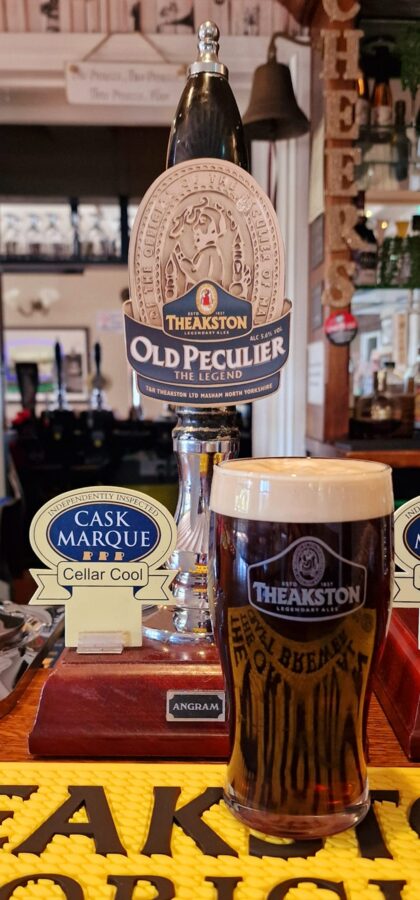
A British pint is 568ml, about a fifth bigger than an American one, so pace yourself. There is nothing feeble about ordering a half, whatever older guidebooks say; plenty of people drink halves at lunchtime or to try more beers.

Thirds and two-thirds
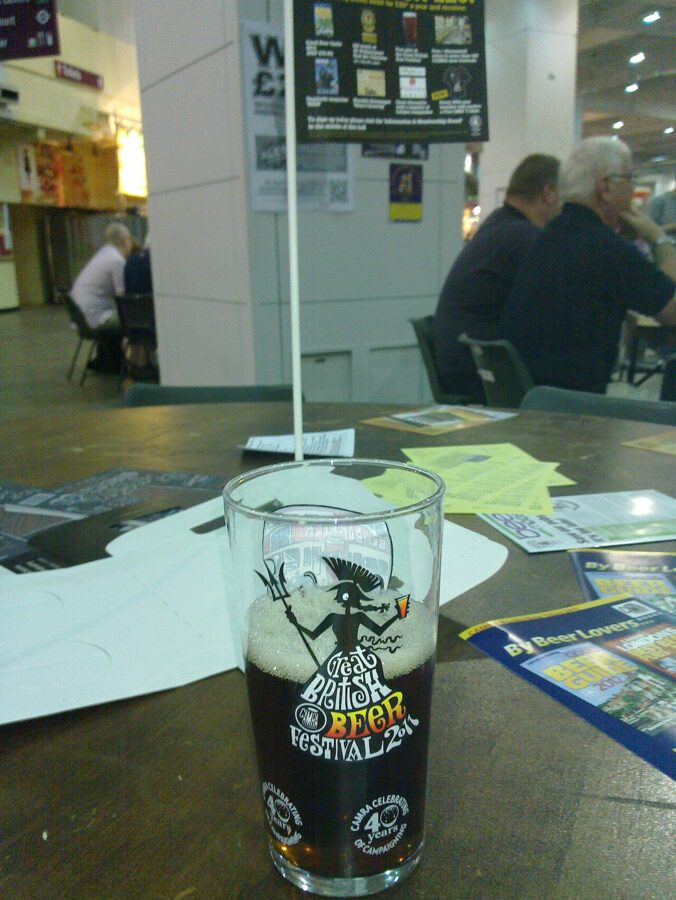
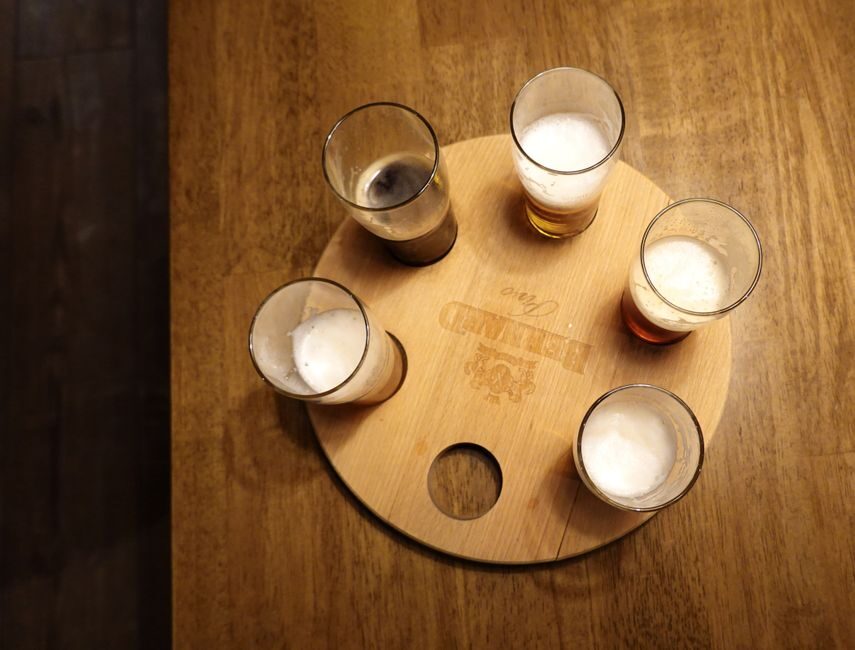
Thirds belong to craft beer bars and festivals, often served three or more at a time on a wooden paddle. Traditional pubs may not keep the glasses. The two-thirds glass, sometimes called a schooner, is the craft bar’s answer to a strong beer that would be too much as a pint.
The head, and the top-up
The law treats the head as part of the pint. The brewing trade’s own guidance, written with the courts in mind, says a pint served with a head should still be at least 95 per cent liquid, and that a request for a top-up should be taken with good grace and never refused. If your pint is clearly short, hand it back politely and ask; nobody minds, and a decent barman will do it before you ask.
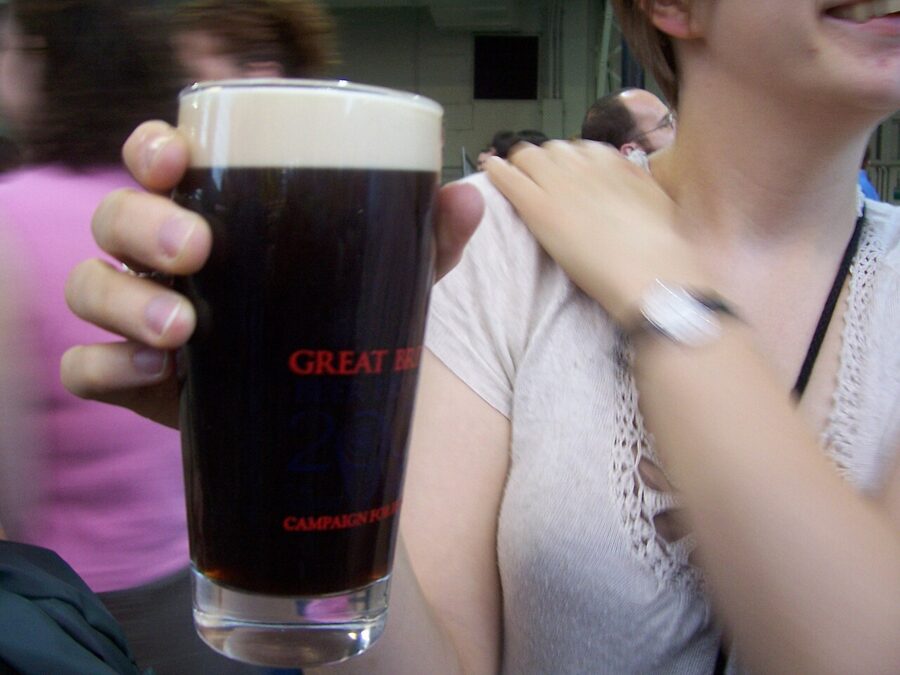
Some pubs use lined glasses, oversized with a line printed at the measure so the head sits above it. The Campaign for Real Ale has argued for years that every pint should be full liquid, and a lined glass is the pub saying it agrees.

Wine and spirits
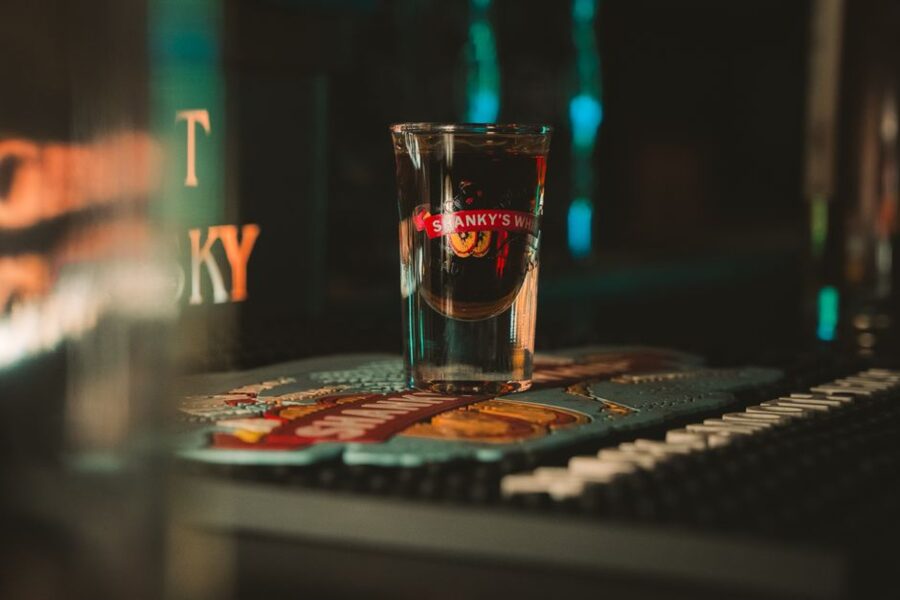
Gin, rum, vodka and whisky have their own rule: a pub must serve them in 25ml or 35ml measures and multiples, and it can’t use both. A single is one measure and a double is two. Other spirits have no set measure, which is why your brandy may look different from pub to pub. Still wine by the glass comes in 125ml, 175ml and multiples, so the familiar 250ml “large glass” is two 125ml measures; port and sherry come in 50ml or 70ml.
In England and Wales every licensed pub must also offer the smaller measures, a half pint, a single 25ml or 35ml spirit and a 125ml glass of wine, and must tell you they exist. That’s why staff ask “Large or small?” when you order wine: they’re required to. If they don’t ask and you want the small one, say so.
What else to ask for
For the beers themselves, the real ale on the handpumps is the thing to try, and the differences between bitter, mild, porter and IPA are a subject of their own. On the counter you’ll also find keg lager, stout and cider, often a real cider or two in the West Country.
A few orders sound odd and are perfectly normal. A shandy is beer topped up with lemonade, which in Britain is fizzy and clear; a “lager top” is lager with a splash of it on top. Lime and soda or a glass of tap water are fine to ask for, and if you want a screwdriver, ask for a vodka and orange.
Eating: the table number system
Food works differently from drinks, and the system is quick once you know it. Find a table first and note its number, which is usually on a small block, a brass plate or a sticker. Then go to the bar, or to the separate food counter if there is one, order, give the number and pay. Someone brings the food out and calls the dish; cutlery and sauces are often in a pot on the table or on a shelf by the bar.
Dining pubs with table service will seat you and take your order, and a sign by the door usually says “please wait to be seated” if that’s the system. Wetherspoon and some other chains let you order from a phone app straight to your table number.
Ask when the kitchen stops. Many pubs serve food at lunchtime and early evening only, some not at all on Sunday evenings or Mondays, and a kitchen that closes at 21:00 means 21:00. Pub opening hours on a door are not food hours.

Sunday lunch
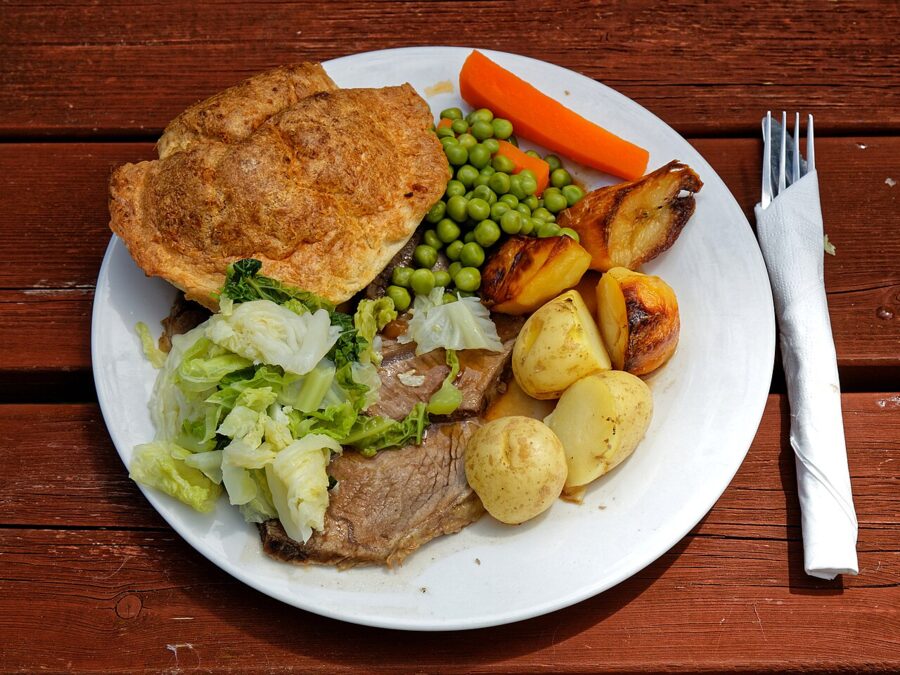
The Sunday roast is the pub’s big meal of the week, and it is the one time you should book, especially for a group. Sittings are common, popular pubs fill for weeks ahead in winter, and turning up at two o’clock on spec usually means a table by the door and no beef left. Drinkers without a booking are welcome at the bar, but don’t sit at a laid table unless you’re eating.
Crisps, nuts and the open bag
Bar snacks have their own small rule. If you buy crisps for the table, you open the bag fully along the seam and lay it flat in the middle so everyone can reach. Eating from a bag held in your lap while your friends watch is regarded as faintly mean.
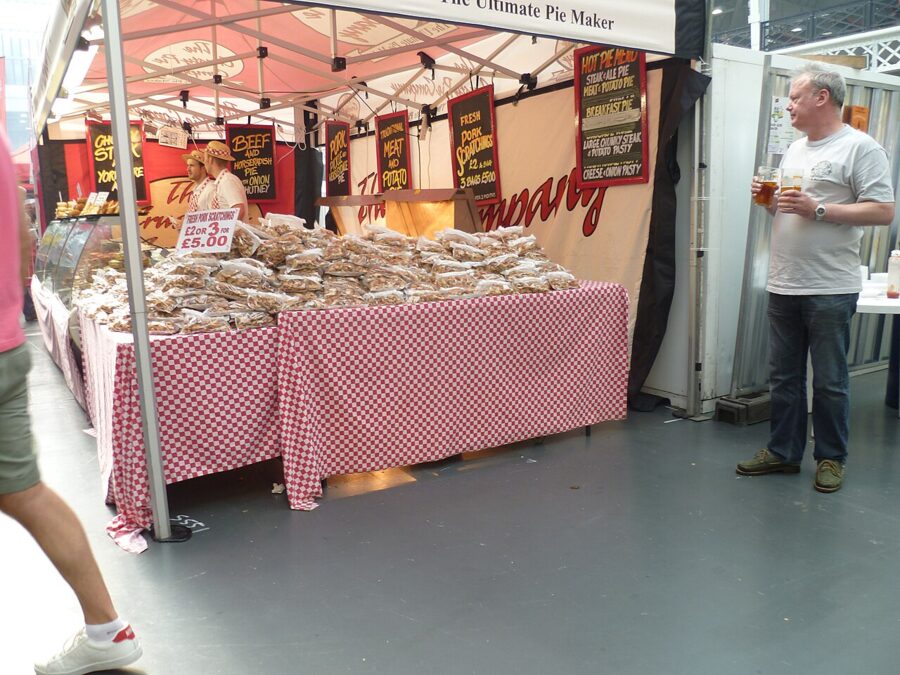

Peanuts, pickled eggs and pork pies turn up in older pubs, and a proper ploughman’s lunch of bread, cheese and pickle is still on the menu in plenty of country pubs at lunchtime.
Last orders, the bell and drinking-up time
At the end of the night the landlord rings a bell behind the bar and calls “last orders”. That’s your final chance to buy a drink, usually ten or fifteen minutes before the bar closes. A second ring, often with a shout of “Time, please” or the old “Time, gentlemen, please”, means the bar has closed, and the drinking-up time begins.
Never ring the bell yourself. It may hang within reach on the end of the bar, and it may look like fun, but half the room will rush the counter thinking it’s last orders and the landlord will not be laughing.
How long you’ve got
For most of the twentieth century, closing time was set by law. Pubs in England and Wales shut in the afternoon from the First World War until 22 August 1988, when all-day opening from 11:00 to 23:00 came in; the same act stretched the drinking-up time from ten minutes to twenty. Sunday afternoons followed later.
The Licensing Act 2003, which took over in November 2005, threw out the national closing time. Each pub now has hours set in its own licence, which is why one shuts at 23:00 and the next at midnight, and drinking-up time is whatever that licence allows, often twenty or thirty minutes. Scotland writes it into law: fifteen minutes after the end of licensed hours, or thirty if you’re drinking with a meal.
So when staff start collecting glasses and wiping tables, they mean it. Finish up, say goodnight, and leave quietly: people live above and around most pubs, and a crowd singing on the pavement at half past eleven is how pubs lose their licences.
Children and dogs
The law is simple, and pubs then add their own rules on top. You must be 18 to buy alcohol anywhere in the UK, and it’s illegal for an adult to buy it for someone under 18. In England and Wales, 16- and 17-year-olds with an adult may drink, but not buy, beer, wine or cider with a meal. Under-16s can be in a pub with an adult unless the pub’s licence says otherwise.
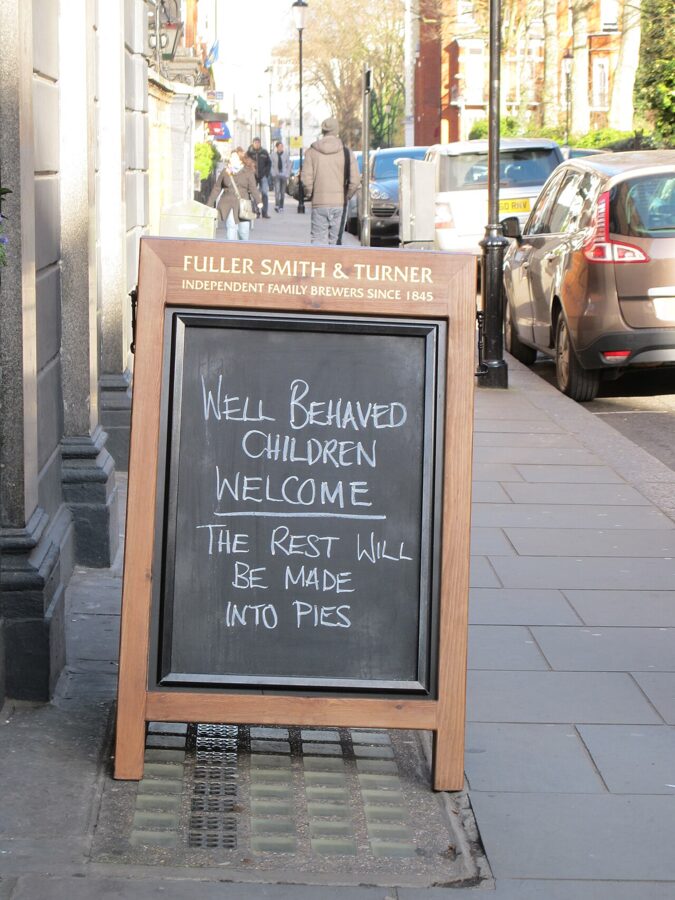
Many pubs set a time, often 20:00 or 21:00, after which children have to leave, and it’s usually a licence condition rather than the landlord being difficult. Families are welcome in most pubs at lunchtime; a town-centre bar on a Saturday night is no place for a pushchair.
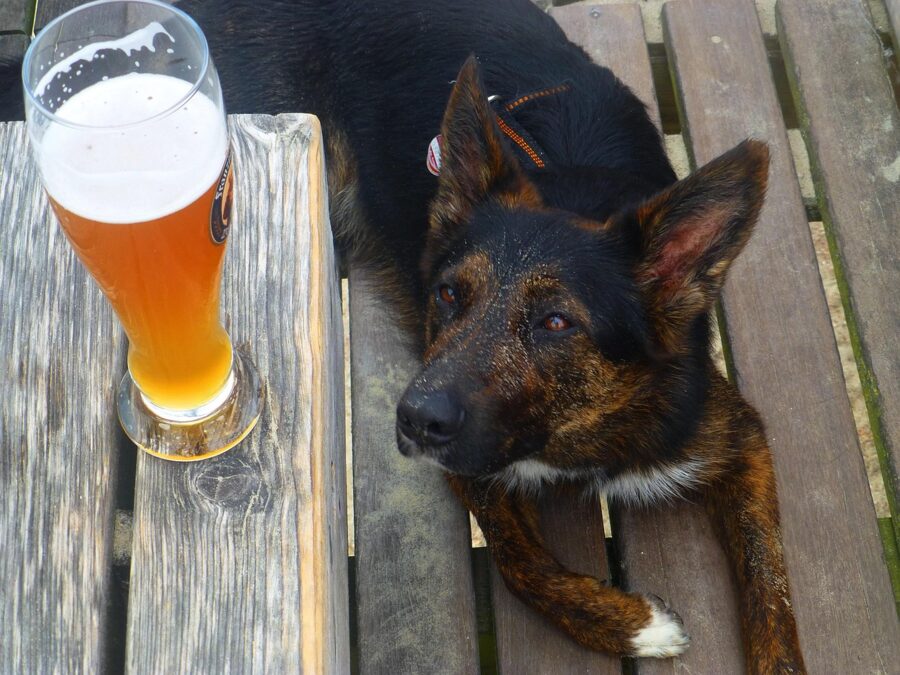
Dogs are a different matter: there’s no law, only the landlord’s preference, and I’d say pubs are the most dog-friendly places in Britain. Plenty keep a water bowl by the door and a jar of biscuits on the bar. Keep the dog on a lead, off the seats and out of the way of people carrying trays, and check whether it’s allowed in the dining room, which is often the one place it isn’t.
Music, quizzes and pub games
A television showing football means football: don’t stand in front of it, and don’t cheer for the other side unless you’re among friends. A jukebox is fair game, though ten songs in a row in a small pub is a good way to become unpopular.
Folk sessions and singarounds
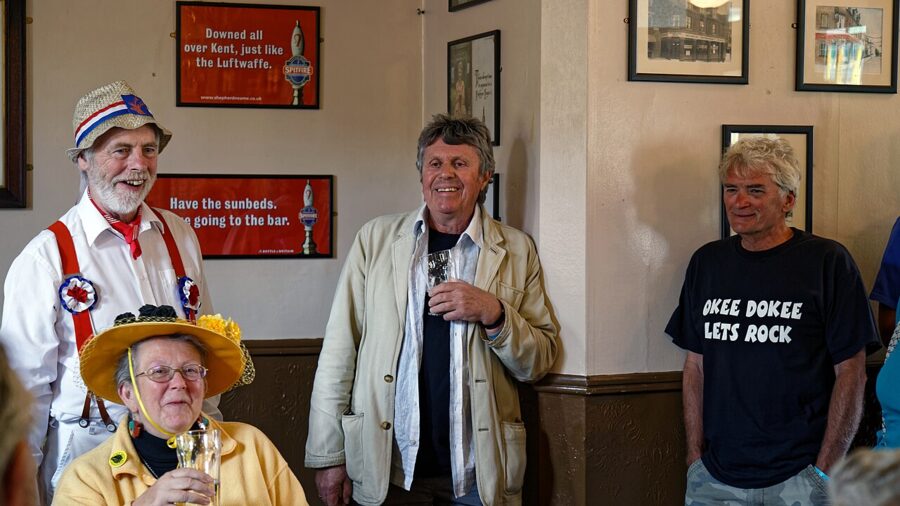
Live acoustic sessions are a pub tradition that runs from tiny village locals to seaside towns. In a session, musicians sit in a rough circle and play, and in a singaround each person sings a song in turn. If you want to join in, ask first and wait to be invited. If you’re listening, keep your conversation down while someone is singing unaccompanied; talking through it is the session’s cardinal sin.

The pub quiz
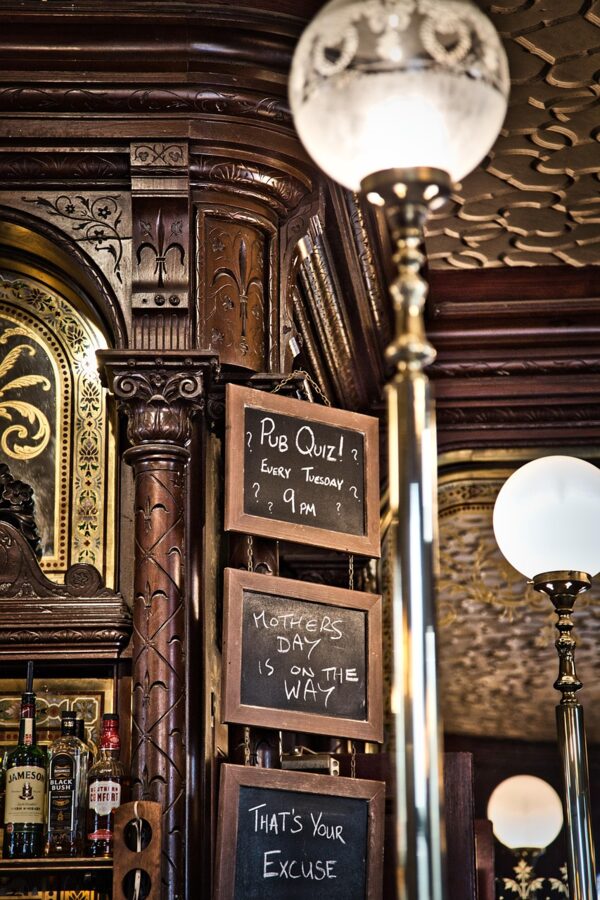
Most towns have a pub quiz on most nights of the week, and it’s one of the best ways for a newcomer to meet people. Teams sit together, pay a small entry fee per head, and write answers on a sheet that is swapped for marking. The rules are the same everywhere: phones away, no shouting out answers, and the quizmaster’s word is final even when it’s wrong.
Darts, dominoes and bar billiards
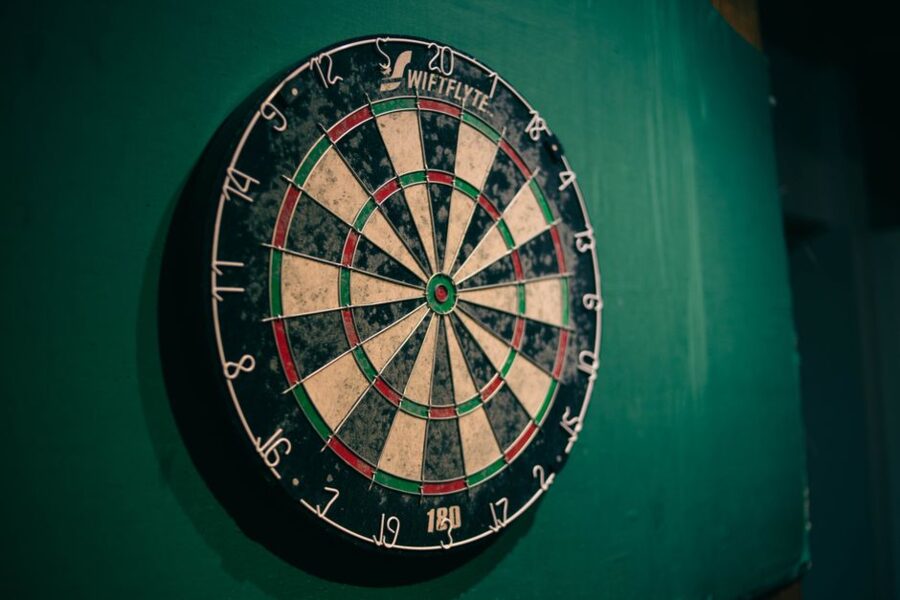
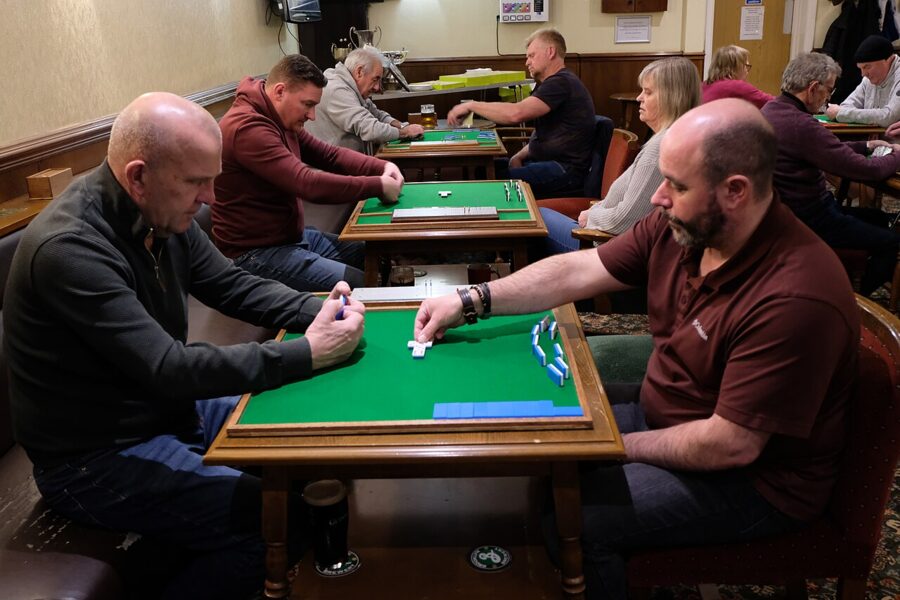
Pub games come with their own manners. Don’t walk between a darts player and the board, don’t stand near the oche, the line they throw from, and don’t put your pint on the pool table. If a game is being played as part of a league match, it’s not a casual game you can join; watch, and if you’re curious, ask afterwards.

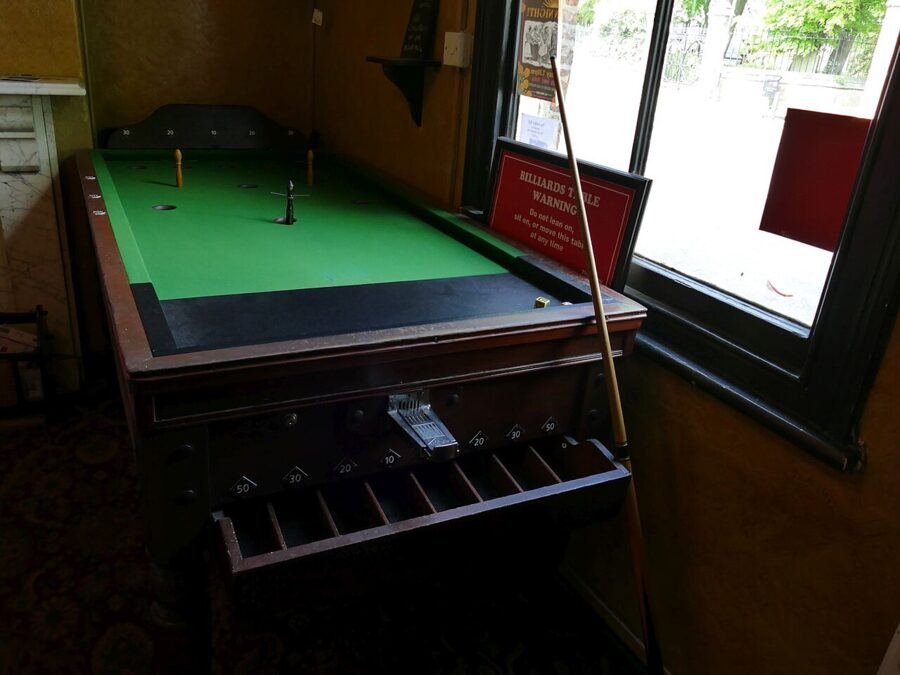
Bar billiards is the odd one, a small table with holes in the playing surface and wooden pins you mustn’t knock over, played against a timer. It survives mainly in pockets of southern England, where there are still leagues, and in the odd pub further north. The Golden Ball on Cromwell Road in York, a little over ten minutes’ walk from the station, has a whole room for it and is, for my money, one of York’s best pubs.

The regulars
Every pub has its regulars, and in a local they are the pub. They have their stools at the bar and their table by the fire, and there’s no sign saying so. If you sit on a stool and someone comes in, looks at you and then at the stool, you’ll know. Offering it back costs nothing and usually earns you a conversation.
Regulars are almost always friendly to visitors who show some interest. Ask what’s good on the bar, or how old the pub is, and you’ll get an answer, possibly a long one. There’s a fair chance you’ll hear that it’s the oldest pub in England; nod, enjoy the story and check it later.
Never underestimate them
The Lewes Arms in Lewes is the case study. In December 2006 its owner, Greene King, took Harveys Best off the bar, a bitter brewed across town that had been outselling Greene King’s own beers there by about four to one. The regulars stopped drinking there. The boycott lasted 133 days, made the national papers, and ended in April 2007 when Greene King put Harveys back.
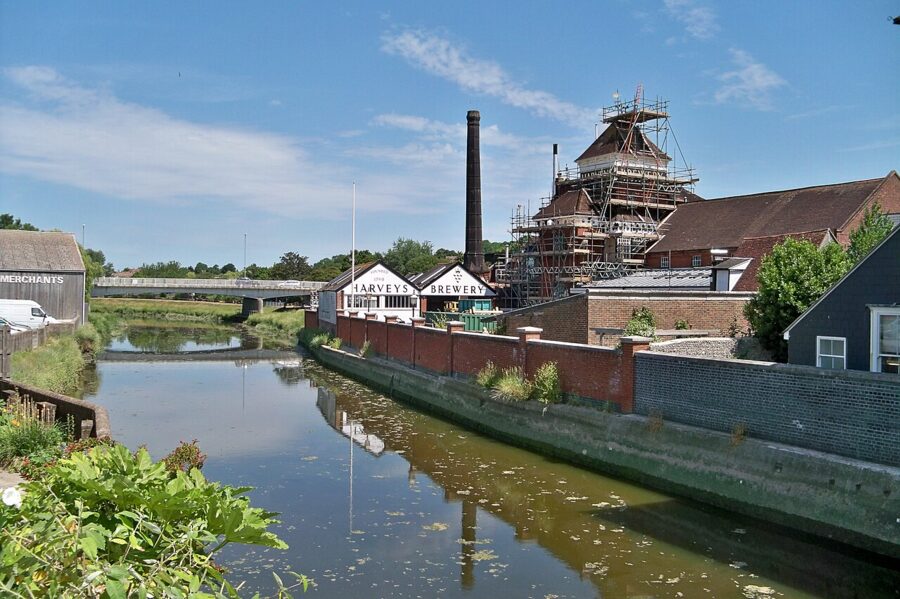

The pub has since passed to Fuller’s, which pours its own beers alongside Harveys. It is a three-room pub on Mount Place, near the castle, with seven handpumps in the front bar. It’s dog friendly, serves food daily, and hosts the World Pea Throwing Championship and dwyle flunking, a game involving a beer-soaked cloth that I won’t attempt to explain.
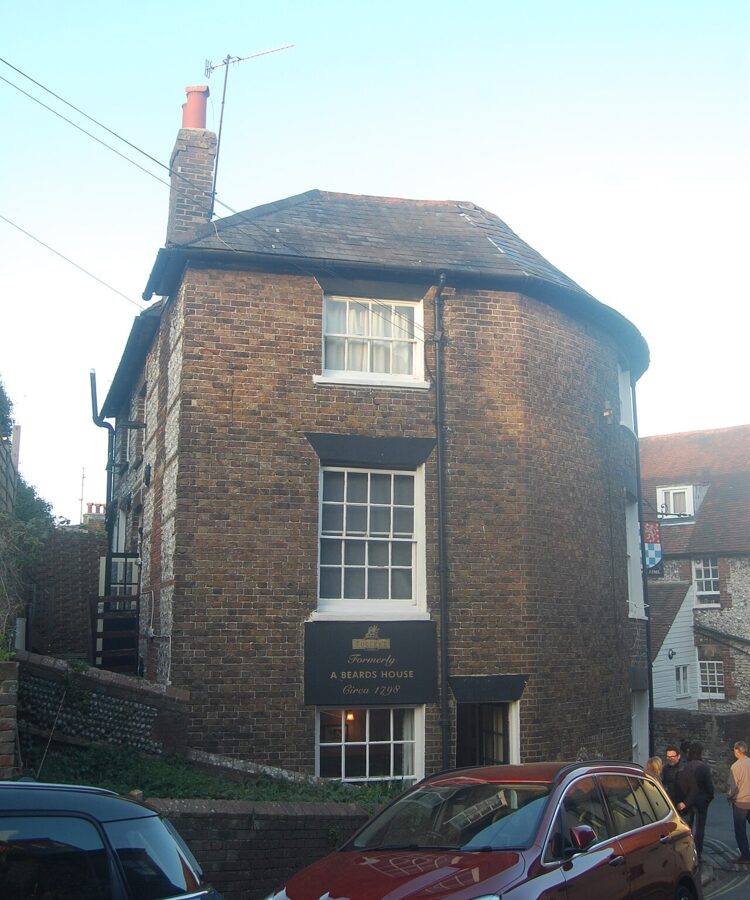
The micropub: conversation is the point
In 2005 Martyn Hillier opened the Butchers Arms in Herne, near Herne Bay in Kent, in a former butcher’s shop, and called it a micropub. It seats about a dozen, with standing room for perhaps fifteen more, and the beer comes straight from casks in a cool room at the back; you walk past the stillage to get to the loo. Hundreds of micropubs have opened since.
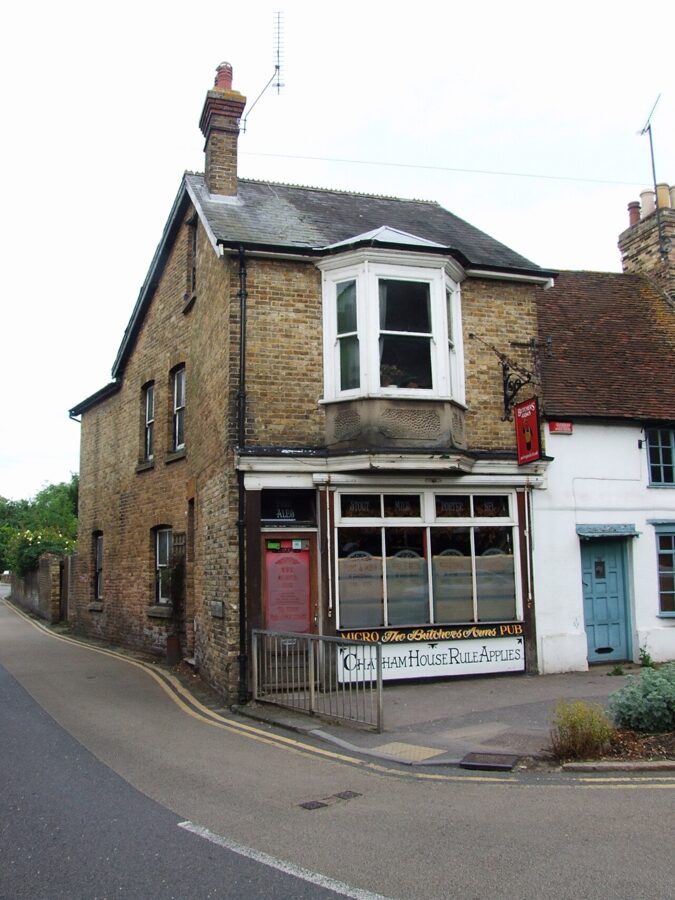

Micropubs have their own etiquette, and it’s the old pub etiquette concentrated. Most have no music or television and many serve no lager, and in a room that small you will talk to strangers whether you planned to or not. Say hello when you come in, don’t take a phone call at the table, and expect someone to ask where you’re from.

House rules
Some pubs post their rules and some just enforce them. The strictest are the pubs of Samuel Smith’s, the Tadcaster brewery that owns a couple of hundred or more pubs and runs them its own way. Swearing has been banned since 2017, a memo in 2019 told managers to ban phones, laptops and tablets, and there’s no music or television. In return the beer is cheap, especially by London standards, and the buildings are often magnificent.
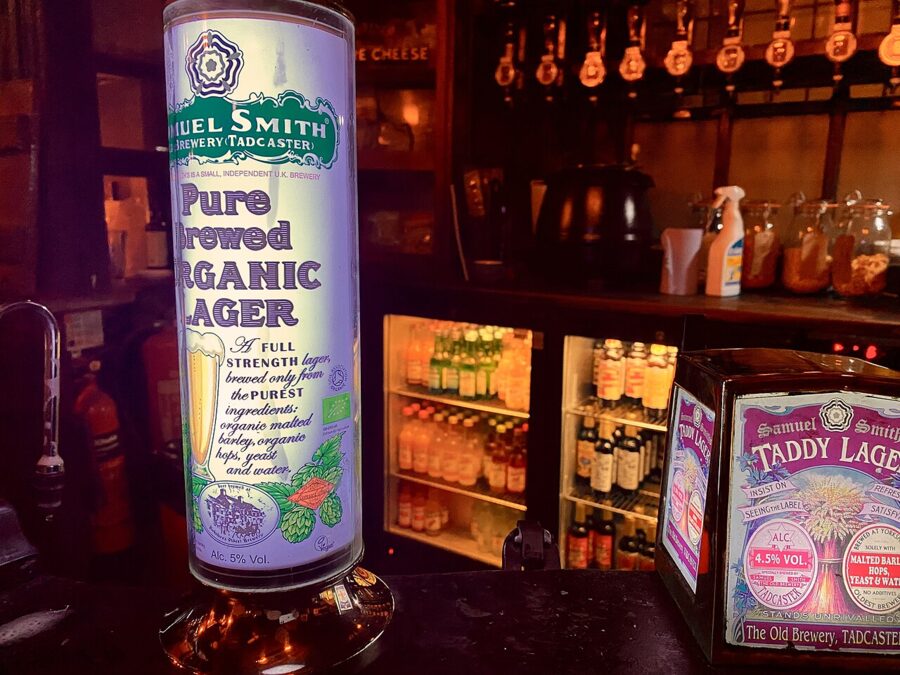

Ye Olde Cheshire Cheese, rebuilt after the Great Fire and reached down Wine Office Court off Fleet Street, is the most famous of them. Sit in the front bar by the fire, keep your phone in your pocket and your language clean, and you’ll find it’s one of the most civilised rooms in the City. Take a call at the table and expect to be asked to step outside.
Where to practise
The Lamb on Lamb’s Conduit Street opens at noon every day and closes at 23:00 early in the week, 23:30 from Thursday to Saturday and 22:00 on Sunday, with food until 21:00 on weekdays. Push the door, walk past the people at the tables, and stand at the snob screens with your money in your hand until someone looks up. Ask for a pint of Young’s. You worked out the rule before you came in, which puts you two and a half minutes ahead of the Americans.