
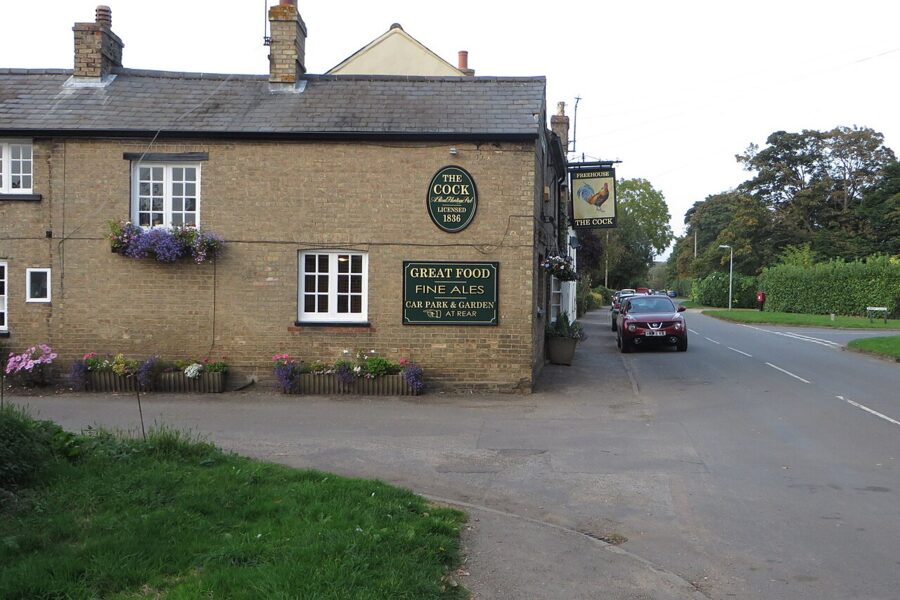
The best bar in Bedfordshire does not exist. At the Cock in Broom there is no counter, no row of handpumps and nothing to lean on. You say what you want, and your pint is drawn straight from a cask in the cellar and brought up to you. The pub has been licensed since 1836, and it still feels like being let in on something.
That is the county’s drinking in one room. Bedfordshire is small: flat in the north, wooded along the Greensand Ridge in the middle, squeezed in the south by Luton and the M1. Its pubs are mostly modest ones, thatched village locals, backstreet town pubs, a few coaching inns on the old roads. What it does unusually well is the pub looked after by people who care about beer, and there are more of those than the county’s reputation suggests.


Start in Bedford, on the river, then head out to the stone villages north of the town, the ridge between Woburn and Clophill, the Ivel valley and finally Leighton Buzzard and Luton. Every pub named here was open in 2026, but country hours move around, so check before a long drive.
On this page
- What Bedfordshire drinks
- Bedford and the Great Ouse
- North Bedfordshire: stone, thatch and the Ouse villages
- The Greensand Ridge: Woburn, Ampthill and Clophill
- The Ivel valley: Old Warden, Broom, Henlow, Shefford and Sandy
- The south: Leighton Buzzard and Luton
- Cranfield's lost local
- Routes: a walk, three railway lines and a day in the valley
- Practical notes: hours, food, dogs and beds
What Bedfordshire drinks
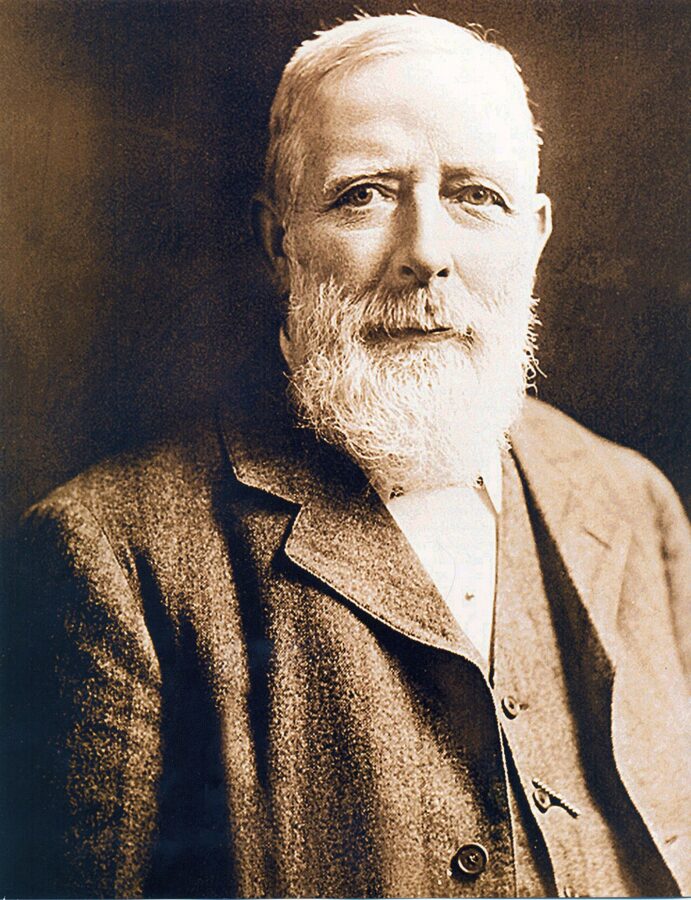
For a century and a half, Bedford beer meant one family. Charles Wells was born in the town in 1842, went to sea as a teenager and was serving as a ship’s officer when he fell for a woman named Josephine Grimbley. Her father would not let her marry a man who spent months away at sea, so Wells came ashore, married her in 1872, and in 1876 bought a brewery on Horne Lane beside the Ouse. His great-great-grandson, Peter Wells, runs the business today.
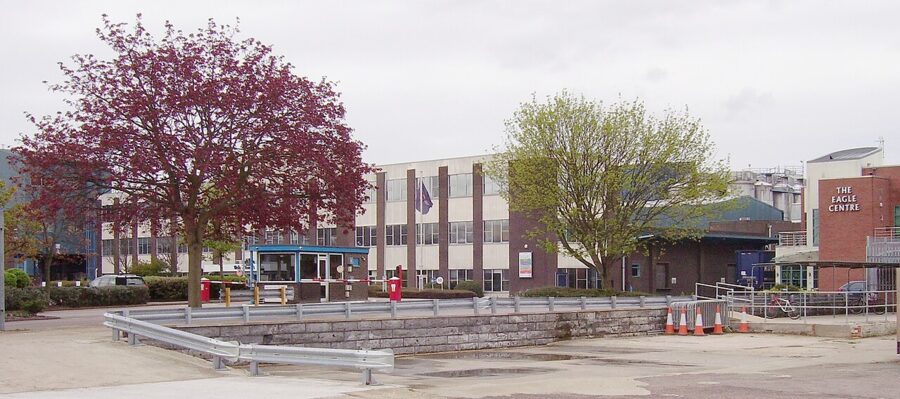
The family brewed on Horne Lane for a century, moved to a large new brewery on Havelock Street in 1976, and in 2017 sold that brewery and most of its beer brands to Marston’s for £55 million, keeping the pubs. The brewery was sold on in 2022 to Damm, the Barcelona brewer, and still works as Damm’s Eagle Brewery. At the end of 2024 Carlsberg Marston’s dropped cask Bombardier and Eagle IPA, two beers that had been Bedford’s for decades. If you remember either on handpump, that pint is gone.
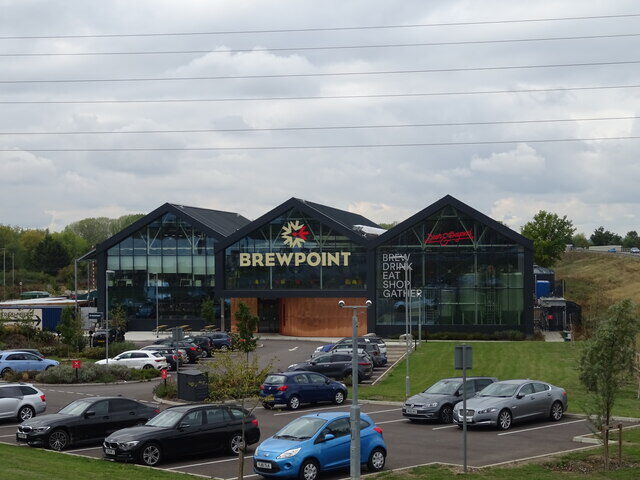
The family’s second act is Brewpoint, a £14 million brewery, taproom and kitchen on the north-west edge of the town, which opened in 2020. The company renamed itself Wells & Co in 2019 and now runs 26 managed pubs in Britain and 19 in France, with around 130 more let to tenants. February 2026 marked 150 years, and the celebration was a beer, not a speech: Double Star Bedford Bitter, a 3.4% cask bitter first brewed in the 1960s and the company’s first permanent cask ale since 2017. A strong vintage, the 9.5% Old Bedford Ale, followed for the founder’s birthday.

Look for Double Star and the Brewpoint beers (Anchorman, Origin, DNA) in Wells houses across the county. Beyond the family, the county’s own brewing is thin. The Crown at Little Staughton brews for itself, Holla brews at Potton and there is a Leighton Buzzard brewery, but the old Potton Brewery and Kelchner at Ampthill have both closed. The best pubs fill the gap with beer from the neighbours: Nethergate from Suffolk, Mighty Oak from Essex, Vale from Buckinghamshire, Batemans from Lincolnshire, Oakham from Peterborough.
There is no cider tradition to speak of here, which has not stopped three pubs from taking it seriously. The Black Lion in Leighton Buzzard keeps eight real ciders on rotation, the Engineers Arms at Henlow up to six ciders and perries, and the Sir William Peel at Sandy has a whole back bar for them.
Ownership explains a lot. The Wellington Arms in Bedford, the Bricklayers Arms in Luton and the Black Lion in Leighton Buzzard share a freeholder, a small pub company called Burlison Inns. Greene King owns plenty here too, and Everards of Leicester owns the Albion at Ampthill. A tied house is not a bad house; it depends who is behind the bar.
The county dish is the clanger: a long suet pudding, once boiled in a cloth for farm workers, with meat at one end and, in the version everyone talks about, jam at the other. Historians doubt the sweet end was ever common. It is a bakery dish more than a pub one, and the right thing to carry on a cold walk.
Bedford and the Great Ouse
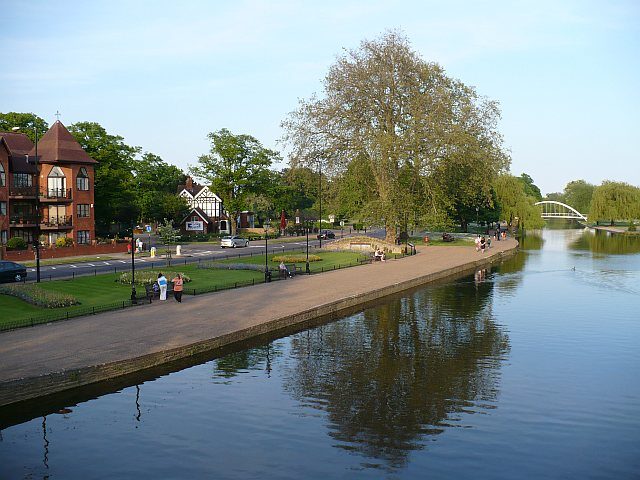
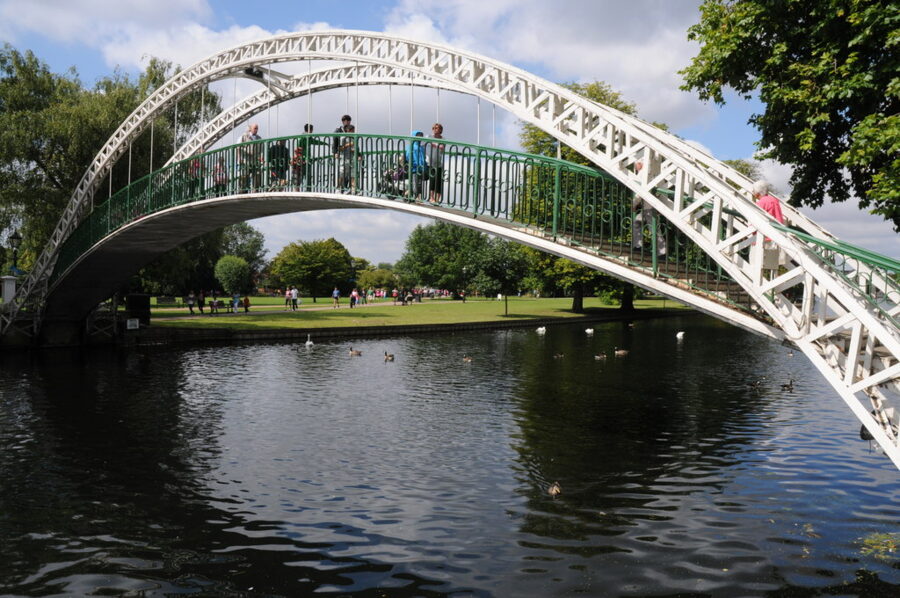
Bedford is a river town that sometimes forgets it. The Embankment gives it lawns, willows and boathouses along the north bank of the Great Ouse, with a white suspension footbridge from 1888 and rowers out in the evenings. The town’s drinking is split between the river, the centre around Harpur Street, and two backstreet locals that are better than anything else in town.

The Wellington Arms, Wellington Street
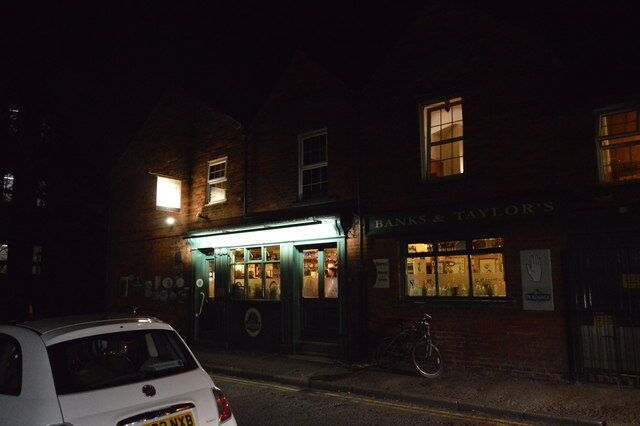
If you only drink in one Bedford pub, make it this one. The Wellington Arms is a brick corner pub on Wellington Street, north of the centre, with a green-tiled ground floor and a collection of breweriana inside: the signs, bottles and odds and ends that outlive the breweries that made them. It is free of any brewery tie and uses six handpumps for smaller brewers, often with a mild among them.
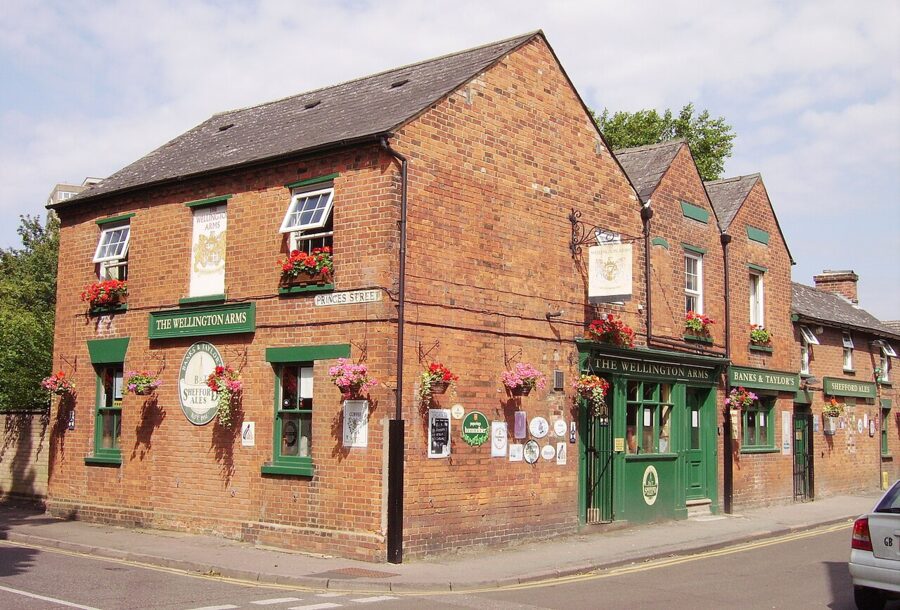
The fridges hold Belgian beer, the back patio is small, and children and dogs are welcome. The local CAMRA branch has given it awards on and off since 2001, most recently as town pub of the year for 2025. It opens at 14:00 Monday to Thursday and at noon from Friday, closing at 23:00 (22:30 on Sunday), about 900 metres from Bedford station.

The Hidden Barrel, Harpur Street
The newest pub here is also the local branch’s pub of the year for 2026. The Hidden Barrel opened in July 2025 in a building that had been the Stanley Arms and then a bar called Bar Citrus, which closed in 2024. It is small and comes in three parts: armchairs and a sofa at the front, café tables down the side, and free pool and table football at the back.

There are three cask ales, recently from Langton and New River, plus a run of Lithuanian beers. Food comes from Madame Concettas, an Italian restaurant nearby: Tuesday lunchtime, then Wednesday to Saturday 12:00–14:30 and 17:30–21:30. It opens at noon (13:00 on Sunday), stays open until midnight at weekends, and is about 750 metres from the station.
The Devonshire Arms, Dudley Street
About a mile east of the centre, in a residential street, the Devonshire Arms was built in 1899 and has been a Wells pub for all of its 125-plus years. It is what a late-Victorian local should be: a front bar with bare boards and an open fire, a separate back bar, and a garden with a marquee pulled over the paved part in winter. It was the branch pub of the year in 2020 and 2021, and town pub of the year in 2022 and 2024.
Six pumps carry Brewpoint’s Anchorman and Double Star alongside Adnams Ghost Ship, Timothy Taylor’s Landlord and a guest or two. Beer and cider festivals come twice a year. It opens at 17:00 Monday to Thursday, 16:00 on Friday and noon at weekends. The twenty-minute walk from the centre is no hardship.
The Embankment and Brewpoint
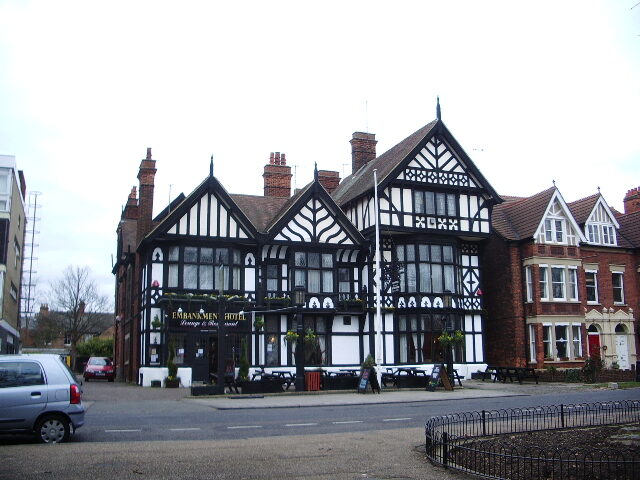
The Embankment is the river pub: a big mock-Tudor pub and hotel with a front terrace looking onto the water and twenty bedrooms above. Peach Pubs run it on a lease from Wells: a gastropub menu, Marston’s Pedigree and a couple of Brewpoint beers, with food all day at weekends.

Brewpoint, out on Cut Throat Lane, is not a pub in the usual sense. It is the Wells brewery with a large taproom, a kitchen and a beer garden attached, opening for breakfast and staying open until 23:00 (midnight at weekends), with brewery tours if you book. Have a fresh pint of Double Star at source, then go back into town for character.
North Bedfordshire: stone, thatch and the Ouse villages
North of Bedford the Great Ouse loops through a string of villages built of limestone and thatch that look more like Northamptonshire than the Home Counties. Good pubs are scarce up here, which makes these three more precious.
The Fox, Carlton
The Fox is a thatched pub on the High Street at Carlton, close to the Northamptonshire border, with a garden that is popular with families on summer afternoons. Inside, the bar runs over three levels separated by steps. The local branch has made it pub of the year twice in recent years, most recently for 2025.
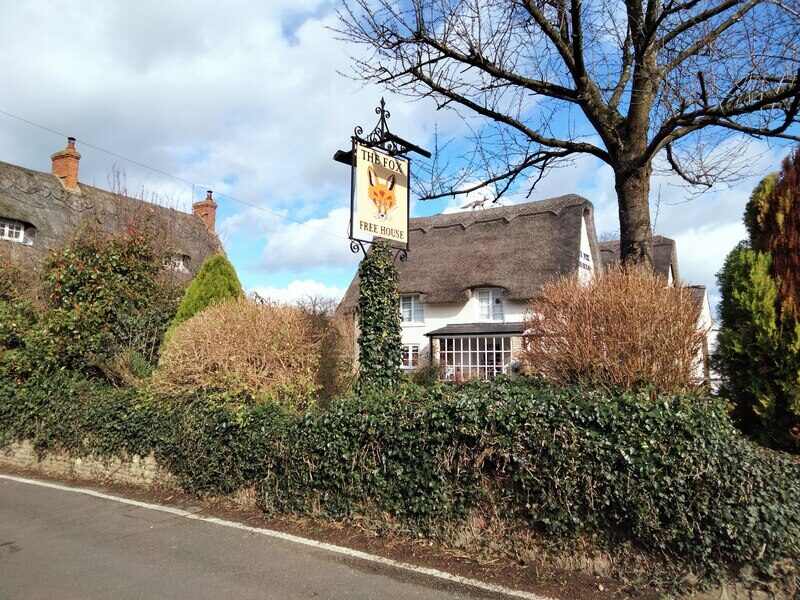

The regulars are Potbelly Best and Landlord, and the guests come from Buntingford, Tring and Vale. Food is served at lunch from Tuesday to Sunday and in the evenings from Tuesday to Saturday, and there is a Thursday quiz, live music once a month and a gin festival in June. It opens at noon every day but closes at 20:00 on Monday, so do not plan a late Monday here.
The Polhill Arms, Renhold
The Polhill Arms sits at Salph End on the edge of Renhold, a few miles north-east of Bedford, and it is the branch’s rural pub of the year for 2026. It is a Greene King house with its own house beer brewed under the old Hardys & Hansons name, Polhill Best Bitter, plus Abbot or Tribute. The bar was enlarged in 2023 without losing its country feel.
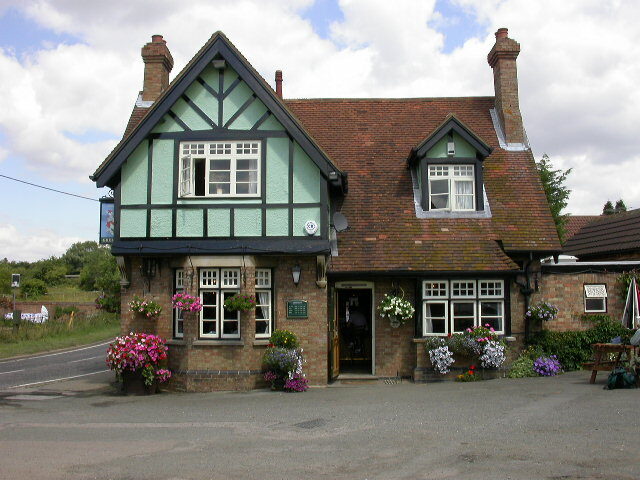

Food is light and local: a ploughman’s, soup and paninis from Thursday to Sunday, a food truck on Wednesday evenings and a fish and chip van on Friday nights. It opens at 16:00 Monday to Thursday (closing at 20:00 on Monday and Tuesday) and at noon from Friday to Sunday. The 27 bus stops close by.
The Crown, Willington
Willington, east of Bedford, went without a pub for a long time: the White Hart closed in the 1830s and nothing took its place until the Crown opened on Station Road. Today it is a free house with one large L-shaped bar, Batemans XXXB as its regular and guests from Allsopp’s, Batemans and Grainstore. The branch named it community pub of the year for 2026.
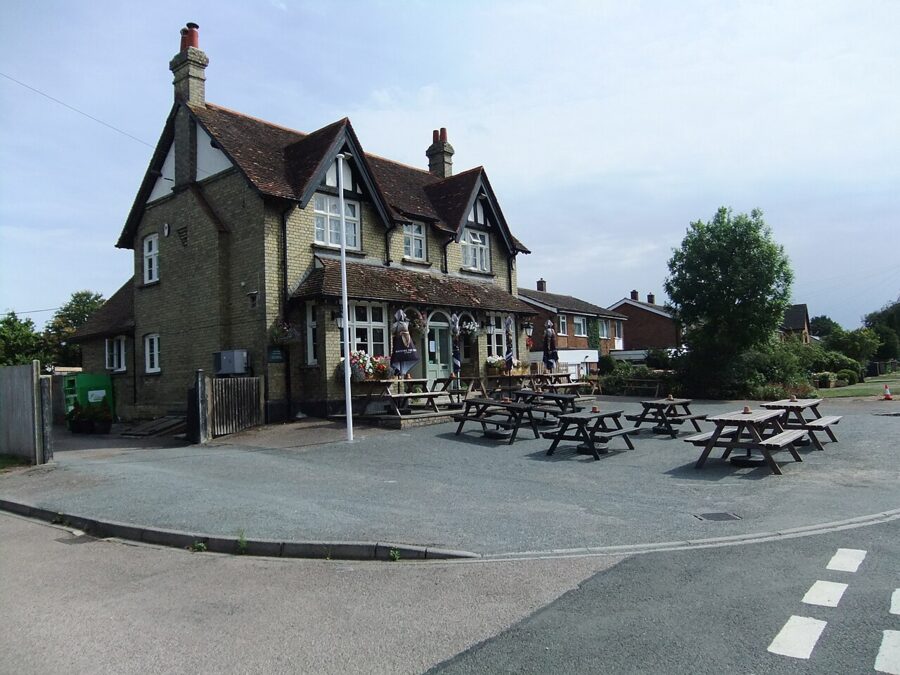
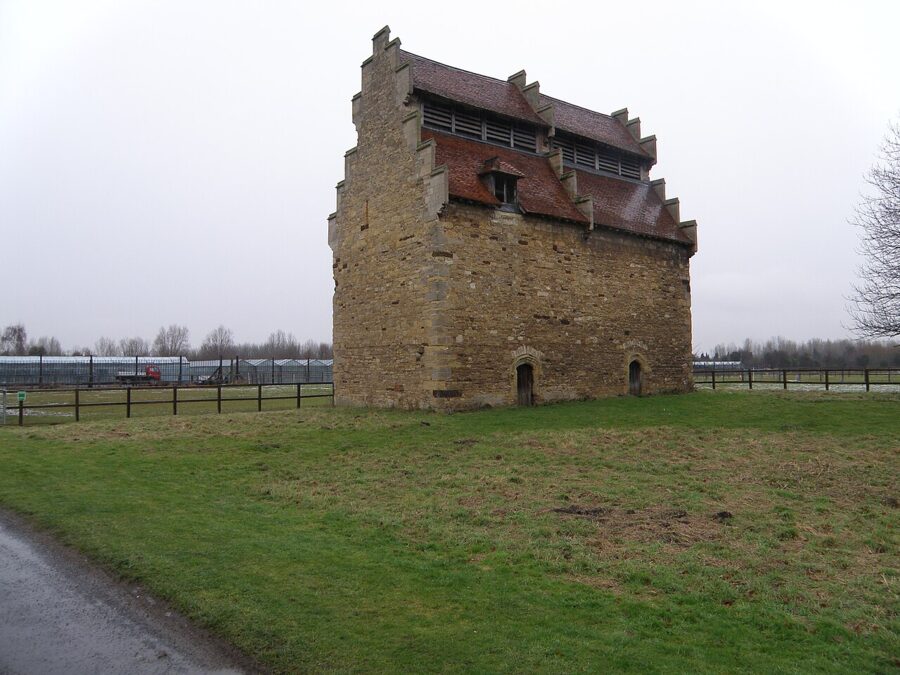
The kitchen does proper pub meals, a Sunday roast and takeaway fish and chips: Wednesday and Thursday 18:00–20:45, Friday and Saturday 12:00–20:45, Sunday 12:00–15:30. The pub is shut on Monday and opens at 17:00 from Tuesday to Thursday. Before you go in, walk ten minutes west to the dovecote.

The Greensand Ridge: Woburn, Ampthill and Clophill
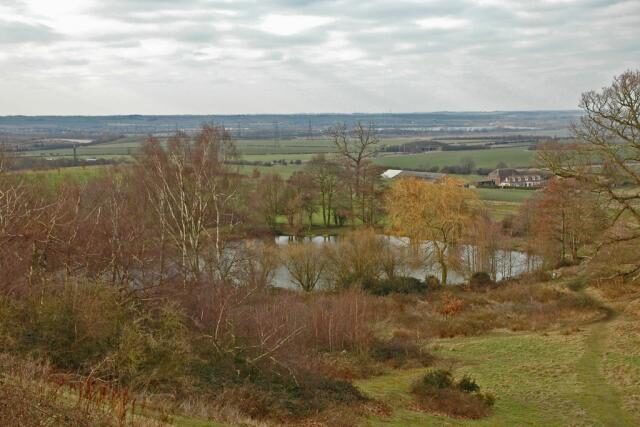
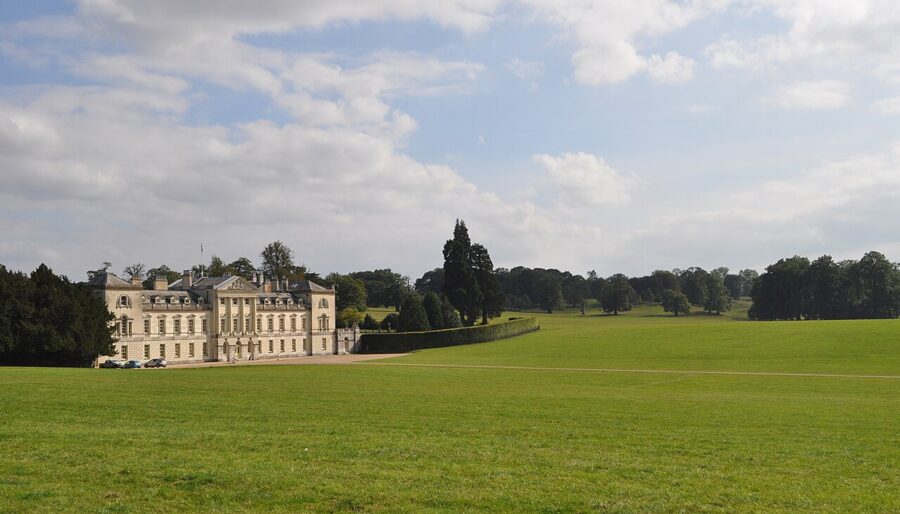
A low sandstone ridge crosses the middle of Bedfordshire from Leighton Buzzard in the south-west to Gamlingay over the Cambridgeshire border, and it is the county’s best walking country: heath, pine woods, parkland and villages of brown sandstone. The Greensand Ridge Walk follows it for about 40 miles, waymarked with a muntjac deer, and three of the county’s best pubs sit along it.

The Black Horse, Woburn
Woburn is an estate village of Georgian brick with more than one inn. The Black Horse is the one to choose: a smart pub-restaurant run by Peach Pubs, with a courtyard garden at the back and three changing cask ales, usually from Fuller’s, Rebellion or St Austell, plus craft keg.
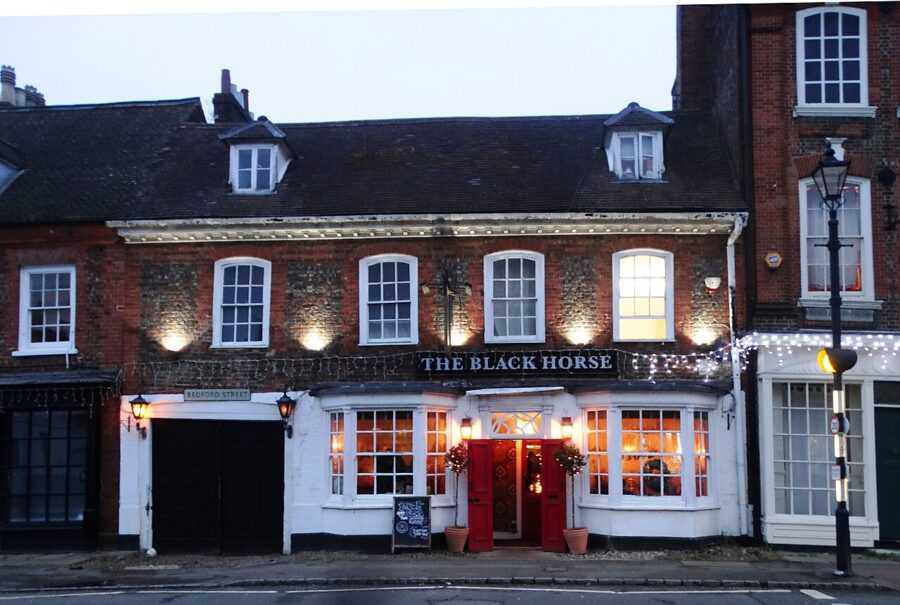

It opens from noon to 23:00 every day, with food until 21:30 (21:00 on Sunday). It is a dining pub first, so book at weekends, but you can drink at the bar without feeling in the way. The bus runs on weekdays only, and the nearest stations, Ridgmont and Woburn Sands on the Marston Vale line, are a few miles off.

The Albion, Ampthill
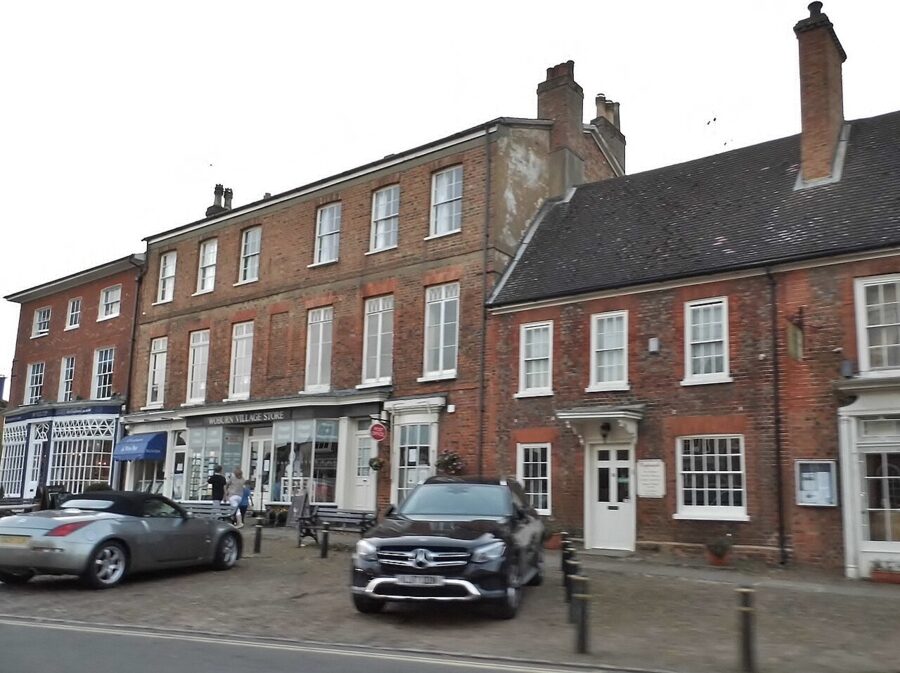
Ampthill is a small Georgian market town on the ridge, and the Albion on Dunstable Street is the pub that makes it worth a detour. It is a proper narrow-fronted Victorian pub with one large bar, a small snug, a real fire and a secluded courtyard at the back. Everards of Leicester owns it, so seven handpumps carry Tiger and Sunchaser plus three to five guests, mostly from the same brewery.
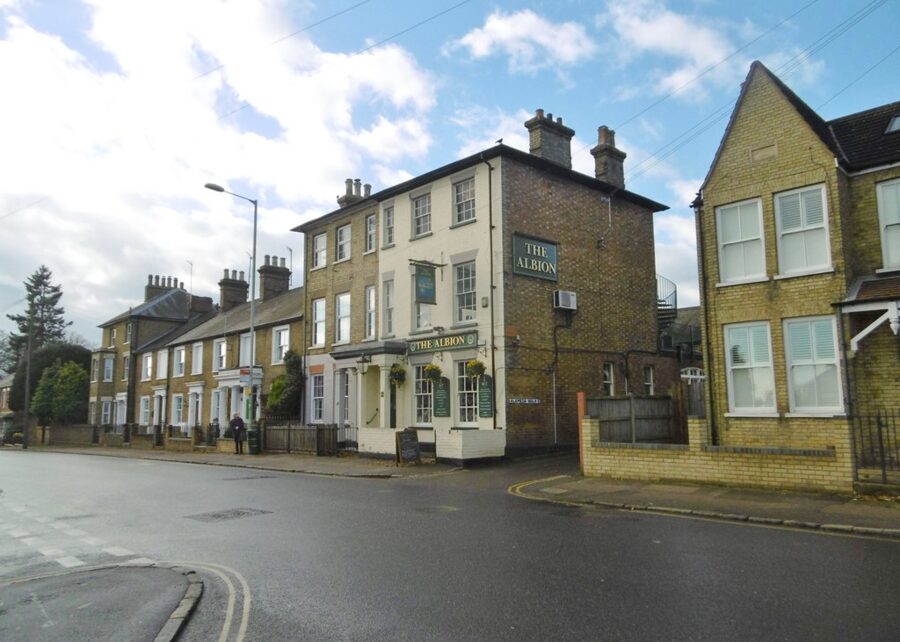

It is a gentle music pub, with open mic nights, ukulele groups and “bring your own vinyl” afternoons. It opens at 15:00 on weekdays and at noon from Friday to Sunday, closing at 21:00 on Monday. Dogs and children are welcome, but there are steps at both doors. It is one of nine Bedfordshire pubs in the Telegraph’s 2026 best pubs list, and the only Everards house among them.

The Stone Jug, Clophill
Clophill sits where the A6 crosses the ridge, and the Stone Jug is tucked away on Back Street, about 500 metres off the main road. It was made from three sixteenth-century cottages, has an L-shaped bar serving two drinking areas, and was voted Bedfordshire’s pub of the year for 2024. Walkers on the Greensand Ridge use it as their refreshment stop.
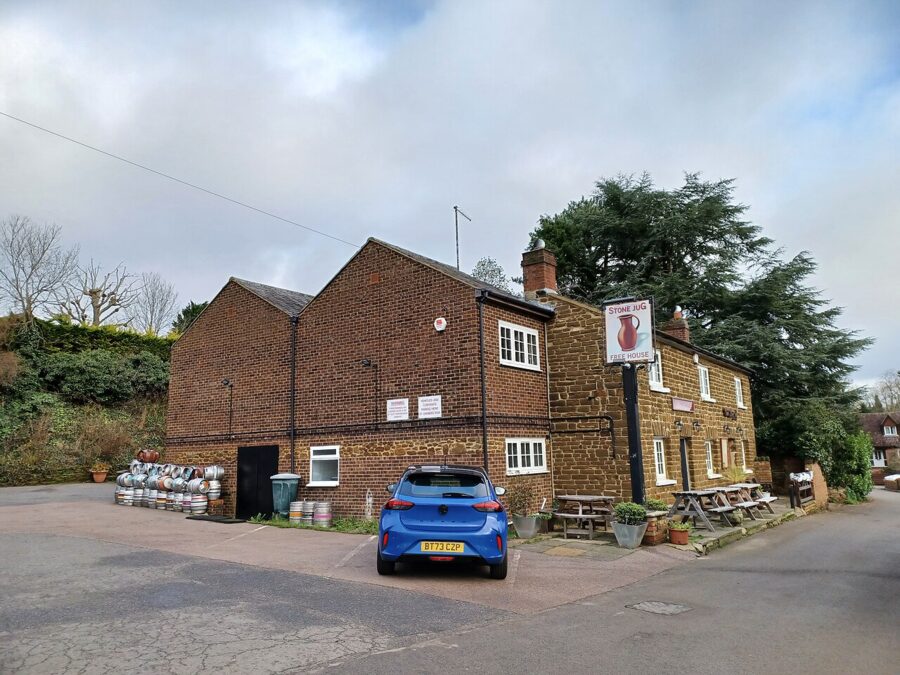

The regulars are Vale Wychert and 3 Brewers of St Albans Copper, both session bitters, with three guests from small breweries such as Mighty Oak and Nethergate. Home-made lunches are served Tuesday to Saturday, 12:00–14:00. From Tuesday to Thursday it closes between 16:00 and 18:00, and on Monday it does not open until 18:00. Darts, dominoes and cribbage are played, and dogs are welcome.

The Ivel valley: Old Warden, Broom, Henlow, Shefford and Sandy
East of the ridge the land drops into the valley of the River Ivel, market-garden country around Biggleswade with the A1 and the East Coast main line running north. The villages here are less pretty than the ridge, but this short stretch has the best run of pubs in the county: a National Inventory interior, two serious cider pubs, the county pub of the year and a riverside pub that came back from the dead.
The Hare and Hounds, Old Warden
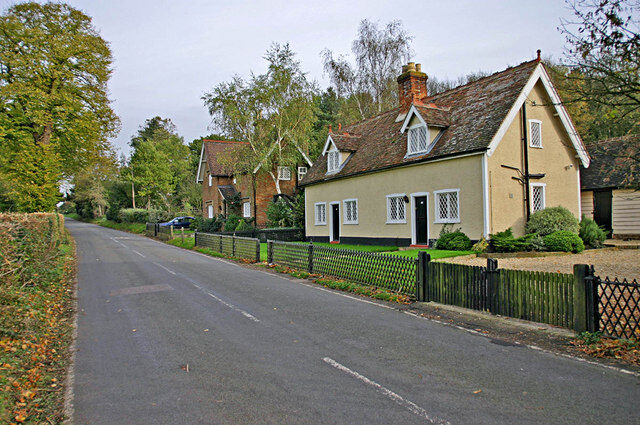
Old Warden is an estate village dressed up by its nineteenth-century owners, the Lords Ongley, with thatched cottages and lattice windows on most of the houses. The Hare and Hounds sits in the middle of it: a Grade II listed building of the seventeenth century, reworked in the nineteenth, now a pub-restaurant with a main bar, dining rooms and a second, smaller bar.
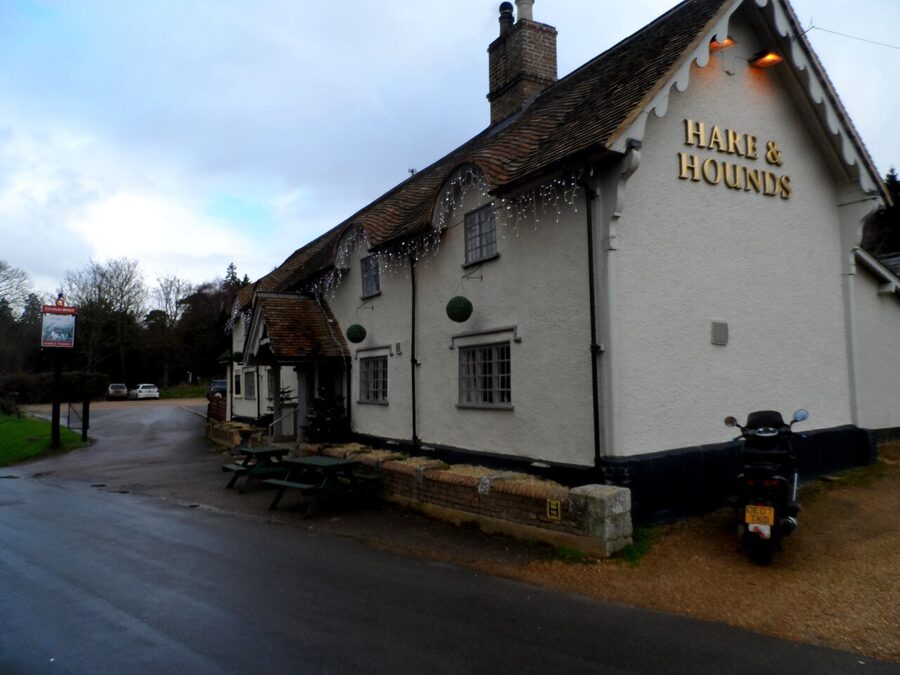

Wells owns the freehold, so Double Star is on beside Landlord and a guest. Food is served Monday to Saturday 12:00–15:00 and 18:00–21:00, and Sunday 12:00–17:00; book for Sunday lunch. Dogs and children are welcome, and the late spring bank holiday brings a beer, food and music festival.

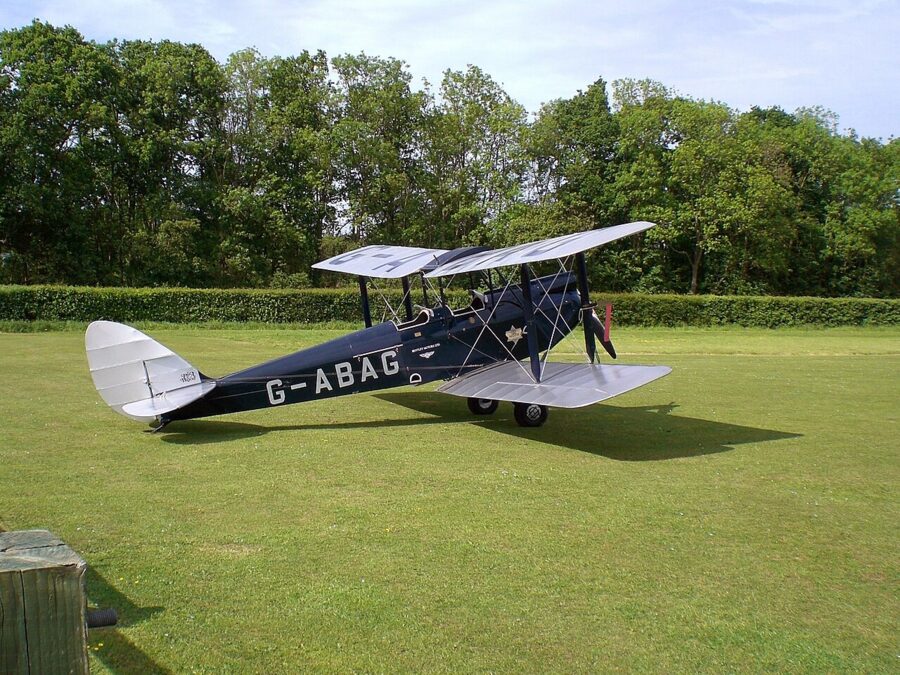
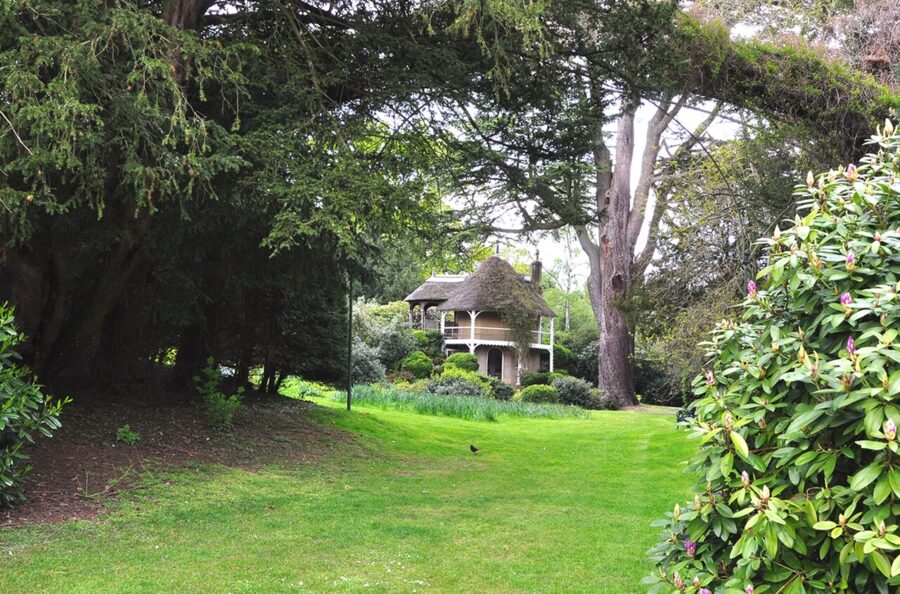
The Shuttleworth Collection, with its old aeroplanes and cars, and the Swiss Garden are both about a mile from the pub, in case anyone in the party needs a reason other than beer.


The Cock, Broom
Back to where this started. The Cock is on the High Street at Broom, a couple of miles south-west of Biggleswade, and it has the county’s finest pub interior. CAMRA gives it three stars on its National Inventory of Historic Pub Interiors, the top grade, and it is one of a handful of English pubs with no bar counter at all. Your beer comes up from the casks in the cellar and is handed to you or carried to your table.
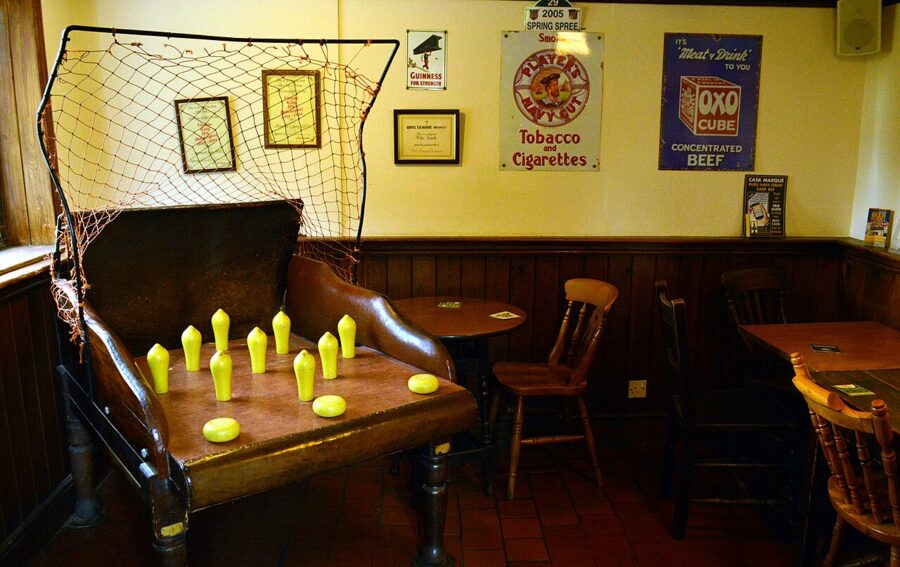

The real history is a little less romantic than the legend. The building began as a row of cottages; it belonged to Ballards and then to Wells & Winch of Biggleswade before Greene King took it over in 1961. The rooms at the back were opened up from 1977, the toilets came indoors in the 1990s, and most of the panelling was made around 1980 by a local carpenter, Richard Beasley. What makes it special is the plan: five small rooms, no counter, beer carried up by hand.
Abbot is the regular, with a couple of guests and a real cider. Food is served at lunch every day and in the evening Tuesday to Saturday (18:00–20:30), and dogs are welcome everywhere except the dining room. There are three apartments in the cottages next door, a camping field and, in July, the Broomstock music and beer festival. The East Bedfordshire branch made it rural pub of the year for 2026.
The Engineers Arms, Henlow
Henlow, a few miles south, has one great pub. The Engineers Arms opened as a beerhouse in 1830, was a Wells house for many years and has been free since at least 1993. Kevin Machin ran it for 36 years and made its name; it was one of four national finalists for CAMRA’s pub of the year in 2011, and the East Bedfordshire branch’s pub of the year from 2018 to 2021.
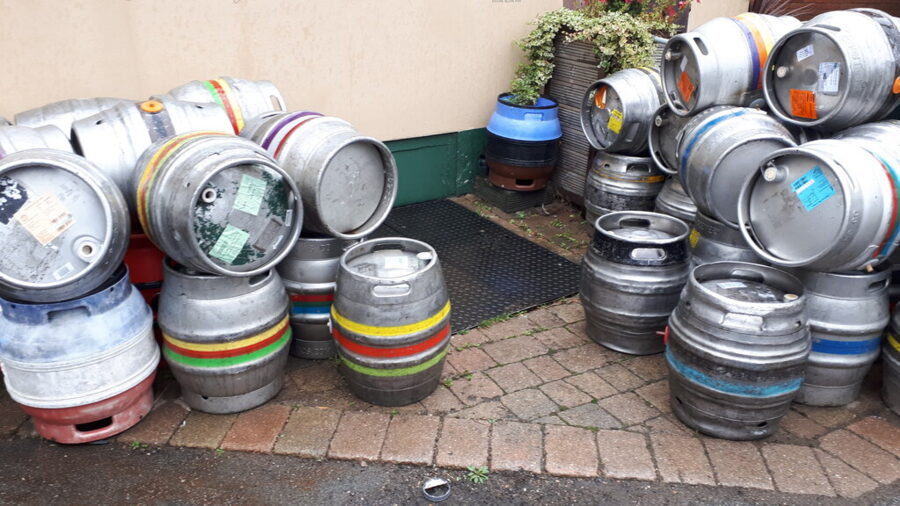

There are two bars and ten handpumps: Landlord, Ghost Ship and Tribute as regulars and four changing beers, often from Church End, Mighty Oak or Wolf, plus up to six ciders and perries. It holds small beer festivals and tap takeovers, has a skittles table and a real fire, and welcomes dogs and children. It opens at noon every day, closing at 23:00 (22:00 on Sunday). Arlesey station is about 1.5 kilometres away.
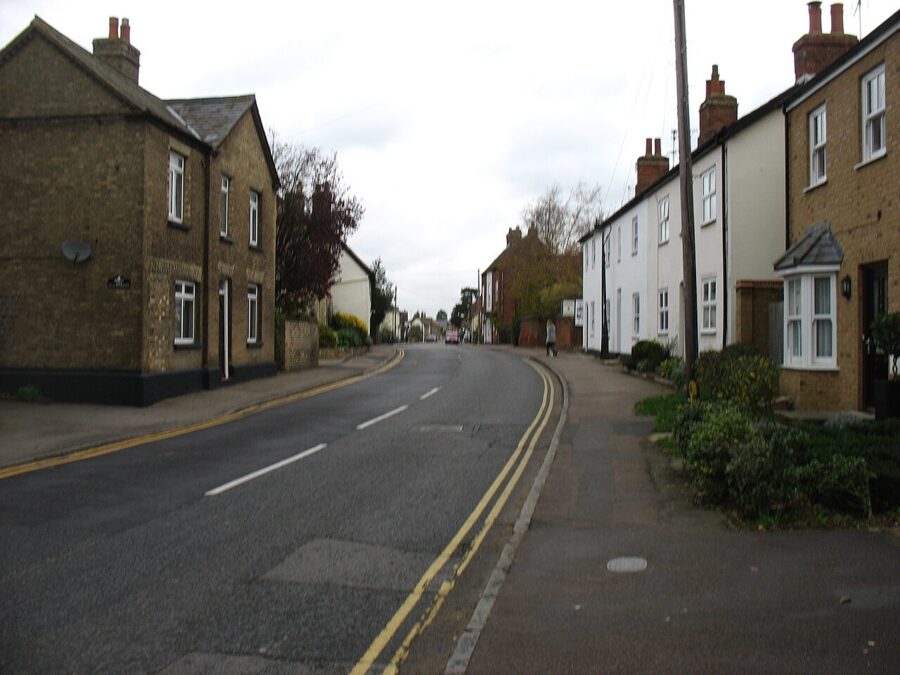

Farndons at the Swan, Shefford (the old White Swan)
Shefford’s riverside pub had a long life, a long sleep and an unlikely recovery. The White Swan, on Bedford Road by North Bridge, is a later-eighteenth-century house of red brick with a clay-tile roof and a three-room plan, listed Grade II in 1985. Its original door still has a moulded surround with an open pediment; the part-glazed door beside it is a twentieth-century addition. A deed of 1809 already calls it the “Old White Swan”.

It passed through the hands of brewers in Hitchin, Northampton and Luton. Daisy Eveline Rockall took the licence in 1931 and Ralph Rockall followed her in 1961; between them the Rockalls kept it for more than fifty years. Then it lost its way. The White Swan closed in August 2011 and became a Thai restaurant.
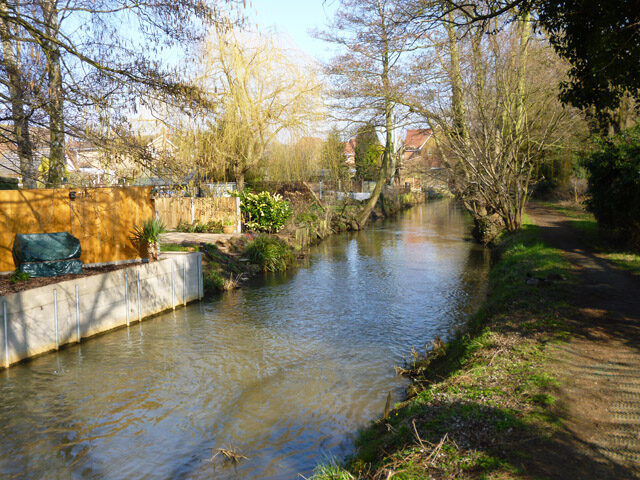
In May 2025 it reopened as a pub after a full refurbishment, now called Farndons at the Swan, with two handpumps of changing real ale, cocktails and a wine list. The garden is the reason to go: a lawn by the river shaded by a willow, tables under umbrellas and a sandpit for children.
Check the days before you set out. It is closed on Monday and Tuesday, and opens from noon to 23:00 Wednesday to Saturday and noon to 21:00 on Sunday. Food is lunchtime sandwiches from Wednesday to Friday (12:00–16:00), dinner on Friday and Saturday evenings (19:30–21:30) and breakfast on Sunday morning (10:00–13:00). Dogs are welcome and there is a car park next door, but no step-free way in.
The Sir William Peel, Sandy
Sandy’s High Street pub is the best in the county by CAMRA’s reckoning: Bedfordshire pub of the year for 2026, and new to the Telegraph’s best pubs list the same year. Two cottages became a pub here in 1838 under the name of the Lord Nelson. It was renamed in 1994 after Sandy’s own naval hero, Captain Sir William Peel, son of the prime minister, who won the Victoria Cross in the Crimea.
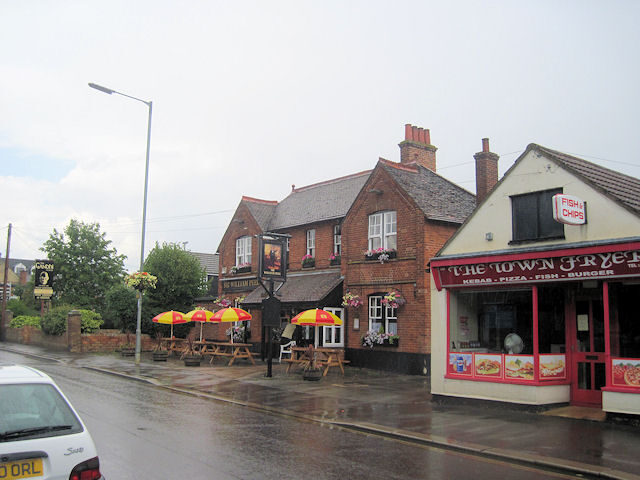

The front bar usually has six real ales, with Batemans XB and Nethergate Stour Valley Gold as regulars. Behind it the Stables Bar, open in the afternoons except Tuesday, keeps real ciders and a long list of mostly Belgian bottled beers; it was the branch’s cider pub of the year for 2022. There is a quiz on alternate Mondays, patios front and back, and a beer festival, Peel Fest, in September.
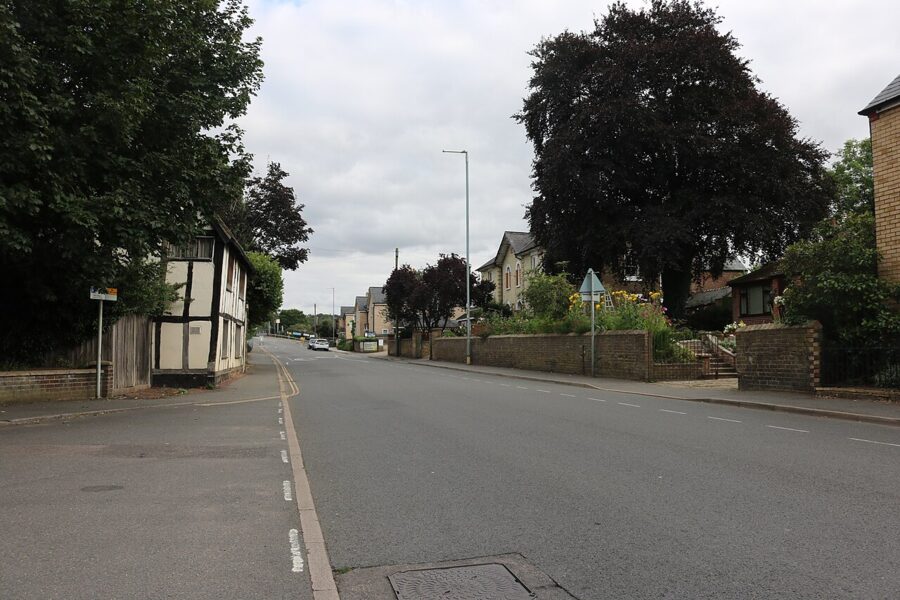

It opens at noon every day and stays open until 23:00 on Friday and Saturday (22:00 otherwise). Sandy station is about 600 metres away. Dogs and families are welcome, and there is parking, though the car park is deep gravel.
The south: Leighton Buzzard and Luton
The south of the county is a different place: commuter towns, the M1, an airport and the edge of the Chilterns. It has fewer good pubs per square mile than the north, but the two below are as good as anything in Bedfordshire.
The Black Lion, Leighton Buzzard
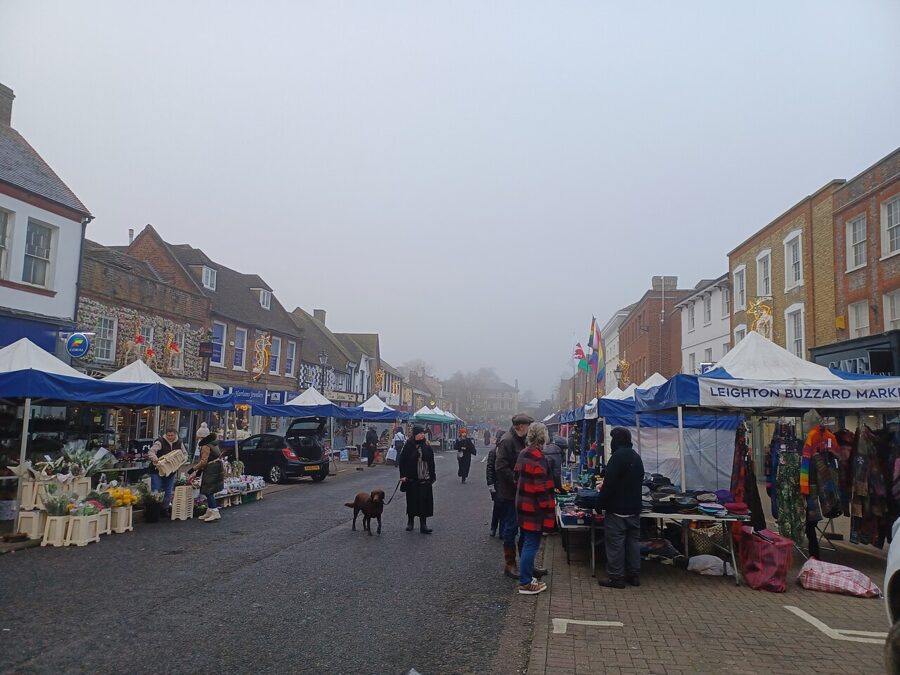
The Black Lion is a Grade II listed seventeenth-century building on Leighton Buzzard’s High Street, with exposed beams, wooden floors and an open fire. It was the local CAMRA branch’s pub of the year every year from 2015 to 2023. Eight handpumps carry Nethergate Suffolk County Best Bitter, Draught Bass and Oakham Citra plus five guests, and there are eight real ciders and a craft bar with fourteen keg taps.
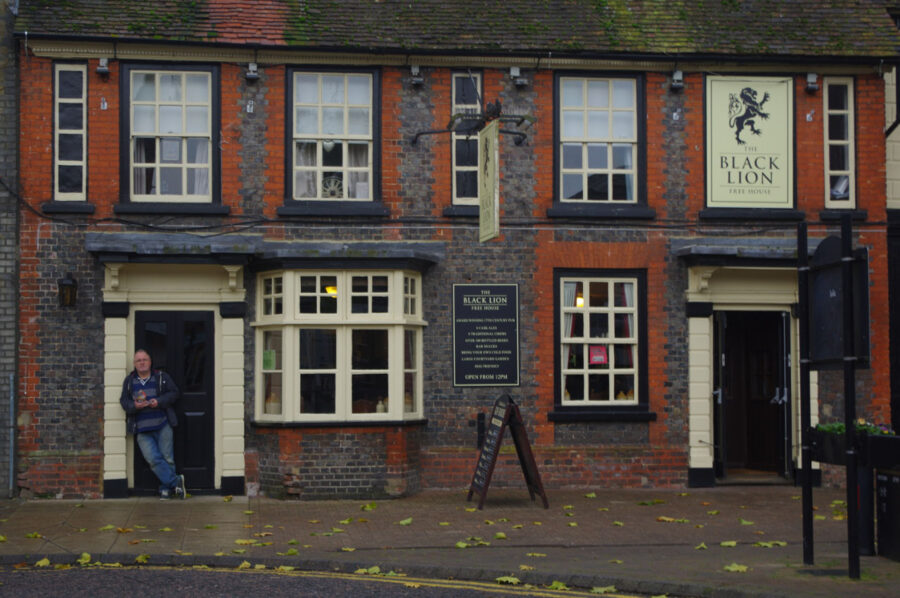

Food is bar snacks only, and you may bring your own lunch. Children are allowed until 17:00 and dogs at any time, and there are two beer festivals, a cider festival and a gin and jazz festival a year. It opens at noon, closes at midnight on Friday and Saturday, and is about 900 metres from Leighton Buzzard station.

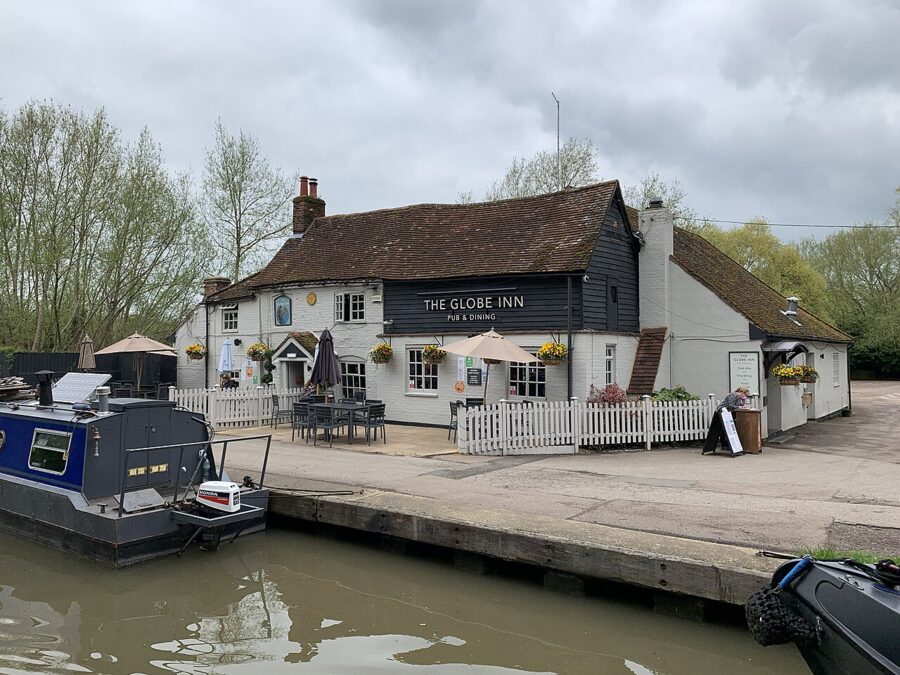
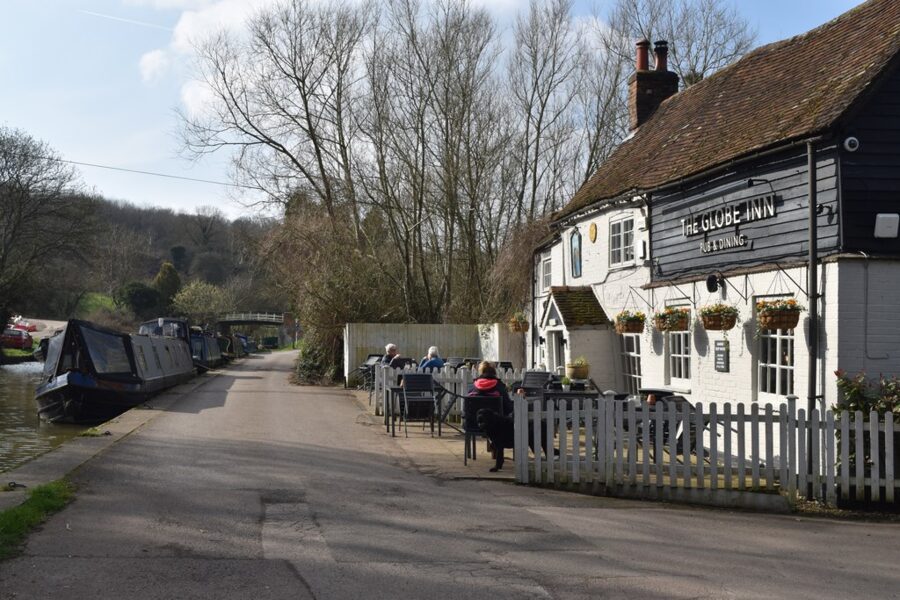
Across the river in Linslade, the Globe Inn sits on the bank of the Grand Union Canal, a farmhouse that became an inn when the canal was built, around 1800. It is a Greene King family dining pub with Abbot, IPA and Old Speckled Hen, food from 11:30 until 21:00 on most days and narrowboats tied up outside. Linslade belonged to Buckinghamshire until 1965, and the Buckinghamshire pubs begin just over the border.


The Bricklayers Arms, Luton
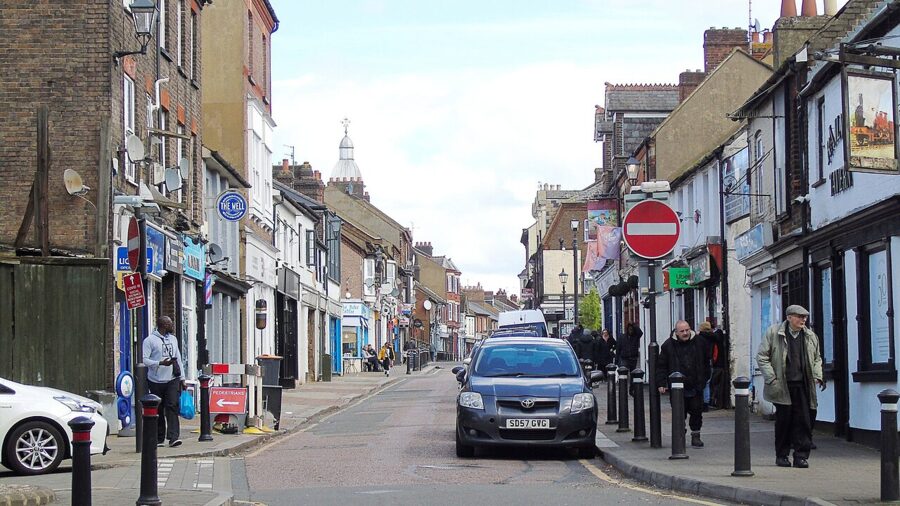
Luton is not anyone’s idea of a pub town, which makes the Bricklayers Arms on High Town Road all the more welcome. It first appears in the licensing records in 1824, and it is about 150 metres from Luton station, so it is the best place in the county to wait for a train. It is quirky and loud in the best way: sport on the televisions, a busy quiz every Monday, and a large outdoor space with its own second bar.

Six handpumps serve Draught Bass plus changing beers, usually with a dark one among them. Beer festivals come in April and October. It opens at 16:00 on Monday and Tuesday, 15:00 from Wednesday to Friday, noon on Saturday and 13:00 on Sunday, and it gets very busy when Luton Town are at home. It was the South Bedfordshire branch’s choice for county pub of the year in 2026.
Cranfield’s lost local
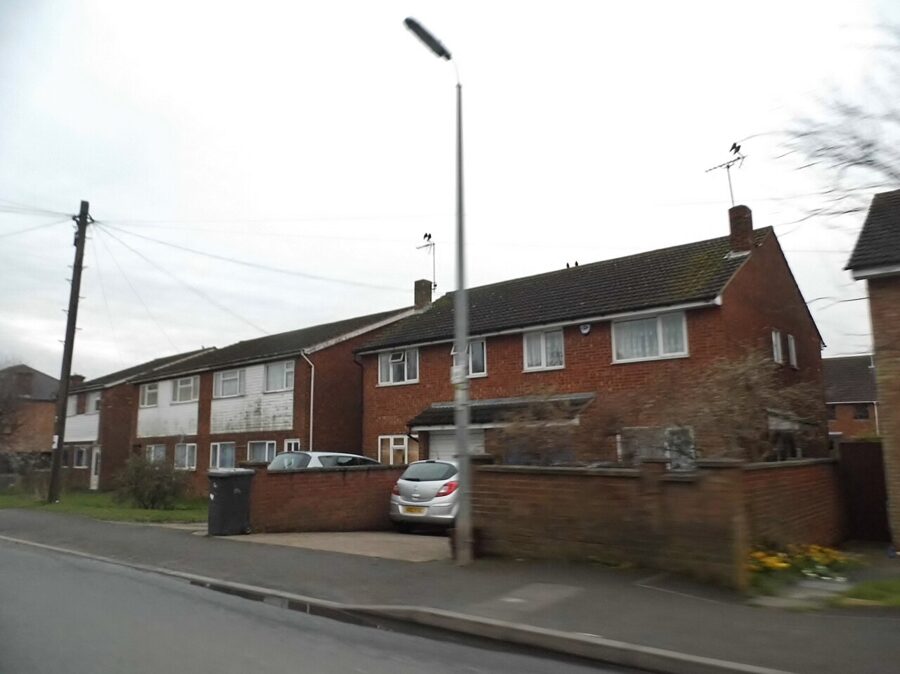
Not every old name survives. The Shefford White Swan came back; the Carpenters Arms at 93 High Street, Cranfield, did not. It was a community pub in the middle of the village, closed in August 2012 and has since been converted into a private house. The county archives hold a glass-plate photograph of it from around 1925, which is now the best way to see it as a pub.

The pubs that hold on best are the ones that give people a reason to come: the cask range at the Wellington, the cellar at the Cock, the cider at the Peel. Drink in them.
Routes: a walk, three railway lines and a day in the valley
The pubs are spread out and village buses are thin, especially on Sundays. The trick is to use the three railway lines that run north out of London and walk the last mile.
The Greensand Ridge on foot
The Greensand Ridge Walk is published in five sections: Leighton Buzzard to Woburn, Woburn to Ampthill, Ampthill to Haynes, Haynes to Sandy and Sandy to Gamlingay. For pubs, walk the middle. Have lunch at the Black Horse in Woburn, walk the Woburn to Ampthill section, and finish at the Albion (it opens at 15:00 on weekdays, so time it right). The next day, carry on east to Clophill and the Stone Jug.
Further east, the Haynes to Sandy section finishes a short walk from the Sir William Peel and the station home.
By train
Thameslink trains run from London through Luton to Bedford. Start at the Bricklayers Arms by Luton station, ride north to Bedford, then walk to the Hidden Barrel (750 metres) and the Wellington Arms (900 metres). Leave the Devonshire Arms for last, as it does not open until 17:00 from Monday to Thursday.
On the East Coast line, Sandy is 600 metres from the Peel and Arlesey 1.5 kilometres from the Engineers Arms. Biggleswade, between the two, is the nearest station for the Cock at Broom; take a taxi for the last stretch. Leighton Buzzard, on the West Coast line from Euston, gives you the Black Lion and the Globe Inn on foot.
A day in the Ivel valley by car
With a driver, the valley pubs make a short loop. Start at Old Warden for the Shuttleworth Collection and lunch at the Hare and Hounds, go on to the Cock at Broom for a pint from the cellar, then to the Engineers Arms at Henlow and the Swan at Shefford (Wednesday to Sunday only). Finish at the Sir William Peel in Sandy, and buy the driver dinner.
Practical notes: hours, food, dogs and beds
Opening hours. The best drinkers’ pubs do not open at lunchtime early in the week: the Wellington Arms opens at 14:00, the Albion at 15:00, the Bricklayers, the Polhill Arms and the Crown later still. The Crown is shut on Monday, and Farndons at the Swan on Monday and Tuesday. Country pubs close early on Sunday: the Cock and the Crown at 19:00, the Fox at 21:00.
Food. Lunch is generally 12:00–14:00 or 14:30, and village evening service rarely runs much past 21:00. Monday is the dead day: the Stone Jug, the Crown, the Fox and the Polhill Arms serve no food then. Sunday lunch stops between 15:00 and 17:00.
Dogs and children. Nearly every pub in this guide welcomes both. The exceptions are small ones: no dogs in the Cock’s dining room, and no children in the Black Lion after 17:00.
Rooms. The Embankment in Bedford has twenty bedrooms over the river, and the Cock at Broom lets three apartments in the cottages next door and has a camping field.
Parking and access. The Stone Jug’s car park fills up fast, and the Sir William Peel’s is deep gravel. Several old buildings (the Albion, the Black Lion, the Wellington Arms, Farndons at the Swan) have steps at the door. The Hidden Barrel has level access throughout.
Over the border. Gamlingay, at the end of the ridge walk, is in Cambridgeshire, and the Cambridgeshire pubs make a natural second weekend.
If you only have one evening, finish where this started. Take the train to Biggleswade and a taxi to Broom, and ask for whatever has just come up from the cellar at the Cock. Drink it by the parlour fire, and book the taxi back before last orders.