
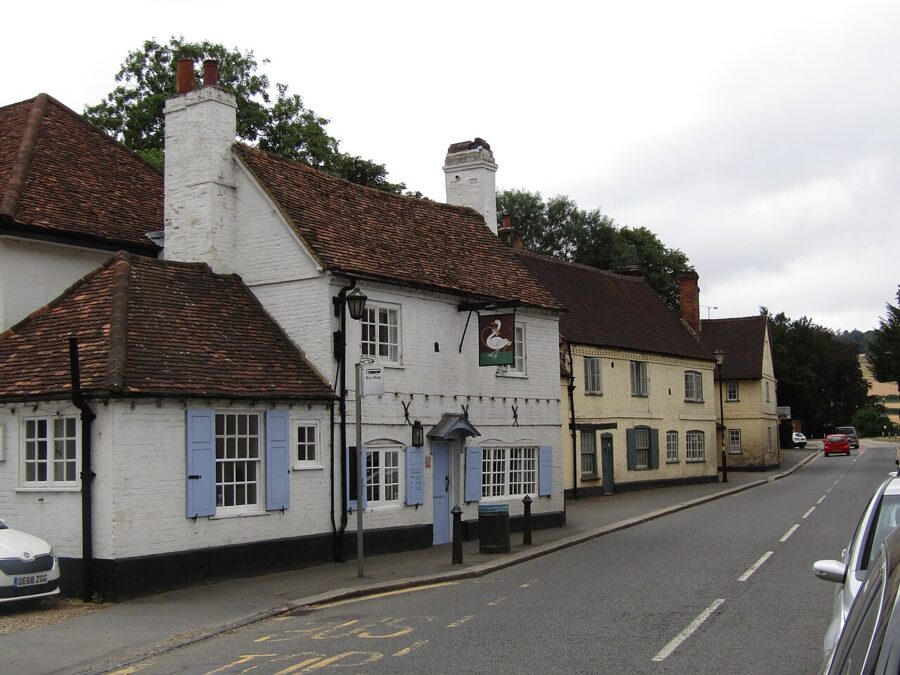
At the Swan in West Wycombe the beer comes from casks racked at the back of the servery, the white-tiled gents has barely changed since 1932, and the same family has been behind the bar since 1910. It is two plain rooms on a village street owned by the National Trust. CAMRA gives its interior three stars, the top grade on its National Inventory of Historic Pub Interiors, and no other pub in Buckinghamshire has one.
Twenty minutes’ drive south, the Hand and Flowers in Marlow holds two Michelin stars. Buckinghamshire does both kinds of pub and plenty in between: brick-and-flint locals in the Chiltern valleys, coaching inns on the old roads north, canal pubs by the Tring reservoirs and thatched dining pubs in the clay country beyond Aylesbury.
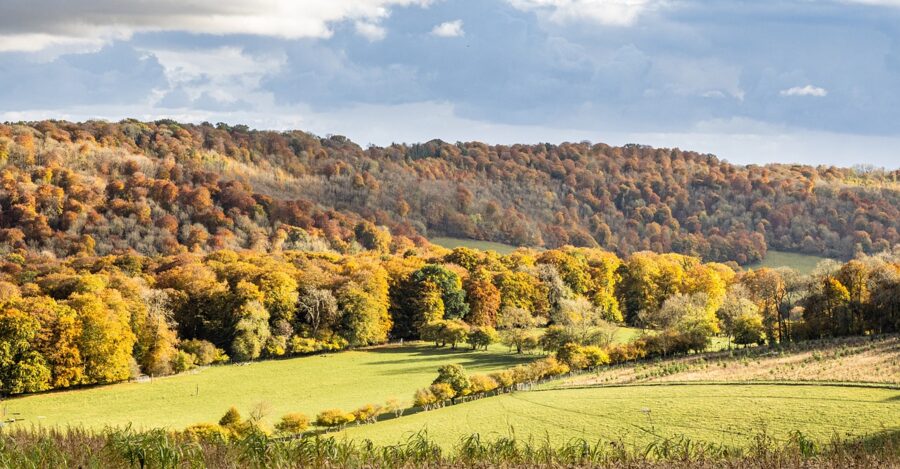
The county splits at the Chiltern scarp, the chalk edge that runs past Princes Risborough and Wendover towards Ivinghoe Beacon. South of it are wooded valleys, commuter money and some of the best walking pubs in the Home Counties. North of it lie the open Vale of Aylesbury and the stone villages of north Bucks, which are quieter still. Many country pubs here shut on Mondays, so ring before a long drive.
On this page
- What Buckinghamshire pours
- The Hambleden valley: Turville, Fingest, Skirmett and Hambleden
- Marlow and the Thames
- Forty Green, Penn and Hedgerley
- West Wycombe, where the National Trust holds the keys
- The Misbourne and Chess valleys
- Along the Ridgeway: Wendover to Bledlow
- Aylesbury and the Vale
- The Grand Union at Marsworth and the Tring reservoirs
- North Bucks: Gawcott, Adstock, Stony Stratford and Olney
- Four days out, with a station at each end
- Practical notes
What Buckinghamshire pours
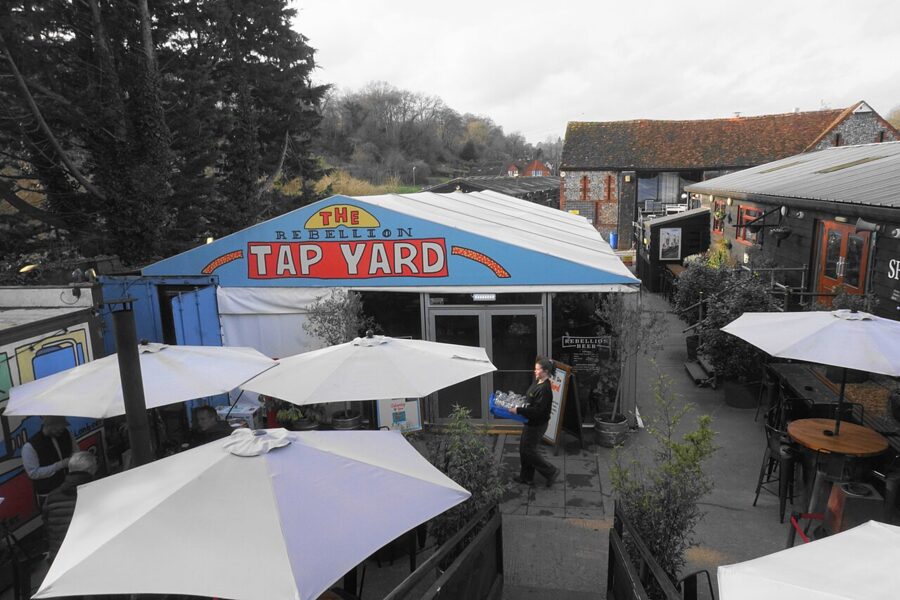
The nearest thing the south of the county has to a house beer is Rebellion IPA. Rebellion started brewing in Marlow Bottom in 1993, a few years after Marlow lost Wethered’s, its brewery of more than two centuries, and moved to Bencombe Farm in 1999. The IPA is a copper-coloured session bitter, not a modern hop bomb, and it is on the bar at Forty Green, at West Wycombe and at Great Hampden.

North of the hills, the pump clip more often says Chiltern. The Chiltern Brewery was founded in 1980 by Richard and Lesley Jenkinson at Terrick, outside Aylesbury, and their sons now run it. Beechwood Bitter is the one to know; the shop opens 10:00–17:00 Monday to Saturday, and the King’s Head in Aylesbury is the brewery tap.
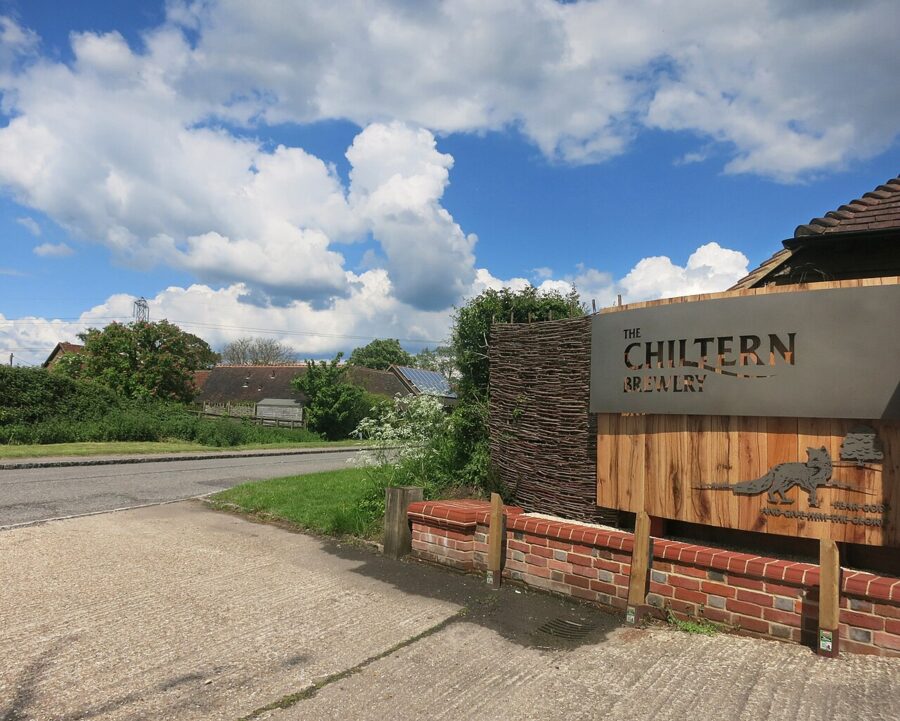

Smaller names are worth chasing. Vale Brewery started in Haddenham and now brews near Brill, with a weekend taproom; XT has brewed at Notley Farm, Long Crendon, since 2011; Mad Squirrel opened its first taproom in Chesham in 2013. Tring Brewery, just over the Hertfordshire line, turns up in the east of the county with Side Pocket for a Toad.
The old brewery names still shape where you drink. Brakspear of Henley owned much of the Hambleden valley, and its pub company still has the Bull and Butcher at Turville and the Chequers at Fingest, though the beer has not been brewed in Henley since 2002. Most pubs here serve cask beer, the cellar-conditioned stuff explained in real ale, and a few still pour it straight from the cask.
There is no cider tradition to speak of; the Vale’s orchard fruit was the Aylesbury Prune, a small plum. For real cider or perry, go to the White Horse at Hedgerley, which keeps three on. The county also has some very large landlords: the National Trust owns the Swan and the George and Dragon at West Wycombe and the King’s Head in Aylesbury, and the Hambleden estate restored the Stag and Huntsman. It is one reason so many old pubs here survived intact.
The Hambleden valley: Turville, Fingest, Skirmett and Hambleden
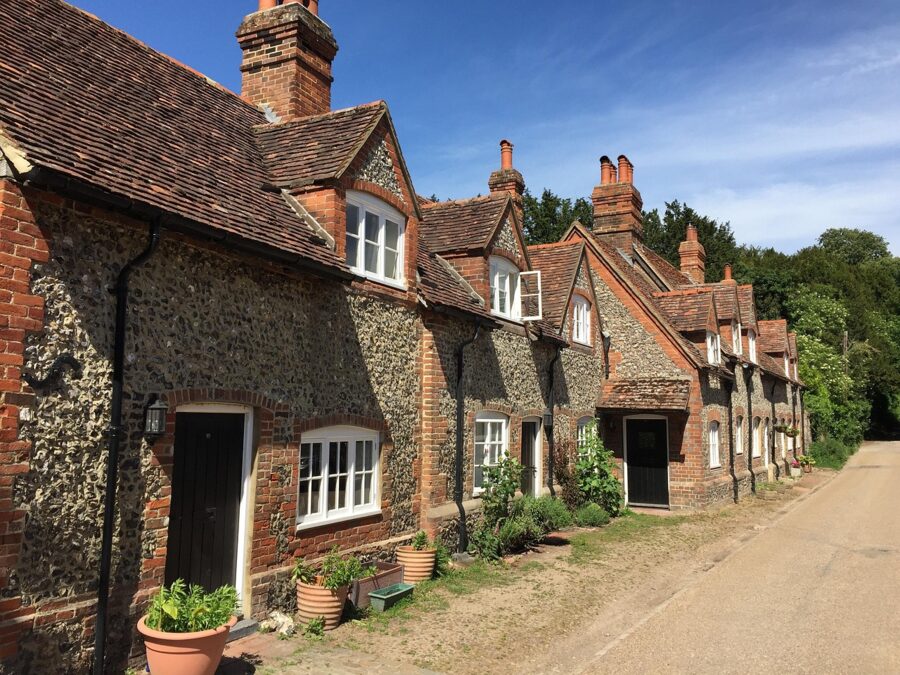
The Hambleden valley runs north from the Thames near Henley into the hills, with four villages and a pub in each. It is the classic Chiltern pub walk. The lanes are narrow, the car parks small, and on a sunny Sunday all of them are full by half past twelve.
Turville and the Bull and Butcher
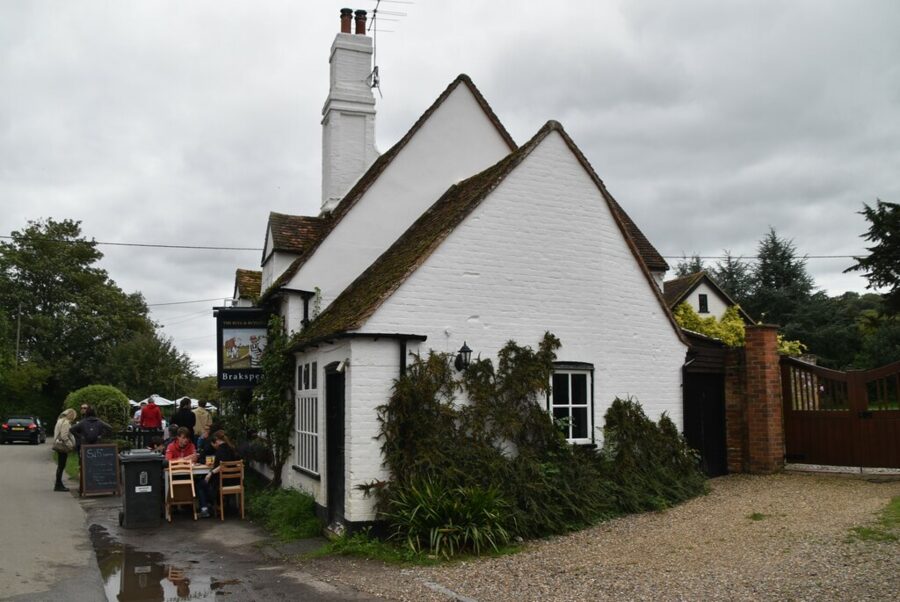

Turville played Dibley in The Vicar of Dibley, and the Bull and Butcher, an old timber-framed Brakspear house, gets a trickle of people who come to stand in front of the church. Ignore them. It is a proper country pub with log fires and a pleasant garden, and the local CAMRA branch advises booking for food.
The kitchen serves 12:00–14:30 and 18:00–21:00 on weekdays; on Sunday food runs 12:00–17:00 and the pub shuts at 18:00. Dogs are welcome. The beers lean to the big brewers: Bombardier and Hobgoblin Gold at the November 2026 survey.

The Chequers, Fingest
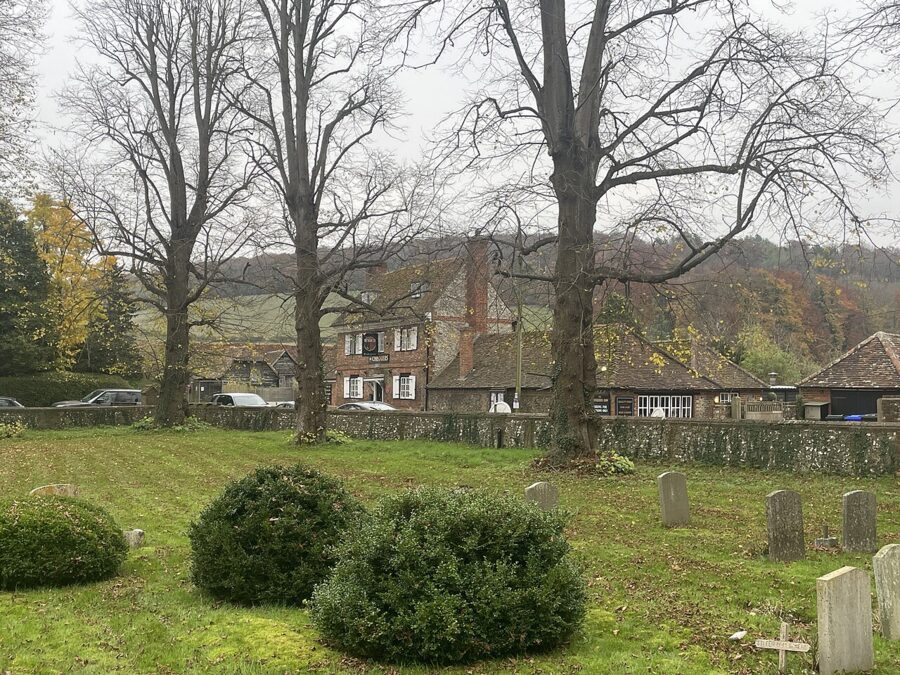

Half a mile east, the Chequers sits opposite St Bartholomew’s, a Norman church whose tower wears an odd double-gabled roof. The bar stands in the middle of the room with drinkers all round it, and there is Brakspear Original Gravity on the pumps. The thing to know is that food stops at 17:00 every day, and on Sunday the pub shuts then too.
The King’s Cow, Skirmett
Skirmett’s pub reopened in July 2026 as the King’s Cow, after years as the Frog and before that the Kings Arms. It is now a country inn and restaurant with rooms: shut Sunday to Tuesday, dinner only on Wednesday, lunch and dinner Thursday to Saturday, food stopping at 20:30. CAMRA found no cask beer in November 2026, so come to eat, not for a pint on the walk.
The Stag and Huntsman, Hambleden
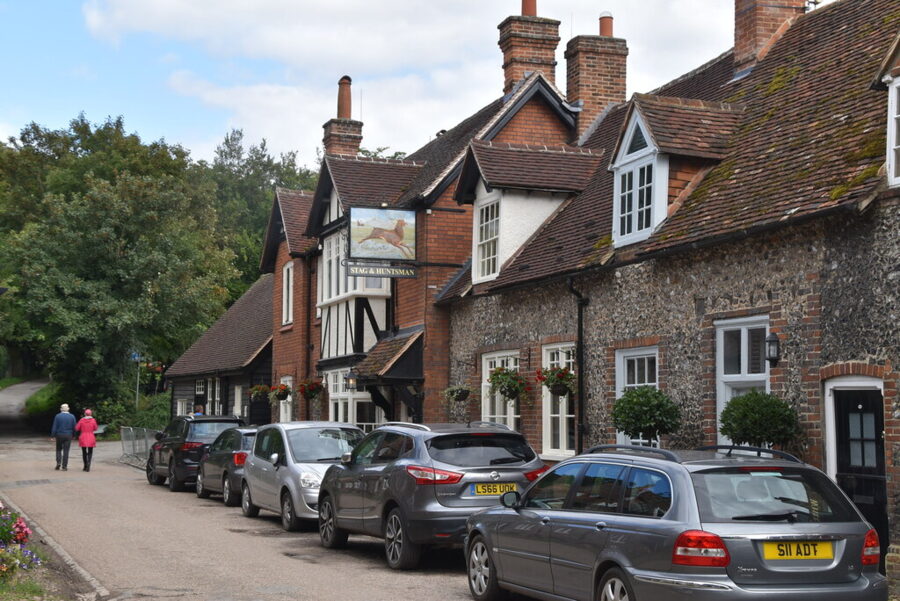

The Stag and Huntsman is the best pub building in the valley and the comfortable place to stay. The estate restored it with the architect Ptolemy Dean and had the sense to leave the small rooms alone. The narrow snug has an inter-war canted counter and matchboard panelling; the public bar has parquet, an Edwardian fireplace and up to eight local beers. CAMRA rates the interior one star.
There are nine bedrooms and a menu built on estate produce, with plenty of game in season; book for weekend lunch. If you walk the valley, end here rather than start here.
Marlow and the Thames
Marlow is the best pub town in the south of the county, with an unfair share of famous kitchens. Its branch railway from Maidenhead means you can go home by train.
The Hand and Flowers and the Coach
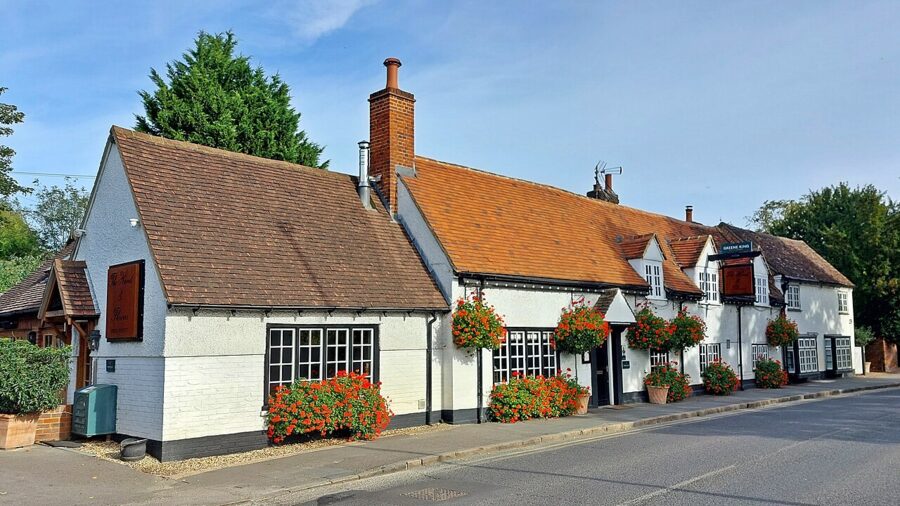

Tom Kerridge opened the Hand and Flowers in 2005, won a Michelin star within a year, and in the 2012 guide it became the first pub with two; it kept both in 2026. There is a small bar where you can buy just a drink, but you go for the cooking. Book well ahead: lunch 12:00–14:30 Monday to Saturday, dinner from 18:00, Sunday lunch only.
Kerridge’s other pub, the Coach at 3 West Street, has one star and is the easier way in. Drinkers may use the bar stools when there is room.
The Two Brewers and the rest of town
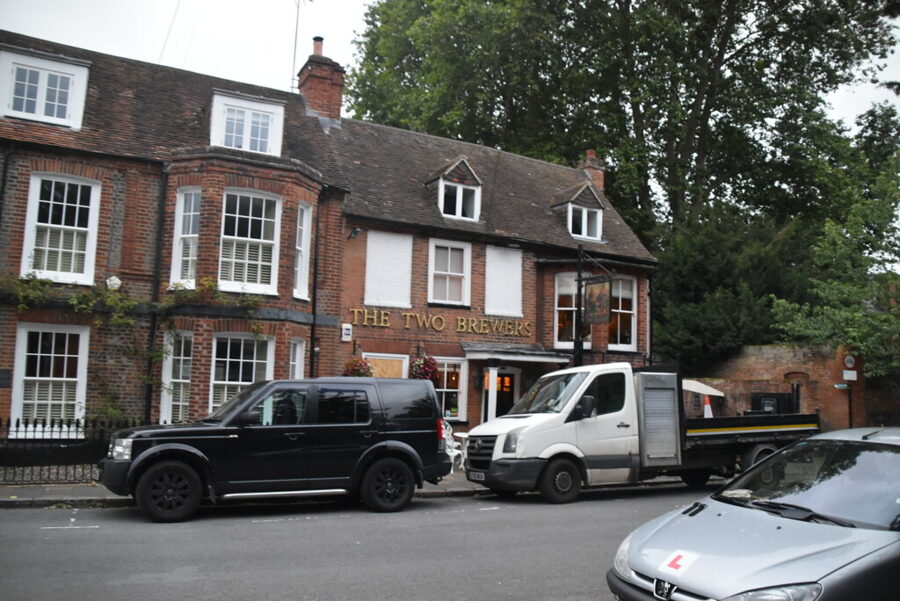

For a pint, go to the Two Brewers on St Peter Street. It is in the Good Beer Guide, serves food until 22:00 (21:00 on Sunday), takes dogs and keeps Rebellion on. Walk on to the river and you have the suspension bridge and All Saints’ church in one look.
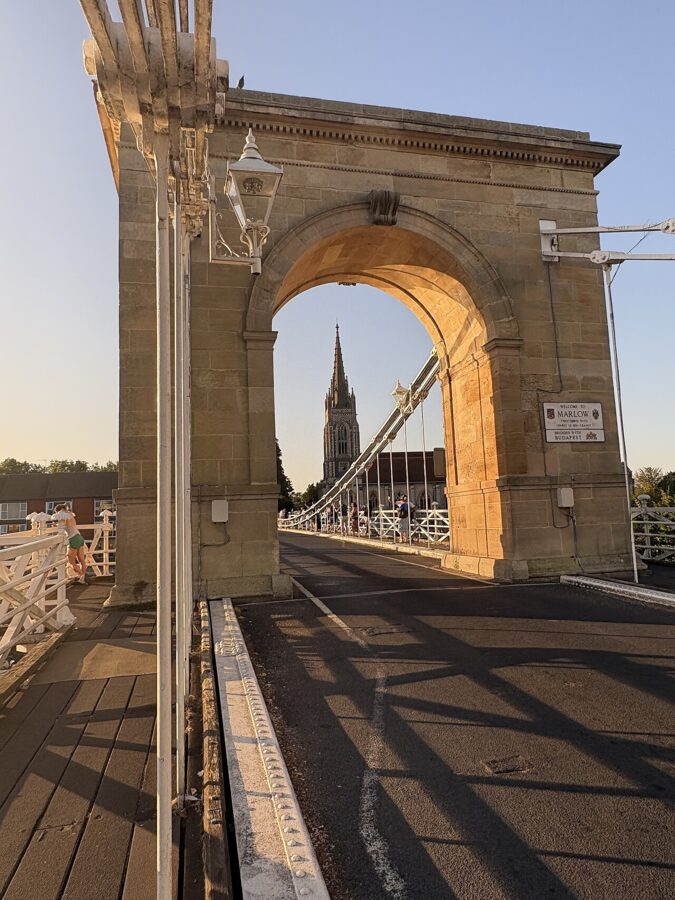

The Marlow Donkey on Station Road is named after the branch-line train and stands 150 metres from the platform, which makes it the last-pint pub by default; it holds a beer festival on the August bank holiday. The Duke on Queens Road is the town’s surviving locals’ local, with live music, Chinese food and Rebellion IPA.
Forty Green, Penn and Hedgerley
The plateau between Beaconsfield and High Wycombe holds two of the county’s most interesting pubs: one famous, one known mainly to people who care about beer.
The Royal Standard of England and its claim
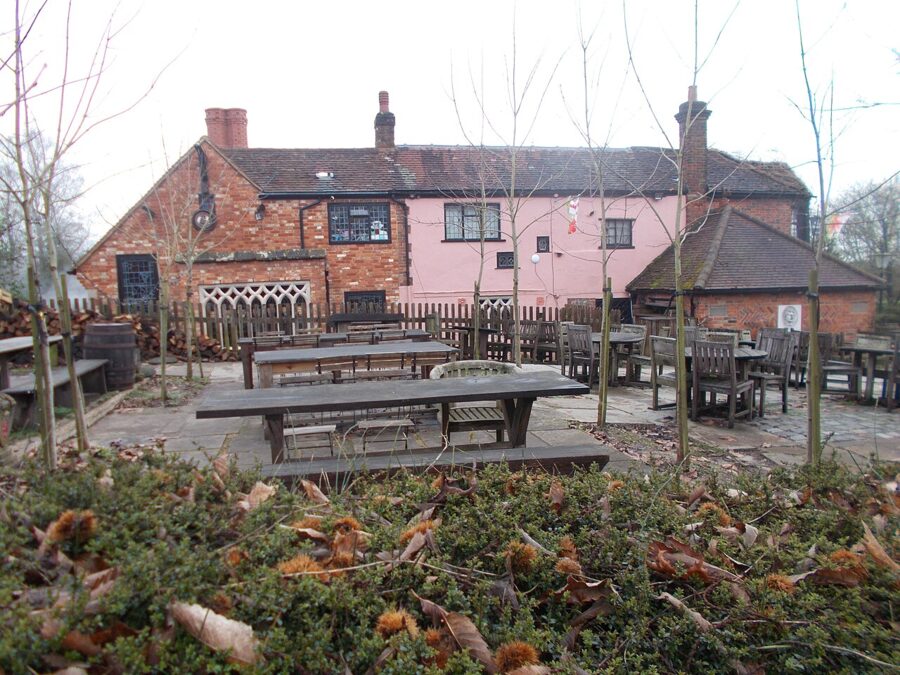

The Royal Standard of England calls itself England’s oldest free house, and its website talks of more than 900 years of hospitality. The local CAMRA branch repeats the story of an inn here recorded in 1213 as the Ship and renamed after the Restoration for sheltering Royalists. CAMRA’s own heritage inventory calls the free-house claim “nonsensical and unverifiable”, and it joins the long list of England’s oldest pubs whose age is more story than record.
The building is worth the trip anyway. The left-hand door leads into a corridor with a worn red tile and brick floor, where a huge old settle bulges into the passage, forming the back of a little room with a log fire. Much of the rest, both bar counters included, is a 1963 job, but CAMRA still gives the interior two stars, one grade below the Swan.
Food runs from 11:30 until 21:00 or 22:00, dogs are welcome, and Rebellion and Chiltern beers are on. Terry Pratchett grew up in Forty Green. Beaconsfield station is two miles away, so most people drive, and the car park fills early on Sundays.
Penn and Tylers Green
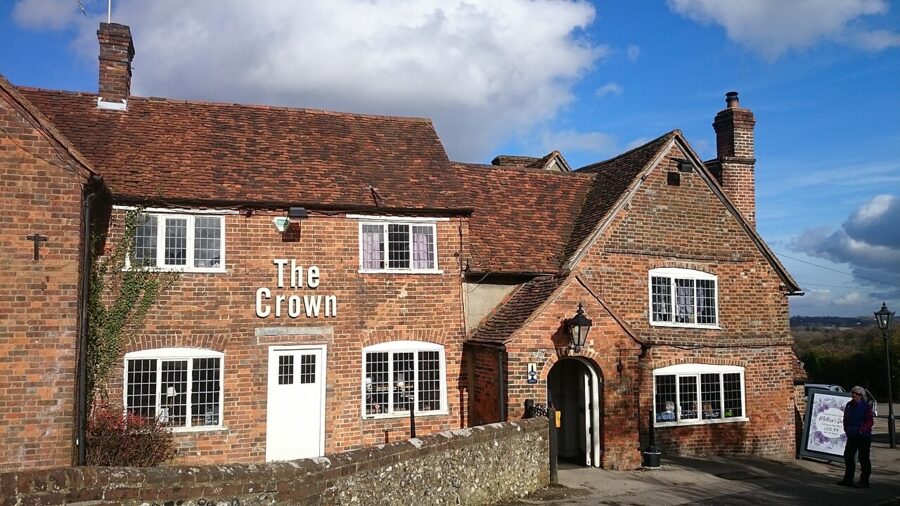

The Crown at Penn is a Greene King dining pub open from breakfast until late. The Red Lion on Elm Road looks over the green and pond and was refurbished by the people behind the Royal Standard: settles, church pews, beams, Rebellion IPA, closed on Mondays. It is the one I would choose for a drink. In Tylers Green, the Old Queens Head on Hammersley Lane is a big beamed food pub by the church, closed on Mondays and Tuesdays.
The White Horse, Hedgerley
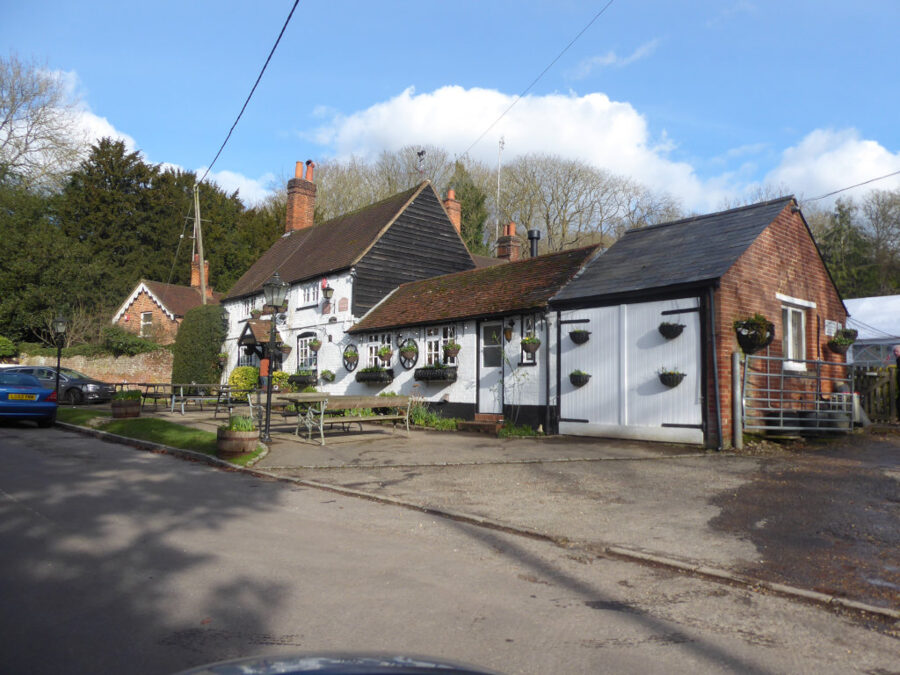

If you go to one pub in Buckinghamshire for the beer, make it the White Horse. It is a seventeenth-century village local, listed Grade II, with a tiny public bar of flagstones, an inglenook and bare benches against the panelling (CAMRA gives it one star). The beer comes straight from casks behind the bar: Rebellion IPA plus up to seven from small breweries, two craft beers and three real ciders or perries.
The beer festival over the Whitsun bank holiday is the big one, with others at Easter and in August. Food is lunchtime only, children and dogs are welcome everywhere but the saloon, the gents is outside, and Gerrards Cross station is two and a half miles away.
West Wycombe, where the National Trust holds the keys
West Wycombe is one street of old houses on the former London to Oxford road, nearly all of it owned by the National Trust since the 1930s, with the Hellfire Caves on the hill above. Wheeler’s Wycombe brewery refitted the Swan in 1932 and almost nothing has happened since: two rooms at right angles with parquet floors, a mirrored bar-back for each, curtains on the counter between the bars, and a door marked Reception that was once the jug and bottle. Beer is served by gravity, usually Rebellion IPA and Smuggler, and the hours are short (12:00–14:00 and 18:00–22:00).
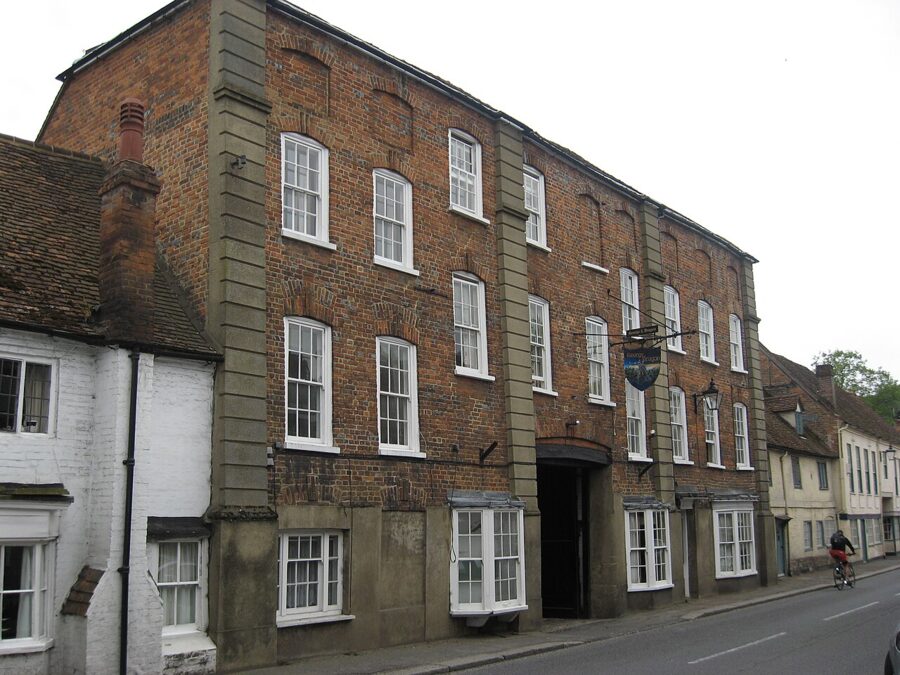

The George and Dragon across the street is the old coaching inn, with rooms, a ghost story about a barmaid and a kitchen that serves 12:00–17:00 only. Eat there before the caves and drink at the Swan after them. The 40 bus runs from High Wycombe station, two and a half miles away.
The Misbourne and Chess valleys
East of Wycombe, two chalk streams run towards London: the Misbourne past the Missendens and Amersham, the Chess from Chesham to Rickmansworth. The Metropolitan and Chiltern lines both come out here, so this is the easiest part of the county to drink in without a car.
Little and Great Missenden
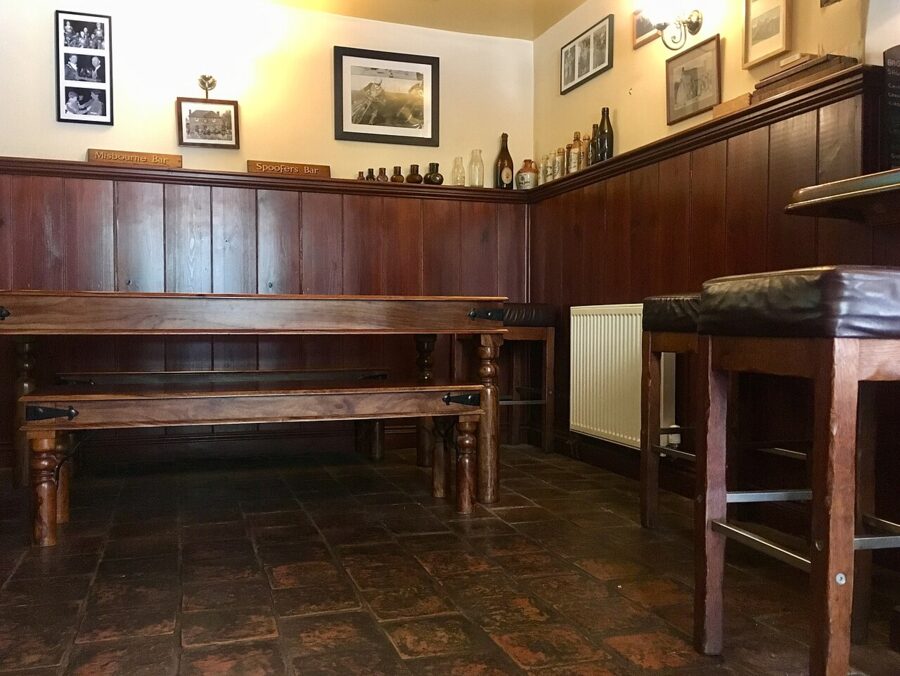

The Crown at Little Missenden is a Good Beer Guide regular and my pick in the Misbourne valley: a plain, friendly village local with a good pint, walkers among the regulars, and three en-suite rooms. Food is lunchtime only and not on Sunday, children are welcome in the garden, and it shuts on Mondays.
In Great Missenden, home of the Roald Dahl Museum, the Black Horse at Mobwell is ten minutes from the station, with a fire at each end of the bar, a guest beer usually from Rebellion, and a still cider you have to ask for.
The Lee and Hawridge
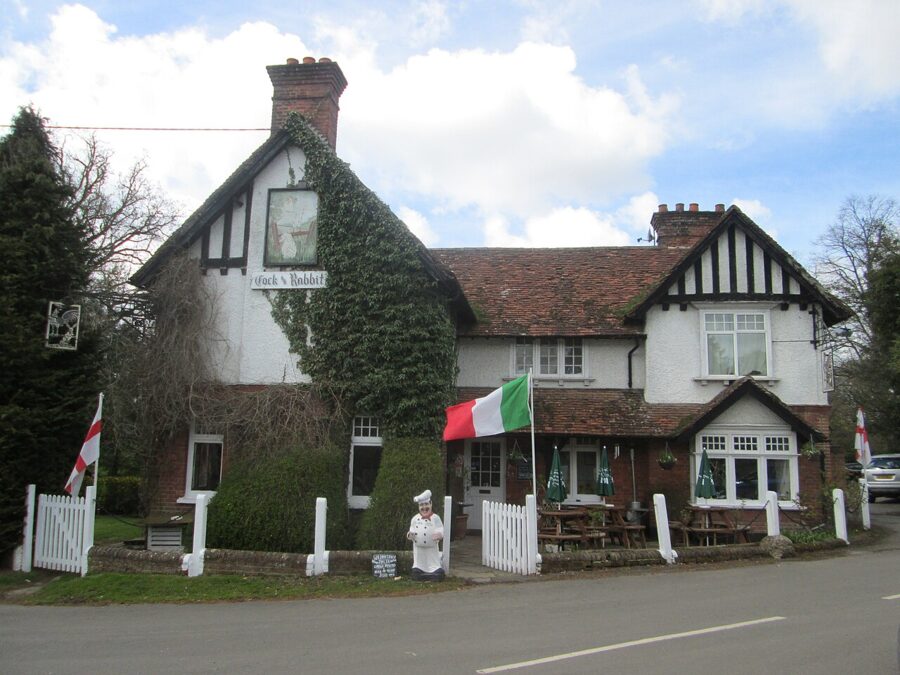

The Cock and Rabbit at The Lee faces a green you may know from Midsomer Murders. It changed hands in 2022 and runs as pub and coffee shop, with Rebellion IPA and Landlord; it is closed on Mondays, with evening meals Wednesday to Saturday only. The Full Moon at Hawridge, on the edge of the common, is split into small rooms, which is what you want on a wet afternoon. It is closed on Mondays except bank holidays and pours Tring’s Side Pocket for a Toad.

Chesham, Chenies and Amersham
Chesham is the end of the Metropolitan line, and the Mad Squirrel tap on the Market Square is 250 metres from the platform: a micropub and bottle shop in what was once the Globe pub, with thirteen taps (one cask, eleven keg, one cider). It is closed on Mondays.
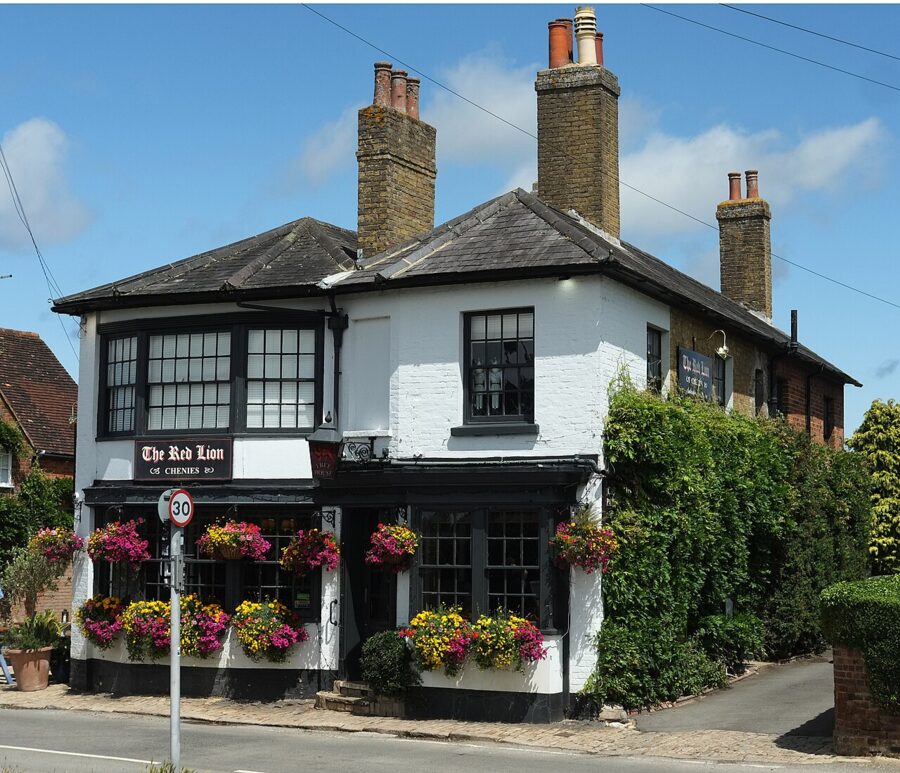
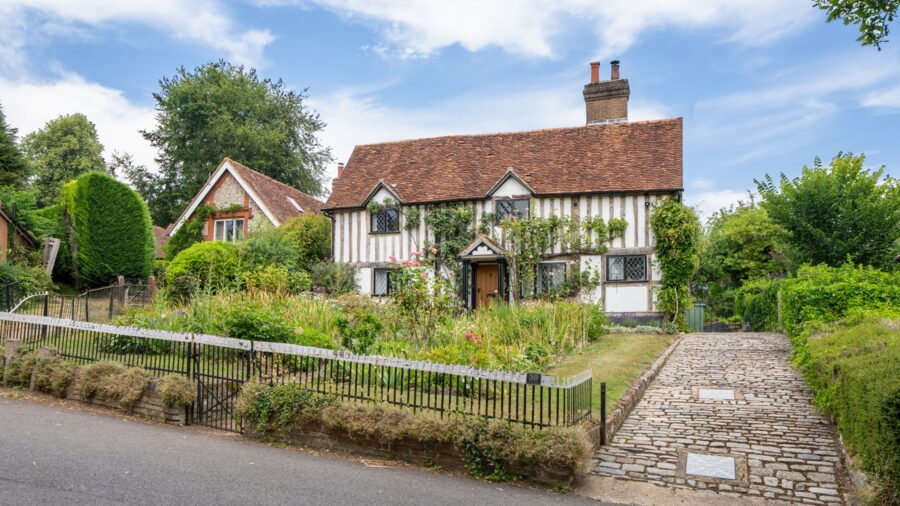
Downstream, the Red Lion at Chenies is the walkers’ pub of the Chess valley, with a homely front room, a dining room behind, a rotating range of cask ales and dogs welcome indoors and out. Food is served daily, with roasts on Sunday until 20:30, and Chalfont & Latimer station is a mile and a half away.

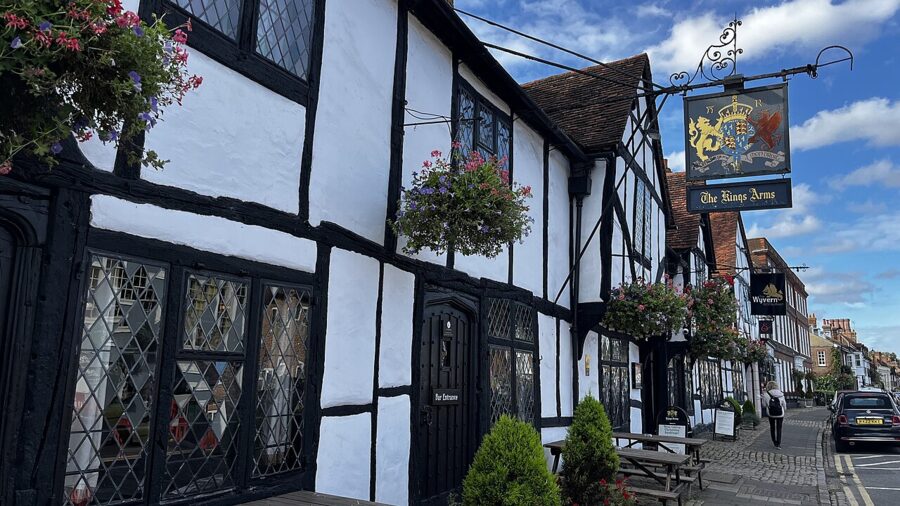
In Amersham Old Town, down the hill from the station, the Kings Arms is the inn to drink in: fifteenth-century, with a beamed bar, cask beer and cider, and plenty of rooms. It is fifteen minutes on foot from the station, mostly downhill, which matters more on the way back.

Along the Ridgeway: Wendover to Bledlow
The Ridgeway follows the scarp through the middle of the county on its way to Ivinghoe Beacon. This is Chequers country, the Prime Minister’s house hidden in the trees between Butlers Cross and Cadsden, and the views over the Vale are the best in Buckinghamshire.
The Russell Arms, Butlers Cross
The Russell Arms was bought by 82 local shareholders in 2012 and is light and modern inside, with photographs of the Prime Ministers who have called in from Chequers by the toilets. Check the day before you go: it shuts at 16:00 on Monday and Tuesday, serves an early dinner Wednesday to Saturday, and stops food at 16:30 on Sunday, when booking is strongly advised. Dogs are welcome in the bar. Little Kimble station is a mile and a quarter away.
Cadsden and Whiteleaf
The Plough at Cadsden, where David Cameron took Xi Jinping for a pint and fish and chips in 2015, is closed. Its website promises a reopening after refurbishment with no date, and CAMRA lists it as closed long term. Walk on to Whiteleaf.
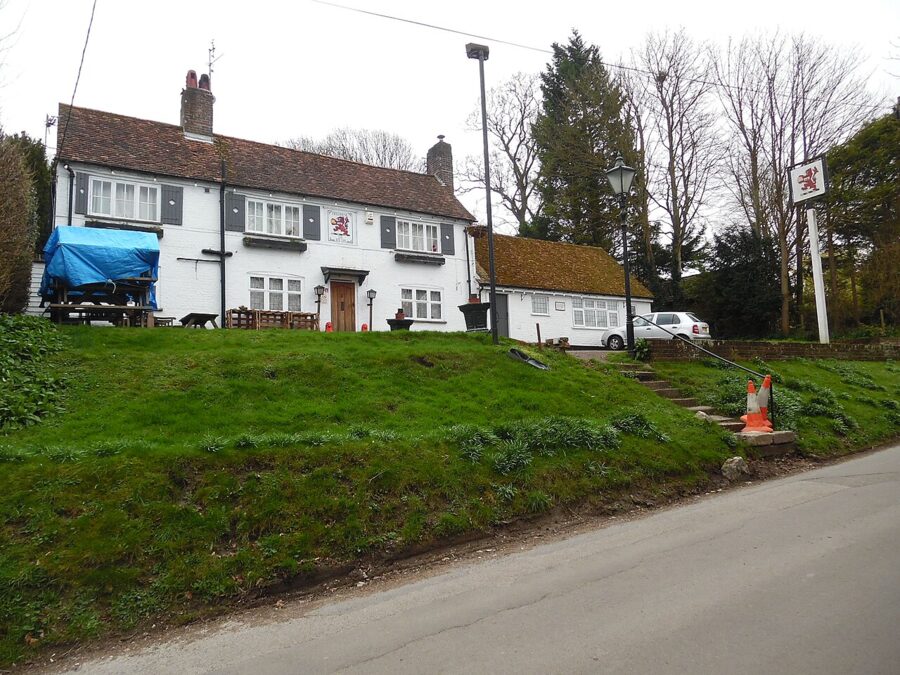

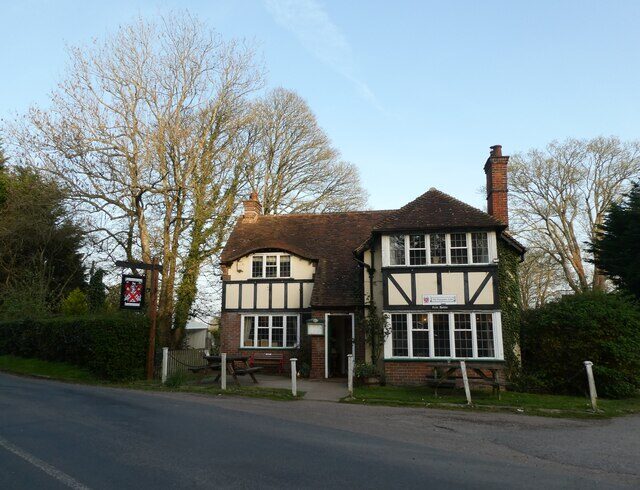
The Red Lion at Whiteleaf is a seventeenth-century free house with one smart bar, a snug with games, a restaurant and rooms, and it buys beer from local breweries. It is closed on Monday and opens at 16:00 Tuesday to Thursday, and the local CAMRA branch notes, with some feeling, that it has been known to close earlier than advertised.
Bledlow and Great Hampden
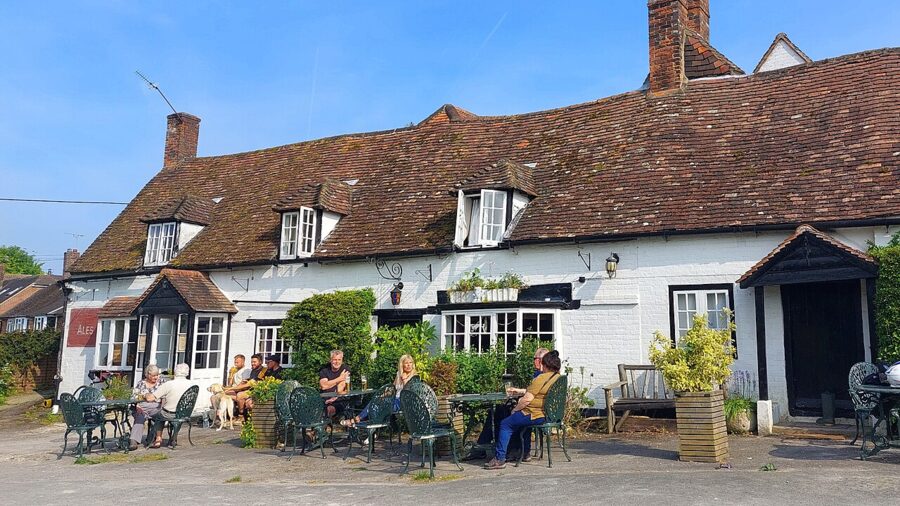

The Lions of Bledlow is another Midsomer Murders regular and looks the part: a huge fireplace, low beams, flagstones, high-backed settles and a model fox among the clutter. On weekdays it closes 15:00–18:00, so do not turn up at 16:00 for lunch. Up in the woods, the Hampden Arms at Great Hampden has had the same chef-owners since 2003, three real ales and a big garden; it is the sort of pub you only find by looking for it.

Aylesbury and the Vale
Off the hills the county changes completely: flat clay farmland, big skies, and villages of brick, thatch and wychert, the local earth walling. The pubs are further apart, and the good ones tend to be village pubs saved by their villages.
The King’s Head, Aylesbury
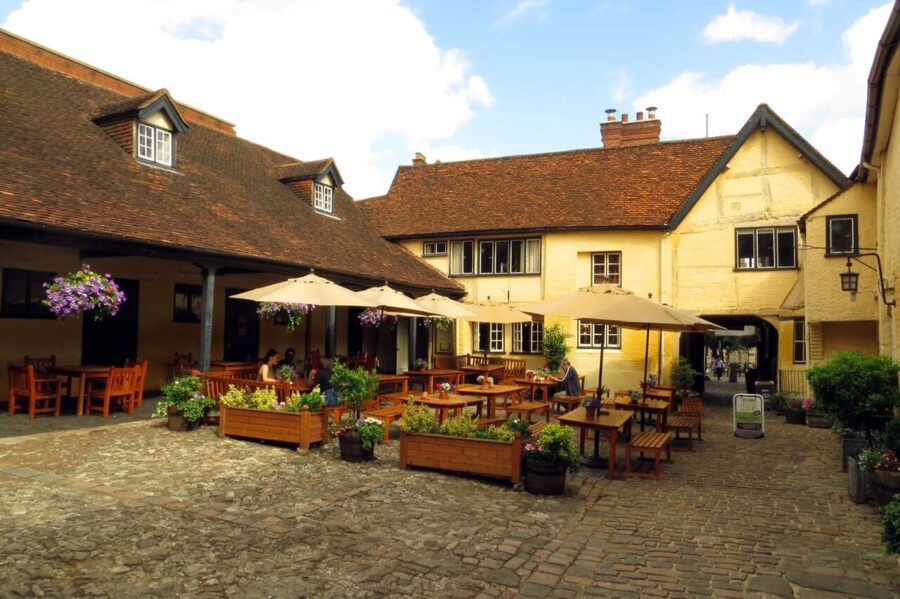

The King’s Head is a medieval inn off Market Square, owned by the National Trust and run by the Chiltern Brewery. The pub dates the building to 1455, it is listed Grade II*, and CAMRA’s local branch calls it the oldest courtyard inn in England, a bold claim in a country full of them. The bar is modern, with three or more Chiltern beers, a guest and a real cider, and no television or piped music. It opens Wednesday to Sunday, with food until 20:30 (16:00 on Sunday), five minutes’ walk from the station.
Dinton, Haddenham and Long Crendon
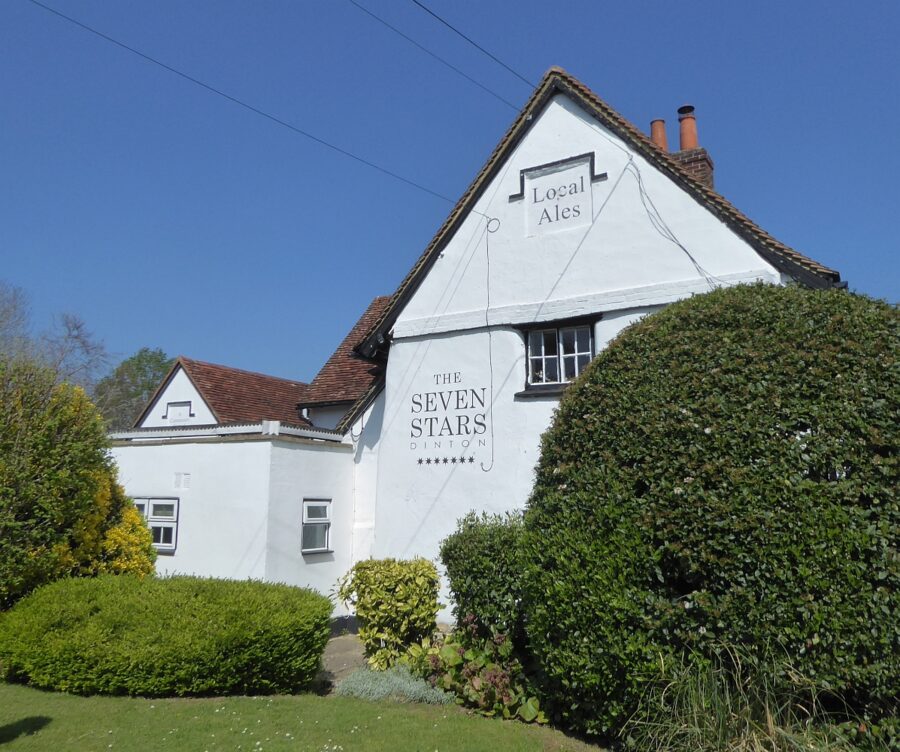

The Seven Stars at Dinton was bought by 64 villagers in 2011 when it was under threat, and is now in the Good Beer Guide with Vale and Rebellion beers. Food runs at lunchtime and 18:00–21:00, stopping at 15:30 on Sunday. It is what a community buyout looks like when it works.
The Kings Head in Haddenham is a sixteenth-century pub on the High Street, with Butcombe Original and Landlord among its regulars and food until 21:00; Haddenham & Thame Parkway station is ten minutes away. In Long Crendon, the Eight Bells is a friendly multi-roomed pub with beer from XT, brewed just outside the village, and is closed on Mondays.
Brill, Quainton and Waddesdon
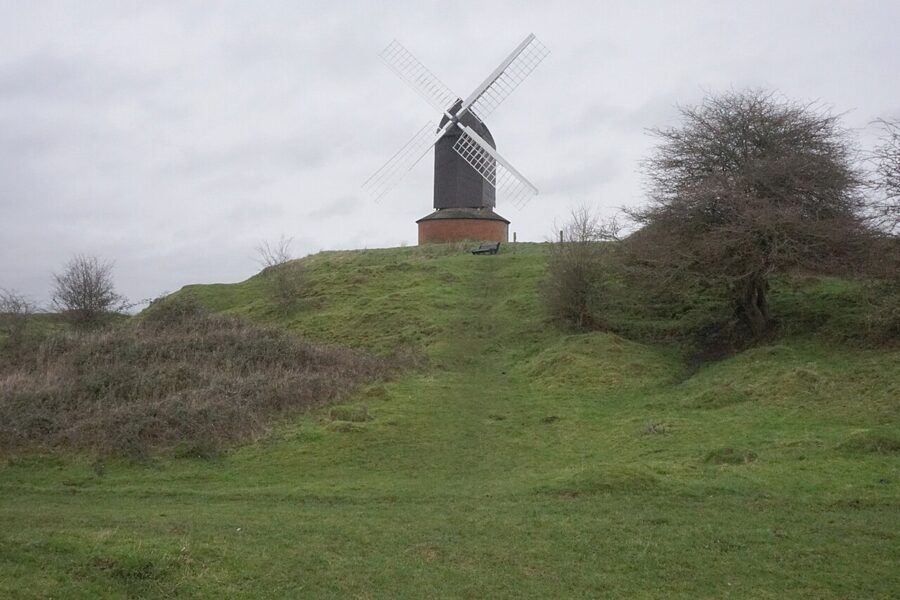

Brill sits on a hill at the western edge of the county, and the Pheasant on Windmill Street looks across to its post mill. It is a beamed pub with B&B rooms, Vale’s Brill Gold on the bar, food 12:00–15:00 and 18:00–21:00 (Sunday until 16:00), and dogs welcome.
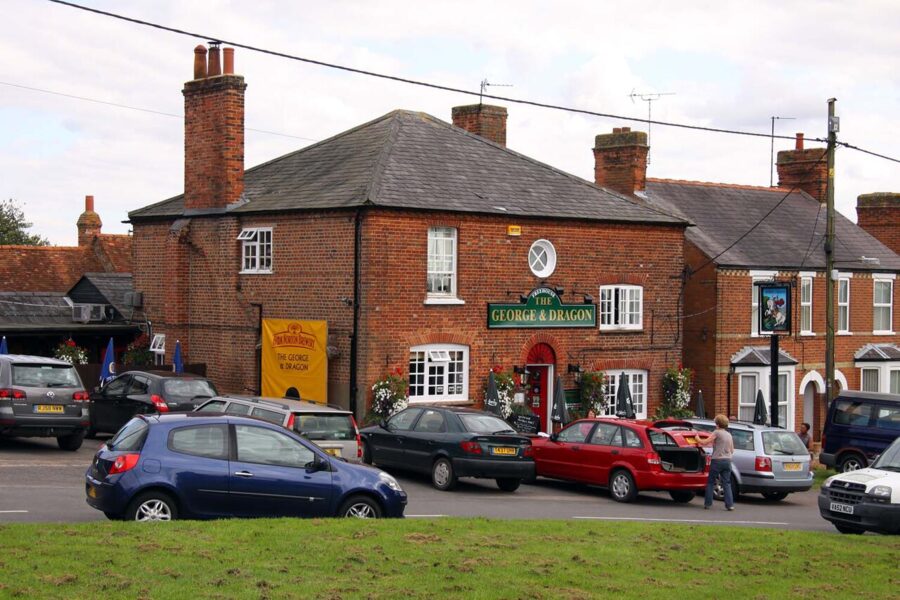

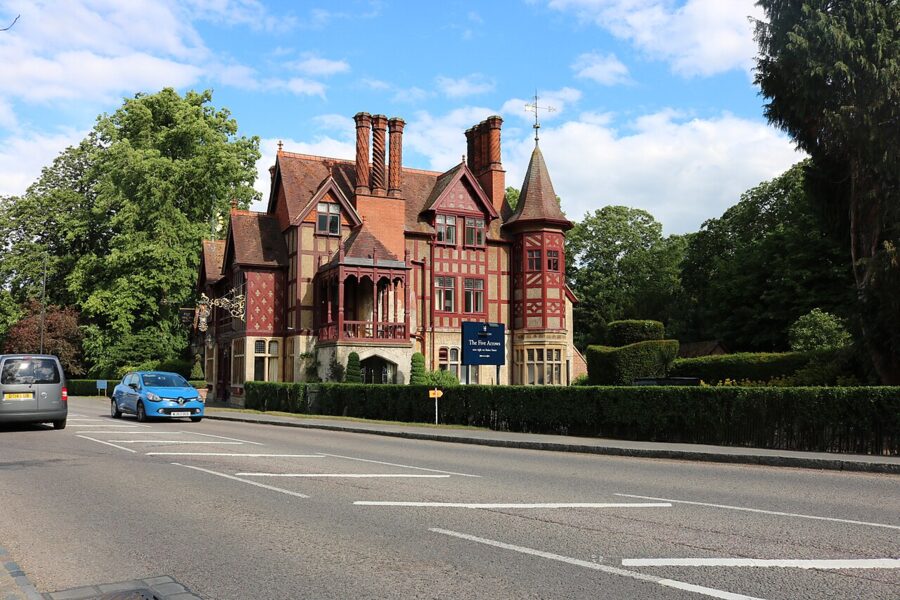
The George and Dragon at Quainton is a two-bar pub on the green, split evenly between drinkers and diners, with Meet the Brewer nights and the village’s Quaintfest each year. It is shut on Mondays. Waddesdon’s Five Arrows, built for the Rothschilds at the gates of Waddesdon Manor, is mostly restaurant and rooms but keeps a corner for a pint of Vale Best IPA; its kitchen stops at 18:00, and it is closed on Mondays and Tuesdays.

The Grand Union at Marsworth and the Tring reservoirs
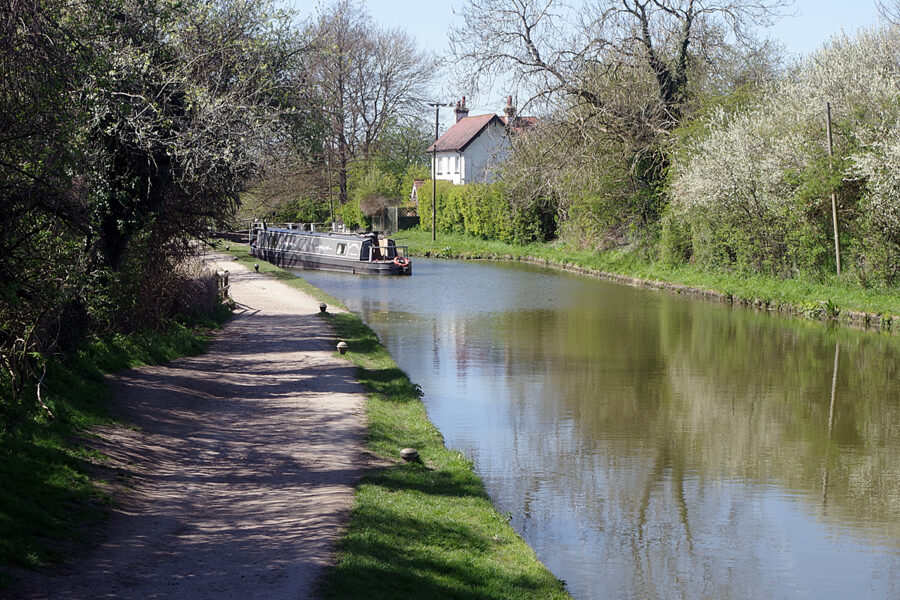
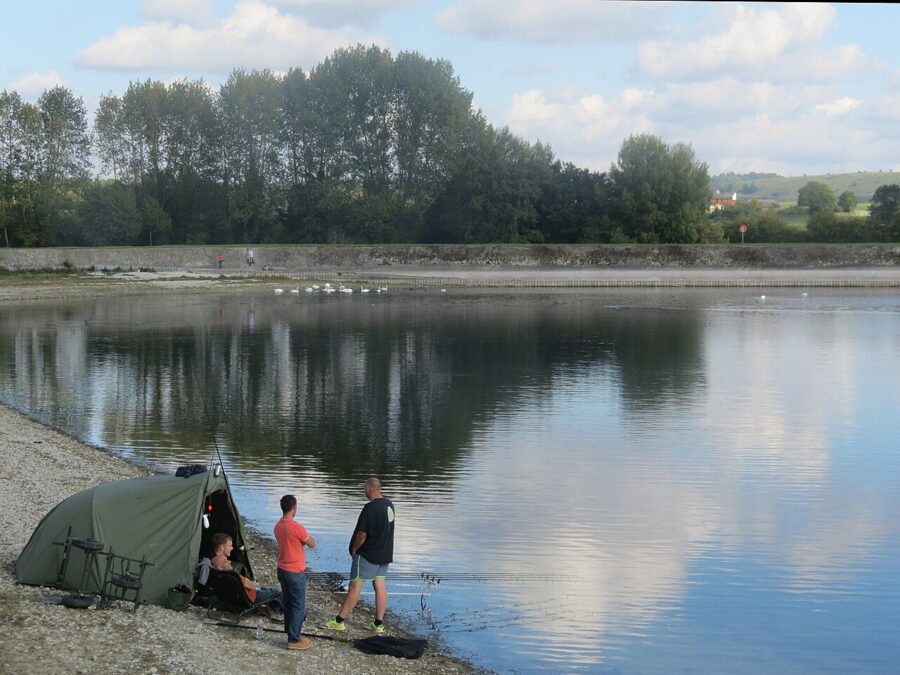
On the eastern edge of the county, the Grand Union Canal climbs the Marsworth locks towards its Tring summit, fed by four reservoirs dug in the early nineteenth century. They are now a nature reserve full of anglers and birdwatchers, and two good pubs sit within half a mile of each other.

The Anglers Retreat, Startops End
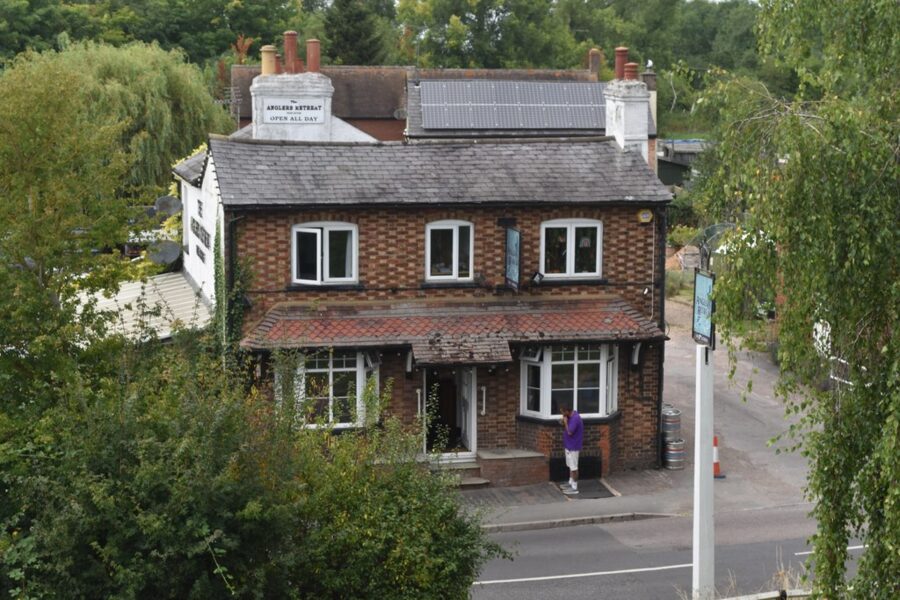

The Anglers Retreat is a one-bar local across the road from the reservoir car park, with rooms, a garden and a conservatory. Tring’s Side Pocket for a Toad is the regular, alongside St Austell Tribute and changing beers from small brewers such as Chiltern. It is the obvious pub after a morning on the reservoir banks.

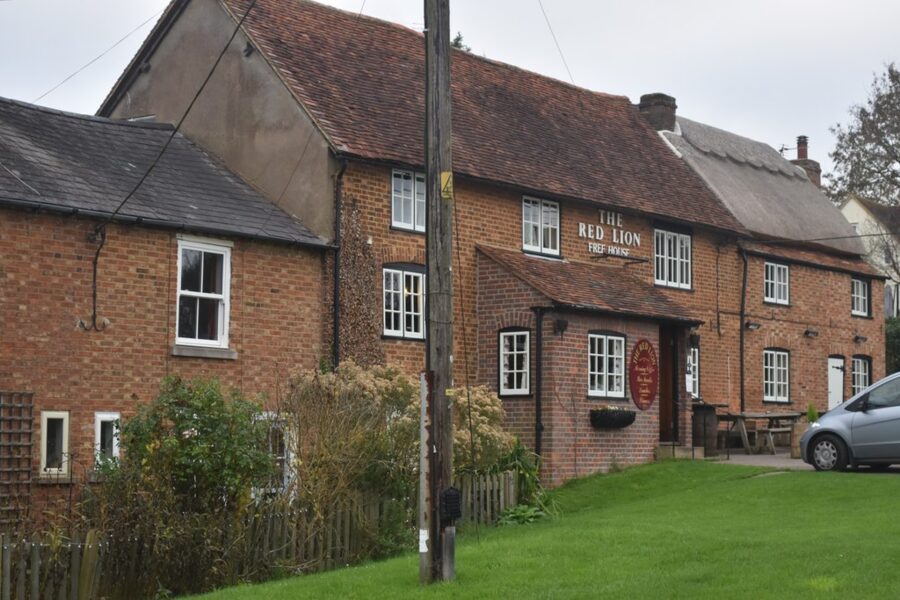
The Red Lion, Marsworth
Ten minutes up the lane, the Red Lion on Vicarage Road is a genuine seventeenth-century village pub and the better of the two for beer. A central bar serves an upstairs lounge, a snug and a public bar with an open coal fire, darts and shove-ha’penny, with five or more beers on and generous home cooking. It opens at noon Tuesday to Sunday, but only 16:00–20:00 on Monday.

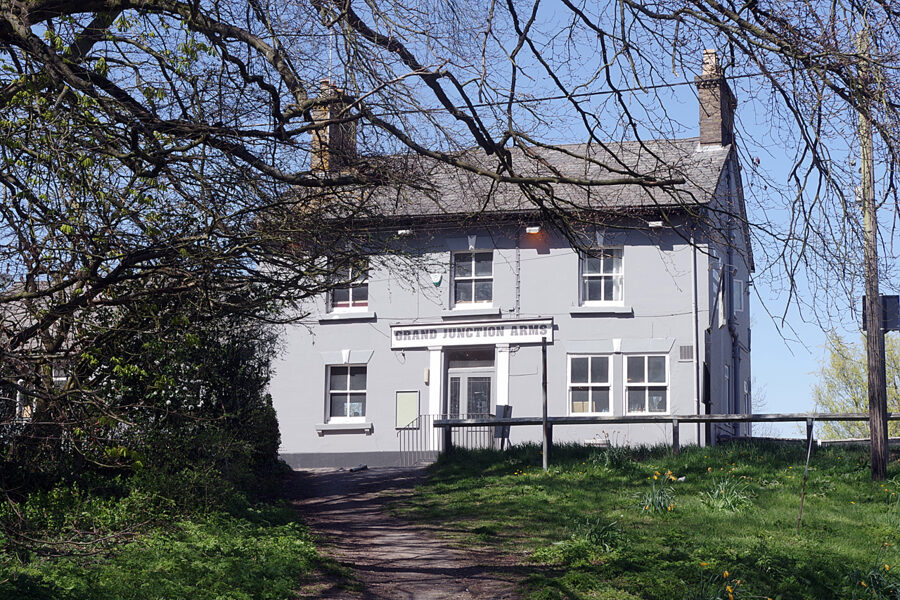
Just over the Hertfordshire line, the Grand Junction Arms at Bulbourne has a big garden beside the canal and food until 21:00. North of Marsworth, the Rose & Crown in Ivinghoe, below the Beacon, has an open fire, slate floors and Chiltern and Tring beers.

North Bucks: Gawcott, Adstock, Stony Stratford and Olney
The north of the county is the quiet end: the villages are stone and thatch and the pubs are rarely crowded. Stony Stratford and Olney now sit inside the borough of Milton Keynes, but they are still Buckinghamshire.
Gawcott: the Crown, and the Cuckoo’s Nest that was
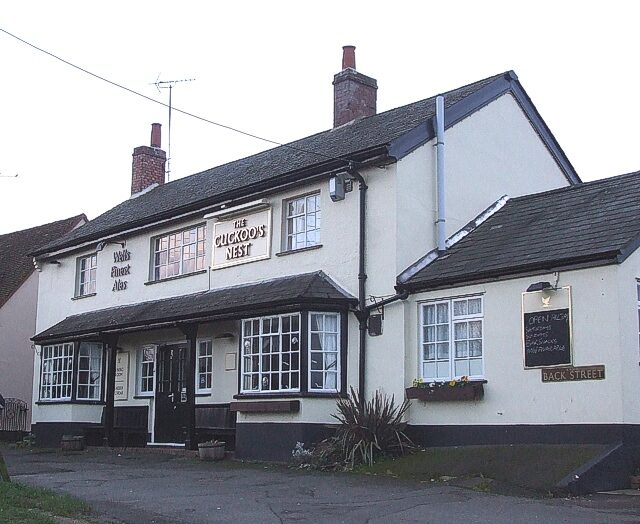

Gawcott, a mile and a half south-west of Buckingham, once had five pubs, and four are now houses. One is the Cuckoo’s Nest on Back Street, which opened as the Chequers in 1742, became the New Inn and then the Cuckoo’s Nest, and closed as a Charles Wells house in 2012. For a pint in the village, go to the Crown.
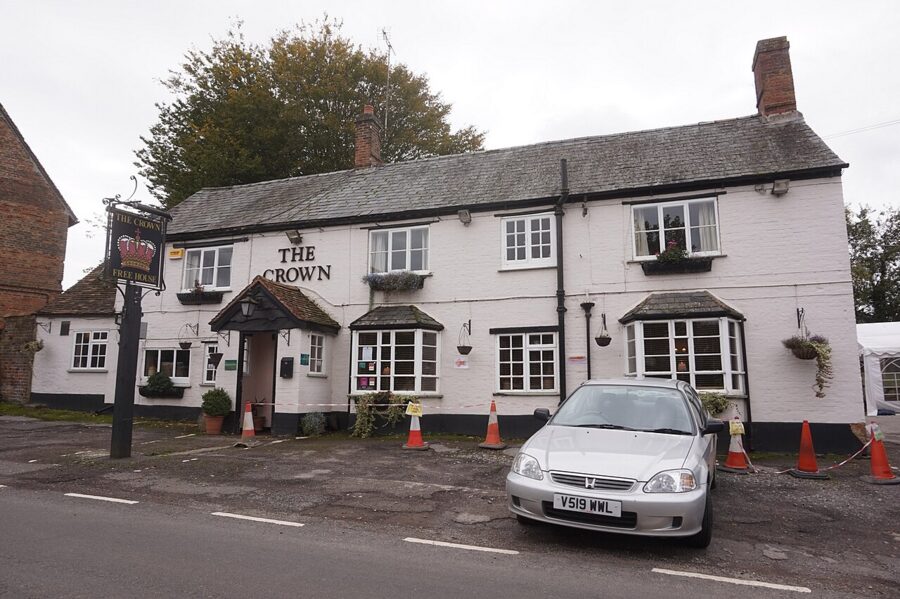
The Crown on Hillesden Road is the survivor. A Crown was trading in Gawcott by 1737; that building became a house in 1805 and the pub moved the same year to its present beamed premises, with two bars and two fires. It serves food every day, a Sunday carvery and takeaway, and is a village pub in the plainest and best sense.

Adstock and Chackmore
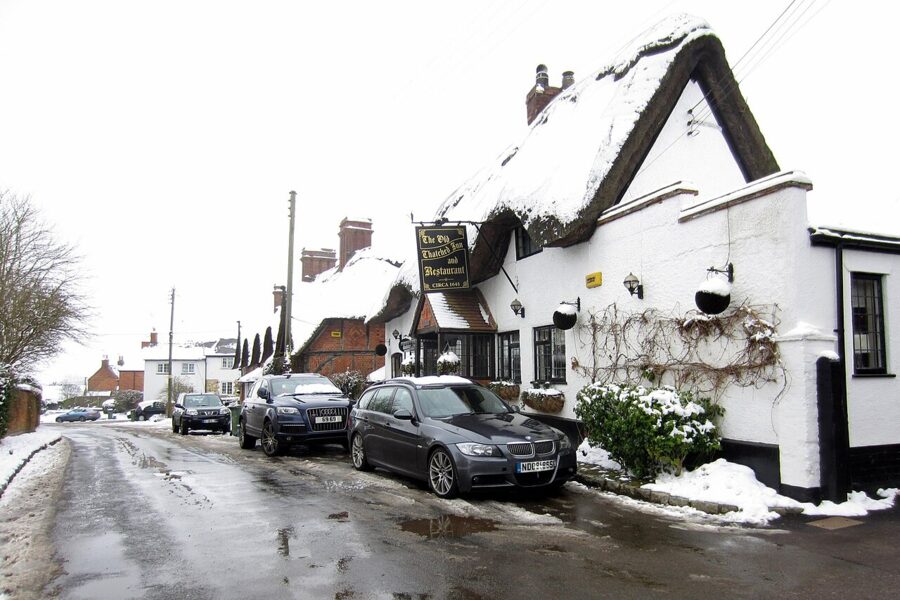

The Old Thatched Inn at Adstock is a good dining pub in a four-hundred-year-old thatched building, with Landlord and changing guests and a few seats for drinkers; it is closed on Mondays and Tuesdays. Up by Stowe, the Queens Head at Chackmore reopened in 2023 after nearly five years shut and a complete rebuild, with stone flags, a wood-burner, Landlord or Boltmaker and a card-only till. It is the pub for after a walk round the Stowe gardens.
Stony Stratford and the cock-and-bull story
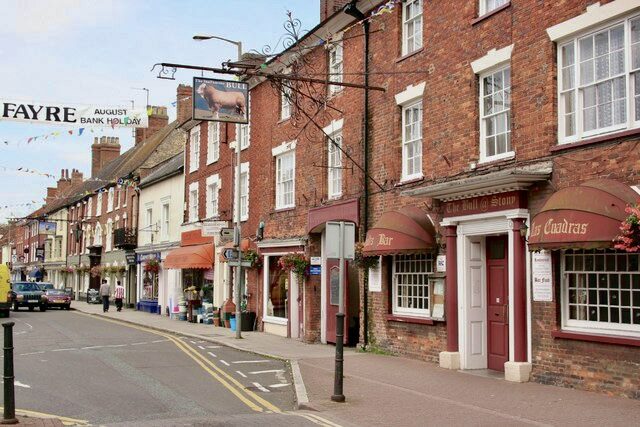

Stony Stratford’s High Street, once Watling Street, has two old inns a few doors apart, the Cock and the Bull, and the town will tell you that travellers’ gossip passed between them gave English “a cock and bull story”. Like many stories about pub names, it does not survive the dates: the phrase is in print by 1608, in a play by John Day. Drink in the Cock Hotel anyway, a fifteenth-century coaching inn with a courtyard garden and food all day.
Olney
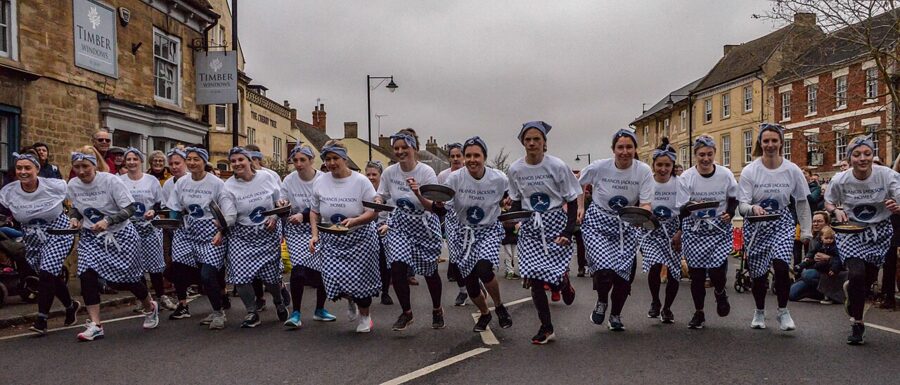
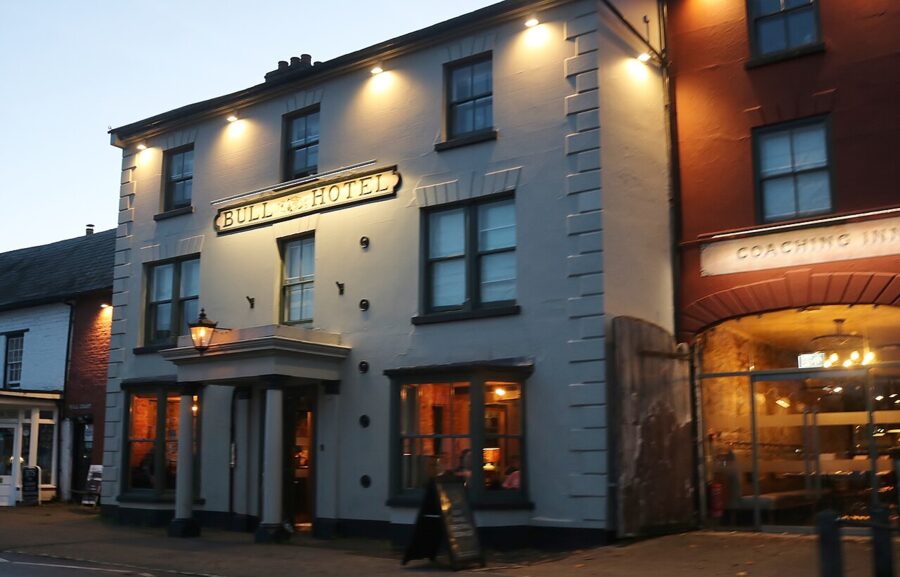
Olney, right up against Northamptonshire, is the town of the Shrove Tuesday pancake race. The Bull Hotel on the Market Place is a seventeenth-century coaching inn refurbished in 2018, with a stone-flagged servery, a small old bar, a patio garden and thirteen bedrooms.

Four days out, with a station at each end
Buckinghamshire is a county for walking between pubs. The paths in the Chilterns are muddy between October and April, so wear boots and expect to take them off at the door.
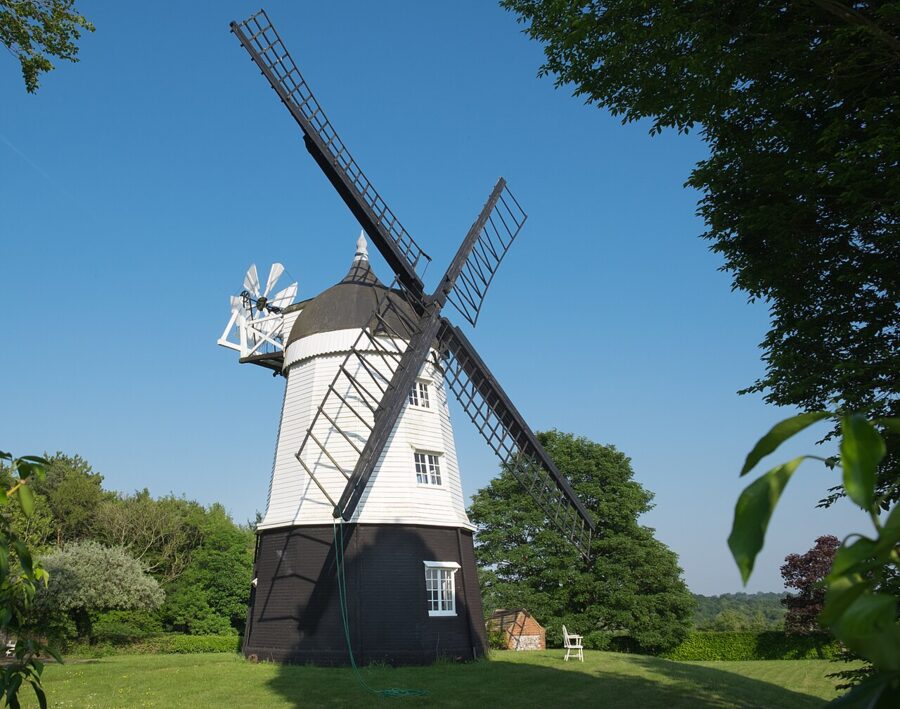
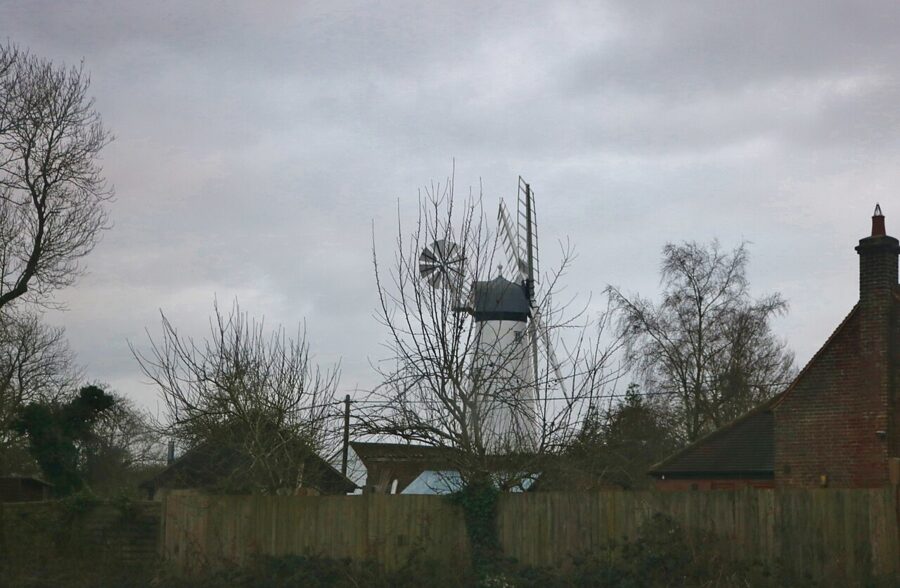
The Hambleden valley, about four miles. Start at Turville under the windmill, walk to Fingest for lunch at the Chequers before 17:00, then down the lane through Skirmett to the Stag and Huntsman. Henley-on-Thames station is three miles from Hambleden, so book a taxi or stay the night.
The Chess valley, about five miles. Start at the Mad Squirrel tap by Chesham station (not on a Monday), follow the Chess Valley Walk past Latimer, and stop at the Red Lion in Chenies. Chalfont & Latimer station is a mile and a half on.
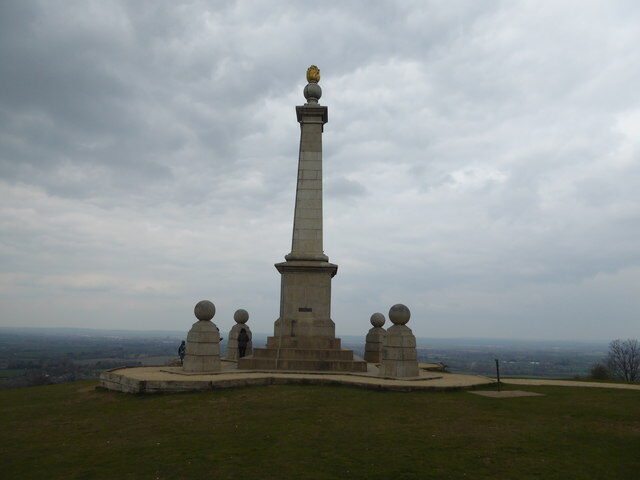

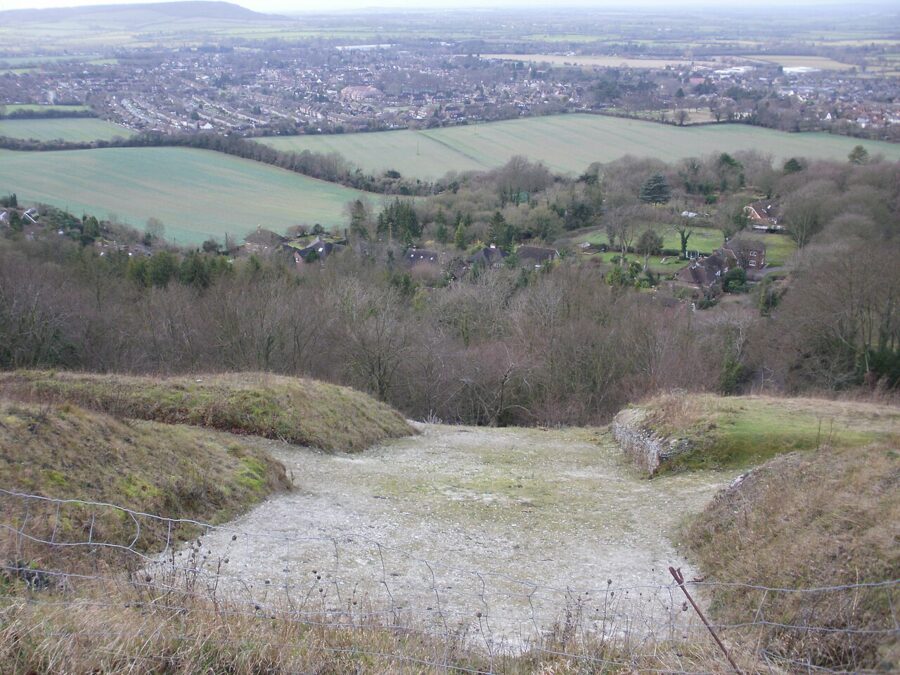
The Ridgeway, about six miles. From Wendover station, climb Coombe Hill, drop to the Russell Arms at Butlers Cross for lunch, then follow the scarp past Chequers to the Red Lion at Whiteleaf; Monks Risborough station is fifteen minutes downhill. Do it Friday to Sunday, when both pubs keep full hours.

The canal, about three miles. From Tring station, on the line out of Euston, take the Grand Union towpath north past the Grand Junction Arms to the Anglers Retreat, and finish at the Red Lion in Marsworth. It is flat all the way.
Practical notes
Hours and food. Monday is the dead day in the country, and several pubs close in the afternoon midweek. Kitchens stop early: 17:00 at the Chequers at Fingest and the George and Dragon at West Wycombe, 18:00 at the Five Arrows, and mid-afternoon on Sundays almost everywhere. Book for a Sunday roast anywhere in the Chilterns.
Rooms. The Stag and Huntsman, the Crown at Little Missenden, the Pheasant at Brill, the Red Lion at Whiteleaf, the Kings Arms in Amersham, the Bull at Olney, the Anglers Retreat and the Royal Standard all let rooms. A night in the Hambleden valley is the best way to see it without a car.
Dogs and children. Most Chiltern pubs take dogs. The exceptions are partial: the White Horse at Hedgerley keeps dogs and children out of the saloon, the Russell Arms keeps dogs out of the restaurant, and the Crown at Little Missenden has children in the garden only.
Parking and trains. The lanes are narrow and the car parks small, so arrive before 12:30 at weekends or take the train. The Chiltern line from Marylebone serves Beaconsfield, High Wycombe, Haddenham & Thame Parkway, Princes Risborough and Aylesbury; the Metropolitan line reaches Amersham and Chesham; trains from Euston stop at Tring.
If you have one afternoon, take the train to High Wycombe and the 40 bus to West Wycombe, walk the village, and be at the door of the Swan at 18:00. Ask what is on gravity and sit in the saloon.