
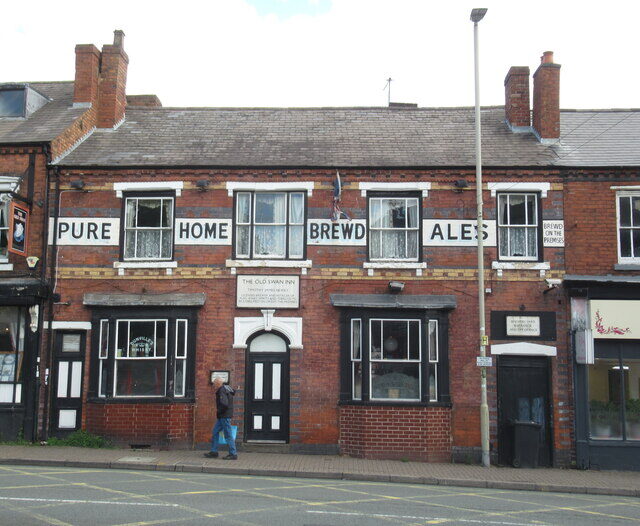
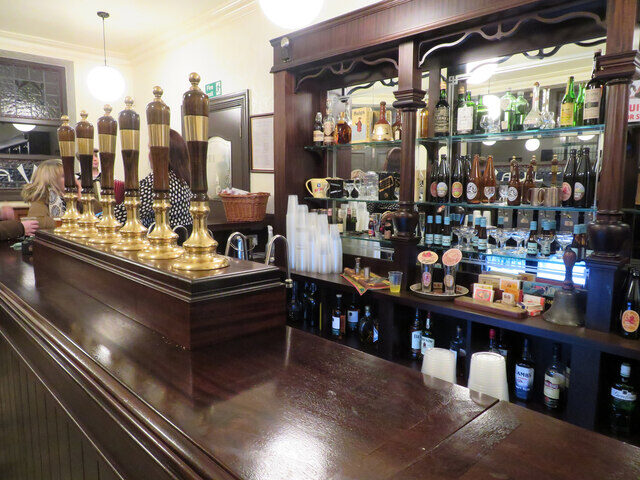
The best ceiling in any English pub is made of enamel panels, has a swan painted in the middle of it, and hangs over a front bar on Halesowen Road in Netherton. Look up as you order. Then look at the red-painted shelves, the cast-iron stove with its flue running the width of the room, and the old weighing machine in the corner.
That bar belongs to the Old Swan, which nobody in the Black Country calls the Old Swan. Ask for Ma Pardoe’s.
Tim Newey has run it for 26 years and planned to retire early in 2027, and Star Pubs, which owns it, announced on 11 November 2026 a £375,000 refurbishment once a new tenant signs. The swan is promised to stay. Nobody has said what happens to the brewery in the yard.
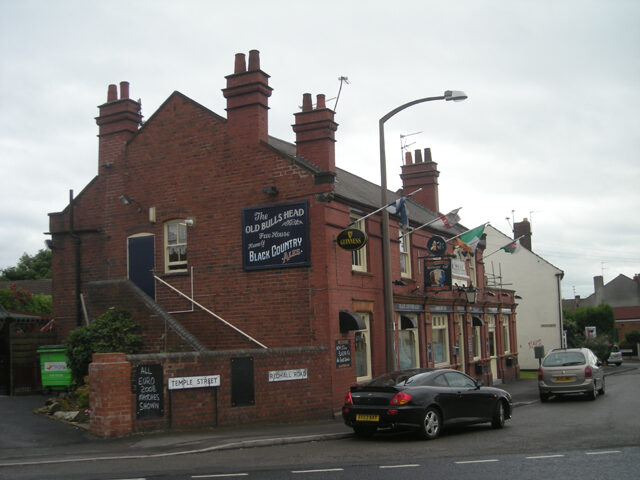
So the first piece of advice here is simple: go before the refit. The second is to stay a few days, because Ma Pardoe’s is only the most famous of a cluster of pubs where the beer is brewed out the back or a few streets away. Batham’s brews behind the Vine at Brierley Hill, Holden’s behind the Park Inn at Woodsetton, Sarah Hughes behind the Beacon Hotel at Sedgley, and Black Country Ales behind the Old Bull’s Head at Lower Gornal.
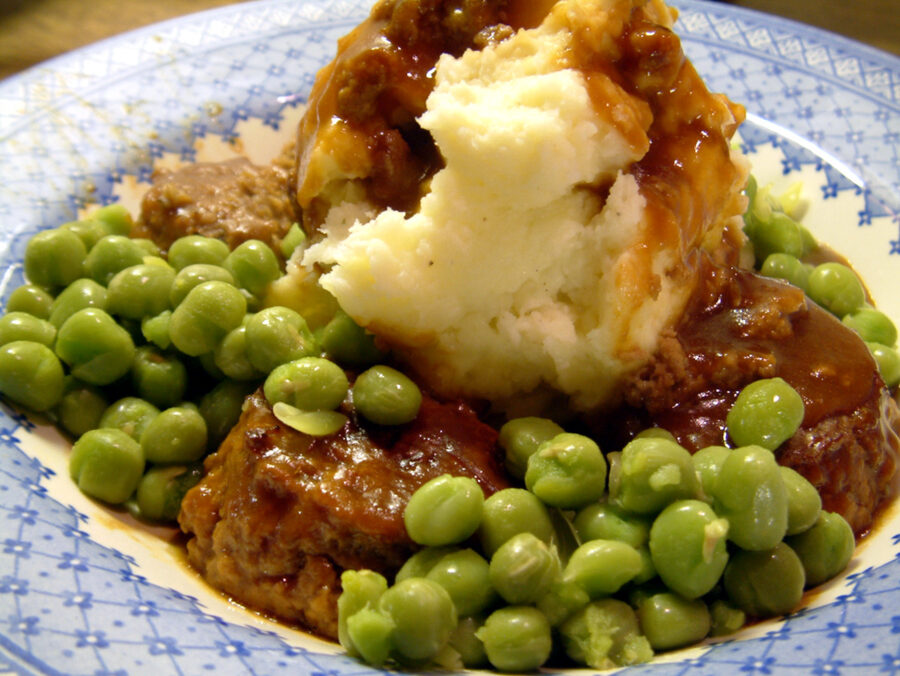
The Black Country is the old coal, iron and chain-making country west of Birmingham: Dudley, Sandwell, Walsall and Wolverhampton by today’s boroughs, Tipton, Netherton, Sedgley, the Gornals and Brierley Hill by the names people actually use. Its pubs are mostly small, many-roomed and unbothered by fashion. Food means a cob (a crusty bread roll, filled), a pork pie or a plate of faggots, and the beer that built the place was mild.

The towns run into each other, and most of the good pubs are a short bus ride apart: Netherton, Brierley Hill, Sedgley and the Gornals, Woodsetton and Tipton, with Dudley in the middle and the canals threading through all of them. Getting round without a car takes a little planning, because the tram line to Dudley was still not open in late 2026.
On this page
Black Country beer in brief
The brew pubs that never stopped
When the Campaign for Real Ale was formed in 1971, only four pubs were still brewing their own beer on the premises as they always had. One was the Old Swan in Netherton. The others were the All Nations at Madeley in Shropshire, the Blue Anchor at Helston in Cornwall and the Three Tuns at Bishop’s Castle. That one of the four stood in the Black Country was no accident.
Home-brewing publicans were everywhere here in the nineteenth century. A furnace worker or a nail maker came off a shift with a thirst measured in quarts, and the beerhouse on the corner brewed for exactly that trade. Most of those brewhouses died in the twentieth century as the big Midlands brewers bought up the pubs. The ones that lasted did so because a family kept brewing when it would have been easier to stop, and you can still drink the result.

Mild, and what happened to it
Mild is a lightly hopped, usually dark, usually modest-strength ale, brewed to be drunk by the pint and in quantity. It was the Black Country’s working drink for a century. Batham’s Mild Ale is 3.5%, Holden’s Black Country Mild 3.7%, and the Old Swan’s Original, a light mild, is 3.5%.
The strong ones are the surprise. Sarah Hughes Dark Ruby Mild at the Beacon is 6%, Black Country Ales’ Pig on the Wall is a 4.3% strong mild, and Ma Pardoe’s Dark Swan sits at 4.2%. Order a Dark Ruby by the pint at lunchtime and the afternoon will not go as planned.
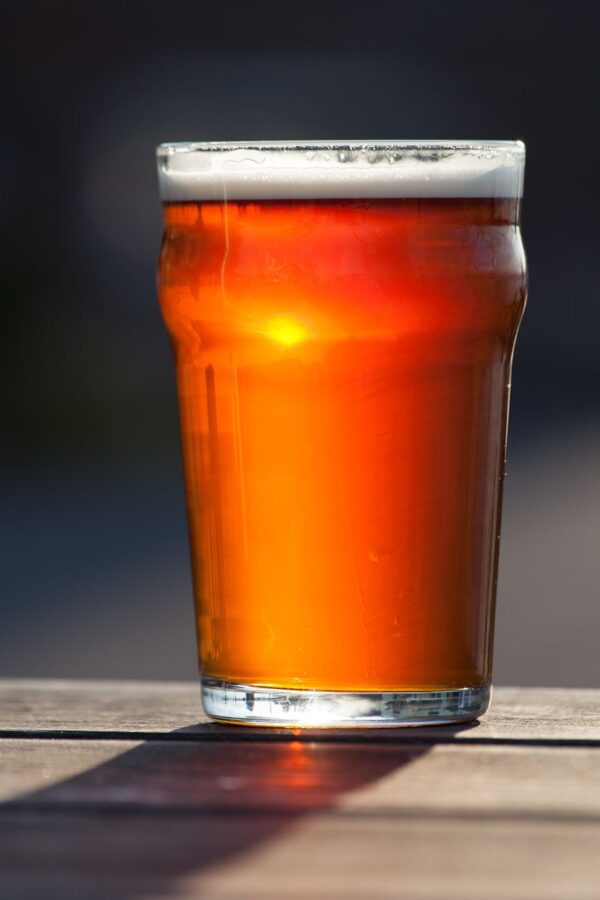
The region’s big mild brewer is gone. Banks’s stopped brewing in Wolverhampton in late summer 2025, roughly 150 years after it started, when its owner moved production elsewhere. The small brewers who are left are now the tradition rather than the footnote to it. If you want to know what makes cask beer different from keg, the guide to real ale covers it; here, the short version is that everything below is cask, served by handpump, and mostly brewed within a few miles of the bar.
Batham’s
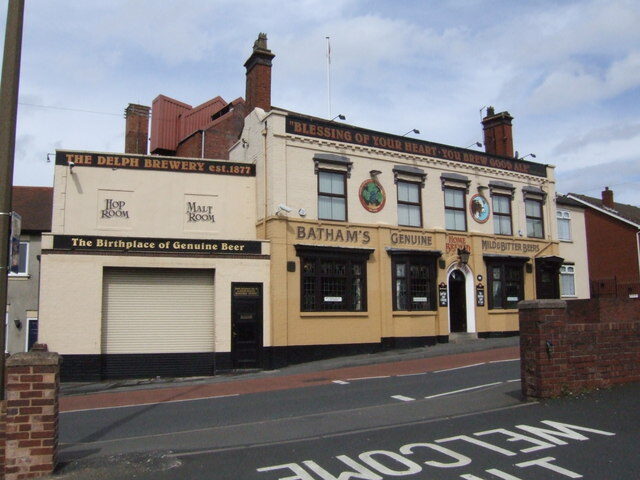
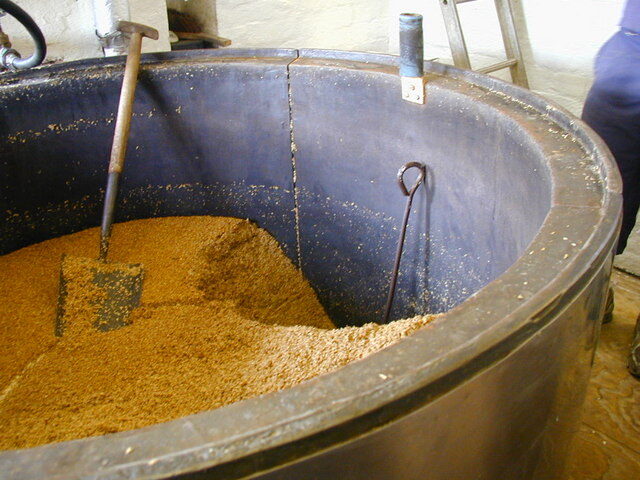
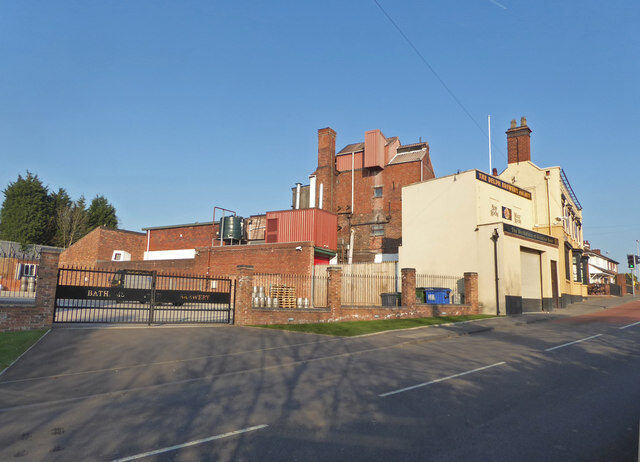
Daniel Batham started brewing in 1877, and in 1905 the family bought the Delph Brewery behind the Vine on Delph Road, Brierley Hill. It has brewed there ever since. The family still runs it, and it owns a short list of pubs, mostly within a few miles of the brewery.
The beers are few: Best Bitter at 4.3%, a pale, sweetish, dangerously easy bitter, and Mild Ale at 3.5%. In November and December a strong winter ale called XXX turns up in some of the houses. Batham’s pubs in this guide are the Vine, the Lamp Tavern in Dudley and the Britannia in Upper Gornal, and you will find Batham’s Best on the bar at the museum’s Elephant and Castle too.

Holden’s
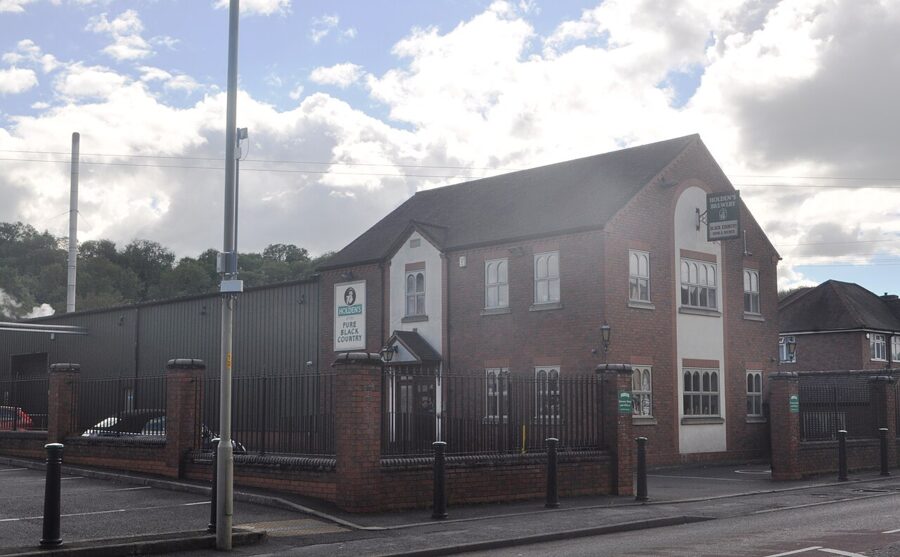
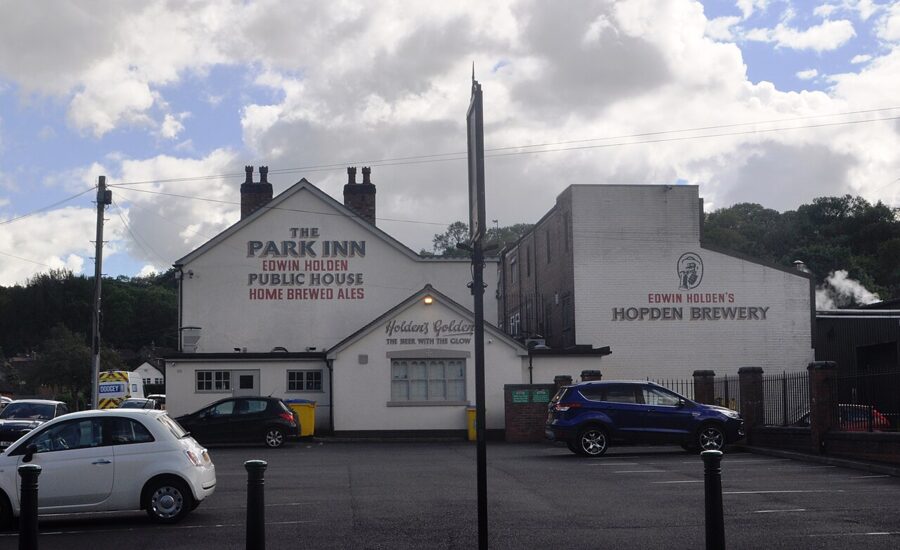
Edwin Holden bought the Park Inn on George Street, Woodsetton, from Atkinson’s Brewery on 13 August 1915 for £750. The brewery beside it, called the Hopden Brewery, marked 111 years there in 2026 and is run by the fourth generation of the family.
Golden Glow (4.4%) is the one most people know. Black Country Bitter (3.9%), Black Country Mild (3.7%) and Special (5.1%) are the others you will see most often. For winter 2026 Holden’s revived Noddy Holden’s, a 4.2% golden bitter first brewed in 2015 for the Slade singer Noddy Holder.
Sarah Hughes
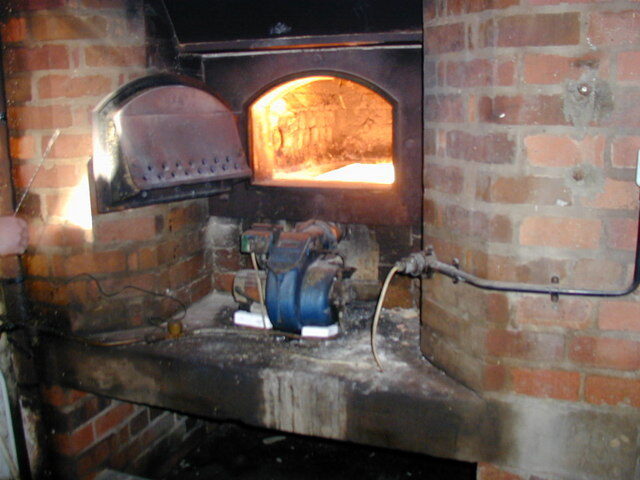
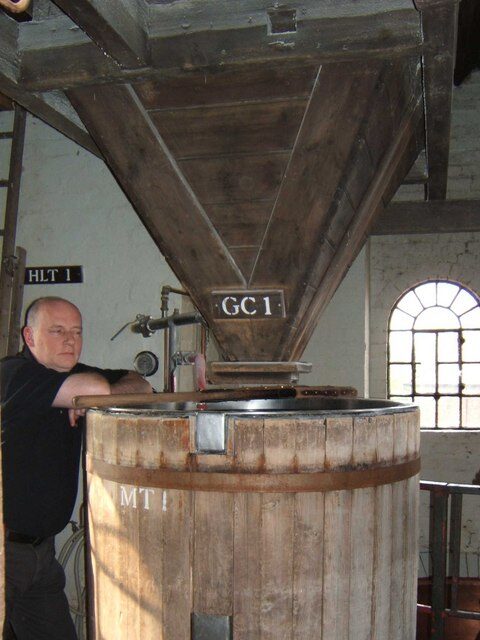
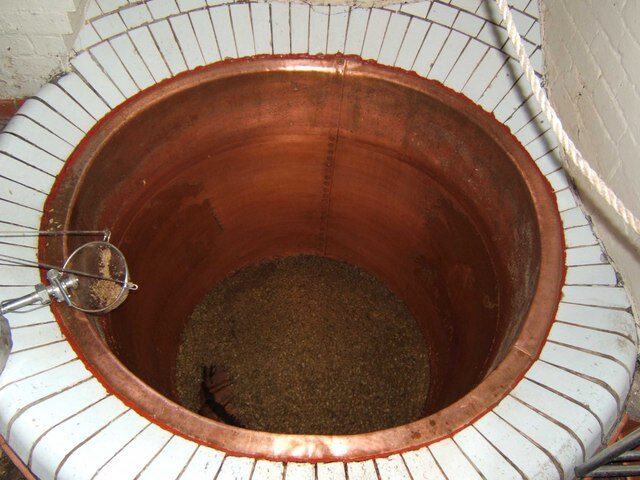
Sarah Hughes bought the Beacon Hotel at Sedgley at auction in 1921 (one CAMRA account says 1920) and brewed a strong dark mild in the tower brewery behind it until her death in 1951. The brewery then sat idle for over thirty years. Her grandson John Hughes restored it and started brewing again in 1987, using her recipe.
That beer is Dark Ruby Mild, the colour of a good claret and a good deal stronger than most people expect a mild to be. The other regulars are Pale Amber (4%) and Sedgley Surprise (5%). In November 2026 a new 8% Imperial Ruby was launched at the Dudley Winter Ales Fayre.

Black Country Ales
The newcomer is a rescue story. When Black Country Ales bought the Old Bull’s Head at Lower Gornal in 1999, the estate agents described a boarded-up brick building at the back as an outhouse. Inside were three wooden fermenting vessels and the remains of a brewery that Edward Guest had started around 1834 and the Bradley family had run from 1870 until it was mothballed after the Second World War.
Brewing restarted in 2004. Bradley’s Finest Golden (4.2%), known as BFG, is named for that old family, and Pig on the Wall and Fireside (5%) are the other regulars. The company now runs about fifty pubs across the West Midlands and beyond, and asks the same of each: real ale, a real fire, a local pie, scotch eggs and cobs. The one to visit for the brewery is the Old Bull’s Head itself.
Netherton: Ma Pardoe’s
The Old Swan has held a licence since 1835. The present pub and its brewery were built in 1863, and it is listed at Grade II. Doris Pardoe took over from her husband in the early 1950s and ran it until her death in 1984, which is why the place has her name and always will.
Brewing stopped in 1988. The pub then stood shut for nine months before Tim Newey took the tenancy, and brewing started again in 2001. He had pulled his first pint here at 18. In 2022 he warned it might not survive the winter; it did, and now it faces a different kind of change.
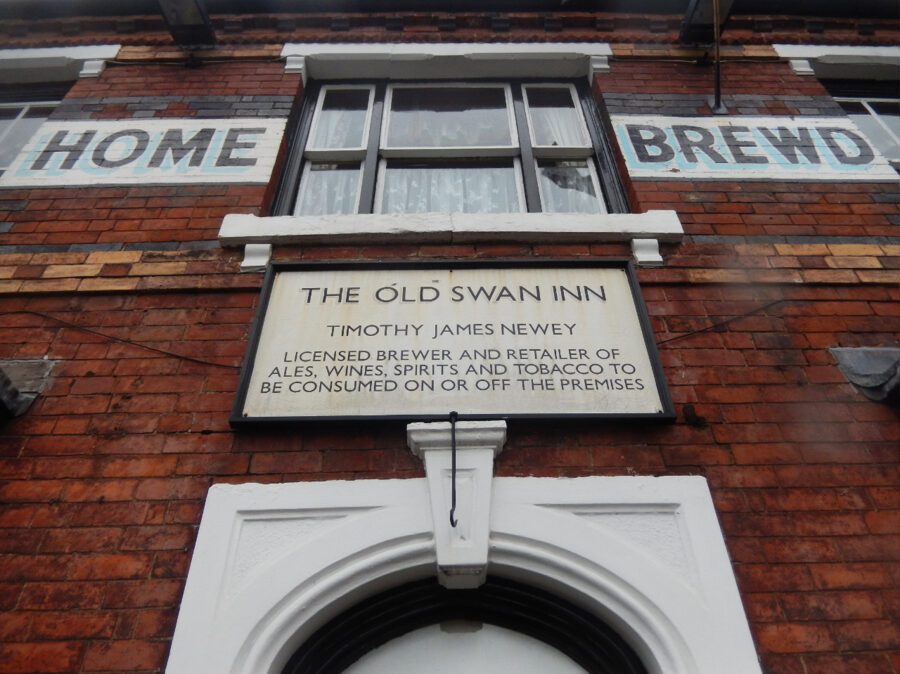

The rooms
The front bar is the reason to come. CAMRA’s National Inventory of Historic Pub Interiors gives the Old Swan three stars, its top rating, and calls this servery one of the most distinctive public bars in the UK. The enamel ceiling may be unique. The six-bay Victorian bar back has an etched mirror reading “The Old Swan”, the counter is original apart from a new top, and the seating round the walls is old and fixed.
The bright red paint is probably not original, and I would not change it for the world. Through the right-hand door is a tiny off-sales lobby with a single bench, where you can drink in near silence. Behind that is the smoke room, with an etched glass door panel, a Victorian tiled fireplace and a hatch through to the back of the bar.
In the 1980s the pub took over the shop next door as a lounge, which is where the food is served, and it did so without touching the old rooms. CAMRA calls that a model of how to keep a traditional pub viable without wrecking it. The upstairs restaurant opens only now and then.
The beer and the practical bits
Five house beers are regulars: Original, the 3.5% light mild; Dark Swan, a 4.2% strong mild; Entire, a 4.4% bitter; Netherton Pale Ale at 4.8%; and Bumble Hole Bitter at 5.2%, which shares its name with the canal-side nature reserve a short walk east. Start with the Original in the front bar and work up from there.
The pub opens at noon every day and closes at 22:30, or 23:00 on Fridays and Saturdays. Food runs 12:00–14:00 and 17:30–20:00 from Monday to Thursday (until 14:30 on Mondays), all day until 21:00 on Fridays and Saturdays, and until 20:00 on Sundays. Dogs are welcome, there is a yard at the back, and level access is from the rear car park.
What Star’s refurbishment will bring is set out in the tenancy pitch: a broader range beyond its own cask beer, live sport, live music and appeal beyond what it calls a “wet-led, mature customer base”. That may keep the pub alive. It may also make it like a hundred others. The fair thing to say now is that the old rooms are listed, the swan is promised, and the brewery’s future is unknown.
Brierley Hill and the Delph
The Vine (Bull and Bladder)
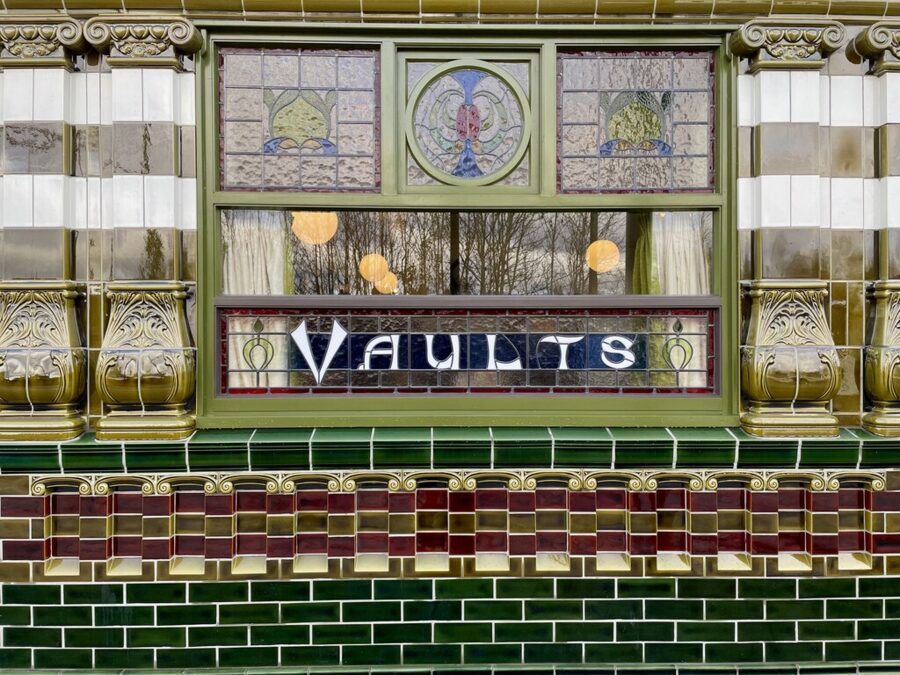
The Vine was rebuilt in 1912 because the ground under it was sinking, a common problem in a district riddled with old mine workings. What went up is a four-room Edwardian brewery tap, attached to Batham’s, with a painted frontage carrying the Shakespeare line about brewing good ale.
Go in by the front door and turn right. The small front bar is splendidly unaltered: Edwardian counter, bar back, fixed seating and a terrazzo floor. The front-left room was extended into the old brewery offices in 1994 but kept its bench seating, and its leaded windows still read “Daniel Batham & Son Limited Licensed Brewers”. CAMRA rates the interior two stars on its National Inventory, though the building itself is not listed.
The local CAMRA branch named it pub of the year, and the reason is simple: Batham’s Best and Mild in perfect condition, a few feet from where they were brewed. Lunches run 12:00–14:00 on weekdays only, with Black Country dishes such as faggots and home-made pies, and rolls and pork pies at all hours. It opens noon to 23:00 (22:30 on Sundays). Dogs are fine everywhere except the front lounge.


The Delph Locks and the Bell
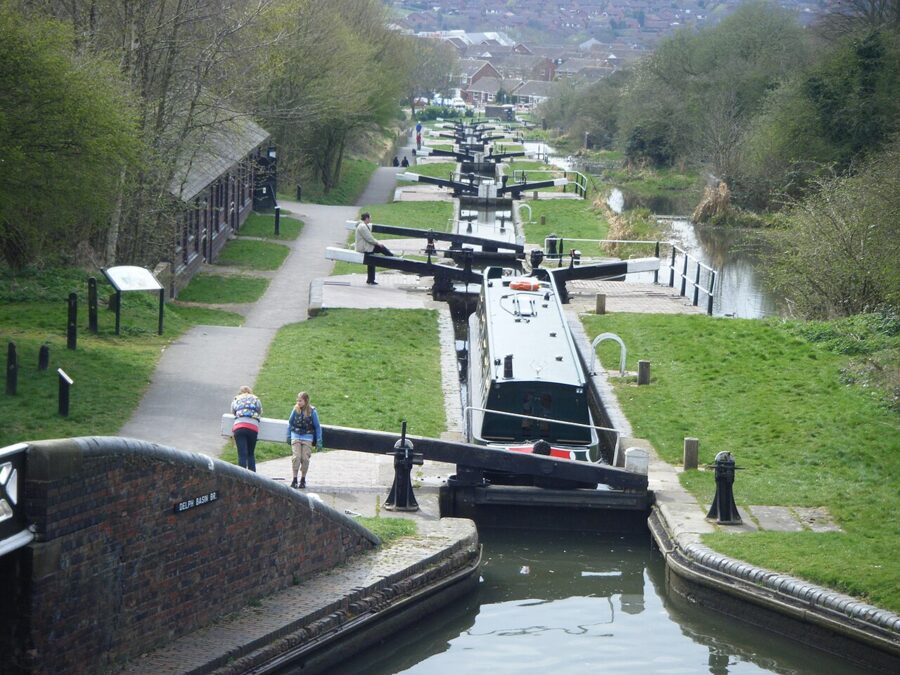
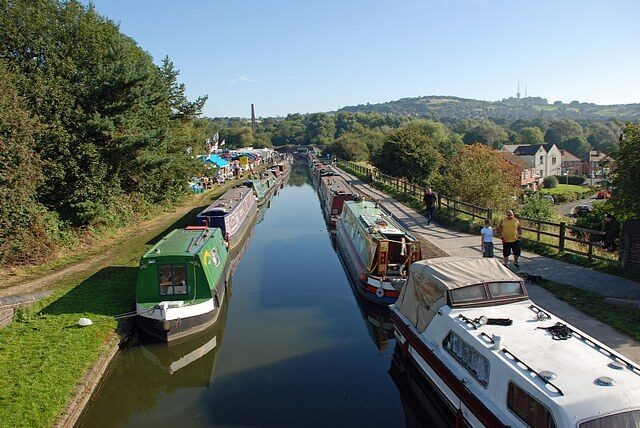
A few minutes’ walk from the Vine, the Dudley No 1 Canal drops down the Delph Locks towards the Stourbridge Canal. Locals call them the Nine Locks, although there have been eight since the middle of the flight was rebuilt in the 1850s; the original nine opened in 1779. They are listed at Grade II, and on a dry day the towpath walk down the flight is the best way to work up to a second pint.

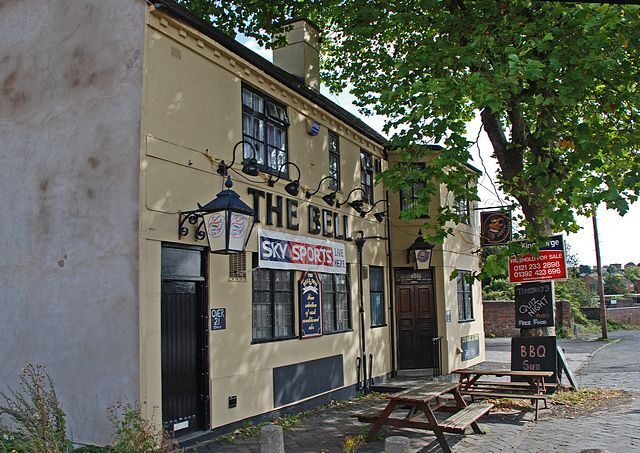
Further along Delph Road, near the bottom of the flight, is the Bell, a one-room independent pub that reopened under a new owner in July 2024. It has two open fires, a big garden at the side and back, cobs, darts and dominoes, and a changing range of real ales, with Holden’s Golden Glow often among them. It is a friendly, plain local, and that is a compliment.

The Waterfront at Merry Hill
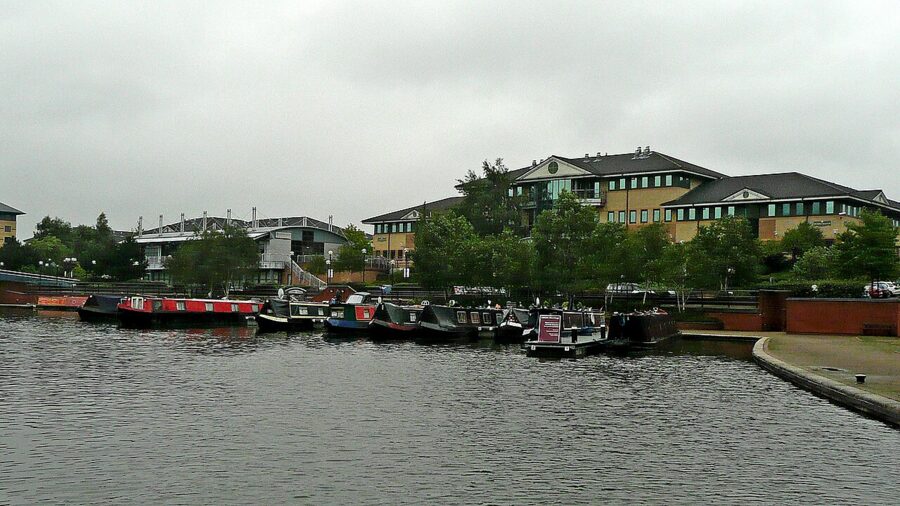
If you want a drink beside the water rather than near it, the Waterfront Inn is a small one-room Wetherspoon overlooking the Dudley No 1 Canal mooring basin at the Waterfront, next to the Merry Hill shopping centre. It has a sunny patio and the standard menu all day. It is a canal pint, not a Black Country pub in the sense the rest of this guide means, but the boats are real.

Sedgley and the Gornals
The Beacon Hotel
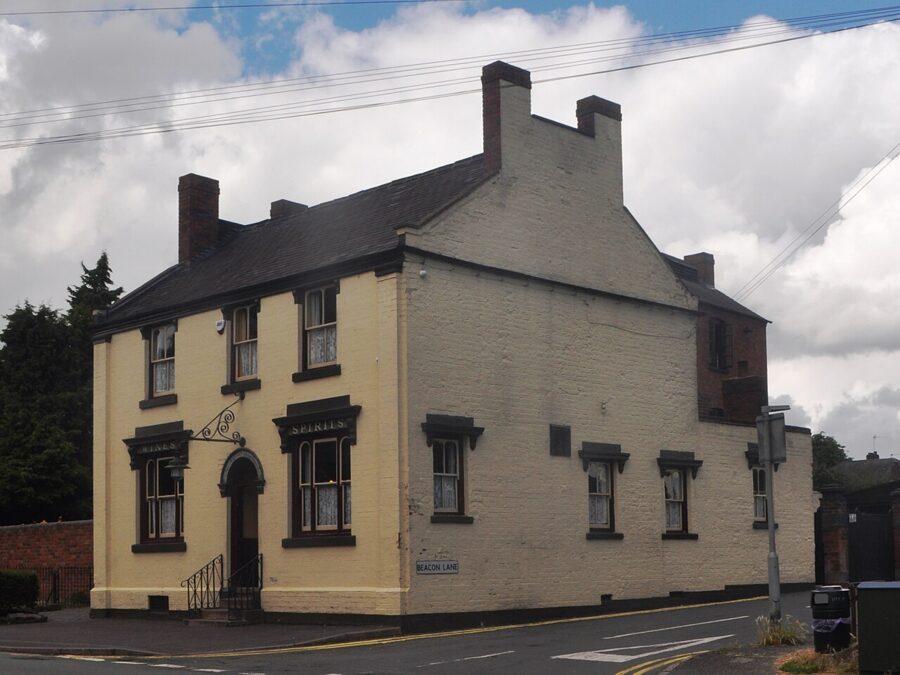
If I had one evening in the Black Country, I would spend it here. The Beacon is a mid-Victorian pub on Bilston Street, about five minutes’ walk from Sedgley’s High Street, with a working tower brewery behind it. It was listed at Grade II in 2010 after CAMRA applied, and the National Inventory gives it three stars.
The layout is the thing. The beer is served from a small glazed-in cubicle between the front snug and the smoke room, with hatches into each and into the corridor. Every hatch is low, so you bend down to order, under a Victorian service bell. CAMRA knows of no exact parallel anywhere.
The snug at the front left has a 1920s fireplace and a piano tucked between its fixed seats. The tap room on the right has bare benches on a tongue-and-groove dado that may be original 1860s work. The big smoke room at the back is boarded floor to ceiling, panelling that was hidden and only revealed during work in 1987.
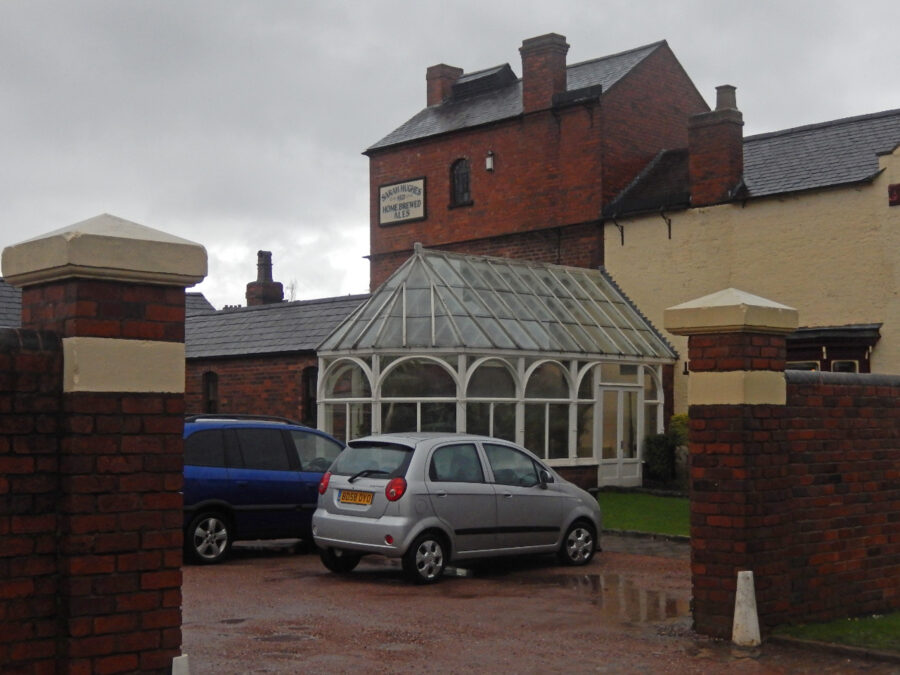

In September 2026 the Beacon was runner-up in CAMRA’s first Heritage Pub Revival Award. The judges praised the new conservatory, which replaced one from the early 1990s, and the conversion of a staff sitting room into extra space for drinkers. A new cask store and workshop are going up at the back in the same style, and the owner, Simon Massey, has plans for a garden room.
Three Sarah Hughes beers are usually on, plus guests. Food is cobs. Hours are split on weekdays: 12:00–14:30 and 17:30–23:00 Monday to Thursday, with a slightly longer afternoon on Fridays and Saturdays and all day on Sundays (12:00–22:30). Families have a rear room with a play area, and the brewery can be toured by prior arrangement.

The rest of Sedgley
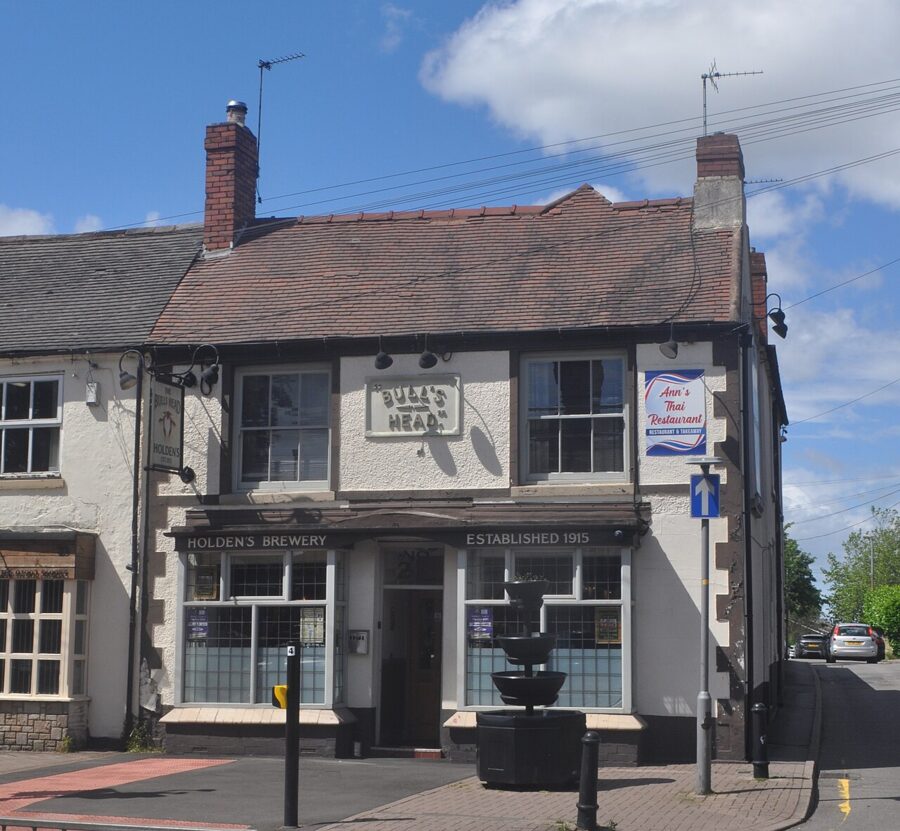
Sedgley rewards a slow crawl, and the local CAMRA branch counts five Good Beer Guide pubs in it. Start at the Beacon, then walk down Bilston Street to the Bull’s Head, a listed Holden’s house with Black Country Bitter, Golden Glow and Special. A Thai restaurant works out of the back, which makes it the only place in this guide where a Thai curry comes with a pint of Holden’s Special. Thursdays bring Irish music.
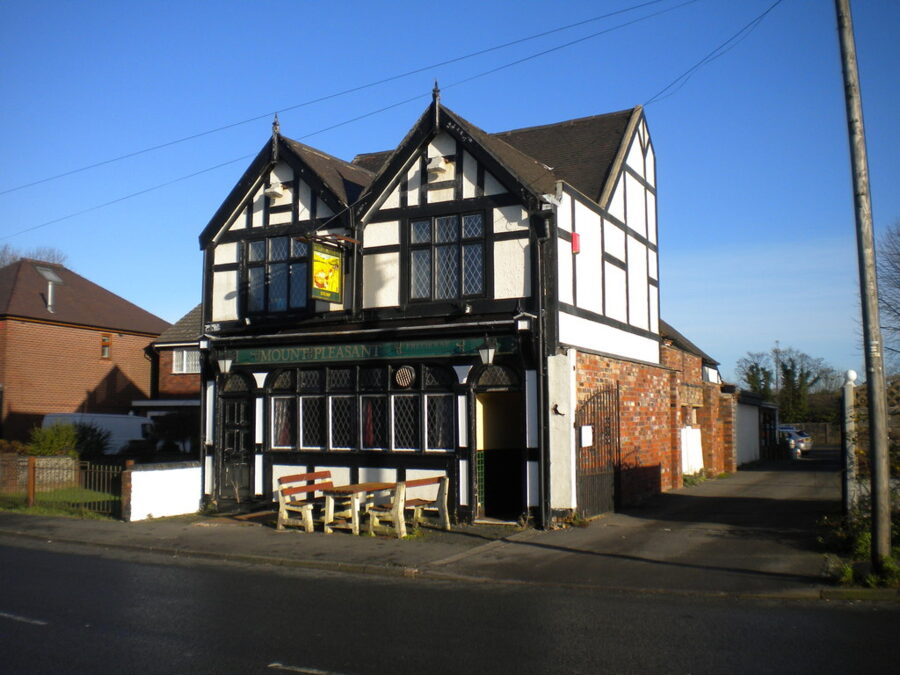
Up on the High Street, the Mount Pleasant is known to everyone as the Stump. It is a free house with a mock-Tudor front, up to ten beers, and an interior that goes back much further than seems possible: a front bar off a long corridor, then lounges on two levels, each with a coal stove. It is a quiet pub, and that is the point.

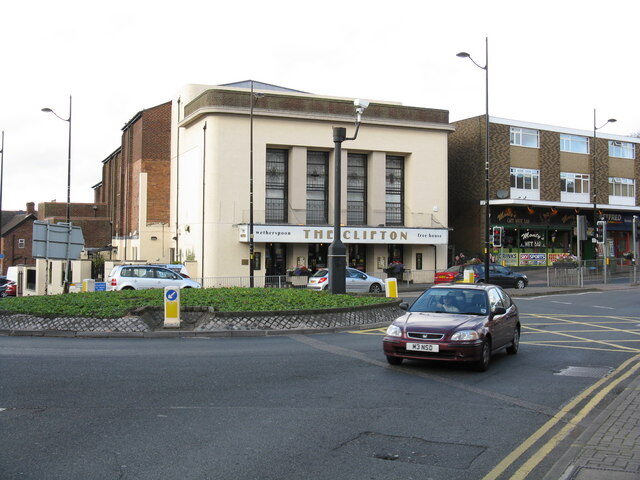
The Clifton, in the Bull Ring, is the local Wetherspoon in a building that opened as a cinema in 1937 and became a bingo hall in the 1970s. It is big, busy at weekends, and in the Good Beer Guide.

Upper Gornal: the Britannia (Sally’s)
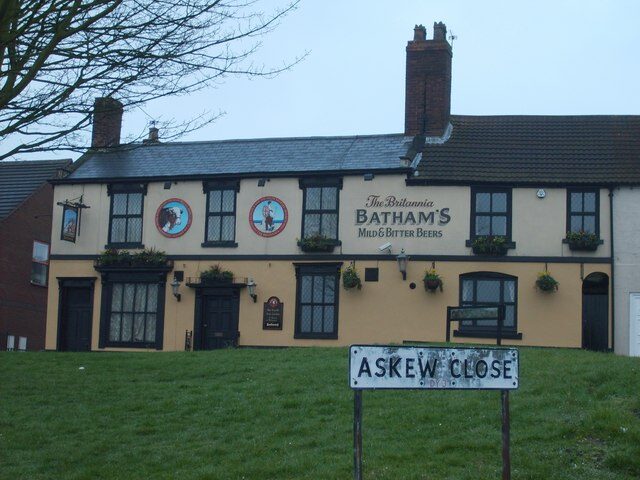
The Britannia on Kent Street was built around 1780 and became a beerhouse around 1832. Henry Perry bought it in 1864, ran a butcher’s shop at the front and a beerhouse at the back, and the Perry family brewed in the yard until 1959. The landlady from 1942 to 1991, known as Sallie, gave it the name people still use.
Batham’s bought it in 1997, and it is now one of the best places to drink their beer. The room to have is the tap room at the back left, probably fitted out in the 1920s, with imitation panelling and a bank of four handpumps set against the corridor wall.
There is no counter: the beer is pulled at the wall, an arrangement that is now very rare and still used on Saturday nights. CAMRA’s National Inventory gives the room two stars.

Lower Gornal: the Old Bull’s Head
Down the hill, the Old Bull’s Head on Redhall Road is the Black Country Ales brewery tap, with the Victorian brewhouse at the back. There are two rooms, a bar and a lounge joined by an arch, plus a patio that hosts occasional beer festivals. The pumps run to eleven, with BFG, Pig on the Wall and Fireside joined by guests and a couple of ciders.
Food is cobs, samosas and scotch eggs until they run out. It opens at noon every day, until 23:00 or midnight on Fridays and Saturdays. Children are welcome until 19:00, and live football is on the screens.

Woodsetton and Tipton
The Park Inn, Woodsetton
Holden’s own tap is a busy local rather than a museum piece: a bar with a chalkboard of up to three guest beers, sport on the screens, a raised dining area, a pool room and a conservatory. What makes it worth the trip is the beer, and on Mondays the cask club pours Holden’s beers at £3.25 a pint.
Weekday hours start late: 16:00–23:00 Monday to Thursday, 14:00–23:00 on Fridays, noon to midnight on Saturdays and noon to 23:00 on Sundays. Brewery tours run on the first Saturday of the month at 10:30 and 12:30, cost £19, take up to 12 adults, and end with a tasting back in the pub. Book ahead, and leave anyone under 16 at home for that one.
Mad O’Rourke’s Pie Factory, Tipton
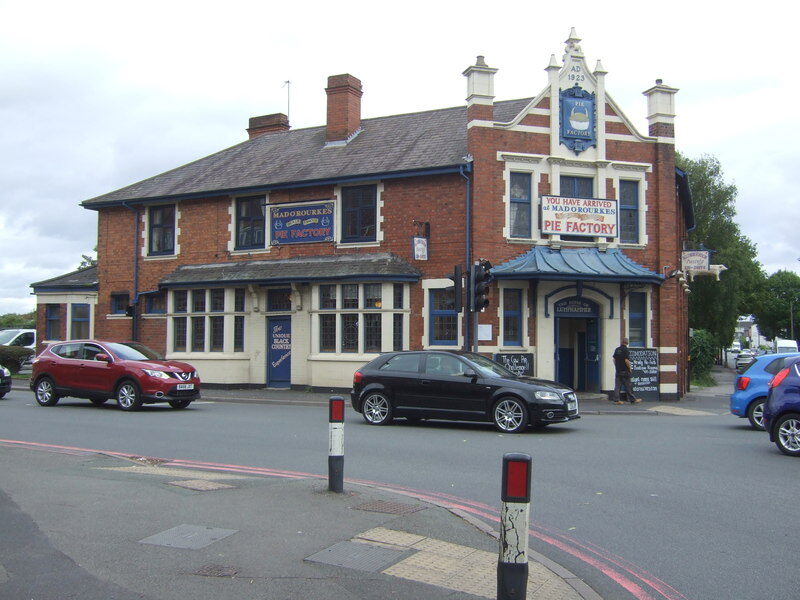
The Pie Factory on Hurst Lane is the Black Country’s great piece of pub theatre. There has been a pub on the site since at least the 1860s. The present building went up in 1923 as the Doughty Arms, and it became Mad O’Rourke’s Pie Factory in the late 1980s under Colm O’Rourke, with Pete Towler taking over not long after.
Inside it is eccentrically rustic, cluttered with odd objects and jokes, and the food is the draw: home-made pies to eat in or take away, a Sunday carvery and a kids’ menu. The house beers, Lumphammer Gold, Lumphammer Mild, Lumphammer Bitter and the stronger Sledgehammer, are brewed for the pub by Holden’s.
Towler put the business up for sale in March 2025, which caused a stir in Tipton. It is still trading, with CAMRA’s listing updated in August 2026, food from noon to 20:30 (19:30 on Sundays), rooms upstairs and live entertainment on Friday nights. It is about a kilometre from the Black Country Living Museum, which makes it the obvious lunch stop on a museum day.

The Rising Sun, Tipton
On Horseley Road, the Rising Sun is an imposing Victorian pub, a former CAMRA National Pub of the Year, reopened in 2013 after Black Country Ales refurbished it. There are two rooms, both warmed by open fires, and a large yard with patio heaters.
The beer list is the longest in this guide: the three Black Country Ales regulars, up to seven guests and as many as five ciders. Cobs are served, dogs are allowed in the bar, children until 19:00, and there is a beer festival in June. Dudley Port station is about 15 minutes’ walk.
The Tipton Slasher
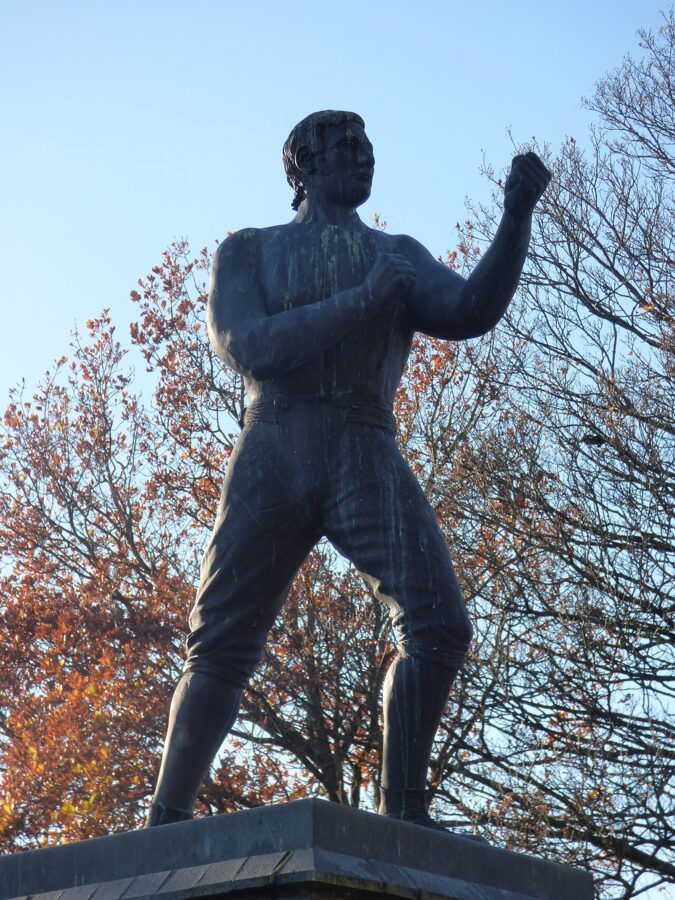
Tipton’s hero is William Perry, the Tipton Slasher, who became bare-knuckle champion of England in the mid-nineteenth century. Bill Haynes’s bronze of him, unveiled in 1993, stands in Coronation Gardens beside the Birmingham Canal’s Old Main Line at Owen Street. It is a good place to stand with a takeaway pie and look at the water.

Dudley town
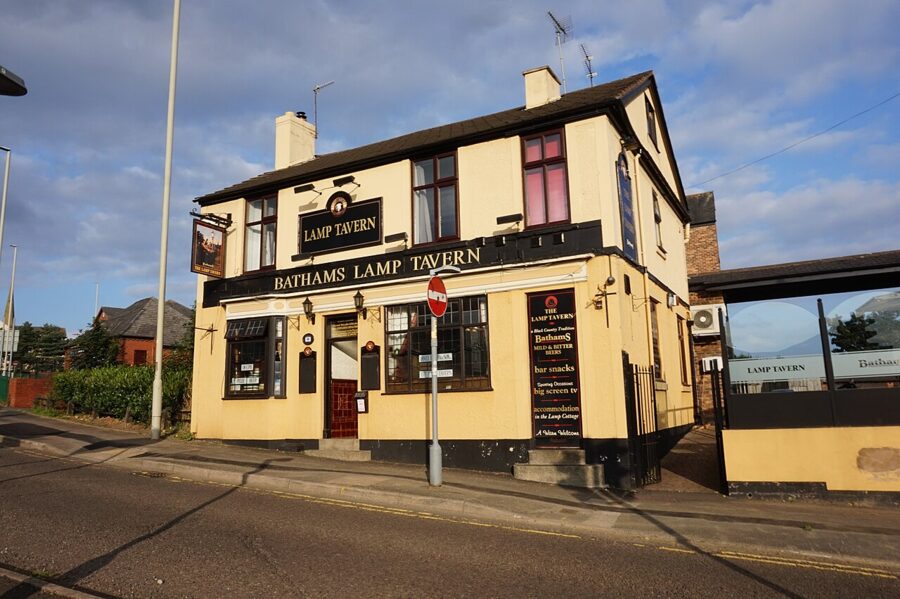
The Lamp Tavern
Dudley’s best pub sits at the southern end of the High Street. The Lamp is Batham’s: a big front bar with traditional games and a quieter back room. The old Queens Cross Brewery is now a function room used for music nights, and the outside drinking area looks south across the Black Country to the Clent Hills.
It opens noon to 23:00 every day, with cobs, rolls, scotch eggs, pies and sausage rolls. Batham’s XXX appears here in November and December. The current tenant, Don Hirst, marked a year in charge in August 2026 after a year of refurbishment inside and out.

The Old Priory and the oldest claim
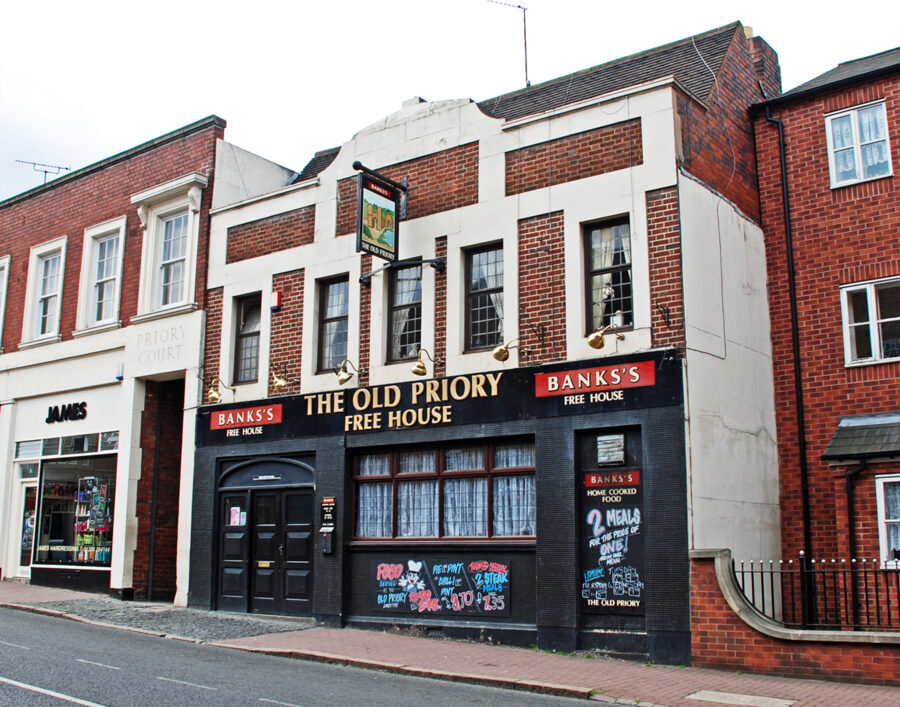
The Old Priory on New Street is a one-room town-centre pub that is thought to be the oldest surviving pub in Dudley. It began as an early-nineteenth-century home-brew house called the Nags Head, and records from 1881 already call it the Old Priory Inn. Like most “oldest” claims (there is a whole guide to the oldest pubs in England and how few of them hold up), this one is about survival rather than a date carved over the door.
When CAMRA last updated its entry, the pub said real ale was coming back soon, so ask before you count on a cask pint. Go for the room and the history; drink at the Lamp.

The Dudley Winter Ales Fayre
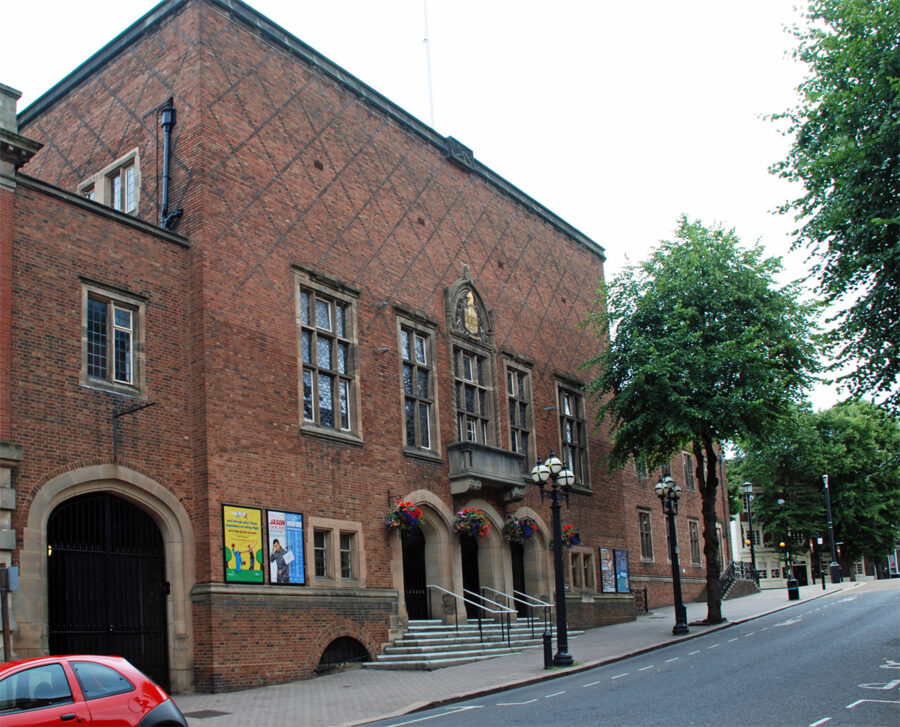
The Dudley and South Staffordshire branch of CAMRA holds its winter festival in Dudley Town Hall each November; the 2026 edition, on 26 to 28 November, was the 40th: the first, in 1986, was held at Netherton Arts Centre. Expect around 70 beers with a ruby theme, the launch of Sarah Hughes Imperial Ruby, and more people in flat caps than you will see outside the museum.

The canals and the Black Country Living Museum
The Black Country was built on its canals, and the best stretches are still walkable, boatable and close to a pint. The museum at Dudley sits right on one of them.
Bumble Hole and the Netherton Tunnel
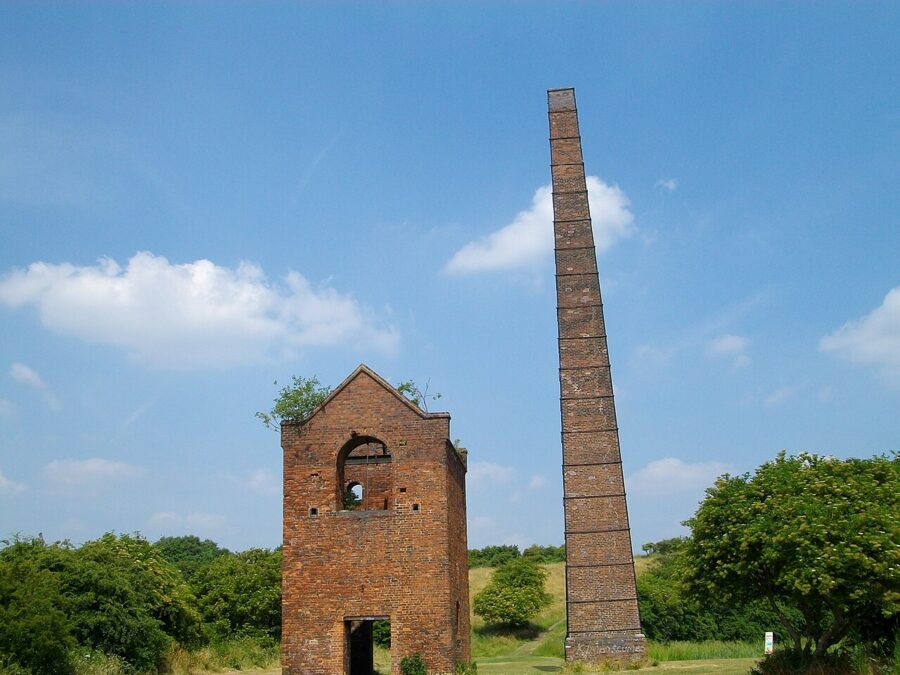
East of Ma Pardoe’s, at Windmill End, the Dudley No 2 Canal meets the south end of the Netherton Tunnel. The tunnel opened in August 1858 and runs about 1.7 miles under the hill, with a towpath along each side, which is why people walk it, torch in hand. Beside the portal stands Cobb’s Engine House, built in 1831 to pump water from the coal mines into the canal and now a scheduled monument.
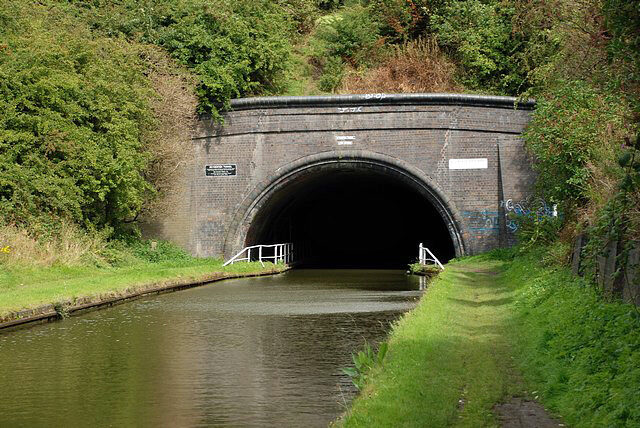

The land around it, the Bumble Hole, is a local nature reserve on the site of an old clay pit. Every September it hosts the Black Country Boating Festival, which reached its 40th year in 2026 with a real ale and cider bar of more than twenty casks. The rest of the year, it is a quiet walk that ends, if you plan it right, at the Old Swan.


The Black Country Living Museum’s pubs
The museum on Tipton Road in Dudley is an open-air town of rebuilt shops, houses and workshops, and it has two pubs that pour real beer. Both serve only during museum hours and stop a quarter of an hour before closing. In winter the museum has opened Wednesday to Sunday, 10:00–16:00.
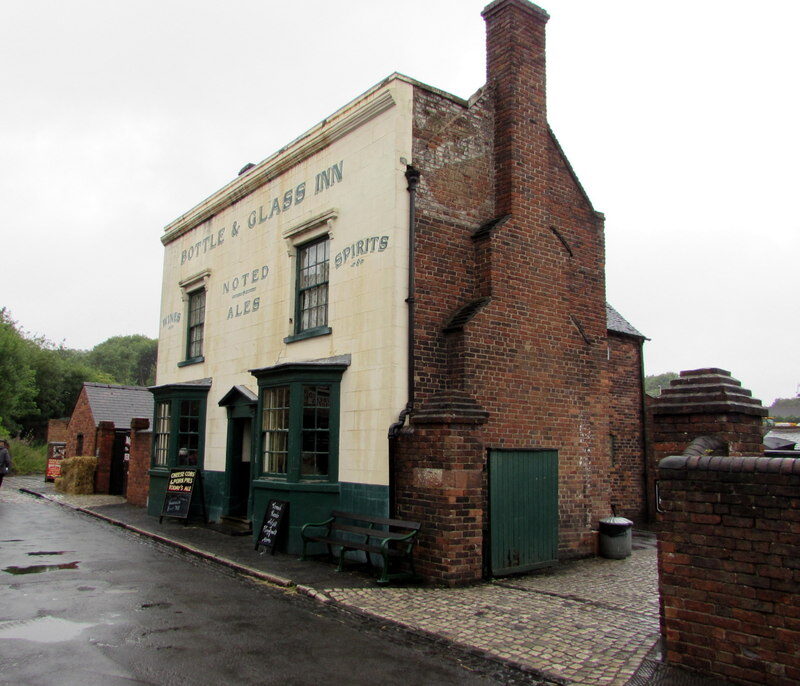
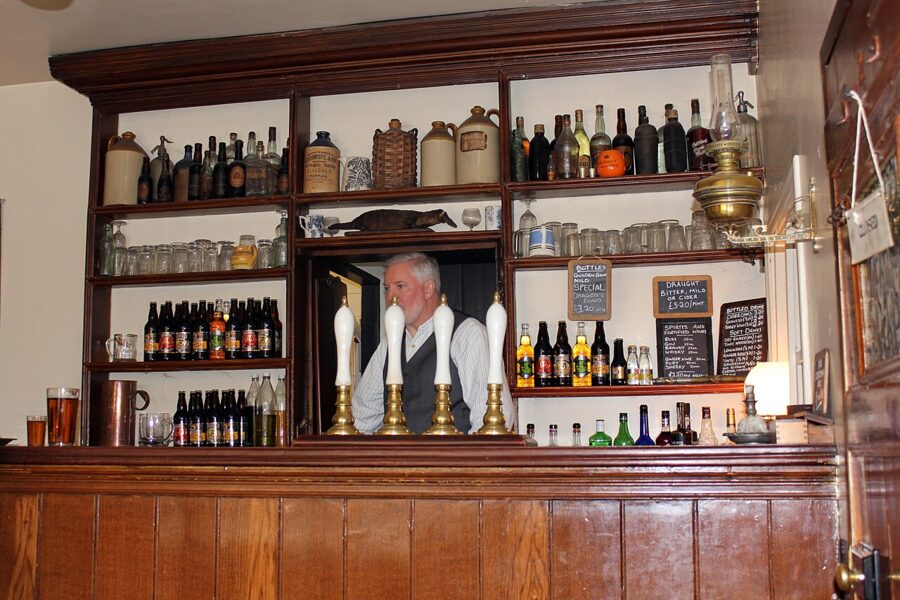
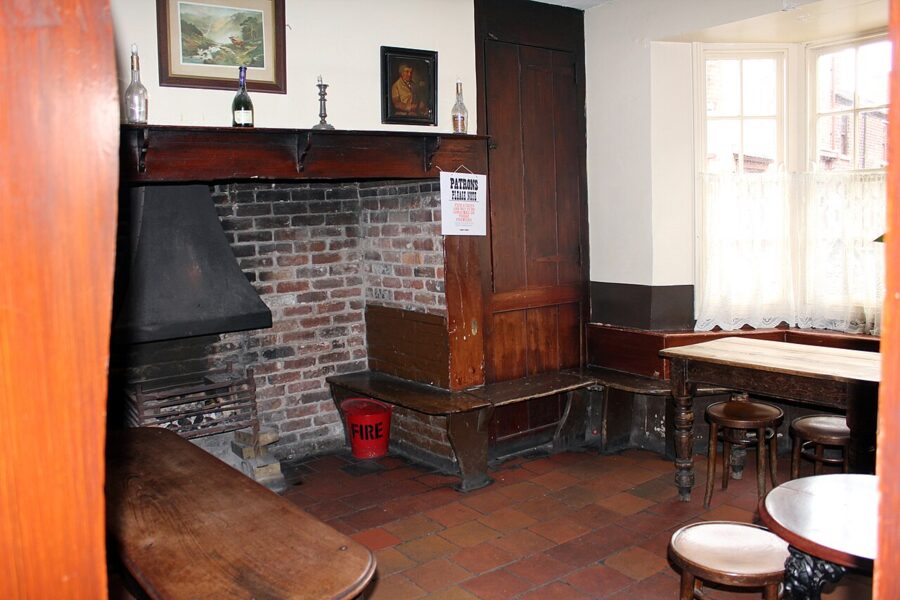
The Bottle and Glass Inn is the old one. It stood on the Brierley Hill side of the borough, at Brockmoor or neighbouring Buckpool depending on which record you read, until 1979, when it was taken down brick by numbered brick and rebuilt here. Inside there is sawdust on the bar floor, no pump clips, and the beers chalked on a slate: Black Country Ales’ BFG and Jubilee IPA, and Batham’s Mild, with cobs to go with them.


The Elephant and Castle is the new one, opened in September 2022 in the museum’s post-war town. It recreates a pub built in 1905 on the corner of Stafford Street and Cannock Road in Wolverhampton, which became a Banks’s house in 1910, closed in 2000 and was knocked down a year later. The only original piece is the elephant-and-castle figure high on the front.
The rest was gathered from around the region: a fireplace from a house in Lower Gornal, Minton tiles from Stourbridge, and an upstairs bar from the Gypsy’s Tent in Dudley. Holden’s Golden Glow, Batham’s Best and Green Duck Blonde are on the bar, and since October 2026 a Wolverhampton-brewed Springbanks Mild has taken the place the Banks’s Mild once held.


Admission is £27.95 for an adult booked in advance or £30.95 on the day, and either includes free return visits for twelve months, so you can come back for the pubs alone. Allow four or five hours. Elsewhere on site, Marsh & Baxter sells pork pies, hot meat cobs and faggots with mushy peas, and Hobbs’ fish and chips are fried in beef dripping.

The Dudley Canal Tunnel
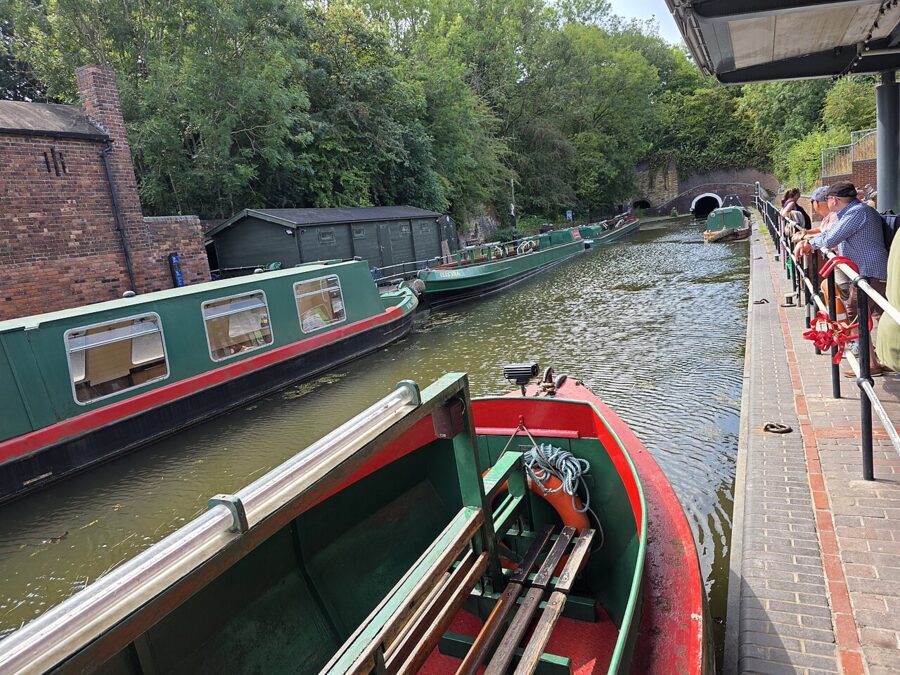
From the museum’s canal basin, boat trips run into the Dudley Canal Tunnel and the old limestone caverns, and they can be added to a museum ticket. It is not a pub, but it is the clearest way to understand why a district of pits, quarries and furnaces needed so many of them.

Getting round: bus, train and a tram that has not arrived
The new Metro line from Wednesbury through Tipton to Dudley town centre was meant to open in 2026. On 13 November 2026 Transport for West Midlands said a safety-critical issue had been found in testing and that passengers should now expect it in early 2027. Until then, plan on trains and buses.
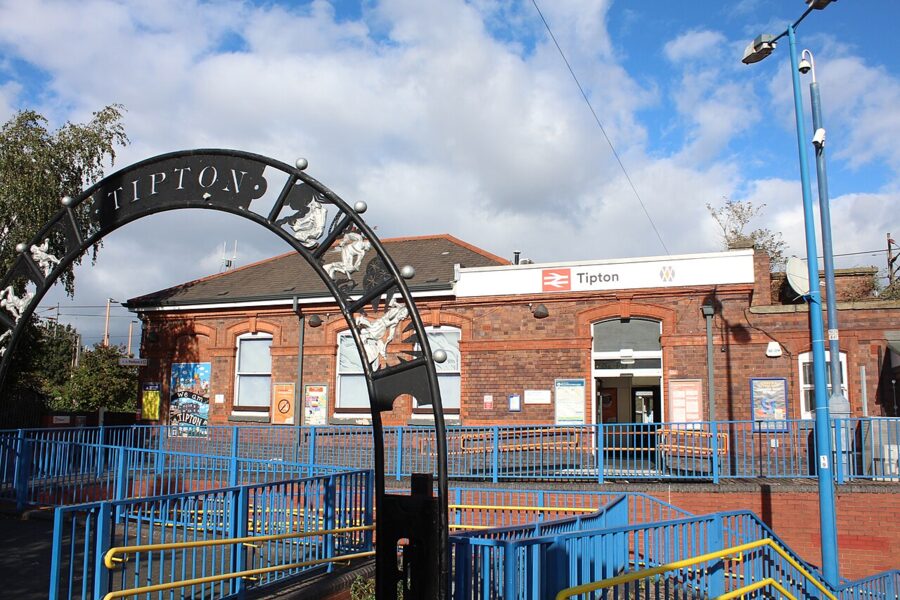
Local trains on the Birmingham–Wolverhampton line stop at Dudley Port, Tipton and Coseley. Tipton is about a kilometre from both the museum and the Pie Factory; Dudley Port is the station for the Rising Sun; Coseley is about two kilometres from the Beacon. For the Vine, the nearest station is Lye, on the Stourbridge line, about 25 minutes’ walk away; the No 8 bus is easier.
Dudley bus station is the hub. The No 1 between Dudley and Wolverhampton runs through Upper Gornal past the Britannia and up Sedgley High Street past the Stump, and the Beacon and the Bull’s Head are a short walk from it. Netherton’s Halesowen Road and the Lamp Tavern are on Dudley bus routes too, and the 229 links the Park Inn with the Beacon. Check the timetables before you set out, because services thin out in the evenings and on Sundays.
Two days, without a car
Day one: take the train to Tipton and be at the museum for 10:00, with a midday half in the Bottle and Glass and another in the Elephant and Castle. Walk to the Pie Factory for a late lunch. Then go on to the Park Inn at Woodsetton, which opens at 16:00 on weekdays, and take the 229 to Sedgley for the Bull’s Head, the Stump and a last pint at the Beacon, stooping at the hatch.
Day two: start at the Lamp Tavern when it opens at noon, then take the No 8 to the Delph and get to the Vine for a weekday lunch of faggots before 14:00. Walk down the locks to the Bell. After that, cross to Netherton, walk the Bumble Hole to Cobb’s Engine House, and finish in the front bar at Ma Pardoe’s, under the swan, with a Dark Swan by the stove.
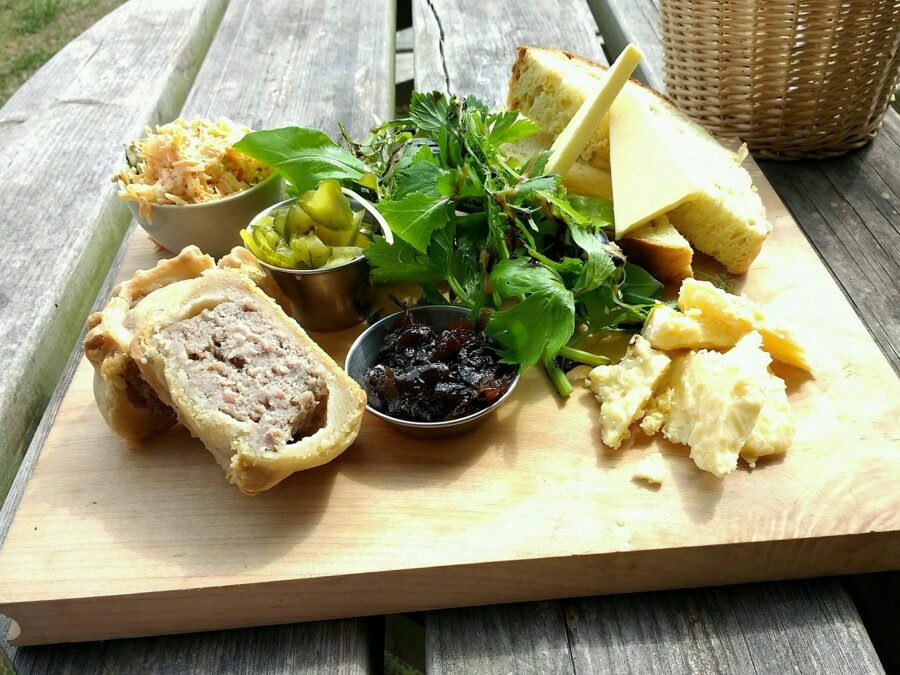
A few habits help. Many of these pubs are small, multi-roomed and full of regulars, and the usual rules of pub etiquette apply with extra force at a hatch: know what you want before you stoop. Black Country pub names run to nicknames, so the Vine is the Bull and Bladder, the Britannia is Sally’s and the Mount Pleasant is the Stump, and asking for them by those names will get you a warmer welcome than reading from a map.
And if you only have time for one, make it Ma Pardoe’s, soon. Stand in the front bar, order the Original, and look up.