
There is no pub sign on the A4104 at Woodmancote, and no bar inside the building either. The Monkey House at Defford is a thatched, half-timbered cottage where you knock at a hatch in a stable door, someone draws your cider from a cask in the cellar behind, and you carry it out to the front garden, which is the bar. If it rains you drink in the old bakehouse. Plenty of the regulars bring their own pottery mugs.
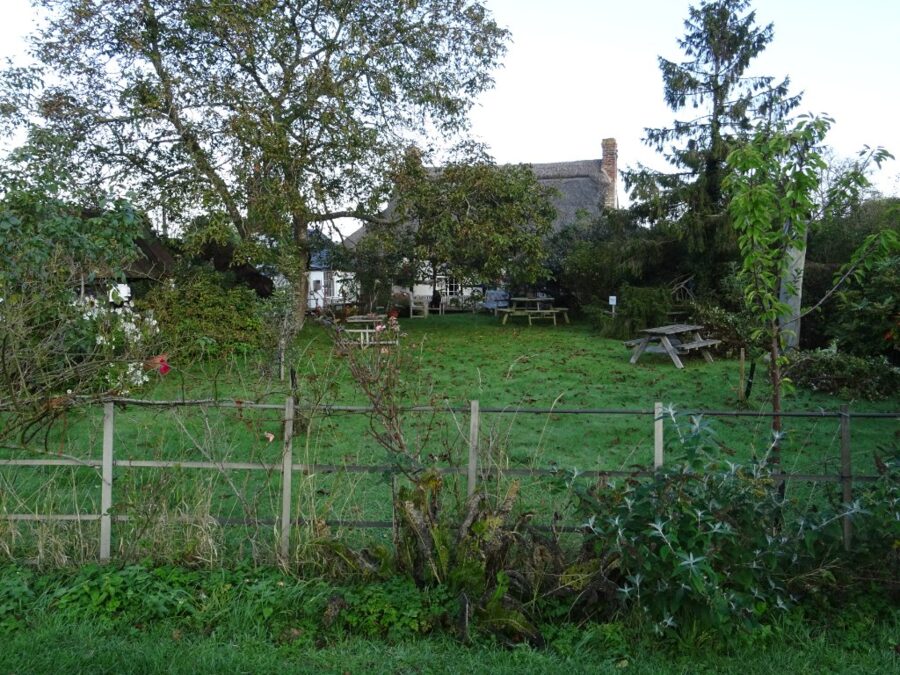

It is one of four true cider houses left in Britain, by CAMRA’s count, and the same family has run it for about 150 years. Nothing about it is designed for you. That is exactly why it is worth going.
Cider has spent most of the last century being sold as something else: a cheap way to get drunk, a summer drink with ice in it, a pint of fizz that tastes faintly of apples and strongly of sugar. Most of what you see on pub fonts is made from concentrate. Underneath that sits one of the oldest drinks in the country, made from apples nobody would eat, in counties where the orchards are older than the farmhouses, and it is having the best few years it has had in a long time.
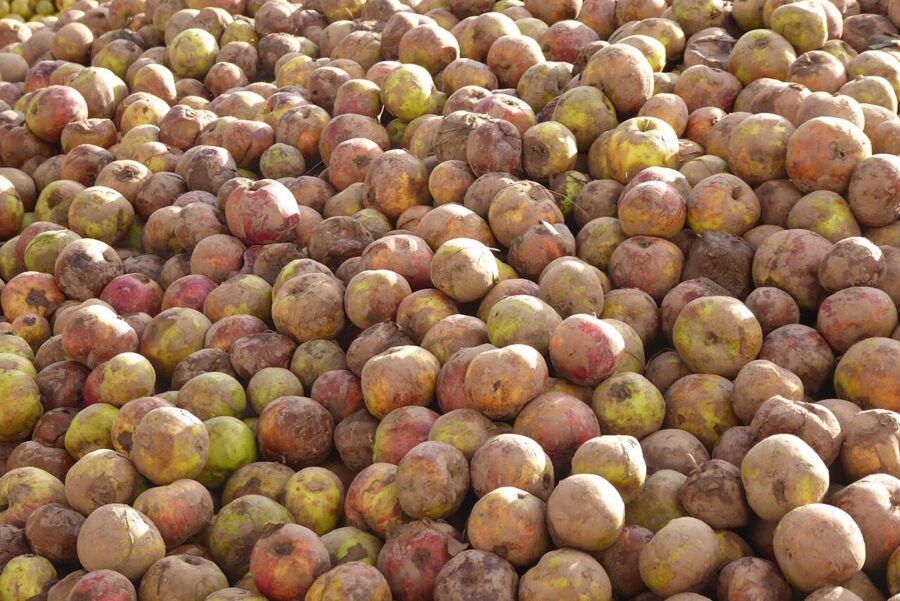

I think a glass of good farmhouse cider is one of the great pleasures of drinking in Britain, and one of the least understood. The trick is knowing what you are looking at, and where to find the real thing. If you came for beer, the guide to real ale covers cask beer; most of what it says about live drinks served without added gas applies here too.

On this page
What is actually in the glass
Cider is fermented apple juice. That is the whole of the definition most people carry around, and it is where the trouble starts, because the law lets far less apple into the glass than you would guess.
The 35 per cent rule
For duty purposes, a drink sold as cider in the UK must be made with at least 35 per cent apple or pear juice, both in the mix that is fermented and in the finished drink, and it must be under 8.5 per cent alcohol. The juice can come from concentrate. The rest can be water, sugar and a list of permitted extras, with colouring limited to shades of straw and gold.
That is how a big producer can make cider all year from apple concentrate shipped in from abroad, ferment it strong with added sugar, then water it down to 4.5 per cent. Nothing illegal is going on. It just means that “cider” on a font tells you almost nothing about what is in the glass, and CAMRA reckons products made this way account for more than 90 per cent of sales.

What CAMRA calls real
CAMRA’s definition is short. Real cider and perry is fermented from the whole juice of freshly pressed apples or pears, without concentrated juice and without chaptalisation, which is the trick of adding sugar to push the alcohol up for storage and then diluting it back down to selling strength. Pasteurisation does not disqualify a cider, though CAMRA treats live, unpasteurised cider as best practice.
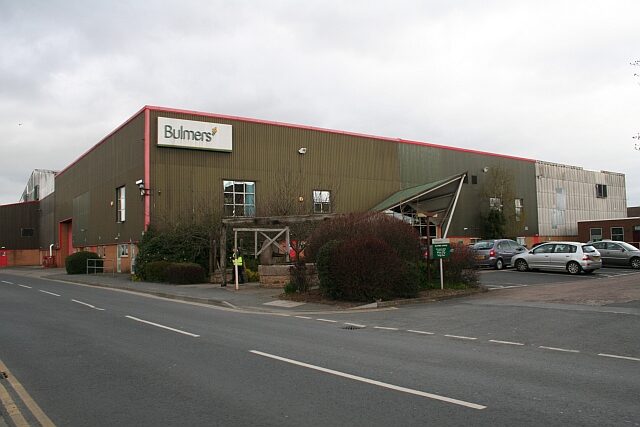
Cloudiness proves nothing. A hazy cider can still be made from concentrate, and a bright, filtered one can be pure juice. CAMRA’s own guidance names the widely available products from Bulmers, Westons, Thatchers and Magners as falling outside the definition, which does not stop several of those firms making excellent real cider under other labels. Look for the words “not from concentrate” on a bottle, and in a pub, ask.

Perry, which is not pear cider
Perry is fermented pear juice, made from perry pears: small, hard, bitter fruit that nobody would eat, mostly grown in Gloucestershire, Herefordshire and Worcestershire. It tends to be lighter and more floral than cider, and often keeps a little natural sweetness, because perry pears carry a sugar called sorbitol that yeast cannot ferment.
“Pear cider” is the name the big firms pushed hard from the mid-2000s for a fizzy, sweet drink that is usually made from concentrate and has about as much in common with perry as squash has with orange juice. Some makers use the two names interchangeably, so read the label. The giveaway is usually the price.


Apples that taste wrong
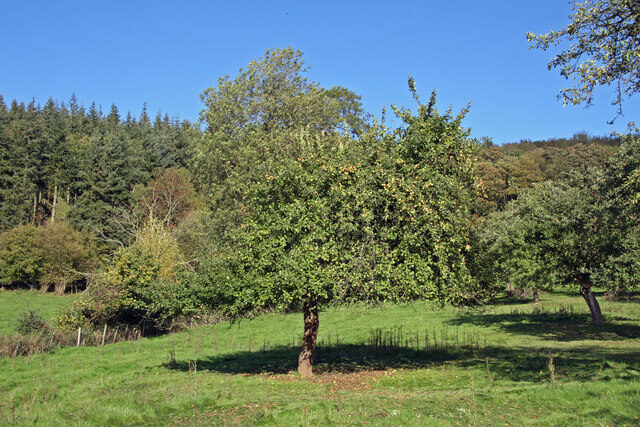
Bite into a proper cider apple and you will spit it out. The best ones are full of tannin, the stuff that makes strong tea grip your gums, and some are sharp enough to make your eyes water. That bitterness is what gives cider body and structure, the way grape skins give it to red wine.
The classification still used was worked out at the Long Ashton Research Station outside Bristol, which ran from 1903 to 2003 and was the centre of British cider research for most of that century. It sorts fruit into four groups by acid and tannin.
Sweets have little of either. Sharps have acid but little tannin. Bittersweets have tannin and not much acid, and bittersharps have both.

The names are half the fun. Dabinett, Yarlington Mill, Harry Masters Jersey and Tremlett’s Bitter are bittersweets, the backbone of most West Country cider. Kingston Black, usually traced to Kingston St Mary near Taunton, is the famous bittersharp, one of the few apples balanced enough to make a fine cider on its own. Foxwhelp, an old Herefordshire and Gloucestershire bittersharp, is sharp enough to strip paint.

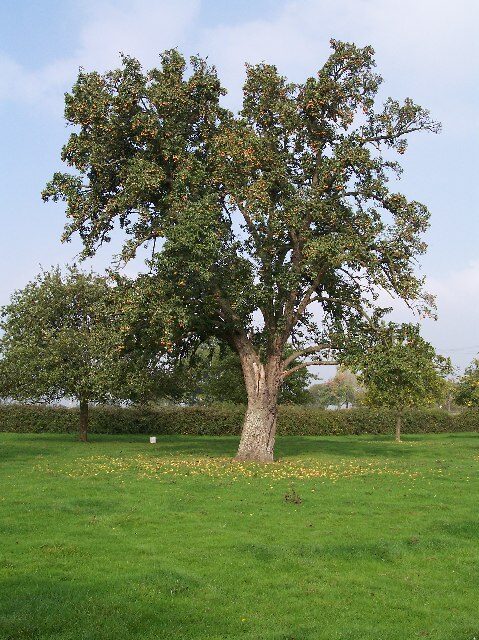
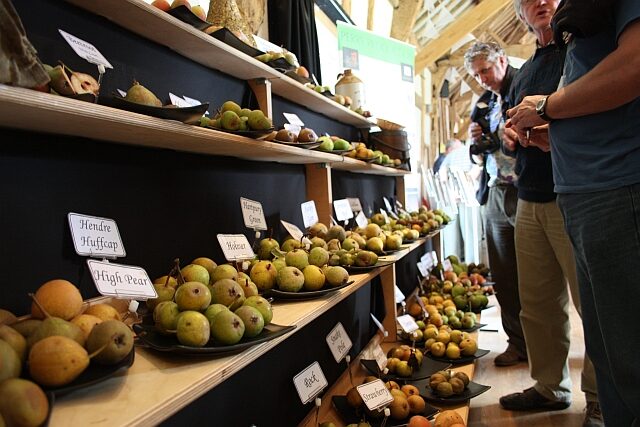
Perry pears have even better names: Blakeney Red, Thorn, Moorcroft, Hendre Huffcap, Brandy, Butt, Oldfield, Taynton Squash. Many grow only in a handful of parishes, and a few survive as single old trees on a farm boundary. Albert Johnson of Ross-on-Wye Cider and Perry, who won CAMRA’s Pomona Award for services to real cider and perry in October 2026, grows about 120 apple varieties and 30 pear varieties across more than 35 acres, and makes single-variety ciders and perries from many of them.

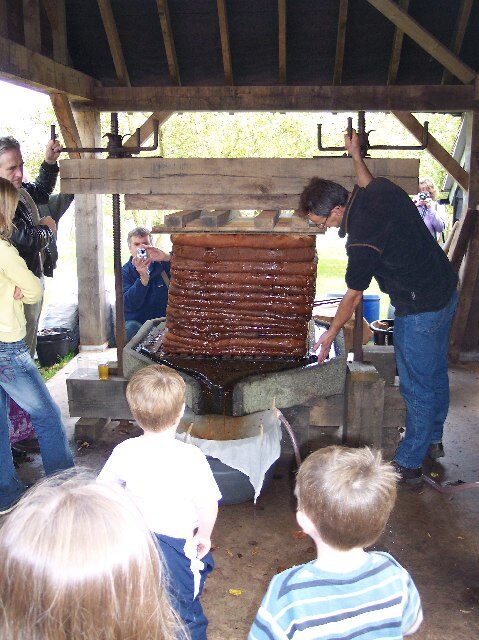
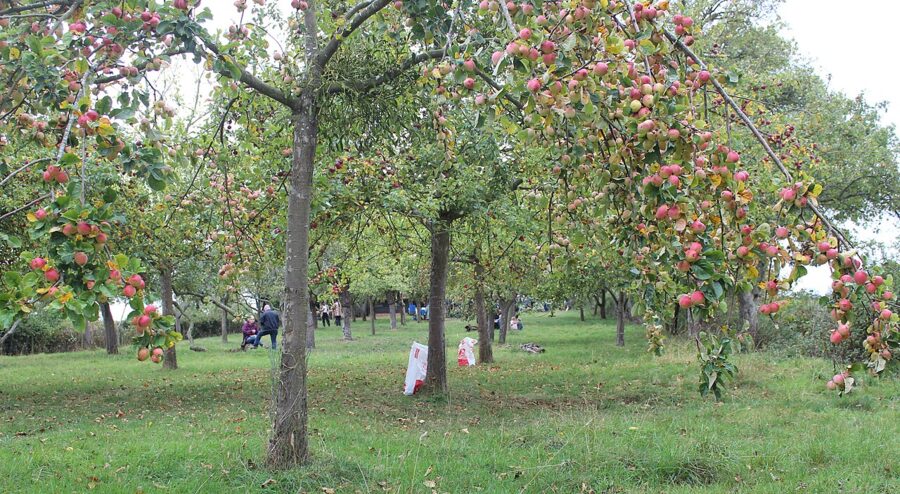
Those old orchards are in trouble. Natural England found that the area of orchard in England fell by 63 per cent between 1950 and 2011, and the People’s Trust for Endangered Species puts the loss of traditional, tall-tree orchards since the 1950s at about 90 per cent. Small cider makers are one of the few things keeping the rest in use, which is a decent argument for paying a pound more for their cider.

A drink with a past
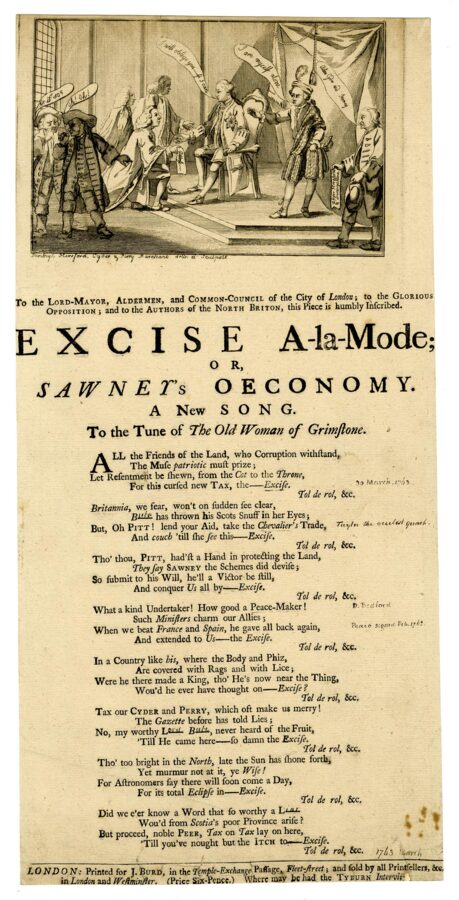
Cider has been made in England since at least the Middle Ages, and by the seventeenth century the best of it, from Herefordshire and Worcestershire, was being bottled in strong English glass and drunk at grand tables as a rival to French wine. In 1763 Lord Bute’s government put an excise duty on it. The West Country rioted, William Pitt the Elder argued in Parliament against excisemen entering private homes, and the tax was repealed three years later.
For the next century and more, cider was part of a farm labourer’s pay. The Truck Amendment Act of 1887 made paying wages in cider illegal, though the practice hung on well into the twentieth century. The same decades saw the first commercial makers buy in fruit and make cider to sell rather than to drink on the farm, and the modern industry starts there.
The cider country
Cider is made in almost every part of Britain now, but the old orchard counties still make most of it and nearly all of the best. Each has its own fruit and its own habits.
Somerset, Devon and the West Country
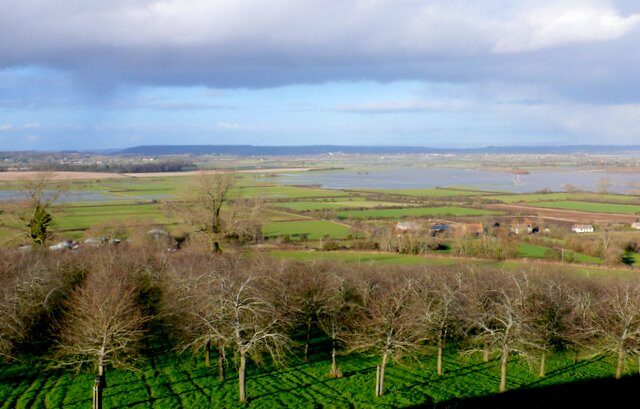
Somerset is the heartland of the bittersweet. Its ciders tend to be full, soft and tannic, the colour of strong tea, often still and often strong. The county holds the biggest makers in the West and dozens of farms that still sell from the yard, and around Langport, Martock and the Levels you can drive past orchards for miles. The Somerset pubs guide covers the county’s drinking beyond cider.

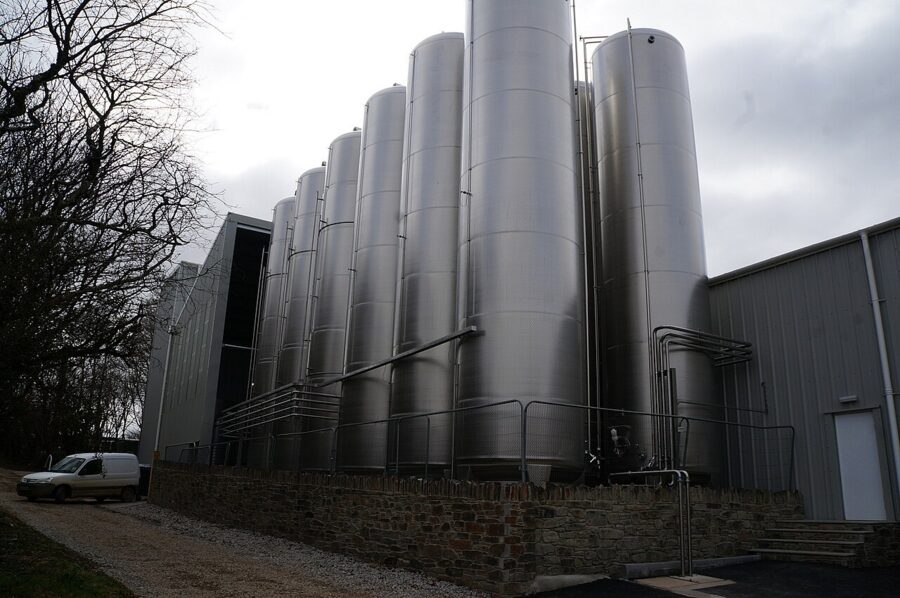
Devon‘s cider has a lighter, sharper streak and a long history of farm cider sold in pubs, which is why Newton Abbot still has a cider house. Cornwall and Dorset make less, but both have good small makers, and Dorset’s include Purbeck, a regular on CAMRA’s producer lists. The guides to Cornwall and Dorset pubs pick up the rest.

Bristol sits on the edge of all this and has kept a cider-drinking habit that most English cities lost. Its cider houses, and the locals that keep a few boxes of farm cider behind the bar, have their own guide in Bristol’s cider pubs.
Herefordshire
Herefordshire is cider’s industrial capital and, by its own reckoning, makes about half of all the cider produced in Britain. Bulmers is in Hereford and Westons at Much Marcle, a few miles south of Ledbury, and the orchards that supply them run across much of the county. The county’s ciders tend towards sharper, cleaner flavours than Somerset’s, with more Foxwhelp-style acid and less weight.
Behind the big two is one of the best small-maker scenes in the country. Ross-on-Wye Cider and Perry at Broome Farm, Gwatkin at Abbey Dore, Dunkertons and Celtic Marches all took part in the county’s Craft Cider Week in September 2026.
Gloucestershire, Worcestershire and the perry country
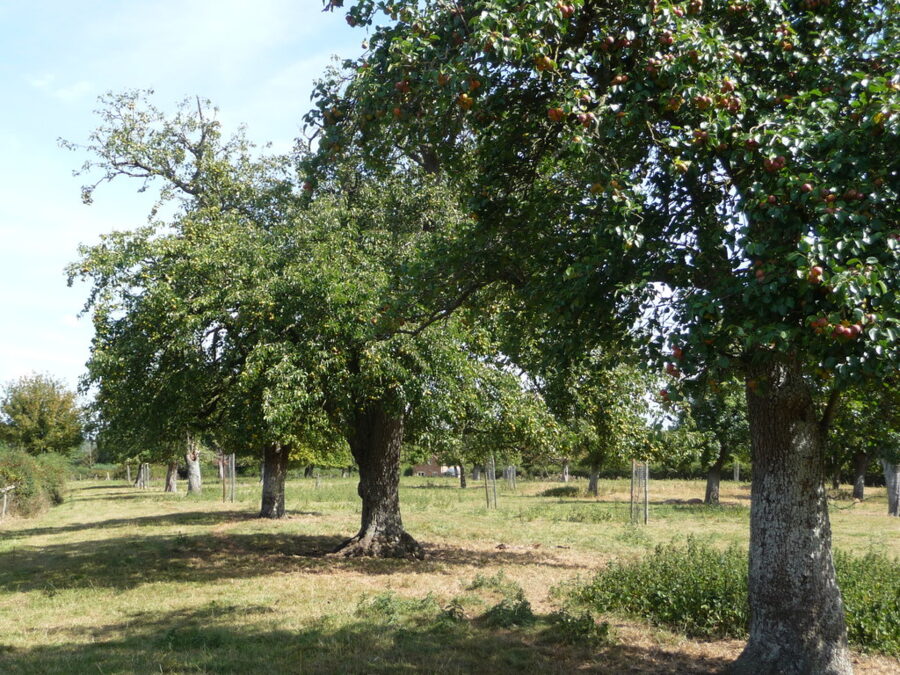
Herefordshire, Gloucestershire and Worcestershire are the Three Counties, and between them they make nearly all the real perry in Britain. Each county’s cider and perry has protected name status, so “Gloucestershire Perry” on a label is tied to the county. The Severn Vale and the country around the Malverns and May Hill are where most of the old perry pear trees grow.

This is also where perry gets drunk in the pub, and the current national cider pub of the year, the Hoptician in Dursley, is in Gloucestershire too.
Kent and the east
Kent and East Anglia grew apples for the London market, so their ciders were traditionally made from eating and cooking apples: Cox, Bramley and the like. The result is lighter, sharper and more like white wine than West Country cider, with little tannin. Nobody should call it the lesser style. In 2025 Biddenden Vineyards in Kent, which has made cider since the 1970s, took the Supreme Champion title at the British Cider Championships with a sparkling 2021 vintage, against more than 500 entries.

Suffolk has Aspall, the cyder Clement Chevallier started making at Aspall Hall near Debenham in the eighteenth century; the brand now belongs to Molson Coors. Sussex has a cluster of small makers, among them Ascension, Big Nose and Beardy and Hurstwood, all on the local CAMRA branch’s list of real cider producers.
Wales
Monmouthshire and the Welsh border share the Three Counties’ perry tradition, but Welsh farm cider had almost died out by the late twentieth century. The revival is usually dated to about 2001, the year Gwynt y Ddraig made its first barrels on Llest Farm at Llantwit Fardre near Pontypridd. It is now the biggest cider maker in Wales, and its Black Dragon was named champion cider at the International Cider Competition in Hereford in 2010.

Dry, sweet, still, sparkling: the styles
Cider has never had the neat style names of beer. What you get is a set of overlapping descriptions, and the useful ones are these.
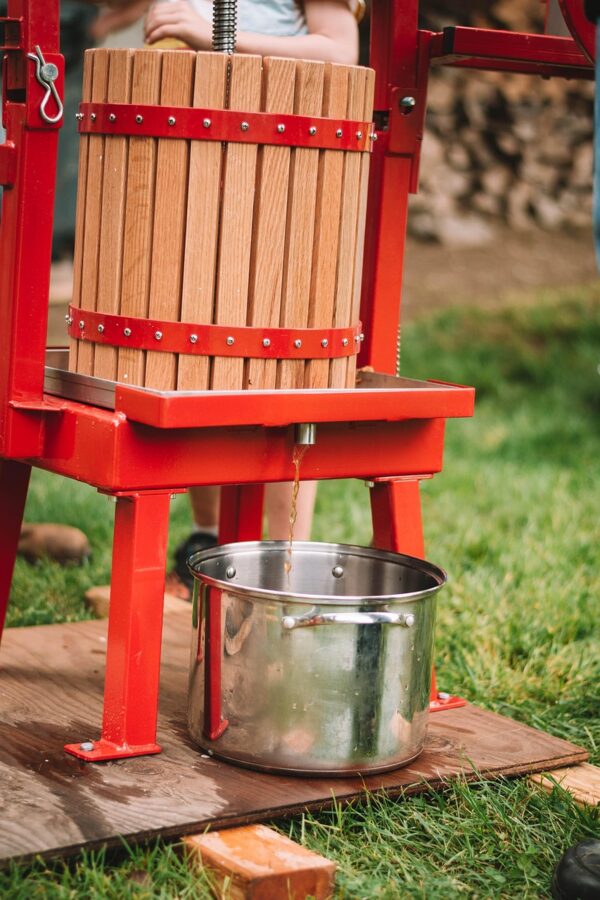
Farmhouse. Cider made on the farm from the farm’s own fruit, usually still, often cloudy, usually strong, fermented with the wild yeast on the apples. It varies from year to year and barrel to barrel, which is the point. Expect 6–7.5 per cent.
Scrumpy. Originally a West Country word for rough farm cider made from windfalls, now used by everyone from serious makers to novelty bottlers. On a pub list it usually means strong, still, cloudy and dry. Westons’ Old Rosie is the best-known bottled version.
Dry, medium and sweet. Left alone, cider ferments out to dry: the yeast eats all the sugar. Sweetness comes back by stopping the fermentation early, by adding fresh juice or sweetener after it finishes, or by blending. In pubs with only dry and sweet on the bar, plenty of people ask for a mix, and a good barman will pour it without blinking.
Keeved. The traditional Normandy method, also used in Devon and Somerset. The juice is left to sit until the pectin forms a brown cap on top, which takes much of the yeast food with it; the clear juice underneath is drawn off and ferments very slowly, stopping with natural sweetness left in. Keeved cider is low in alcohol, fruity and lightly sparkling, and it is hard to make, which is why few people do.
Bottle-conditioned and sparkling. Cider bottled with a little live yeast and sugar so that it sparkles in the bottle, the same method Champagne uses. English makers were bottling sparkling cider in strong glass in the seventeenth century, and the best modern examples, like Biddenden’s prize-winner, are made to be drunk from a flute.
Single variety. Cider from one apple, the way wine can come from one grape. Kingston Black is the classic. Some makers now offer a dozen or more, and tasting them side by side is the quickest way to learn what each apple does.
Flavoured. Cider with fruit, spice or hops added. Some is good. Most of the fruit “ciders” in supermarkets are sweetened concentrate with flavouring, and CAMRA’s guidance warns that flavoured products are much more likely to fail its definition even when the same maker’s plain cider passes.
The makers to know
Some of the best cider in Britain is sold only at a farm gate or a festival bar, by makers too small to appear anywhere else. These are the names worth recognising.
The big names
Thatchers has made cider at Myrtle Farm in Sandford, below the Mendips, since 1904, and owns about 550 acres of orchard. It is huge now, and its Gold is everywhere, but the family still runs it and its single-variety Katy and its vintage ciders are well made.
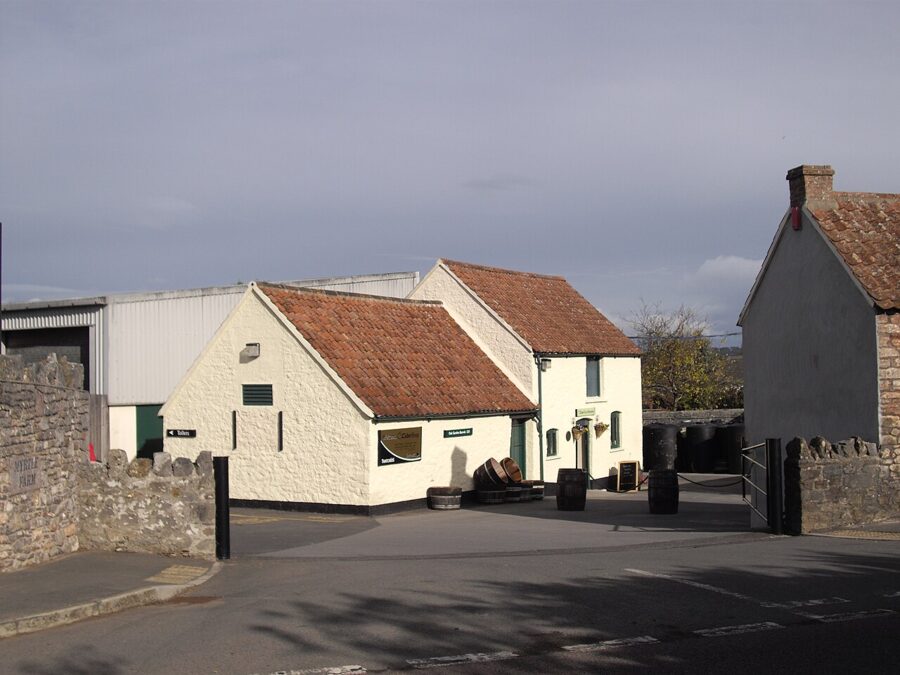

Westons has been at Much Marcle since 1880 and is still family owned. Henry Westons Vintage and Old Rosie are the bottles most people know.
Bulmers, in Hereford since 1887, is part of Heineken and makes Strongbow. Aspall in Suffolk is the old name in the east. Magners, often taken for British, is made in Clonmel in Ireland.
The farms and small makers
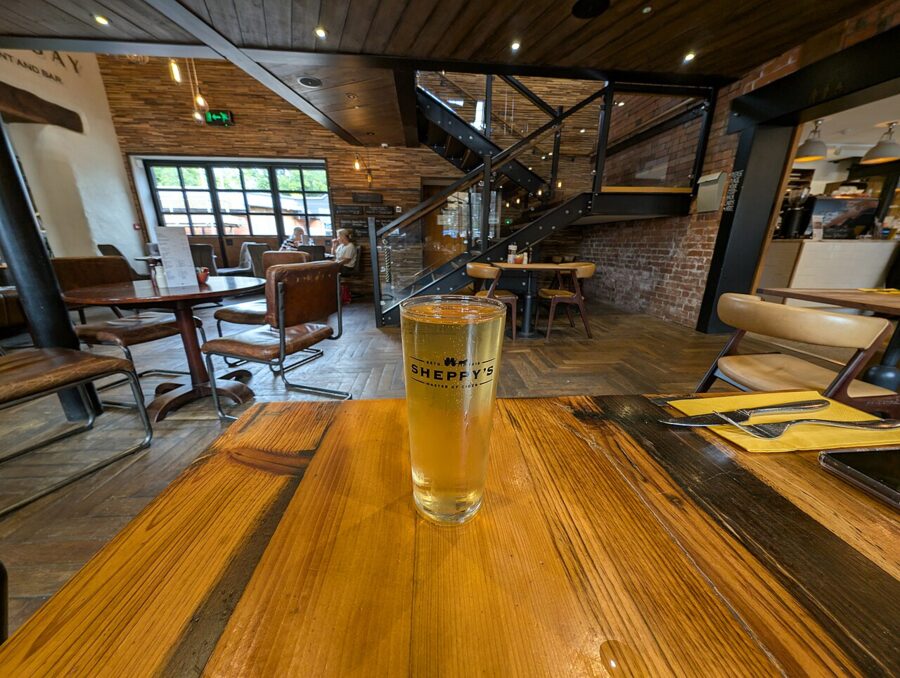
Sheppy’s at Three Bridges Farm, Bradford-on-Tone, near Taunton, is the family-run Somerset maker that sits between the giants and the farm gate: its Original Cloudy is widely sold, and the farm has a shop, a bar and a restaurant. Burrow Hill, at Kingsbury Episcopi, makes some of the most admired farm cider in Somerset and, as the Somerset Cider Brandy Company, distils it into brandy in copper stills.
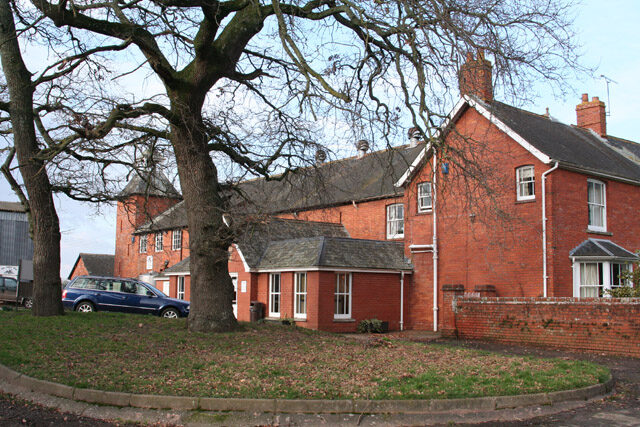

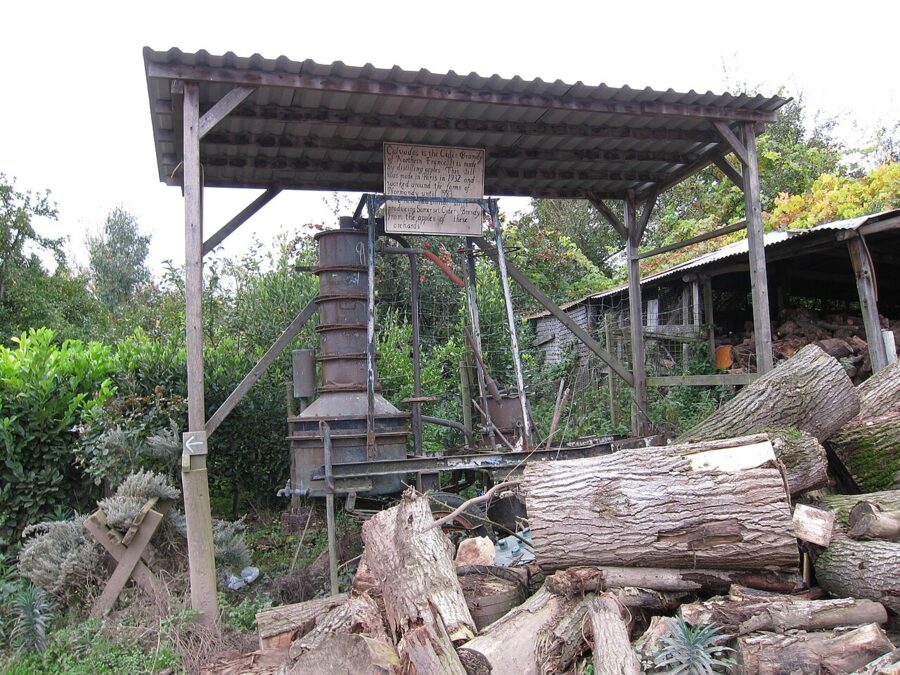

In Herefordshire, Ross-on-Wye Cider and Perry at Broome Farm is the one to know for perry and single varieties. In Wales, Gwynt y Ddraig.
In Somerset, Harry’s was named British Perry Champion at the Royal Bath and West Show in May 2026, and Wattles is another real cider maker on CAMRA’s lists. In Kent, Biddenden. In Cornwall, Healeys.
Ordering cider in a pub
The first job is to find out what you are looking at. The fonts on the bar are almost always keg cider from the big firms: filtered, pasteurised, carbonated and served cold. Real cider usually lives somewhere else, in boxes on the back bar or in the cellar, in a fridge, or on a handpump with a handwritten clip. Ask what cider they have that is not on the fonts.
Then ask for a taste. Farm ciders vary between boxes, and nobody minds you trying a mouthful before you commit, especially in a quiet pub. Ask whether it is dry, medium or sweet, because the label on a box often says nothing useful.
Mind the strength. Farm cider at 6–7.5 per cent is normal, and anything up to just under 8.5 per cent can still legally be called cider. It also drinks much more easily than beer of the same strength, which is how cider got its reputation. I would order halves, and so do most regulars in proper cider pubs; some will only serve the strong house cider in halves anyway.
Real cider is usually served still or nearly still, at cellar temperature or lightly chilled, and often cloudy. That is how it should be. If you want it cold and fizzy, that is what the fonts are for. The general rules of ordering at the bar, rounds and how to catch the barman’s eye are covered in pub etiquette.
Food helps. Cider was made to go with what the farm produced, and a dry, tannic West Country cider with a slab of Cheddar, pickle and bread is one of the best things you can order in a pub; that combination has its own guide in the ploughman’s lunch. Sharper eastern ciders work with pork, and perry is good with fish and with blue cheese.
Where to drink it
Most pubs in the cider counties keep at least one farm cider. These are the places where cider is the point rather than an extra.
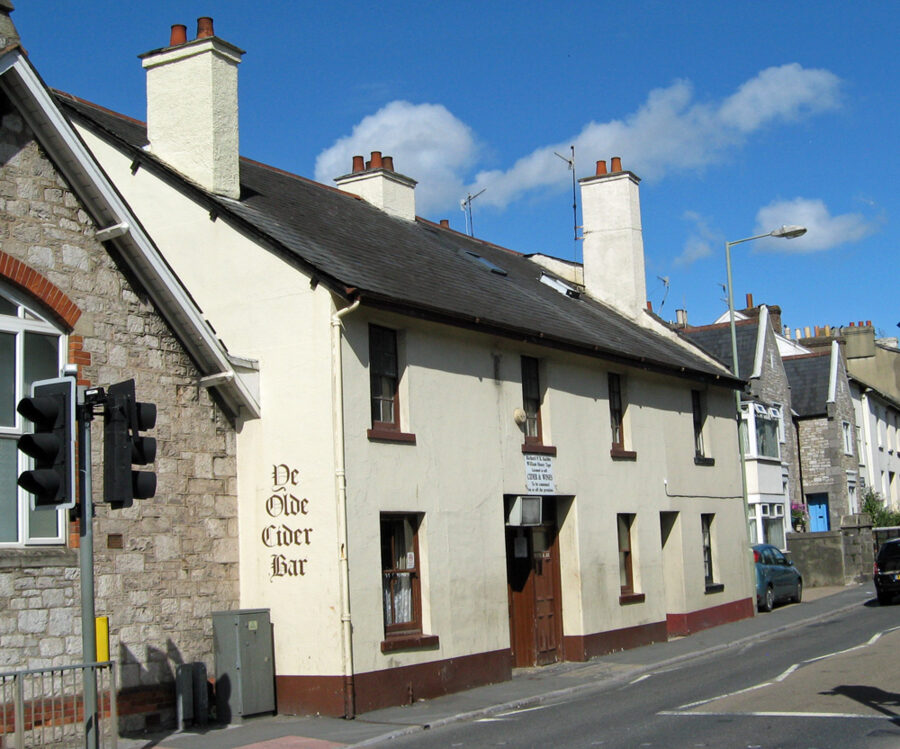
Ye Olde Cider Bar, Newton Abbot
Ye Olde Cider Bar on East Street, a short walk from the centre of Newton Abbot, is the cider house most people mean when they say they have been to one. It was a farmhouse in the eighteenth century and became a pub in the late nineteenth. It was once owned by the Devon cider firm Whiteways, and the old photographs on the walls show the giant hogsheads that used to stand in the middle of the room.
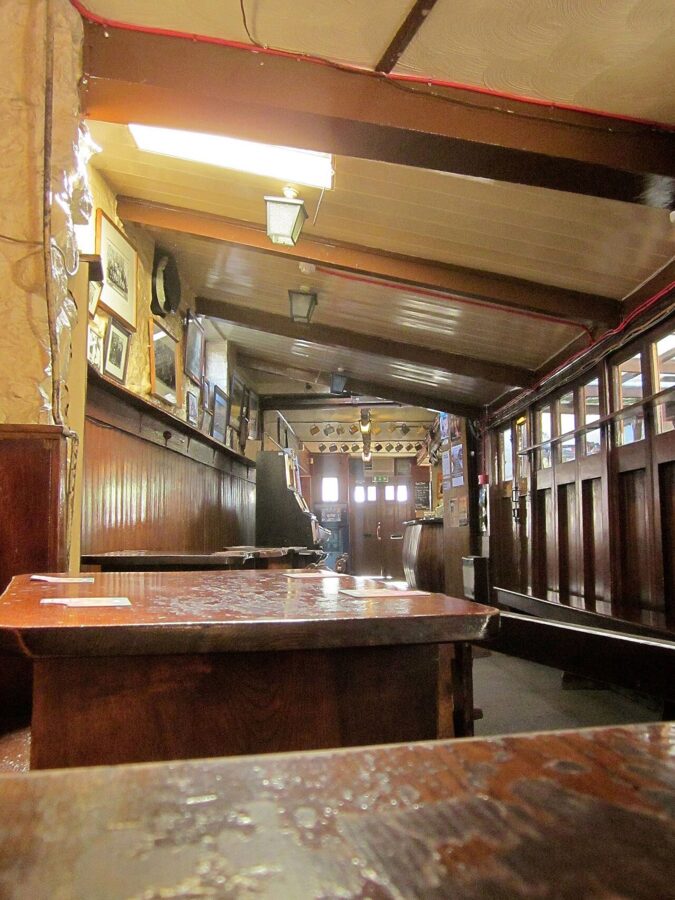

It pours around 17 ciders plus guests, several perries and a long list of fruit wines, and serves bar snacks rather than meals. There is no cask beer. It has won CAMRA’s national Cider Pub of the Year twice, in 2011 and 2017, and it is home to what is believed to be the last Cork Club in Britain, an old drinking society once described as a poor man’s Freemasonry.
It opens 12:00–23:00 (Sunday to 22:00). The entertainment, as the local CAMRA branch puts it, is conversation.

The Monkey House, Defford
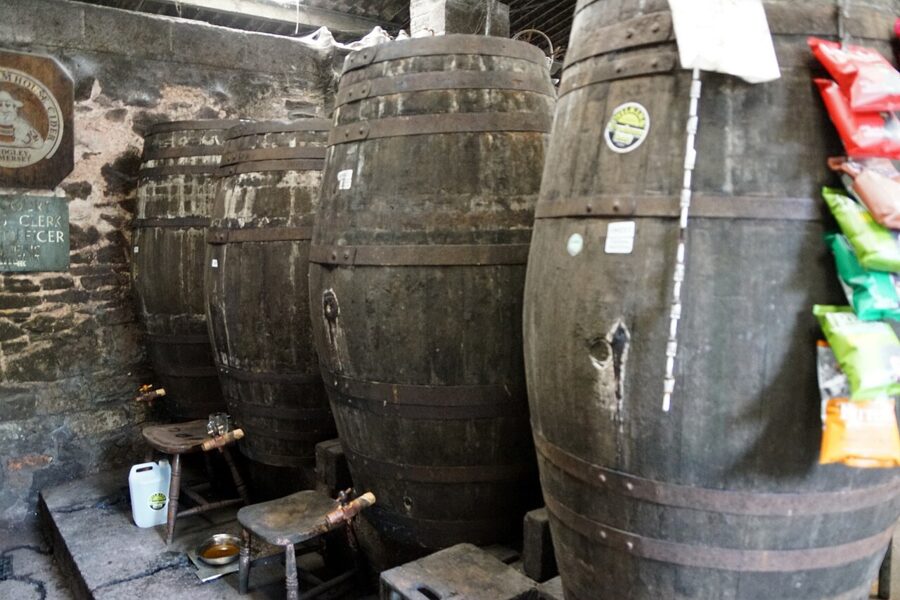
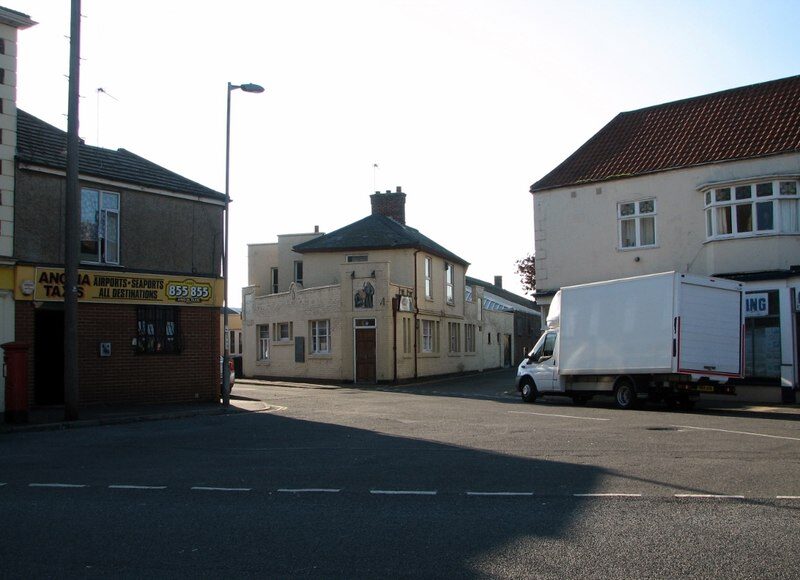
The Monkey House stands on the eastbound side of the A4104 between Upton upon Severn and Pershore, and without a sign it is easy to drive past. Service is through the hatch, the casks are stillaged in a ground-floor cellar behind it, and there is cider and perry but no beer. The gents’ toilet has no roof.
Its hours are short: Wednesday 17:00–20:00, Friday 12:00–15:00, Saturday 18:00–22:00 and Sunday 12:00–15:00. Go on a dry day and drink what you are given. The nickname, the story goes, comes from a regular who explained his cuts and scratches after a night in the brambles as an attack by monkeys.
Eli’s, Huish Episcopi
The Rose and Crown at Huish Episcopi, on the A372 on the edge of Langport, was already a family pub when Eli Scott took it over in 1920, it has stayed in the family ever since, and nobody calls it anything but Eli’s. It is a seventeenth-century thatched inn built round a flagstoned taproom with no bar counter, just a servery with the pumps fixed to the shelving, and four small rooms lead off it. CAMRA rates the interior three stars, its highest grade.
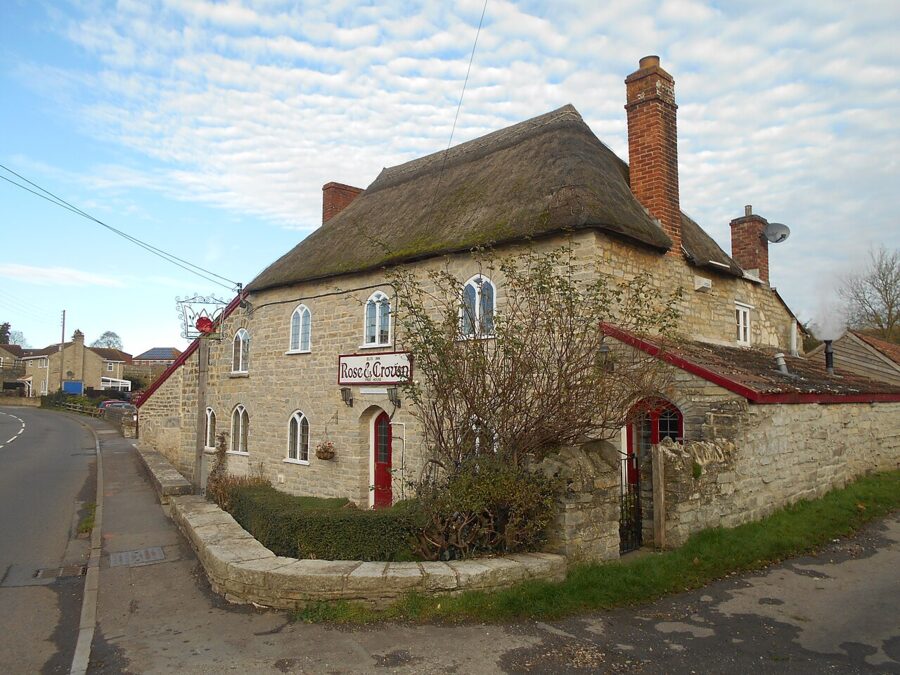

Cider used to come from a small barrel on a stillage. Since a flood in 2008 put some 12,000 gallons of water through the building, it has been kept in the cellar and pulled by electric pump.
There is no food, but food vans turn up at weekends, and the large beer garden has a children’s play area. It is closed on Mondays, opens at 17:00 Tuesday to Thursday and at 12:00 Friday to Sunday, and shuts at 18:00 on Sunday. Burrow Hill is about four miles south.
Tucker’s Grave, Faulkland
Tucker’s Grave sits on the A366 a mile east of Faulkland, south of Bath, in a cottage that has been a pub since 1827. It is named after a farm worker, Edwin or Edward Tucker (sources differ), who hanged himself nearby in 1747 and was buried at the crossroads outside. There is no bar counter here either: casks of beer and boxes of cider are stacked in the bay window of the little public bar.
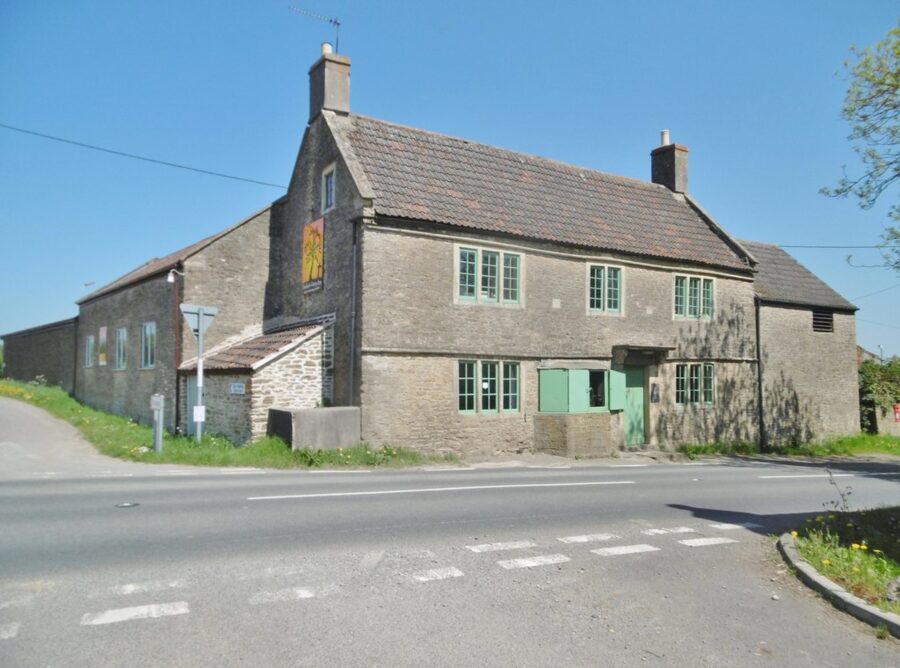

There is a skittle alley, shove-ha’penny, a music barn, camping in the grounds and a bar and cafe in the old milking parlour, converted in 2021. Stick to the two old rooms. It opens 12:00–23:00 (Sunday to 22:00).
The Yew Tree, Peterstow
The Yew Tree, on the A49 between Ross-on-Wye and Hereford, has been run since 2014 by Ross-on-Wye Cider and Perry, whose orchards at Broome Farm are about half a mile away. It has up to 18 lines of beer and draught cider, a cider shop open during pub hours with a large range of bottled cider and perry, and camping. The Hereford to Ross bus, the 33, stops in the village.
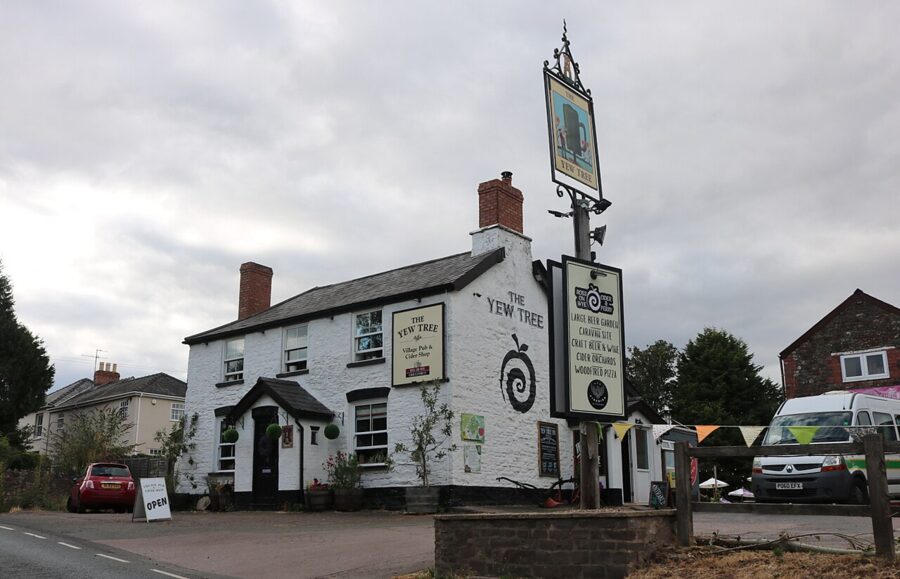

It opens from 12:00 every day, until 21:00 Monday to Thursday and Sunday and later on Friday and Saturday. Food comes from a kitchen run by a separate business, served Thursday and Friday 17:00–20:00 and Saturday 12:00–20:00.
The Hoptician, Dursley
The Hoptician opened in May 2024 in a former optician’s shop on Silver Street in the middle of Dursley, and in October 2026 it was named CAMRA’s national Cider and Perry Pub of the Year. It is a micropub with local beers and locally made real ciders, up to 20 of them at a time. It opens 15:00–21:00 Monday to Thursday, 12:00–23:00 Friday and Saturday and 12:00–21:00 on Sunday.
The other finalists are worth noting if you are nearby: the Black Horse at Rampton in Cambridgeshire, the Albert Tavern at Freuchie in Fife, and That Beer Place in Chester, which won in 2024.
Blackfriars Tavern, Great Yarmouth
The 2025 national winner is proof that good cider is not only a western thing. The Blackfriars Tavern on Blackfriars Road has its own house beers and a name for Belgian bottles, and it has been the East Norfolk CAMRA branch’s cider pub of the year in 2024, 2025 and 2026. It opens from 12:00 every day, to midnight on Friday and Saturday, with food until 20:00.

Festivals, wassails and the cider year
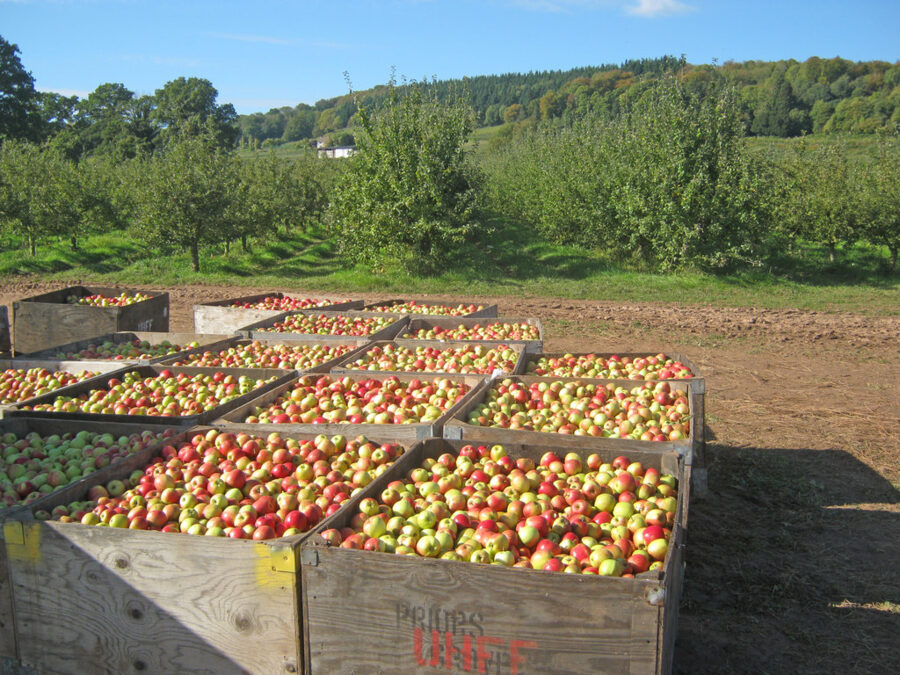
The cider year runs backwards from most people’s. The apples blossom in early May, the harvest runs from mid-September for about twelve weeks, pressing goes on until Christmas, and the new cider is ready in spring. The events follow the calendar.

Wassailing
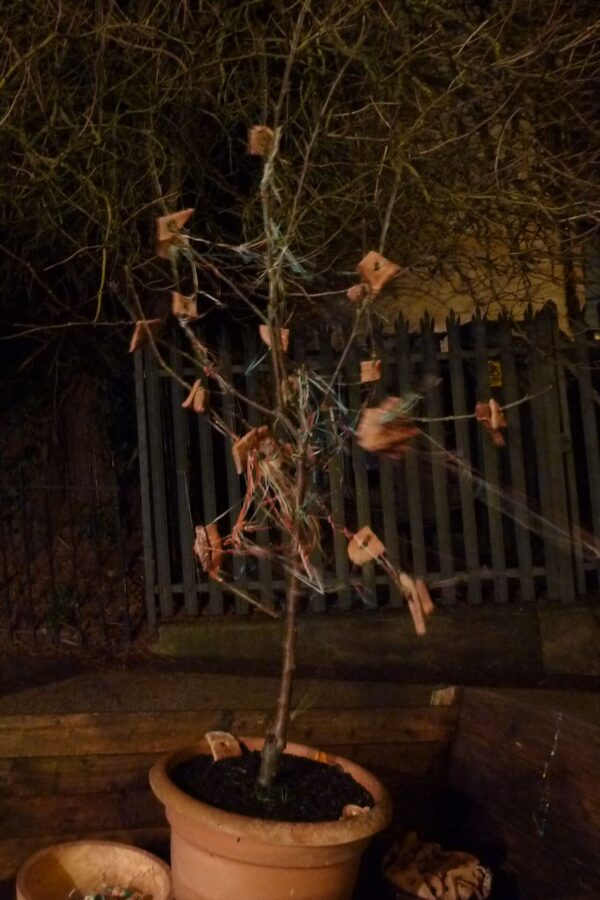
Wassail comes from the Old English “wes hal”, be well. On Twelfth Night, or on Old Twelfth Night, 17 January, people gather in orchards across the cider counties to wake the trees and scare off bad spirits. Toast soaked in cider goes into the branches for the robins, cider is poured on the roots, someone fires a shotgun through the branches, and everyone sings.
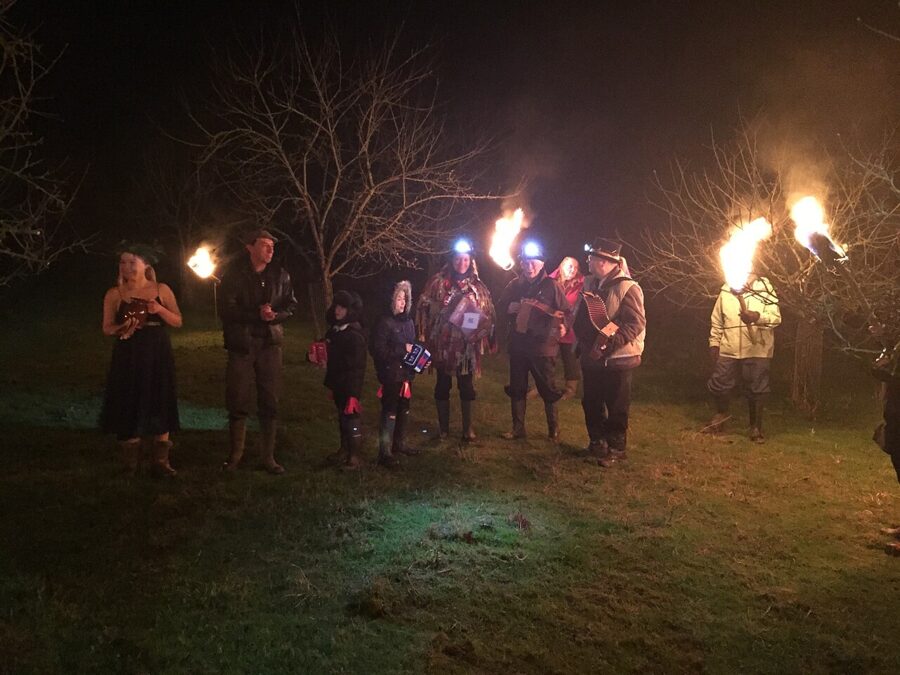

Carhampton in west Somerset is credited with being the first village in the area to revive its wassail, in the 1920s, and still holds it on 17 January. Most cider farms and plenty of pubs with an orchard hold one in January, and the local paper and CAMRA branch will list them.

Festivals and competitions
The British Cider Championships, one of the biggest cider competitions in Europe, are judged at the Royal Bath and West Show at Shepton Mallet at the end of May. The Ross Cider Festival at Broome Farm, started by Mike Johnson in 2001, runs over a weekend in early September, with camping in the orchards; in 2026 it was 4–6 September. Herefordshire’s Craft Cider Week ran 12–19 September in 2026, with tastings on the farms.
Perryfest at the Museum of Cider in Hereford, held on 3 October in 2026, is a free day of talks and tastings with a CAMRA perry bar. CAMRA runs cider and perry months every May and October, when branches and pubs put on tastings, and most CAMRA beer festivals have a cider bar that is usually quieter and better value than the beer.
Visiting the makers
The best way to understand cider is to stand in an orchard with a glass of it. Plenty of makers welcome you; ring ahead for the small ones.
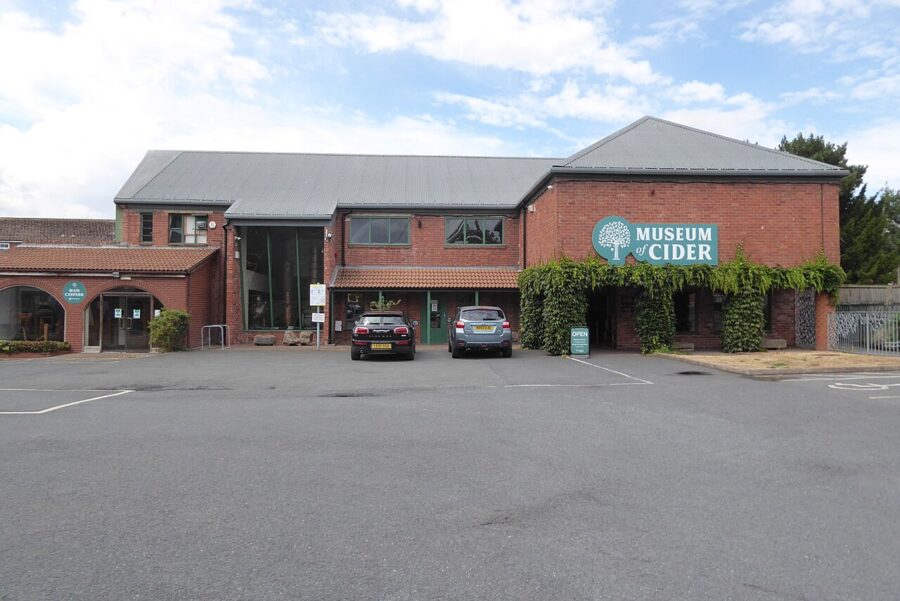
Museum of Cider, Hereford. In the old Bulmers factory on Pomona Place, a short walk from the city centre, open 10:30–16:30 Tuesday to Sunday. You can walk through the original works and the old champagne cider cellars, and the King Offa Distillery on site makes cider brandy. Its current exhibition, on the county’s orchards, runs until 11 April 2027.

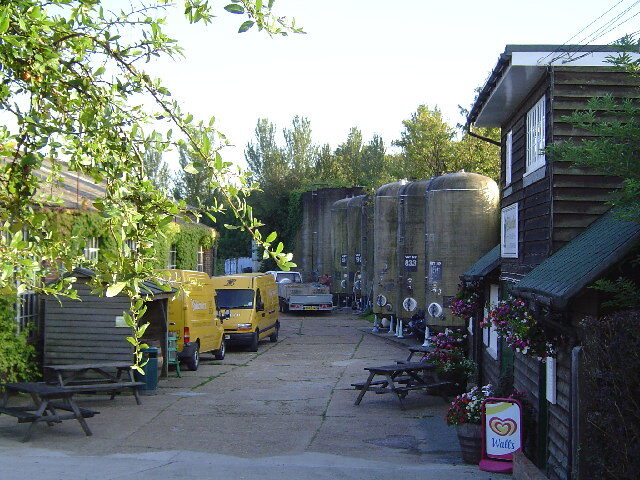
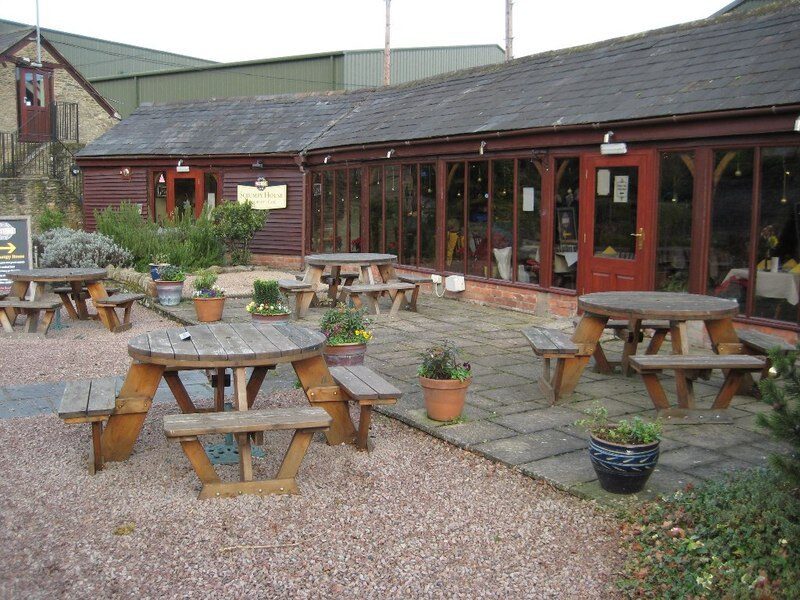
Westons, Much Marcle. Tours with a tutored tasting run every day at 11:00, 12:30, 14:00 and 15:30, with an extra 17:00 tour on Saturdays, for £20 (children £10, family ticket £50). Book ahead by phone or online, and expect stairs throughout. The mill has what Westons calls the UK’s largest collection of oak cider vats, and there is a shop and a restaurant on site.

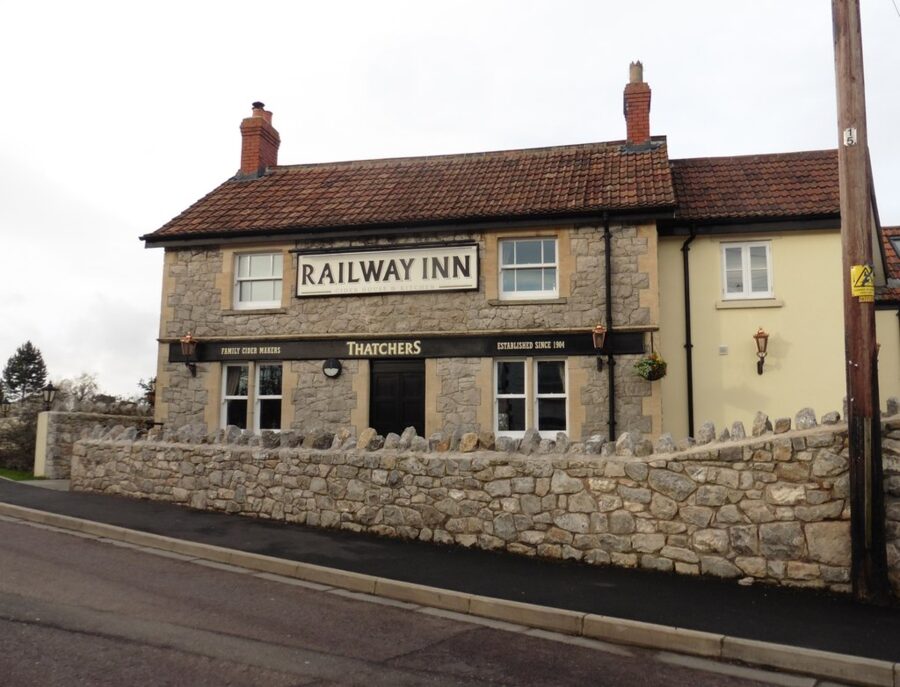
Thatchers, Sandford. Two-hour tours with tasting cost £20 and, from 2026, run Tuesday to Friday only, since the mill no longer works weekends. The farm shop sells the whole range, and the Railway Inn next door is the obvious place to finish.

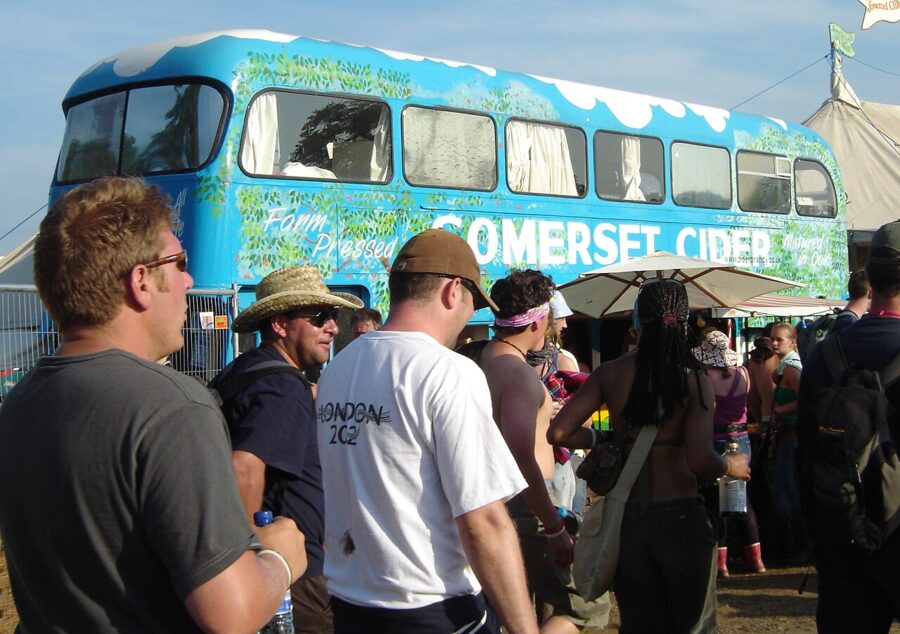
Burrow Hill, Kingsbury Episcopi. Open Monday to Saturday 9:00–17:00, closed Sunday, no booking needed unless you want the hour-long tour and tasting (£12). On Saturdays from April to October the Cider Bus sells cider and cocktails in the yard. Climb the hill behind the farm for the view.

Sheppy’s, Bradford-on-Tone. Shop open Monday to Saturday 9:00–17:00 and Sunday 10:00–16:00, with a bar and restaurant next to it; tours are arranged through the farm.
Broome Farm, Peterstow. Home of Ross-on-Wye Cider and Perry, with blossom walks in spring, tastings and other events through the year, and camping during the festival. If you only have an evening, the Yew Tree down the road pours the same cider.
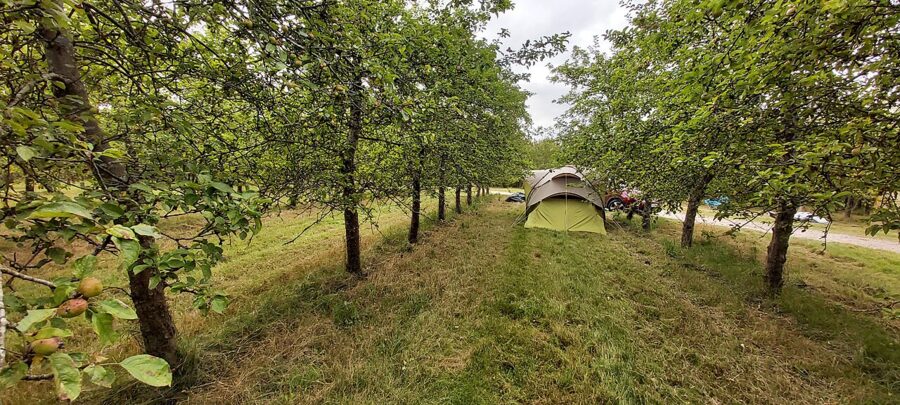

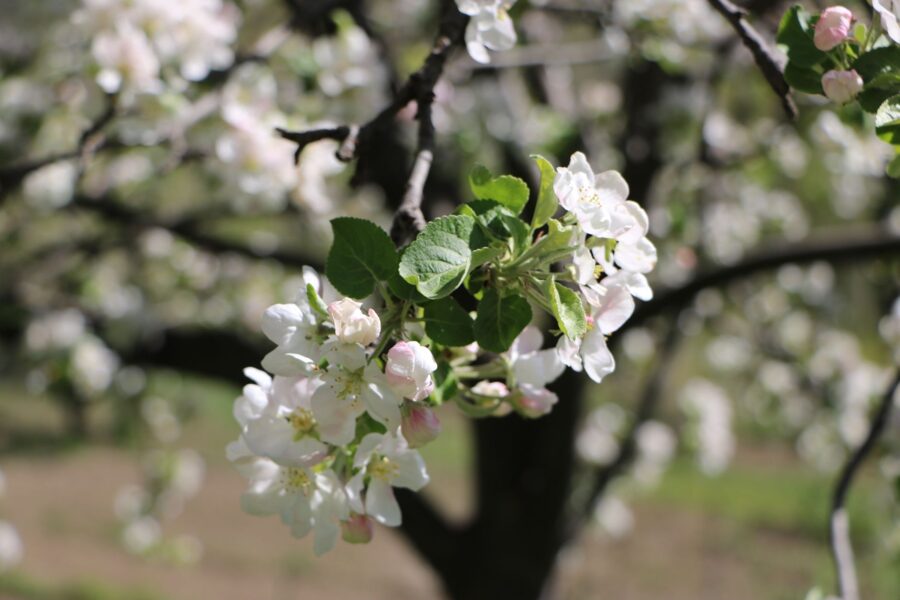
Herefordshire also puts on a show in May, when thousands of acres of blossom come out at once; Much Marcle, Putley and the lanes south of Ledbury are the places to see it. In September and October the smell of apples hangs over the same lanes, and that is the best time of all to visit.
If you only do one thing, go to a cider house. Get to Newton Abbot on a weekday afternoon, take a seat at one of the long tables in Ye Olde Cider Bar, and ask for a half of something dry from a maker you have never heard of. Then ask what the person next to you is drinking.