
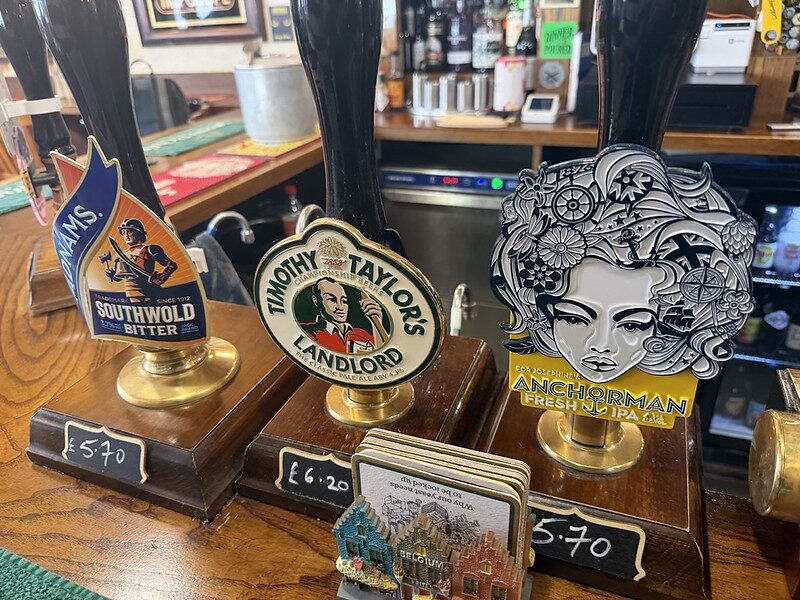
Somewhere under the bar you’re leaning on, a cask has been lying on its side since the start of the week, breathing through a peg of soft wood. It came from the brewery cloudy and unfinished. Nobody was allowed to pour from it until someone went down the cellar steps, drew off a glass, held it to the light and decided it was ready. The pint you’re about to be handed was still fermenting a few days ago.
That is real ale, or cask beer: the one drink on most bars that is still alive when it reaches you, and the reason a landlord’s cellar matters more than his wallpaper. It is also the most misunderstood drink on the bar.
People who have only read about it think it is warm and flat. Plenty of people who drink it every week think it is whatever comes out of a tall pump with a badge on top. Both are wrong, and the ways they are wrong explain most of what follows.
I think cask is the best thing a pub does, and the thing it most often does badly. A well-kept pint of 3.8% bitter, soft and cool and gone in ten minutes, is a small piece of craftsmanship that no supermarket can sell you. A badly kept one is vinegar with a head on it. Knowing the difference, and knowing what to do about it, is most of the skill of drinking in Britain.
On this page
What “real ale” actually means
Strip away the badges and the beards and the definition is short. Real ale is beer that finishes its fermentation in the container it is served from, and reaches your glass without extra gas being pushed into it. That container is usually a cask in a pub cellar. It can also be a bottle, if the brewer leaves live yeast in it, which is why “bottle-conditioned” beer counts.
Three things follow from that. The beer still holds living yeast when it leaves the brewery, so it carries on changing in the cellar. Its fizz comes from that yeast, not from a gas cylinder, so it is softer and lower than keg beer. And it has to be lifted to the bar by something other than gas pressure: a handpump, an electric pump, gravity from a cask on the back counter, or the old Scottish air-pressure founts that I’ll come to.
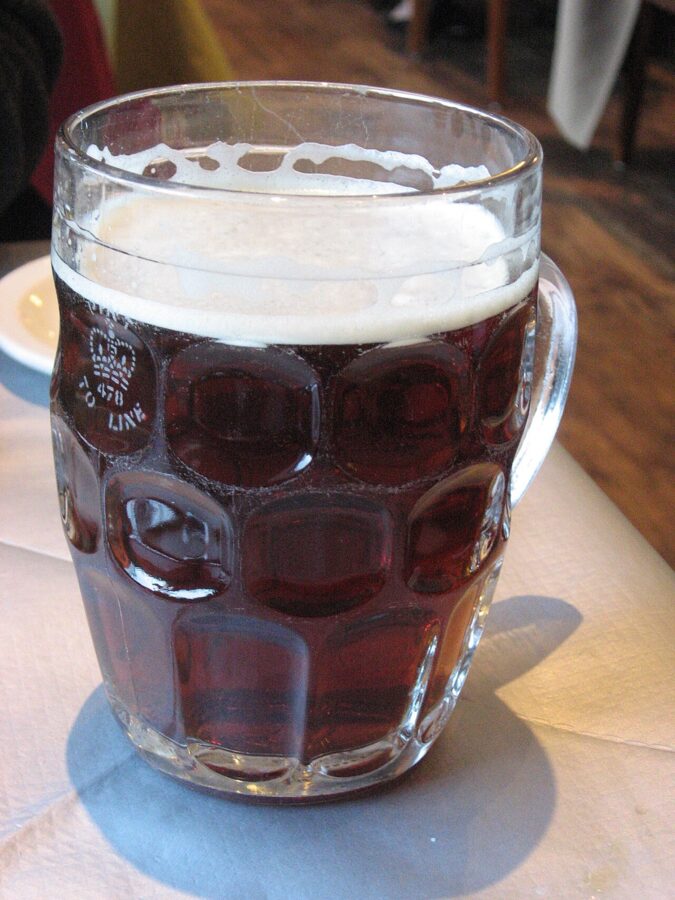
What it does not mean is warm. Cask beer is meant to be served at cellar temperature, around 11–13°C, which is cooler than a room and warmer than a fridge. The quality scheme that inspects pubs passes a pint anywhere between 10 and 14°C. A pint that tastes like soup has been kept badly; it was never supposed to taste like that.
Nor does it mean flat, brown or old-fashioned. The most popular style on British handpumps now is pale and hoppy, and some of the most exciting brewers in the country put their best work into casks. The beer is traditional in method, not in flavour.
The definition has also been widened at the edges. In 2015 CAMRA accepted that a membrane keg, where gas squeezes a bag and never touches the beer, can hold real ale if what went into the bag was unfiltered and still had live yeast in it. Its current wording puts all of this under the heading of “live beer”: any beer that still has enough yeast and sugar to keep fermenting in its final container. Cask-conditioned beer is live beer in a cask, vented so it pours at ordinary atmospheric pressure.
Four drinkers in Kerry, 1971
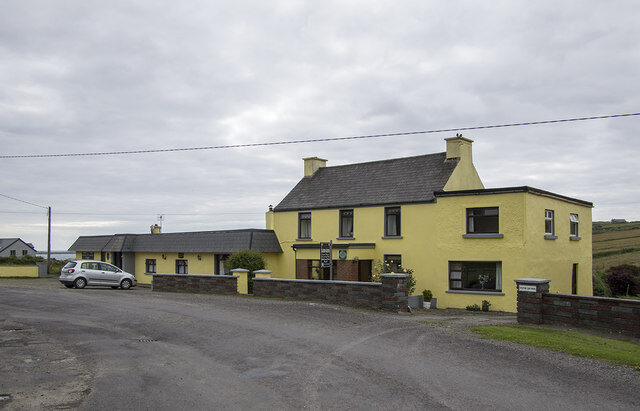
The phrase is younger than most people think. On 16 March 1971 four young men from north-west England, Michael Hardman, Graham Lees, Jim Makin and Bill Mellor, were in a bar in Dunquin at the far western end of the Dingle peninsula, on a holiday that had turned into a long pub crawl. Fed up with what had happened to British beer, they founded the Campaign for the Revitalisation of Ale. Branch histories name the bar as Kruger Kavanagh’s, now Kruger’s.

What had happened was keg. Through the 1960s a handful of big brewing groups bought up regional breweries, closed many of them and filled their tied pubs with filtered, pasteurised beer pushed out of a metal keg by gas. It travelled well, kept for weeks and needed no skill in the cellar. Watney’s Red Barrel became the emblem of the whole business, and of everything the founders disliked about it.
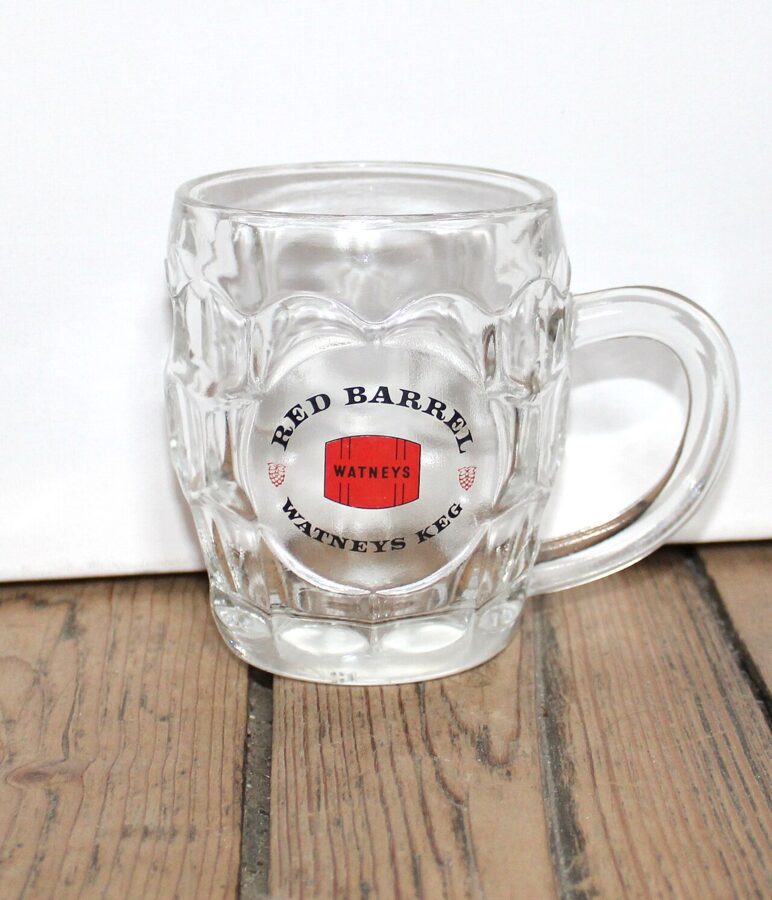

The clumsy original name lasted two years. At the campaign’s second annual meeting, at the London Press Club on 17 March 1973, it became the Campaign for Real Ale, and “real ale” entered the language as a slogan before it was ever a technical term. The first Good Beer Guide followed in 1974, and the first national beer festival filled the market hall at Covent Garden from 9 to 13 September 1975.
It worked, which is rare for a consumer campaign. Membership passed 30,000 in 1991 and 100,000 in 2009, and in 2026 cask was still on sale in roughly 24,000 British pubs. In 1971 there were whole towns where you could not buy a pint of it. Whatever you think of CAMRA’s committees and its occasional grumpiness about everything poured cold, the beer on those handpumps survives largely because four men on holiday got cross.
How a cask works, from brewery to glass
At the brewery: secondary fermentation and finings
Every beer starts the same way. Malted barley is steeped in hot water to pull out its sugars, the sweet liquid is boiled with hops, and yeast is added once it cools. Over about a week the yeast turns most of the sugar into alcohol and carbon dioxide. At that point keg beer and cask beer go their separate ways.
Keg beer is usually chilled, filtered, often pasteurised and carbonated at the brewery, so what goes into the container is finished. Cask beer is racked into the cask while there is still live yeast and a little fermentable sugar in it. Sometimes the brewer adds a dose of priming sugar to make sure, and sometimes a handful of whole hops goes in too, which is called dry hopping. The cask is sealed and the yeast carries on quietly, producing the gentle carbonation that is called “condition”.
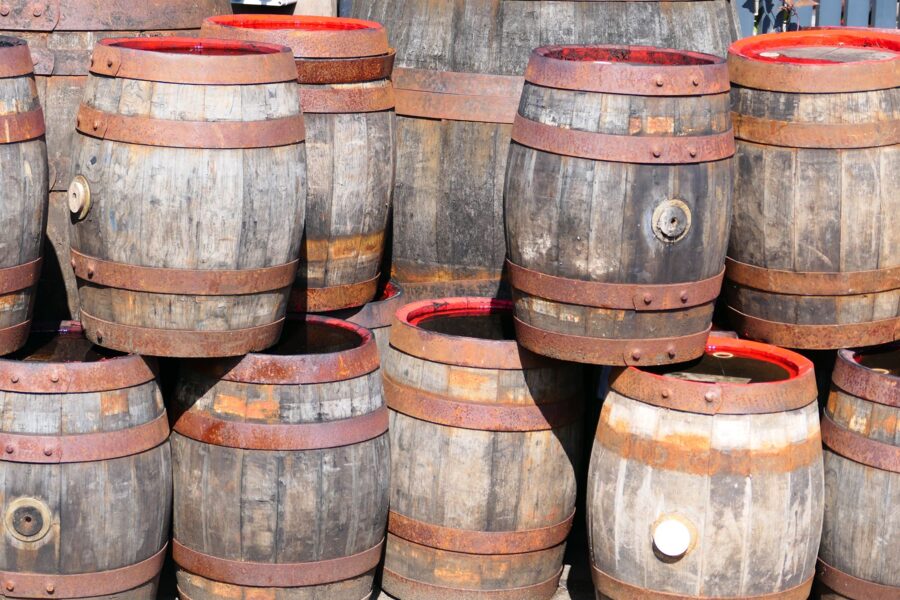
Most casks also get finings, a clearing agent that drags the yeast to the bottom once the cask is still. The traditional one is isinglass, made from the swim bladders of fish, which is why plenty of cask ale is not vegan. A growing number of brewers now leave their beer unfined and say so on the pump clip; those beers will be hazy on purpose, and that haze is not a fault.
The sizes have old names that you will still hear in cellars. A pin is four and a half gallons, a firkin nine, a kilderkin eighteen and a barrel thirty-six. The firkin is the workhorse, because a busy pub can empty one in the few days that matter.
In the cellar
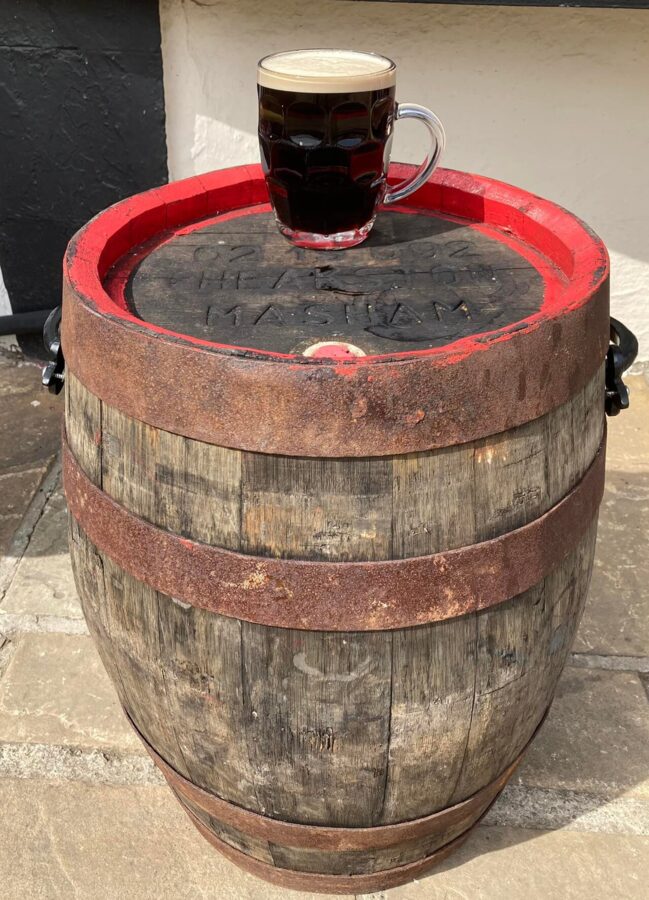
When the cask arrives it goes onto a stillage, a rack that holds it on its side with a slight tilt so the sediment settles at the back and stays there. It is left to rest. Then whoever runs the cellar knocks a hollow wooden peg, called a spile, through the bung on top. A soft, porous spile lets surplus gas hiss out slowly while the yeast finishes its work; once the condition is right, a hard spile goes in to hold what is left.
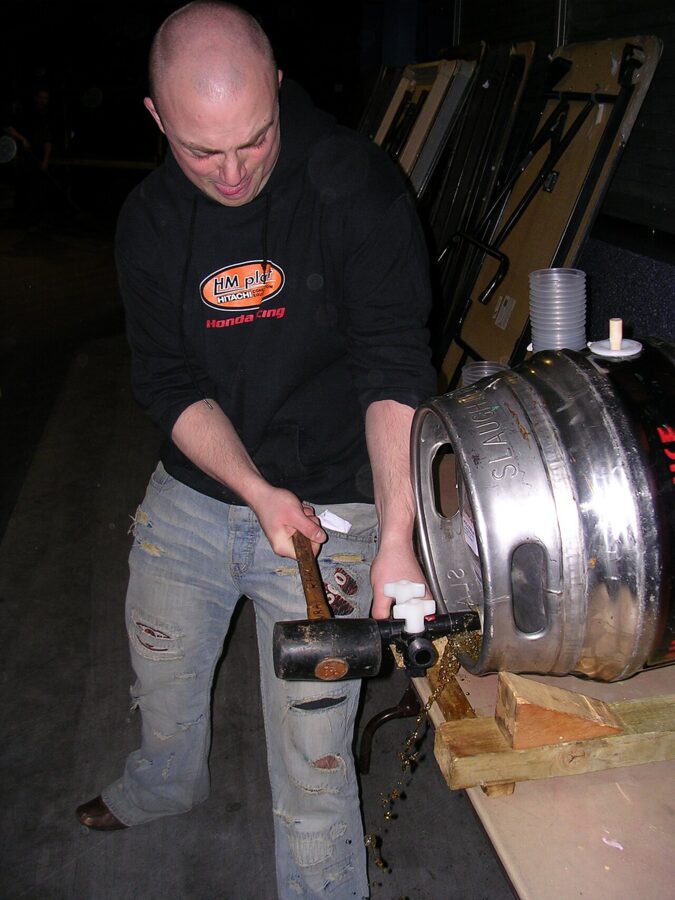

A tap is hammered through the keystone at the front, a line is connected, and a sample is drawn. The cellar keeper looks for clarity, smells for anything sour or eggy, and tastes. Most beers need a day or two from arriving to being ready, some a good deal longer, and the temptation in a busy week is to put them on early. That is where “green” beer comes from: young, yeasty, a bit thin.
Once a cask is on sale the clock starts. Every pint drawn lets air in, and after about three days most beers start to lose their condition and turn stale, then sour. Some pubs fit a cask breather, a valve that lets a blanket of carbon dioxide in instead of air, which buys time; CAMRA has always disliked them, and argues that a pub should simply stock fewer beers or smaller casks.
The lines from cellar to bar need cleaning at least weekly, the cellar has to stay cool in August, and none of this is visible from your stool. It is why the same beer can be glorious in one pub and grim in the one next door, and why I’d always rather drink a familiar bitter in a pub that sells a lot of it than a rare guest in one that doesn’t.
The handpump, and the founts north of the border
The handpump on the bar is a beer engine: a simple suction pump that lifts beer from the cellar with each pull of the handle. A full stroke on most engines draws about half a pint. Joseph Bramah, the engineer better known for his locks and his hydraulic press, took out patents on beer pumps in the late eighteenth century, and the brass and porcelain versions have been the badge of a proper pub ever since.
There are other ways up. Gravity is the oldest, with the cask on a stillage behind the bar or in a back room and the beer simply running out of the tap; most beer festivals still serve that way. In parts of the Midlands and the north you will find electric pumps that dispense metered half pints of cask into a lined glass, which look like keg fonts and are not.
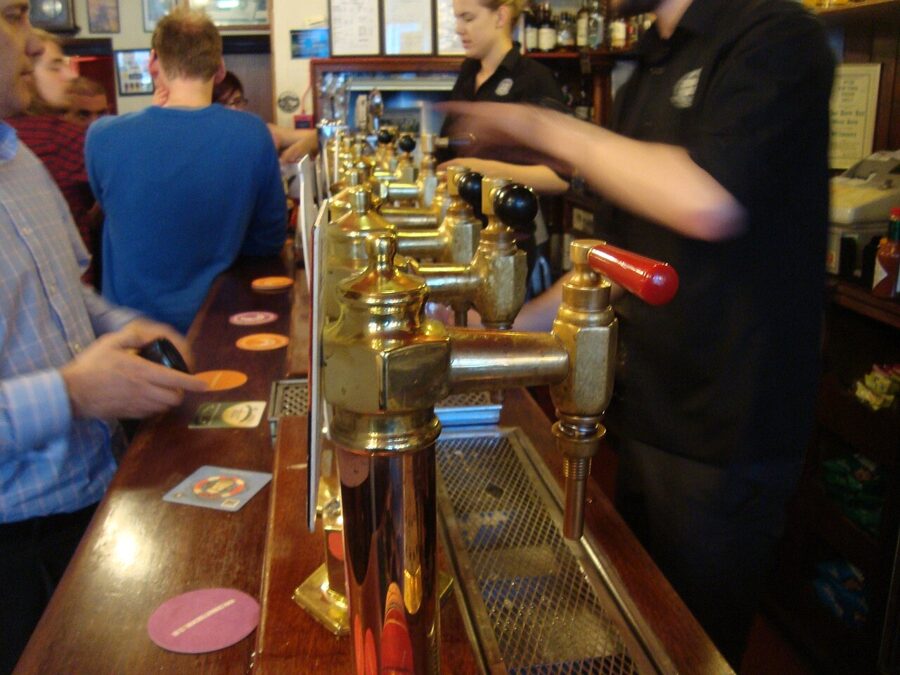

Scotland had its own system. Tall founts on the bar were fed by air pressure, built up by a water engine in the cellar, which pushed the beer up without the gas ever being absorbed into it. CAMRA’s definition makes a specific exception for it. Very few pubs still use them, which makes the ones that do worth a detour.
One warning. A handpump is a promise, and not every brewer keeps it. In 2024 CAMRA complained publicly when one of the country’s biggest brewers proposed serving a keg beer through cask-style handpumps, labelled “brewery conditioned”. If a pint from a handpump arrives very cold and very fizzy, read the clip again.
The sparkler: north and south
Watch a pint being pulled in Leeds and then in Lewes and you will see two different drinks. In most of the north and the Midlands the spout carries a sparkler, a small nozzle full of tiny holes, on the end of a long curved “swan neck”. The bar staff hold the glass upright with the spout at the bottom and the beer is forced through the holes, which knocks gas out of it and builds a tight, creamy head. In the south, and especially the south east, the spout is short and bare, and the pint is poured down the side of a tilted glass with a thin head on top.
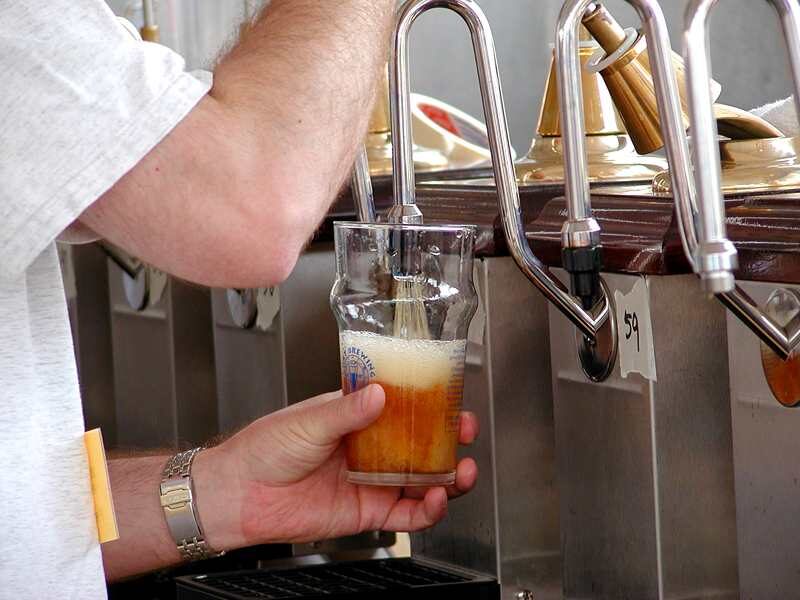
The argument has run for decades. Sparkler sceptics say it costs the beer some of its condition and buries hop bitterness in the foam. Northern brewers reply that their bitters are designed with the sparkler in mind, and some Yorkshire beers taste flat and harsh without one. Both are right about their own beers.
My rule is to drink it the local way first. If you prefer it otherwise, ask; most bar staff will unscrew the sparkler without a word. And if a tight head has left an inch of foam at the top of a pint glass, asking for a top-up is perfectly normal. Nobody decent will mind.
Cask, keg and craft keg, plainly
Most of the confusion at the bar comes from three kinds of draught beer that look similar from a distance. The simplest way to keep them apart is by what is in the container and what pushes the beer out of it.
| Cask (real ale) | Keg | Craft keg | |
|---|---|---|---|
| Live yeast in the container | Yes | No: filtered and usually pasteurised | Sometimes |
| Where the fizz comes from | Fermentation in the cask | Gas added at the brewery | Gas added, or fermentation in a bag keg |
| How it reaches the bar | Handpump, gravity, electric pump or air fount | Gas pressure through a font | Gas pressure through a font |
| Serving temperature | About 11–13°C | Cold, often 3–7°C | Cold |
| Life once opened | About three days | Weeks | Weeks |
Keg beer is finished at the brewery and pushed to the bar by gas. The big keg bitters of the 1970s gave way in the 1990s to “smooth” or nitrokeg beers, served with a mix of nitrogen and carbon dioxide to give a creamy head and a soft, rather blank texture. You will still see them on fonts in most pubs, usually beside a lager or two.
Craft keg is the newer cousin: often unpasteurised, sometimes unfiltered, served cold and lively, and usually stronger, hoppier or stranger than anything on the handpumps. Some of it is live beer in a membrane keg and would satisfy CAMRA’s definition. Most of it is simply good beer served another way.
None of these is morally superior, and I would choose by style.
A 3.8% bitter or a mild is at its best on cask, where the soft condition lets the malt talk. A 6.5% hop-heavy IPA often tastes brighter cold from a keg. Stout is the interesting one: try a cask stout beside a nitro pint of the famous Irish one and decide for yourself.
The styles you’ll meet on the bar
A pump clip tells you the beer’s name, the brewery and the strength, and usually little else. Style names are loose, brewers ignore them when they like, and a beer called “best” may be the weakest on the bar. These are the families worth knowing.
Bitter and best bitter
Bitter began as the draught version of pale ale in the nineteenth century: brewers sold “pale ale”, and drinkers asked for “bitter”. It is still the backbone of the British handpump. Expect a copper or amber beer, biscuity malt, a little toffee, earthy or peppery English hops such as Fuggles and Goldings, and a dry finish that sends you back for another mouthful.
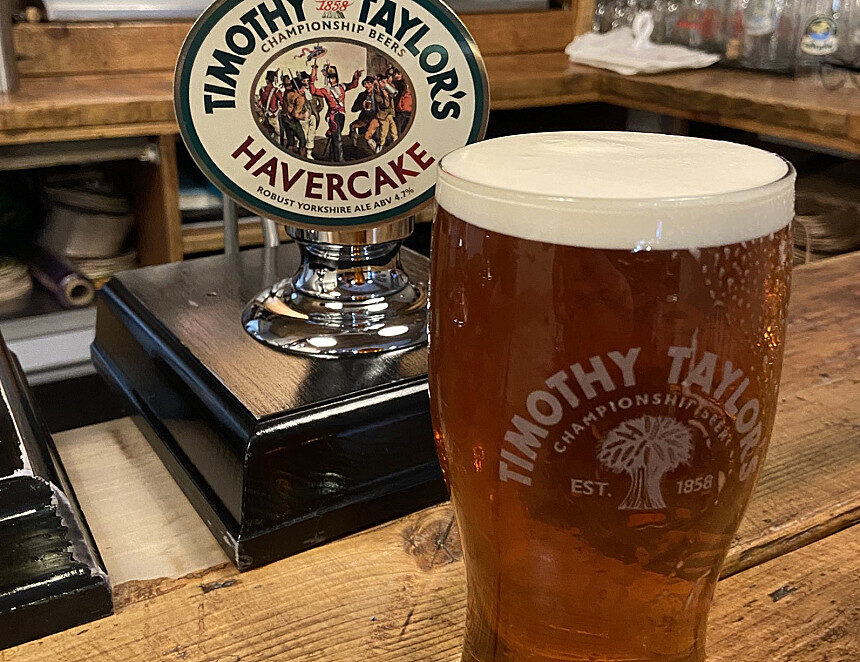
Ordinary bitter sits around 3.4–3.9% and is the beer for a long session. Best bitter runs from about 4% to 4.7%, with more body and more of everything; Harvey’s Sussex Best is 4% and Bathams Best 4.3%. Above that come the strong bitters, sometimes sold as ESB or “special”. Timothy Taylor’s Landlord, at 4.3%, calls itself a pale ale and drinks like a best bitter with ideas.
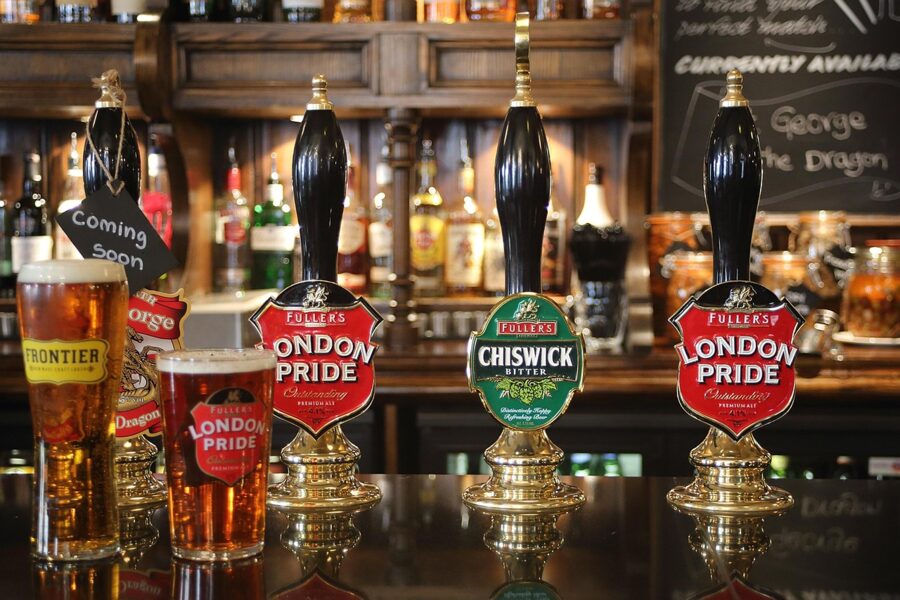
Best bitter is also the beer I’d pour with a Sunday roast. The malt sweetness meets the gravy halfway and the hops cut through the fat, which is more than most wine manages with Yorkshire pudding.
Mild
Mild has the worst name on the bar. It means lightly hopped, not weak in flavour, though most milds are low in alcohol, around 3–3.6%. Most are dark, ruby to brown, with roast, chocolate and dried fruit, but pale milds exist too. For much of the twentieth century it was what working men in the industrial towns drank by the gallon, and then it nearly vanished.

The Black Country is its stronghold. Bathams Mild Ale is 3.5%, Harvey’s Dark Mild in Sussex a mere 3%, and Sarah Hughes Dark Ruby, brewed behind a pub in Sedgley, is a 6% strong mild that tastes of plums and does not forgive a third pint. CAMRA’s mild category in the 2026 Champion Beer of Britain went to Shortts’ Two Tone at 3.8%. If you see one on the bar, order it; it is often the best-kept beer in the house, because the regulars who drink it will tell the landlord if it isn’t.
Golden ale
Golden ale is younger than most people drinking it. Exmoor Ales, brewing in Wiveliscombe in Somerset, made Exmoor Gold in 1986 to mark its thousandth brew, and it is generally counted as the first of the modern style. Hop Back’s Summer Lightning, from just outside Salisbury, followed in the late 1980s, and the idea spread fast: a pale, crisp, hop-led cask beer that a lager drinker might try without suspicion.
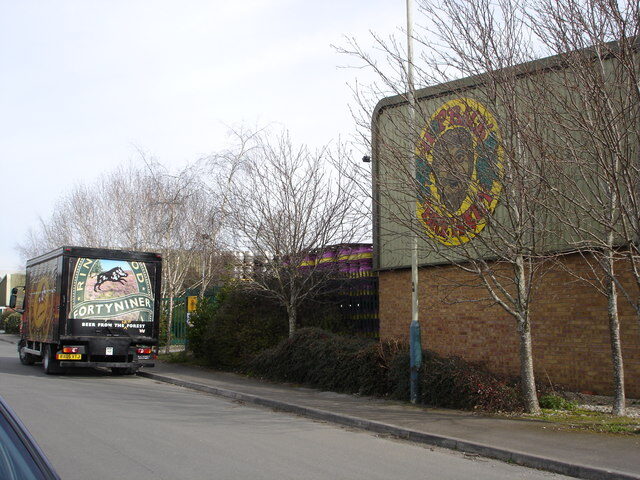

Golden ales now fill guest pumps all over the country, and this is the style where cask brewers have had most fun with American and New Zealand hops, all grapefruit, lychee and pine. The 2026 Champion Beer of Britain was one of them: Independence, a 4.6% pale ale from Bristol Beer Factory, brewed in Ashton on the south side of the river. If you are working through Bristol’s pubs, it is the local beer to look out for.
Porter and stout
Porter was the beer of eighteenth-century London, dark brown and brewed on an industrial scale, and the name is usually traced to the street and river porters who drank it. The stronger versions were sold as “stout porter”, and in time the stout dropped the porter. Porter had all but disappeared from British bars by the mid-twentieth century, leaving Irish stout to fill the gap, and it came back with the small breweries of the 1980s and 1990s.
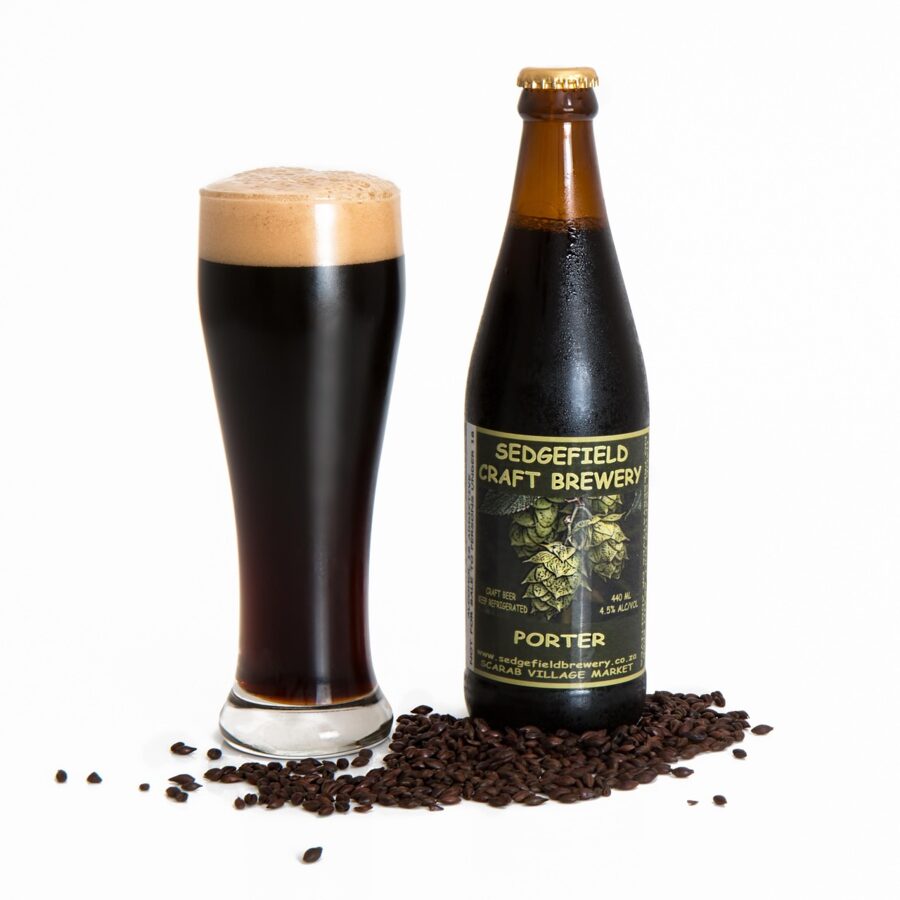
On cask, a stout or porter is a quieter and more interesting drink than the nitro pint most people know: drier, with coffee and dark chocolate, and a head made by the beer rather than by nitrogen. Session stouts of 4–5% are the ones to look for; Cairngorm’s Black Gold won its class in 2026 at 4.4%.
Old ale
Old ale was once just that: beer kept for months in wooden vats until it went sharp and complex, then blended with fresh “mild” beer to the drinker’s taste. The name now covers dark, rich, malty beers sold mostly in winter, and it says nothing reliable about strength. Harvey’s Old Ale is 4.3% and took gold in its class at the 2026 Champion Beer of Britain; Theakston’s Old Peculier from Masham is 5.6%; above that the style blurs into barley wine.
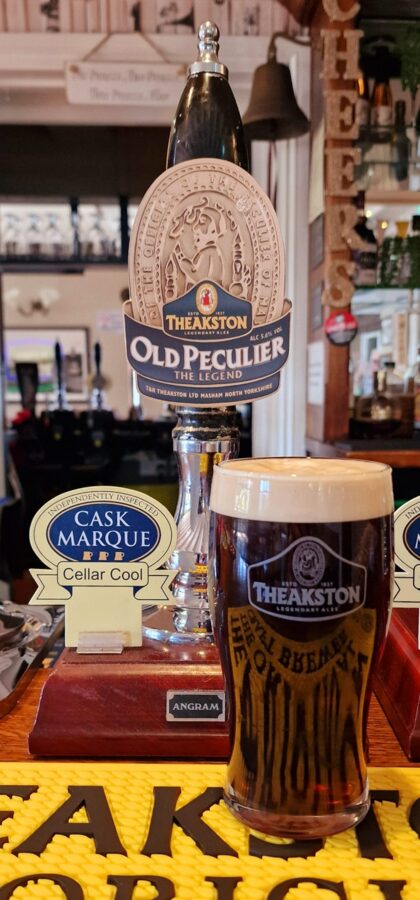
These are beers for cold nights and slower drinking, and they suit cask better than almost anything. When Harvey’s Old Ale goes on in a pub that takes care of it, I’d order it before anything else on the bar.
IPA, in its British sense
India pale ale was a strong, heavily hopped pale ale shipped to British India from the late eighteenth century. George Hodgson’s brewery at Bow, near the East India Company’s docks, did much of the early trade, and from the 1820s the Burton brewers, Allsopp and Bass above all, took it over with the hard local water that suited pale beers. The beer historian Martyn Cornell has spent years untangling the story, and the popular version, in which IPA was invented specially to survive the voyage, does not survive contact with the evidence.

What matters at the bar is that “IPA” on a British handpump can mean two different things. Greene King IPA, the most familiar of them, is a 3.6% session bitter in all but name, a reminder that the label drifted down in strength through the twentieth century. A modern cask IPA from a newer brewery is more likely to be 5.5–6.5%, pale, and loaded with American hops: Oakham’s Green Devil, silver medallist among the IPAs in 2026, is 6%. Check the strength before you order a pint of either.
At the bar: choosing, tasting and sending one back
Reading the pumps
Start by looking at the handpumps before the fonts, the fridge or the menu. Count them, then look at the room. Six or eight pumps in a busy pub means the casks are turning over and the beer is fresh. Twelve in a quiet pub on a Monday afternoon means some of those casks have been on longer than they should, and I’d pick whichever beer the regulars are drinking.
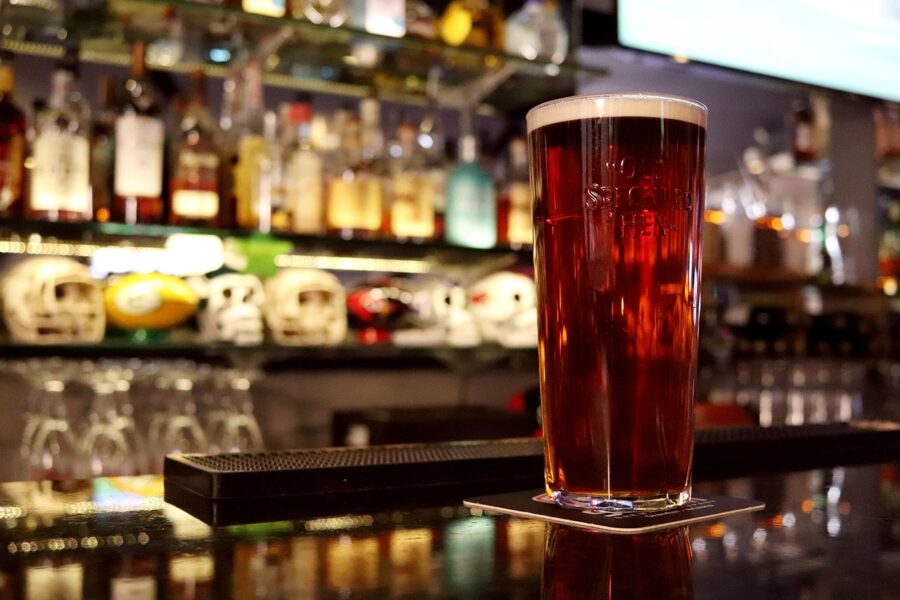
A clip turned round to face the wall means that beer is off or about to come on. The local brewery’s beer is usually the safest choice, because the pub sells most of it. The strongest beer on the bar is the riskiest, because it sells slowest. And if you can’t decide, ask what’s drinking well today; good bar staff know, and the question tells them you care.
Asking for a taste
In most British pubs you can ask to try a beer before you buy it, and in cask pubs it is expected. You’ll get a mouthful in a small glass. Ask for one or two, not five, and don’t do it at the busiest moment on a Friday night. A pub that refuses a taste of its cask is telling you something about its cellar.
Spotting a bad pint
A bad pint usually announces itself before you swallow, so smell it first.
Vinegar or a sharp, sour edge means the cask has been on too long or picked up an infection. Butter or butterscotch means the beer went on too young. Wet cardboard means it has been sitting about with air in it. A faint whiff of eggs can be a young beer, or a dirty line.
Then look and taste. Flat, lifeless beer with no bead and a head that dies in seconds has lost its condition. Warm beer means a warm cellar. Haze is the hard one: an unfined beer will be hazy by design, and the clip should say so, but a beer that ought to be bright and arrives looking like soup has not settled or has been disturbed.
Take it back early, after a mouthful, not when it is half gone. Say plainly that you think it’s on the turn and ask for something else. Any decent pub will change it without argument, often with thanks, because the next person to order it would have had the same pint. If a pub argues, you have learned which pub not to drink in.
The state of cask in 2026
The numbers are not cheerful. NIQ’s figures for the twelve months to August 2026 put on-trade cask sales at 979,000 hectolitres, down almost a fifth on the year before, while draught beer as a whole fell by under four per cent. The number of pubs selling cask fell by about 8% to around 24,000. The average pint of cask cost £4.91 in the trade press’s 2026 survey, against £5.34 for the average pint of anything, so cask is still the cheapest thing on most bars and still losing ground.
Pubs keep closing too. The British Beer and Pub Association counted 161 closures in the first three months of 2026 and 295 by the end of September, and expected around 360 for the year. Many of the ones that go are wet-led locals, exactly the pubs that sold most of the cask in the first place.
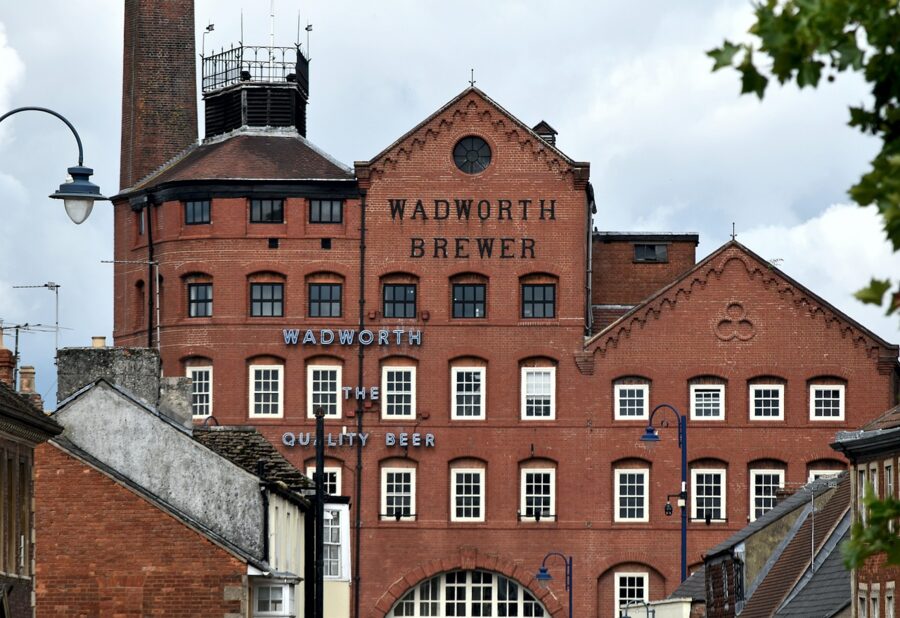
There is a brighter side if you look for it. Drinkers under 35 are choosing cask in greater numbers than they were a few years ago, and the beers growing fastest by value in 2026 were the old names: Bass, Timothy Taylor’s Landlord, Wadworth 6X, St Austell’s Tribute and Theakston XB. In food-led pubs cask takes about £1 in every £8 spent on beer. The pubs that keep it well are doing fine; it is the indifferent pint in the indifferent pub that is dying, and I can’t pretend to mourn it.
Cask Marque
The blue plaque by the door belongs to Cask Marque, a quality scheme set up in 1998 by four brewers, Adnams, Greene King, Marston’s and Morland. Its assessors turn up unannounced at least twice a year, about six months apart so that both summer and winter cellars are tested, and check up to six cask beers for temperature, clarity, aroma and taste. A beer scores full marks for temperature anywhere between 10 and 14°C.
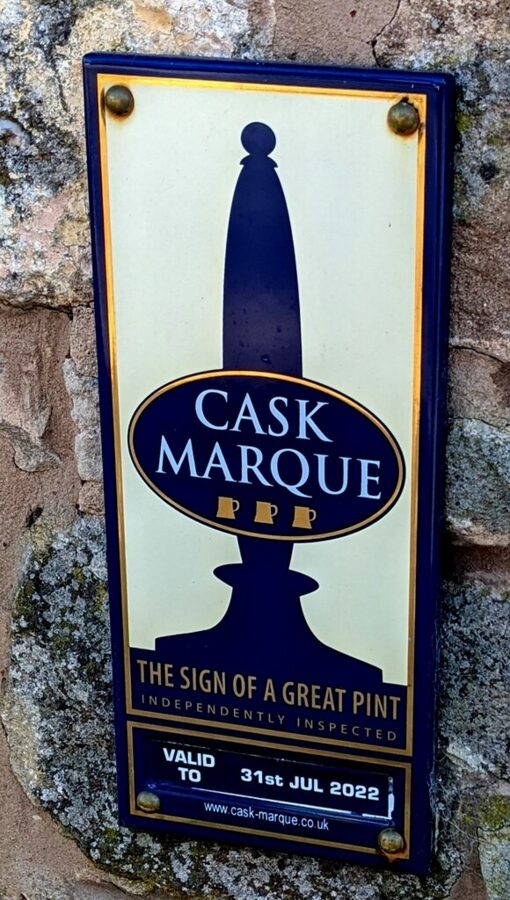

Pubs that pass get a plaque and a dated certificate, renewed every twelve months. What it tells you is that the beer was right on the days the inspector called and that the cellar is clean. It does not promise your pint, and some of the best cask pubs in the country have never bothered with it. In an unfamiliar town, though, it beats guessing.
Beer festivals, and a summer without the big one
For fifty years the Great British Beer Festival was the summer’s main event, held at Olympia in London for most of this century and at Birmingham’s NEC in August 2025. It was not held in 2026. CAMRA cancelled it, along with its winter festival, after the 2025 event failed to draw enough people to cover rising costs, and has not said when or whether it will return.
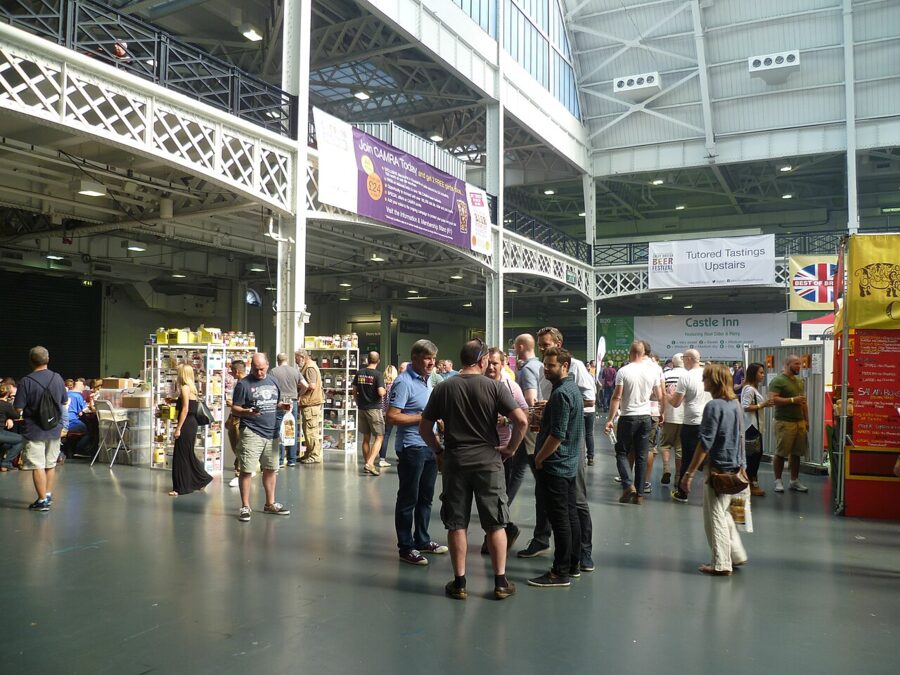

The Champion Beer of Britain carried on regardless, with its final judged at the Cambridge Beer Festival in May 2026. The local festivals carry the tradition now, and they are often better for it. Peterborough’s, on the Embankment in late August, was CAMRA’s biggest of 2026; Sheffield’s Steel City festival filled Kelham Island Museum in October; and the Pig’s Ear festival opens at the Round Chapel in Clapton, east London, on 1 December 2026.
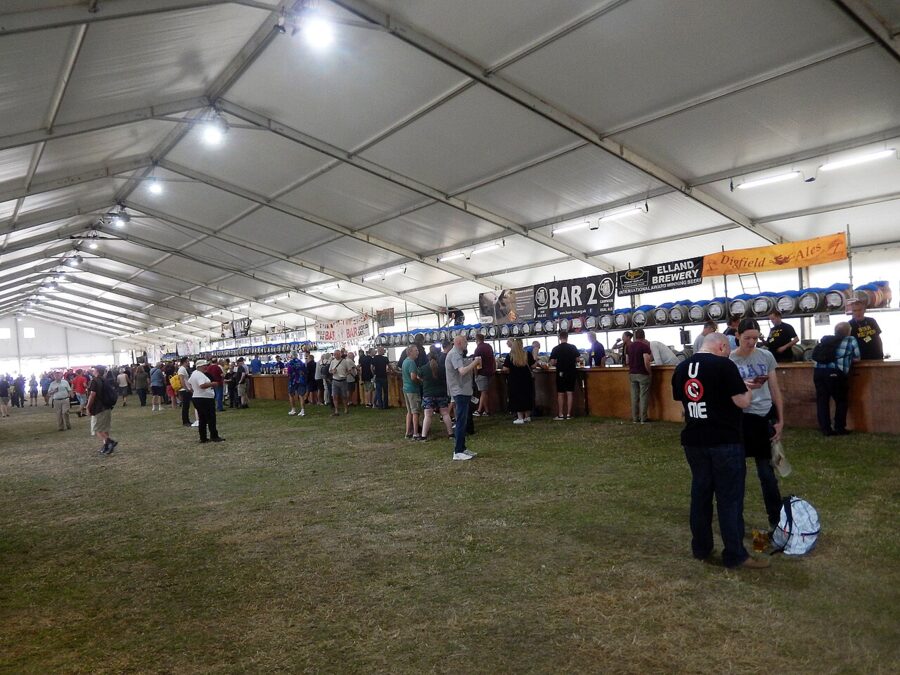

At any of them, buy thirds or halves rather than pints, eat something early, and treat the programme as a reading list. The beer comes straight from casks on stillage by gravity, which is cask at its plainest, and a festival is the cheapest way to learn what you like.
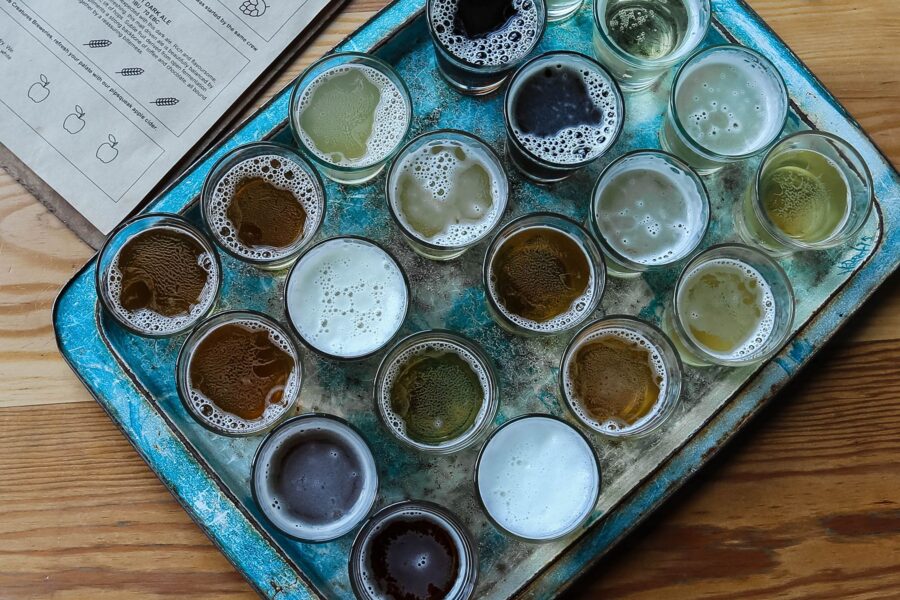
Where cask is at its best
These are pubs where the cellar is the point of the place, spread across Britain, and each is worth a train journey. Check hours before you travel, because small pubs change them more often than chains do.
Tamworth Tap, Tamworth
A sixteenth-century building on Market Street, partly Tudor, with a courtyard that looks up at Tamworth Castle, a Saxon wall in the garden and the Tamworth Brewing Company working on the premises. There are twelve handpumps, with the house beers alongside guests that regularly include Bathams Best and Sarah Hughes Dark Ruby. CAMRA made it National Pub of the Year for 2022, 2023 and 2025, the first pub to win three times since the competition began in 1988, and in September 2026 it was also named Pub of the Year at the Great British Pub Awards.
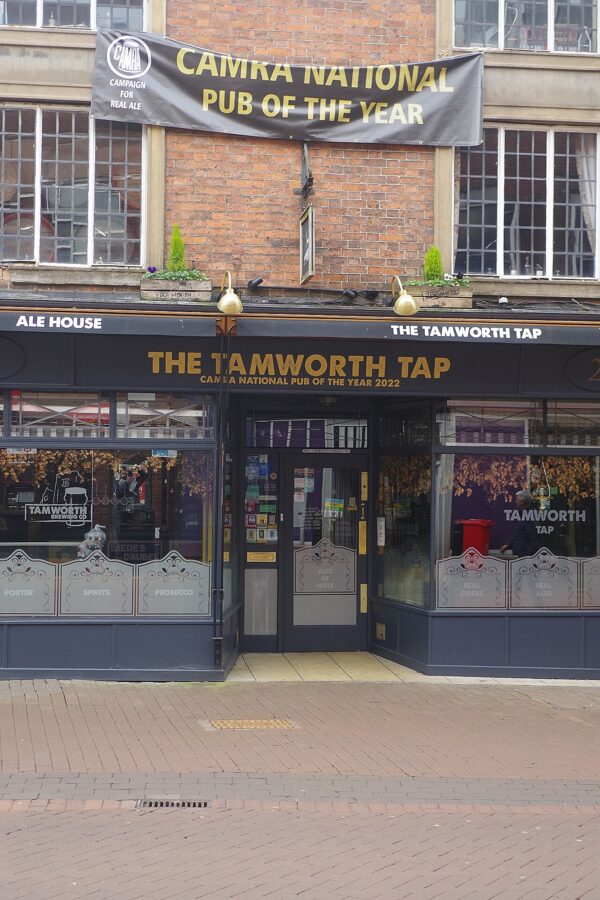

Plenty of English pubs are older, and the long argument over which are the oldest pubs in England never touches this one; it wins on what is in the glass. It is closed on Mondays, opens at 16:00 Tuesday to Thursday and earlier at the weekend, and does snacks rather than meals. It closes early on some nights, at 21:00 on Tuesdays and 20:00 on Sundays. Dogs are welcome on a lead, though not after 19:00 on Fridays and Saturdays, and Tamworth station is about ten minutes’ walk.
The Vine, Brierley Hill
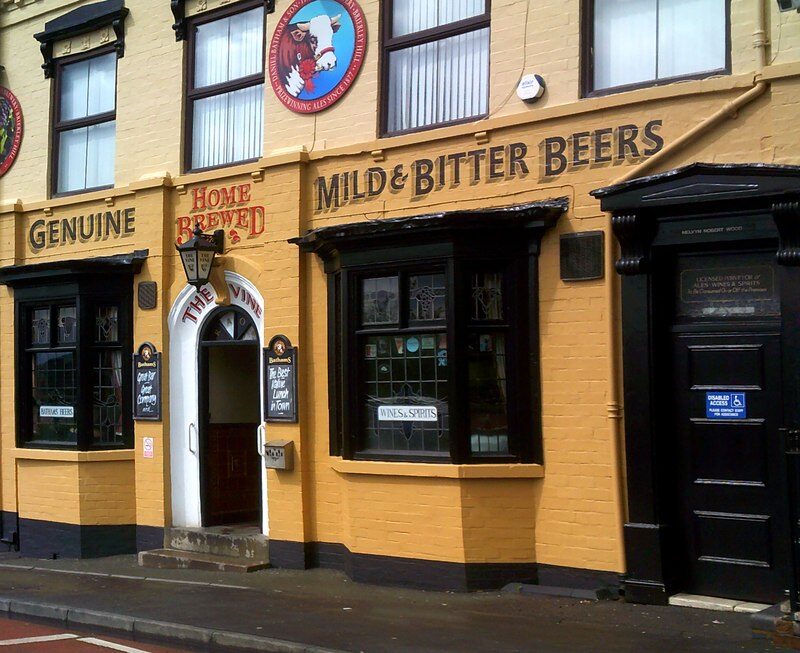
Everyone calls it the Bull and Bladder, and it is the tap of Bathams, the family brewery next door that has been at it since 1877. The ornate front carries a line from Shakespeare’s Two Gentlemen of Verona, “Blessing of your heart, you brew good ale”, and for once the claim holds up.
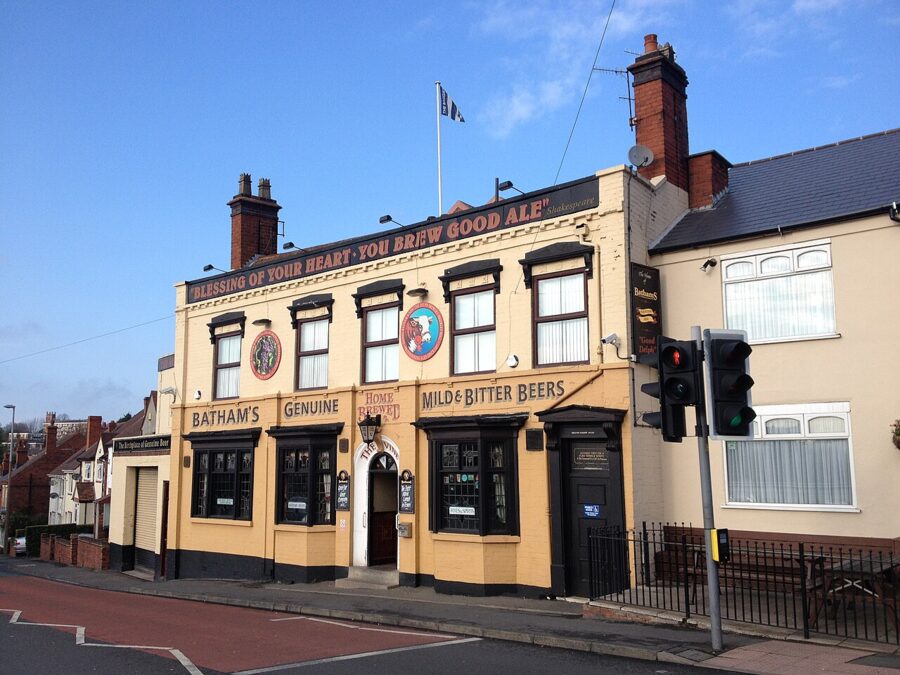

There are two beers on the handpumps, Best Bitter at 4.3% and Mild Ale at 3.5%, and that is the whole point. Bathams Best is a pale, sweetish, cleanly bitter beer that tastes better here than anywhere, because the brewery is next door. The interior is on CAMRA’s National Inventory of Historic Pub Interiors, the pub was Dudley and South Staffordshire CAMRA’s Pub of the Year for 2026, and it remains wonderfully unbothered by either.
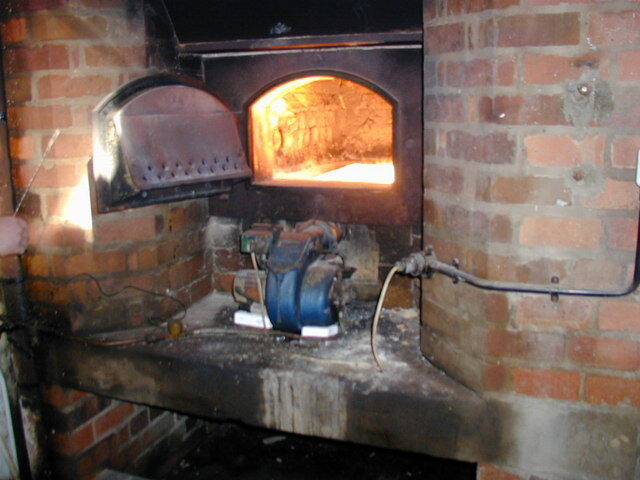

It opens 12:00–23:00 Monday to Saturday and until 22:30 on Sunday. Black Country lunches such as faggots and home-made pies are served 12:00–14:00 on weekdays only, but rolls and pork pies are on the bar all day. Families are welcome and so are dogs, except in the front lounge. Lye station is about twenty minutes’ walk, and buses stop close by.
Beacon Hotel, Sedgley
A few miles north, on Bilston Street in Sedgley, the Beacon is a Victorian brewery pub with a red-brick tower brewery standing behind it. Sarah Hughes bought the place in 1921 and brewed here until about 1950; the brewery then stood idle for decades, and her grandson John Hughes started it again in 1987, using her recipe for the beer now sold as Dark Ruby. The pub has three stars on CAMRA’s National Inventory, its top grade, and is Grade II listed.
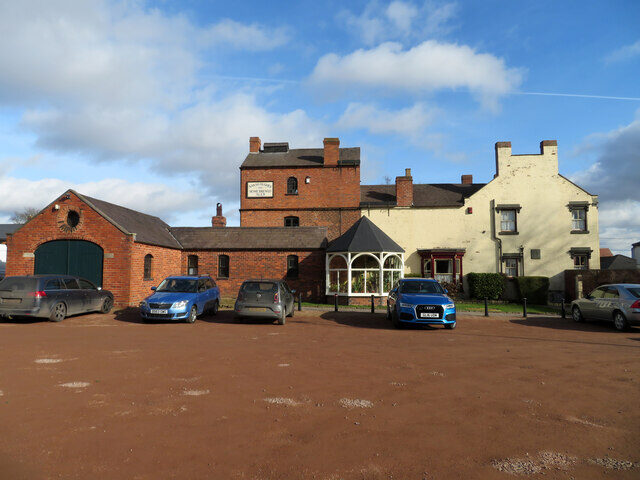

Inside it is a warren of small rooms with the old Victorian layout intact, and it is quiet in the best sense: no music to speak of, just talk. The regular beers are Pale Amber at 4%, Sedgley Surprise at 5% and the 6% Dark Ruby, plus guests. Go for the Ruby, have a half, and then decide whether a pint is wise.
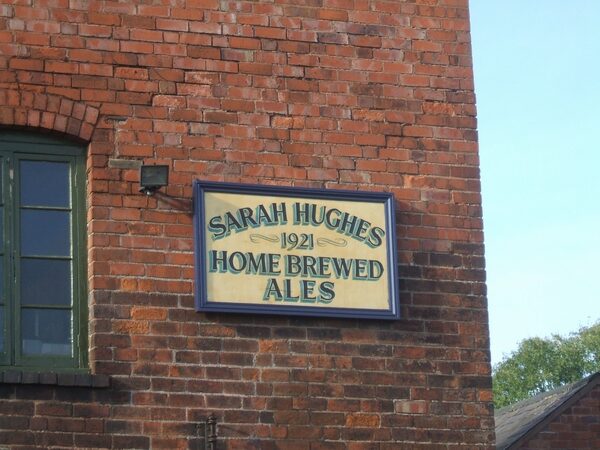

Hours are old-fashioned. It opens 12:00–14:30 and 17:30–23:00 Monday to Thursday, until 15:00 at lunch on Friday and Saturday (with an 18:00 evening start on Saturday), and 12:00–22:30 straight through on Sunday. There is a family area at the back. Coseley station is about two kilometres away, and buses stop almost outside.
Kelham Island Tavern, Sheffield
A small two-roomed pub on Russell Street, rescued from dereliction in 2002, long before Kelham Island filled up with flats and bars. It became the first pub to win CAMRA’s National Pub of the Year two years running, in 2008 and 2009, and Sheffield’s branch named it the city’s pub of the year again in 2026.
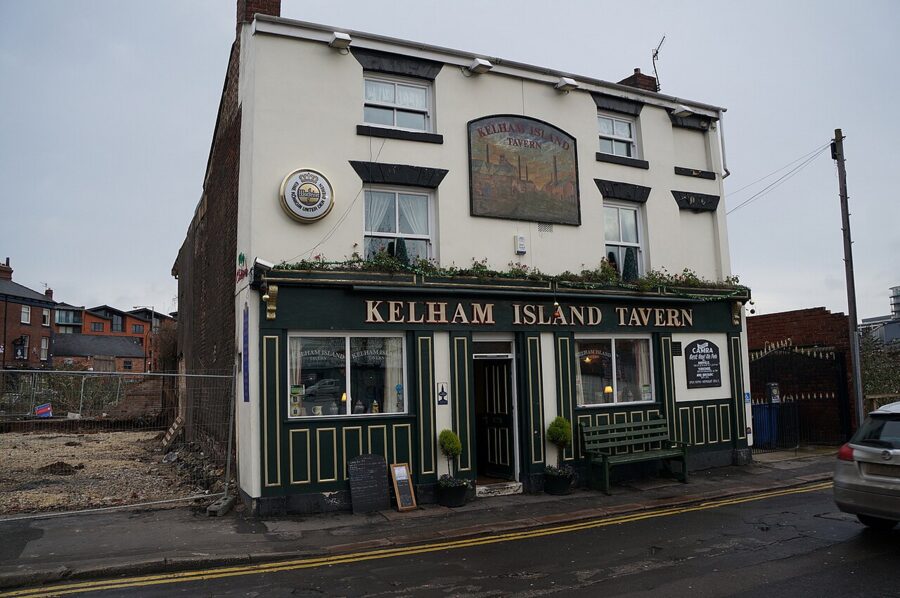

Thirteen handpumps carry three regulars, Acorn Barnsley Bitter, Abbeydale Moonshine and Blue Bee’s American 5 Hop, and ten changing guests, with real cider besides. Food means cheese and onion baps and pork pies, which is the correct food. There is folk music on Sunday evenings and a quiz on Mondays, and both children and dogs are welcome.
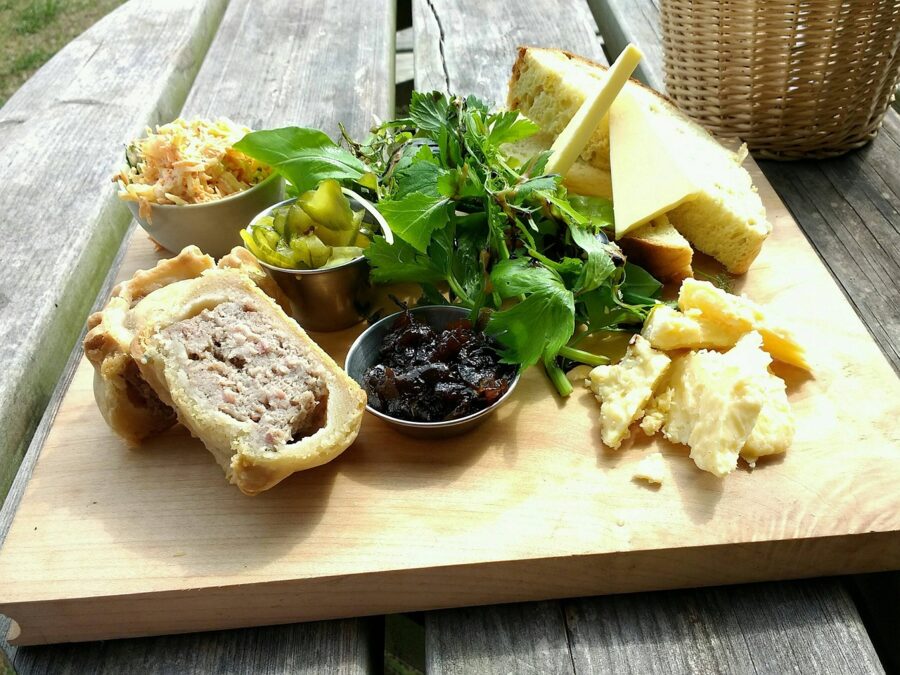
It opens at noon every day, closing at 23:00 Sunday to Wednesday and at midnight Thursday to Saturday. Shalesmoor tram stop is five minutes’ walk; Sheffield station is about fifteen minutes on foot.
The Royal Oak, Borough
Harvey’s of Lewes is the most stubbornly traditional brewery in the south, and the Royal Oak on Tabard Street was its first London pub. It is a Victorian corner house that the brewery restored to look as it might have in the 1850s, with two bare-boarded bars and four handpumps on each. It is nowhere near the oldest pubs in London, and it doesn’t pretend to be; it is simply one of the best places in the city to drink beer from a cask.
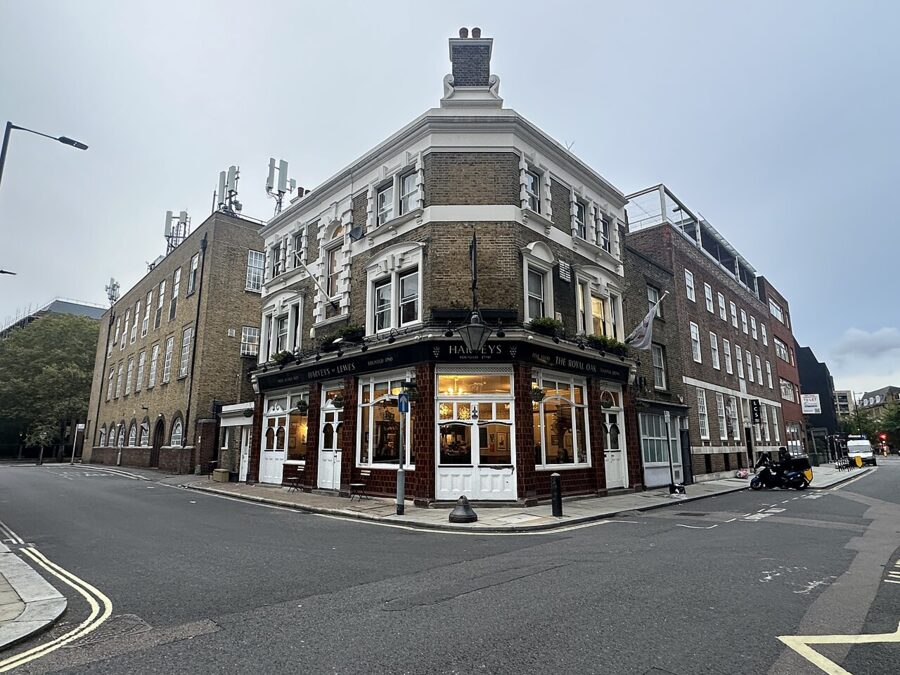

It serves cask only. The regulars are Harvey’s Dark Mild at 3% and Sussex Best Bitter at 4%, with Armada Ale and the brewery’s seasonal beers rotating through; in winter that includes the Old Ale that won its class in 2026. A half of the mild and a pint of the Best is about as good a lesson in English beer as any bar in London offers.
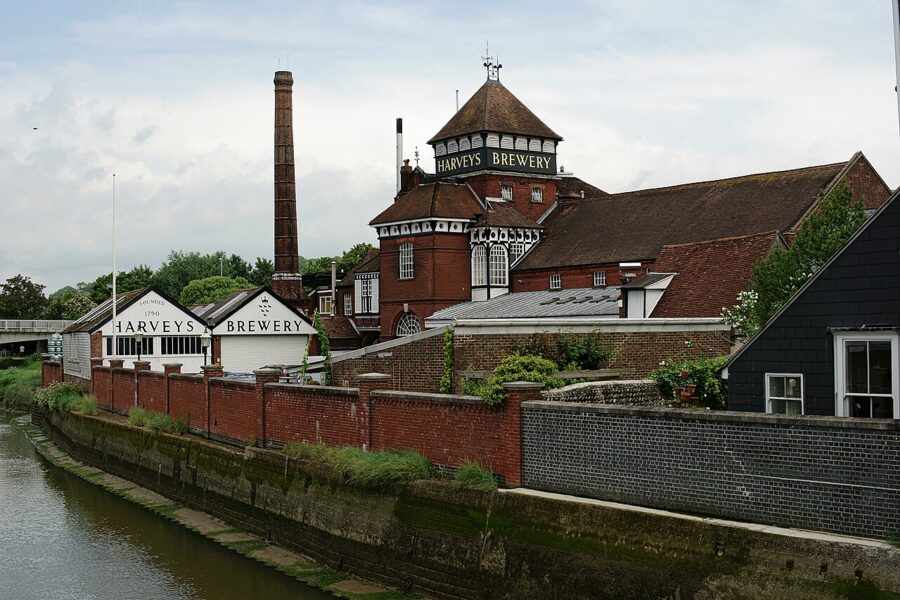

It opens 11:00–23:00 Monday to Saturday and 12:00–21:00 on Sunday, and may close early if it is quiet. There is no food on Monday; evening meals run 17:30–20:30 Tuesday to Saturday, with lunches 12:00–15:00 on Friday and Saturday and 12:00–17:00 on Sunday. Dogs are welcome. Borough tube is about three minutes’ walk and London Bridge about ten.
Bow Bar, Edinburgh
One room on the curve of the West Bow, just above the Grassmarket, with seven Aitken air-pressure founts on the counter and more than 400 single malts behind it. The cask beer is Scottish: Stewart’s 80/-, a 4.4% beer in the old Scottish shilling tradition, Loch Lomond’s Silkie Stout and Cromarty’s Whiteout as regulars, with guests from the same kind of brewers. It is the best place I know to see how Scotland served its beer before handpumps took over.
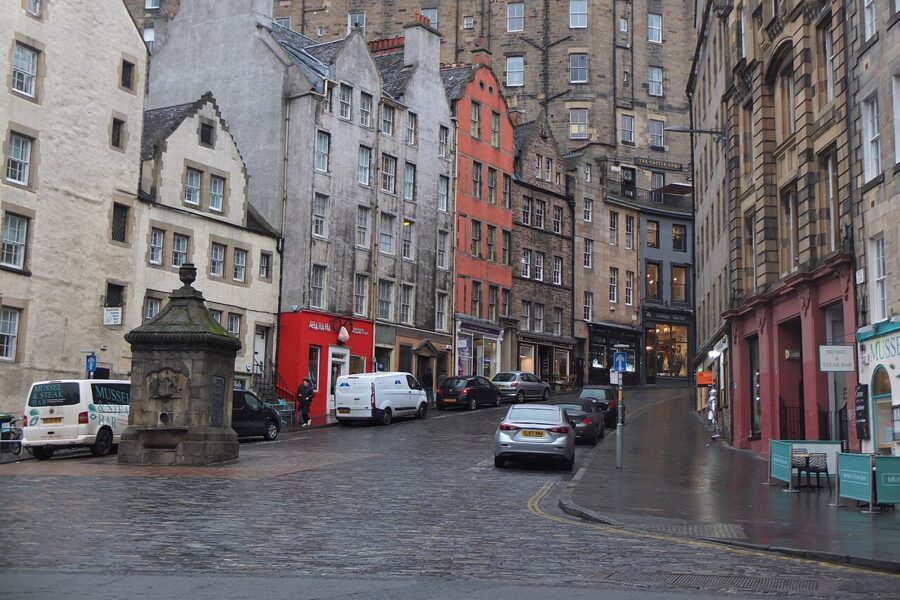

It opens 12:00 to midnight every day, with pies 12:00–17:00 and little else. Children are not admitted; dogs are. Mind the big step at the entrance. Edinburgh Waverley is about ten minutes’ walk, by way of Victoria Street.
Which brings me back to that cask in the cellar, breathing through its peg. Whichever of these pubs you reach first, do the simple thing: look at the handpumps before anything else, ask which beer is drinking best today, and take a taste if you’re unsure. Then order a pint of what the regulars are having, and hold it up to the light before you drink.