
At the Coronation Tap they will only sell you the house cider by the half. Exhibition is 8.4%, it is made for this pub alone, and the board over the windows announces the place, a little unnecessarily, as the home of Exhibition cider. One half and you will see the sense in the rule.
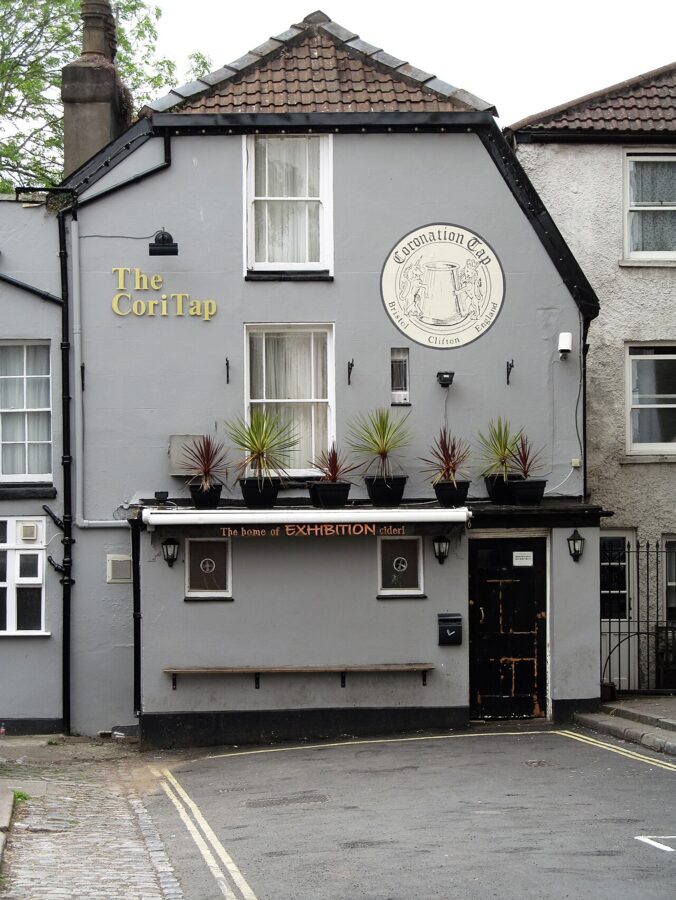

The Cori Tap, as nearly everyone calls it, sits in a lane a few minutes from Clifton Suspension Bridge, in the part of Bristol that looks most like money: Georgian crescents, a Victorian shopping arcade, boutiques selling candles. The pubs up here are smaller and older than the houses around them, and several of them were serving drink before the bridge was finished.
This is a guide to drinking in Clifton: the village at the top of the gorge, the streets falling away towards the Triangle, and the long climb of Whiteladies Road to the Downs. It covers the pubs worth your evening, the ones that have changed their names, the ones that have gone, and a walk that strings the best of them together without too much uphill after the third pint.

On this page
A village on a cliff
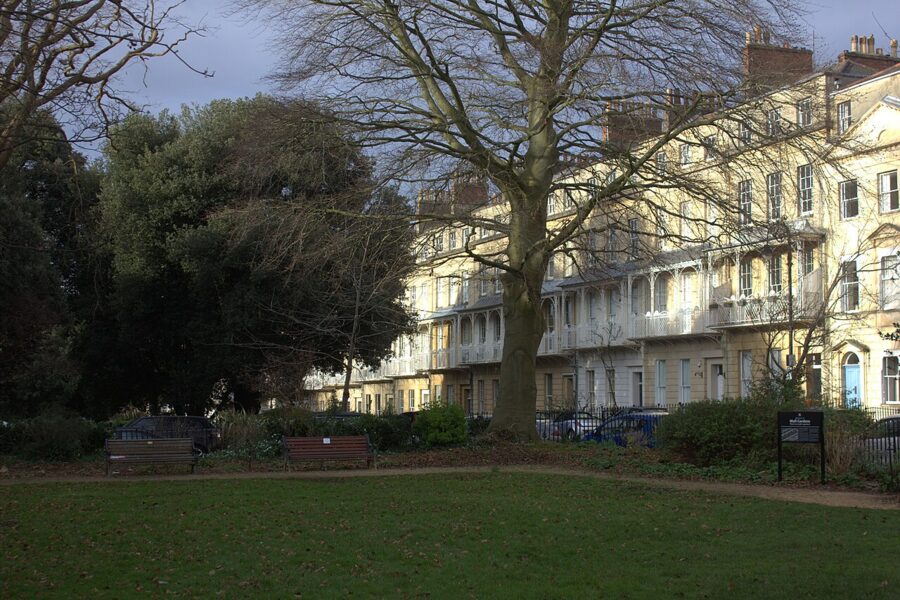
Clifton is where Bristol went when it got rich. Merchants built terraces on the high ground above the Avon from the late 18th century, away from the smoke and the docks, and the result is a hill of pale stone and stucco with views down to the harbour. The harbour, the old city and the rest are in the guide to Bristol pubs; this one stays up the hill.

The drinking divides neatly. Clifton Village, the cluster of streets around the Mall, Princess Victoria Street and Boyce’s Avenue, is mostly flat once you are up there and mostly smart, with a handful of old pubs tucked between delis and estate agents. Below it, around Clifton Road and the Triangle, the pubs turn into students’ locals. North of everything, Whiteladies Road runs up past Clifton Down station towards the Downs, a long strip of bars where the proper pubs are worth knowing because there are fewer of them.
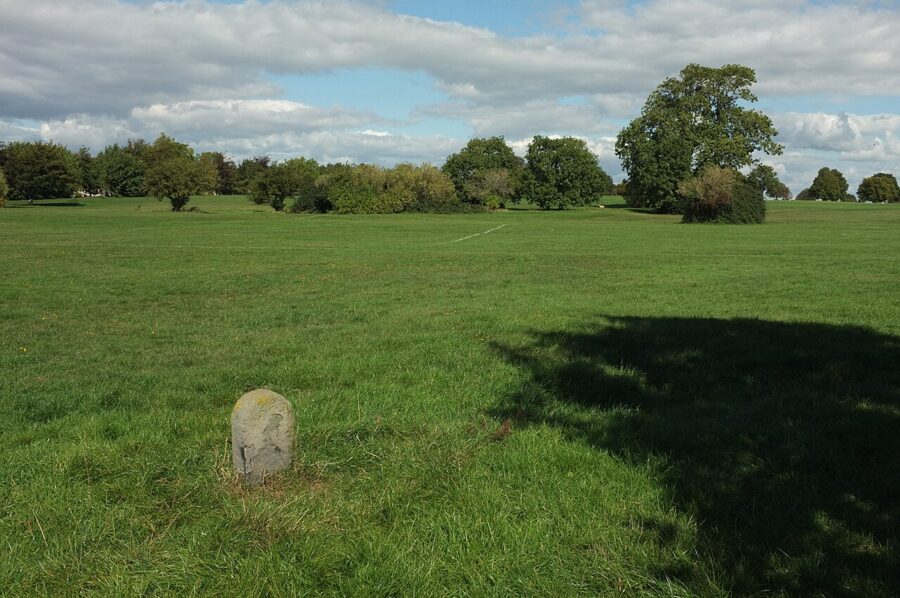
Then there is the setting, which does a lot of the work. Clifton Down and Durdham Down together make a great sheet of open grass running to the edge of the gorge, and on a summer evening half of Bristol seems to be up there with a bottle. The pubs benefit at both ends of that walk.
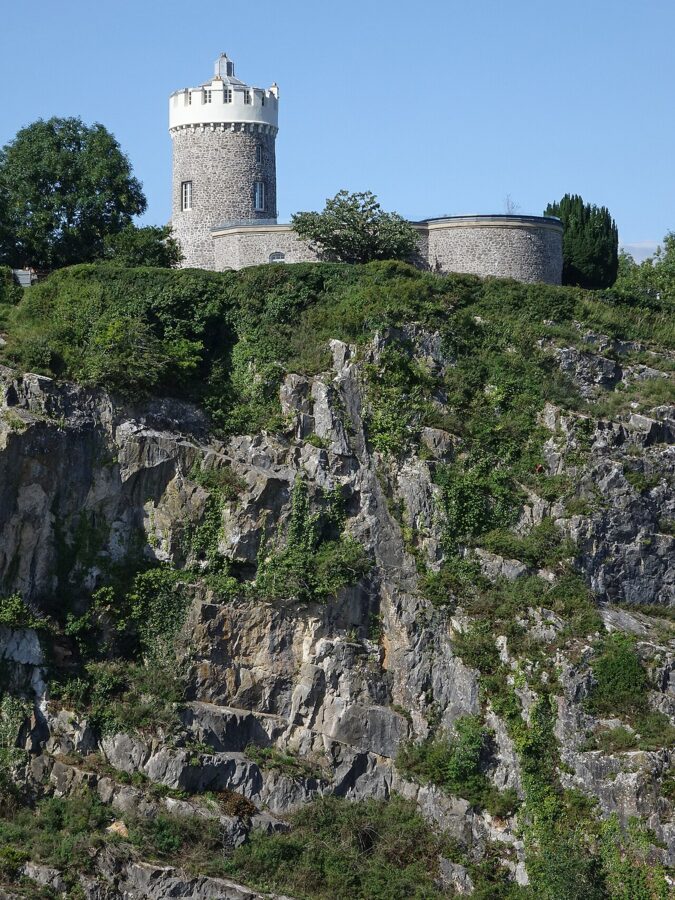

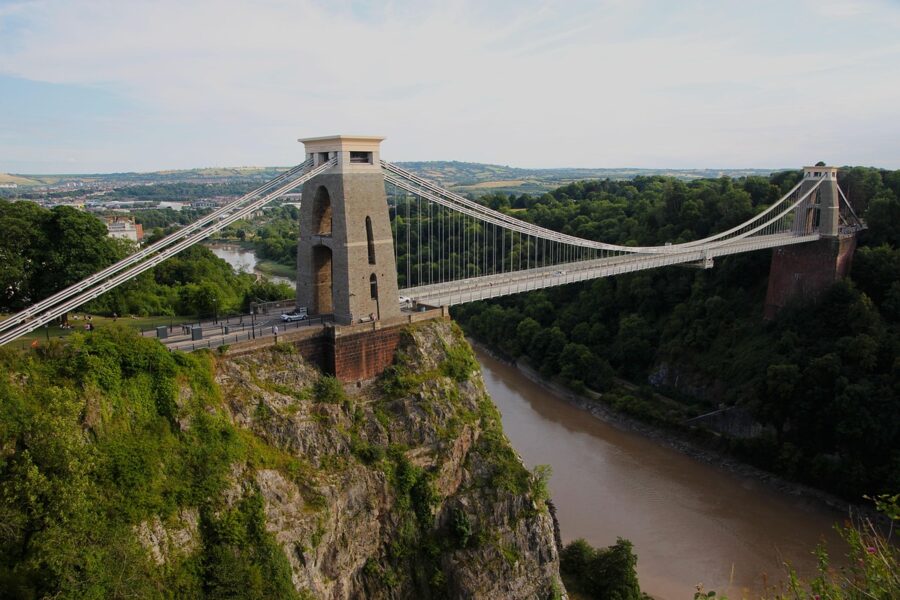
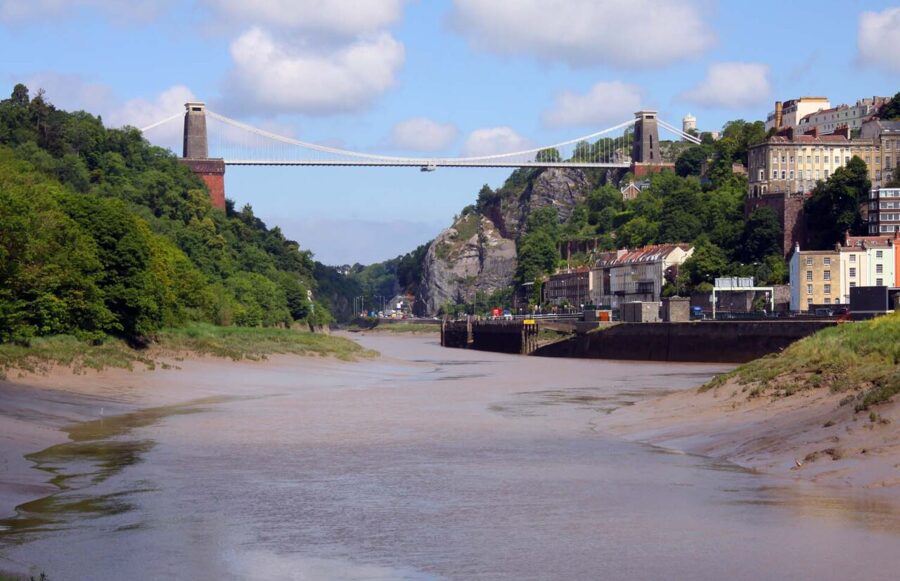
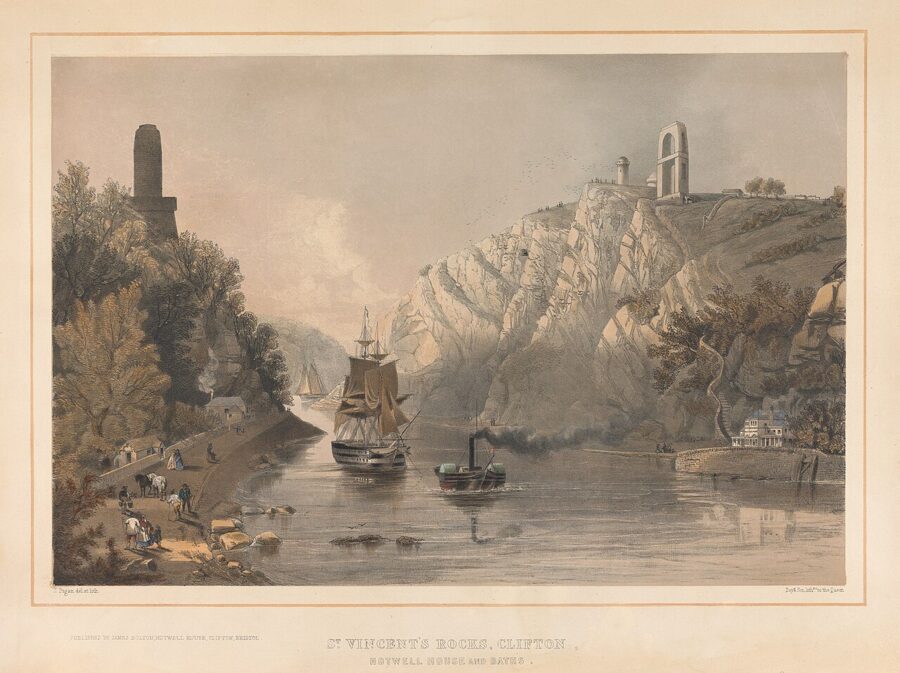
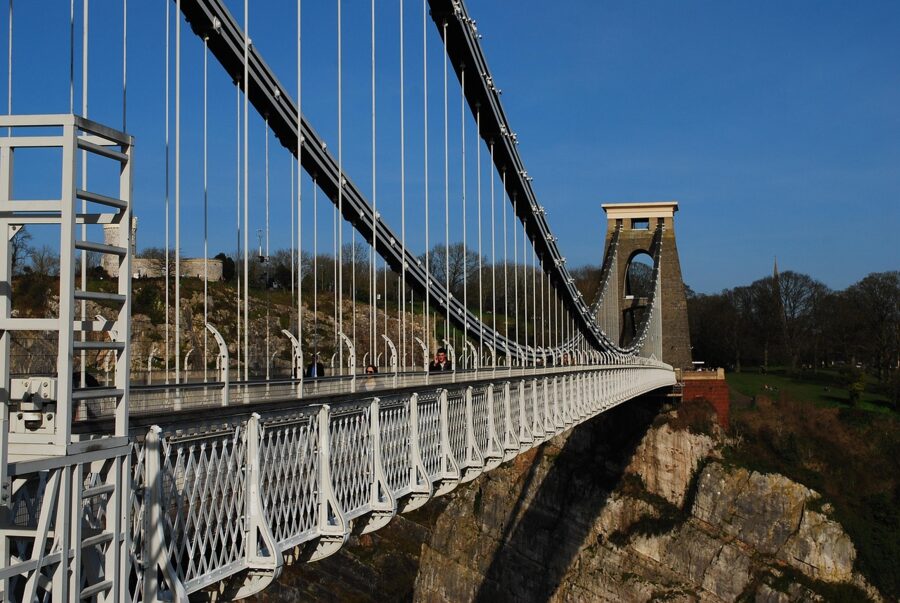
The bridge is the centrepiece. Brunel’s design was chosen in 1831, the money ran out, and the bridge was finished as his memorial in 1864, with a main span of 214 metres. Cars pay a toll; people on foot do not. Walk across before you start drinking, not after: the railings are high, but the view down is long.
Clifton Village
Seven pubs sit within a few minutes of each other in the village, which makes it the easiest crawl in Bristol and the poshest. Expect wine lists as long as the beer lists and plenty of people eating. The Coronation Tap is the exception to most of that, which is exactly why you start there.
The Coronation Tap
The Cori Tap is at 8 Sion Place, at the far end of the village near the bridge. The pub’s own history says the building began as part of a farm, among orchards and grazing on the edge of the Downs, and that documents of 1806 describe it as “a beerhouse and premises with a cottage adjoining”. It is on Bristol’s local list of buildings of interest, and it has traded under the same name for at least two hundred years, so it was pouring cider for decades before the bridge opened.
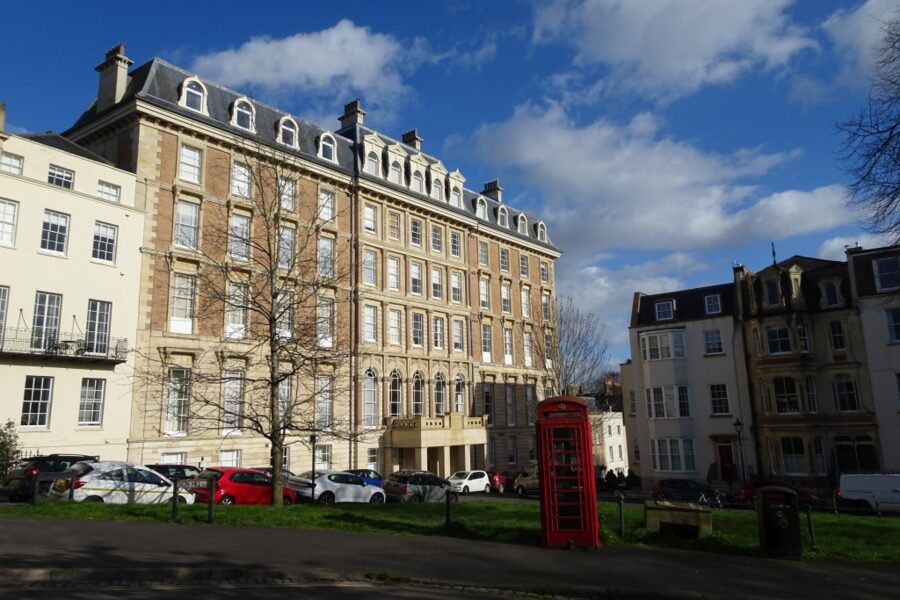

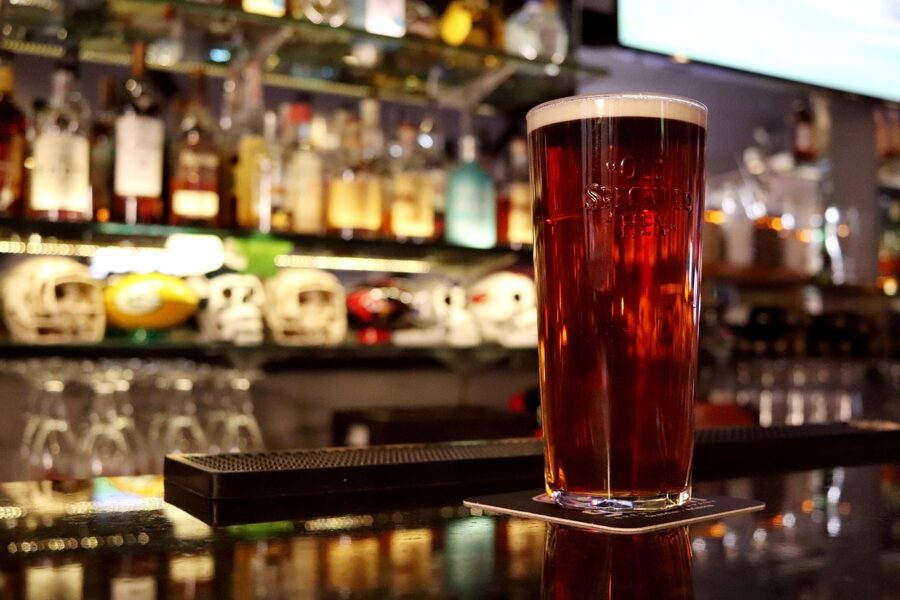
It is the most famous of Bristol’s cider pubs and Clifton’s only cider house. Exhibition is the one everybody orders, served in half pints and nothing bigger, and the bar also carries draught ciders, bottles, iced and mulled cider in season, plus real ale and lager for the friend who came under protest. You can take cider away in your own container. If farmhouse cider is new to you, ask for a taste before you commit; the staff are used to the question.
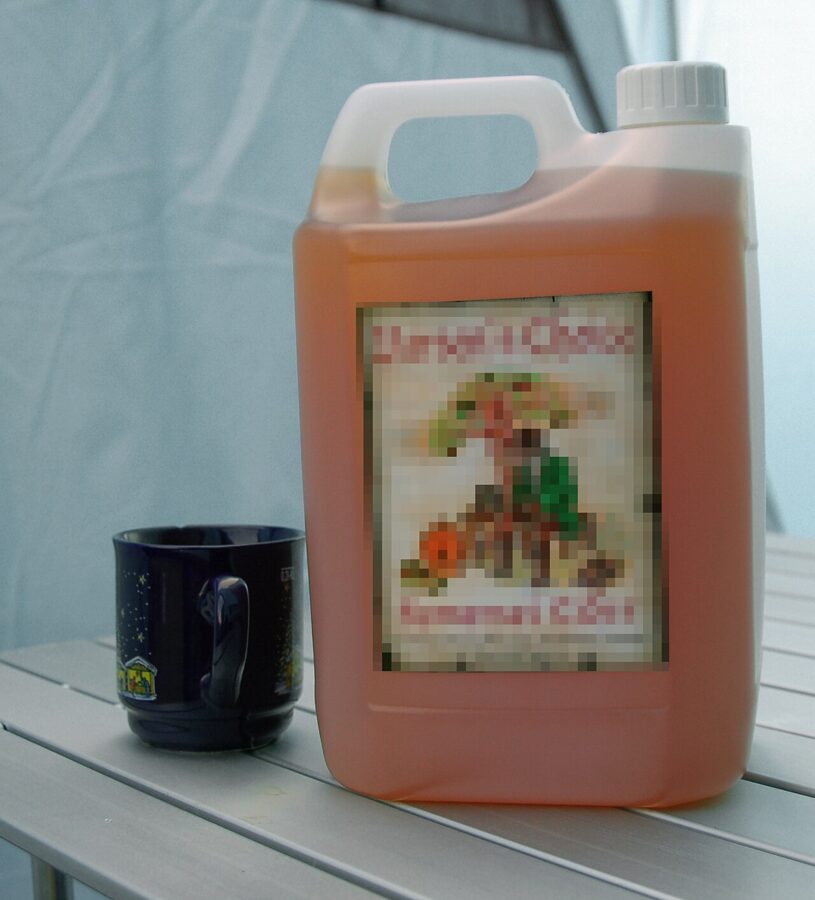

The room is small, low and dark, and it is a music pub as much as a cider pub. It was one of six finalists for the Publican’s music pub of the year three years running, from 2009 to 2011, and it still puts on gigs, so check its calendar if you want a quiet half. In term time it fills with students. The calendar is also the place to check opening hours, which lean towards the evening.
The Mall and the Royal Oak
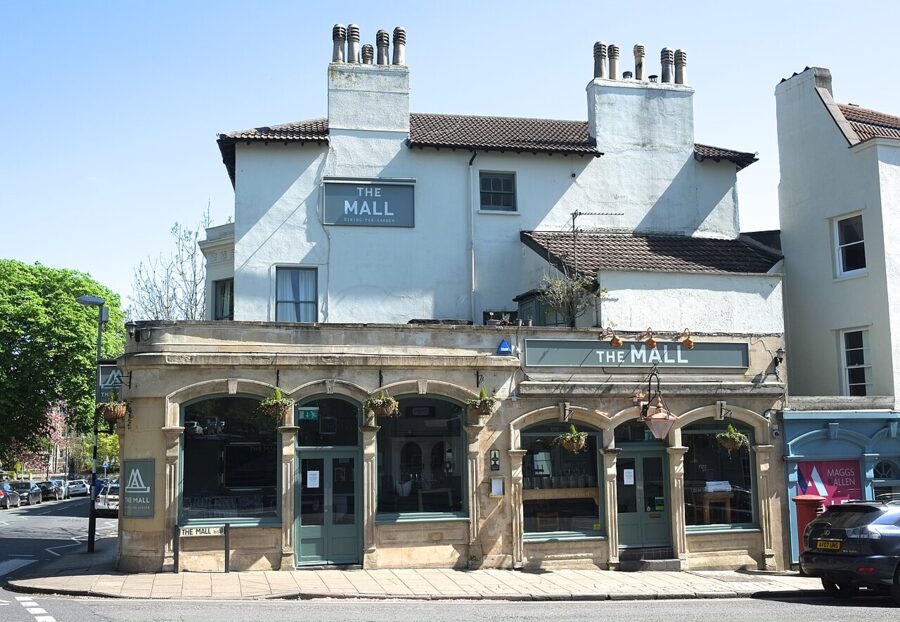

Two minutes from the Cori Tap, on the corner of the street it is named after, the Mall is the smart all-rounder. It belongs to Mitchells & Butlers, reopened after a refurbishment in March 2025, and has two bars: an upstairs room with large windows and a downstairs one with soft chairs, tall stools and a door to a small terraced garden. There is cask ale, usually one regular and two guests, an extensive wine list and an upmarket menu.
I would come here for lunch with someone who does not like pubs. It opens at 11:00 every day, takes children and dogs, and CAMRA members get 20p off a pint of cask. One of its earlier names was the Footbridge & Firkin, a relic of the 1990s chain, which tells you how far Clifton has come since.
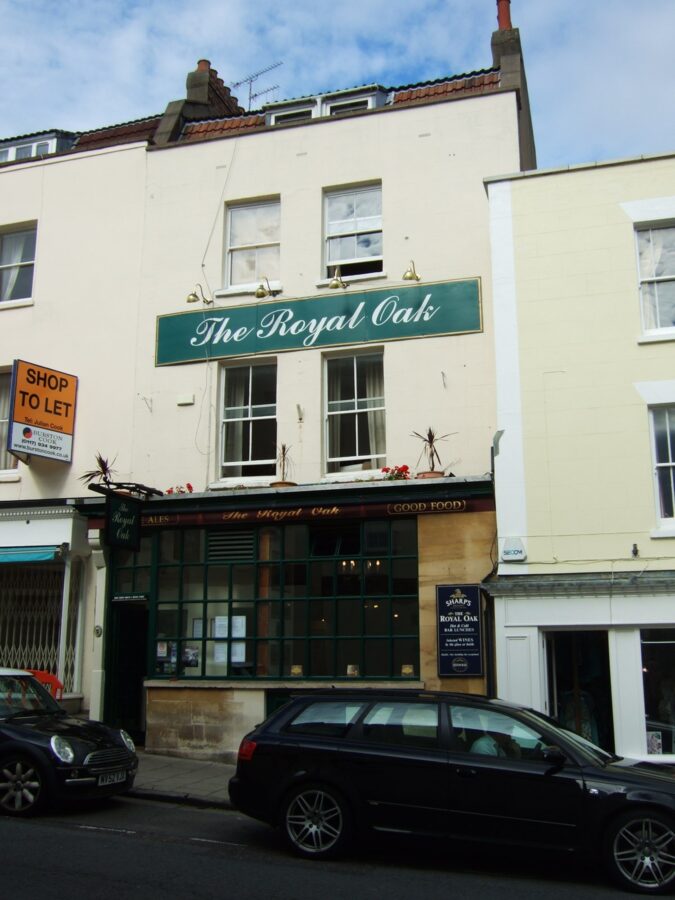

A few doors along at number 50, the Royal Oak has had a strange couple of decades. It closed as a pub in 2014, spent years as a restaurant and bar under other names, St Vincents among them, and has now come back under its old name, run by the Wickwar Wessex Pub Company. It describes itself as having returned to its spiritual home, and for once that is fair.
It is a three-storey sports pub with the bar up a few steps at the back and screens in every room, usually with the sound down. Wickwar’s BOB is the permanent cask beer, with two or three guests and a real cider or two. There is no food Monday to Thursday, but you are welcome to bring your own, and food runs 12:00–19:00 on Friday and Saturday and until 17:00 on Sunday. The toilets are up on the first floor.

Princess Victoria Street: Somerset House and the Quadrant
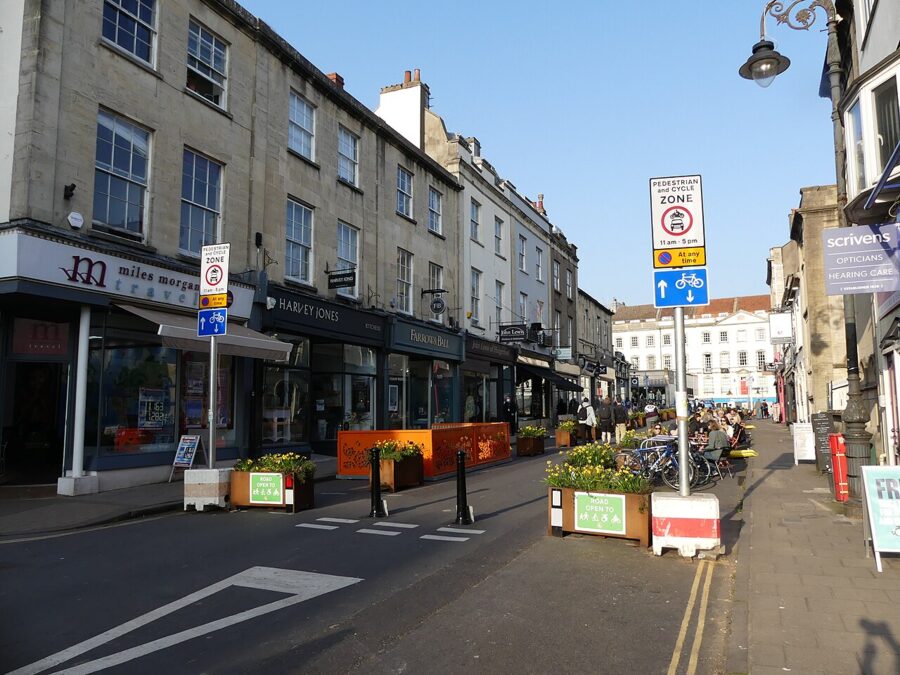

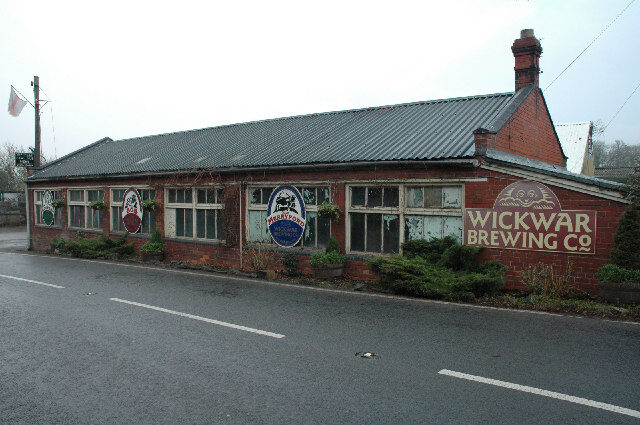
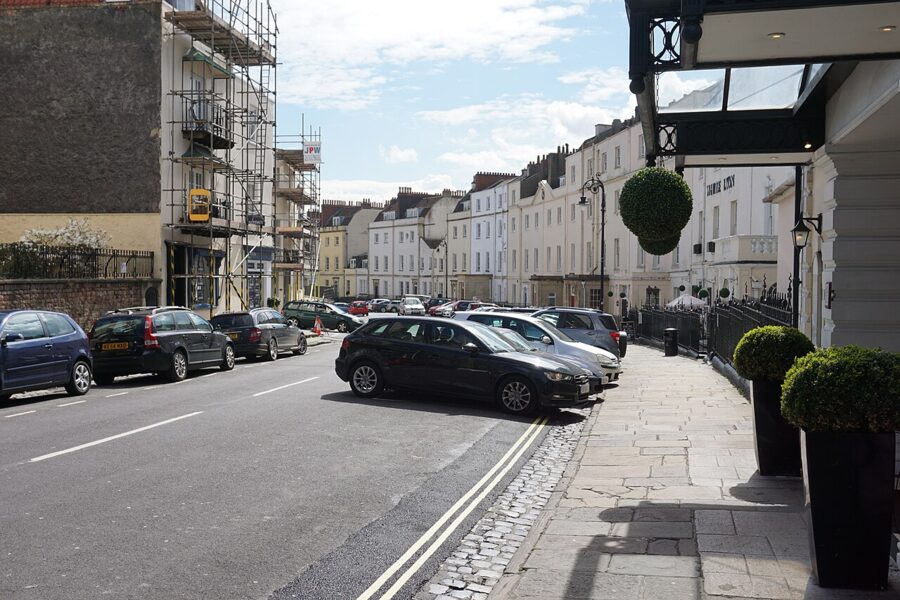
Somerset House, at 11 Princess Victoria Street, is the village local. It has an L-shaped front bar with windows on to the street, a lower room behind that is mostly used for eating, and seats out on the pedestrianised road in front. The look is dark paint, wood, leather stools and low industrial lights; the toilets and a function room are upstairs.
There are two cask beers, and the pub says it serves food Wednesday to Sunday, with the Sunday roast as the main event. It opens at 16:30 on Monday and Tuesday and at noon the rest of the week. If you want a pint among people who live here rather than people who have come to look at it, this is the one.
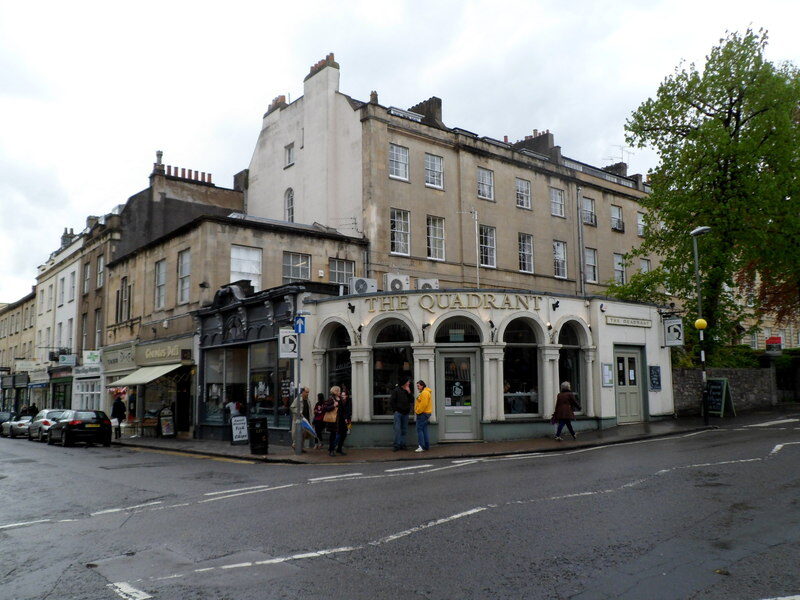

On the corner of Princess Victoria Street and Regent Street, the Quadrant is more of a wine and cocktail bar with a handpump than a pub, with one regular cask beer and good windows for watching the street. It opens at 15:00 from Monday to Thursday and at noon from Friday. Useful for a glass of wine with friends who want one; not a reason to come up the hill.
The Albion
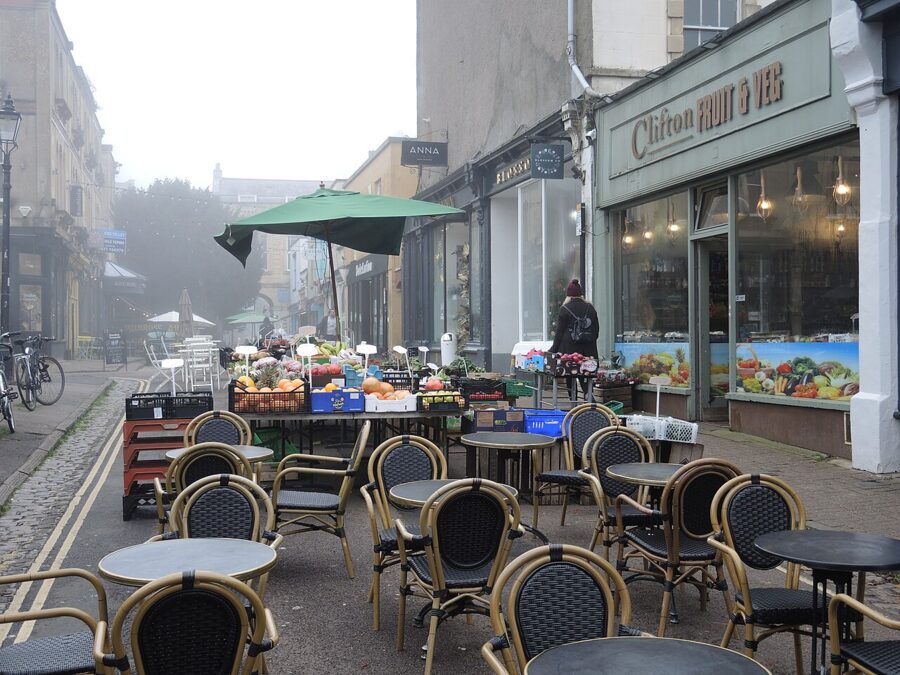

The Albion hides at the end of Boyce’s Avenue, behind a cobbled, pedestrianised yard that serves as its beer garden, heated in winter and with a television for the big matches. It says it was established in 1761 as a coaching inn. Historic England lists it at Grade II as an 18th-century public house of two storeys under a pantile roof, which is consistent with that; the claim of 17th-century beams in the upstairs room would make the timber older than the pub, and I would enjoy that one rather than repeat it.
St Austell took it over in 2012, so expect its Cornish beers on the handpumps, with a changing small-batch beer from May to December. Inside it is an L-shaped bar with wood panelling, a slightly raised area at the back and wood-burning fires. It is open from noon until midnight every day, with food until 21:00 Monday to Thursday, 21:30 on Friday and Saturday and 19:00 on Sunday.
Be clear about what it is: a dining pub first. The Sunday roast is the house speciality and needs booking, and the upstairs dining room runs to a proper evening menu. Dogs on leads are welcome, in the courtyard at least. Come for a pint in the yard at 17:00 on a weekday and you will have the best of it.
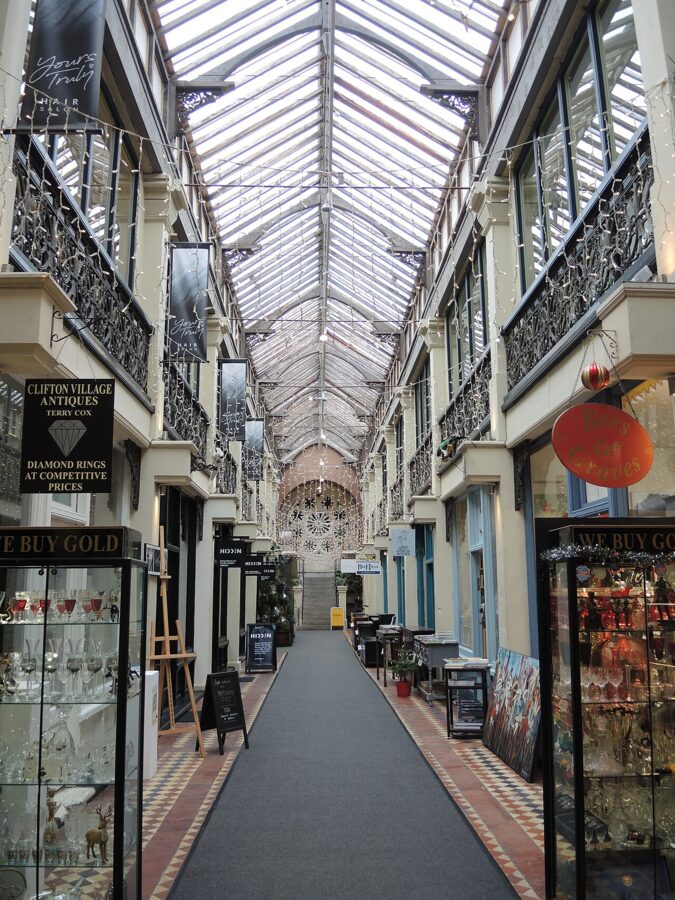

The Portcullis
The Portcullis is the pub I would send a beer lover to first. It closed for a refurbishment in mid-November 2026 and was due back in early December, so check its own pages before you climb up, and do not be surprised if the room looks fresher than this description.
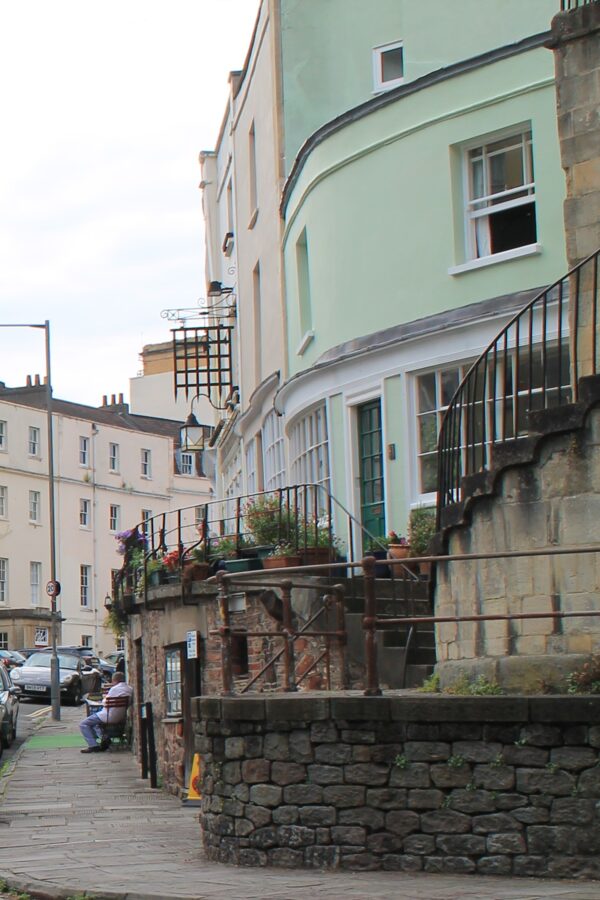
It has been a pub since 1821, in a Georgian terrace listed at Grade II near the Clifton end of the bridge. Downstairs is a small bar; steep stairs lead to a lounge, the toilets and a summer-only garden. It feels like a proper pub crossed with a Belgian beer café, which is what it is: Bristol Beer Factory’s Fortitude is the permanent cask beer with one or two changing guests, and there are about eight Belgian beers on tap and many more in bottles.
The rules are part of the charm. No children, no large groups, no entry after 22:00, and by the pub’s own hours it closes at 22:00 every night. It opens at 16:00 on weekdays and from noon at the weekend, dogs on leads are welcome, and the quiz runs on the first and third Thursday of the month through autumn and winter, at £2 a head. The kitchen closed indefinitely in October 2026, Sunday roasts included, so eat before you come.
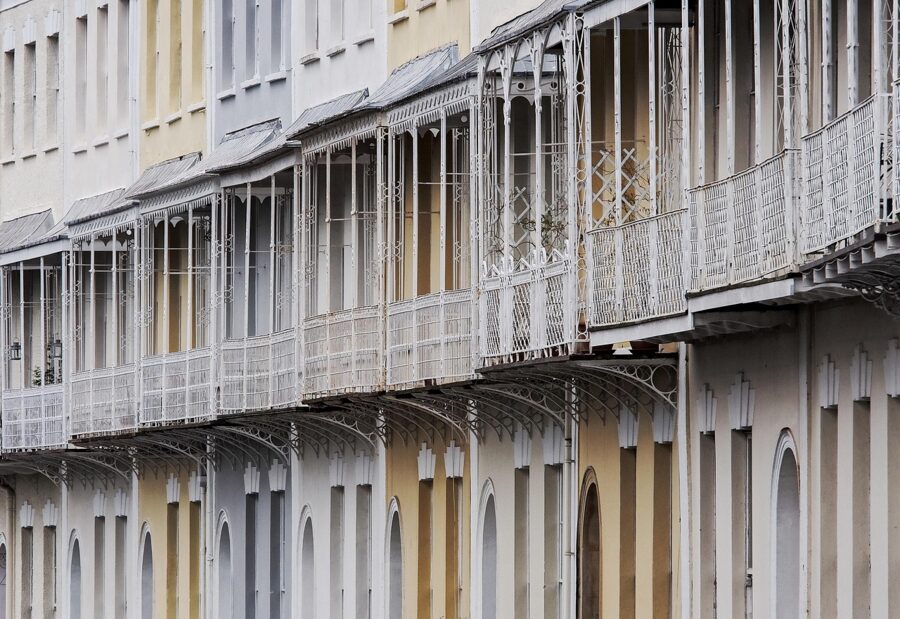
Down towards the Triangle
East of the village, Clifton Road and the lanes around it fall gently towards the Victoria Rooms and the Clifton Triangle, the junction at the top of Park Street. The university is close, the houses get divided into flats, and the pubs get cheaper and louder. Three of them are worth a detour, and all three are better than the chain bars a few minutes away.
The Lansdown
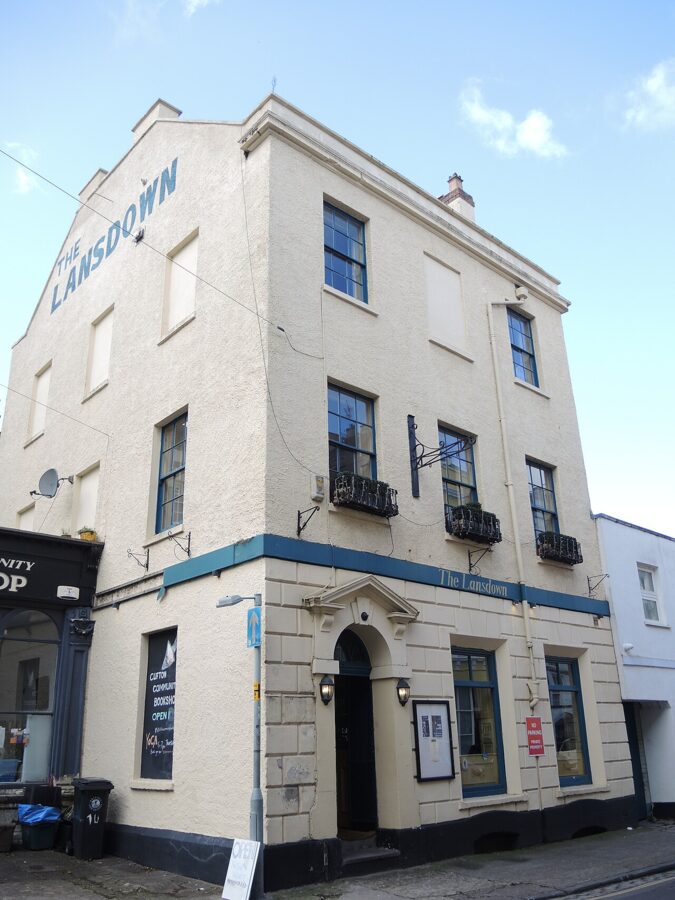

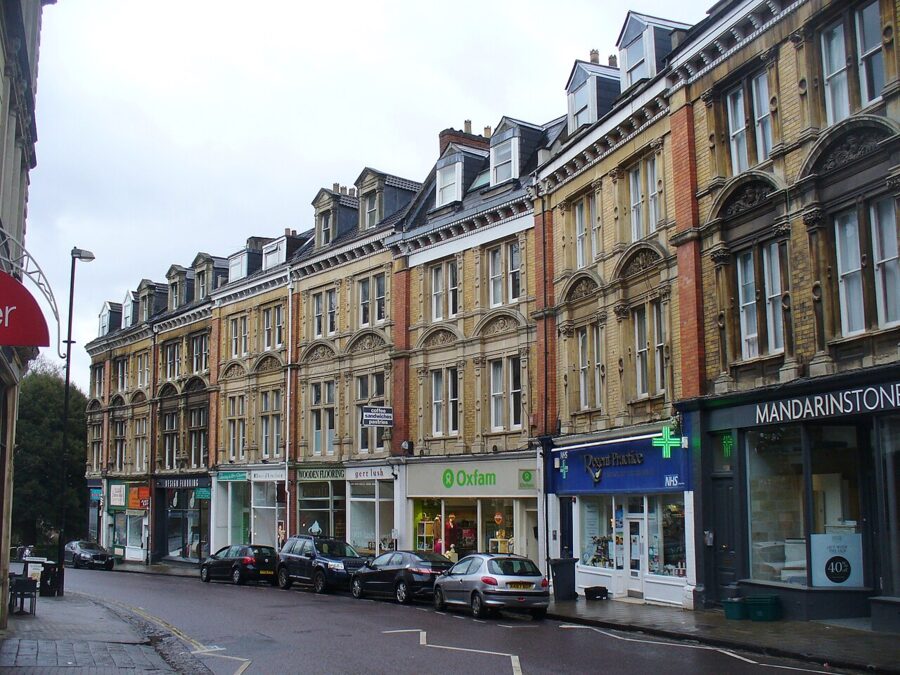

The Lansdown, at 8 Clifton Road, is in a mid-to-late 18th-century house listed at Grade II, which became a hotel and then a pub; the former stables of an older coaching inn survive nearby. It is independent and calls itself a traditional pub, and it means rugby. The courtyard garden has an outdoor screen and a projector, and five more screens are inside.
The beer is better than a sports pub’s needs to be: fourteen taps, with the cask mostly from South West breweries and the keg leaning local. Food is burgers, salads and pub classics, 17:00–21:00 Tuesday to Thursday, lunch and dinner on Friday, all day Saturday and until 16:00 on Sunday. It is card only and dog friendly.
Two quirks to know. It is closed on the first Monday of every month, and for the biggest fixtures (Six Nations, World Cups, cup finals) tables cannot be booked, so turn up early or watch somewhere else.
The Eldon House
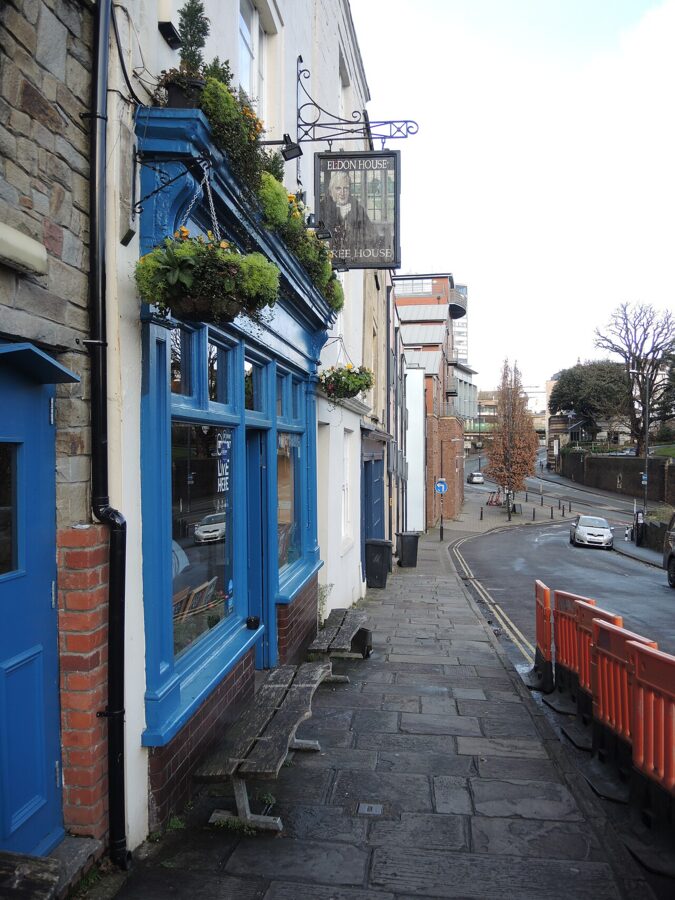


The Eldon House sits on the corner of Lower Clifton Hill, a short walk down from the Lansdown, in a mid-19th-century terrace of houses, a shop and a pub that Historic England lists together. CAMRA’s survey of historic pub interiors notes a plain front bar with an old dado, bench seats in the windows and a Victorian counter and bar-back, with a small plain room through a passage behind. A conservatory was added in 2009.
The house beer, Eldon Bitter, is brewed for it by St Austell. There is a quiz on Monday nights in term time and live music on Sundays, children are allowed until 20:00 and dogs on a lead. It opens at 16:00 from Monday to Thursday and in the early afternoon from Friday. It is a friendly small local, and in term time the students outnumber everyone else.
Quinton House
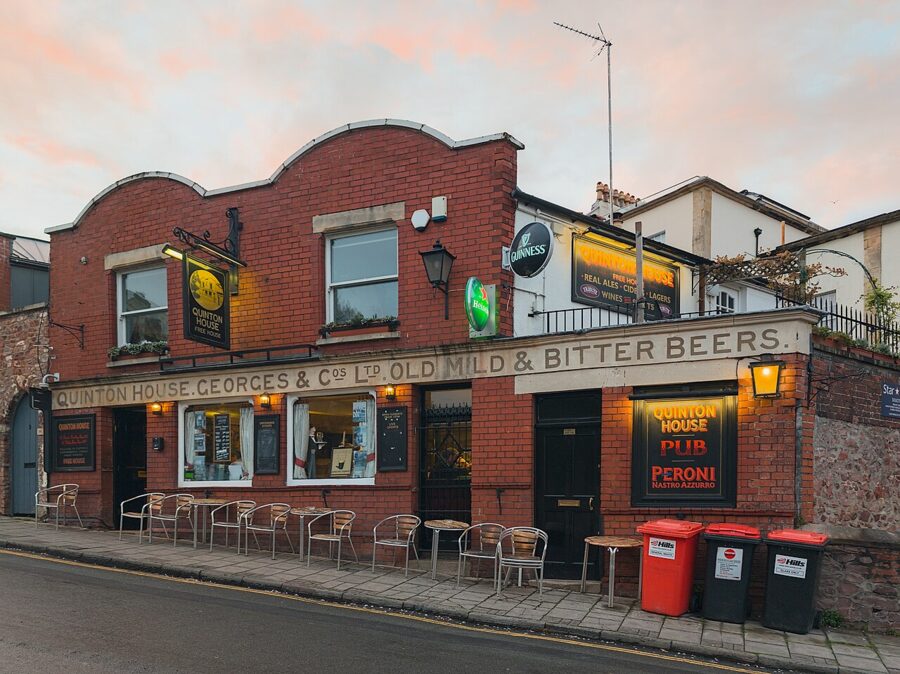

Quinton House, at 2 Park Place, is a small free house hidden in a residential corner a few yards from the top of Park Street, looking over a patch of grass and an ancient yew. It is the kind of pub you only find because someone told you about it. There is a front bar with a gas fire, old brewery signs and pictures, and a snug at the back with a wood-burning stove. In spring and summer the front disappears under flowers that have won Bristol in Bloom prizes, and at Christmas the whole place turns into a grotto.
It has had new management since 2024. There are two changing cask beers, usually from local or South West breweries, board games and books, and bar snacks rather than meals: crisps, pickled eggs, pork scratchings. It is closed on Mondays, opens 16:00–22:30 Tuesday to Thursday, noon to 23:00 on Friday and Saturday, and noon to 20:00 on Sunday. Dogs are welcome.
If you are coming up from the city centre, this is the natural first stop: Park Street is steep enough to make conversation stop, and Quinton House is waiting at the top. The other way up is from the harbour by Jacob’s Wells Road, past the Hope & Anchor with its terraced tropical garden, and the Hotwells pubs down by the water make a good start if you come that way. On the far side of Park Street, St Michael’s Hill climbs into Kingsdown, and the pubs of Kingsdown are a steep fifteen minutes from Quinton House.
Whiteladies Road
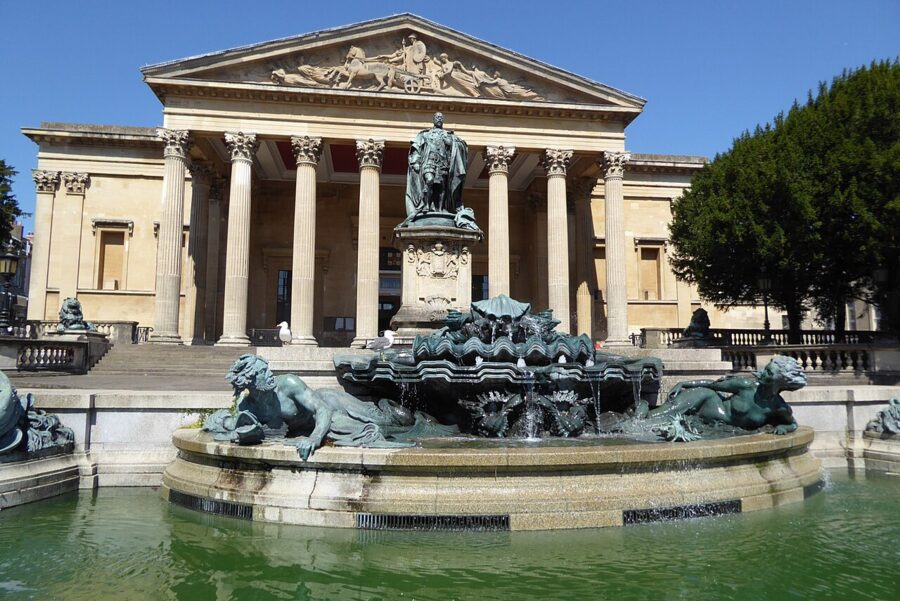

From the Victoria Rooms, Whiteladies Road runs north for the best part of a mile, climbing gently all the way to Blackboy Hill and the Downs. The bottom half is restaurants, chains and late bars, the strip that fills with students on Friday nights. The proper pubs are spread out along it, with Clifton Down station roughly halfway.
The Victoria
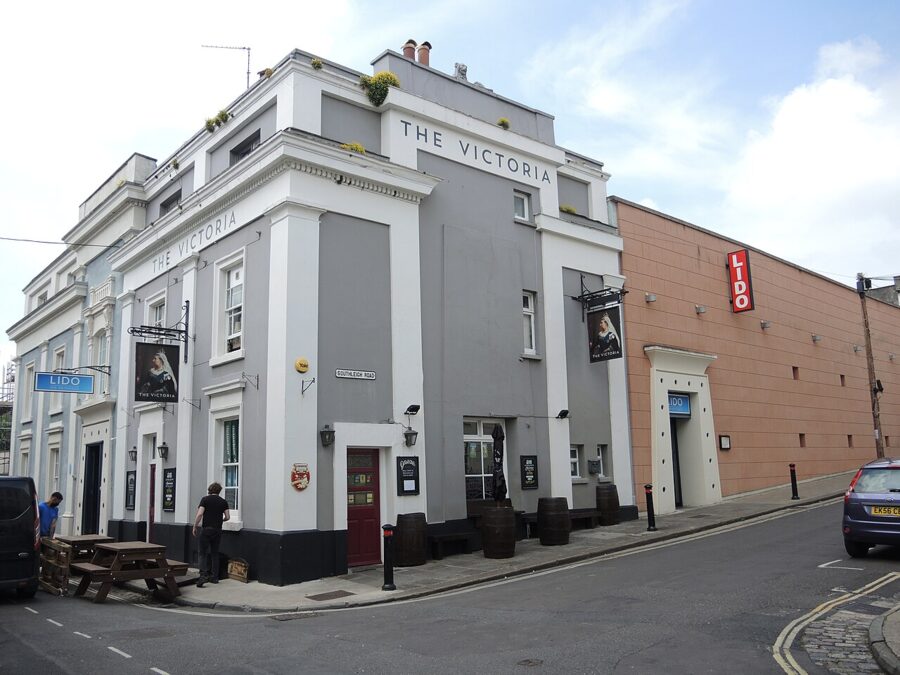

The Victoria is a small corner pub on Southleigh Road, just off the bottom of Whiteladies Road and right next to Clifton Lido. It has been a pub since the late 1860s, the building is listed at Grade II, and after months shut it reopened with a launch party on 3 July 2026 under a new landlord, Finn Reeves, for the owners Red Oak Taverns.
Days before it reopened, someone threw a concrete block through the glass door and raided the stock. The block is now the doorstop. The refit was done with some care: painted panelling, a bar front of bright green Victorian-style tiles, and a new wood-panelled snug upstairs that local groups can use for free.
There are three cask beers, from the likes of Bristol Beer Factory and Frome, plus a traditional cider, keg beers and Belgian bottles. It is open from noon every day, has board games, a fire in winter and benches outside, and takes dogs. Clifton Down station is about 550 metres away.
The Whitmore Tap
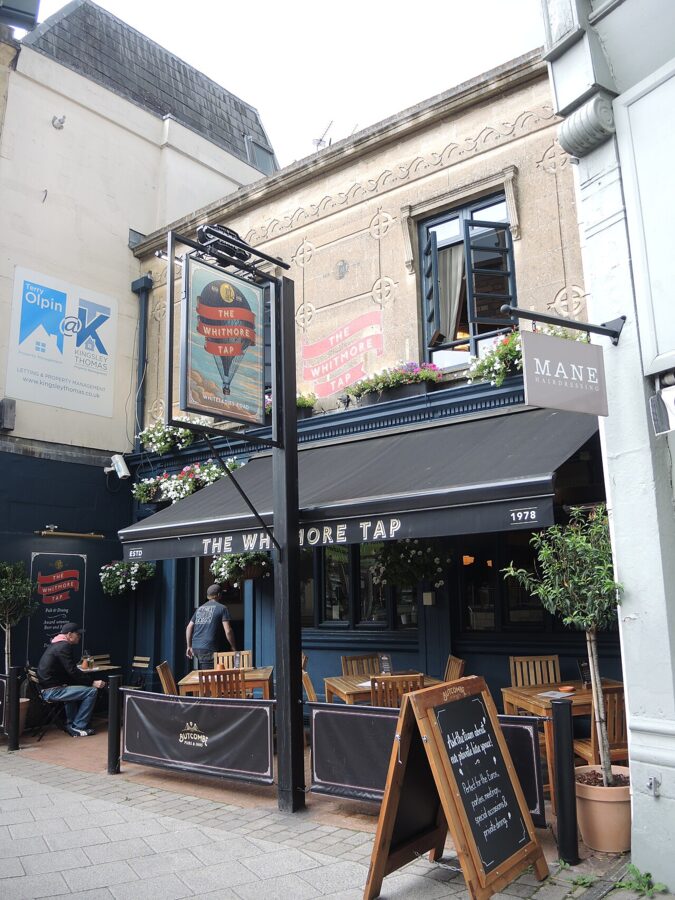

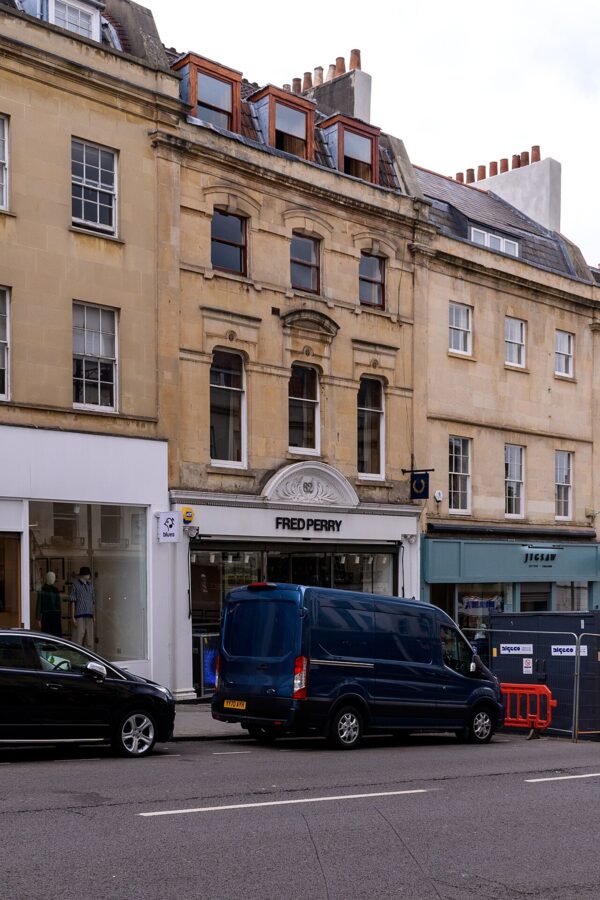
Across the road from the Clifton Down shopping centre, the Whitmore Tap is Butcombe’s flagship. It used to be the Penny Farthing, later shortened to the Penny; Butcombe bought it in 2020, refitted it, and reopened it in May 2021 under the name of the brewery’s founder, Simon Whitmore. The building was a bank, and the old vault door is still downstairs.
It is a lively, mainstream pub with booths on the ground floor, five big screens for sport, interactive darts and pool upstairs, and a quiz. There is always Butcombe on cask, and Orchard Pig cider on the bar. Food runs from noon until 21:00 on weekdays, 20:30 on Saturday and 18:00 on Sunday; families are welcome and dogs outside food hours. Clifton Down station is a hundred metres away, so it makes a good first or last stop.
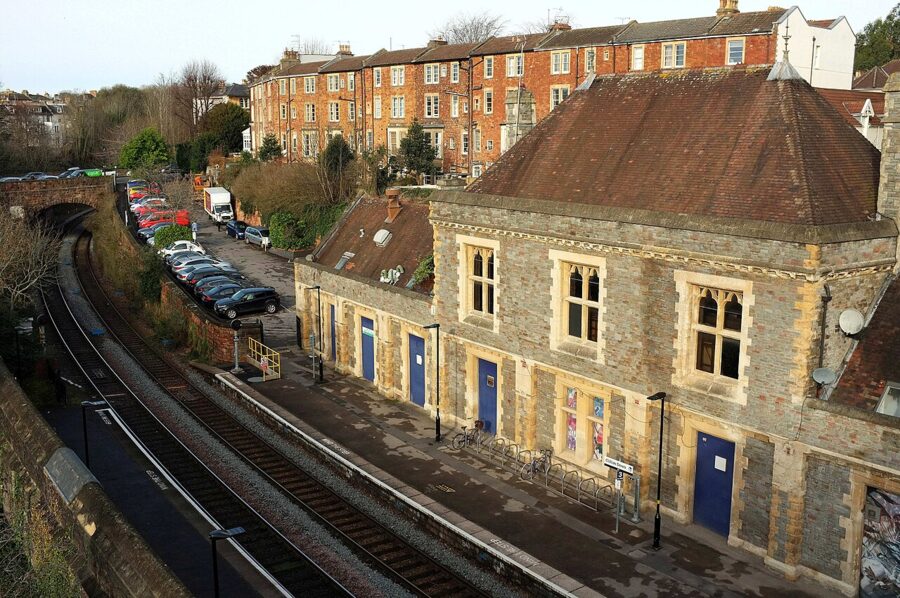

The Alma Tavern and the W G Grace
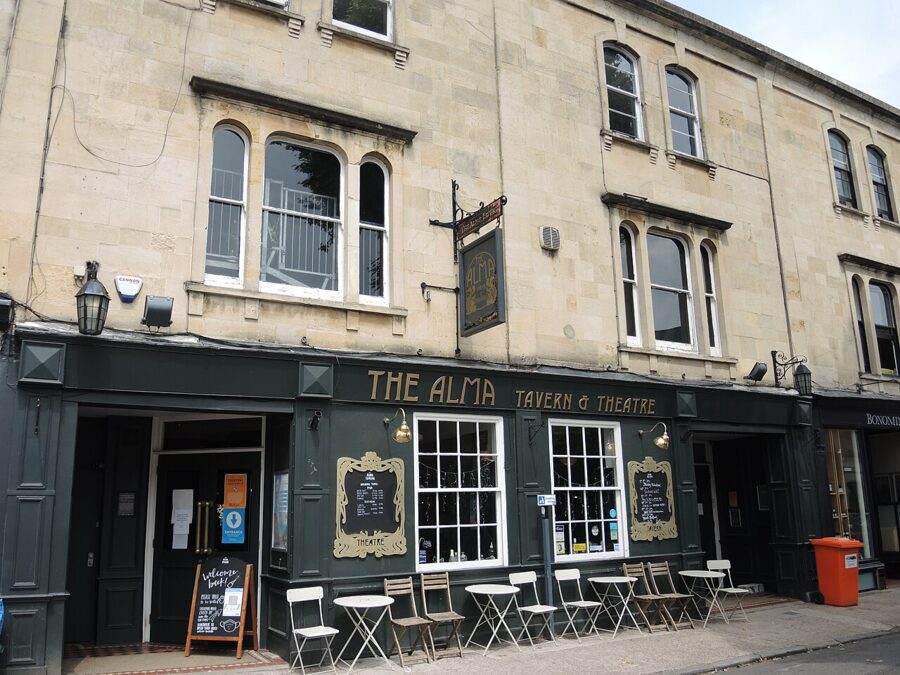

Two streets west, on Alma Vale Road, the Alma Tavern is the rare pub with its own theatre: a room of about fifty seats upstairs that puts on comedy, new writing and small touring shows for most of the year. Downstairs is a neighbourhood pub run by Zazu’s, the group behind the Greenbank in Easton and a handful of other Bristol locals, with cask beer, pizzas, pub food and seasonal specials.
Monday’s quiz starts at 20:00. The pub opens at 16:00 on Monday and Tuesday and at noon from Wednesday, and if you are bringing a dog, say so when you book so they can seat you sensibly. There are five rooms on the top floor if the evening runs long.
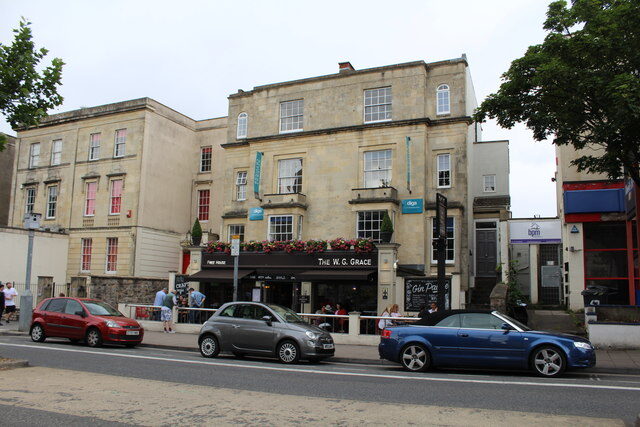

Back on Whiteladies Road, the W G Grace is a Wetherspoon in a Grade II-listed building on the strip near the station, opened in August 2012. It stretches a long way back from the road, has old photos on the walls and is open from breakfast until late. It is almost certainly the cheapest pint on this walk, with half a dozen cask beers, and on a Friday night it is also the busiest.

Up by the Downs: Blackboy Hill
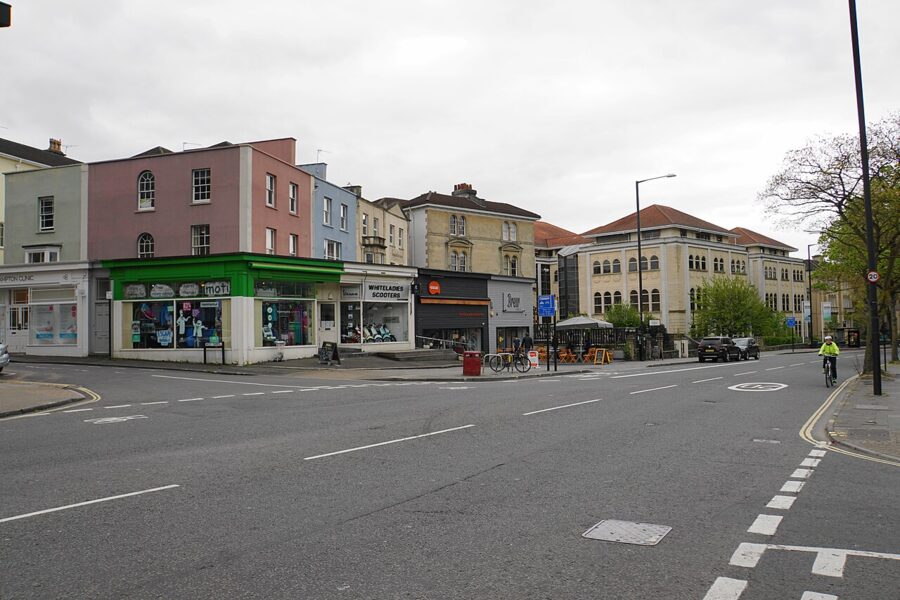
At the top of Whiteladies Road, where it turns into Blackboy Hill, the streets thin out and the Downs open up behind them. This little corner has four pubs within a few minutes of each other, and two of them are among the best in Clifton.
The Port of Call
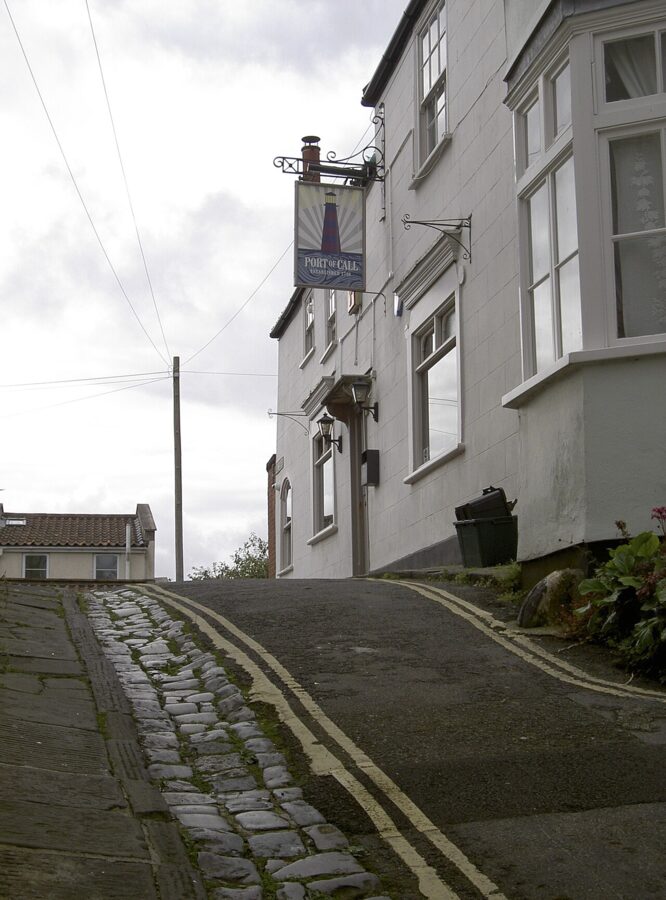

The Port of Call, at 3 York Street, is a classic two-room pub up a steep side street near Blackboy Hill, with two real fires and a suntrap garden behind. It keeps up to six cask ales, often including a dark one, and real cider, including Rich’s from Somerset in summer, and it holds its own beer festival every September. This is the one to walk up for.
The food is home-cooked and served every day, lunch and dinner from Tuesday and evenings only on Monday, with roasts on Sunday, which is also quiz night. It opens at 17:00 on Monday, at noon the rest of the week and at 10:00 on Saturday. Families and dogs are welcome, and the only sport on the television is what is on the terrestrial channels, which keeps the noise down.
The Beaufort Arms
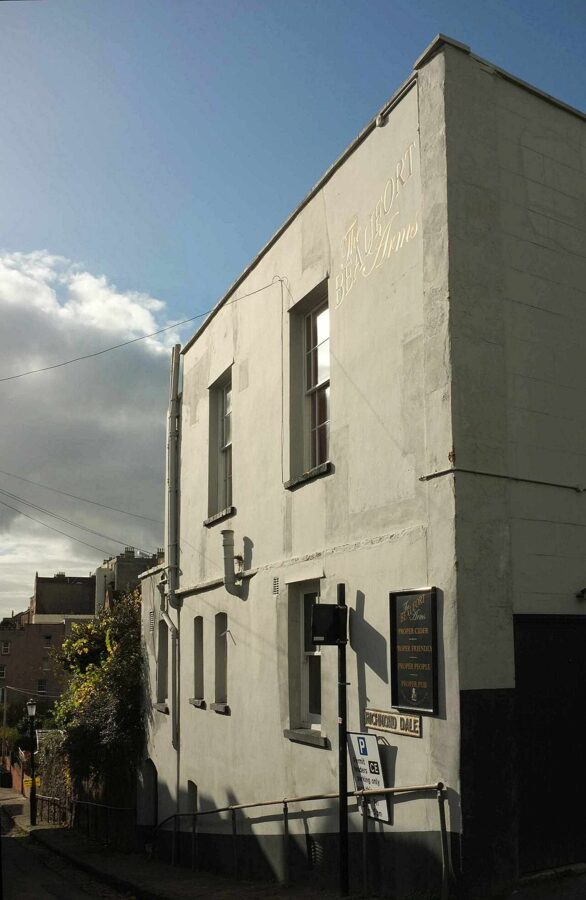

A few doors away at 23 High Street, the Beaufort Arms is a basic back-street cider house that also serves real ale, and CAMRA’s description of it as unaffected by the modern identikit pub companies still stands. There is a real fire, newspapers, sport on the television and dogs on the floor. A guest beer and lunchtime food appear only between April and November, though the Sunday lunch runs all year.
It is closed on Monday, opens at 16:00 from Tuesday to Saturday and at noon on Sunday. If the Cori Tap is Clifton’s cider house for visitors, this is the one for the neighbourhood.
The Coach & Horses and the Kings Arms
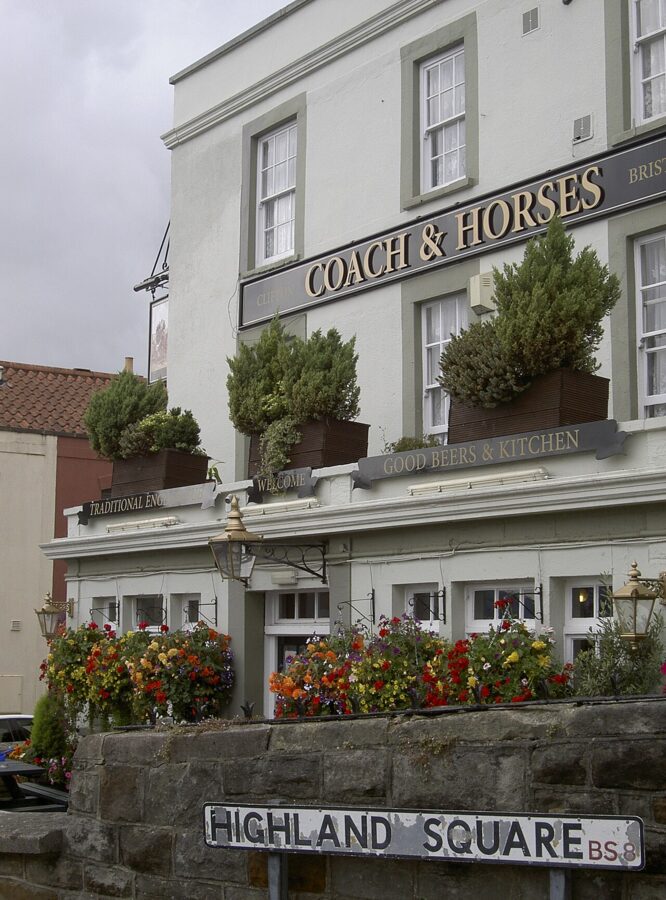

The Coach & Horses is tucked into Highland Square, just off Whiteladies Road: a small snug to the left of the door, seats along the bar and in the bay window, and a split-level room up to the right. It does home-made food, real ales and barista coffee for a mix of students, residents and office workers, and dogs are very welcome. It is closed on Mondays; food runs 12:00–15:00 and 18:00–21:00 from Tuesday to Saturday and 12:00–16:00 on Sunday.
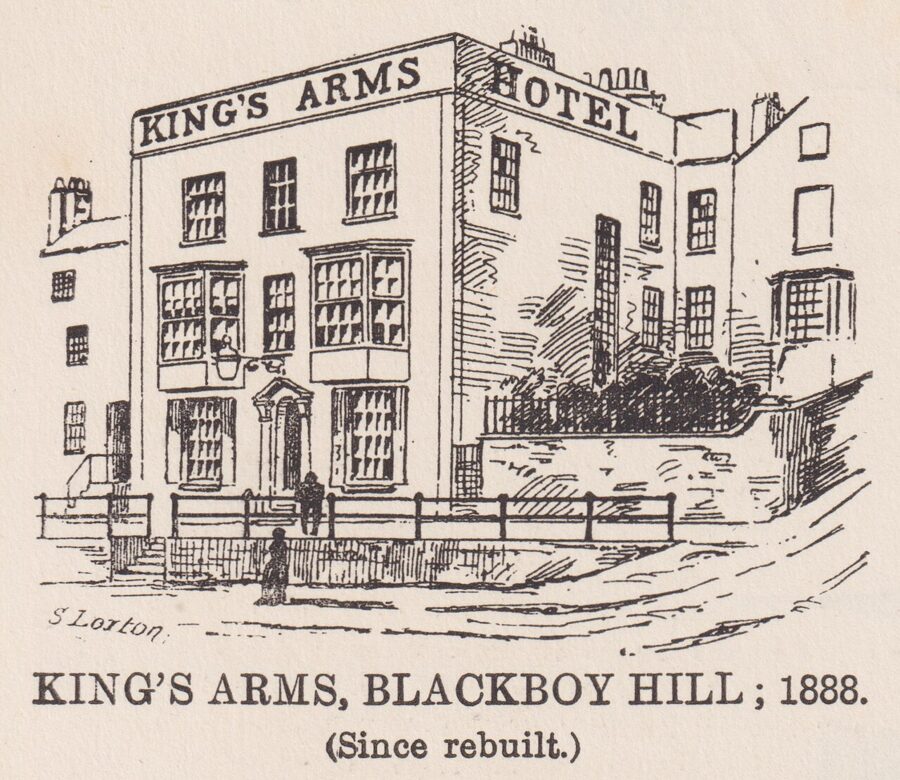
The Kings Arms at 168 Whiteladies Road is the nearest pub to the Downs: a big Victorian building on four levels down the steepest part of the hill, back under its original name after spells as Bohemia and Babushka. It is a sports pub, with plenty of screens, a heated roof terrace and food only on Sunday, when the roast is served. It is closed on Mondays and opens at 14:00 from Tuesday to Thursday.

The names that are gone
Clifton has lost pubs like everywhere else, and older lists still send people to some of them. Two in particular are worth setting straight, so nobody climbs the hill for a door that will not open.
The Hophouse on Kings Road, next to Clifton Arcade, became the Nettle & Rye and then, in the summer of 2021, Kibou, a Japanese bar and restaurant. Go for the food if you like, but it is not a pub any more. The Clifton on Regent Street, which reopened as a gastropub in July 2023 and was named among the twenty best places for a Sunday roast in 2024, has since announced that it has closed for good.
A walk through Clifton’s pubs

This route passes eleven pubs in about two and a half miles, crossing the bridge and back included. Nobody should drink in all of them: pick five or six, allow an afternoon and an evening, and finish near the station or a bus stop. The times are walking times between doors at an unhurried pace.
- Clifton Suspension Bridge to the Coronation Tap, 5 minutes. Walk across the bridge first, then come back to Sion Hill and turn into Sion Place. Flat.
- Coronation Tap to the Mall and the Royal Oak, 3 minutes, round the corner to the Mall. A short rise.
- The Royal Oak to Somerset House, 3 minutes, along the Mall to Princess Victoria Street. Flat.
- Somerset House to the Albion, 2 minutes, across to Boyce’s Avenue. Flat. Look into Clifton Arcade on the way.
- The Albion to the Lansdown, 6 minutes, east along Clifton Road. Gently downhill.
- The Lansdown to the Eldon House, 4 minutes, down to Lower Clifton Hill. Downhill.
- The Eldon House to Quinton House, 6 minutes, up to the Triangle and round into Park Place. A short, sharp climb.
- Quinton House to the Victoria, 6 minutes, past the Victoria Rooms and into Southleigh Road. Mostly flat.
- The Victoria to the Whitmore Tap, 8 minutes, up Whiteladies Road. Steady gentle climb.
- The Whitmore Tap to the Port of Call, 15 minutes, on up Whiteladies Road to Blackboy Hill, then right up York Street. Long, and steep at the very end.
If you only have an afternoon, do the village and stop at the Albion; it is all within ten minutes and nearly all flat. If you are coming from the city centre in the evening, reverse the last half: train to Clifton Down, up to the Port of Call, then work back down Whiteladies Road. When the Portcullis has reopened, slot it in after the bridge; it is three or four minutes from the Clifton end, but closes at 22:00.
Practical notes
Getting there
On foot from the centre, the quickest way up is Park Street from College Green to the Triangle, about fifteen minutes and a proper climb; Clifton Village is another ten minutes beyond. From Temple Meads, allow the best part of an hour on foot. The number 8 bus runs from Temple Meads through the centre to Clifton Village and on to the Downs, and the buses up Whiteladies Road include the 1, 2, 3 and 4.
Clifton Down station, on the Severn Beach line from Temple Meads, is the handy one for Whiteladies Road; it is about a twenty-minute walk from the village. Drivers should not bother. Parking in Clifton is scarce and the pubs are the point.
Opening quirks
Several of the best pubs here do not open at lunchtime on weekdays, and several close on Mondays: Quinton House, the Beaufort Arms, the Coach & Horses and the Kings Arms all do, and the Lansdown shuts on the first Monday of each month. The Portcullis lets nobody in after 22:00. The Royal Oak serves no food from Monday to Thursday but lets you bring your own, and several pubs only take cards, the Lansdown among them.
Match days and freshers’ week
Clifton has no stadium, but it watches a great deal of sport. When Bristol City or the Bristol Bears are at home at Ashton Gate, the fans fill the south Bristol pubs across the river, while the Lansdown, the Royal Oak, the Whitmore Tap and the Kings Arms fill up with people watching on screens; Six Nations weekends are the busiest of the year. Term time changes everything else: in late September, when the new students arrive, Whiteladies Road on a Friday night is not for the faint-hearted.
Dogs and children
Clifton is a dog-friendly place to drink. Dogs are welcome at the Lansdown, Quinton House, the Victoria, the Port of Call, the Beaufort Arms, the Coach & Horses, the Mall and the Royal Oak, on leads at the Portcullis and the Eldon House, in the courtyard at the Albion, and outside food hours at the Whitmore Tap. For children, the Mall, the Royal Oak, the Albion, the Whitmore Tap, the Port of Call and the Coach & Horses are the easy choices. The Eldon House takes them until 20:00, and the Portcullis not at all.
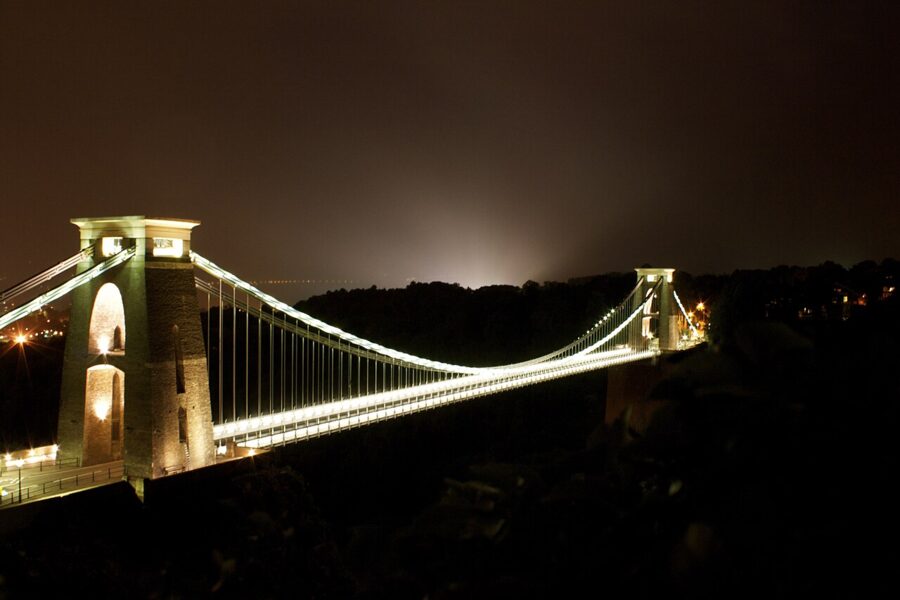

Whichever way you do it, finish where you started, at a small table in the Coronation Tap with a half of Exhibition in front of you. Then walk the two minutes to the end of Sion Hill and look at the bridge lit up over the gorge, and order a taxi rather than a second one.