
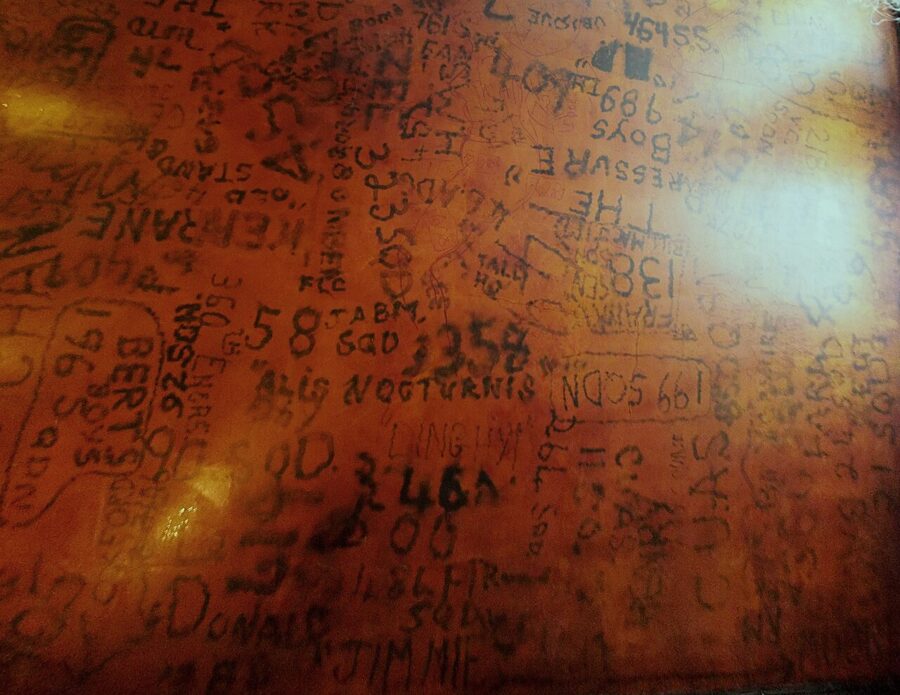
The finest ceiling in Cambridge belongs to a pub. In the back bar of the Eagle on Bene’t Street, airmen of the Second World War climbed onto the tables and wrote their names and squadron numbers on the plaster with candle smoke and cigarette lighters. Eighty years on it is still there, a little browner, above people eating fish and chips.
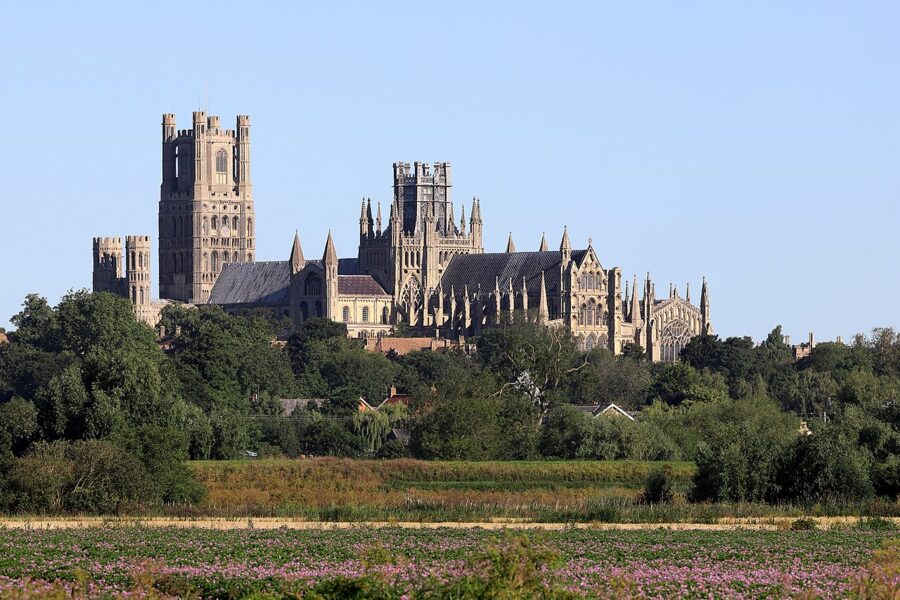
That is the county in miniature. Cambridgeshire’s pubs are rarely grand, but they hold on to things: a snug the size of a wardrobe, a list of landlords going back to 1729, a stone in the floor the staff will not walk over. Some of the best are a few streets from the colleges. Others are out in the Fens, where Ely Cathedral rises off the horizon like a ship and one pub admits, on its sign, to being five miles from anywhere.


Start in Cambridge, with its centre, its river and the backstreets off Mill Road. Then walk to Grantchester, take the train to Ely, and head out across the Fens to the Great Ouse and the old Great North Road. Village hours change often, so check before you set off on a Monday.
On this page
What Cambridgeshire drinks
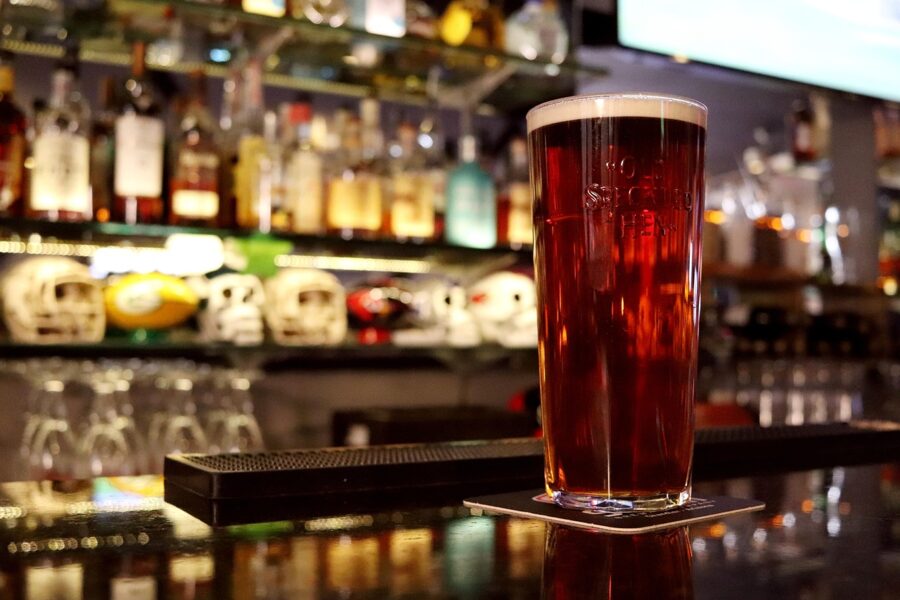
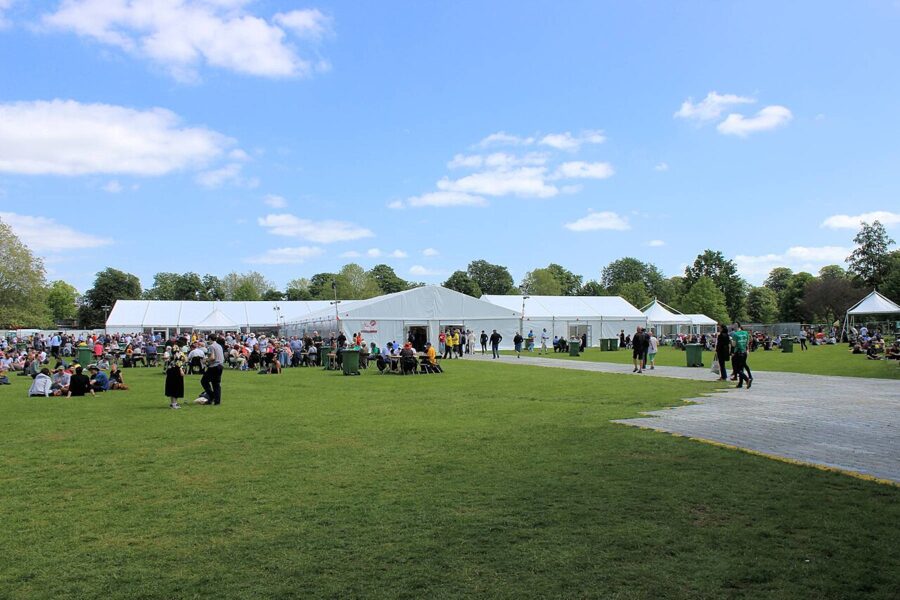
The county drinks cask beer, and a Cambridge pub with one tired bitter on the bar is a pub that has given up. The city also hosts CAMRA’s longest-running beer festival, on Jesus Green every May. In 2026 it ran from 18 to 23 May, charged £4–6 in advance (CAMRA members free) and crowned the Champion Beer of Britain: Independence, a pale ale from Bristol Beer Factory.

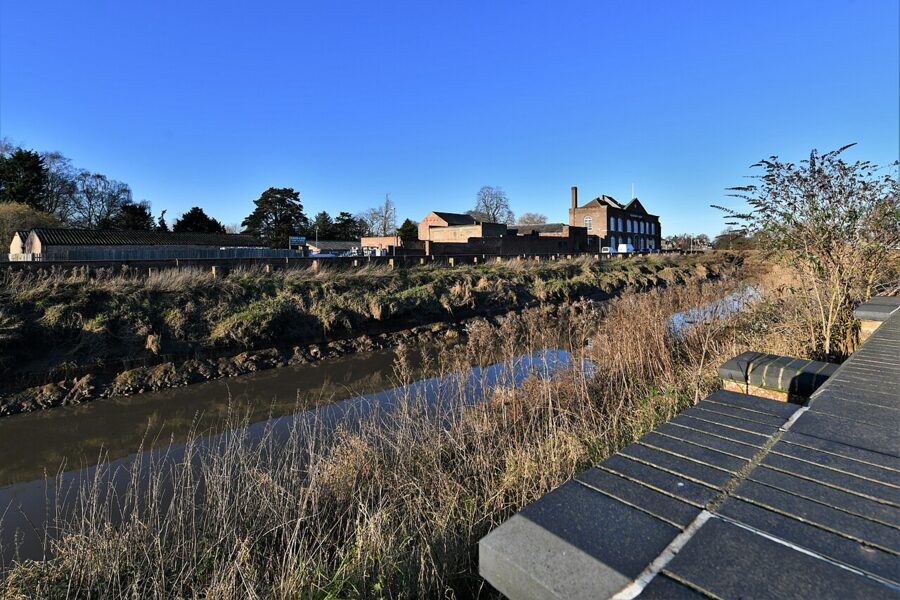
Three breweries matter most. Milton started in 1999 and now brews at Waterbeach, north of the city; its beers have classical names (Pegasus, Justinian, Nero) and its own pubs, the Devonshire Arms and the Haymakers, pour them best. Oakham Ales has been a Peterborough brewery since 1998, and its Citra and JHB turn up all over the county. Elgood’s has brewed on North Brink in Wisbech since 1795, and the Elgood family has run it since 1878.

Behind them come small brewers such as Three Blind Mice in Ely and Papworth. Greene King, from over the Suffolk border, owns a large share of Cambridge’s pubs, including the Eagle, the Free Press and the Champion of the Thames. That is less gloomy than it sounds: several are among the best-run pubs in the county.
Cider is the surprise. There are no great orchards here, but there is a stubborn band of makers: Spinney Abbey at Wicken, Pickled Pig, and Cranes, on draught at the Blue Ball in Grantchester. The Devonshire Arms, the Cambridge Blue and the Drayman’s Son in Ely keep a proper range of still cider.
What the county does best is small: the two-room backstreet local, the thatched village inn with a garden down to a river, the coaching inn on the old road north. It does riverside pubs very well. It does not do gin palaces.
Cambridge: the centre
Central Cambridge is small enough to cross in twenty minutes, and its best pubs sit around the edges of the colleges rather than among them. Start on Bene’t Street, then work east to King Street and the terraces around Parker’s Piece.
The Eagle, Bene’t Street
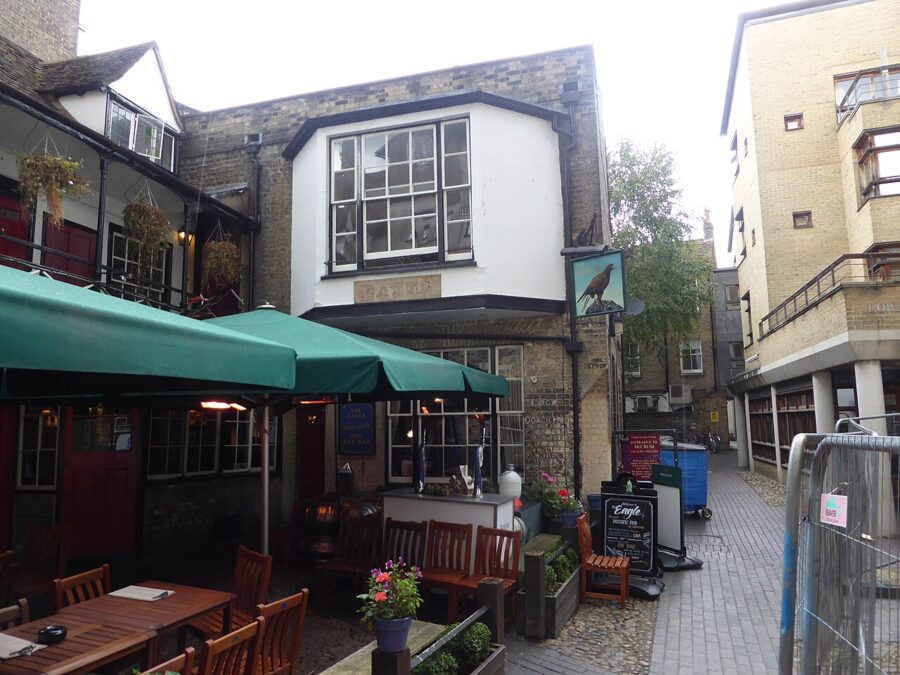
The Eagle is the most famous pub in Cambridge and, unusually for the most famous pub in a tourist city, worth the fuss. It opened as a coaching inn in 1667, and its listing dates the oldest wing to around 1600. You go in opposite the Saxon tower of St Bene’t’s, but the best of it is behind: a cobbled yard with an open gallery on iron columns, where the coaches pulled in.

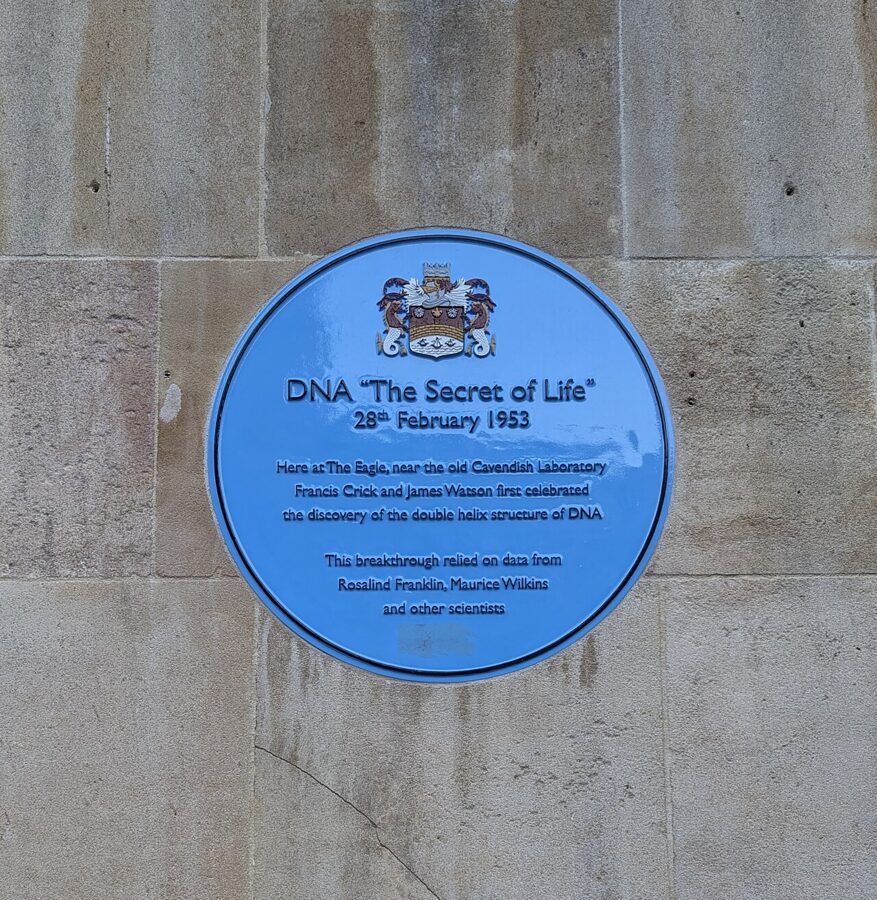
Then there is the science. The Cavendish Laboratory was round the corner and its staff ate here. On 28 February 1953, by James Watson’s account in The Double Helix, Francis Crick told the lunchtime crowd that they had found the secret of life: the structure of DNA. The 2003 blue plaque by the door said nothing about Rosalind Franklin, whose X-ray work the discovery rested on, so for years someone kept adding her name in marker pen.

The RAF bar is the room at the back. Allied airmen from the bases around Cambridge drank here in the war, and the signing of the ceiling is usually traced to a Flight Sergeant P.E. Turner, said to have stood on a table to burn in his squadron number. A former RAF chief technician, James Chainey, spent years from 1987 deciphering the scorched letters.
As a pub, the Eagle is a big Greene King managed house, expanded into neighbouring offices when it reopened in 1992. It opens at 11:00 or 11:30 (noon on Sundays), serves food until 22:00 (21:00 on Sundays) and does not book small tables. The house beer is called Eagle’s DNA, which tells you about the marketing, not the brewer. Drink the guest and go early or late.
King Street and Parker’s Piece
King Street was once the King Street Run, a student ordeal of a pint in each of its eight pubs with no lavatory stop. Four pubs survive, and the one to visit is the Champion of the Thames, ten minutes from the Eagle. It is two small rooms with Victorian counters, panelling and a part-glazed partition, listed on CAMRA’s National Inventory of historic interiors.
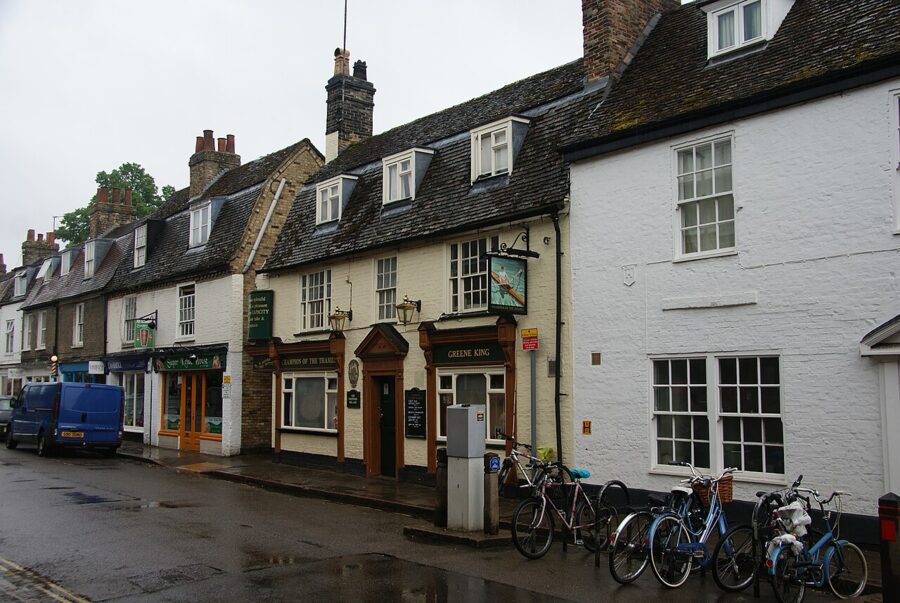

The Champ is a pub for talking: Greene King IPA and Abbot with a guest such as Oakham’s JHB, pork pies and Scotch eggs, cheese and crackers on Sunday evenings, a quiz on Tuesdays. Cambridge CAMRA made it the city’s dog-friendly pub of the year for 2026.
Ten minutes east, on Prospect Row behind Parker’s Piece, is the Free Press, a pub since 1834 and named after a temperance newspaper that lasted one edition. It nearly went with the 1970s redevelopment of the area; when it reopened, the main rooms were rebuilt so faithfully that CAMRA counts it among its outstanding restorations. Only the snug, about six feet by five, is original.
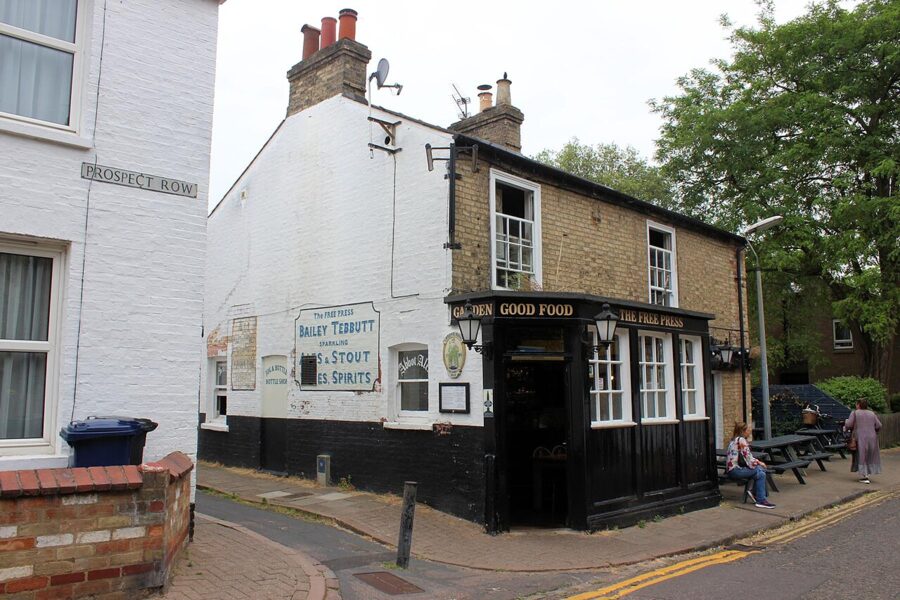

If I had one evening in Cambridge, I would spend it here. It is calm, keeps Timothy Taylor’s Landlord and a dark guest, has a walled garden, and serves food at sane hours (12:00–14:00 and 18:00–21:00 Tuesday to Friday, until 16:00 at weekend lunchtimes). It is shut on Mondays, and small.
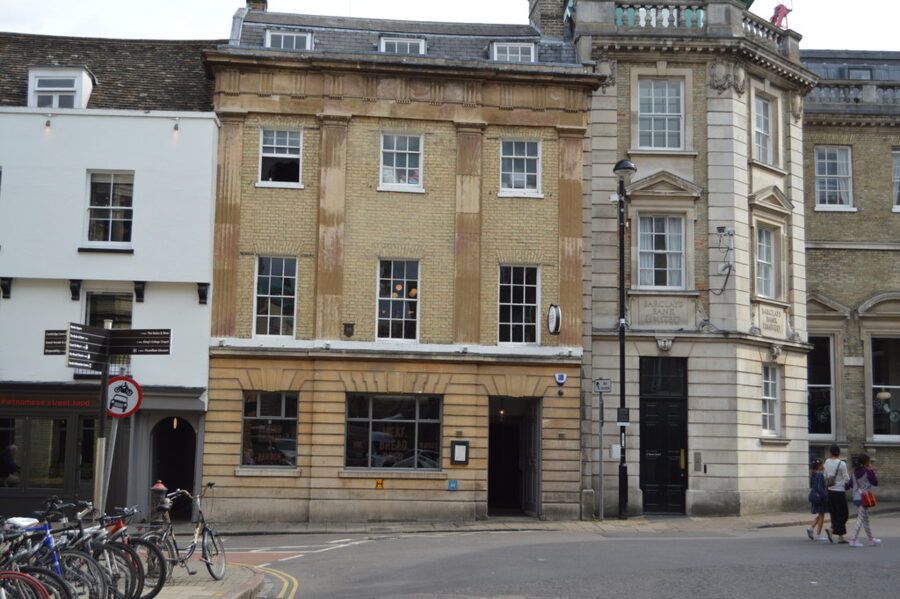
For something newer, the Pint Shop on Peas Hill opened in 2013 in a Georgian townhouse where E. M. Forster once lived. It has four cask beers, two real ciders and seventeen keg lines over three floors, and it was the first new pub in Cambridge for over a decade.

The river pubs
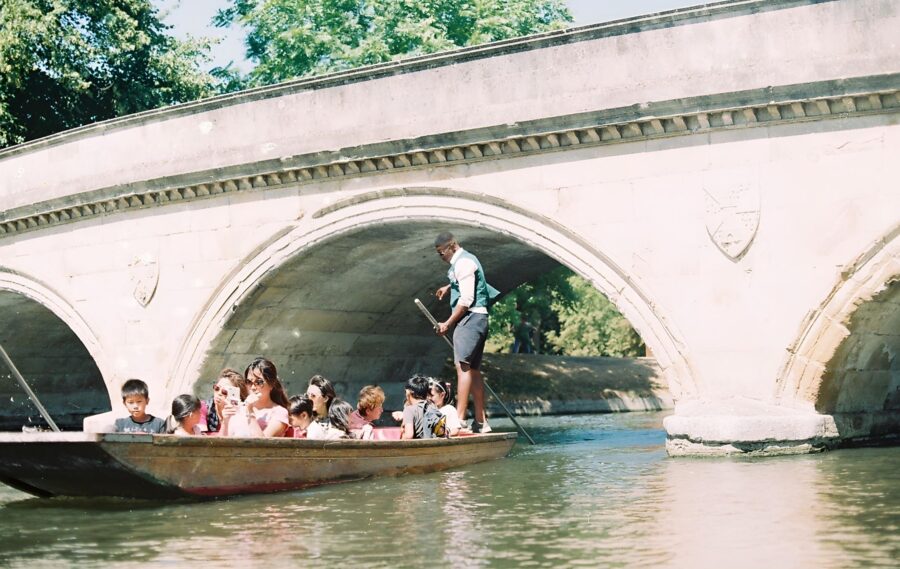
Along Silver Street and Mill Lane, Cambridge sits outside with a drink and watches people fall off punts. Three pubs within a few hundred metres do three different jobs.
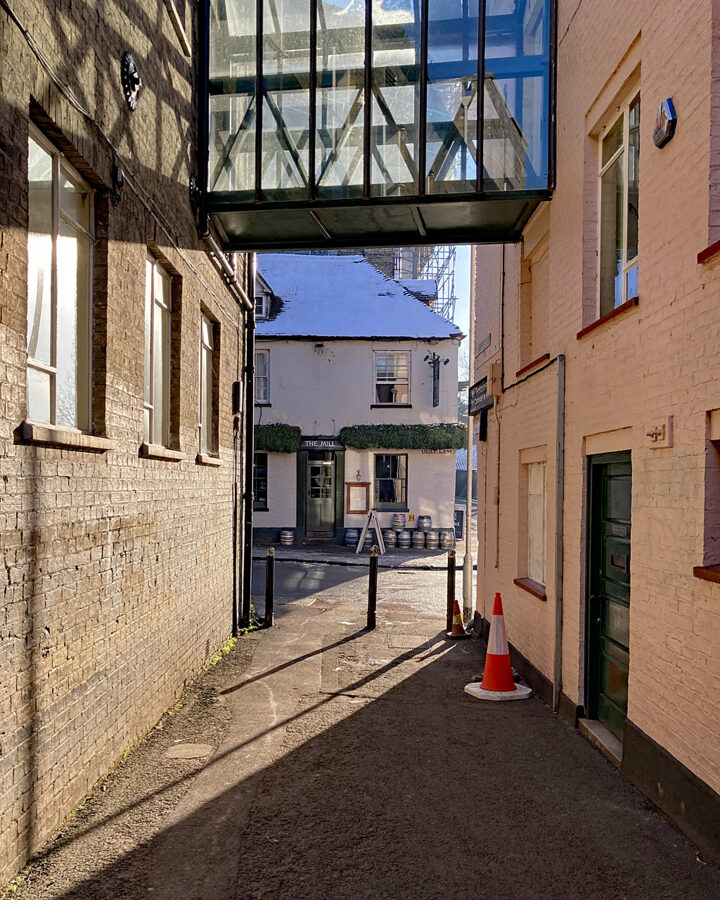
The Mill looks across to Laundress Green, and on summer evenings half its customers carry their pints over the footbridge to the grass. It belongs to Young’s and has eight hand pumps, often with beers from Adnams, Nene Valley or Oakham. Food stops at 20:00 (17:00 on Sundays), and it takes cards only.

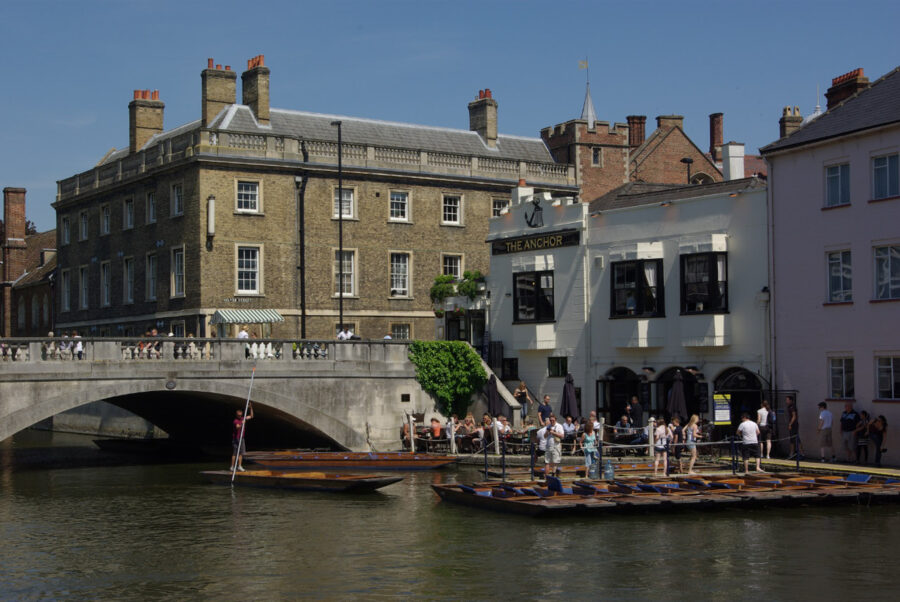
Across the bridge, the Anchor rambles down four floors to a terrace at the water’s edge. The building dates from 1843 and the name from the boats that moored here. Its downstairs bar was once a jazz club, and local legend says a teenage Roger Barrett took the name Syd from a musician who played there. It is a Greene King food pub; go for the terrace.

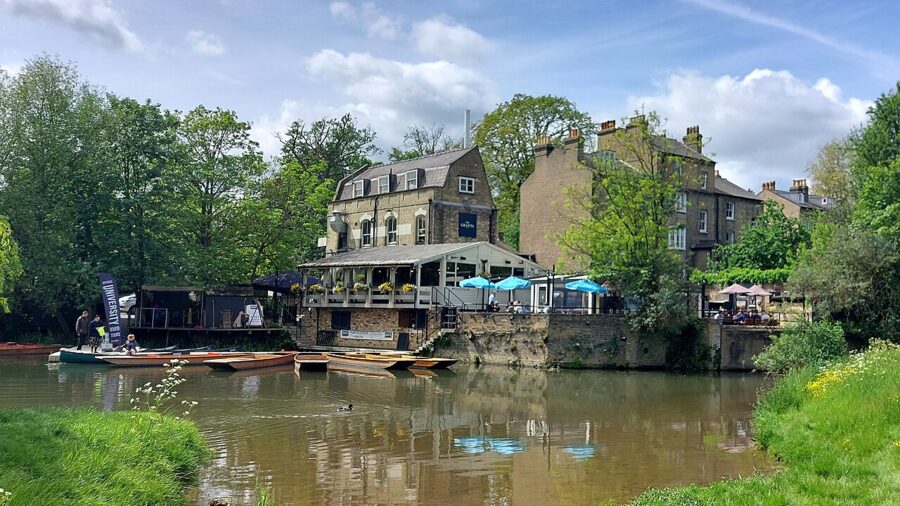
Upstream, the Granta on Newnham Road has a verandah over the Mill Pond, punts for hire next door, and food every day until 21:00. Cambridge CAMRA named it the city’s most improved pub of 2026.

Castle Hill and Magdalene Street
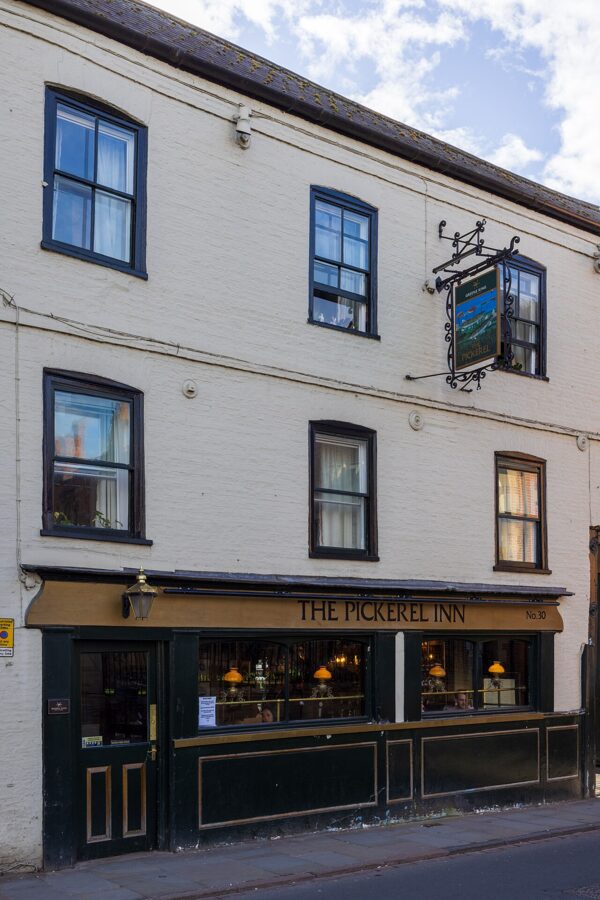
Over Magdalene Bridge, the Pickerel claims to be the oldest pub in Cambridge, licensed in 1608. The claim rests on the licence; the interior has been much altered, though the beams, brickwork and fireplace are old. It keeps six changing beers, eight in summer, always including a mild or a stout, and has a courtyard at the back.

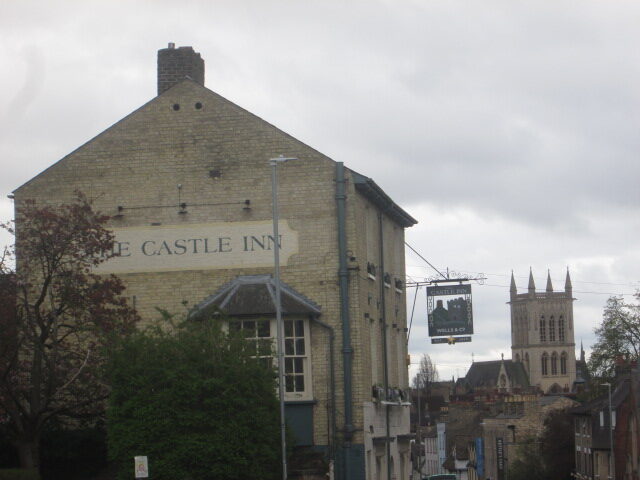
At the top of the hill, the Castle Inn dates from the 1740s and was once two buildings. Adnams bought it in 1994 and Wells & Co in 2024, and Adnams Southwold Bitter and Ghost Ship are still on. There is a downstairs snug and a sheltered garden beside the mound that is all that is left of Cambridge Castle.

Midsummer Common and Chesterton
Downstream, the Fort St George sits among the college boathouses on Midsummer Common. Parts of it are sixteenth century, and it was built on what was then an island. The name comes from its supposed likeness to Fort St George in Madras. The food is standard Greene King; the patio is the point.
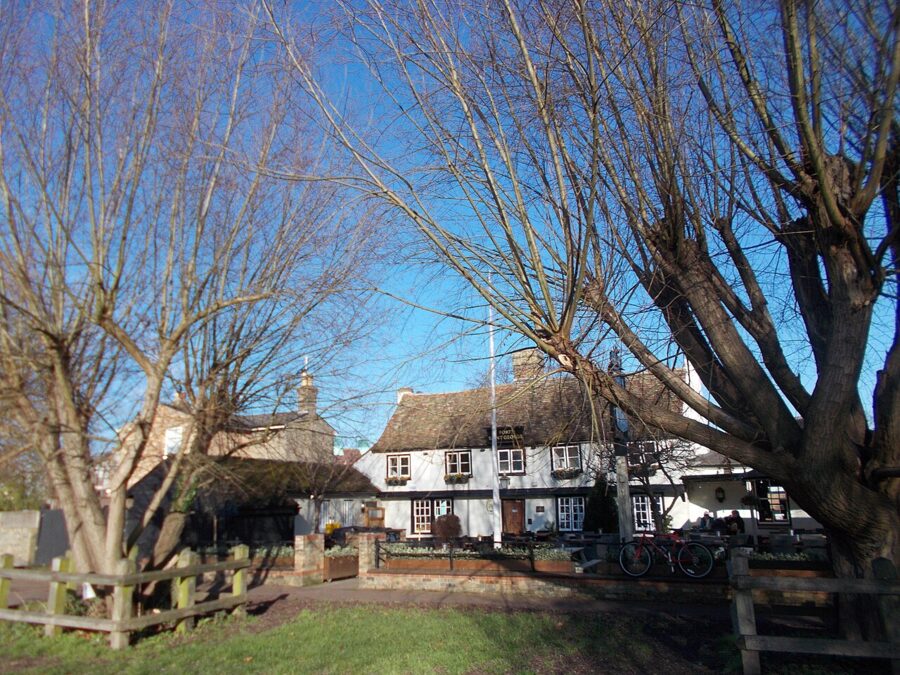

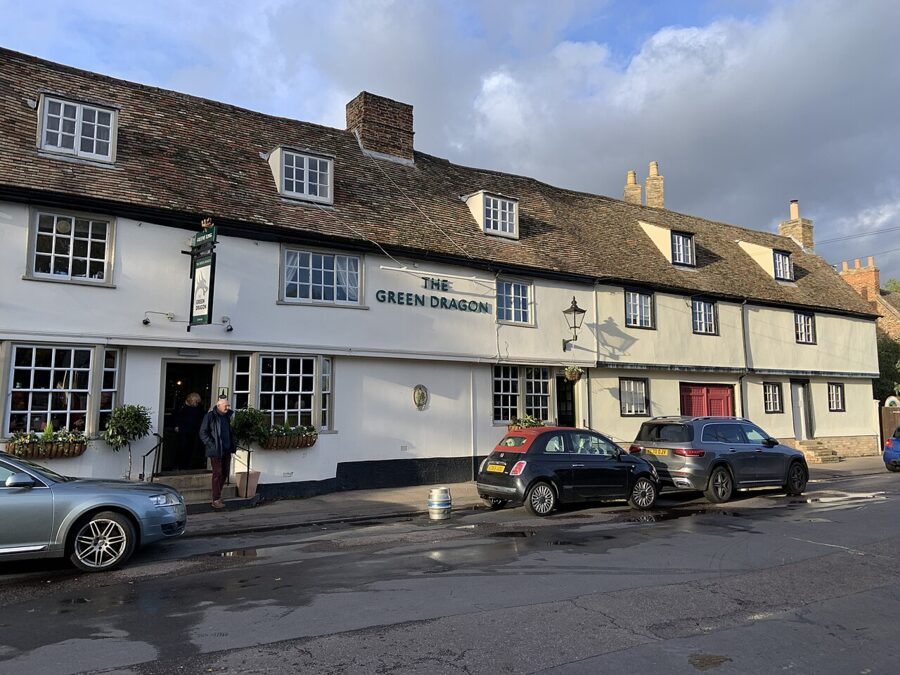
Across the river in Chesterton, the Green Dragon on Water Street was described in 1630 as an “ancient victualling house”. A big inglenook splits the bar, Oliver Cromwell is supposed to have thrown knives at its lintel, and there is a riverside lawn across the road. The kitchen serves Lebanese street food; the pub is closed on Mondays.

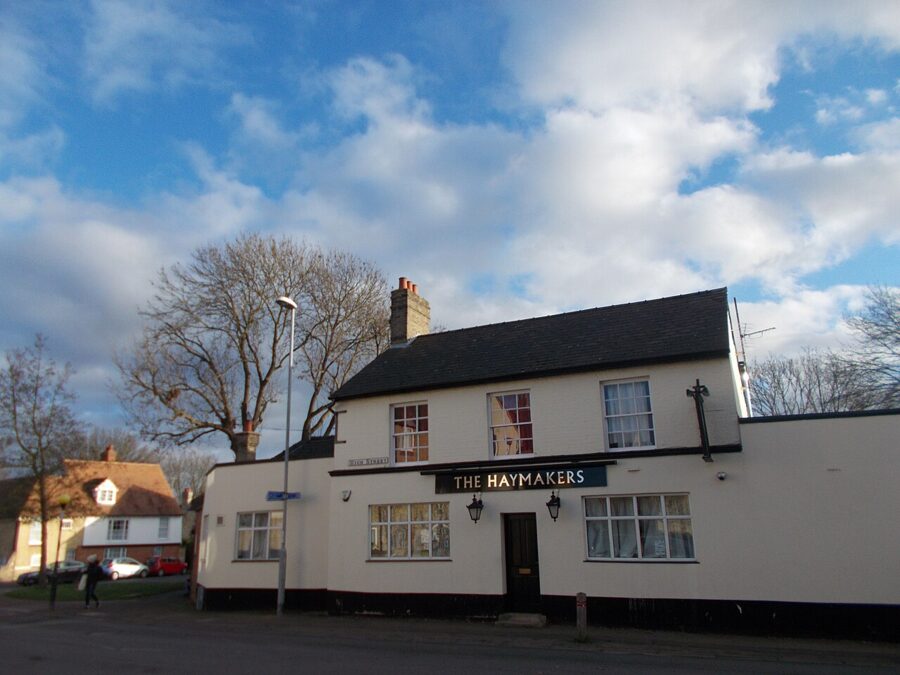
Up Chesterton High Street, the Haymakers is Milton’s second Cambridge pub, reopened in 2013: a snug, a garden, eight cask beers, three real ciders, stone-baked pizzas and the largest pub bike park in the city. Cambridge North station is twenty minutes’ walk.

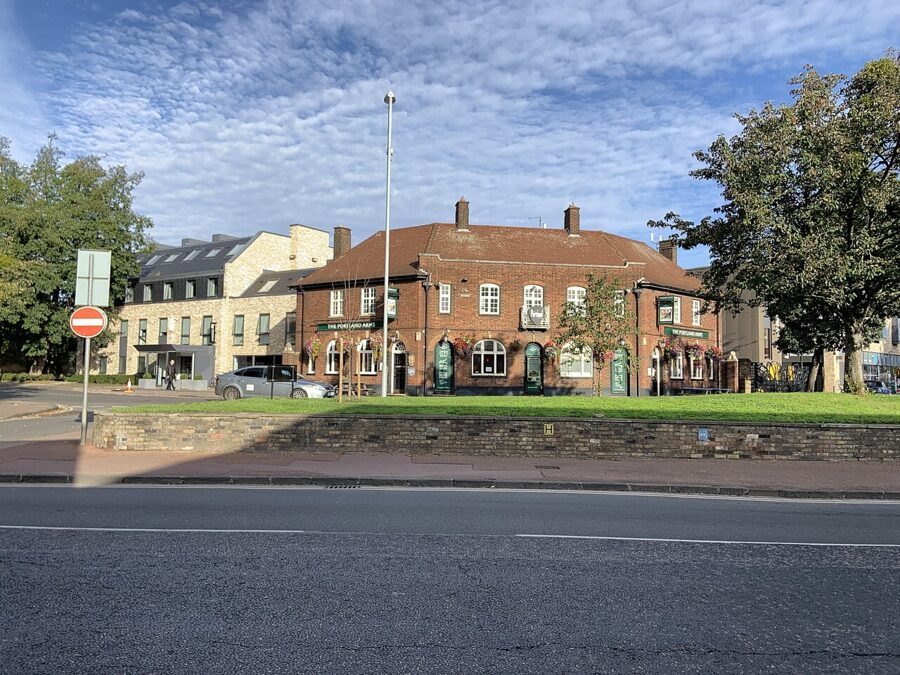
At Mitcham’s Corner, the Portland Arms is a 1930s pub by Basil Oliver, the architect of many of Greene King’s interwar houses. Its panelled main bar is on the National Inventory, and the soundproofed back room is a music venue for 200.

Mill Road and the backstreets
The terraces off Mill Road, between Parker’s Piece and the station, are where Cambridge’s drinkers drink. Three pubs here would justify the train fare on their own.
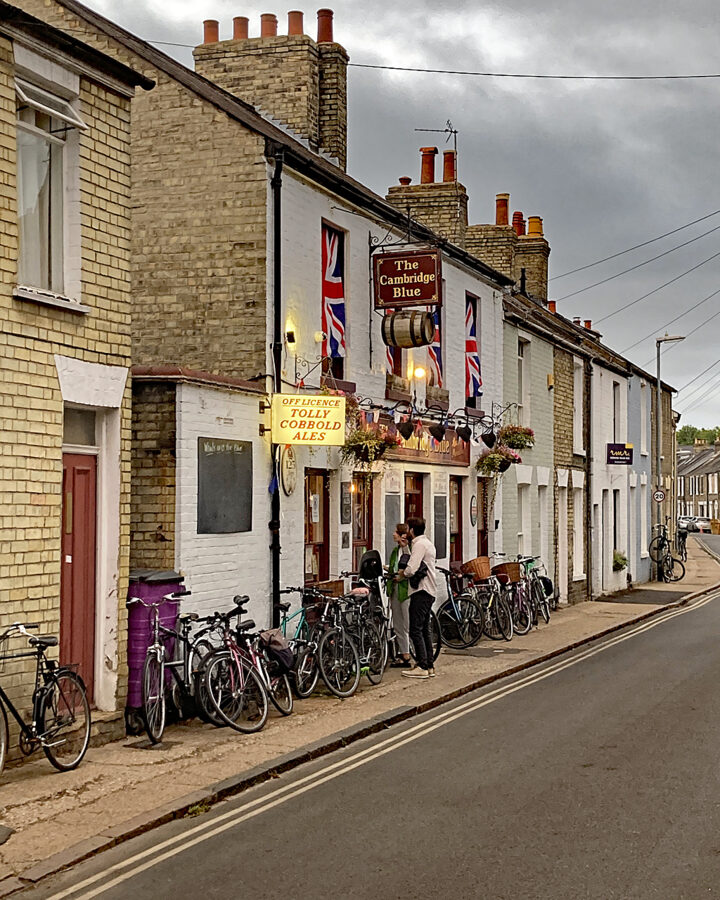
The Cambridge Blue on Gwydir Street, once the Dew Drop, is a single bar with a long extension, a big garden and walls of breweriana. The pub lists up to 14 real ales, 12 keg beers and seven real ciders, plus fridges of Belgian bottles. Wonky Kitchens does the food, closed on Mondays.

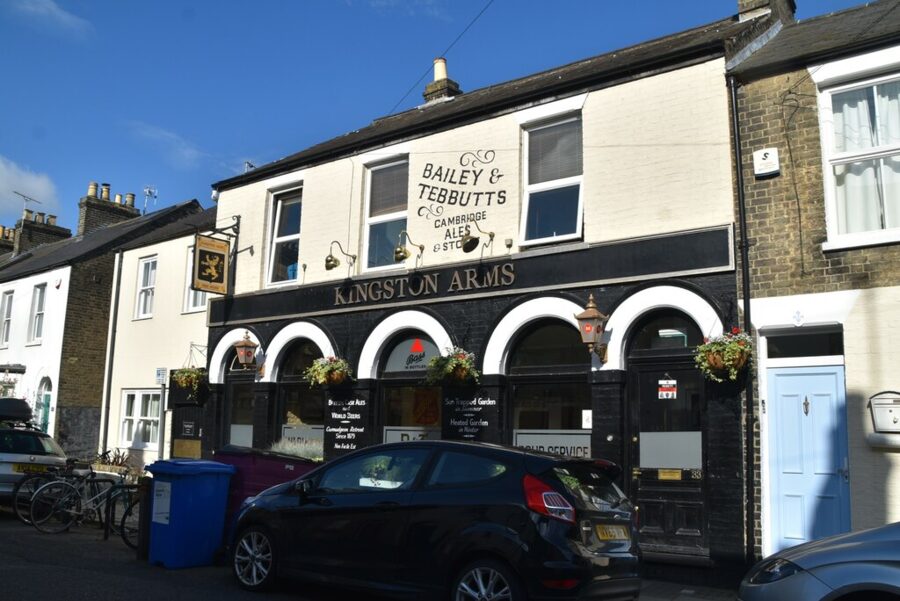
Round the corner, the Kingston Arms survived a spell as a Mediterranean restaurant and reopened in March 2023 as a drinkers’ pub. It was Cambridge CAMRA’s pub of the year for 2025, and the county’s. Expect up to seven cask beers with a dark one always on, four ciders, crib and skittles on Tuesdays, and plates if you order in a pizza.

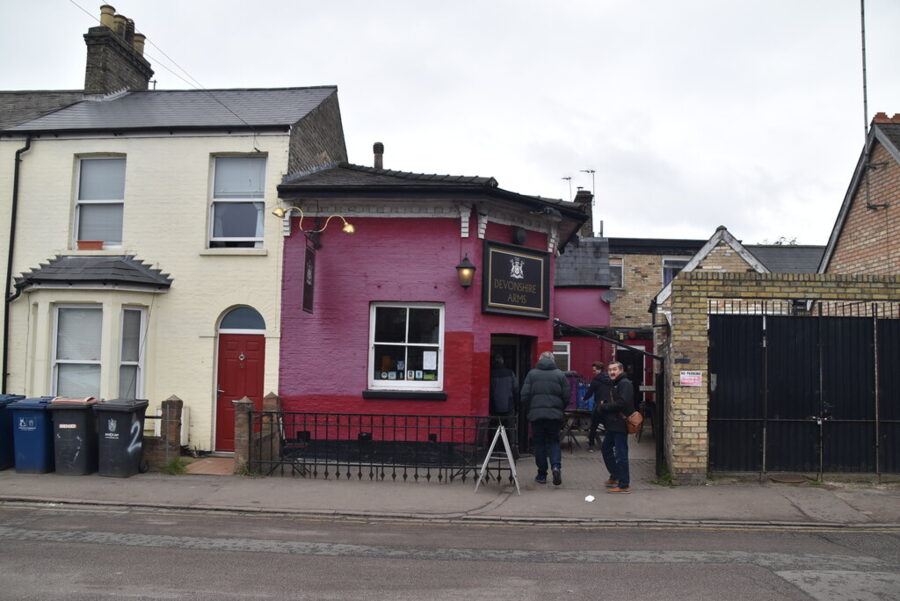
The Devonshire Arms, five minutes from the station, was Milton’s first Cambridge pub, rescued in 2010: a small frontage, a deceptively large inside, booths and up to eight cask beers, two of them usually dark. It was Cambridge CAMRA’s cider pub of the year in 2024 and 2025, and the kitchen, with Caribbean dishes on the menu, cooks every evening.

Nearby, the Live & Let Live on Mawson Road is a corner local with a wood burner, Oakham Citra as the regular, always a dark beer, and a cat called Winston.
Grantchester
The walk to Grantchester is the best two miles in the county. From the Granta you follow the path across Grantchester Meadows, river on one side and cows on the other, and in about 45 minutes reach a village with four pubs. Rupert Brooke lodged here before the First World War and wrote a homesick poem about it; the television series Grantchester was filmed here. Both have been good for trade.
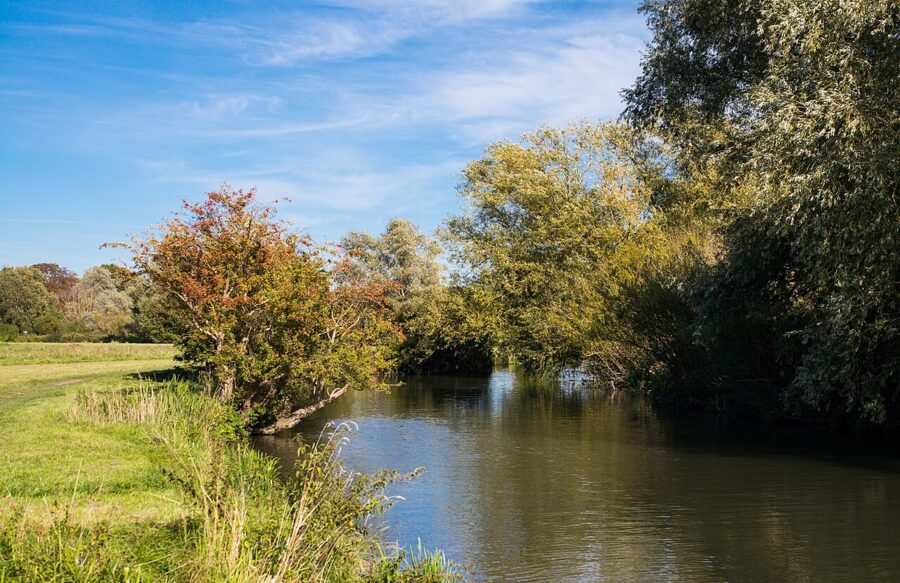

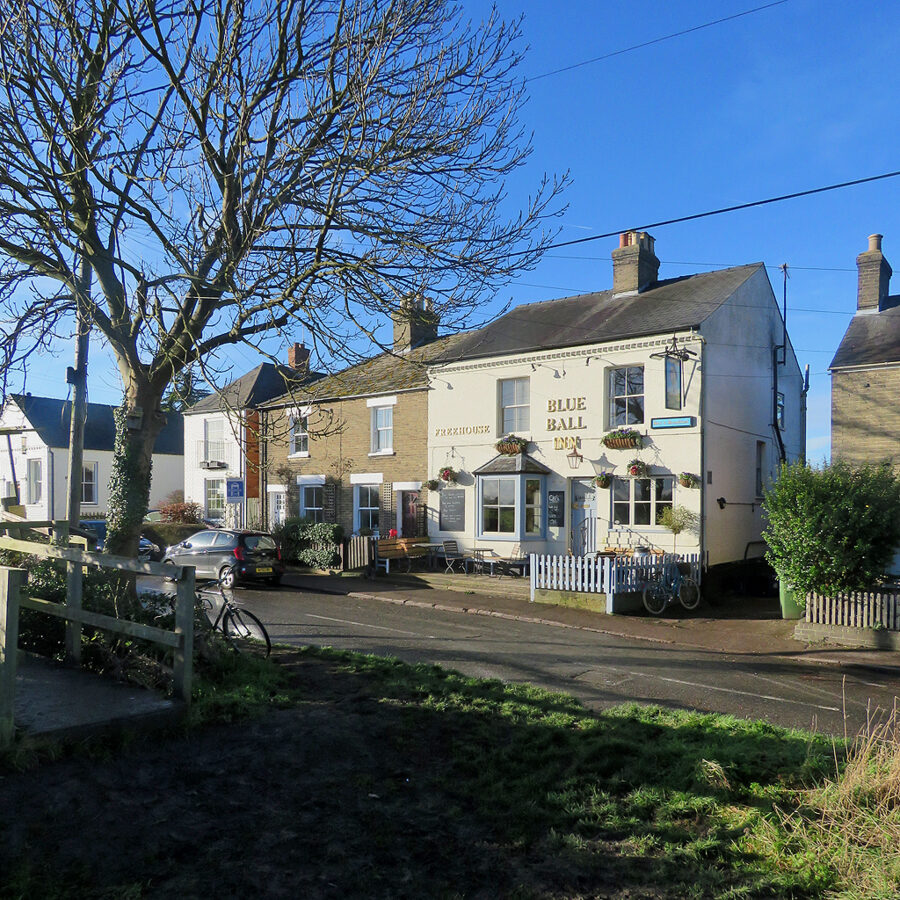
Start or finish at the Blue Ball Inn on Broadway, the most pub-like of the four. It was rebuilt in 1893 over the cellar of a 1767 inn lost to fire, and keeps the two-bar layout that puts it on the National Inventory. No television, no machines; ring the bull, shove ha’penny, a piano in the covered yard, cricket memorabilia (it is Grantchester Cricket Club’s headquarters), Adnams and Draught Bass, and Cranes cider.

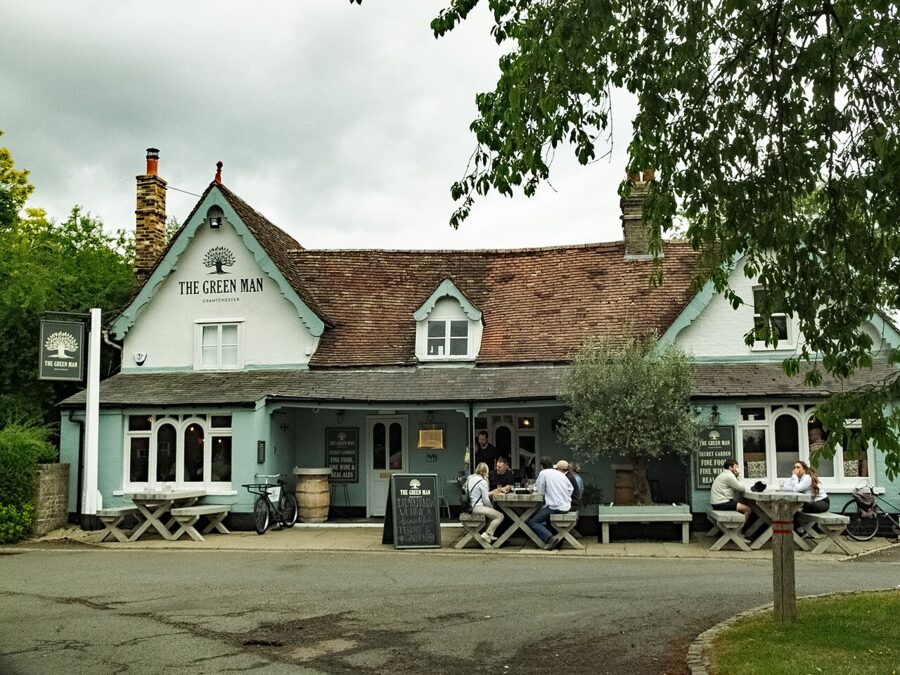
On the High Street, the Green Man is a seventeenth-century building, a pub since at least 1847, which reopened in 2023 after three years shut. Low beams, a log burner, a snug, and a long garden running down to the meadows path, which makes it the natural place to end the walk.

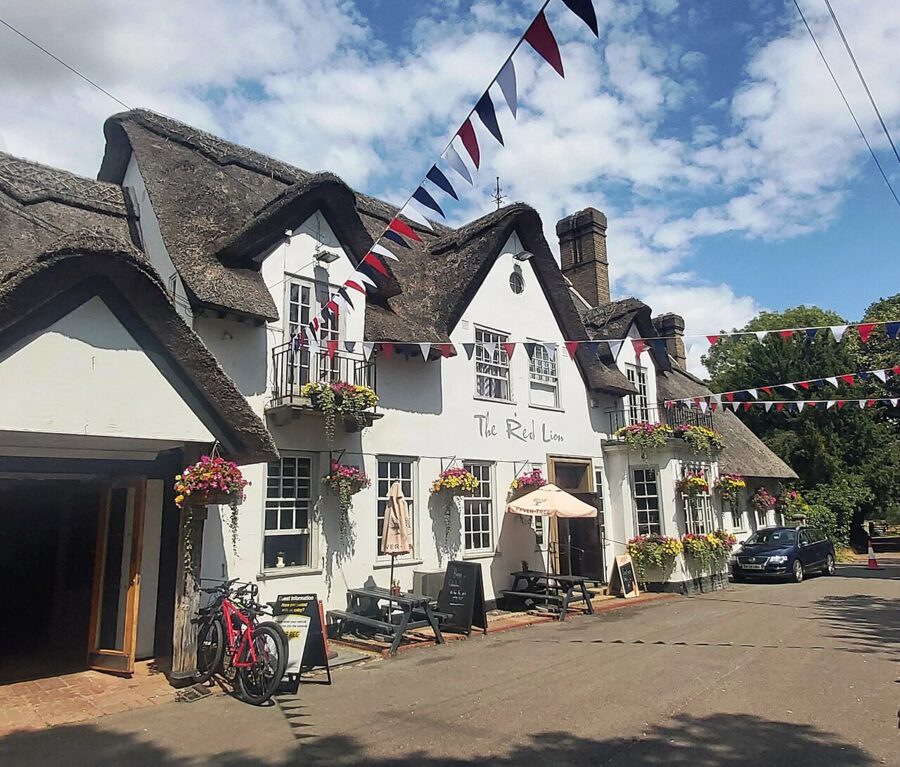
Next door, the big thatched Red Lion stands on the site of the Axe & Saw of 1777, but the building is Basil Oliver’s of 1936: a modern old pub. It is a Greene King dining house with a large garden, full on summer Saturdays of families who have punted up from Cambridge.

The Rupert Brooke, a pub since 1839 and the Rose & Crown until the 1970s, is mostly a restaurant now, with a roof terrace and an island bar. Cambridge CAMRA named it the most improved rural pub of 2026. It is closed on Tuesdays and Wednesdays.
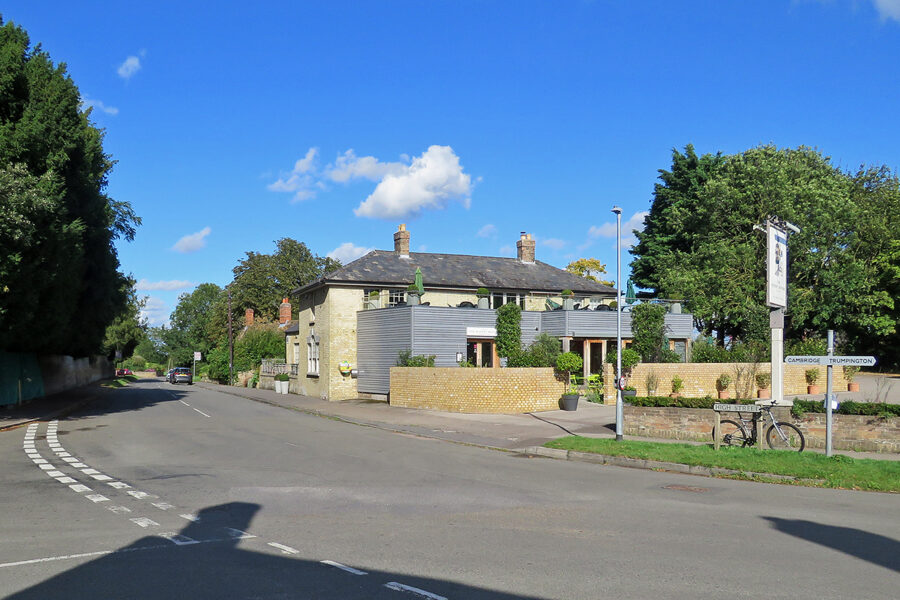

Whippet buses 18 and 118 stop in the village, but most people walk back across the meadows as the light goes.
The villages around Cambridge
Fen Ditton and Horningsea
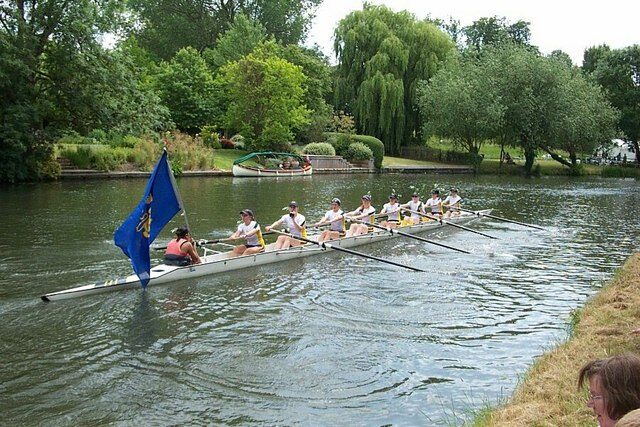
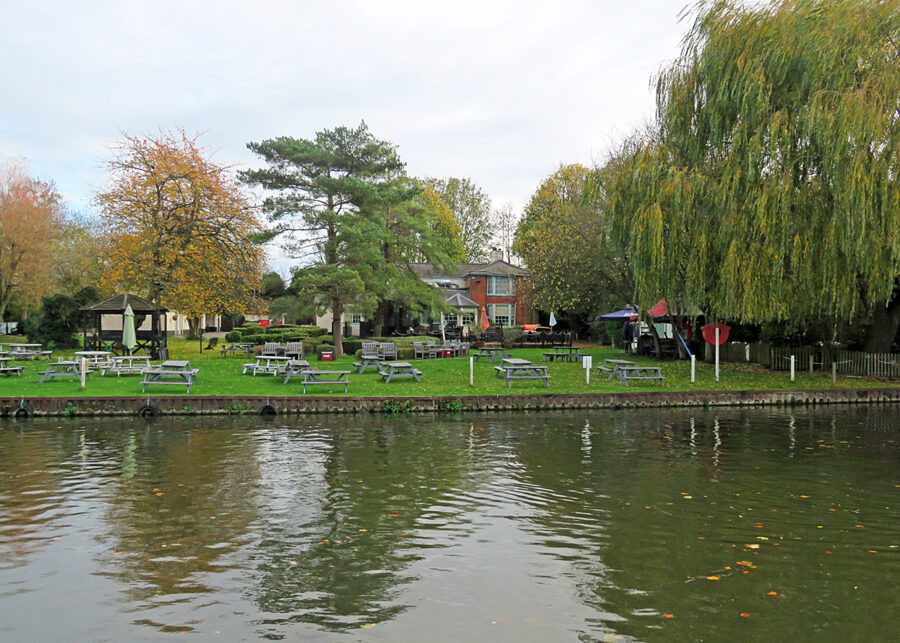
From Chesterton the towpath runs past Ditton Meadows to Fen Ditton, half an hour’s walk. The Plough at Green End is a big dining pub with an enormous garden on Plough Reach, where college crews race in the Bumps in late winter and June. On race days it is the best seat on the river.


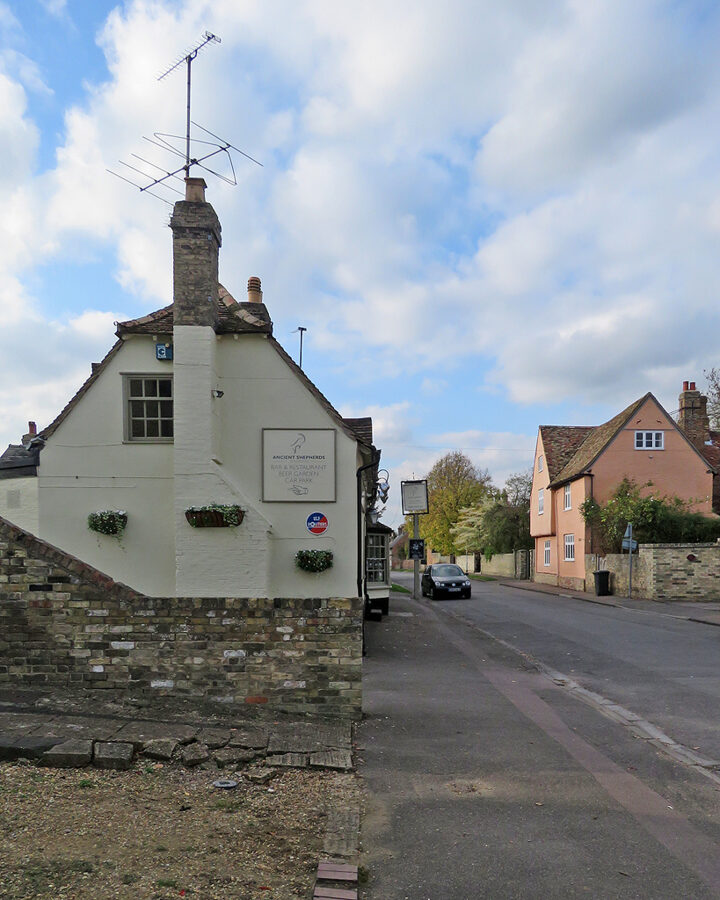
Up the village, the Ancient Shepherds was three cottages in 1540, last altered in 1954, and still feels like a run of low rooms. It is food-led, opens Thursday to Sunday, and has five bedrooms.

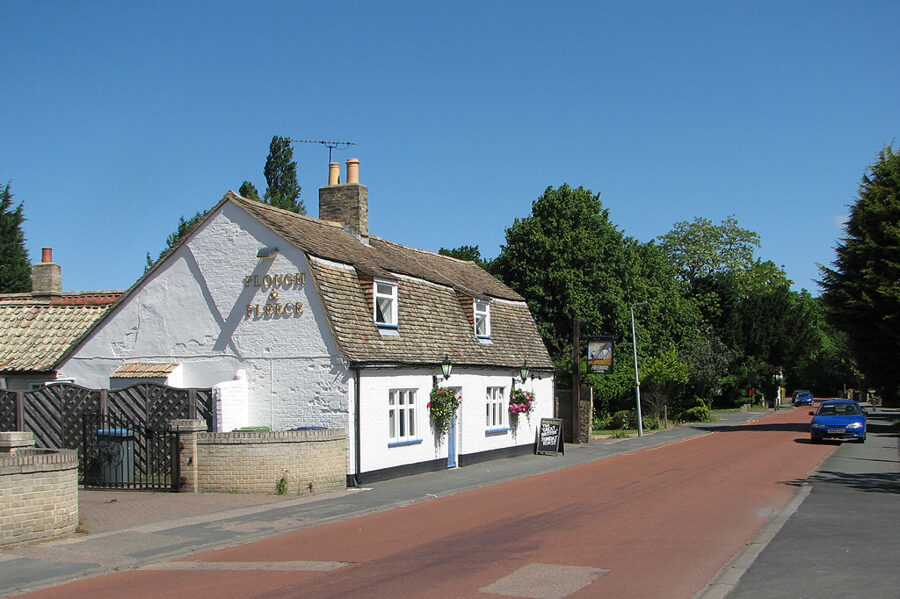
A couple of miles on, Horningsea has owned the Plough & Fleece since 2012: low beams, an inglenook, bar billiards, beers from Milton and Papworth, and a garden looking over the fields to the Cam. New managers arrived at Easter 2026; it is closed on Mondays.

Newton, Madingley and the south
The Queen’s Head at Newton, six miles south of Cambridge, is the pub local CAMRA members mention in a low voice. It is one of a handful to have appeared in every Good Beer Guide since the first in 1974, and the list of landlords since 1729, on the public bar wall, has only 18 names. Beer comes from casks behind the bar; food is soup and sandwiches, with pies and a ploughman’s on Thursday to Saturday evenings.
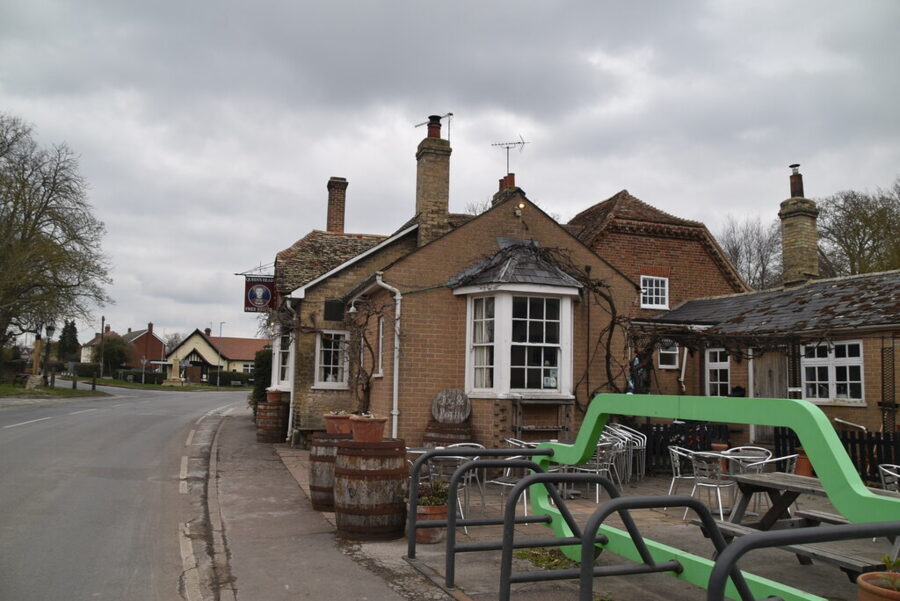

It is closed on Mondays and in the afternoons. Ask about the King and the Kaiser, who are supposed to have stopped for a pint before the First World War; nobody can prove it and nobody will let it go.
West of the city, the thatched Three Horseshoes at Madingley is mostly a restaurant, run by Cambscuisine, with a small bar for drinkers and prices to match.
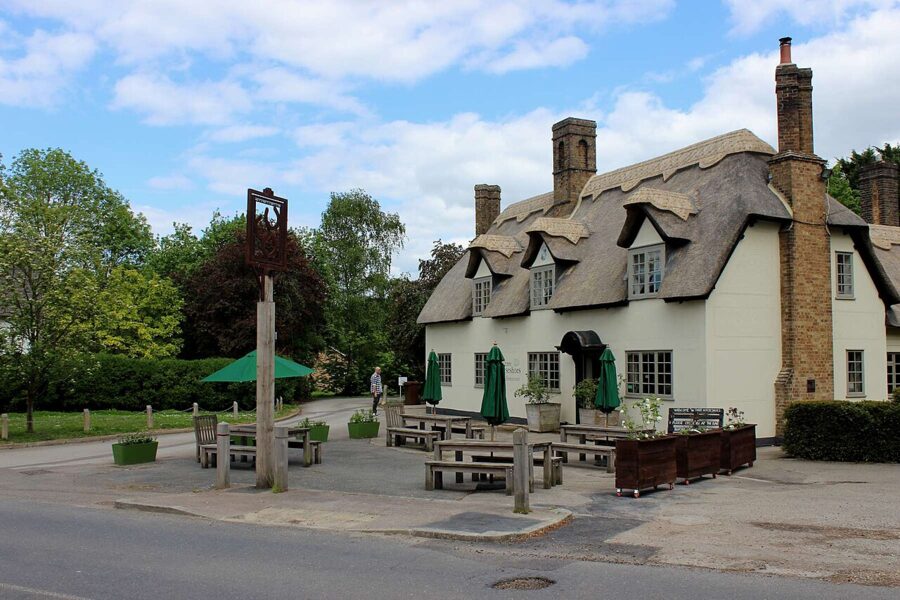

The same group runs the Tickell Arms at Whittlesford, where a framed list of people the old Squire Tickell refused to serve hangs over the back-room piano. Whittlesford Parkway station is half an hour’s walk.
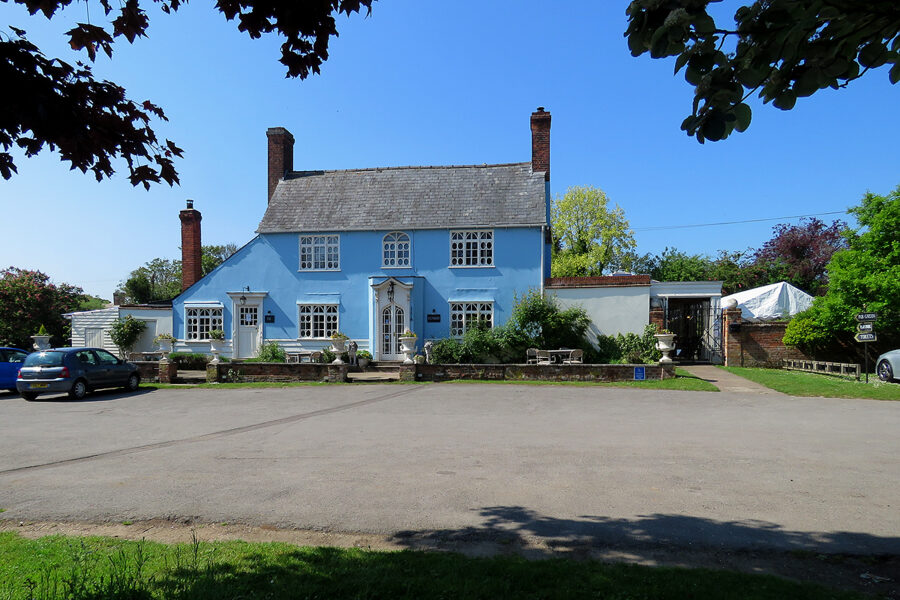

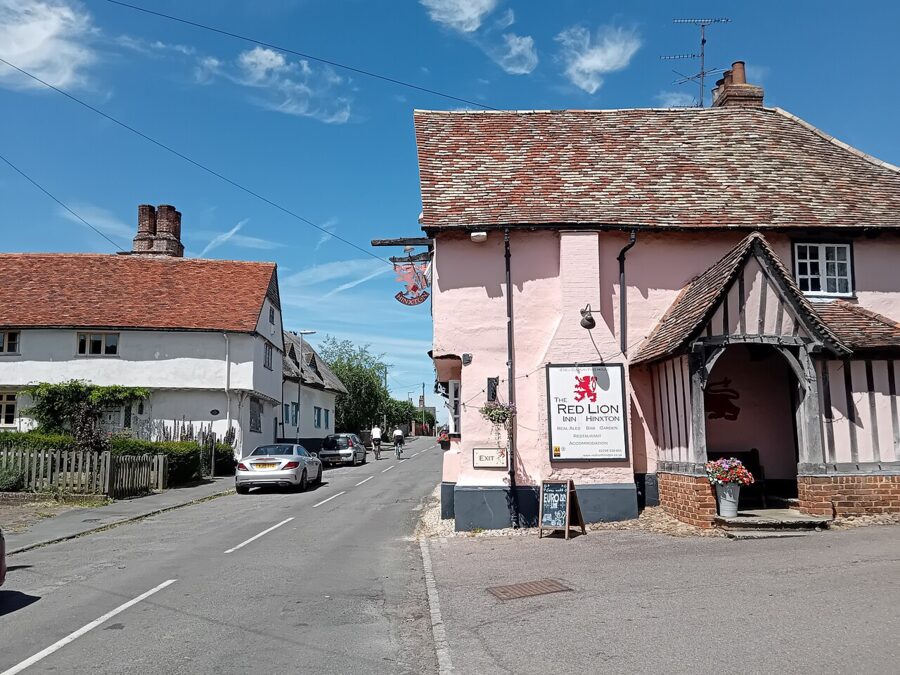
Near the Essex border, the Red Lion at Hinxton is a sixteenth-century coaching inn, listed Grade II, with eight rooms, a walled garden, Adnams and Woodforde’s on cask, and breakfast from 07:30 on weekdays.

Ely
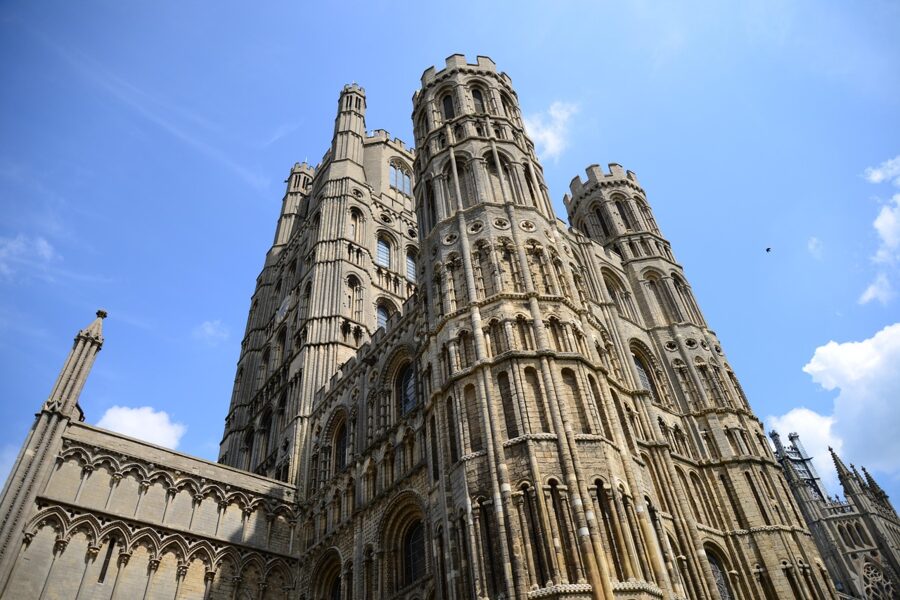
Ely is fifteen minutes from Cambridge by train and feels much further. It is a small city on a low island above the Fens, and its cathedral is the size of a town. Stand under the Octagon, the timber lantern built after the central tower fell in 1322, before you go near a pub.
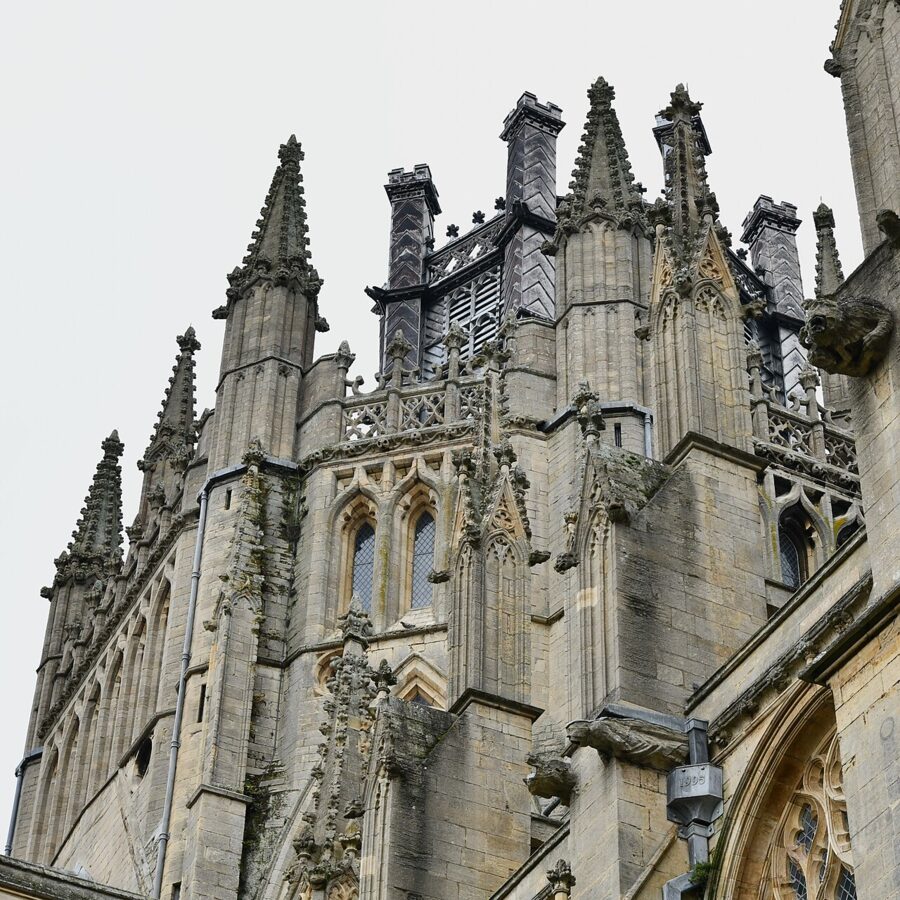

The station is by the river at the bottom of the hill and the cathedral at the top, with the pubs between. Allow ten minutes up, longer down.
The Fountain, Silver Street
The Fountain stands at the corner of Silver Street and Barton Square, opposite the Porta, the monastic gateway to the cathedral precinct. It is an early nineteenth-century gault brick building, Grade II listed, said to date from about 1830, and one of the last free houses in Ely: mismatched furniture, local photographs and a log fire in winter.
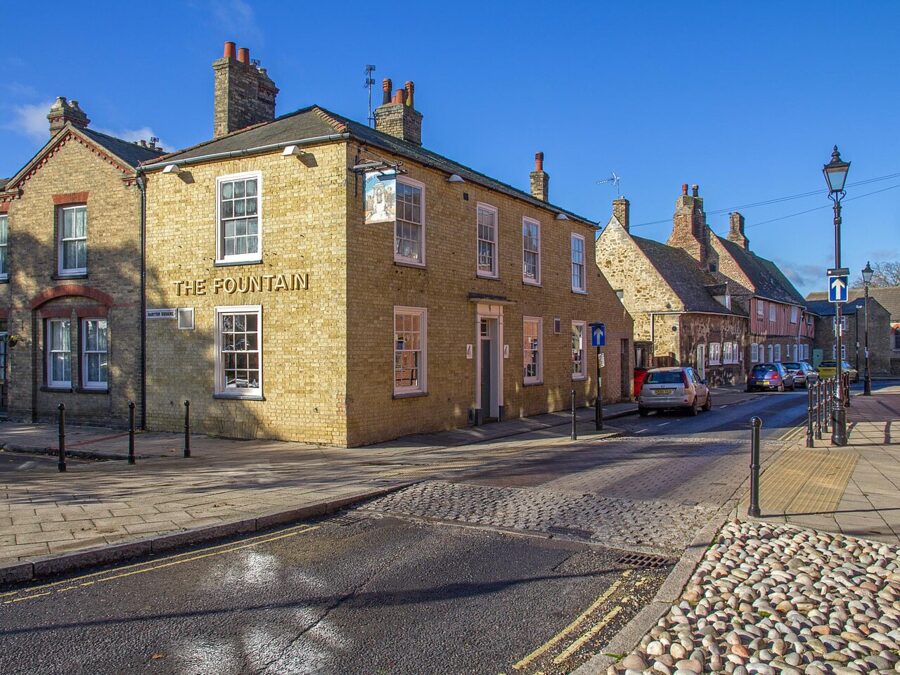

Its future is uncertain. In 2026 King’s Ely, whose campus surrounds it, applied to turn it into a staff room; a Save the Fountain campaign, the Campaign for Pubs and Ely CAMRA objected, and the plan was withdrawn. A bid to list it as an Asset of Community Value failed in July. The landlord, owner since 1996, opens on a limited basis.
The advertised hours are 17:00–21:00 Monday to Thursday, to 22:00 on Friday, lunch and evening on Saturday and noon to 15:00 on Sunday, and Ely CAMRA warns that members often find it shut. Go if it is open, have a Ghost Ship by the fire, and do not build the evening around it.
The rest of Ely
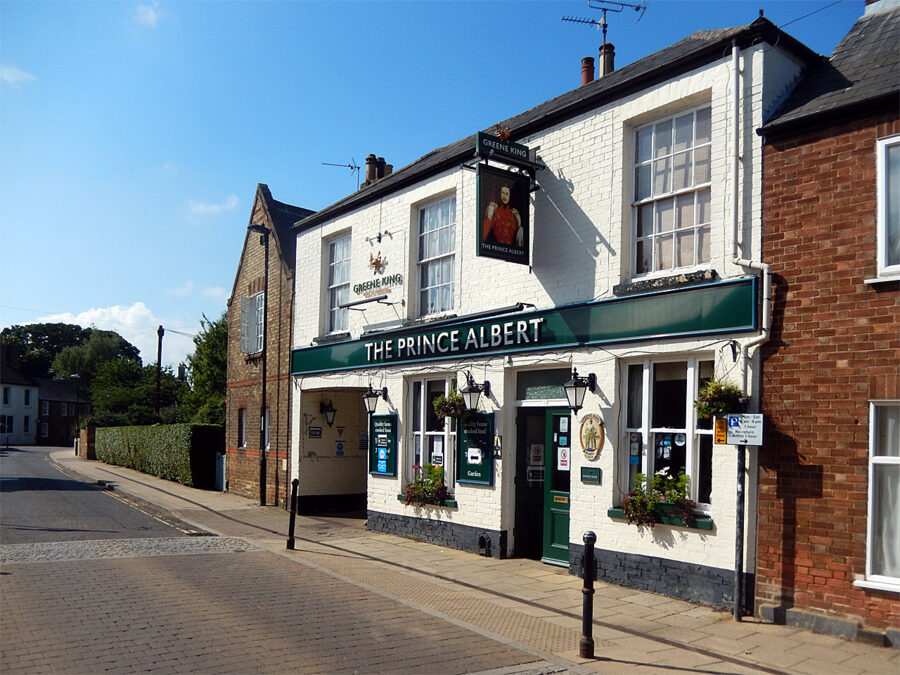
Along Silver Street, the Prince Albert is where I would go first: small, quiet, no music or machines, a walled garden and ten hand pumps, including Greene King’s XX Mild when it is brewed. The building was once the local militia’s officers’ mess. There is no food on Sunday evenings, and a beer festival on the first weekend of September.

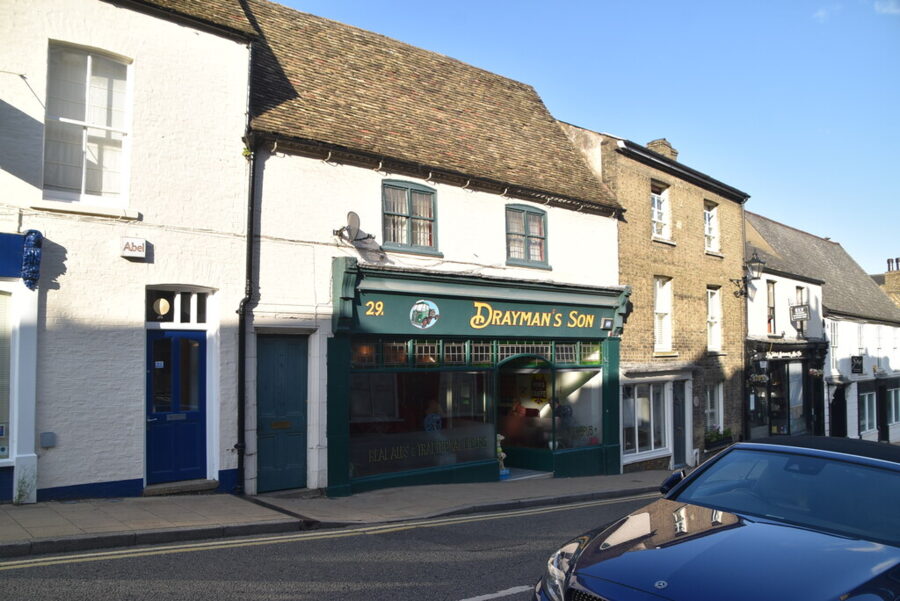
On Forehill, the Drayman’s Son is a micropub in an old shop, owned by the Three Blind Mice brewery and hung with enamel railway signs. Drinks come to your table: four cask beers, ten keg lines, six or more ciders, and pork pies to soak them up. It was Ely CAMRA’s pub and cider pub of the year for 2025.

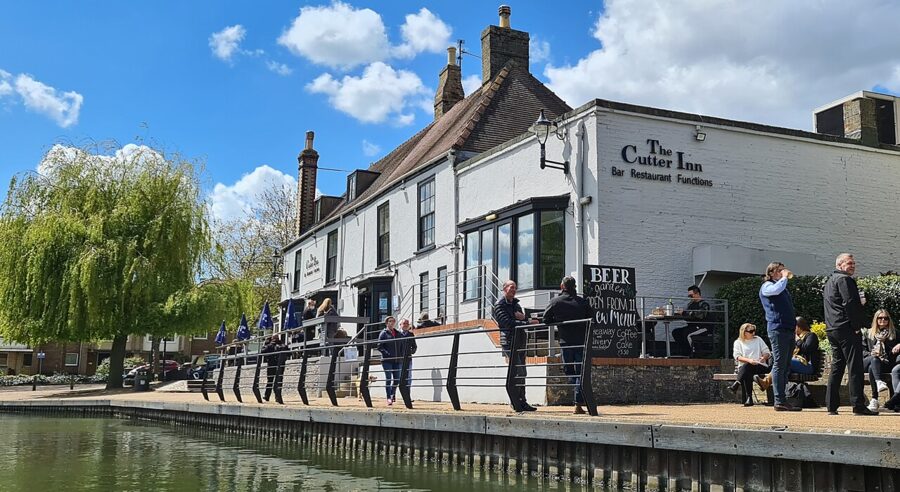
At the foot of the hill, the Cutter Inn sits on the Great Ouse looking over the moorings, five minutes from the station. Its name comes from the cut that brought the river closer to the town. It is a busy dining pub; have a drink on the terrace and walk up for the next.

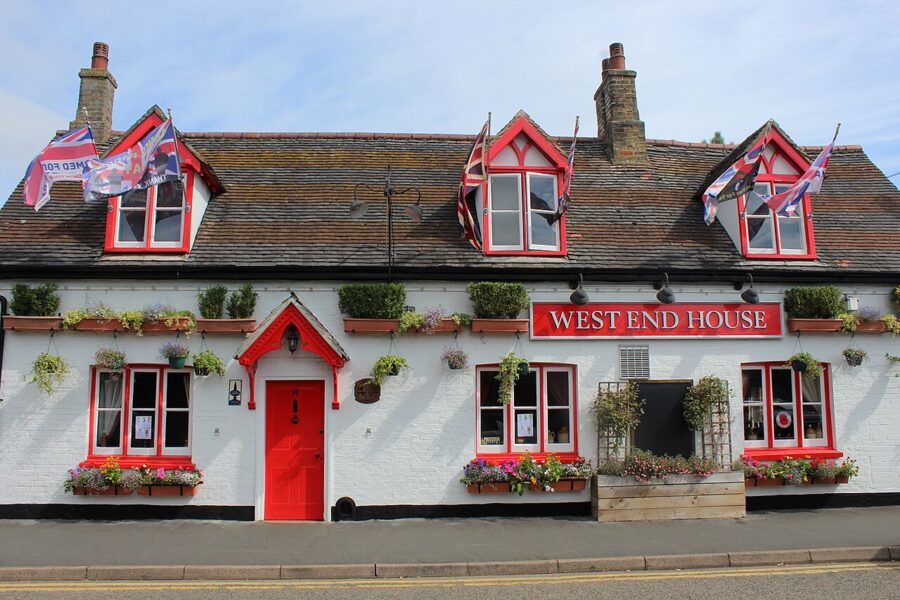
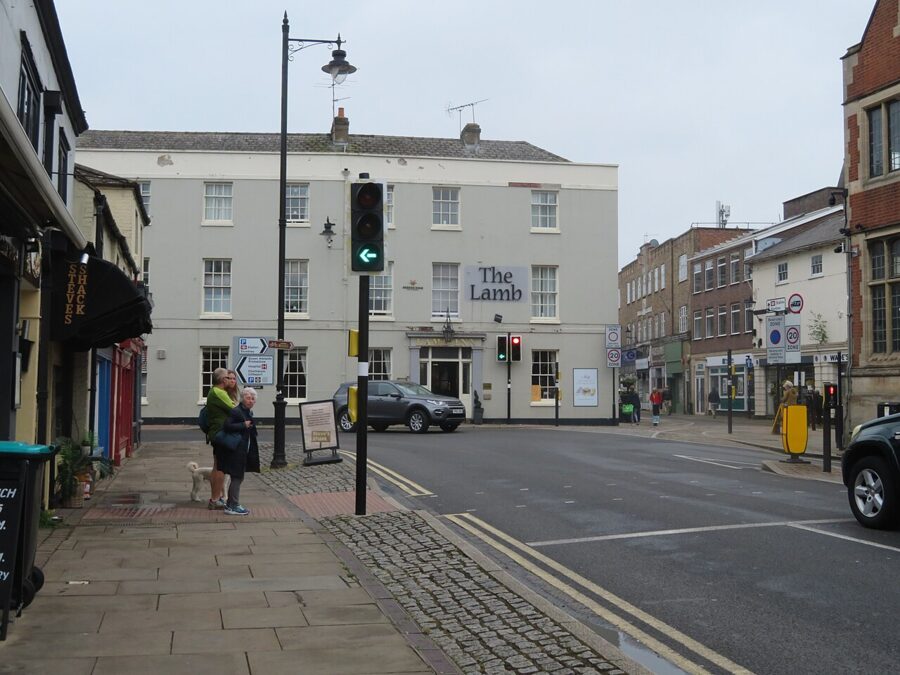
West of the cathedral, past Oliver Cromwell’s House, the West End House is a low-ceilinged locals’ pub with four drinking areas, Ely CAMRA’s pub of the year for 2024; children are welcome until 20:00. The Lamb on Lynn Road, built in 1828 on the site of an inn recorded in 1416, is the place to stay, 150 yards from the cathedral.


The Fens
North and east of Ely lie the Fens: black peat fields under a huge sky, straight drains, roads on banks and villages on what were islands. Dutch engineers drained them in the seventeenth century, and much of the land sits at or below sea level. The pubs are far apart; the drive between them is part of the point.
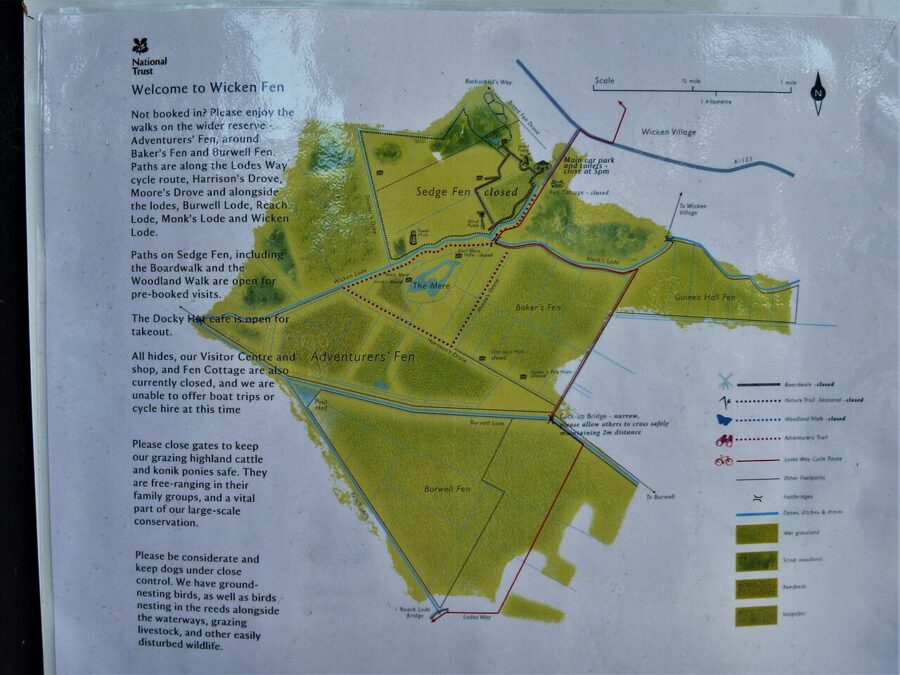

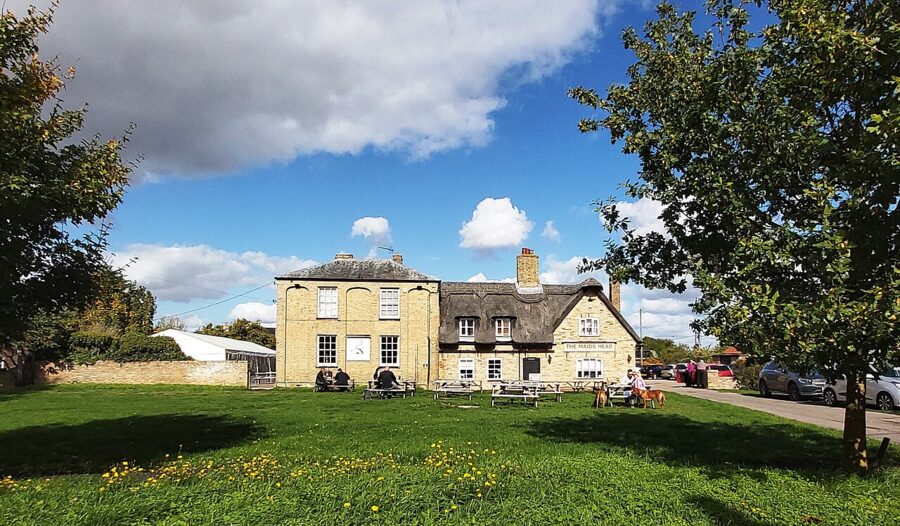
At Wicken, the thatched Maids Head on the green is thought to be fifteenth century, ten minutes’ walk from the reserve. It has a grill menu, Sunday roasts and a Papworth beer, and a licensee new in November 2025. It is closed on Mondays and Tuesdays.

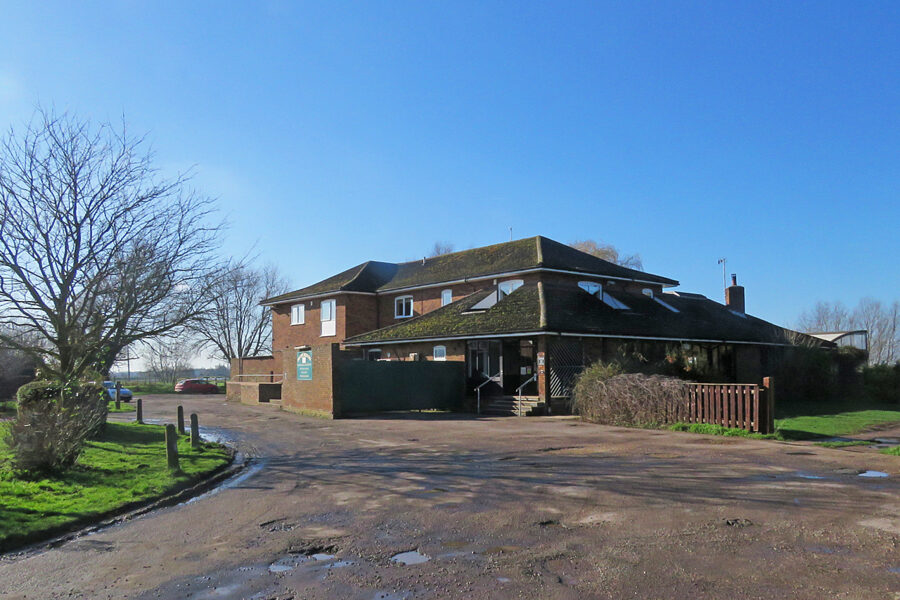
At Upware on the Cam is the best pub name in the county: the Five Miles From Anywhere No Hurry Inn. It has river moorings, a big garden, ciders from Pickled Pig and Spinney Abbey, game on the specials board and bands most Fridays. It went up for sale in summer 2026 and was still trading in November, so ring before a special trip.

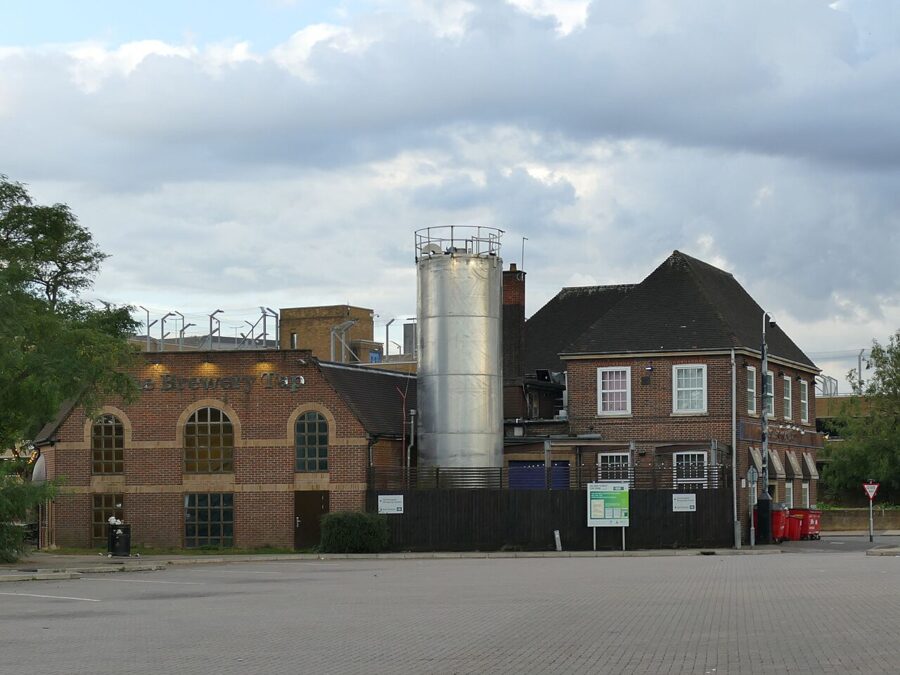
Further north, Wisbech has Elgood’s on North Brink, and Peterborough, an hour from Cambridge by train, has Oakham’s Brewery Tap on Westgate: a former employment exchange 200 metres from the station, with a brew plant behind glass, up to five real ales and a Thai kitchen.

The Great Ouse and the Great North Road
The west of the county is old Huntingdonshire, and its pubs follow two lines: the Great Ouse winding through water meadows past St Ives, and the old Great North Road, which carried the coaches from London to York.
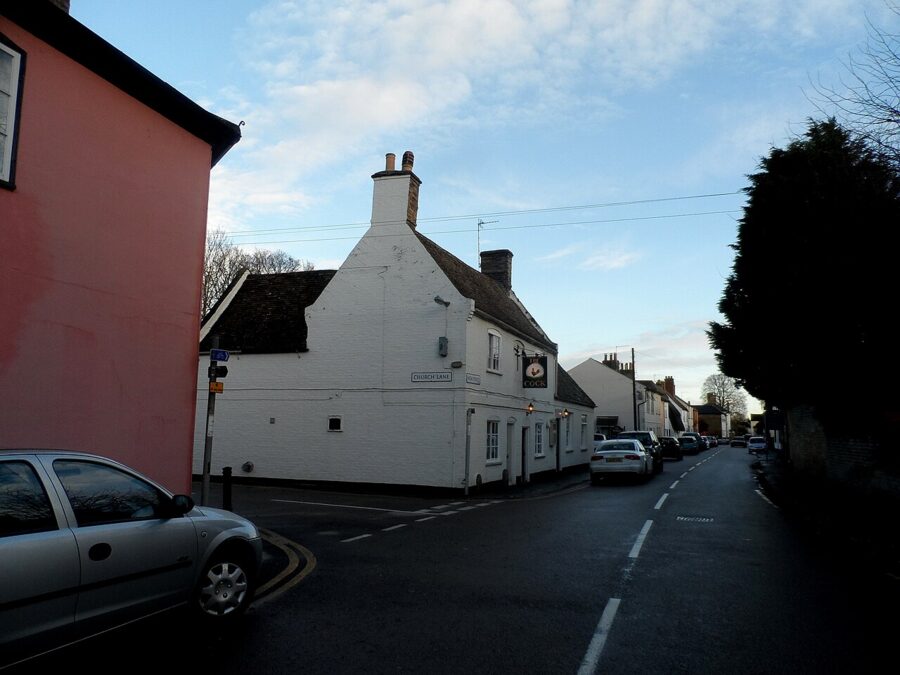
At Hemingford Grey, near the river, the Cock has two doors, one for the pub and one for the restaurant. Locals drink local beer in the small bar; the restaurant does a fish board and homemade sausages, and booking is essential. There is a beer festival most Augusts.

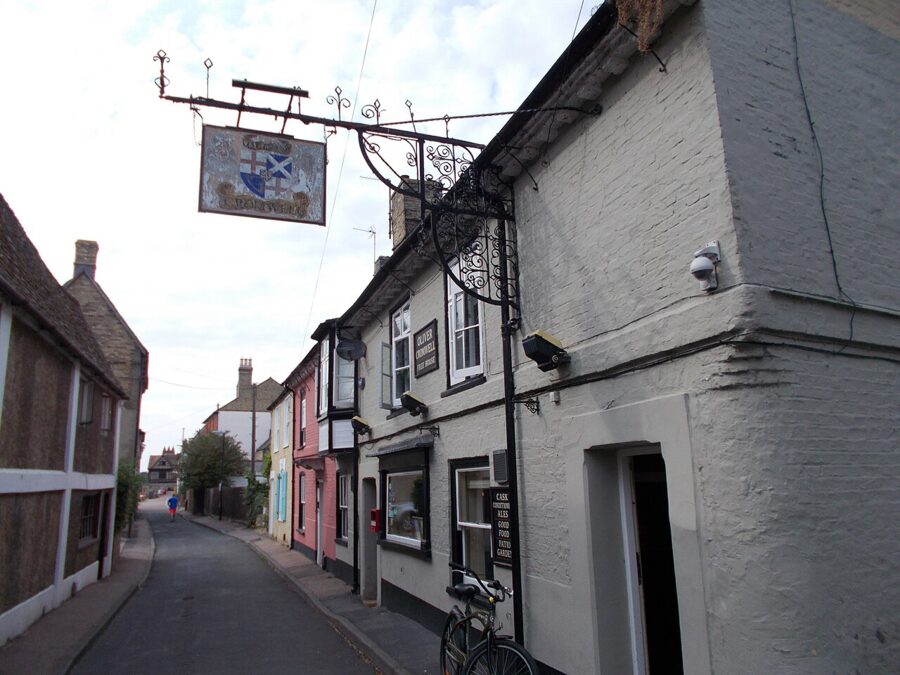
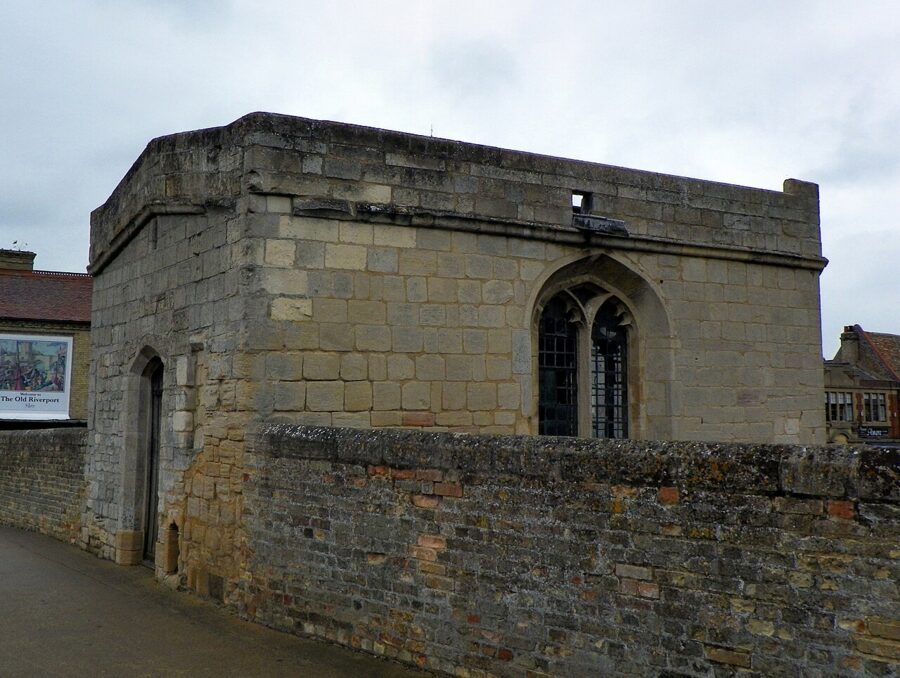
In St Ives, where Cromwell farmed in the 1630s, the Oliver Cromwell on Wellington Street stands near the old quay. It was a cottage until the 1840s, and a well that fed a long-gone brewery can be seen in the side bar. Wells & Co reopened it in April 2025.


Holywell and the oldest-pub claim
At Holywell, two miles east, the thatched Old Ferry Boat Inn claims to have served travellers since AD 560, which would make it England’s oldest pub. There is no evidence for the date. The building is seventeenth century with an earlier wing, listed Grade II, and much of it was rebuilt after a fire. Treat it as another entry in the happy argument over the oldest pubs in England.
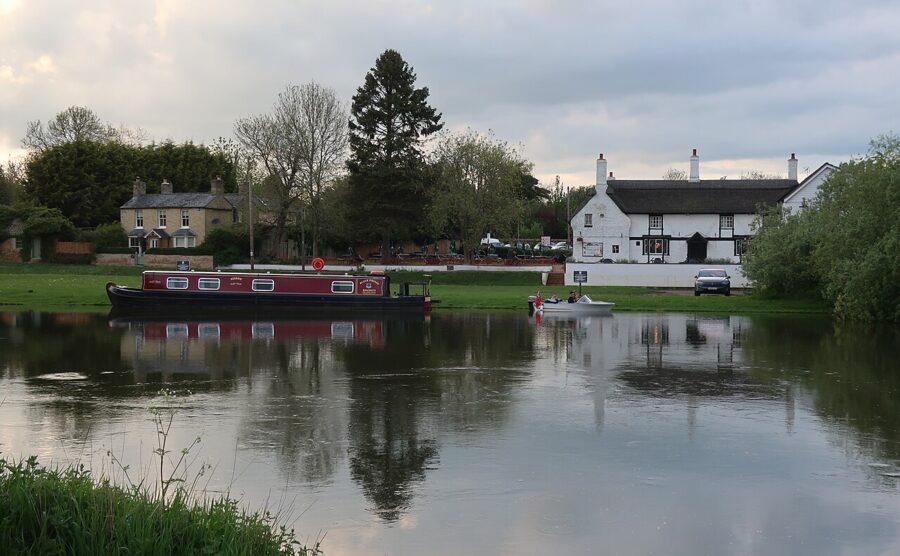

The ghost is better than the date. Juliet Tewsley is said to have hanged herself for love on 17 March 1050 and to lie under the slab in the bar, which staff are said to step around. It is a Greene King inn with seven rooms; go on a summer evening for the garden.
North of Huntingdon, the Bell at Stilton is a seventeenth-century stone coaching inn that calls itself the birthplace of Stilton cheese. Coach travellers bought the cheese here and named it after the village, though it was made in Leicestershire, and under its protected name it still cannot be made in Stilton. There are 22 rooms.

The White Horse, Eaton Socon
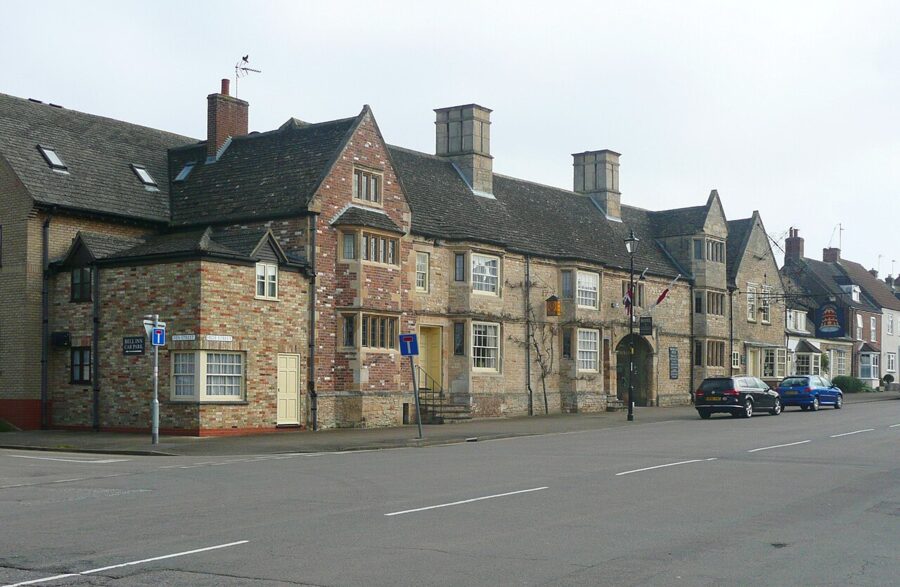
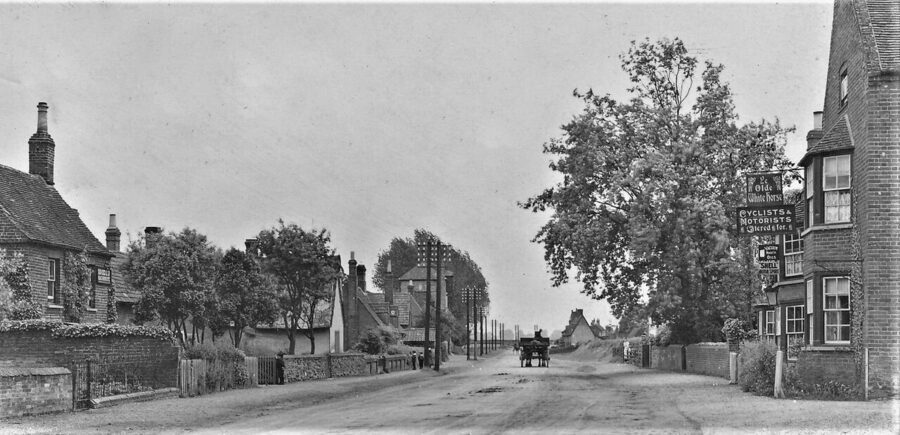
Where St Neots has swallowed Eaton Socon, the White Horse stands on the Great North Road. The red-brick front is early eighteenth century, probably over an older core, and Grade II listed. It was a coaching inn on the London to York road, and the blue plaque names Samuel Pepys, Charles Dickens and the Queen of Norway, in 1937, among its guests.
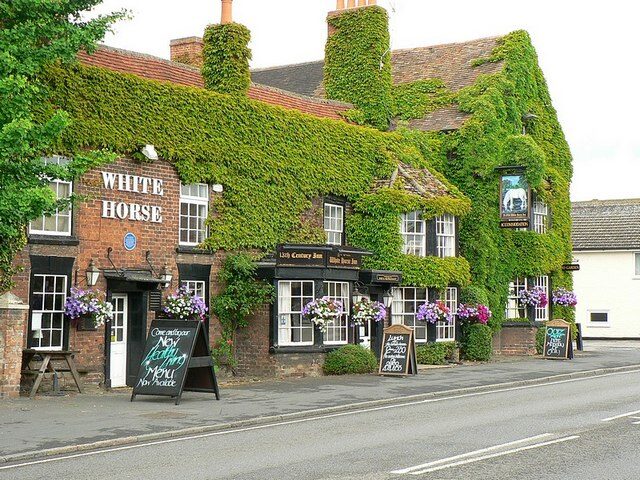

Dickens put the village in Nicholas Nickleby as Eton Slocomb, where Squeers and his pupils stop for a coach dinner on the way north. Inside, four small bars keep beams, a curved high-backed settle and a big inglenook, and CAMRA lists it as a real heritage pub. It opens Wednesday to Sunday from noon, with food at lunch and in the evening, all day Saturday and until 16:00 on Sunday.
St Neots station is across the town and the river, so take a taxi or the 905 bus. The garden has a play area and a pétanque court, and dogs are welcome.
Three days out, with the trains
A Cambridge evening on foot
Start at the Eagle at opening time and look at the ceiling. Walk ten minutes to the Free Press, cross Parker’s Piece to the Cambridge Blue and the Kingston Arms, and finish at the Devonshire Arms, five minutes from the station. Five pubs, about two miles, and the best beer in the city.
The river: Grantchester and back
From the Granta, walk the meadows to Grantchester, eat at the Green Man or the Blue Ball, and walk back. For a longer day, follow the river north instead past the Fort St George and the Green Dragon to the Plough at Fen Ditton, about an hour, and return by Cambridge North.
Ely, the Fens and the Ouse
Take the train to Ely, walk the river to the Cutter Inn and climb to the cathedral; then the Prince Albert and the Fountain on Silver Street, and the Drayman’s Son on the way down. For the Fens, cycle or drive to Wicken Fen and the Maids Head, then on to Upware, with the wind behind you if you can arrange it.
For the Ouse, take the guided busway from Cambridge to St Ives, walk the river east to Holywell (about an hour), or west through the meadows to Hemingford Grey and on to Huntingdon station.
Practical notes
Hours. City pubs open from noon to 23:00, later at weekends. Country pubs often close on Mondays (the Queen’s Head, the Plough & Fleece) and some on Tuesdays (the Blue Ball, the Maids Head, the White Horse). The Rupert Brooke shuts on Tuesdays and Wednesdays, the Ancient Shepherds opens Thursday to Sunday, and afternoon closing still happens.
Food. Kitchens usually stop at 20:30–21:00, earlier on Sundays, when many serve only lunch and a Sunday roast. Book Sunday lunch at dining pubs and anywhere by the river on a sunny weekend. The Eagle and most city locals do not take small bookings.
Rooms. Stay at the Lamb in Ely, the Red Lion at Hinxton, the Old Ferry Boat, the Bell at Stilton, the Ancient Shepherds, or the two rooms at the Blue Ball.
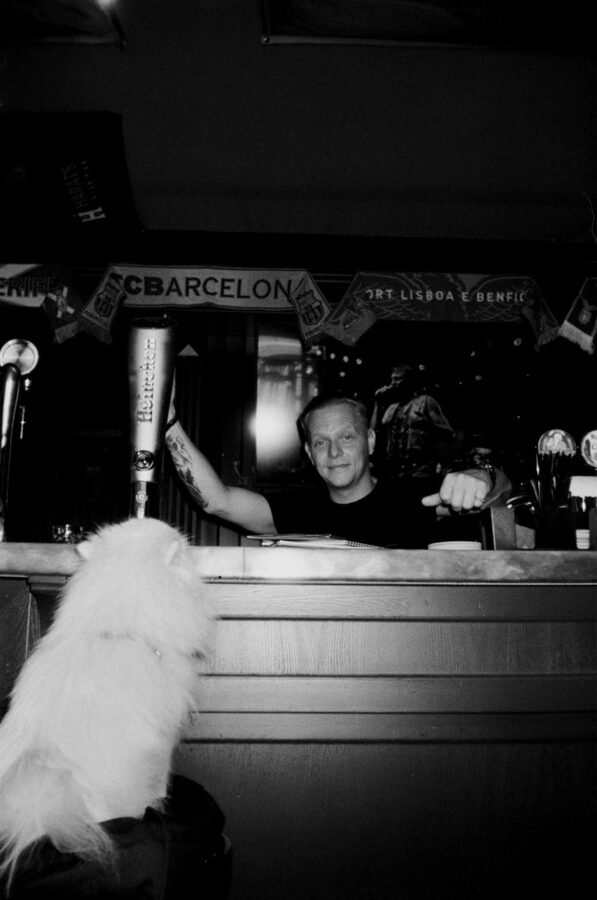
Dogs and children. Nearly every pub named here welcomes dogs; the Free Press hands out treats. Children are welcome in most, though the West End House asks them to leave by 20:00 and the Tickell Arms prefers them at lunch. Several old pubs have deep steps at the door.
Parking and trains. Do not drive into central Cambridge or Ely: use the park-and-ride, or the stations at Cambridge, Cambridge North, Ely, Whittlesford Parkway, Huntingdon, St Neots and Peterborough. Country pubs such as the Plough at Fen Ditton, the Red Lion in Grantchester and the White Horse have car parks. Fen roads are narrow, unlit and edged with deep ditches.
If you have one evening, end it under the best ceiling in Cambridge. Get to the Eagle for the last hour, find a seat in the RAF bar and order the guest beer, not the one named after the double helix. Raise it to Flight Sergeant Turner, then walk the 25 minutes to the station for the train home.