
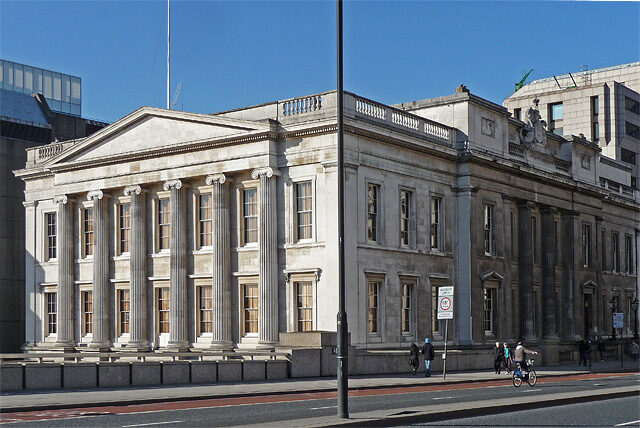
The first ploughman’s lunch anybody bothered to describe in print was eaten by five hundred men in suits, in a gilded livery hall by London Bridge, in the spring of 1957. They had just worked their way through sixteen cheeses and the beer of eight London brewers. Then came “cottage bread, cheese, lettuce, hard-boiled eggs, cold sausages, and, of course, beer”, and not a ploughman in the building.
That lunch was laid on by the Cheese Bureau and the brewers to persuade the trade that bread, cheese and beer belonged together in pubs. It worked so well that most of Britain now believes the ploughman’s is as old as the plough. The food is very old. The name is a piece of 1950s marketing, and a remarkably good one.

None of that makes it a bad lunch. A proper ploughman’s, with a good piece of cheese, real bread, cold butter, a sharp pickle and a pint of something from a cask, is one of the best things a pub can put in front of you, and one of the easiest to get wrong.
On this page
What goes on the plate, and what doesn’t
The fixed points are short. Bread, butter, cheese and pickle, served cold, with no cooking involved anywhere. Everything else is negotiable, and the negotiations have been going on in pub kitchens since the 1960s.
The four things it cannot do without
Bread should be a crusty loaf cut thick, or a big roll, or a hunk torn off a cottage loaf. It has to stand up to cold butter and a slab of cheese without folding. A ploughman’s on sliced white is a sandwich you have been asked to assemble yourself.
Butter comes in a block or a pat, salted, and not so cold it tears the bread. Little foil packets are a sign the kitchen has stopped trying.
Cheese is the point of the whole exercise. One generous piece of a good British hard cheese beats three thin slivers of anything. About 110g a head, four ounces in old money, looks right on a plate.
Pickle means something sharp and sweet to cut the fat: Branston, a chutney, or the yellow tang of piccalilli.

The extras that earned their place
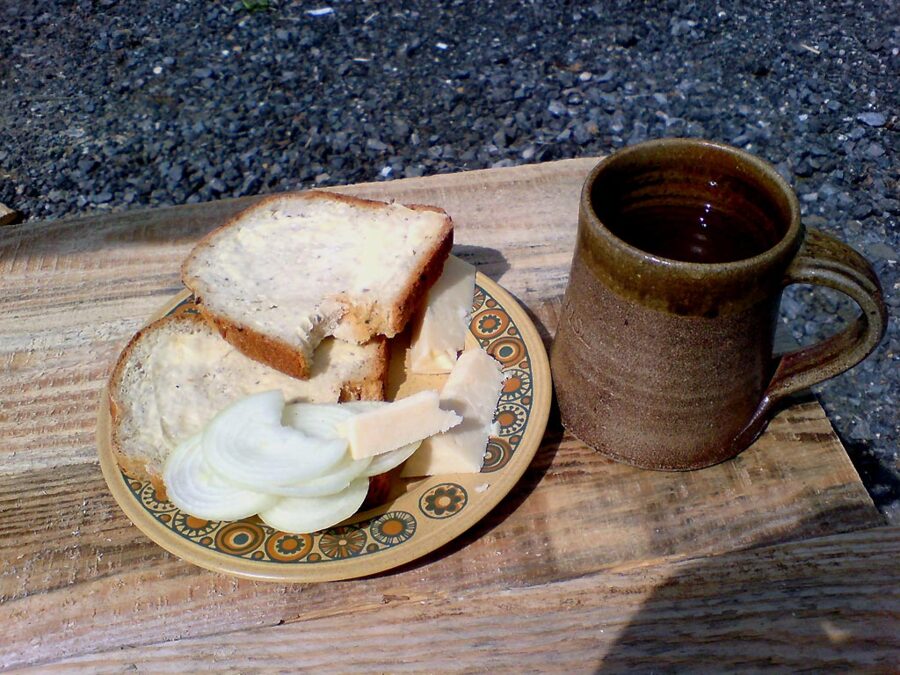
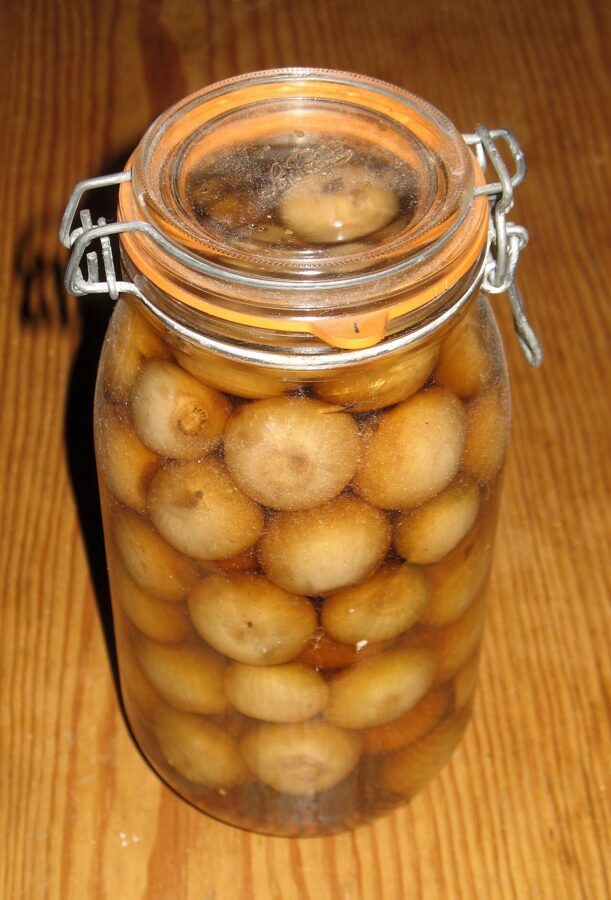
A pickled onion is the oldest of these. Raw onion was the labourer’s relish for centuries, and the pickled one is its pub descendant; a ploughman’s without an onion of some kind has lost its ancestry. A crisp apple and a stick of celery are the other two I’d always want, for crunch and to clean the palate between mouthfuls of Cheddar.

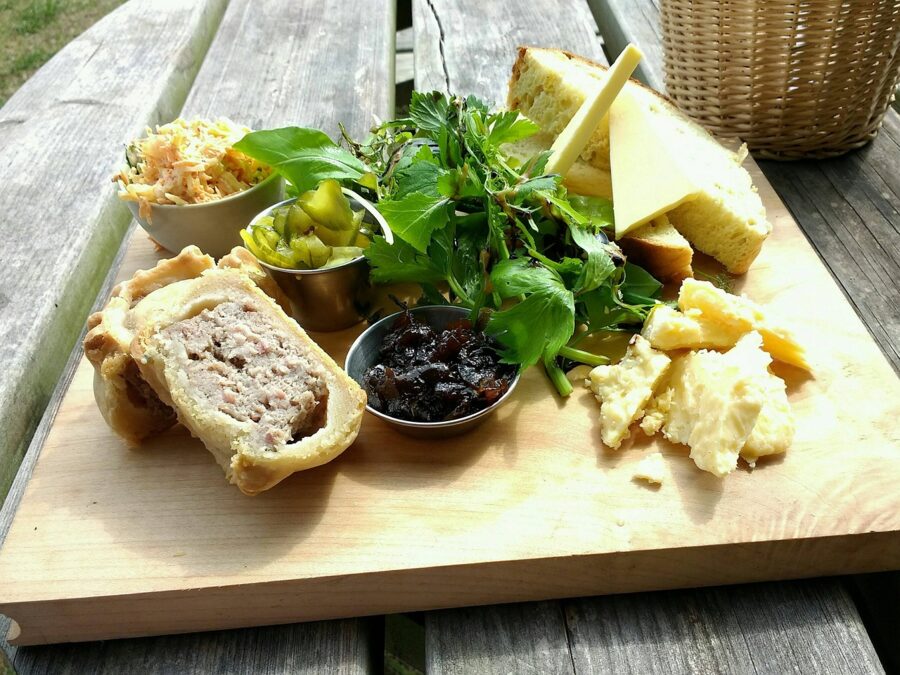
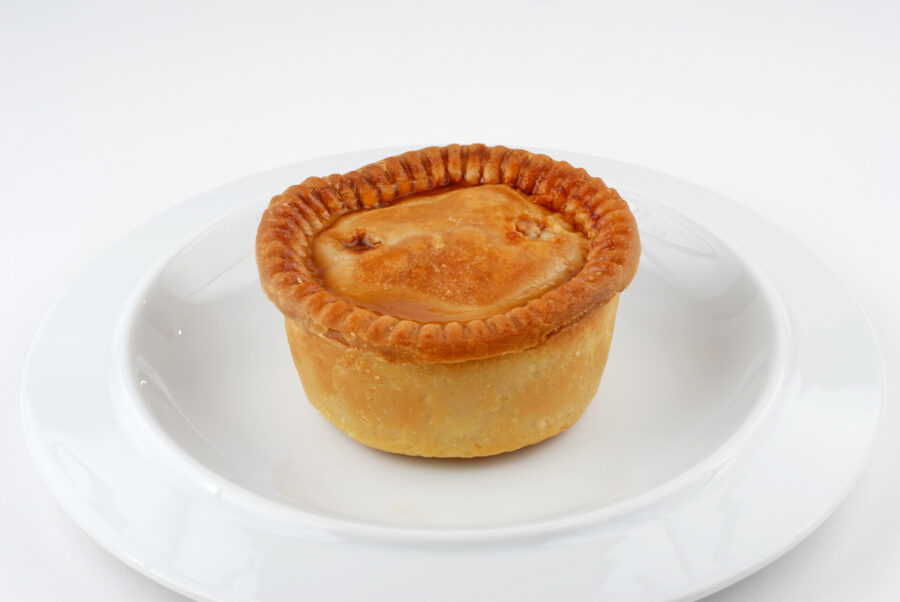
Then there is the meat. A ham ploughman’s is a respectable variant, and a slice of pork pie has become so common that some people think it is compulsory. The 1957 version had hard-boiled eggs and cold sausages, so the purists who say a ploughman’s must be vegetarian are arguing against the very first one on record.

What does not belong
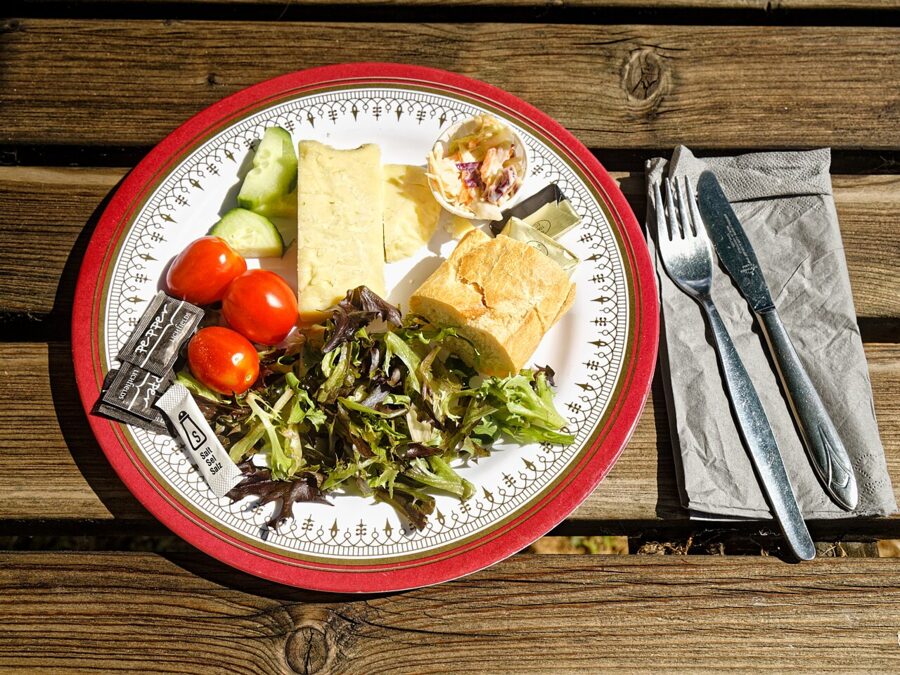
Anything hot. Chips, above all, which turn up on more ploughman’s plates than anyone would like to admit. A ramekin of coleslaw is tolerable. A ramekin of coleslaw, a ramekin of beetroot, a ramekin of potato salad and a fan of tortilla chips means the kitchen has confused generosity with clutter.
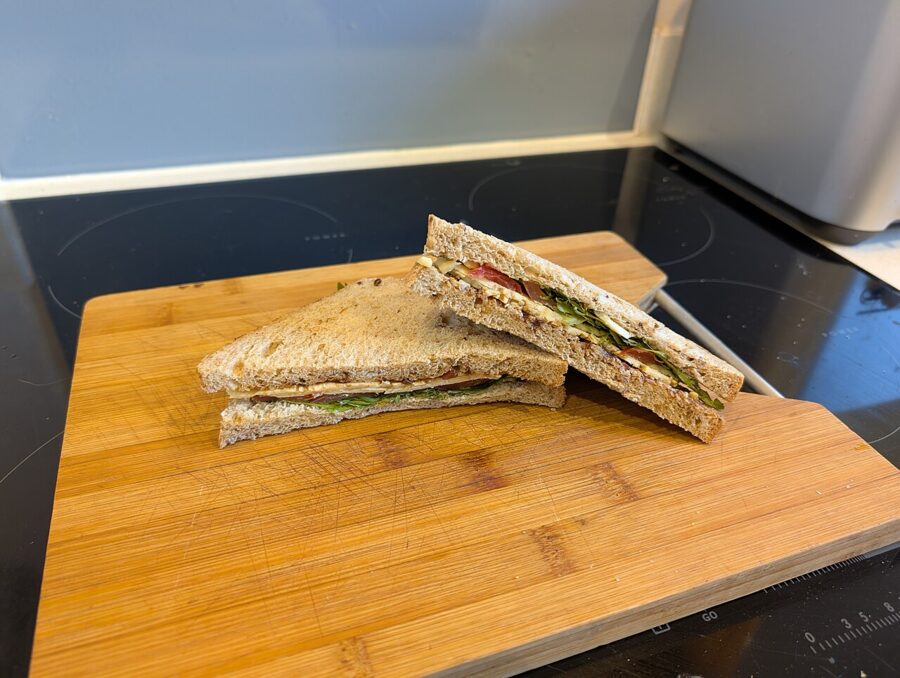
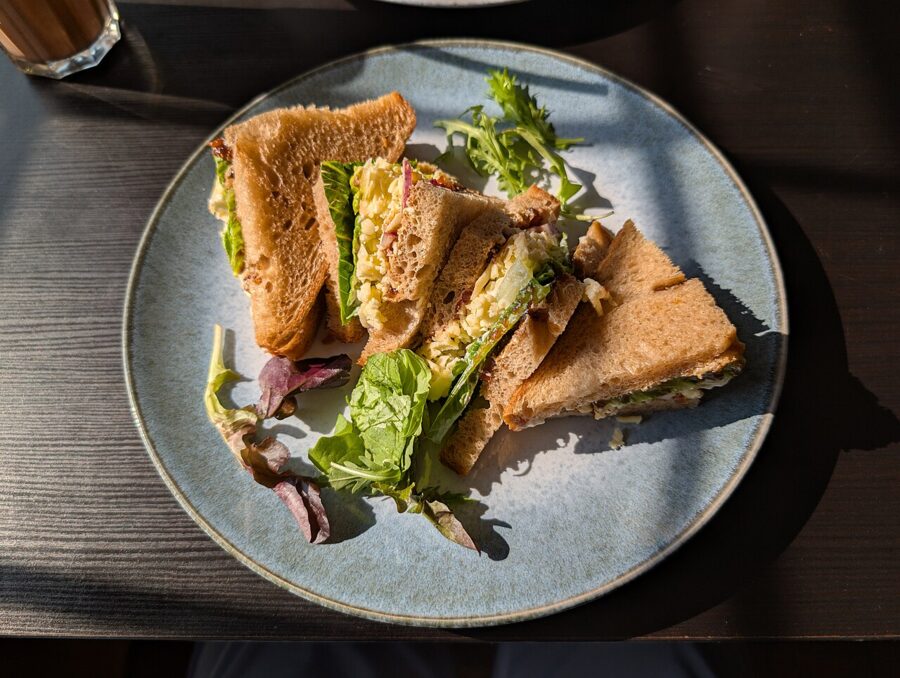
I’d also lose the slate. Cheese on a roof tile slides about, butter smears across it and the pickle runs into the grain; a plate or a wooden board does the job better. And the “ploughman’s sandwich” in a supermarket box is a cheese and pickle sandwich with a bit of lettuce in it, whatever the label says.

Bread and cheese before anyone called it a ploughman’s
The meal is centuries older than its name. In the thirteenth century, the harvest workers on a manor of the Bishop of Chichester at Bishopstone were fed bread, cheese and ale in the evenings, with cheese at lunch as well. In 1787 Francis Grose’s Provincial Glossary recorded that Kentish ploughmen would “eat a bit of bread and cheese and drink some beer” when they came out of the fields at ten in the morning and six in the evening.
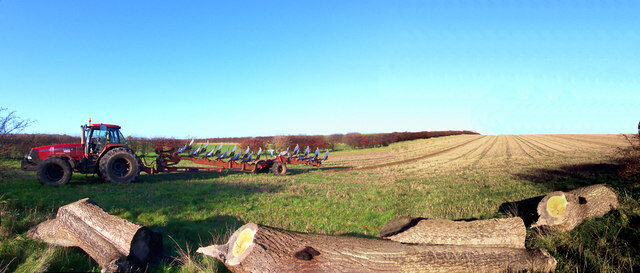

It made sense for a farm worker. Bread and cheese kept, travelled in a pocket, needed no fire and filled you up. Historians of rural England describe bread and cheese, with a little butter or lard, as the core of the labourer’s diet for centuries, with an onion as the favourite relish, and cheese doing the work that meat did on richer tables. In the 1870s, Devon farmworkers were still eating “bread and hard cheese” at midday.
The pub version followed naturally. In 1815 William Cobbett remembered farmers of forty years before buying twopence worth of bread and cheese with their beer at the inn. Cheese was cheap, needed no cook, and it was salty, which made people drink more. In 1932 the writer Martin Armstrong observed that in country inns the alternative to bread, cheese and beer “is generally nothing”, which is about the best description of pre-war pub food anyone has managed.
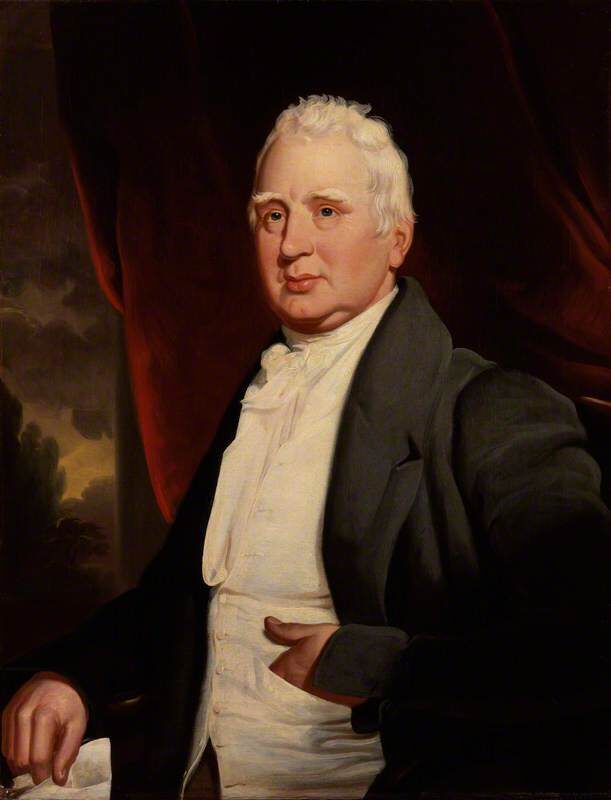
People cared about it, too. In 1891 a group of ploughmen in Forfar took their employer to court when he replaced their bread and cheese with something else, and the sheriff found in their favour. You will look a long time for another lunch that has been defended in a court of law.
The name is another matter. The earliest example the Oxford English Dictionary can find is a “ploughman’s luncheon” in John Gibson Lockhart’s 1837 life of Sir Walter Scott, and it seems to mean no more than a lunch a ploughman might eat. After that the phrase vanishes for more than a century.
Nobody walked into a pub in 1900, 1930 or 1950 and ordered a ploughman’s. They asked for bread and cheese.
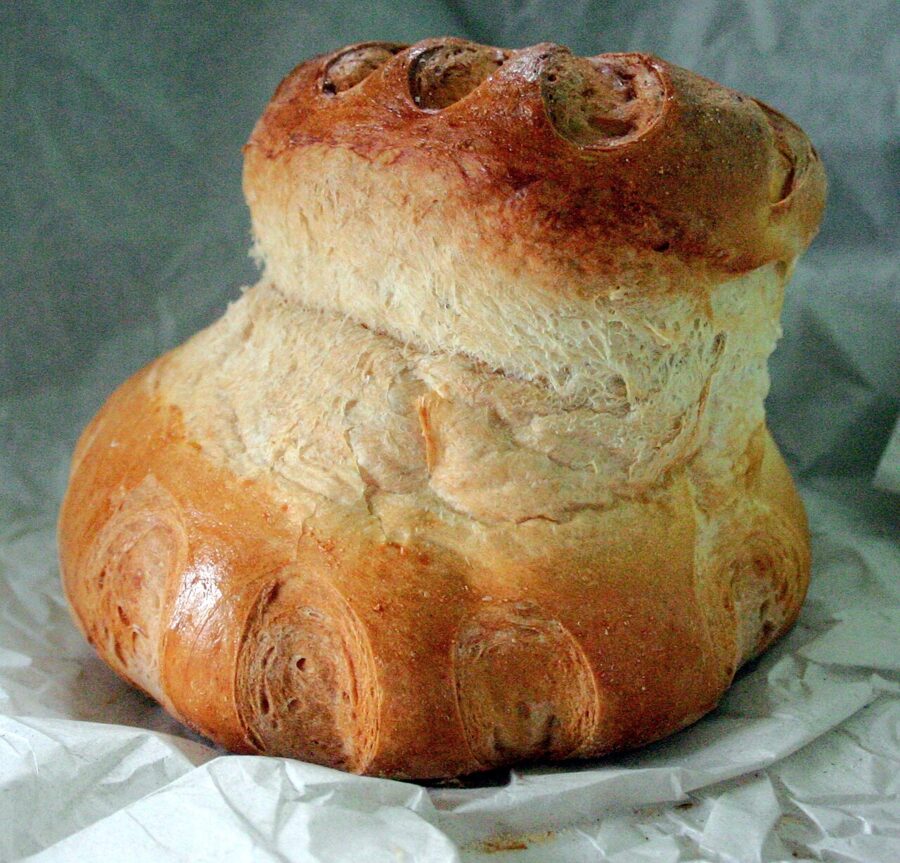

How the Cheese Bureau sold it back to the pub
The war broke the habit. Cheese was rationed from early in the war until 1954, and for most of that time the Ministry of Food allowed only one standard hard cheese to be made, nicknamed Government Cheddar. Regional cheeses all but disappeared, many farmhouse makers never started again, and the pub cheese lunch went with them.
Once rationing ended, the dairy trade wanted its customers back. The Brewers’ Society’s Monthly Bulletin for July 1956 described a new Cheese Bureau, linked to the advertising agency J. Walter Thompson, which existed for “popularising cheese and, as a corollary, the public house lunch of bread, beer, cheese and pickles”. That combination had been “broken by rationing”, and the Bureau hoped “to effect a remarriage”.
The same issue reported a tasting in Norwich at which the Suffolk writer Adrian Bell described a pub near his home where all you had to say was “Ploughboy’s Lunch, Harry, please” to be handed bread, butter, cheese, pickled onions and a pint. Eleven months later, at Fishmongers’ Hall, the ploughboy had grown up into a ploughman. The bulletin’s report ended with a nudge to the trade: this was just the light lunch a landlord without catering staff could serve. “Licensed victuallers please note.”
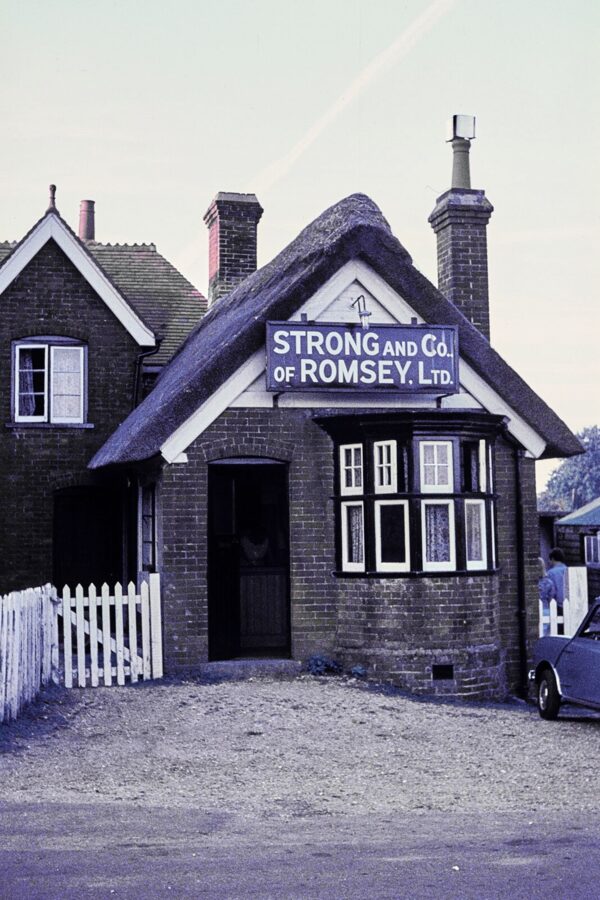

They noted it slowly. Through the late 1950s and early 1960s the English Country Cheese Council, the Milk Marketing Board’s promotional arm, ran “Meet English Cheese” events up and down the country, and the newspapers still had to explain what a ploughman’s lunch was. At Preston in 1960 a reporter sat through half a dozen television commercials for cheese and then ate a ploughman’s lunch, which he had to explain was “bread and cheese and pickles”. At Hammersmith Town Hall in 1961 publicans were given bread, butter, pickles, tomatoes, lettuce, beer and English cheese, and told this was a ploughman’s lunch.
In 1962 a weatherboarded inn near Battle in Sussex was telling customers that although lunch was not served, “Salads and Ploughman’s Lunch” were always available. That is the moment the marketing became a menu.
The 1970s, and the film that made it a byword
By the 1970s the ploughman’s was on the board in nearly every pub in England. It suited the mood of the decade, with its taste for stripped pine and an imagined rural past, and it suited publicans even better. No cooking, no chef, and a high margin on bread and cheese made it one of the most profitable things a pub could sell.
In 1983 it became a metaphor. Richard Eyre’s film The Ploughman’s Lunch, written by Ian McEwan, is about a journalist rewriting history to suit the times, and its title rests on the idea that the meal was an invention of the advertising men passed off as tradition. It did more than any historian to spread the idea that the ploughman’s was a fake.
The beer historian Martyn Cornell traced the name back to those 1950s bulletins in Strange Tales of Ale. My verdict: the name was coined to sell cheese, but the meal it named was what country pubs had served for generations. The Cheese Bureau did not invent bread and cheese with beer. It invented a reason to ask for it by name.
The ploughman’s has outlived its critics. In 2023 the “girl dinner” craze on social media turned out to be, as one American food writer pointed out, basically a ploughman’s lunch.
The cheeses
The cleverest thing about the original campaign was that it only ever said “cheese”. Every region could put its own on the plate, and the Fishmongers’ Hall tasting in 1957 had Cheddar, Cheshire, Stilton, Dorset‘s blue vinny, Derby, double Gloucester and even an Ayrshire Dunlop. The best ploughman’s still tells you where you are.
Cheddar
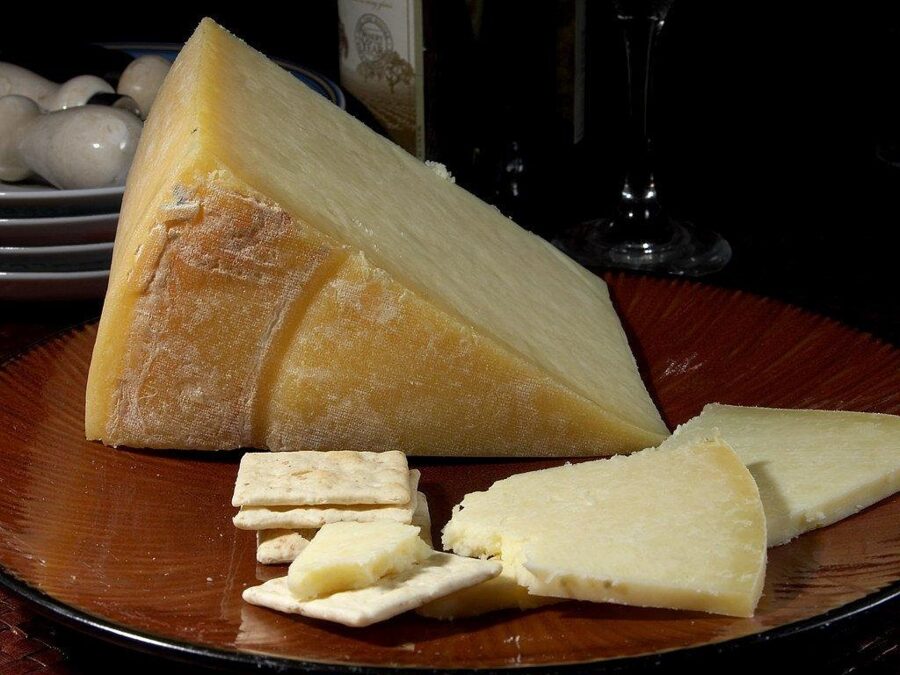
Cheddar is the default, and the default can be very good or very dull. The legend says Henry II bought 10,240 pounds of Cheddar in 1170. The royal accounts do record a big cheese purchase that year, but whether it was Cheddar is a guess, and I’d treat the story as a nice one rather than a fact.
Most Cheddar is now made in big creameries a long way from Somerset, because the name was never protected. The cloth-bound farmhouse cheese is the one to ask for, and “West Country Farmhouse Cheddar” is protected: it has to come from Somerset, Dorset, Devon or Cornwall. In Cheddar village itself, the Cheddar Gorge Cheese Company has made it since 2003, and since 2006 has matured some of it in Gough’s Cave in the gorge.
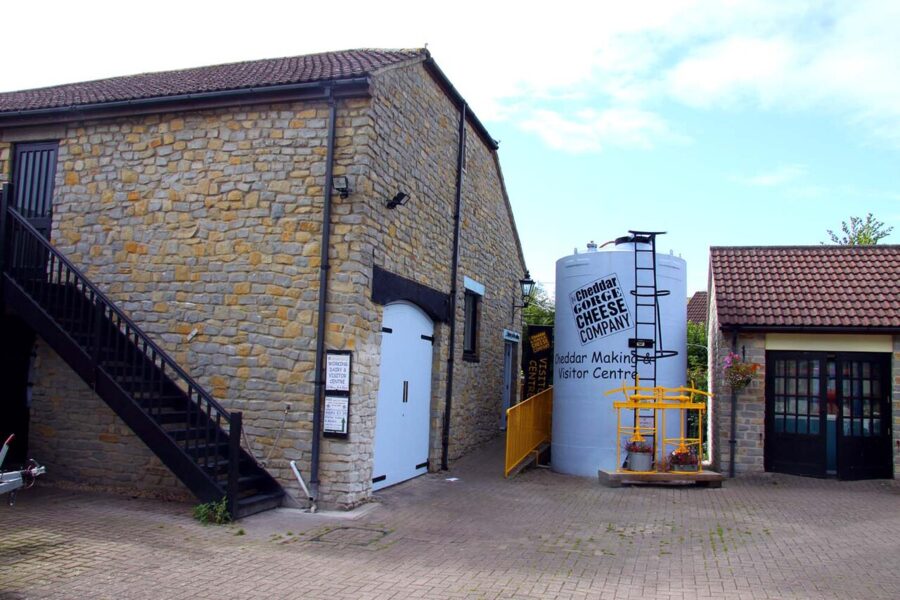

If you are in Cheddar, eat it there: a ploughman’s within sight of the gorge tastes better than it has any right to, and my guide to Somerset pubs has the village pubs.
Stilton
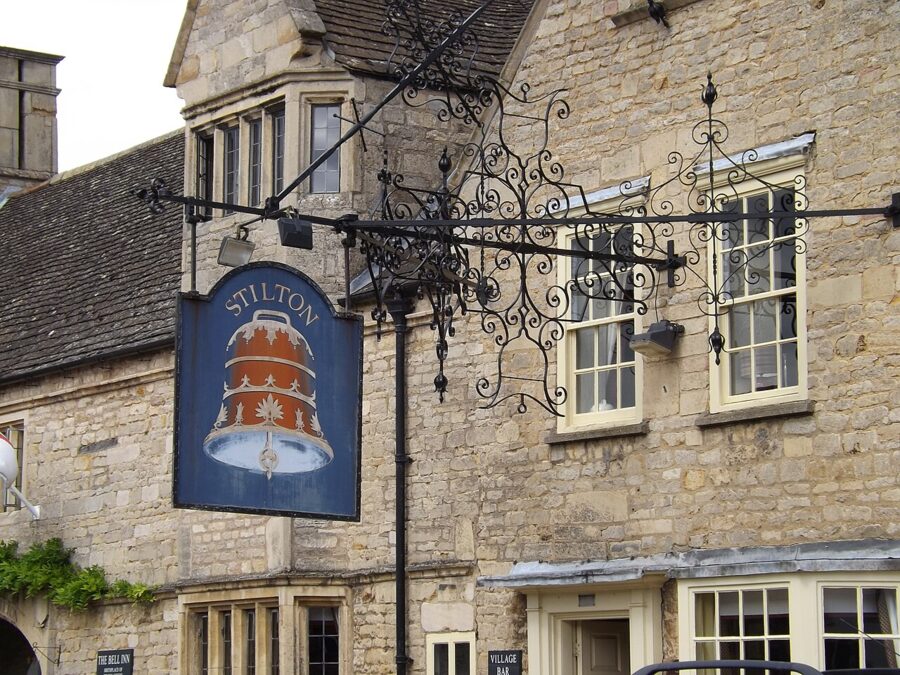
Stilton is named after a village where, by law, it cannot now be made. The village sits on the old Great North Road in what was Huntingdonshire, and in the early eighteenth century its coaching inns sold a rich, creamy local cheese to travellers, who took the name home with them. Richard Bradley, Cambridge’s first professor of botany, wrote in 1723 of “the famous Stilton cheese” and said the one sold at the Bell was “much the best cheese in town”.
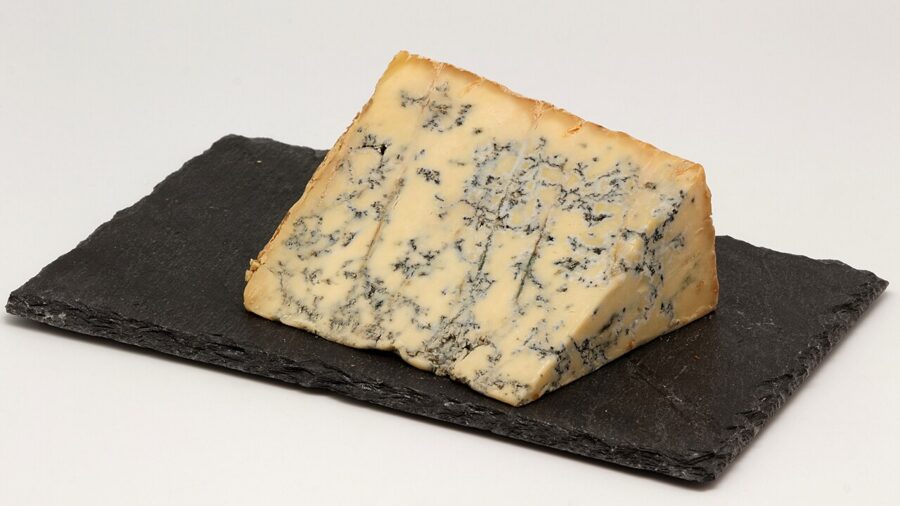

Not everyone agreed. In 1725 Daniel Defoe reported that Stilton came to the table “with the mites or maggots round it, so thick that they bring a spoon with them for you to eat the mites with”.
The man who fixed its reputation was Cooper Thornhill, who took over the Bell in 1733. He secured a regular supply from Frances Pawlett’s farm at Wymondham, near Melton Mowbray, about thirty miles away, and sold it by the cartload. Today Stilton has protected status and can only be made in Derbyshire, Leicestershire and Nottinghamshire. The village, now in Cambridgeshire, is outside all three.

Wensleydale
Wensleydale is the mild, crumbly, faintly honeyed cheese of the Yorkshire Dales, and with a slice of fruit cake it is one of the great northern combinations. The creamery at Hawes tells a story of French Cistercian monks bringing cheesemaking to the dale in the twelfth century. Its modern history is shorter and more dramatic.
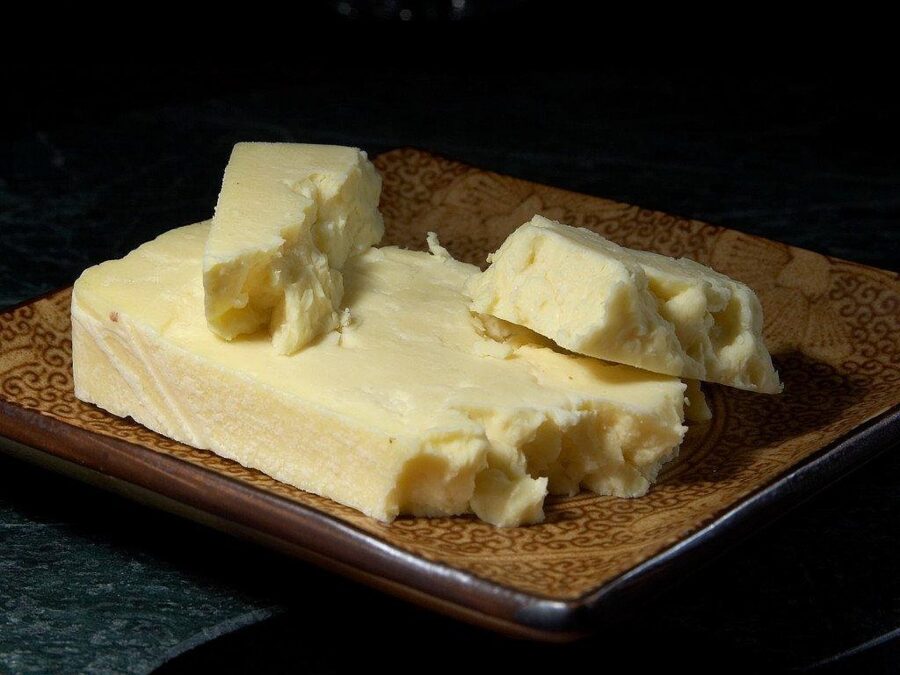
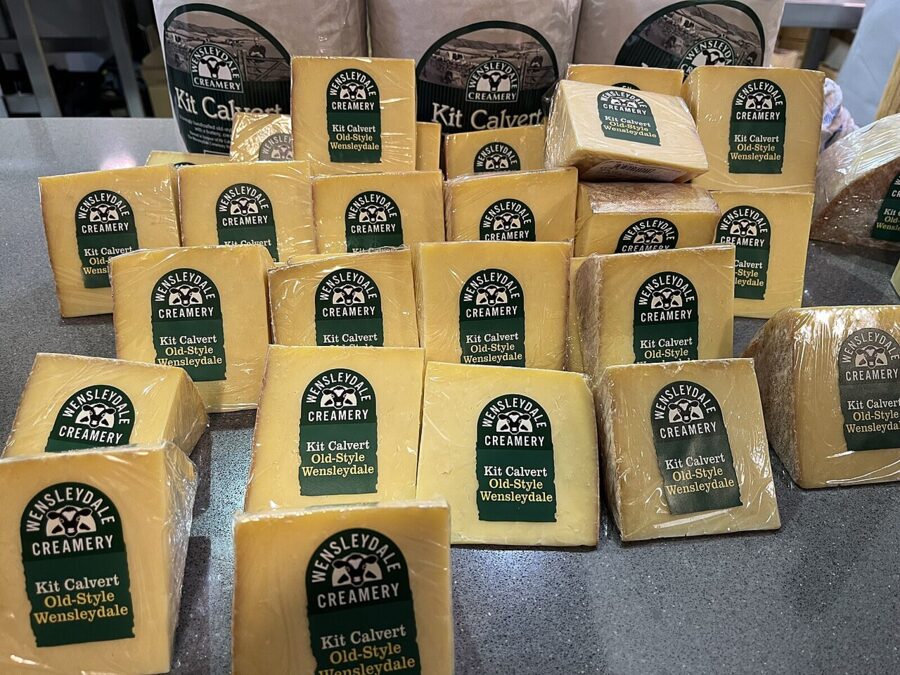
Kit Calvert, a Hawes man, rescued the dairy in the 1930s when it went bust, and ran it until he sold it to the Milk Marketing Board in 1966. In 1992 Dairy Crest, the board’s commercial arm, closed Hawes and moved production to Lancashire, which in the Dales went down about as well as you would expect. It reopened under local ownership within months, and Wallace’s fondness for Wensleydale in the Wallace and Gromit films did no harm to sales.
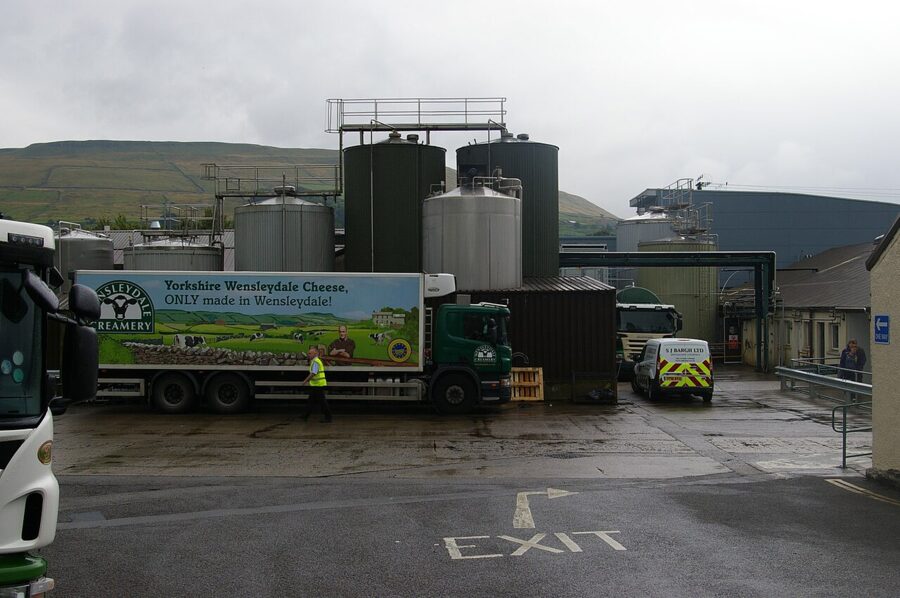

There is no better place to eat one. Calvert’s, the restaurant at the creamery’s visitor centre, runs 11:00–15:30, and its winter 2026 menu has a Wensleydale Winter Ploughman’s at £16 with four of the creamery’s cheeses, Dales roast ham, two chutneys, celery, apple and grapes. It is a restaurant rather than a pub, but the pubs of Hawes are a short stroll away.

Cheshire
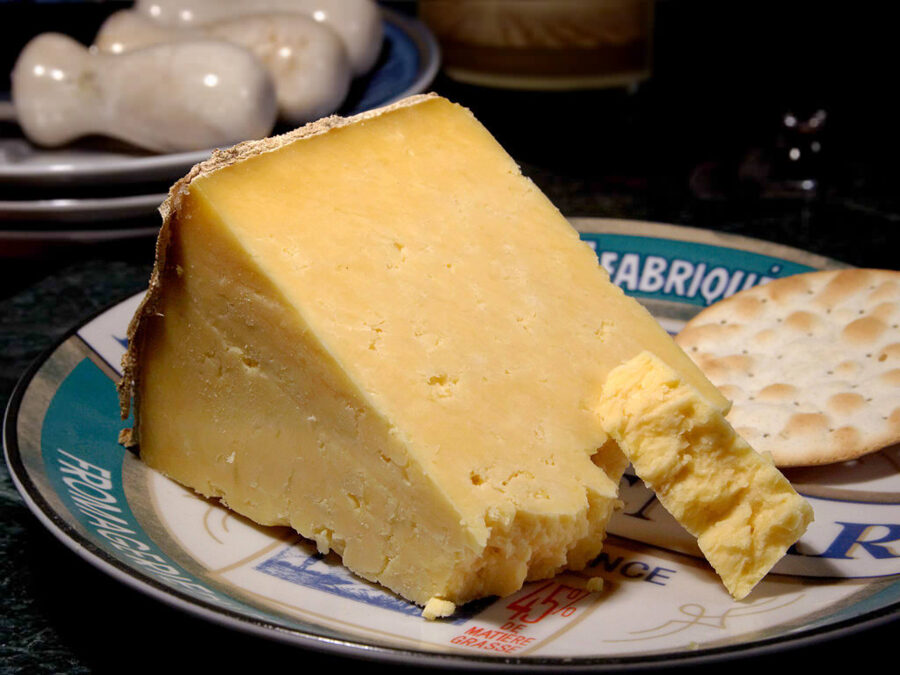
Cheshire is the one people forget, which is a shame, because its salty, crumbly, slightly lemony bite is perfect with a sweet pickle. Its makers like to call it the oldest named cheese in Britain. As with most “oldest” claims, the evidence is thin, but by the eighteenth century it was going to London in enormous quantities, and it gave its name to pubs across the country.
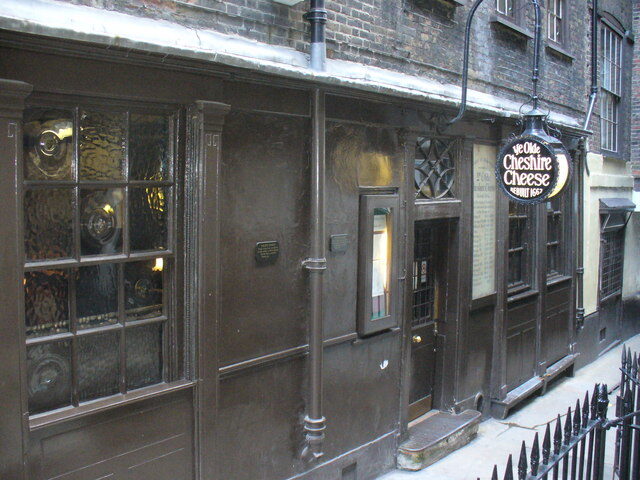
The most famous of those pubs is Ye Olde Cheshire Cheese off Fleet Street. Its Cellar Bar menu, on the spring 2026 list, has a Chop House Ploughman’s Board with a hand-raised pork pie, a homemade Scotch egg, Cheshire and Stilton, salad, bread, piccalilli and beer chutney, at £24.95 for two to share.

And the rest of the board
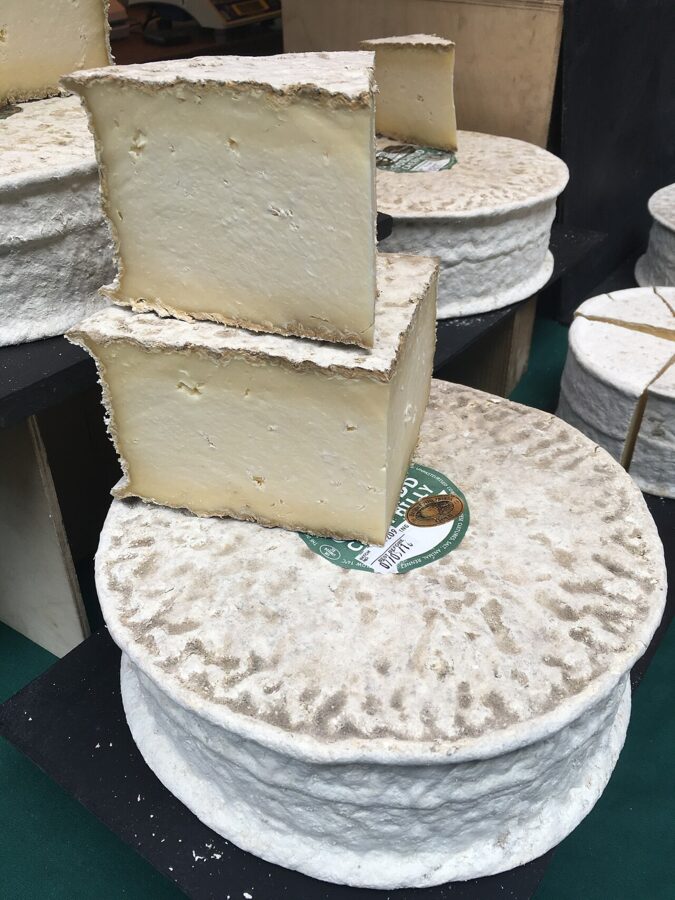
Lancashire, soft and buttery when young and sharp when aged, is the Cheshire of the other side of the Pennines. Double Gloucester is mellow and orange. Red Leicester is milder still, and Caerphilly, the Welsh miners’ cheese, is crumbly and lemony and excellent with a pickled onion. A pub that names the cheese and its maker on the board usually cares about the rest of the plate too.

The pickle question
The 1956 bulletin listed four partners: bread, beer, cheese and pickle. The arguments about which pickle are fiercer than the ones about the cheese.
Branston is the one most people mean. Crosse & Blackwell first made it in 1922 in the village of Branston, just outside Burton upon Trent, and registered the trademark in 1929. It is a dark, sweet, vinegary relish of small chopped vegetables, and its 1972 slogan, “Bring out the Branston”, has never really gone away.
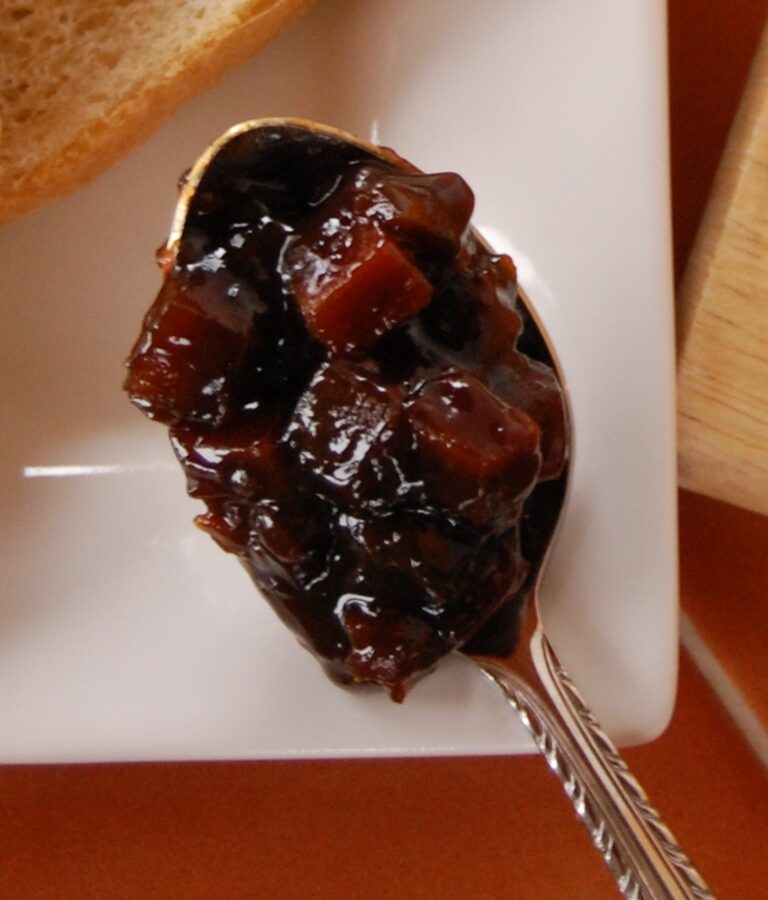

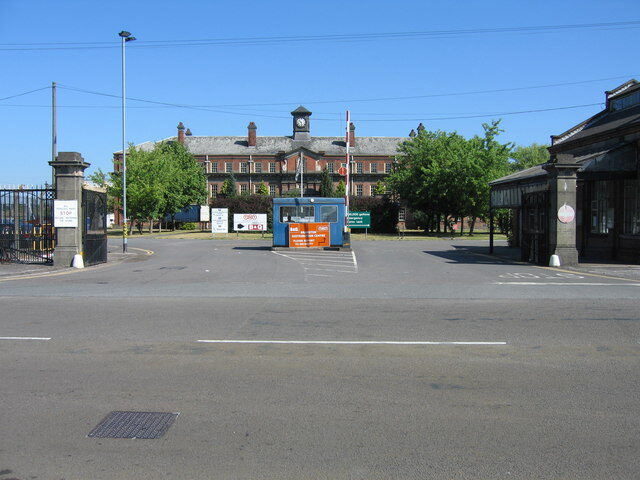
It did not stay in Branston long. The pickle moved away within a few years of launch, and since 2004 it has been made in Bury St Edmunds, in Suffolk. Its owner since 2013 has been the Japanese food company Mizkan, so the most English condiment on the pub table is, on paper, Japanese-owned.

The alternatives are better than they get credit for. A homemade apple or onion chutney is softer and fruitier, and goes best with sharp Cheddar. Piccalilli, the mustard-yellow pickle of cauliflower and onion, is the classic partner for ham and pork pie. If a pub makes its own, order whatever it is.
Where to eat a good one
A pub that does a good ploughman’s is usually a pub that does a lot of other things well. The good ones buy good cheese, slice good bread and do not skimp. These are the ones I’d travel for.
The Harrow, Steep, Hampshire
If I could eat one ploughman’s in England, it would be here. The Harrow sits on a dead-end lane on the edge of Steep, just north of Petersfield, thirty to forty minutes on foot from Petersfield station. It has been in the same family since 1932 and is now run by the sisters Claire and Nisa McCutcheon, who grew up in it.
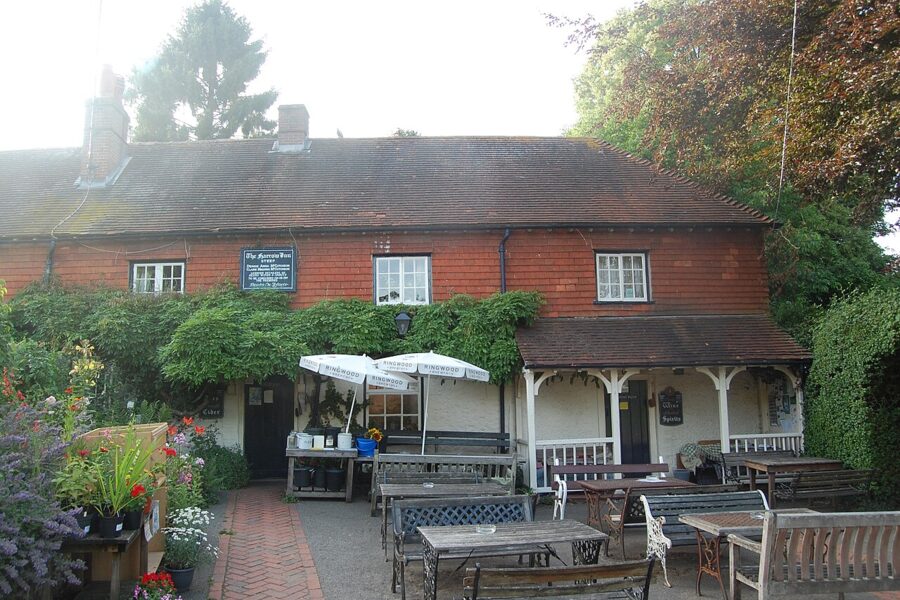
Inside there are two small rooms, served through hatches, and the interior is on CAMRA’s National Inventory as one of national importance. The ploughman’s comes with Cheddar, Stilton, Brie, ham or rare beef, and the pea and ham soup is the house speciality. In 2018 Lonely Planet put its Cheddar ploughman’s in a list of the world’s 500 best food experiences, at number 321.
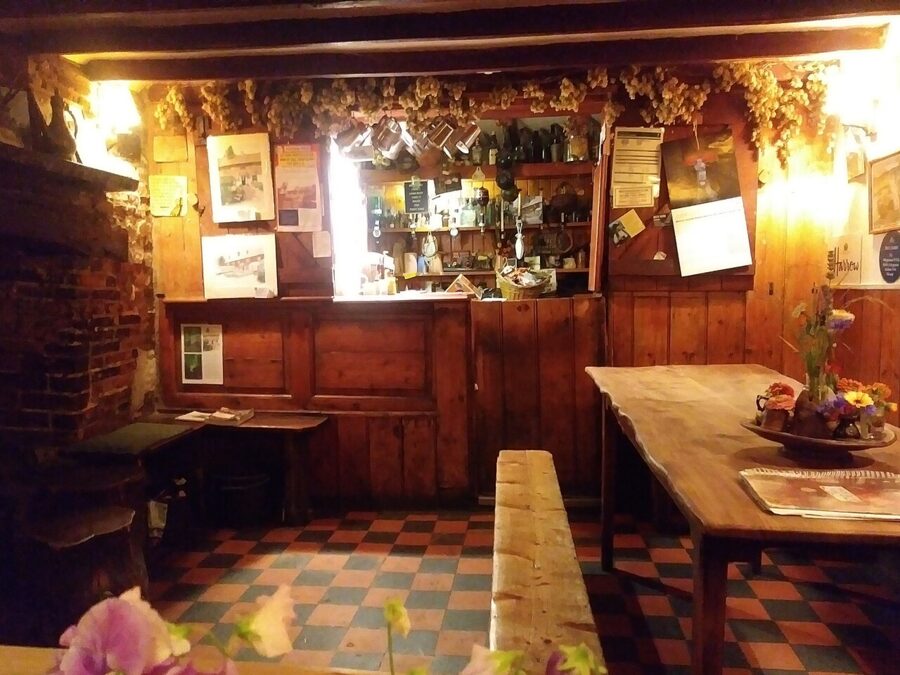
Bring cash. The Harrow takes no cards, only cash and cheques. Food orders are taken 12:00–14:00 every day it opens, and 19:00–20:30 on Thursday, Friday and Saturday evenings; there is no Sunday roast. The cask beer is from small local brewers, recently Flack Manor and Bowman.
The Royal Oak, Fritham, New Forest
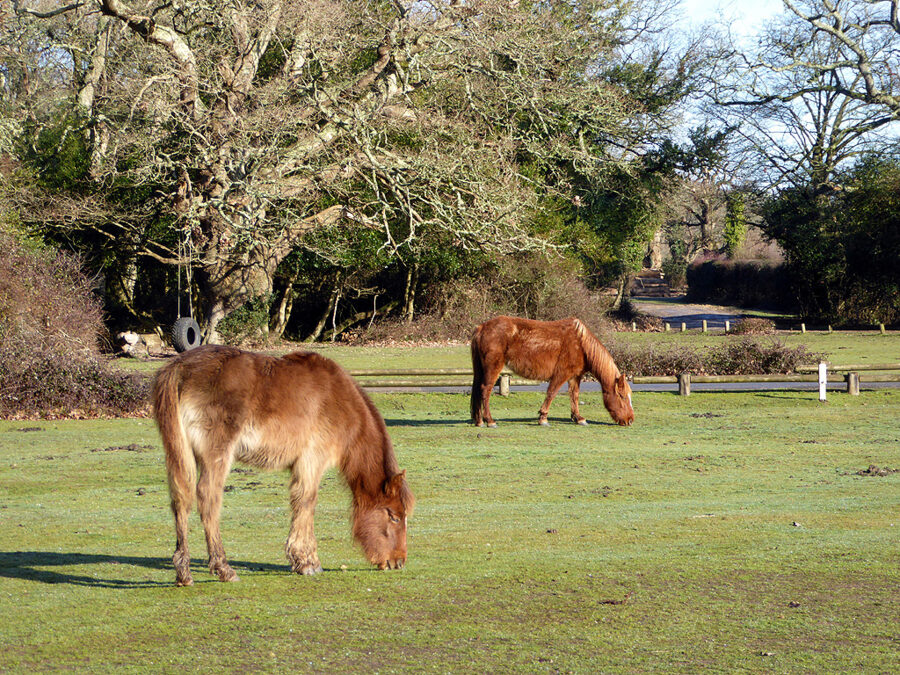
The Royal Oak is the other Hampshire pub I’d cross the county for, a thatched pub at the end of a lane in the north of the New Forest, in the middle of pony country. Food is lunch only, 12:00–15:00, Wednesday to Sunday, and the menu is short: ploughman’s, homemade pork pies and quiche. It is closed on Mondays and Tuesdays.
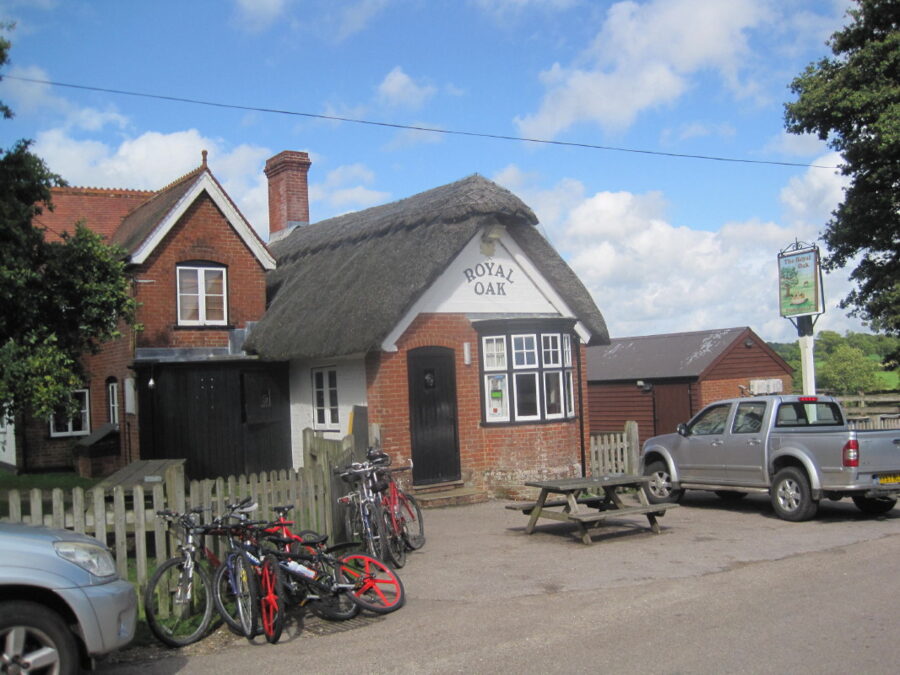

It has been in CAMRA’s Good Beer Guide for more than five decades. There is a house beer from Bowman, local cask ales and two ciders from Purbeck, and the garden is enormous. Dogs are not so much allowed as expected. No train comes anywhere near; the X7 bus stops at Nomansland crossroads, a decent walk across the forest away.

The Bell, Aldworth, Berkshire
The Bell, up on the downs near the Ridgeway, is famous for hot crusty rolls filled to order, which arrive at your table on basketwork trays, along with soups and ploughman’s platters. The same family has run it since the eighteenth century, and its interior is the only one in Berkshire on CAMRA’s National Inventory. It has been CAMRA’s national Pub of the Year twice, in 1990 and 2019.
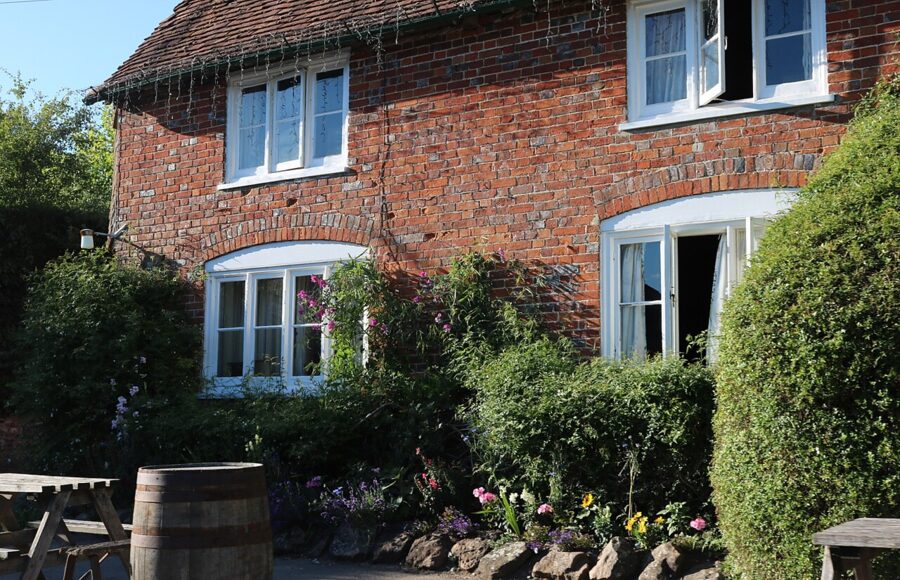

It opens 12:00–20:00, Tuesday to Sunday, and closes on Mondays. It closed for a short family break in November 2026, due to reopen by the 27th, and breaks like that recur, so check before you set off.
Ye Olde Cheshire Cheese, Fleet Street, London
In London, the Cheshire Cheese is the obvious choice for the name alone. The ploughman’s board is on the Cellar Bar menu and is big enough for two, and the pub is a few minutes on foot from City Thameslink.
In cheese country
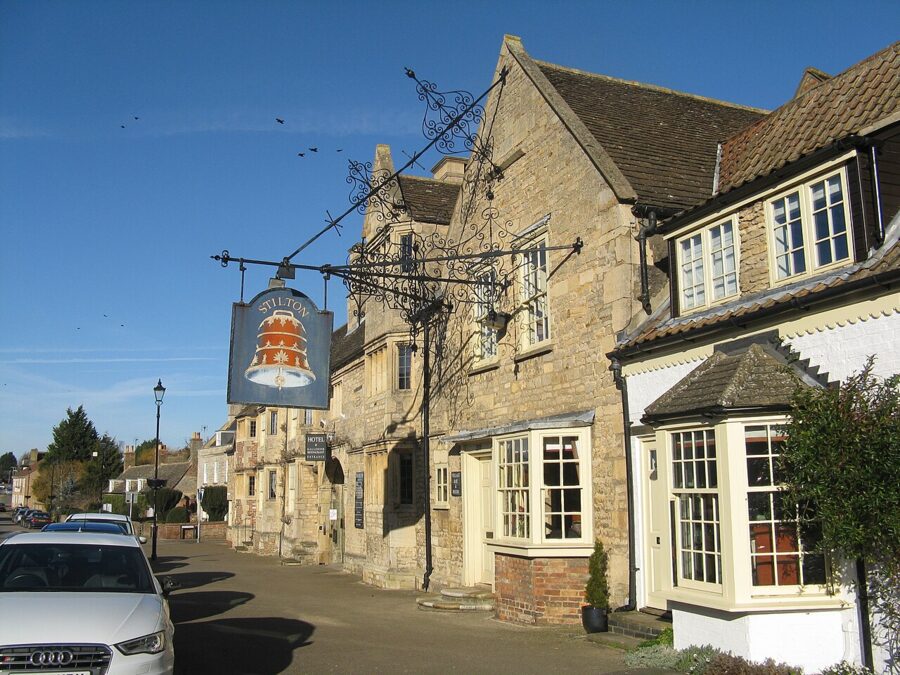
The Bell at Stilton is the obvious pilgrimage. It is a stone coaching inn with a 1642 date on its gable, closed in 1964 and restored in the 1980s, and it now has hotel rooms and a restaurant as well as the bar. Food is served 12:00–14:00 and 18:30–21:30 Monday to Saturday, and 12:00–14:30 and 19:00–21:00 on Sunday. Order the Stilton, obviously; my guide to Cambridgeshire pubs covers the rest of the Great North Road.

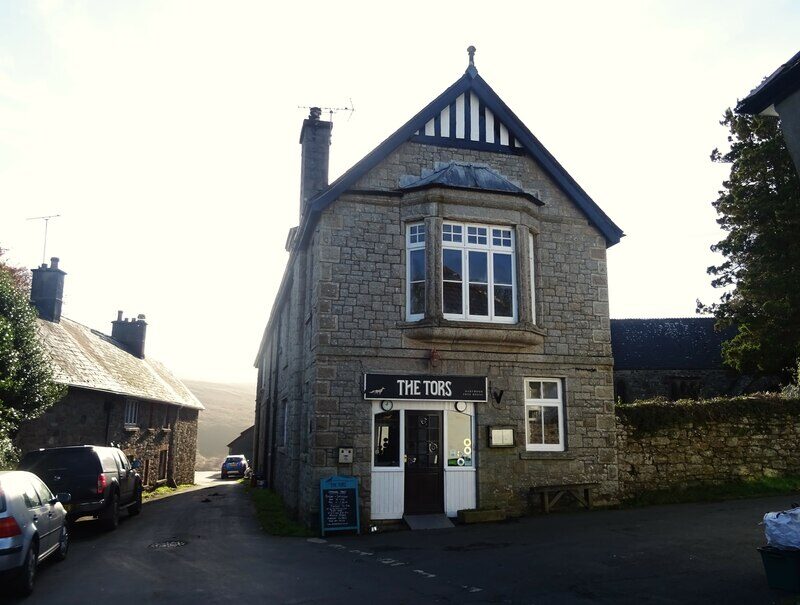
On Dartmoor, the Tors Inn at Belstone is a granite Victorian pub about a thousand feet up on the edge of the moor. In 2022 it made the national papers for renaming its ploughman’s the ploughperson’s; that version came with Devon cheese, molasses-roast ham, pickled onion, chutney and sourdough, at £12.50 then. Food runs 12:00–20:00 from Tuesday to Saturday and 12:00–17:00 on Mondays and Sundays.

How to tell a good one anywhere
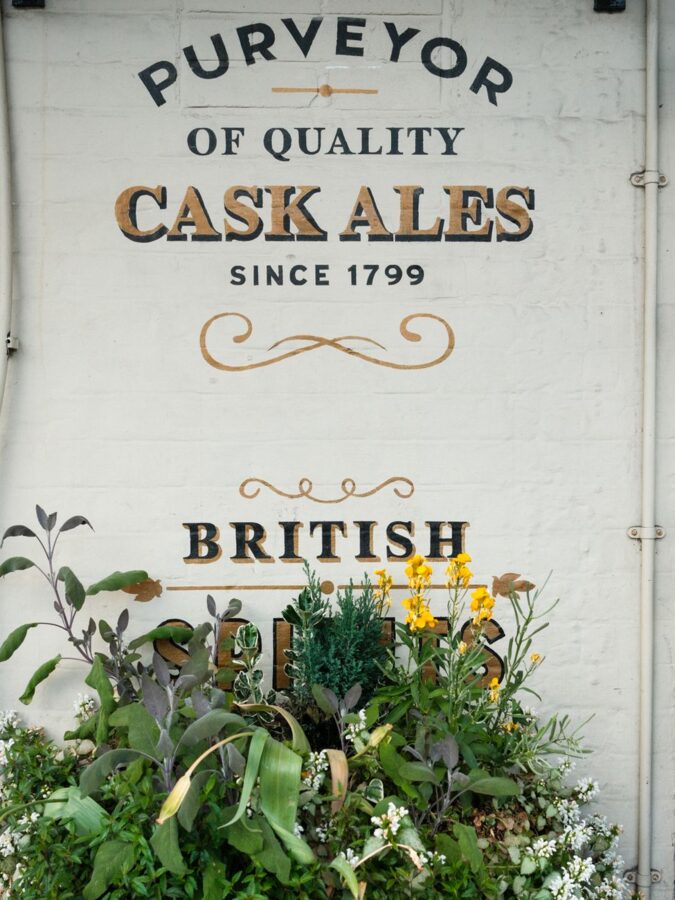
Ask what the cheese is. If the answer is “Cheddar”, ask whose. A pub that can tell you the maker, or at least the county, has bought a cheese rather than a block. Look at the bread: if it comes sliced from a bag, the rest of the plate will follow.
The other sign is restraint: two good cheeses, two pickles, an onion, an apple and real bread is a feast. A pub that serves its ploughman’s with cask beer kept properly is a pub where you can stop worrying and just have lunch; my guide to real ale explains how to tell.
Making one at home
The ploughman’s is the easiest pub meal to make at home and the easiest to make badly. It is the weekday cousin of the Sunday roast: no cooking, but the same rule that the meal is only as good as its weakest component.
Buy the cheese in a piece, not sliced, and take it out of the fridge an hour before you eat. Allow about 100 to 125g a head, more if it is the only thing on the plate. Two contrasting cheeses work better than one: a hard, sharp Cheddar with a crumbly Wensleydale or Cheshire, or a mature Cheddar with a wedge of Stilton.
Buy a crusty loaf the same day, cut it thick, and put out salted butter soft enough to spread. Add a spoonful of Branston or a chutney, a couple of pickled onions, a crisp eating apple cut into quarters, a stick of celery, a tomato and some leaves. A slice of ham or pork pie is optional; a hard-boiled egg is historically defensible.
Then the drink. A pint of bitter is the textbook choice, and in the West Country a glass of still farmhouse cider is better still, especially with Cheddar. Eat it outside if you can, and don’t hurry.
Or let someone else do it. Go to the Harrow on a weekday, take cash, order the Cheddar ploughman’s at the hatch and a pint of whatever’s on from the cask, and find a table in the garden. It is the lunch the Cheese Bureau was selling in 1957, and nobody there will make you sample sixteen cheeses first.