
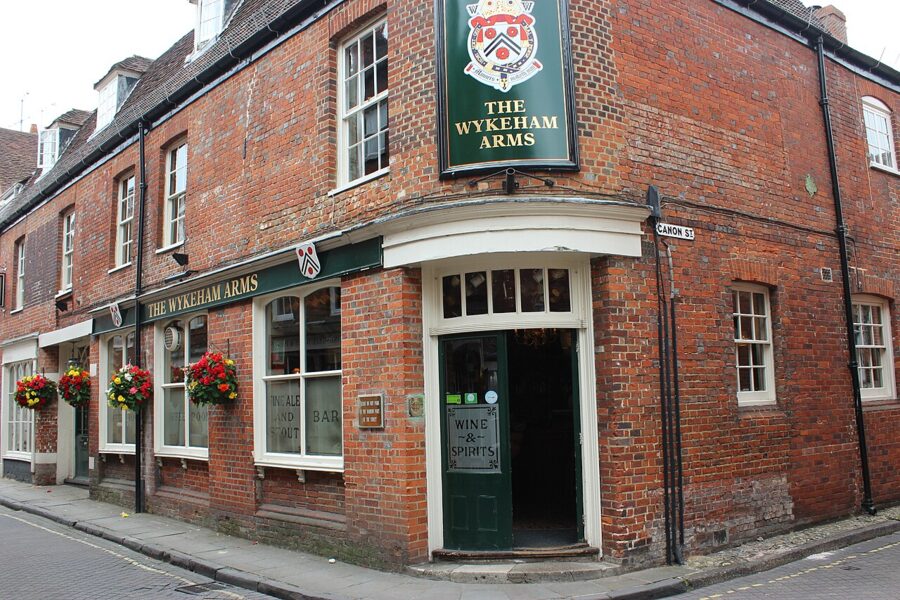
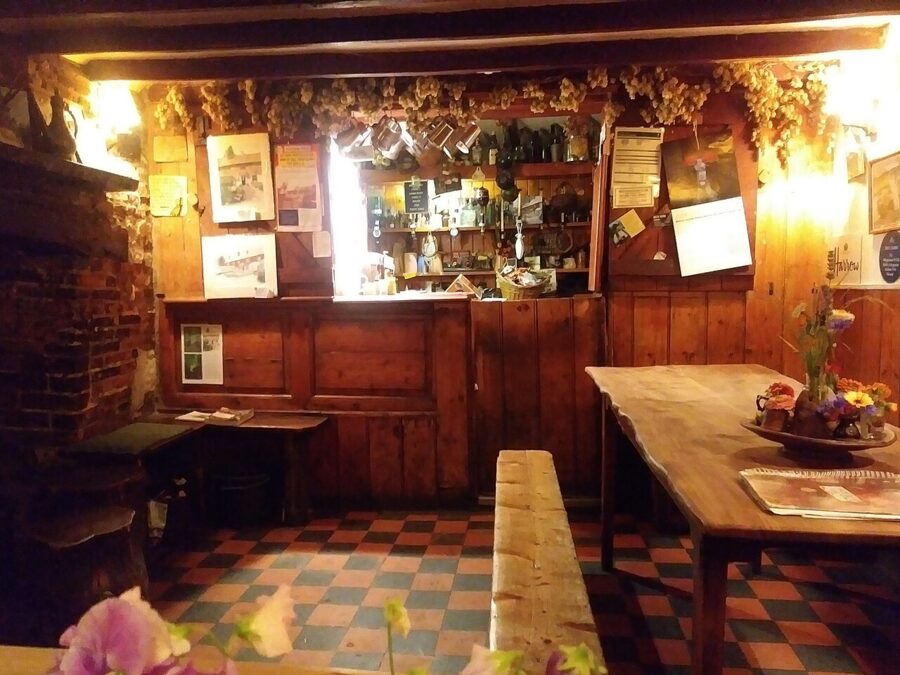
The tables in the main bar of the Wykeham Arms in Winchester are old school desks, and the pub stands a stone’s throw from the college where boys have been sitting at desks like them since the fourteenth century. Tankards hang from the beams and five cask ales stand on the bar. It is a fine place to start a county, because it shows what Hampshire does best: an old building, a proper pint and a reason to have walked there.

The rest of the county is bigger and stranger than people expect: chalk downs on the Sussex border, the heaths and bogs of the New Forest, the trout rivers of the Test and the Itchen, the yacht moorings of the Hamble. Its pubs follow the ground. You get thatched forest inns with ponies at the door, riverside pubs built for fishermen, downland pubs at the end of long walks, and a cathedral city with more listed bars than it strictly needs.
Country hours catch people out here: afternoon closing, kitchens that stop at 15:00, a famous pub that takes no cards. Every pub named below was trading in the autumn of 2026, but pubs change hands quickly, so check a pub’s own site or social pages before a long drive.
On this page
What Hampshire drinks
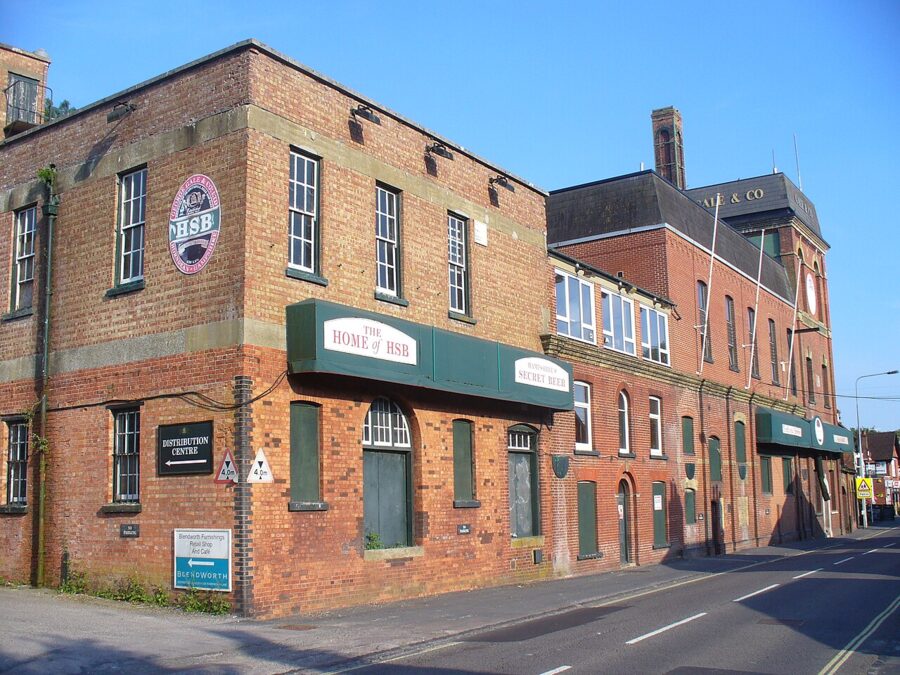
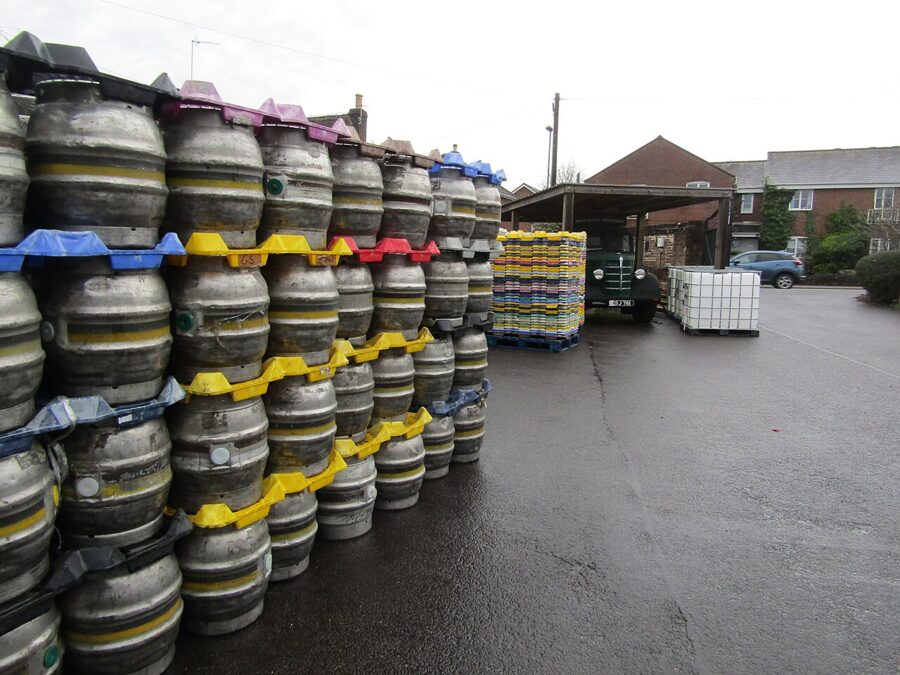
For most of the twentieth century the answer was Gale’s. George Gale and Co brewed at Horndean, between Portsmouth and Petersfield, and its pubs covered the south-east of the county. Fuller’s of Chiswick bought the company in late 2005 and stopped brewing at Horndean the following spring. Two Gale’s beers survived the move to London: HSB, a strong 4.8% bitter with a deep malty sweetness, and Seafarers, a light 3.6% session bitter.

That explains much of what you will drink. Fuller’s owns a large Hampshire estate, the Wykeham Arms, the Red Lion at Chalton and the Bat and Ball among it, and most of those pubs pour HSB, Seafarers and London Pride. Wadworth of Wiltshire has a cluster round the Forest, which means 6X and Henry’s IPA, and Hall & Woodhouse of Blandford in Dorset supplies Badger beers to the Jolly Sailor and the George at East Meon. Many of the county’s best-known pubs belong to brewers from somewhere else.
The other big local name has gone too. Ringwood Brewery was founded in 1978 by Peter Austin in an old bakery in the town, and its Old Thumper became one of the best-known strong bitters in the south. Marston’s bought it in 2007, and Carlsberg Marston’s closed the brewery in early 2024 after failing to find a buyer. You still see Fortyniner and Razorback on New Forest bars, but they are now brewed in the Midlands.

The breweries to look for
Small brewers filled the gap, and the county’s free houses lean on them hard. Order these on sight:
- Flower Pots, Cheriton. A ten-barrel brewery next to the pub of the same name, brewing since 2006. Goodens Gold (4.8%) and Pots Bitter turn up all over Winchester, including at the Wykeham.
- Bowman Ales, near Droxford in the Meon Valley, brewing since 2006. Swift One and Wallops Wood are the regulars; Wallops Wood is the house beer at the Royal Oak in Fritham.
- Flack Manor, Romsey, since 2010. Its Double Drop takes its name from the old double-drop method of fermenting, where the beer falls from one vessel to another partway through. Very few British brewers still do it.
- Triple fff, Four Marks near Alton, since 1997. Alton’s Pride won Supreme Champion Beer of Britain in 2008.
- Gilbert White’s, Selborne, brewing in the 1765 brewhouse behind the naturalist’s old home.
If you are new to cask beer, the short version is that it finishes conditioning in the pub cellar and is served without added gas, which is why the cellar matters as much as the brewer. The longer version is in the guide to real ale.
Cider and perry
Hampshire is not Somerset, but it makes real cider. New Forest Cider presses its own and bought-in orchard fruit at Littlemead in Burley each autumn, and some of it is matured in old whisky barrels. Mr Whitehead’s, from near Alton, makes cider and a Hampshire perry; the Selborne Arms keeps its ciders in bottle. The Royal Oak at Fritham and the Fighting Cocks at Godshill keep real cider on tap.
Winchester
Winchester is small, walkable and rich in old buildings, and its pubs sit tight around the cathedral close, the High Street and the water meadows to the south. The station, on the main line from London Waterloo, is on the north-west edge of the centre. Pints cost more than in Southampton; the local CAMRA branch calls it the Winchester premium.
The Wykeham Arms
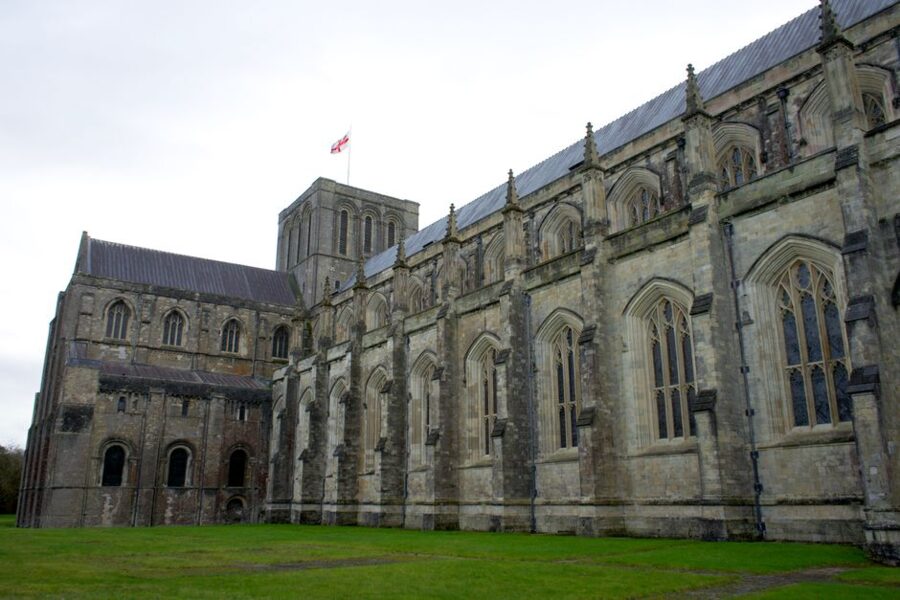
The Wykeham Arms is on Kingsgate Street, just outside the medieval Kingsgate and about fifteen minutes’ walk from the station. A pub has stood on this listed site since 1755, when it was a coaching inn on the road to the coast, and the pub’s own account says Nelson stayed on his way to Portsmouth. By the middle of the last century it was the Fleur de Lys bar, across the road from the city’s red-light district. A long-serving landlord later filled it with the bric-a-brac that still covers the walls.
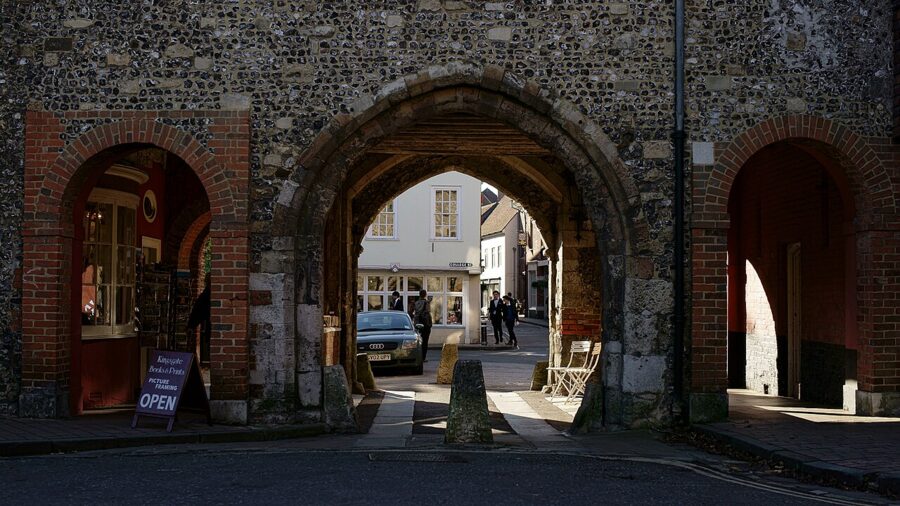

Today it belongs to Fuller’s and does everything well. There are five cask beers, with Goodens Gold from Flower Pots and Gale’s HSB the regulars. The food has held two AA rosettes for more than a decade, and the fourteen bedrooms upstairs are some of the best pub rooms in the county. Dogs are welcome in the bar but not in the dining rooms.
Food runs 12:00–21:00 Monday to Thursday and until 21:30 on Fridays and Saturdays, with a gap on Sundays between 16:30 and 18:30. Book for dinner, or come for a drink at three on a weekday, when the sandwich menu is on and there is room at the desks.
Round the cathedral
The Royal Oak is down a very narrow passage off the pedestrian High Street. It claims the oldest bar in England. Parts of the site may go back to 1002, when it was said to belong to Queen Emma; the building probably dates from the fifteenth century, and it was a brewhouse by 1637 and the Royal Oak by 1677. It is a Greene King pub, oak-panelled and plain, and better at noon than at midnight.
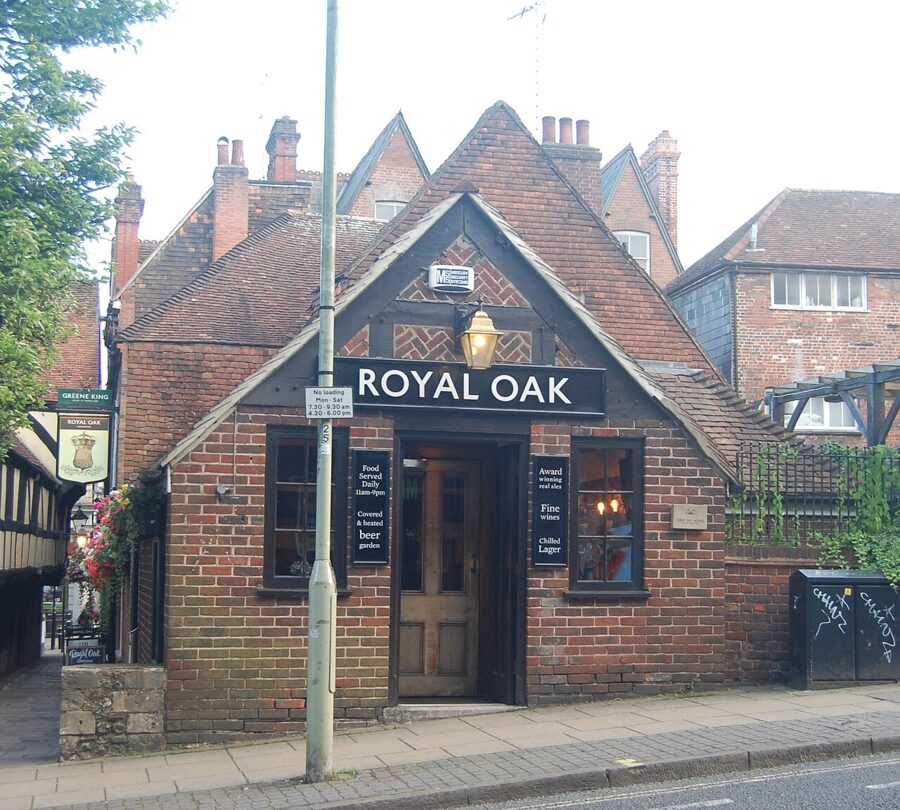
The county’s oldest-pub argument usually comes down to the Royal Oak and the Red Lion at Chalton, and neither can prove its case. Most of these claims are folklore with a beer list attached; the national contest is told in full in the guide to the oldest pubs in England.
The Eclipse Inn on The Square is a small two-room pub in a timber-framed building that leans out over the pavement. The pub dates the building to 1540, CAMRA’s local branch to 1580, and either way it was a rectory before it became an inn in 1750. Lady Alice Lisle spent her last night here before she was beheaded outside on 2 September 1685, sentenced by Judge Jeffreys for sheltering fugitives after Monmouth’s rebellion. She is said to haunt the upstairs room, which is also the way to the Ladies.
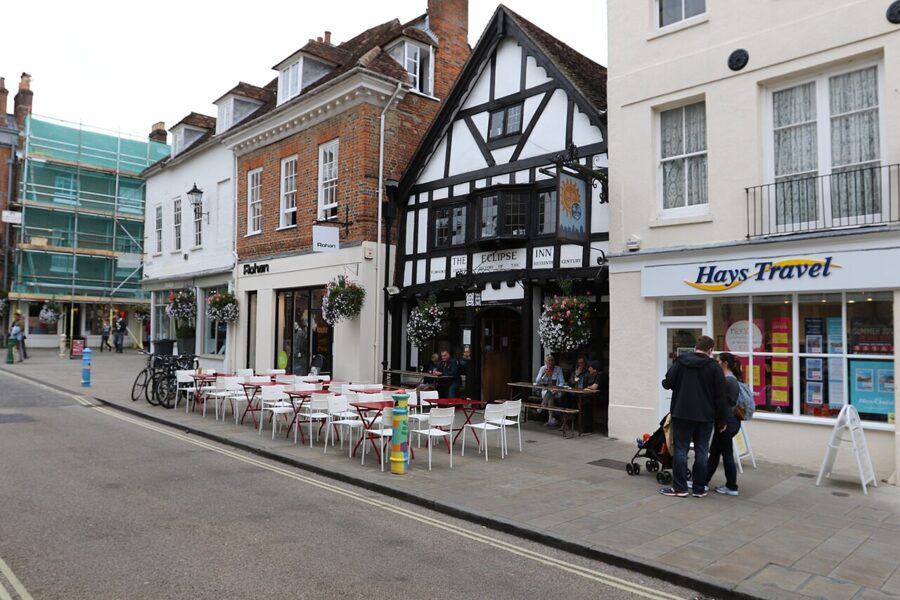

The Eclipse does pies and Sunday roasts and keeps Flower Pots beers alongside Timothy Taylor’s Landlord. Across the corner, the Old Vine on Great Minster Street looks straight over the cathedral green. It is more inn than pub, with rooms, a dining room behind a curtain and a pie of the day, and it takes cards only. Come for a local pint and the view of the green.
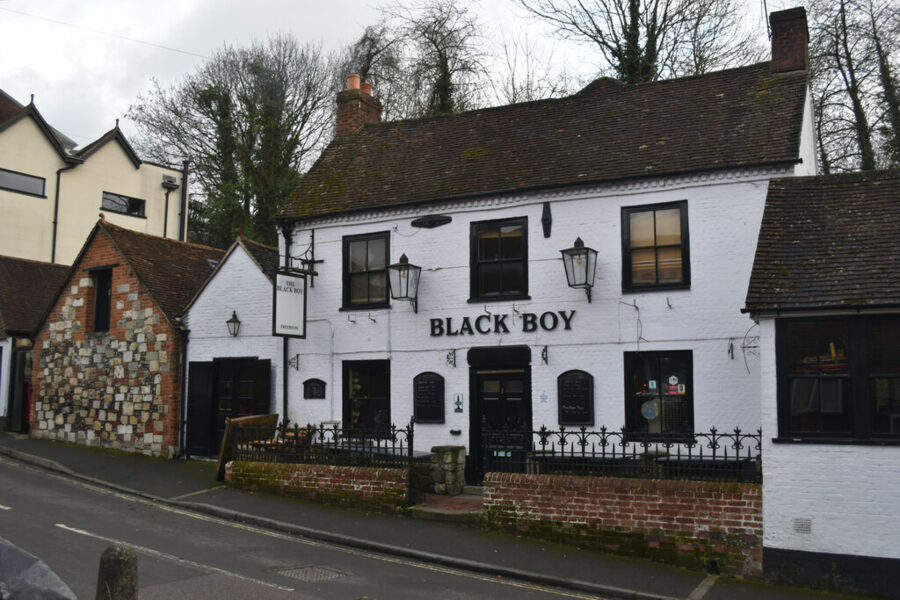
The Black Boy on Wharf Hill, ten minutes’ walk from the cathedral along the river, is the one people talk about afterwards. It is a free house across the Itchen from the ruins of Wolvesey Castle, its rooms packed with more junk than seems physically possible: stuffed animals, old meters, fire buckets, signs and an Aga. A small traffic light over the bar warns of last orders. There are four changing cask beers from local breweries, and pizzas come out of a shed in the garden at weekends.

North and west: Hyde and Fulflood
The Hyde Tavern on Hyde Street is five minutes from the station and the most unspoilt pub in the city. Its twin gables and the step down from the pavement look medieval; the listing record says nineteenth century, and the low beams argue otherwise. Four cask ales sit on the small bar, often one straight from the cask.
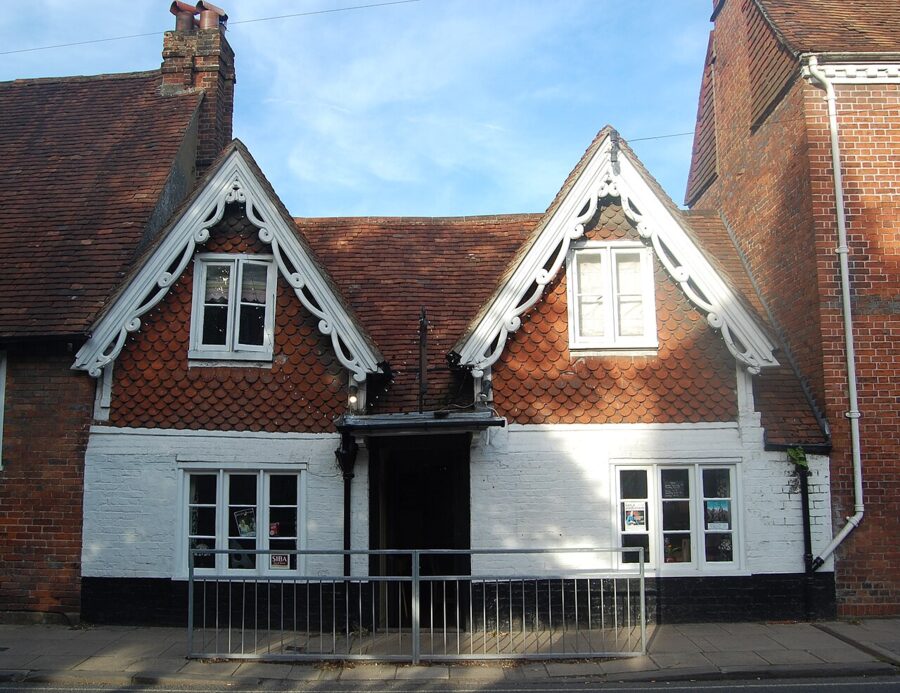
It opens at 18:00 on weekdays and 15:00 at weekends, and it does not do food apart from Thai on the last Friday of the month. Bring a takeaway instead; the bar lends plates and cutlery for a small charge. There is folk music, a beer festival in June and an annual pie competition.
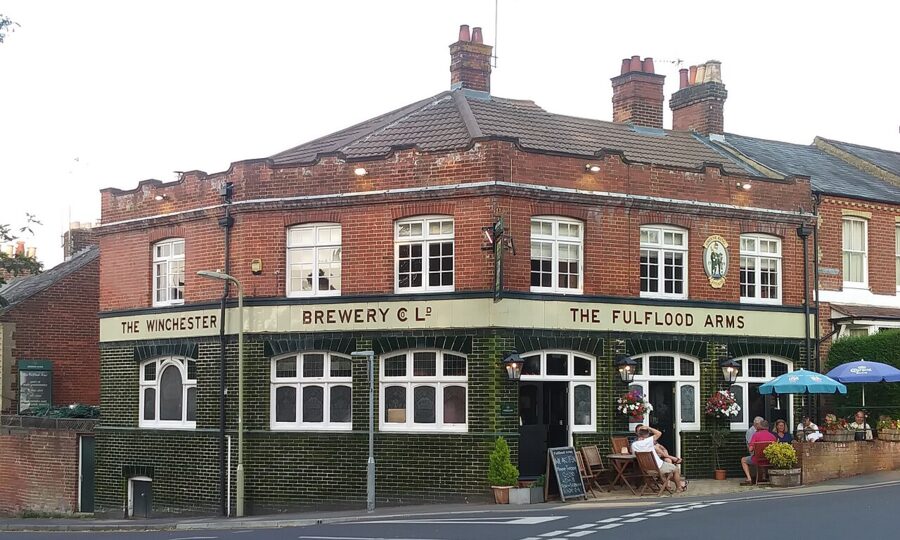
West of the station, the Fulflood Arms on Cheriton Road is a Victorian street-corner local with green glazed tiles outside and etched windows. Inside it is one room with a wood burner, a dartboard, a piano and a record deck, and an old map of the city on the ceiling. It opens at 16:00 on weekdays and from noon at weekends.
South to St Cross and the Queen
The Queen Inn on Kingsgate Road, south of the college, brews its own beer. The microbrewery went in during the spring of 2022 and you can see it at the town end of the bar; St Cross Ale is one of its regulars, with up to eight cask ales in all, a couple poured straight from the cask. The beer festival on the late-May bank holiday is its busiest weekend.
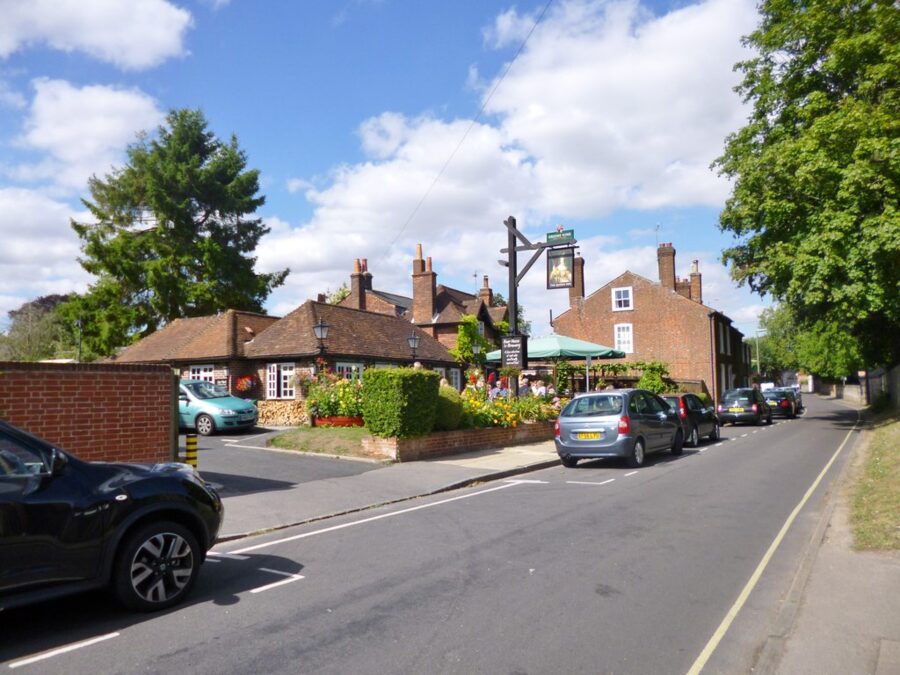

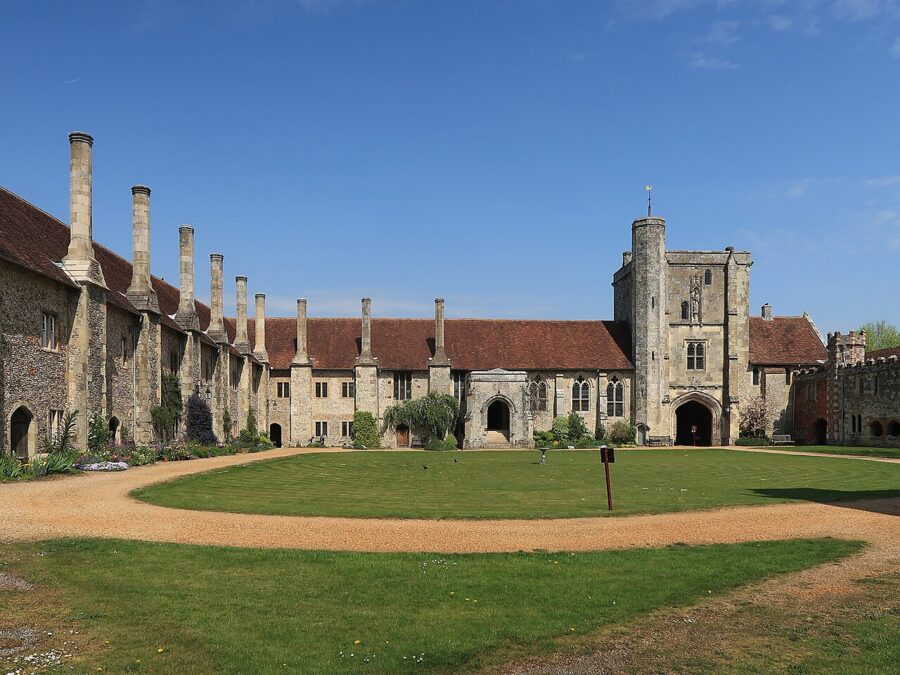
Further south, past the water meadows, the Bell Inn on St Cross Road is a small two-room Greene King pub with a piano in the hall and a garden that looks over the Norman church of the Hospital of St Cross. Hours are short midweek, 12:00–14:30 and 17:30–21:30 between Tuesday and Thursday, and it may close early when it is quiet.

The chalk-stream villages
Around Winchester the land rises into chalk, and the rain that falls on it comes out cold and clear in the Itchen and the Test, two of the most famous trout rivers in the world. Their villages built pubs for fishermen and drovers, and later for walkers. Most are food pubs now, but the best keep a bar for muddy boots.
Up the Itchen
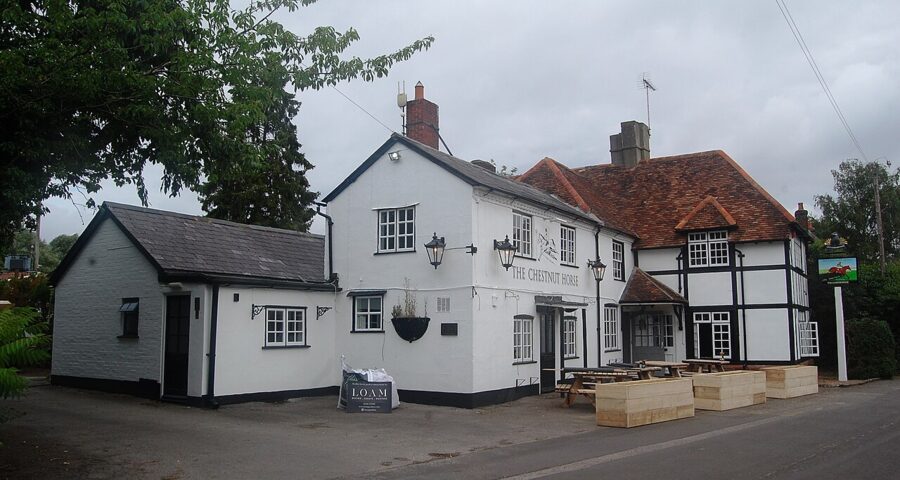
The Chestnut Horse at Easton, under three miles from Winchester, is a pub of the seventeenth century with low beams, several log burners and a small locals’ bar. In 2023 it added a farm shop and café at the back.
The Plough at Itchen Abbas, a mile or two upstream, spent twenty years as the Trout before taking its old name back in 2014; it has a garden with a big fenced pond.
The pick of the valley is the Bush Inn at Ovington, a Wadworth pub at the end of a lane off the A31, with a garden that runs beside a side stream of the Itchen. The building is late eighteenth century and listed, the rooms are full of fishing pictures, and most tables are laid for dining. Book, even in the week. It closes between 15:00 and 17:30 on weekdays, which surprises people who arrive at four.
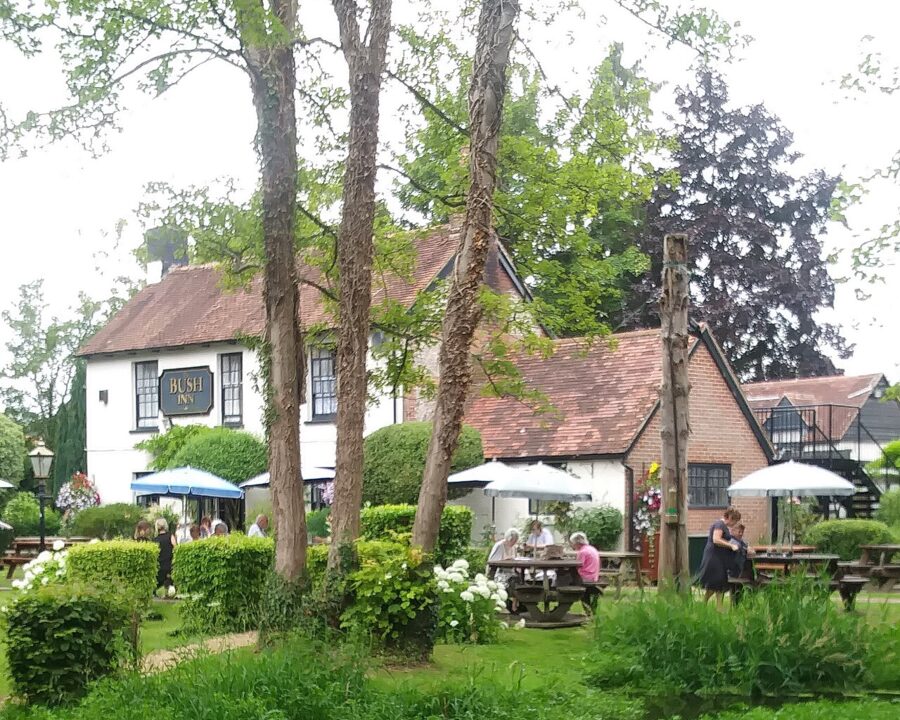
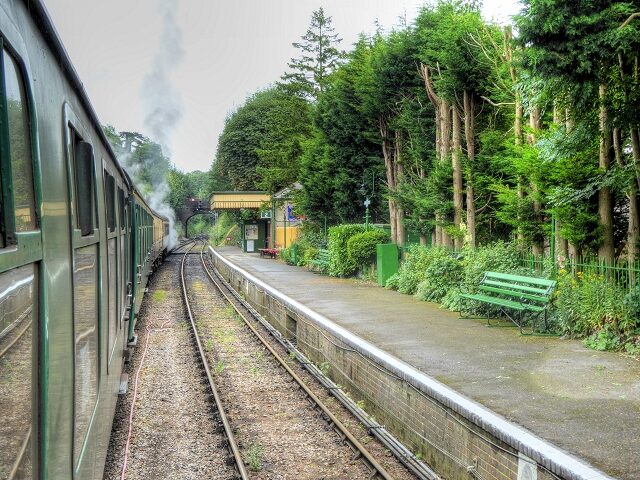
Ovington is an easy two-mile walk west of New Alresford, a Georgian town with good shops and the Watercress Line, a preserved steam railway that runs to Alton. A steam train, a riverside path and a Sunday roast at the Bush make about as Hampshire a day as there is.

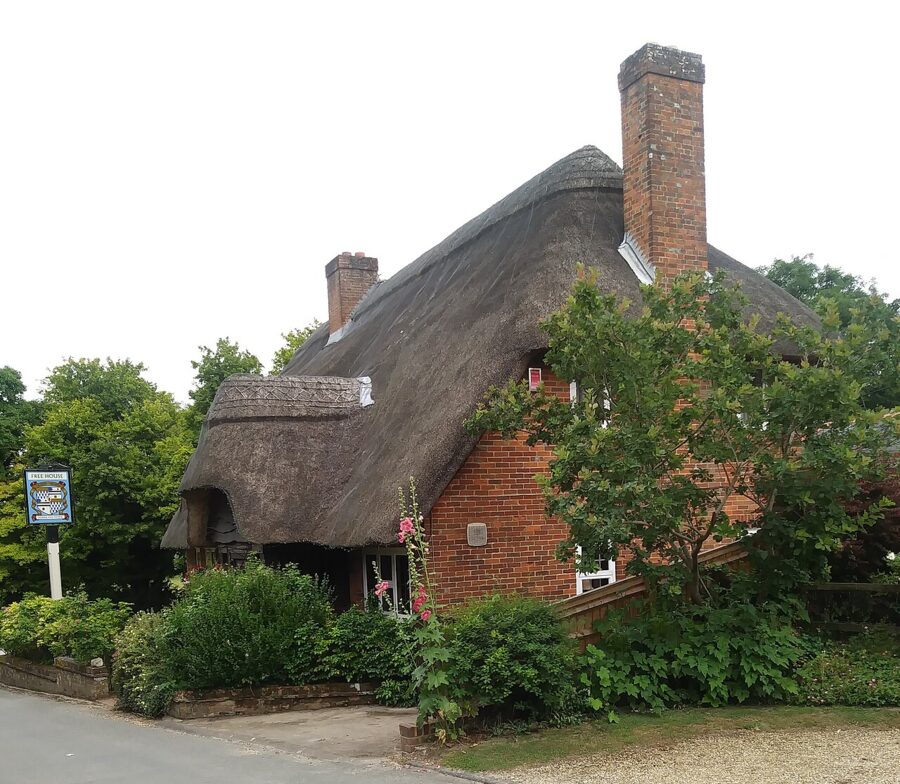
South of Alresford, the Tichborne Arms is a thatched pub that looks centuries old and was built in 1939, after fire destroyed the one before. The site has had a pub since 1487. Refurbished in 2022, it takes cards only and won Best Pub Garden at the Great British Pub Awards in September 2026. Ask about the Tichborne Dole, when flour is handed out every Lady Day, and the Victorian claimant who arrived from Australia saying he was the lost heir.
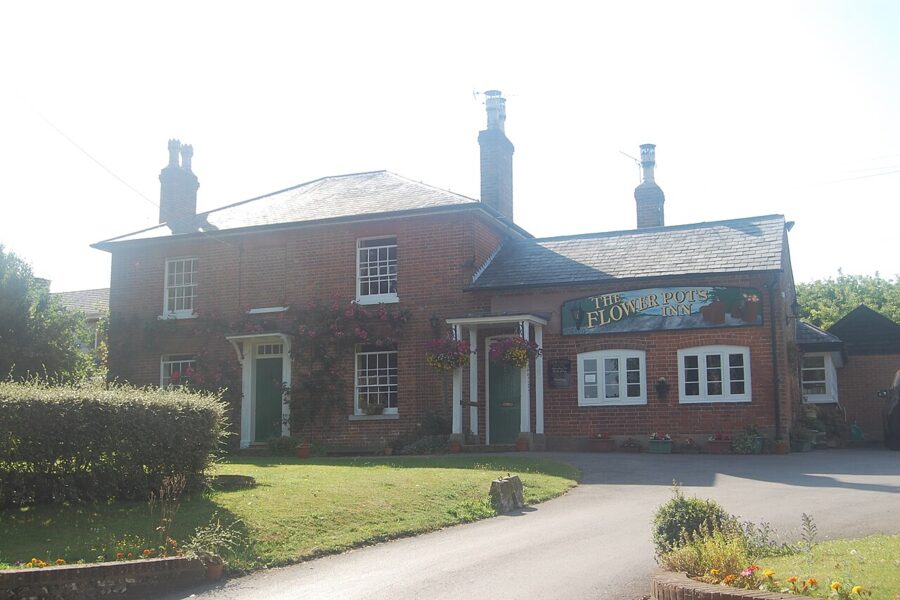
A couple of miles further south, the Flower Pots Inn at Cheriton is where the beer comes from. It is a Victorian building whose first landlord had been a gardener at one of the big houses nearby, which may explain the name. The public bar has a tiled floor and a covered well, the locals’ bar is small enough that you will be expected to talk, and the beers come from the brewery next door: Pots Bitter, Perridge Pale, Goodens Gold and the strong Buster’s Best.
The Test at Stockbridge
The Test is grander than the Itchen, and Stockbridge is its capital: one broad street of shops, antique dealers and inns, with the river running under it in several channels. There is no railway. The line from Andover to Romsey closed in the 1960s, and the Test Way footpath now follows much of its track.
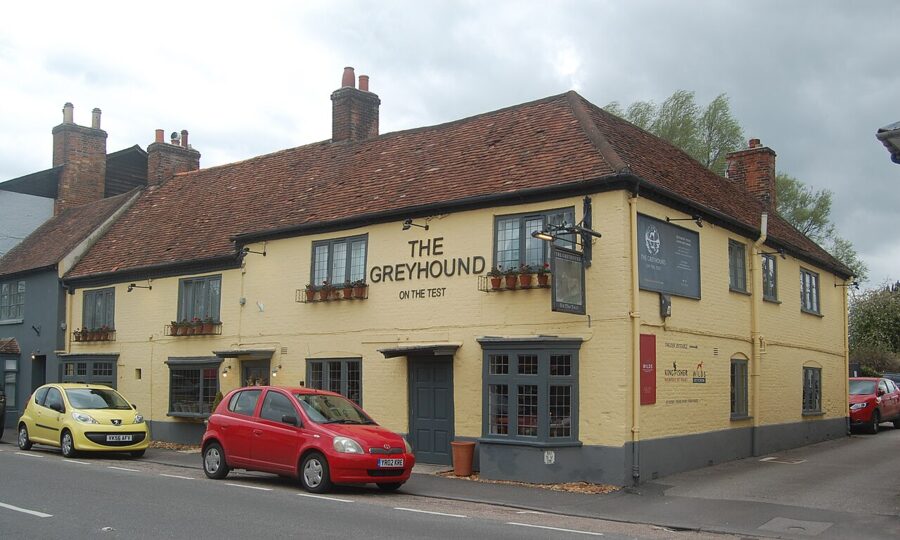
The Greyhound on the Test on the High Street is the smartest pub in the valley. The name goes back to the hare coursing that once filled the downs, and its garden runs down to the river, with a bar outside in summer. It is mainly a restaurant with rooms, with a house beer from Powderkeg in the small bar. Book for food.
For a pint rather than a meal, go a few doors along to the Three Cups Inn, a family-run, timber-framed inn with a log fire, an orangery and a garden with a stream through it. It is in the Good Beer Guide and pours Flower Pots beers. Duck on the way in; the beams are low and they are serious.
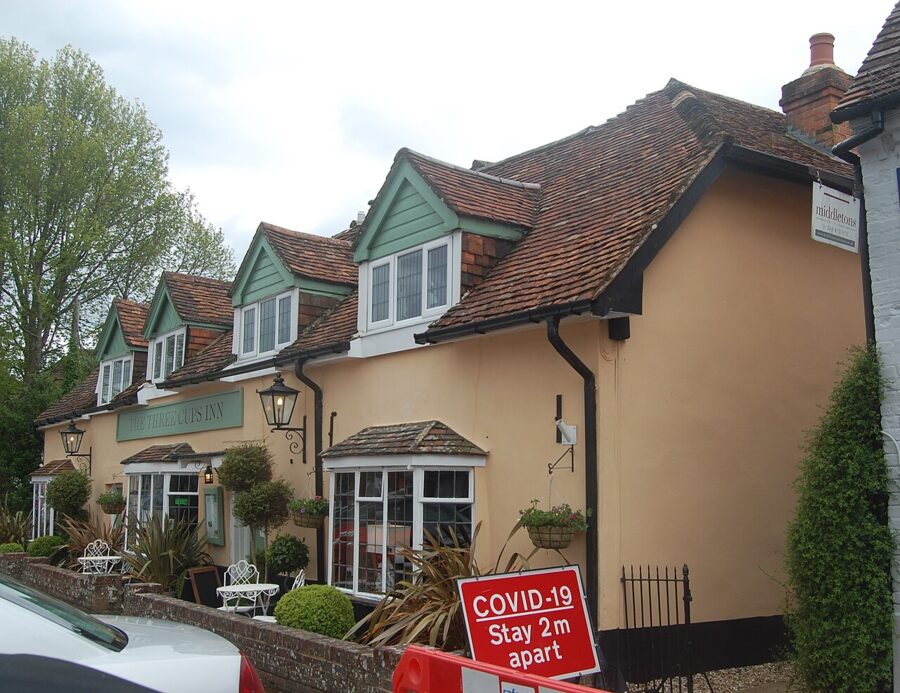
Just north of the town, the Peat Spade at Longstock belongs to the Upham pub company and caters to fishing and shooting guests, with rooms in the main house and a second building behind. A couple of miles south, the Boot Inn at Houghton has a half-timbered front and, behind the car park, a long natural garden on a quiet stretch of the Test. It serves Flack Manor’s Double Drop and good, expensive food, and it shuts at 16:00 on Sundays and all day on Mondays.
East Hampshire: the hangers and the downs
The eastern edge of the county is steep. Beech woods cling to chalk escarpments called hangers, the South Downs roll south from Petersfield, and the pubs are some of the least changed in southern England.
The Harrow at Steep
The Harrow sits on a lane outside Steep, just north of Petersfield, and it is the best old pub in Hampshire. It was built as an inn in the eighteenth century, possibly round an older building, and it is Grade II listed. Inside are two small rooms, and the beer is served through hatches rather than over a bar. The beers are always 4% or under, from small local brewers such as Bowman and Flack Manor, and the lavatories are across the lane.
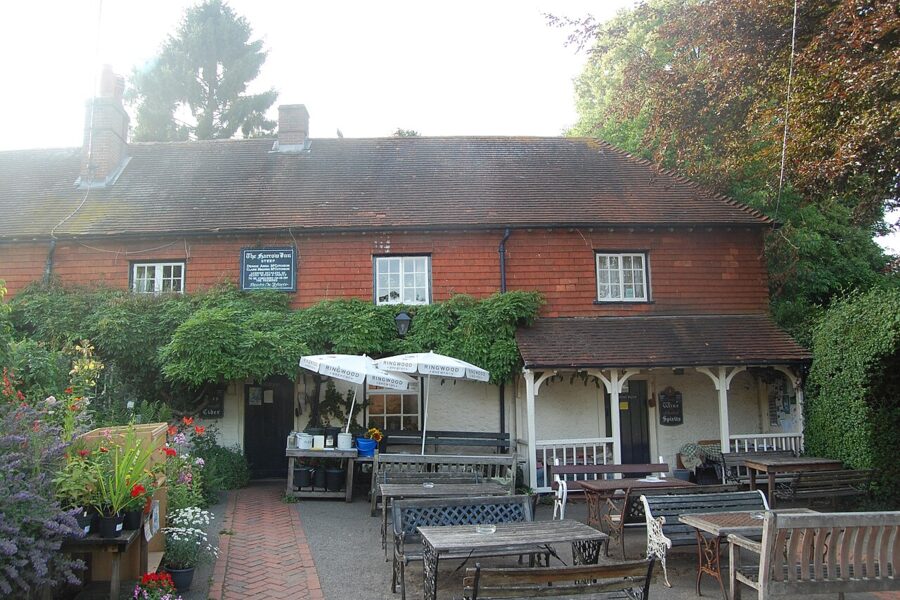
The food is simple and the portions are enormous, so come hungry. Cards are not accepted. Hours are short: lunchtime only on Mondays, Tuesdays, Wednesdays and Sundays, lunch and evening on Thursdays, Fridays and Saturdays. It is thirty to forty minutes on foot from Petersfield station.
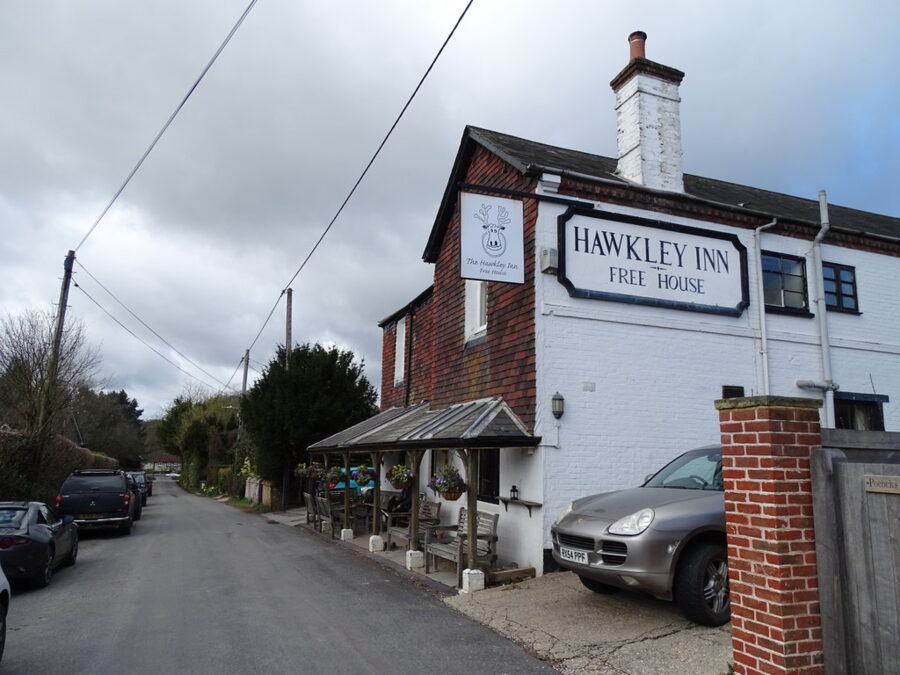
The Hawkley Inn, a few miles north on the Hangers Way, is a genuine free house with a big garden and rooms. It is mostly given over to food, and it pours Flower Pots beers and holds a beer festival every May. Going by its current hours it opens from Wednesday evening to Sunday, so do not plan on it early in the week.

Selborne and East Meon
Selborne is Gilbert White’s village, the parson-naturalist whose letters on the birds and beasts of the parish became one of the most reprinted books in English. The Selborne Arms stands at the foot of the zigzag path that White’s brother cut up the hanger, and the path gives its name to the Zig Zag Bar on the left as you go in. The cosier Hanger Bar is to the right. Bowman beers are the regulars, with local ciders in bottle, and there is a huge garden with a play area.
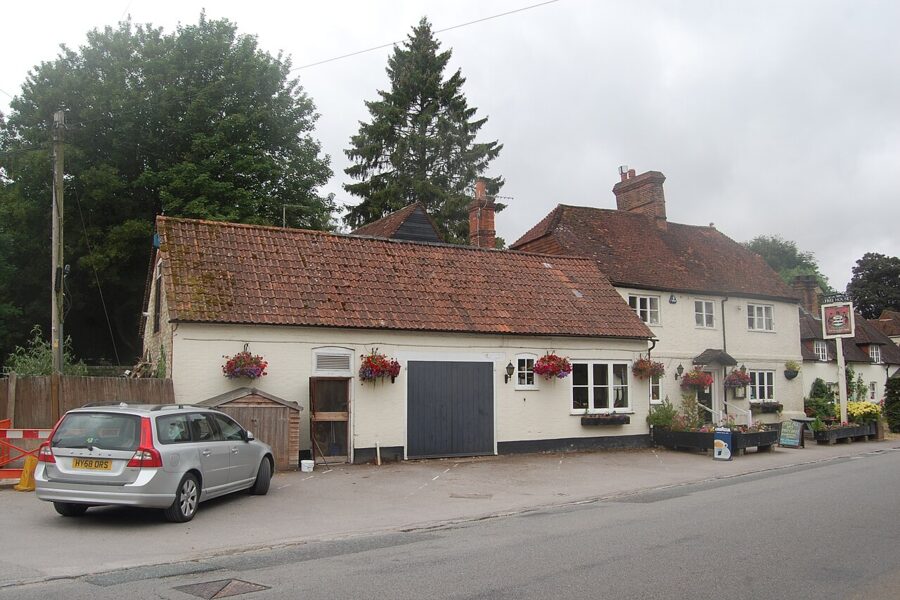
Across the road, the Jubilee Tap Room is the tap for Gilbert White’s Brewery, open from Thursday to Saturday evenings in the old bar of the former Queen’s Hotel. The brewery itself works in the original 1765 brewhouse of Gilbert White’s House, now a museum.
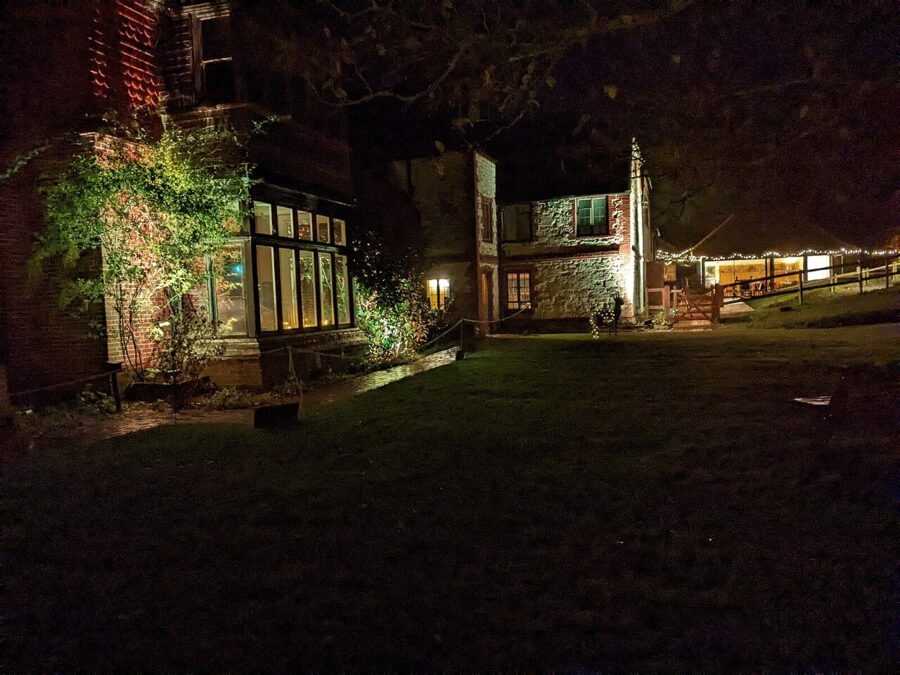

East Meon sits under the downs west of Petersfield, with a Norman church and the young River Meon running through the village. The George on Church Street is a fifteenth-century coaching inn and a Hall & Woodhouse house, so the beers are Badger: Best Bitter, Fursty Ferret and the strong Tanglefoot. It is a mile off the South Downs Way with little climbing, and it closes in the afternoons on weekdays.
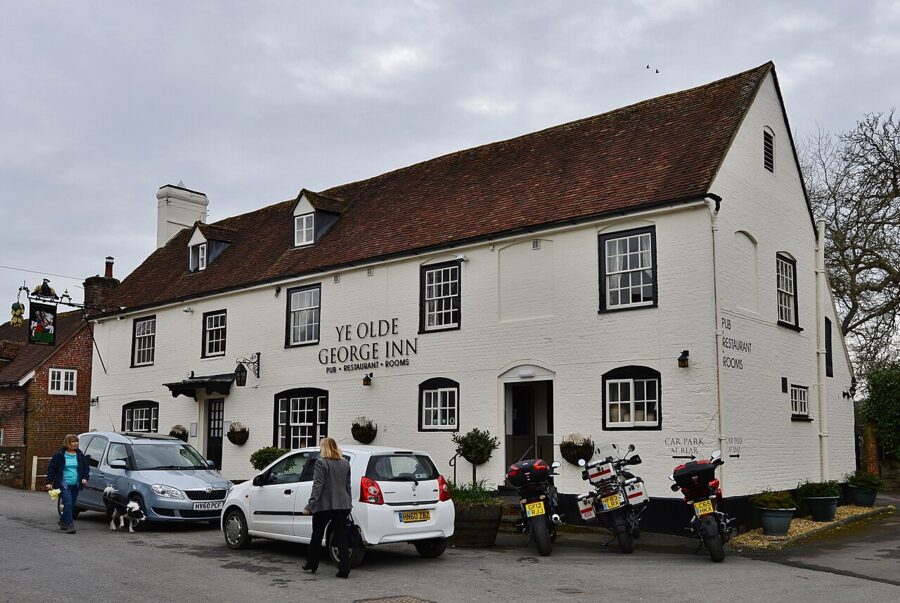

Hambledon and Chalton
The Bat and Ball stands alone on the crossroads at Broadhalfpenny Down, two miles from Hambledon village, opposite the ground where the Hambledon Club took on the best of England in the eighteenth century and did as much as anyone to shape the modern game. It is a Fuller’s house. The parish boundary between Hambledon and Clanfield runs across the bar floor, which mattered when the two parishes had different licensing hours.
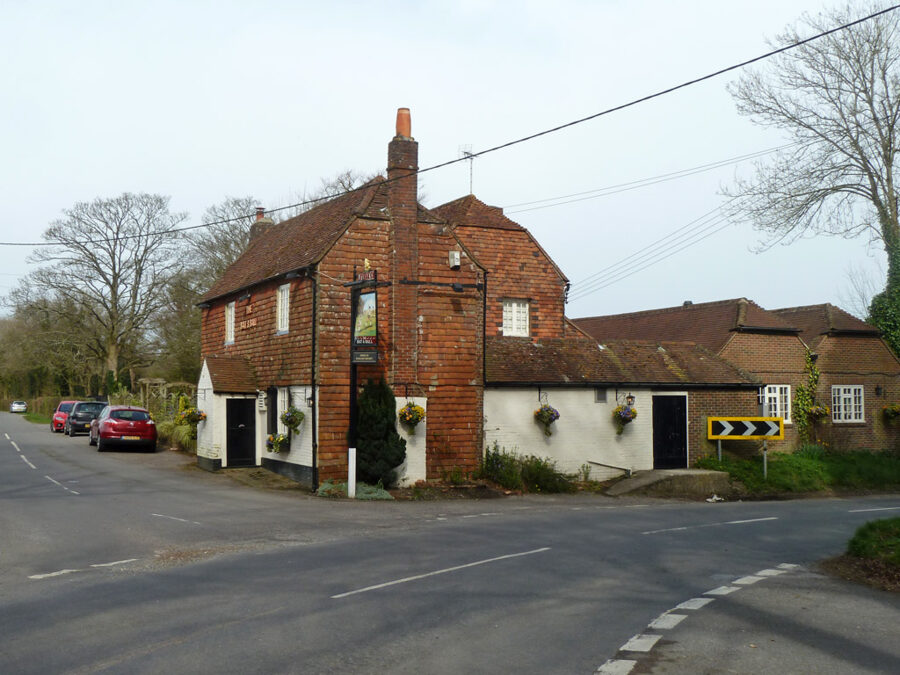

East of there, the Red Lion at Chalton faces the church across a small green high on the downs. It is thatched and timber-framed, with an inglenook in the public bar and a modern dining extension at the back. The pub’s own story is that it was built in 1147 to house the men building the church. The listing says otherwise: the building is a late sixteenth-century Wealden house, timber-framed with jettied upper floors, with eighteenth-century additions at each end.
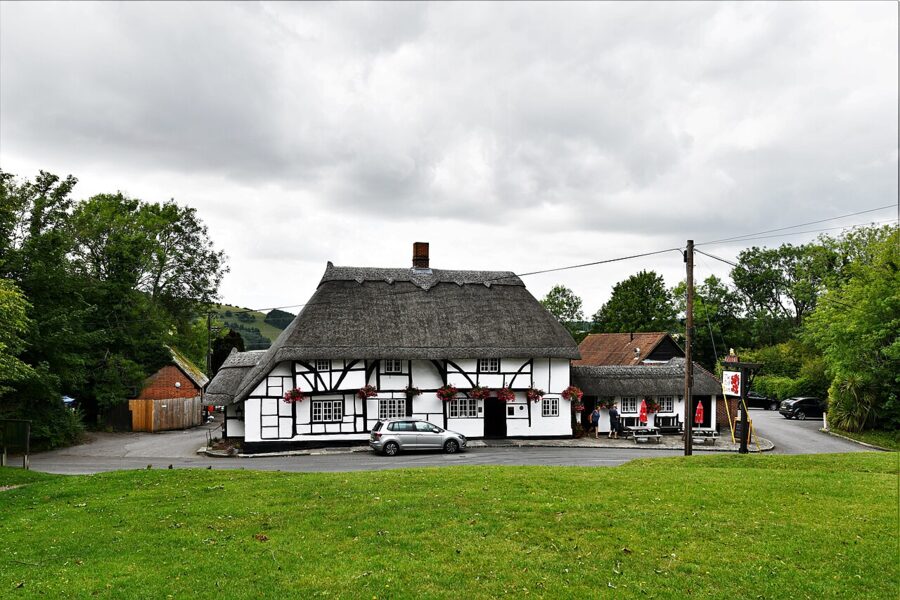

My view is that it does not need the twelfth century. A Tudor hall house with its thatch intact and a pint of HSB at the bar is plenty. Food runs at lunch and from 17:00 to 20:00 Monday to Thursday, all day on Fridays and Saturdays, and until 17:00 on Sundays, when the pub closes at 19:00. Butser Hill and Queen Elizabeth Country Park are a short drive away, and the garden has the view.

The New Forest: ponies at the door
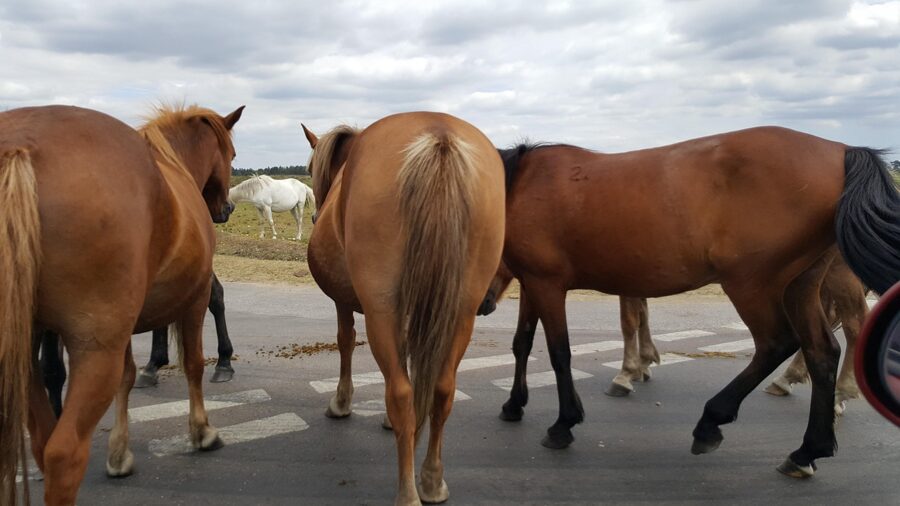
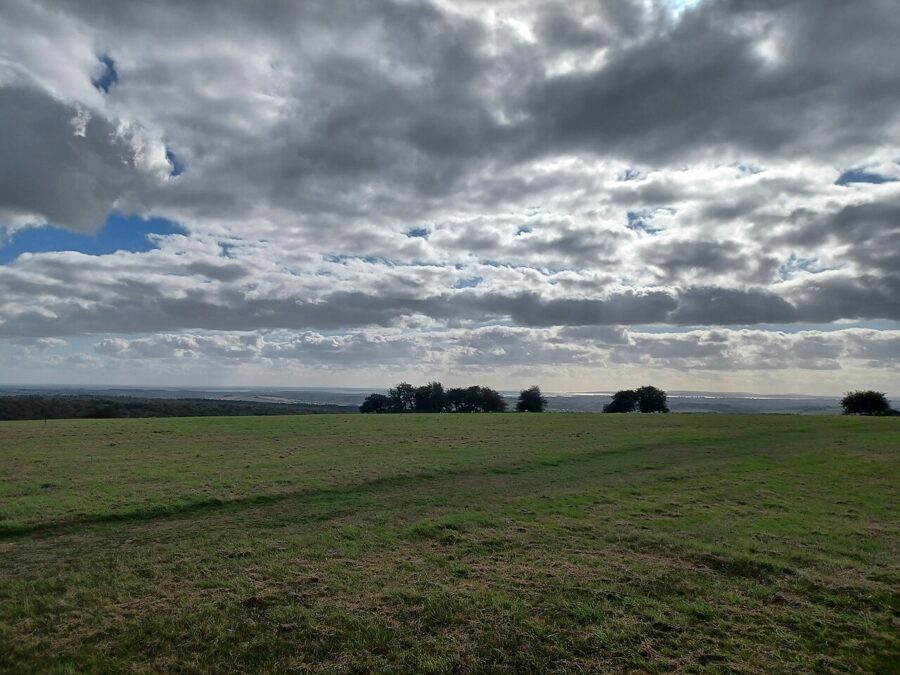
The New Forest is not mostly forest. It is a royal hunting ground of the eleventh century, a mix of heath, bog, oak and beech wood, and since 2005 a national park. The ponies, donkeys, cattle and pigs belong to local commoners who hold the right to turn them out, and they wander through villages, across roads and into pub car parks as they please.
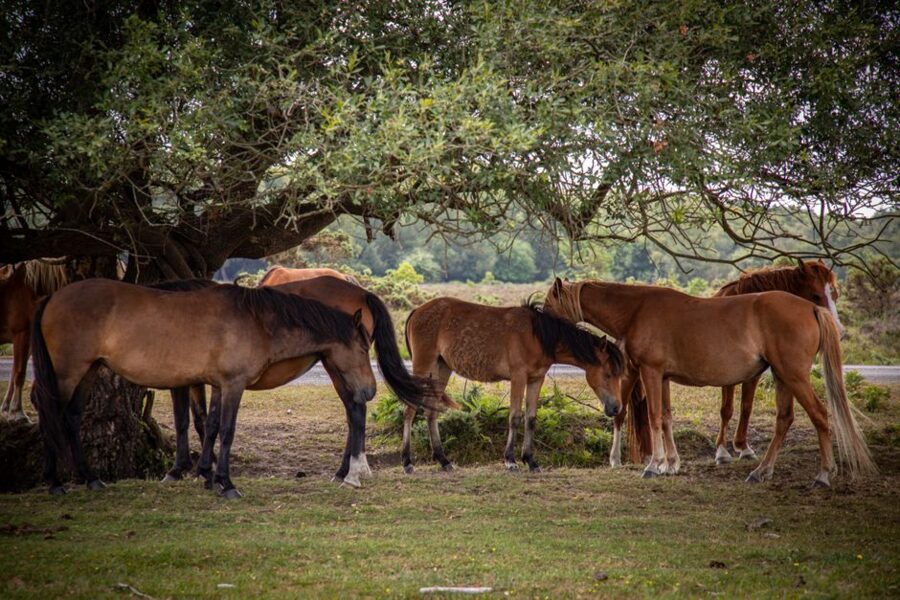
Do not let children pat them; they kick and bite, and food teaches them to mob people. Watch your crisps in a pub garden, and drive slowly at dusk.
Brook and Cadnam
The Green Dragon at Brook is a thatched Wadworth pub on the B3079, a mile west of junction 1 of the M27, overlooking a stream. Wadworth dates it to the fifteenth century; the listing gives the late eighteenth, with later changes. Inside, a central bar serves several low-beamed rooms with two wood burners. In summer the ponies, donkeys, cows and pigs come to stand on the forecourt in the shade.
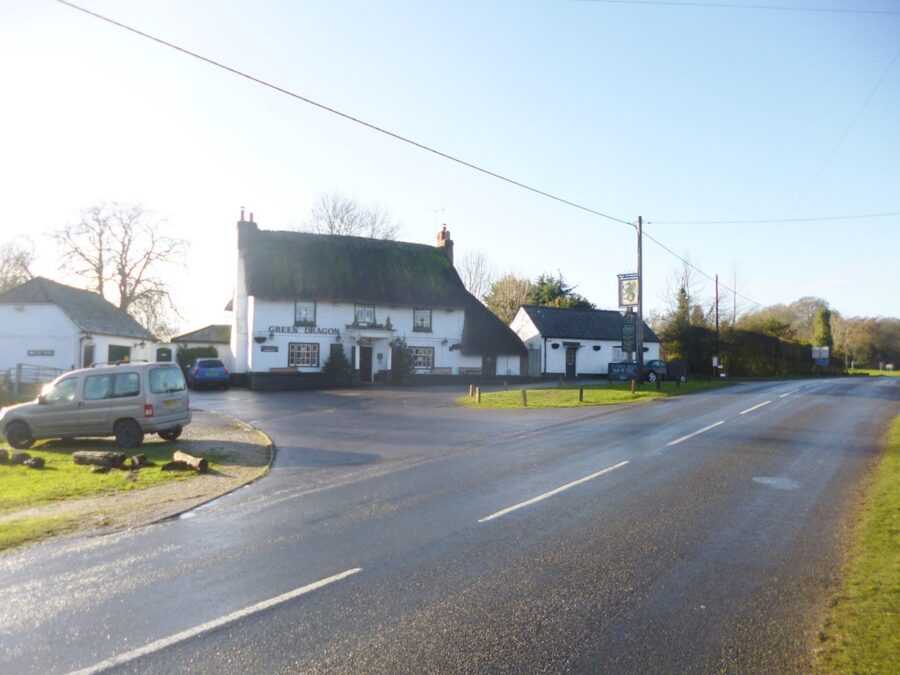

Food is served from noon until 20:00 Monday to Thursday, 20:30 on Fridays and Saturdays and 19:00 on Sundays. The beers are Wadworth’s 6X, Henry’s IPA and Horizon, families and dogs are welcome, and there is a cottage to rent.
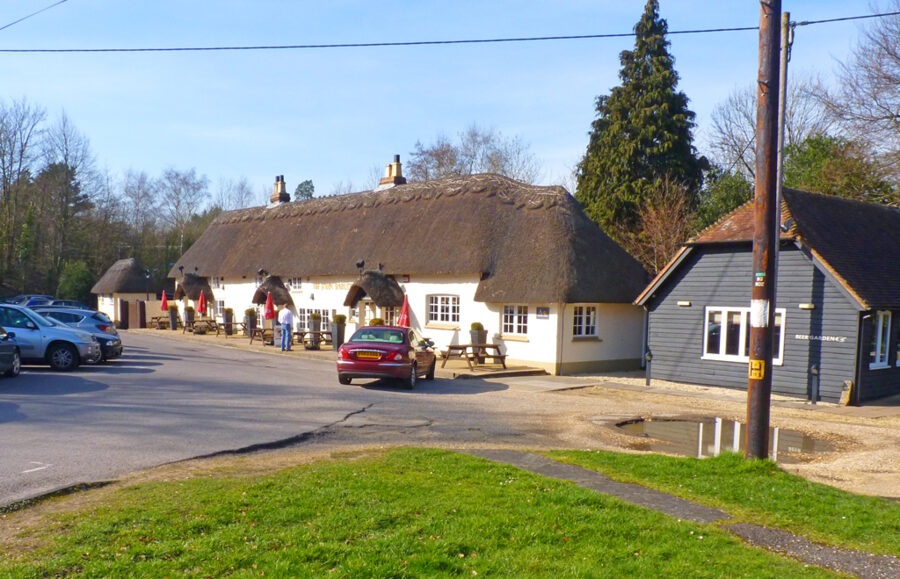
A hundred yards away, the Bell Inn dates from 1782 and is now more country hotel than pub, with 28 bedrooms and two golf courses next door. At Cadnam, the Sir John Barleycorn is a long, low thatched building made out of three cottages and possibly the oldest pub in the Forest, a Fuller’s house with HSB and modern pub food.

Fritham
The Royal Oak at Fritham is a small pub at the end of a lane in the north of the Forest, with a working farm on its doorstep, and it is the one New Forest pub I would drive an hour for. It has three small rooms with old beams and two big fires, six mostly local cask beers including its house beer from Bowman, and two real ciders on tap. It has been in CAMRA’s Good Beer Guide for more than fifty years.
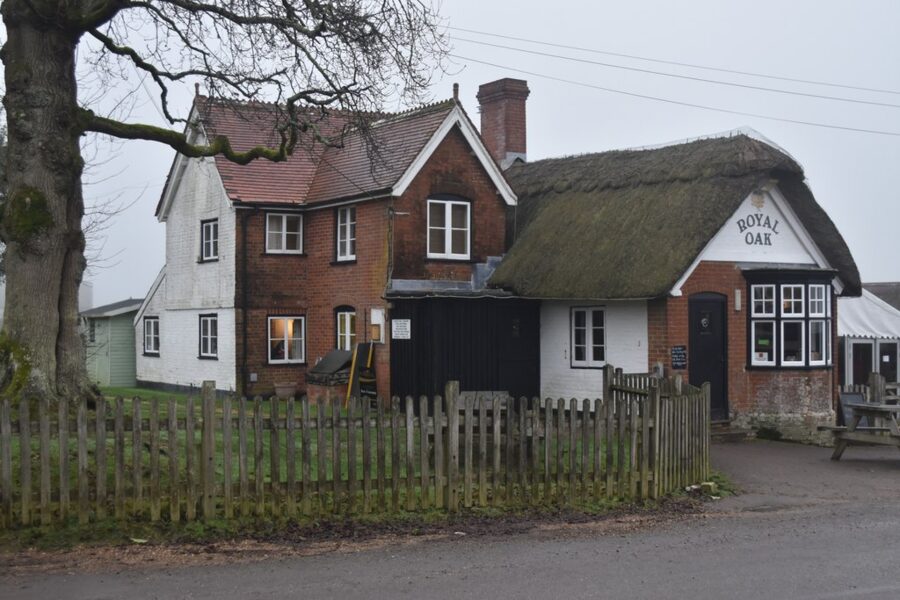

Food is lunch only, 12:00–15:00: home-made pork pies, quiche and the best ploughman’s lunch in the county. A pizza van calls on Thursday evenings and a fish and chip van on alternate Saturdays. The pub is closed on Mondays and Tuesdays. In the field next to the garden there are shepherd’s huts to stay in.
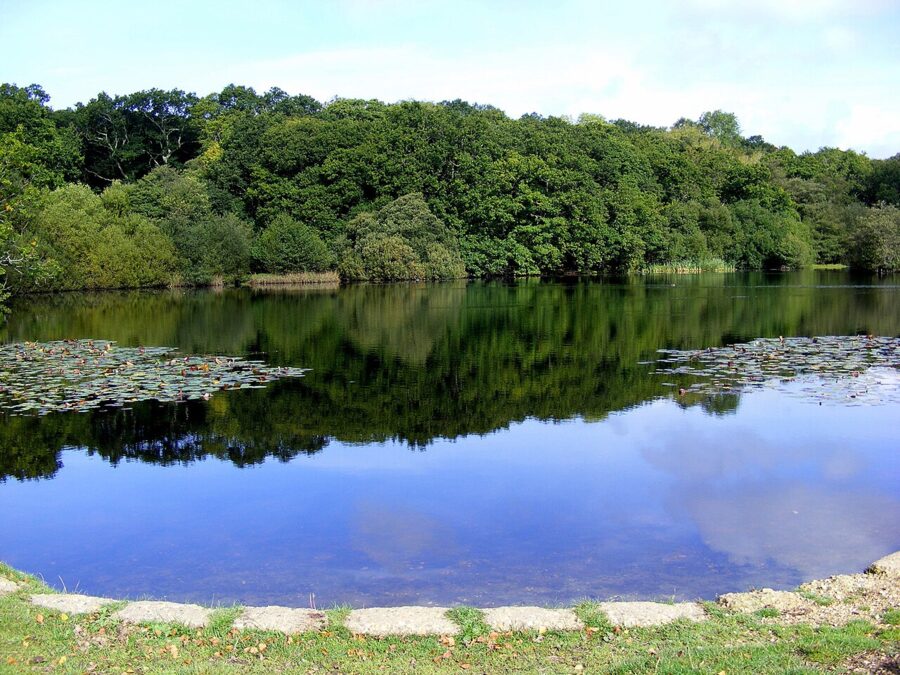
Eyeworth Pond, a short walk north-west, once served a gunpowder factory, and the woods around it are among the quietest in the Forest. Park in the Forest car parks rather than the lane, and watch for potholes.

Minstead, Emery Down and Bank
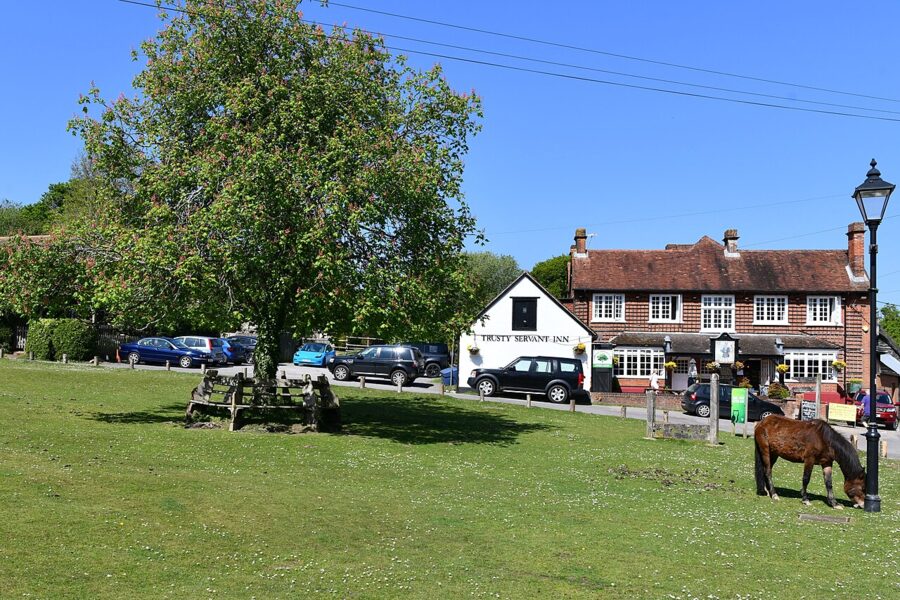
Around Lyndhurst, three pubs make a good afternoon. The Trusty Servant at Minstead is a Victorian pub built by Winchester College; the sign copies a painting at the college of the trusty servant, a creature with a pig’s snout, a padlocked mouth and a deer’s feet that stands for the virtues of a good servant. Sir Arthur Conan Doyle is buried at All Saints nearby. Inside are wood floors, four wood burners and Ringwood and Flack Manor beers.

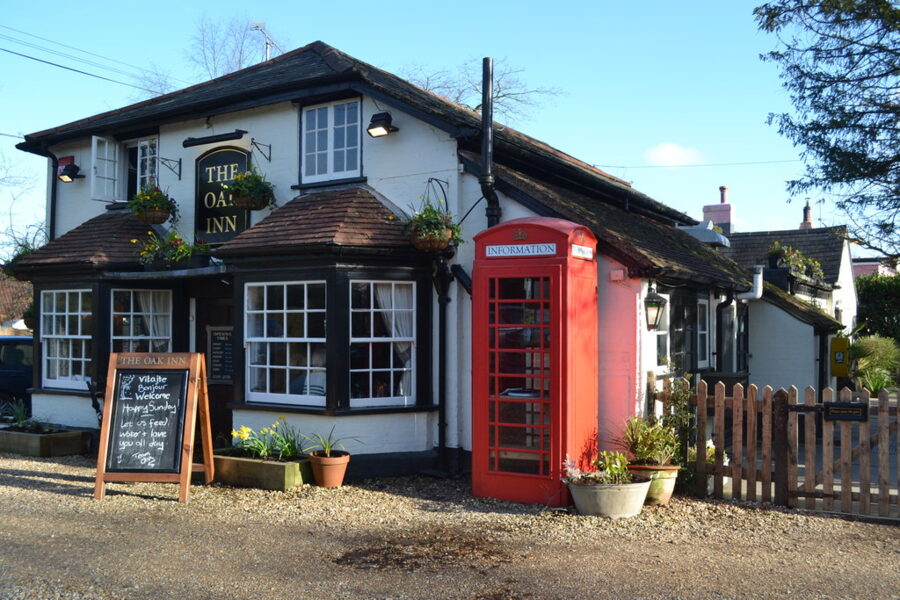
At Emery Down, the New Forest Inn is a roomy pub on several levels with a sloping garden in the trees and four rooms to let. At Bank, a mile south-west of Lyndhurst, the Oak Inn is a small Fuller’s pub with a red phone box outside, ponies on the verge and a menu strong on game and seafood. Its beer is pulled from taps set into old cask ends. Book if you want to eat.

Linwood and Godshill
On the western edge of the Forest, near Ringwood, two pubs sit in the woods a short walk apart. The High Corner Inn began life as a pig farm and is now a rambling Butcombe pub at the bottom of a gravel track, with rooms, stabling for horses and a big beer garden in the trees. The Red Shoot, a Wadworth house, opened in 1964 in an old farmhouse and once had its own small brewery behind a window at one end of the bar. A circular walk of about six kilometres takes in both.
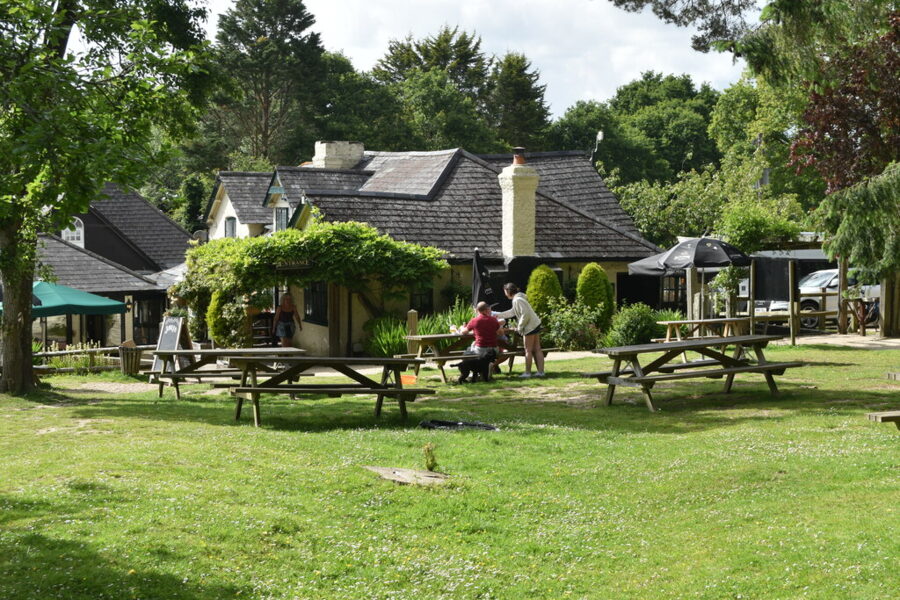

A kitchen fire closed the Red Shoot briefly in October 2026. The bar reopened the next day but the kitchen is shut for repairs, so it is drinks only until the pub says otherwise.
To the north, the Fighting Cocks at Godshill is a family pub on the edge of the Forest whose landlord is a master butcher, so the sausages and burgers are made on the premises. It keeps three changing cask beers and two real ciders on handpump.
The Hamble
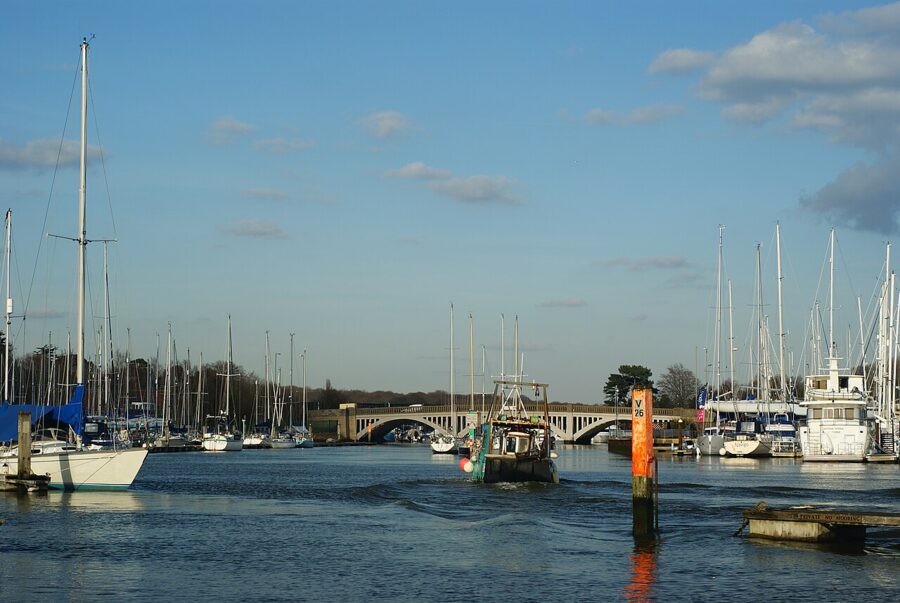
George Parsons launched the 74-gun HMS Elephant from his yard at Bursledon in 1786; fifteen years later she was Nelson’s flagship at Copenhagen. Today the short tidal river holds thousands of yachts, and its pubs are among the busiest in the county on a sunny Saturday.

Bursledon and Lower Swanwick
The Jolly Sailor sits on the water at Old Bursledon, signposted from the station a few minutes away. You reach it down a steep, narrow flight of steps, and it has a covered jetty for anyone arriving by boat. Parts are said to be four hundred years old, though the listing calls it eighteenth century. It became famous in the 1980s as the pub in the television series Howards’ Way, and a photograph of the cast proves it.
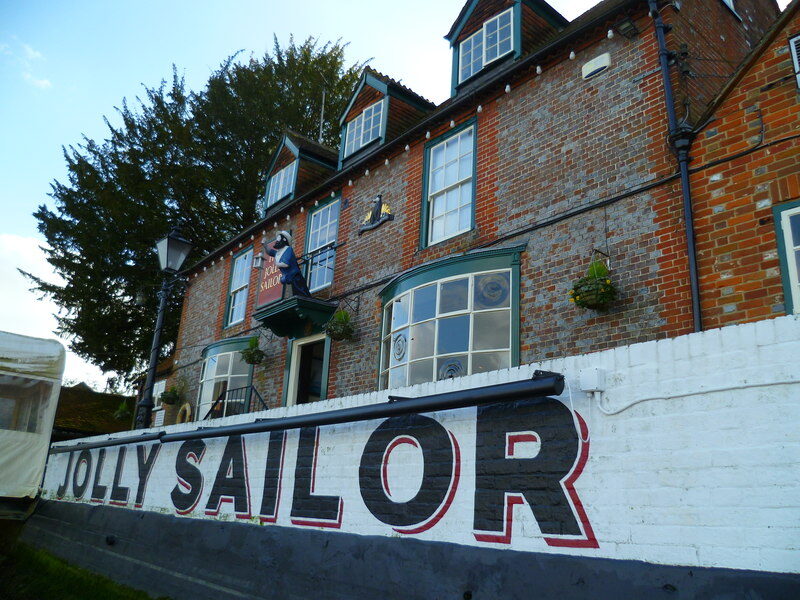

It is a Hall & Woodhouse pub with Badger Best, Fursty Ferret and Tanglefoot, and most rooms inside are set for dining. On a fine day take your drink to the terrace and watch the tide.
The Fox and Hounds is a short walk inland at Hungerford, on the edge of Bursledon. The Lone Barn stands behind it, an old timber barn that CAMRA’s local branch says was moved here in 1967 from Easton, near Winchester. The pub itself was made out of three sixteenth-century cottages and opened in the eighteenth century, by the same account to serve the iron smelters who made fittings for the shipyards on the river.
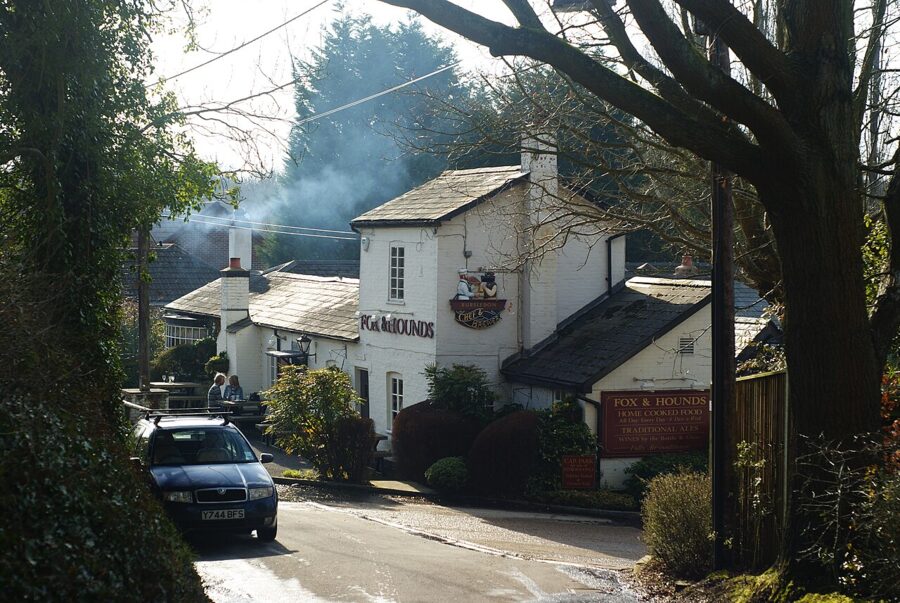

Today it is a Greene King Chef & Brewer house: big, beamed and food-led, on several levels, with a 10% cask discount for CAMRA members. It opens at 09:00 on Fridays, Saturdays and Sundays for breakfast, food runs until 21:00 daily, and dogs are welcome in parts of the pub and garden. Bursledon station is about three-quarters of a mile away by footpath.
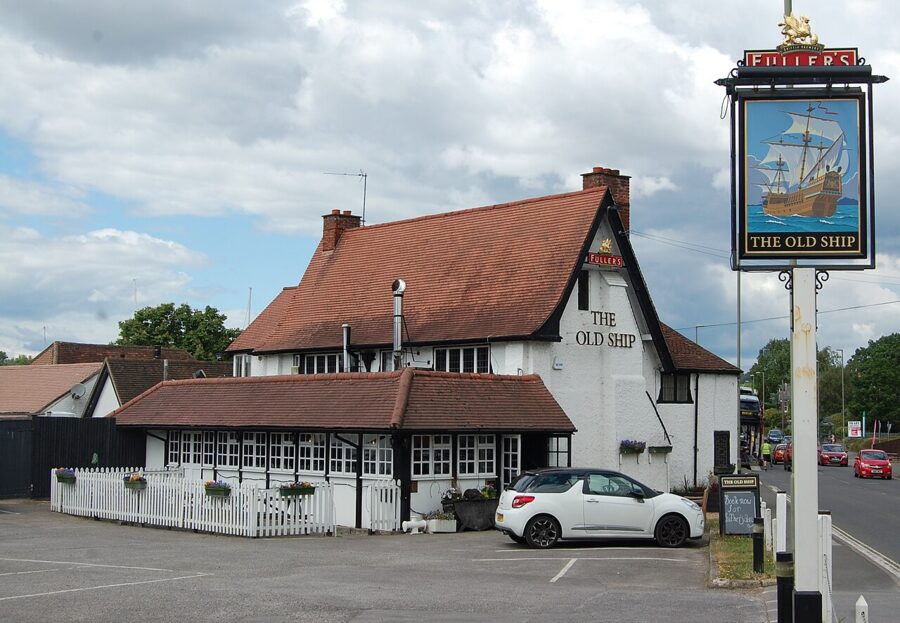
Over the A27 bridge, at Lower Swanwick, the Old Ship is a sixteenth-century Fuller’s pub full of nooks and different floor levels, with a red K6 phone box in the patio garden and free parking. The boatyards and marinas start almost at its door.
Hamble-le-Rice
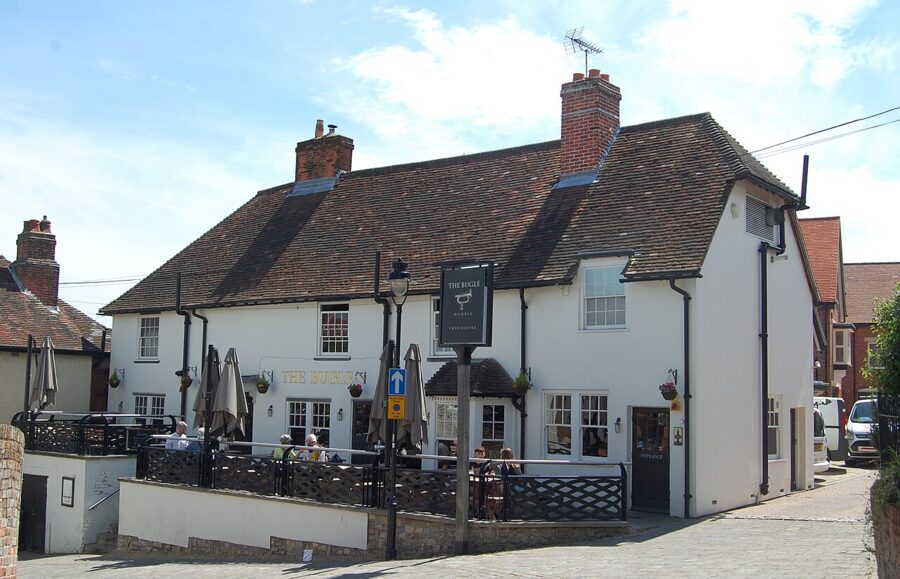
Hamble village runs downhill along a narrow High Street to the quay at the mouth of the river, and four traditional pubs line the way, all of them listed. The Bugle, by the quay, has a stone-flagged floor, brick and oak walls, and a terrace over the street. A campaign in the mid-2000s stopped a plan to turn it into flats, though the quayside bar and car park went to developers. It keeps a Ringwood beer, which these days comes from the Midlands.
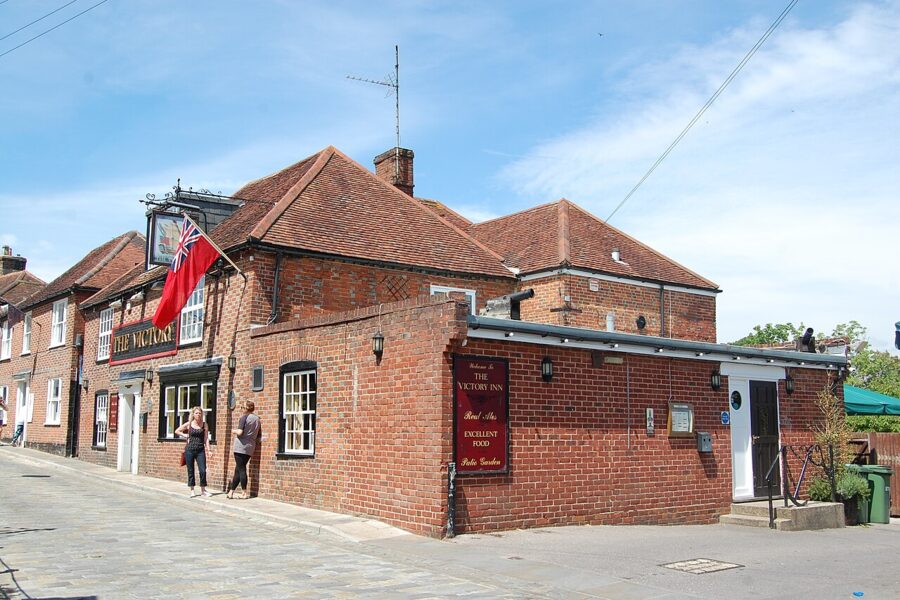
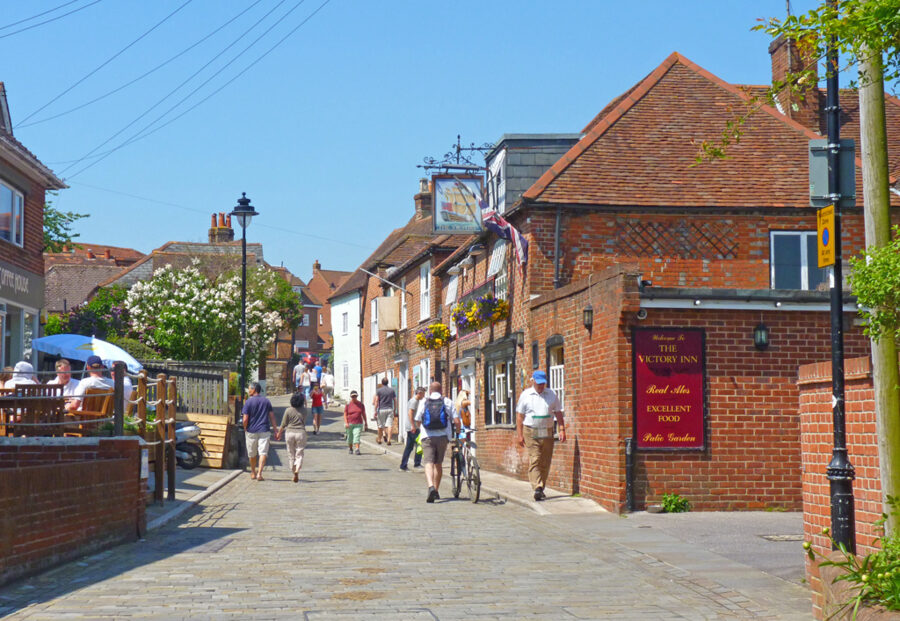
The Victory, the biggest of the four, has a sailing theme, a fine pencil drawing of HMS Victory and an upstairs dining room called the Poop Deck. The King and Queen is known to sailors as the Rum Pub; it has table service only and prices to match, so read the menu before you settle in.
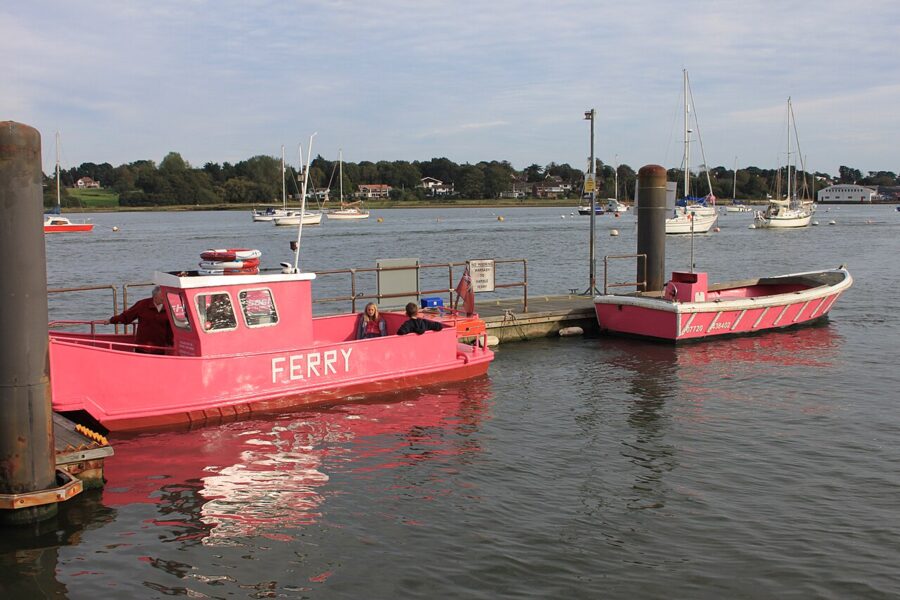
From the pontoon a small passenger ferry crosses to Warsash on demand: wait at the water’s edge and it comes over. It runs longer in summer and can be weekends only in winter.

Routes that link them
Winchester on foot
From the station, take the Fulflood Arms after 16:00 and the Hyde Tavern after 18:00, then head down the High Street for the Royal Oak and on to The Square for the Eclipse. From the cathedral close, walk out through Kingsgate to the Wykeham Arms for dinner.
The next morning, follow the path south through the water meadows beside the Itchen to St Cross. Keats walked it in the autumn of 1819, and it takes about half an hour. Ask for the Wayfarer’s Dole at the porter’s lodge, have lunch at the Bell, and walk back by way of the Queen Inn.
The Hangers Way: Selborne to Petersfield
The Hangers Way runs for 21 miles from Alton station to Queen Elizabeth Country Park. The best day takes in only part of it: start at Selborne (about four miles from Alton station along the Way, or a taxi), climb the zigzag, and walk south through the hangers to Hawkley and on to Steep. Finish at the Harrow, then walk the last half hour or so into Petersfield for the train to London.
Time it for the Harrow: it shuts at 14:30 on weekdays and 15:00 at weekends, and opens only some evenings.
The Forest by car and on foot
Have lunch at the Royal Oak in Fritham (not on Mondays or Tuesdays), drive east to the Green Dragon at Brook, and finish at Minstead or Emery Down. Ashurst New Forest station is about three miles from Minstead, and in summer the New Forest Tour bus stops at Longcross, a mile and a half from Fritham. For a walking day, park at Linwood and do the loop past the High Corner and the Red Shoot.
The Hamble by train and ferry
Take the train to Bursledon and walk down to the Jolly Sailor, then follow the footpath inland to the Fox and Hounds. Back at the station, cross the A27 bridge to the Old Ship. From there, make your way down to Hamble-le-Rice by bus or taxi, have the last pint at the Bugle or the Victory, and take the ferry over to Warsash. Hamble station is about 25 minutes’ walk from the High Street.

Hours, food, rooms, dogs and parking
Hours. Most Winchester pubs open all day, but the Hyde Tavern waits until 18:00 on weekdays. In the country the Bush Inn, the Harrow and the George at East Meon close in the afternoon, the Hawkley Inn and the Royal Oak at Fritham are shut early in the week, and village pubs often close at 19:00 or 20:00 on Sundays.
Food. Country kitchens often stop at 14:30 or 15:00 at lunch and between 20:00 and 21:00 at night, earlier on Sundays. Book for dinner on the Test and the Itchen, and for Sunday lunch everywhere.
Paying. The Harrow at Steep takes cash only. The Old Vine and the Tichborne Arms take cards only. Carry both.
Rooms. The Wykeham Arms and the Old Vine in Winchester, the Three Cups and the Peat Spade in the Test Valley, and the Bell at Brook, the New Forest Inn and the High Corner in the Forest all let rooms; Fritham has its shepherd’s huts.
Dogs. Most country pubs here welcome dogs in the bar, and the Forest pubs expect them. Keep them on a lead in the Forest; the ponies and cattle do not like being chased, and neither do their owners.
Parking. The Harrow and the Jolly Sailor have very little; use Bursledon station’s free car park for the second. In the Forest, use the Forestry England car parks rather than the verges.
The best order for a first visit is the Wykeham Arms on a weekday afternoon, the Harrow for lunch, and the Royal Oak at Fritham when the sun is out. Order whatever Flower Pots or Bowman beer is on, ask what is coming next, and take the train home from Winchester.