
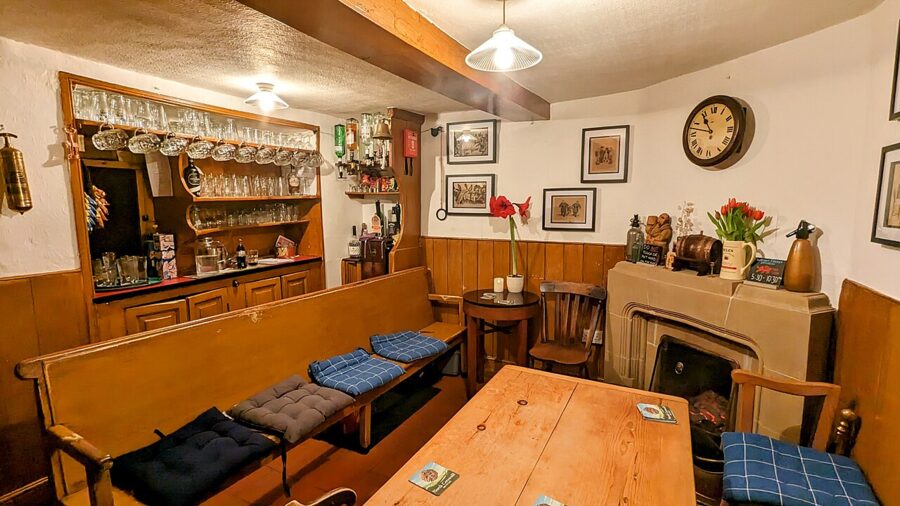
There is no bar at the Red Lion in Ampney St Peter. You stand in a small room with a tiled floor and benches round the walls, ask for a pint, and it is handed to you over the back of a long wooden settle from the space where any other pub would put a counter. Drinkers in the second room order through a hatch. CAMRA counts only a handful of pubs left in England that work this way, and this one is a few minutes’ drive from Cirencester.
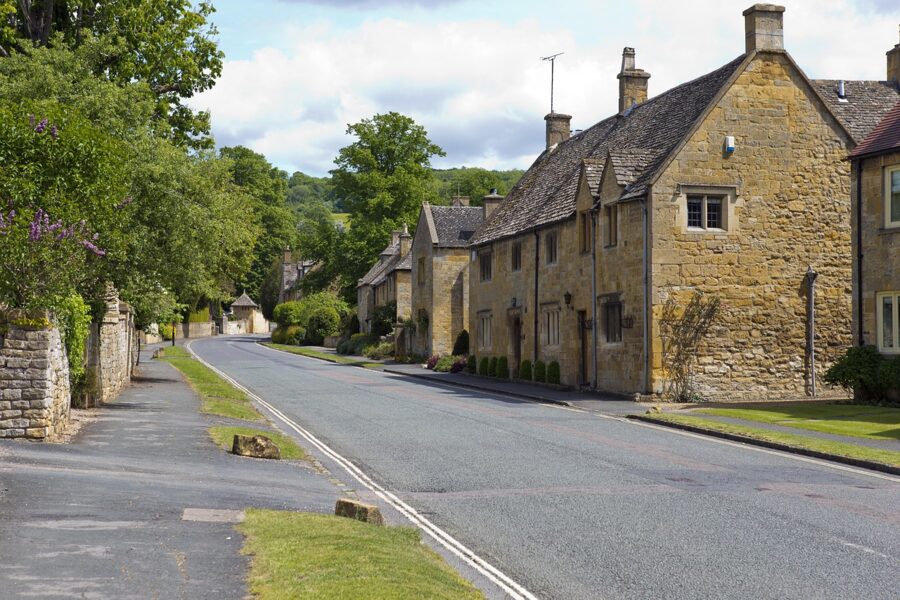
That is the other Cotswolds. The famous one is a honey-coloured village with a pub that has become a restaurant with rooms, a venison haunch on the menu and a car park full of London plates. Plenty of those are very good, and some still keep a proper bar by the door. But the reason to drive the lanes here is that the old kind of village pub has survived alongside them: two-room locals pouring beer from a brewery a few miles away, flagstones worn into dips, a sign that has hung in the same place for a century.
This guide runs south to north: Castle Combe on the Wiltshire edge, the Stroud valleys, the country round Cirencester, then Stow, the Slaughters, Chipping Campden and the Oxfordshire villages over the border. Every pub named was trading in autumn 2026. Where a pub the old directories still list has gone, I say so plainly.

On this page
- What the Cotswolds drink
- Castle Combe and the By Brook
- The Stroud valleys and the escarpment
- Cirencester, the Ampneys and the Coln valley
- Stow-on-the-Wold and the Donnington villages
- Chipping Campden and the northern edge
- Over the border: Hook Norton, Bledington and Burford
- Walks and drives that link them
- Practical notes: hours, food, rooms and dogs
What the Cotswolds drink
Two old breweries still shape what comes out of the handpumps here. Between them they own a large share of the unspoilt village pubs north of Cirencester, and their beers are cheap by local standards, which in a region of £20-plus mains is worth knowing. If cask beer is new to you, start with my real ale explainer; nearly every pub below serves it.
Donnington: a brewery in a mill
Donnington Brewery sits in the Dikler valley below Upper Swell, a couple of miles from Stow-on-the-Wold, in a mill first recorded in 1291. Thomas Arkell, a local farmer, bought it in 1827, and his grandson Richard started brewing there in 1865. The water wheel still drives pumps and machinery.
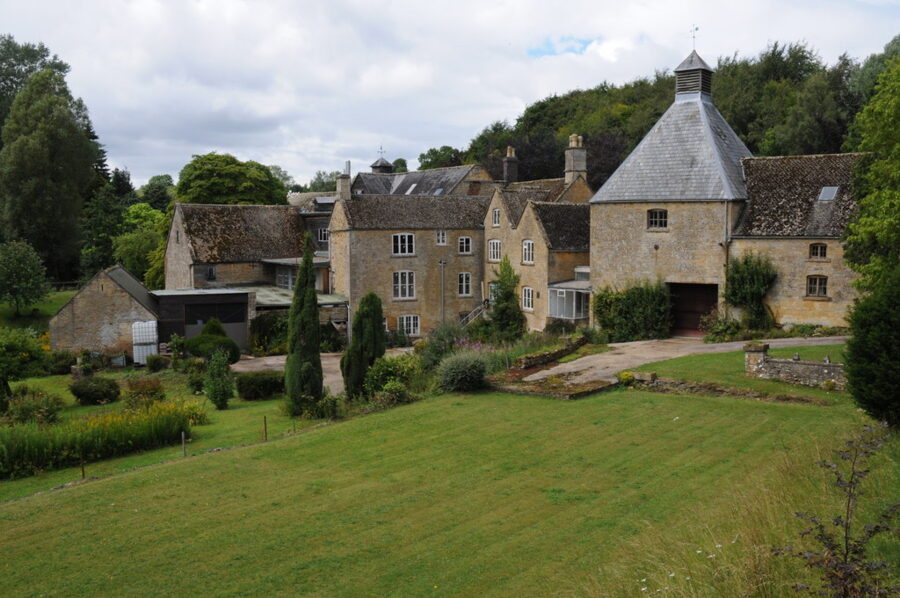

Claude Arkell ran it until his death in 2007 and left it to his cousins, who also run Arkell’s in Swindon. The beers are few and unflashy: BB, a 3.6% bitter; SBA, a 4.4% best; and Cotswold Gold. You will find them in about twenty tied pubs, almost all within a short drive of the brewery, and spotting a Donnington sign is the most useful thing you can do when choosing a pub in the north Cotswolds.
Hook Norton and its steam engine
Hook Norton, over the Oxfordshire line north of Chipping Norton, is the other one. John Harris bought a farm with a malthouse there in 1849, and the brewery dates its first commercial brew to November 1856. The six-storey Victorian tower brewery standing today finished a rebuilding begun in 1890; a 25-horsepower steam engine was installed in 1899 to drive its belts and shafts.
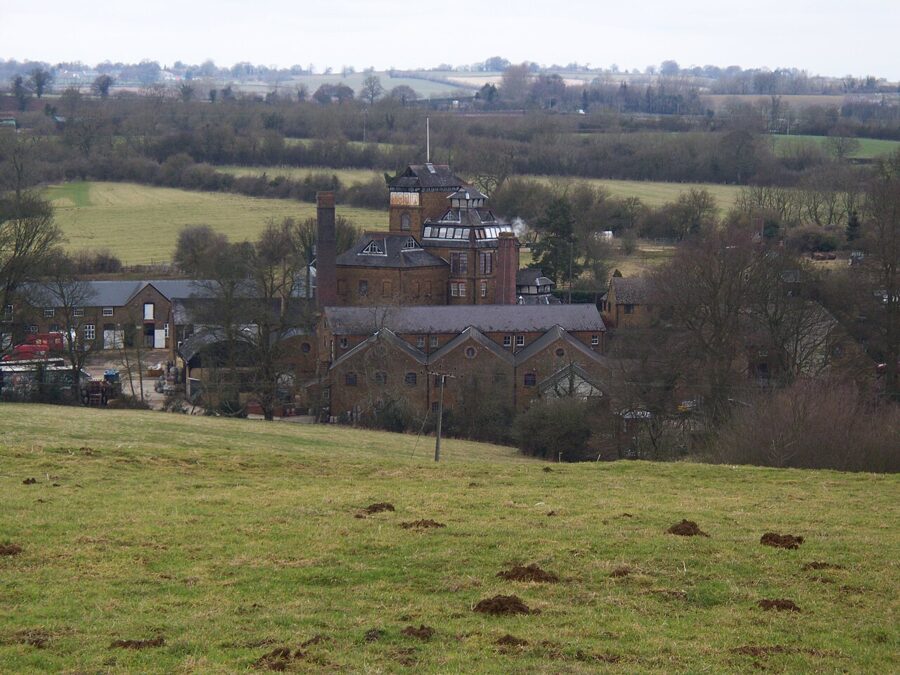

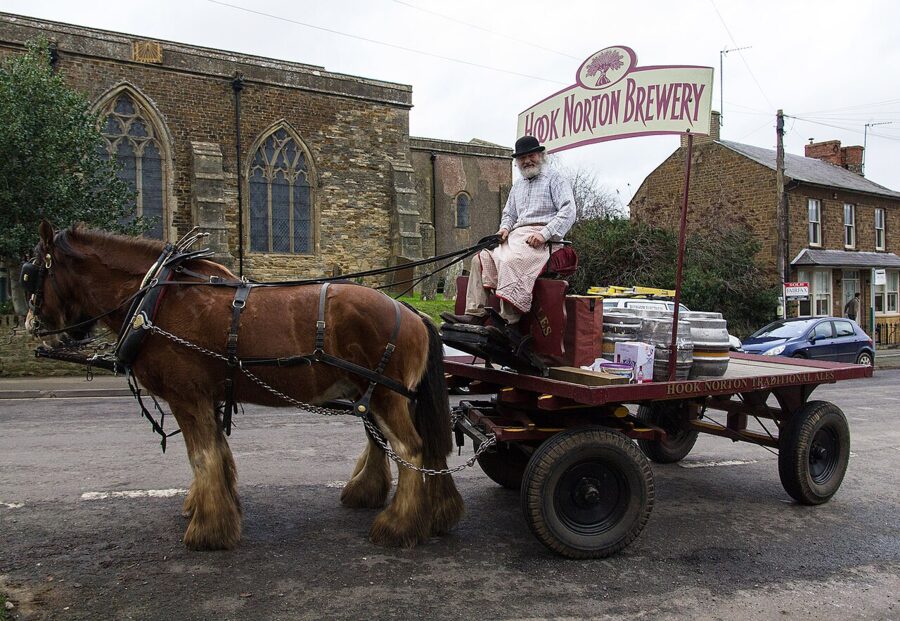
“Hooky” is the everyday bitter, Old Hooky the strong one, and Hooky Mild a 2.8% beer that tastes stronger than it is. The brewery stopped horse deliveries in 1950 and brought them back in 1985; its shires still deliver to pubs within about five miles.

The newer brewers, and cider
Around them sits a ring of smaller breweries whose beers turn up as guests. Stroud Brewery, founded in 2006, brews only organic beer; Budding is named after Edwin Budding, the Stroud engineer who invented the lawnmower, and Tom Long after a local highwayman. North Cotswold Brewery at Stretton-on-Fosse makes Shagweaver and Windrush Ale, and Uley, which reopened an 1833 brewery in its village in 1985, is known for Old Spot and the 5% Pig’s Ear.
Cider is mostly a Severn Vale thing, made in the orchards below the western edge rather than up on the wolds, but many pubs on the hills keep a real cider in summer. My cider guide explains what to look for.
The bigger split is between drinking pubs and dining pubs. A good half of the famous names below make most of their money from food and rooms, and a table by the fire at 19:30 on a Saturday will be booked. That doesn’t make them bad pubs, but it changes how you use them: book for dinner, or go at four in the afternoon when the bar belongs to whoever walks in.
Castle Combe and the By Brook
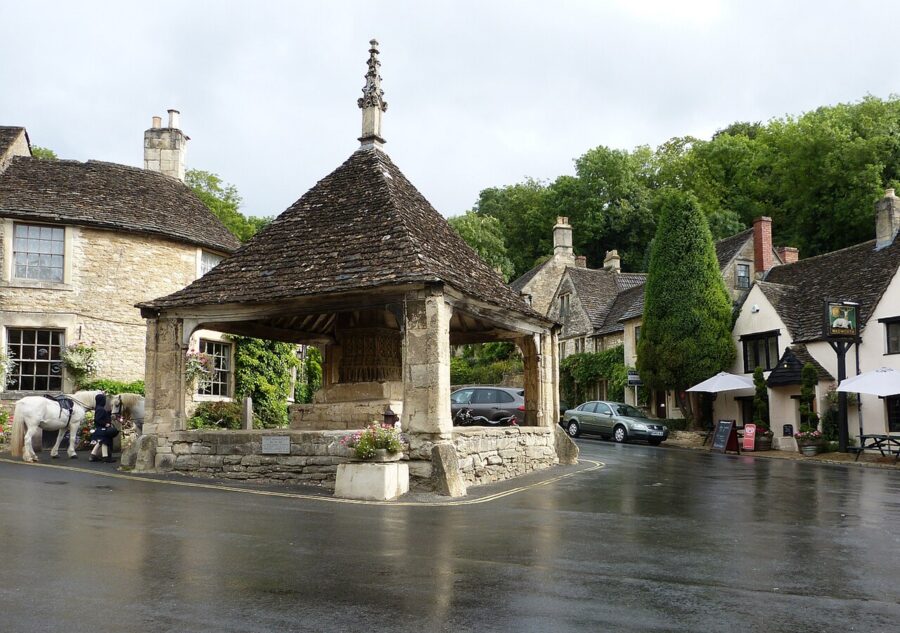
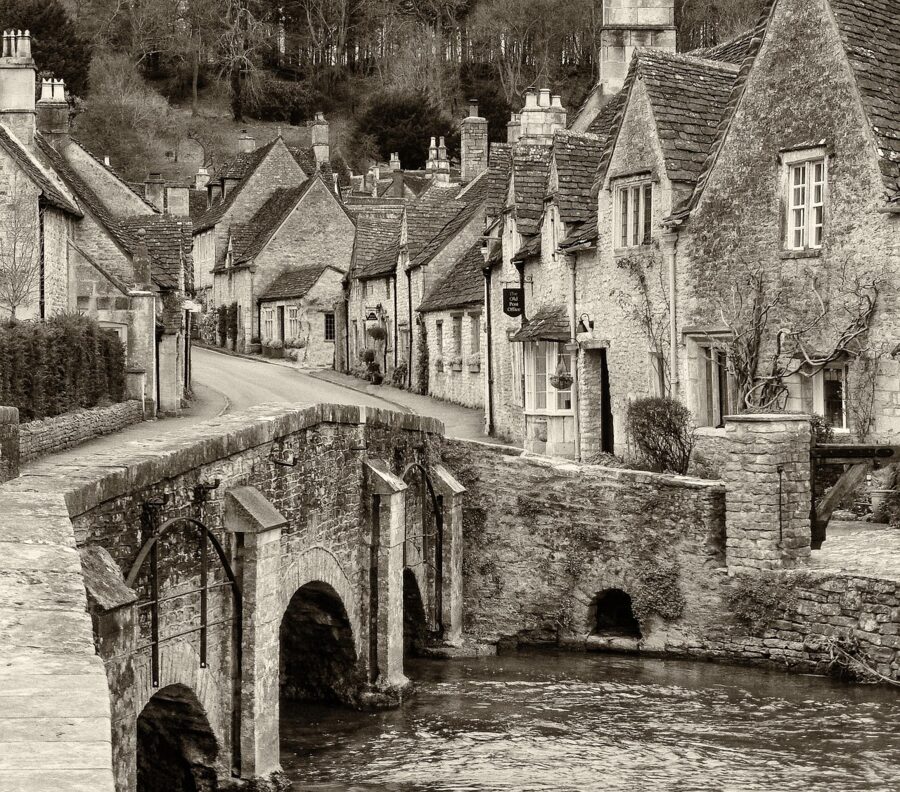
The southern Cotswolds end in a cluster of Wiltshire villages between the M4 and the Fosse Way, about twelve miles from Bath, and the most visited is Castle Combe. It is a single street of stone cottages running down to a bridge over the By Brook, with a market cross at the top, and it has been a film set more than once. It has two pubs on its tiny market place and several more within a short drive.

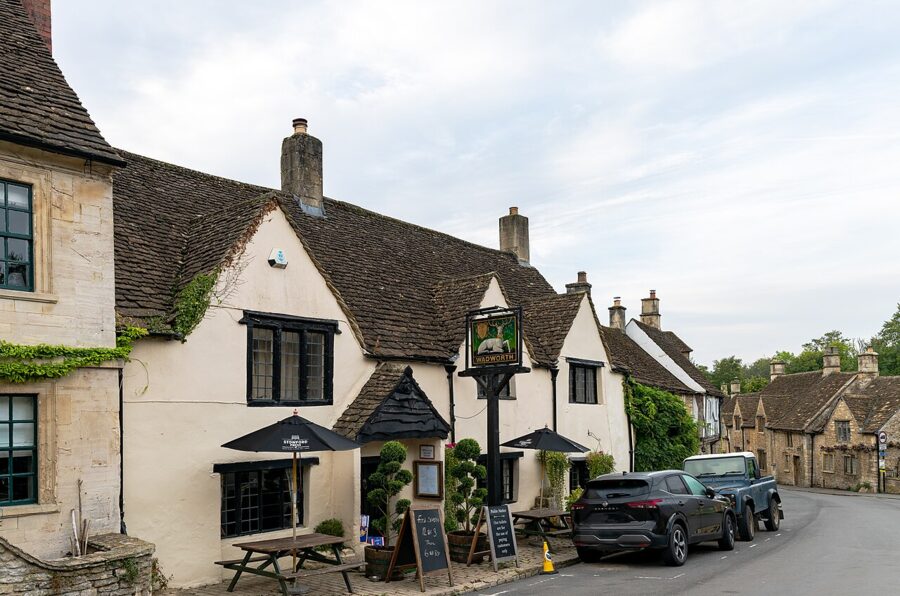
The White Hart
The White Hart is the village pub proper, a Wadworth house on the Market Place. The pub says fourteenth century; Historic England lists the building at Grade II and dates it to the seventeenth, and I’d trust the listing. It reopened under new management in October 2026, so give the new team a little time before judging the kitchen.
Expect Wadworth 6X and Henry’s IPA on cask, with two changing beers. CAMRA’s listing gives the bar from 09:00 and food from 11:30 to 14:30 and 17:00 to 20:30 on weekdays, all day on Saturday, and until 18:00 on Sunday; Wadworth lists it as dog friendly. The courtyard garden at the back is where you want to be when the coaches are in.
The Castle Inn
Across the square, the Castle Inn is more hotel than pub: twelve bedrooms, a dining room, and a menu that has been named among the Top 50 Gastropubs. It claims a twelfth-century origin, which you should treat the way you treat every such date round here. Non-residents are welcome in the bar; CAMRA notes that it takes cards only and that summer weekend evenings need booking.
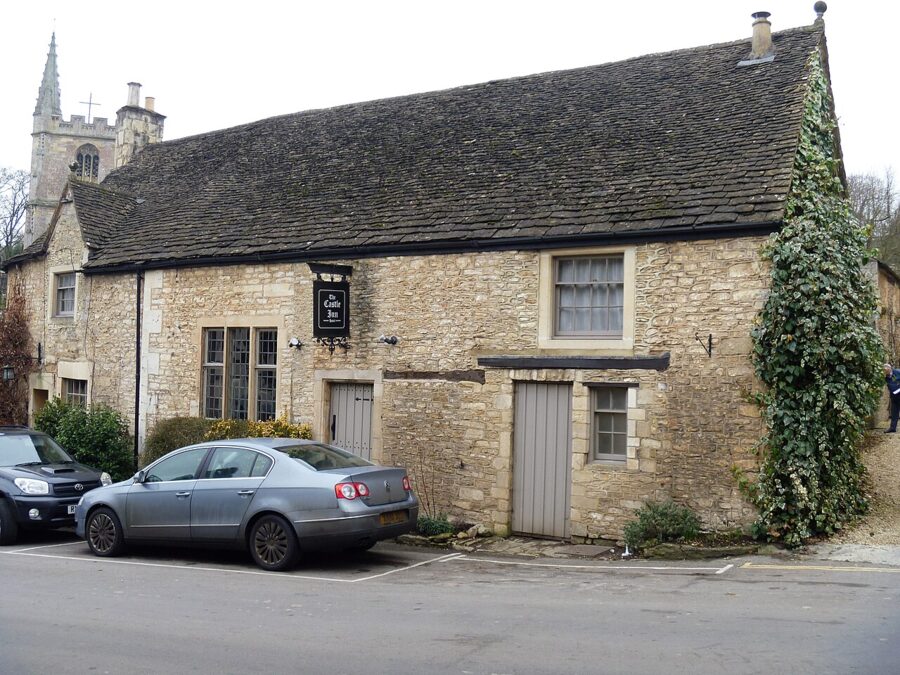

My advice for Castle Combe is simple: come early or late. By eleven on a summer morning the village is full of people photographing the bridge, and both pubs feel the strain. A drink at the White Hart at opening time, a walk down to the brook, and lunch somewhere quieter beats queueing for a table on the square.
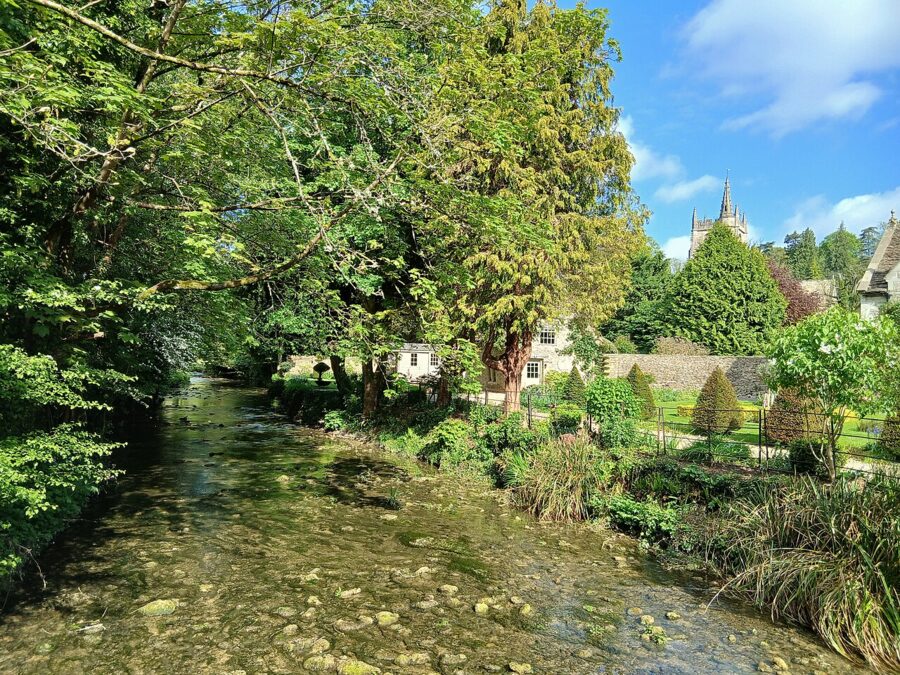

The Salutation at The Gibb
A mile and a bit north of Castle Combe, on the B4039 at the hamlet called The Gibb, the Salutation is the pub I would send most people to. Historic England describes a turnpike inn at an old toll gate, probably raised by a storey around 1800 on an older core; the old stables are part of a restored tithe barn that serves as the restaurant. It is independent, has a big garden, and won a CAMRA Pub of the Year award in 2014.
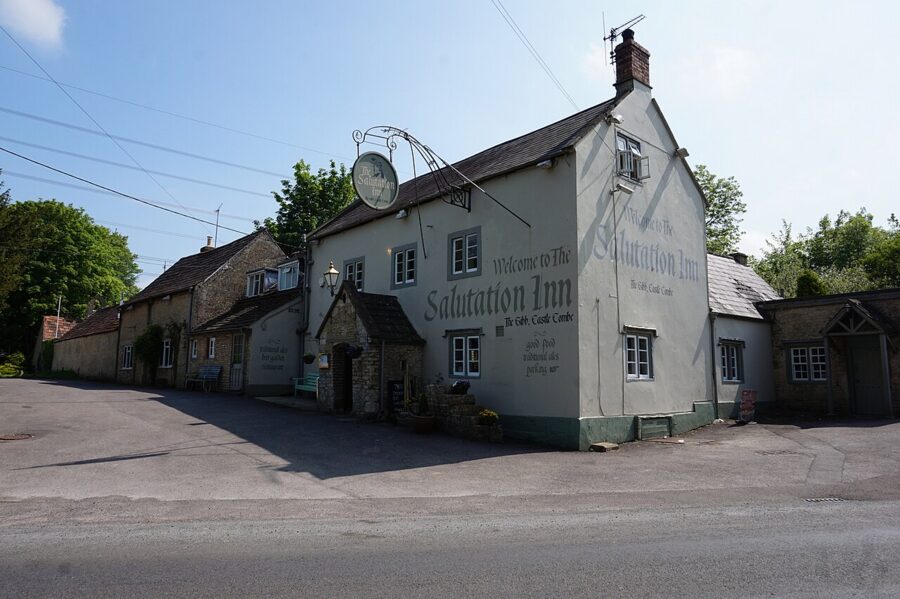

The beer changes: three guests, often including Bristol Beer Factory’s Fortitude, plus real cider. Food runs 12:00 to 14:30 and 18:30 to 21:00 Monday to Saturday, and to 15:00 at Sunday lunch; the autumn 2026 menu had beer-battered fish and chips at £18 and a sirloin at £32, with sandwiches at lunch. Dogs are welcome. Book for Sunday lunch, which is what most locals come for.
The Bell at Yatton Keynell
Two miles east on the old road to Chippenham, the Bell is a big, plain, comfortable village inn of the seventeenth century, listed Grade II. Stonegate owns it and it runs as a local: Sharp’s Doom Bar is the regular, with a guest or two (Timothy Taylor Landlord often), and the menu is steaks, pies and burgers. The Faresaver 35 bus stops close by.
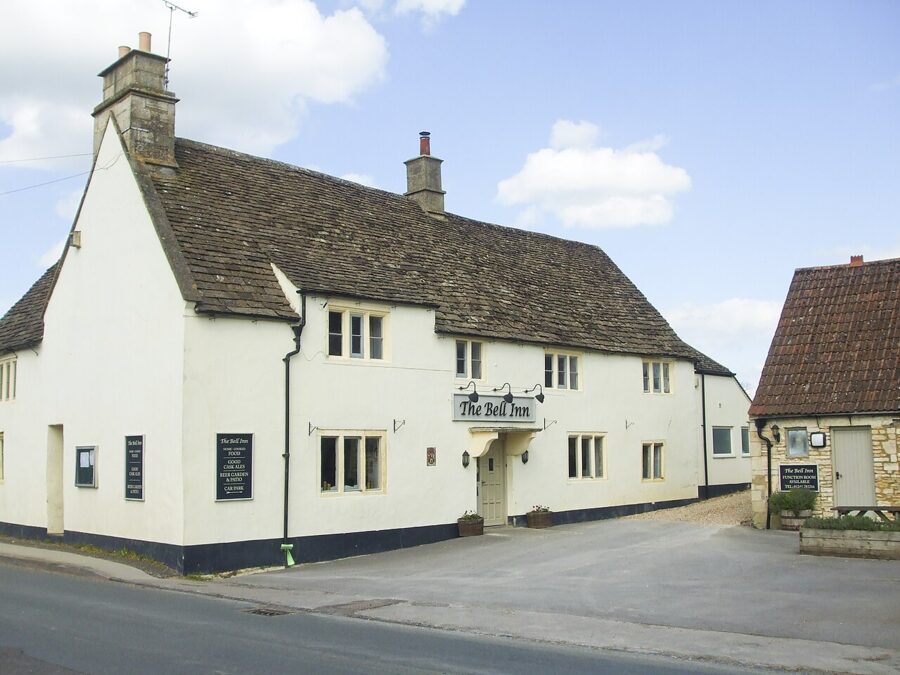

It does what a family wants without fuss: a large garden with chickens in it, a dog-friendly bar, parking, and 11:00 to 23:00 every day. It isn’t a destination, and doesn’t pretend to be. On a busy Saturday that is its appeal.
The White Hart at Ford
Down the valley, the hamlet of Ford has its own White Hart, a Young’s pub since a 2013 refurbishment. The garden runs down to the By Brook, and inside the main bar has small rooms off it and an original fireplace dated 1553. It is food-led, but the bar is a proper one.

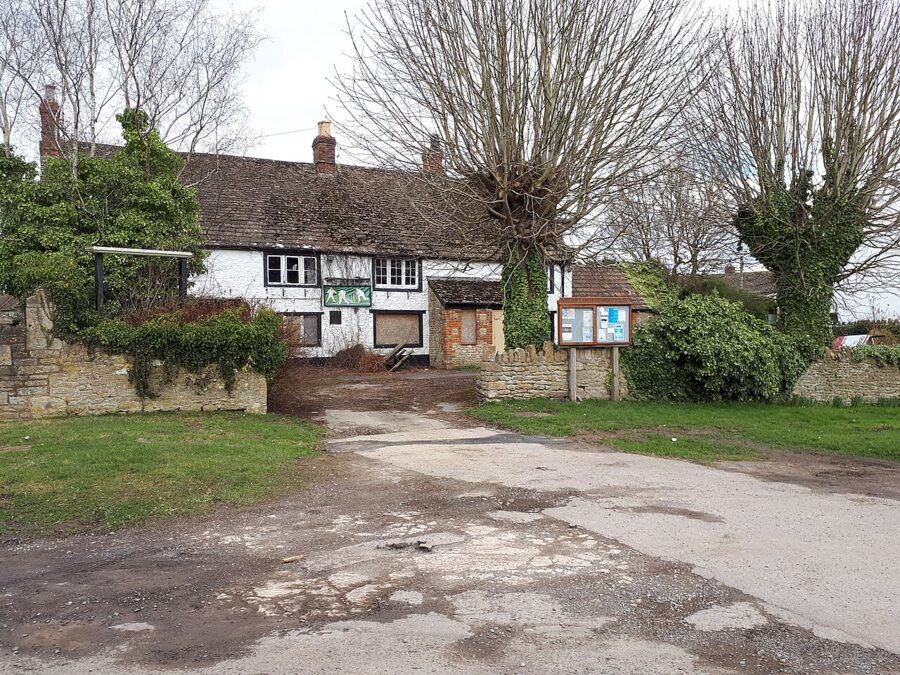
The Hit or Miss: closed
Kington Langley’s Hit or Miss, a two-room pub just off the A350 that the old directories still list, closed in July 2015. CAMRA records it as closed long term and marketed for sale by its owner; a community group raised pledges to buy it, but the village has not got it back. Don’t go looking for a pint there.

Grittleton, Sherston and Norton
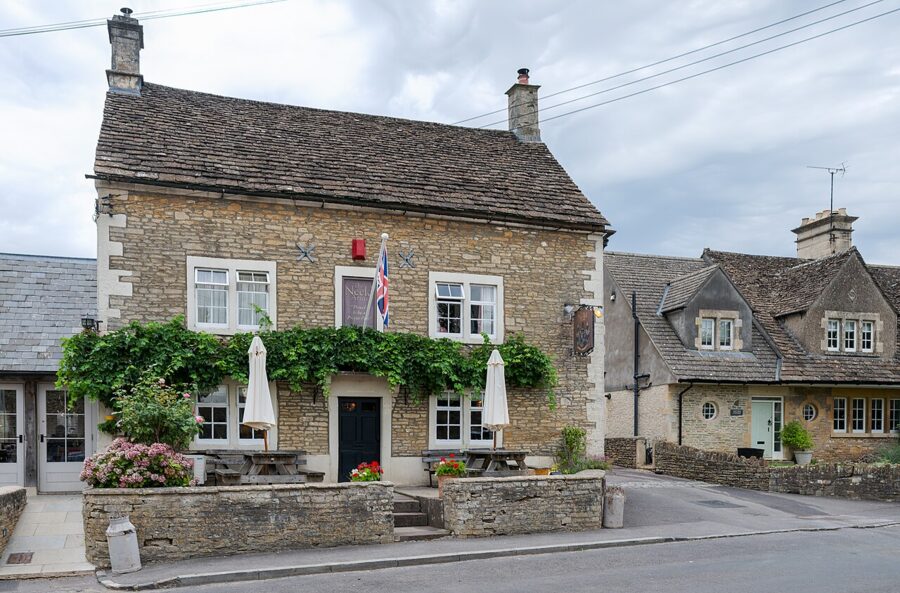
North of the M4 the villages get quieter and the pubs better for it. The Neeld Arms at Grittleton, about three miles from Castle Combe, is a listed stone inn with six bedrooms, a front terrace and a courtyard, part of a small group called Inn The Sticks; the beers are local and the food seasonal.

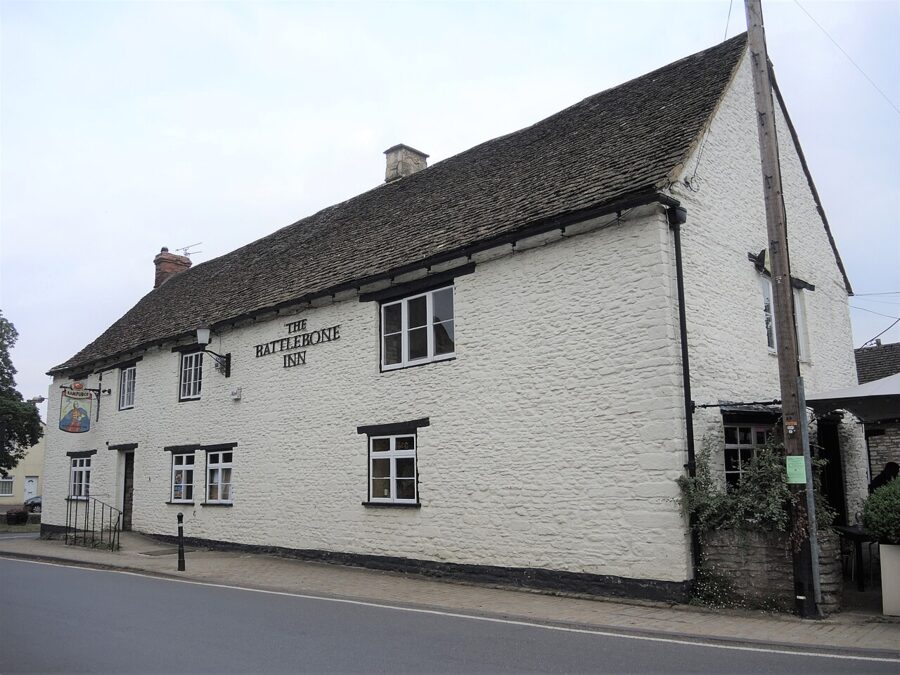
The Rattlebone at Sherston is the pick of this corner if you like a pub with games in it: a rambling seventeenth-century building with nooks off the bar, two gardens with boules pitches, and a skittle alley, and it is in CAMRA’s Good Beer Guide. The name comes from John Rattlebone, said to have fought the Danes here holding his wounds shut with a tile. The story is legend; the boules are real.

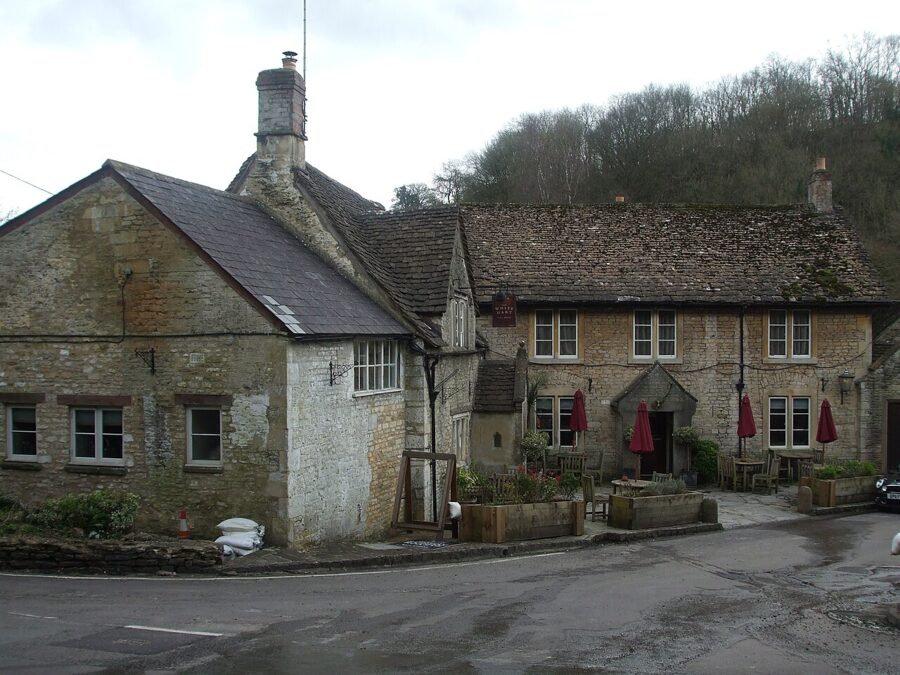
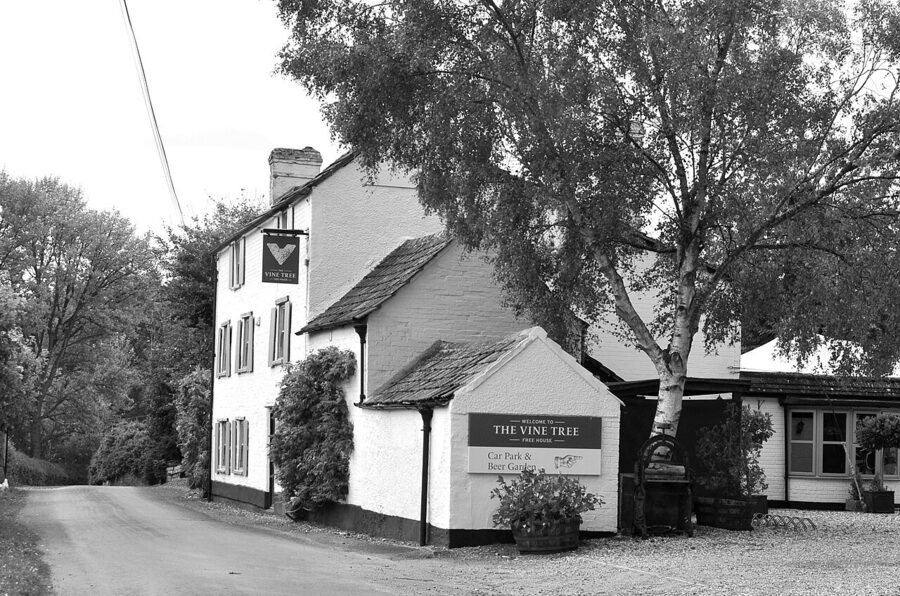
The Vine Tree at Norton, near Malmesbury, reopened in May 2024 under the people who run the Foxham Inn, and it is now very much a restaurant: CAMRA’s branch notes there is barely a seat for drinkers. The building is an old mill, and the pub’s story is that drinks were once passed out of the front windows to passing carriages. Go for dinner, and book.

The Stroud valleys and the escarpment
West of Cirencester the wolds break into steep wooded valleys running down to Stroud and its old cloth mills. The pubs here are smaller, steeper and more local than in the honeypot villages, and the Cotswold Way runs along the edge above them. This is Laurie Lee country.
The Woolpack, Slad
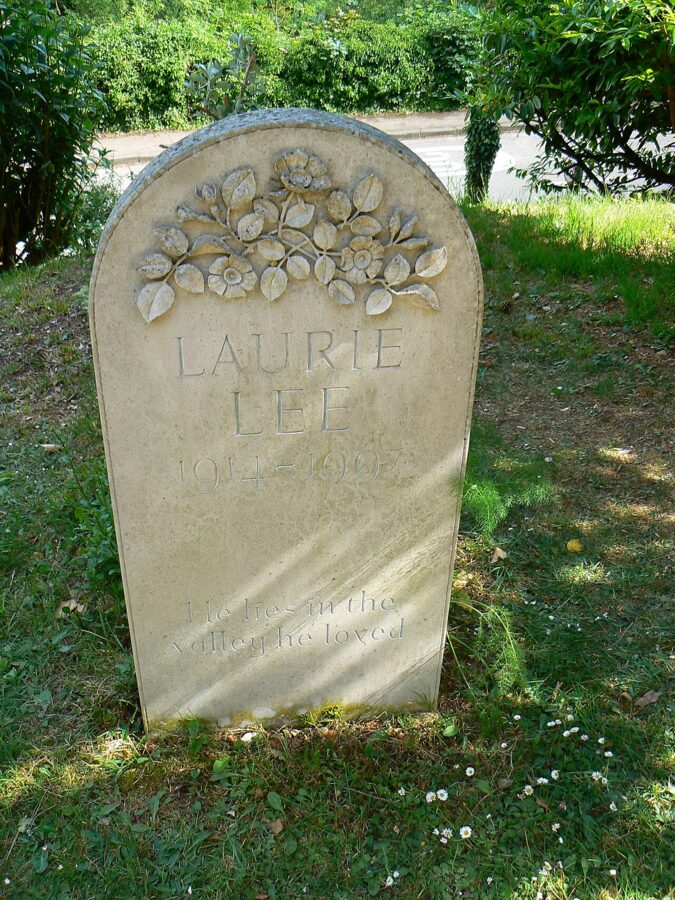
The Woolpack clings to the side of the Slad valley on the B4070, two miles up from Stroud. Laurie Lee, who grew up in the village and wrote it into Cider with Rosie, drank here for most of his life, helped keep it open, and is buried in the village churchyard. The pub keeps a cabinet of his books and a collection of his beer bottles.
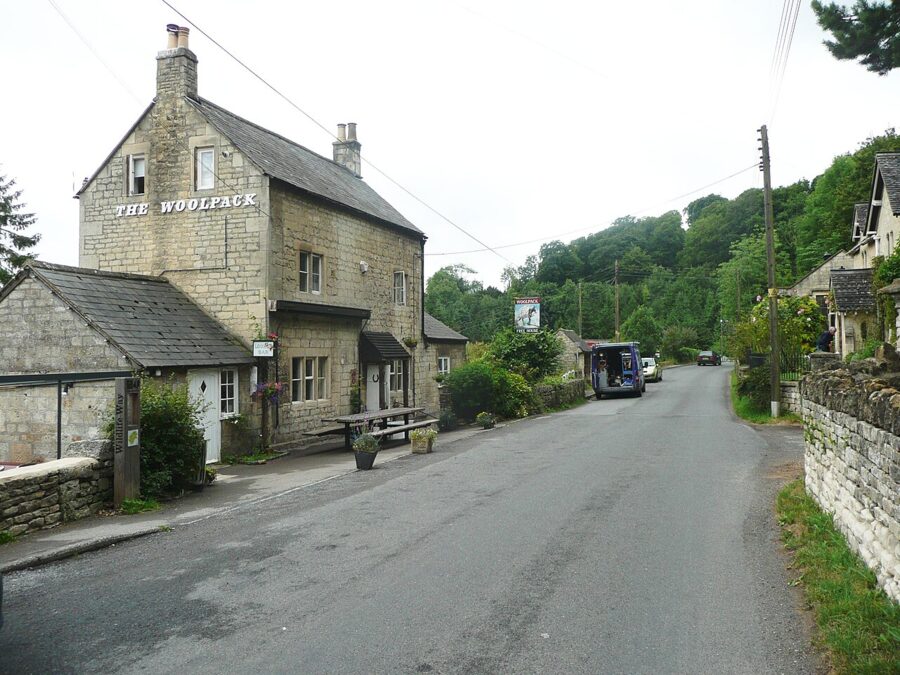

Inside, four small rooms are strung together with wooden settles, and it is also a serious food pub, listed again among the Top 50 Gastropubs for 2026. Stroud Brewery’s Budding is the regular beer. The bar opens at noon daily; food runs 12:00 to 14:30 and 18:00 to 21:00 Tuesday to Saturday, with Sunday lunch to 15:30 and no food on Mondays.

Book for food at any time. If you only want a pint and the view down the valley, a weekday afternoon is the moment, and walking up the lanes from Stroud is the right way to arrive.
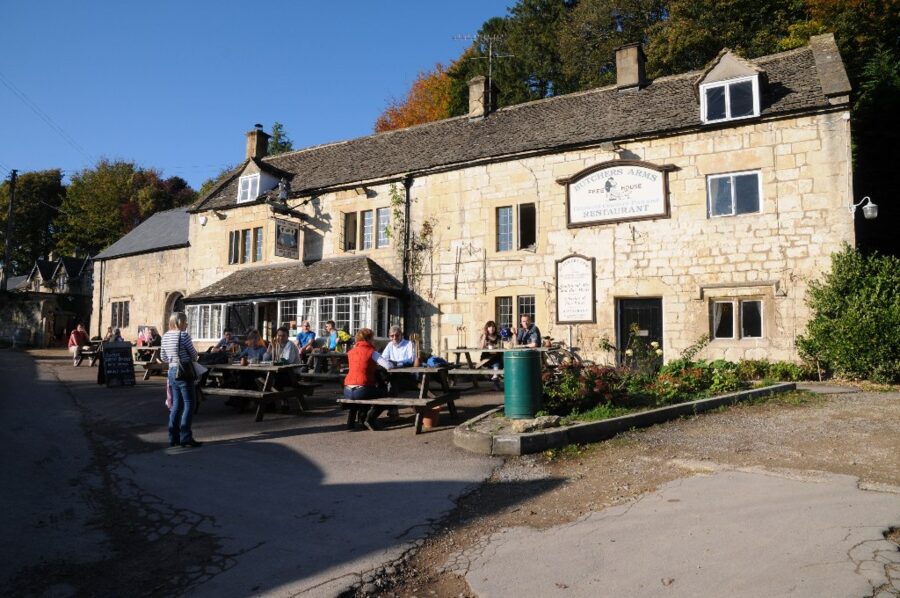
The Butchers Arms, Sheepscombe
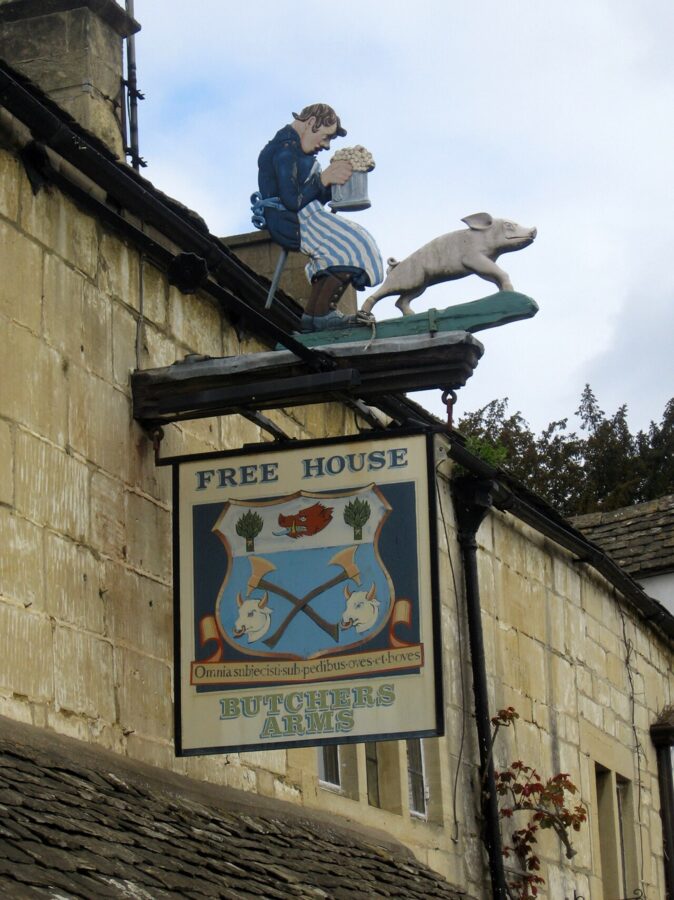
In the next valley, the Butchers Arms at Sheepscombe dates from about 1670 and has one of the best pub signs in England: a carved butcher with his pint, a pig tied by the leg to his chair. Local tradition says the name comes from deer butchered after royal hunts in the old deer park. The bar is small and divided by open woodwork, with snugs down a corridor and a 2014 extension in reclaimed stone.
It is in the Good Beer Guide, serves food from 12:00 to 14:15 and 17:30 to 20:15, and lets dogs in. There are two shepherd’s huts to stay in, named Annie and Rosie after Laurie Lee. Walk down to the village cricket ground, which slopes so badly that a batsman can’t see the bowler start his run.

Painswick and Bisley
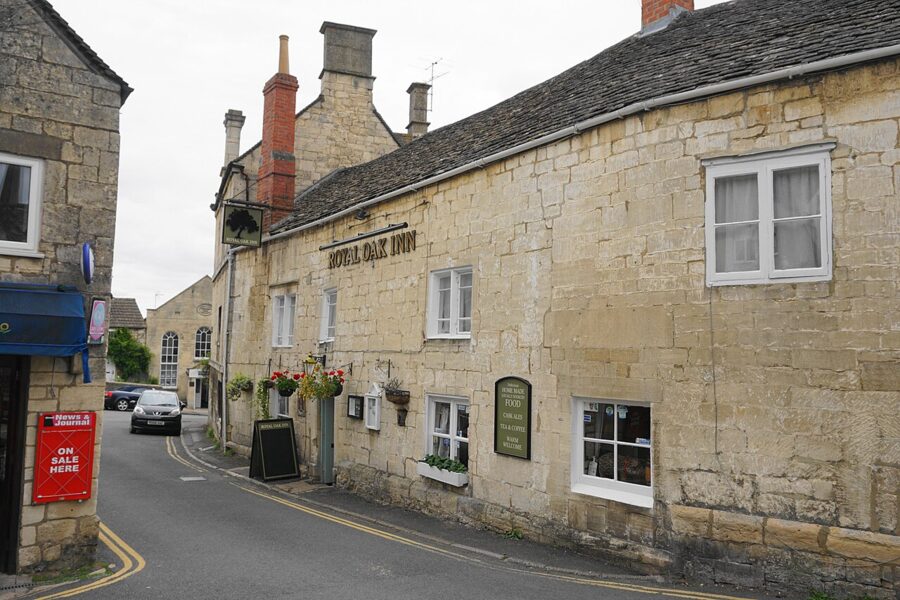
In Painswick, the Oak on St Mary’s Street used to be the Royal Oak, and before 1891 it was two inns, the Red Lion and the Royal Oak, knocked into one. It is a compact, friendly town pub with a wood burner, a courtyard full of old pub and brewery signs, and a loading door set high in the front wall. Park in the Stamages car park off the A46 and walk five minutes; the lanes are too narrow.

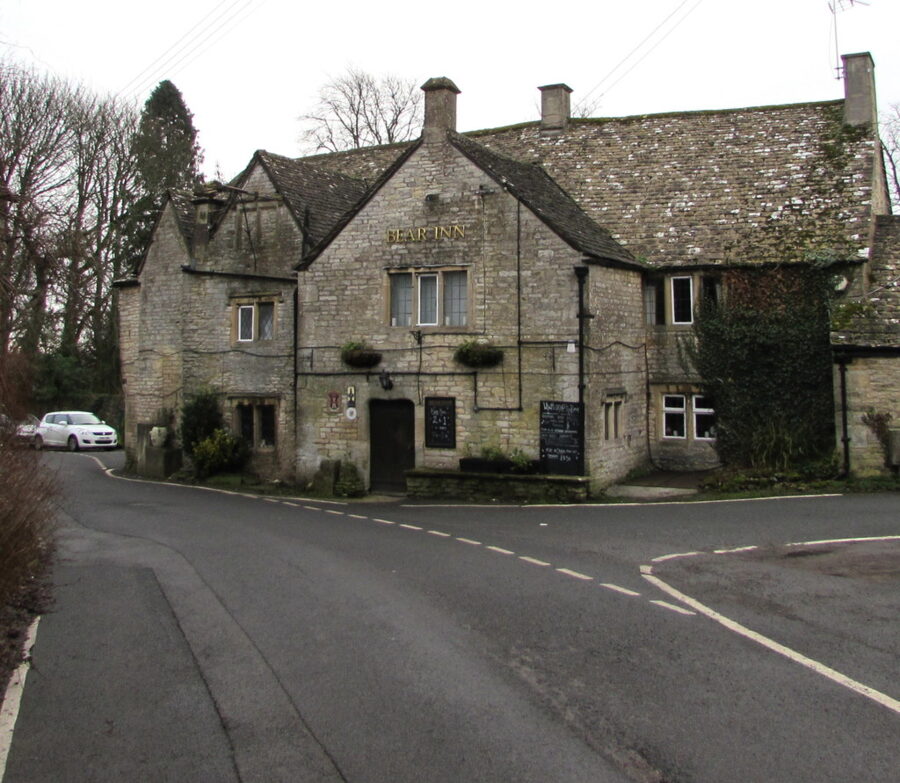
Bisley, high on the plateau east of Stroud, has the Bear Inn, a sixteenth-century building that was the village court house and was first recorded as a pub in 1631. Its upper floor stands on stone columns over the pavement, and inside are two huge fireplaces. It changed hands in March 2025; Timothy Taylor Landlord is the regular beer.


Sapperton: the Daneway and the Bell
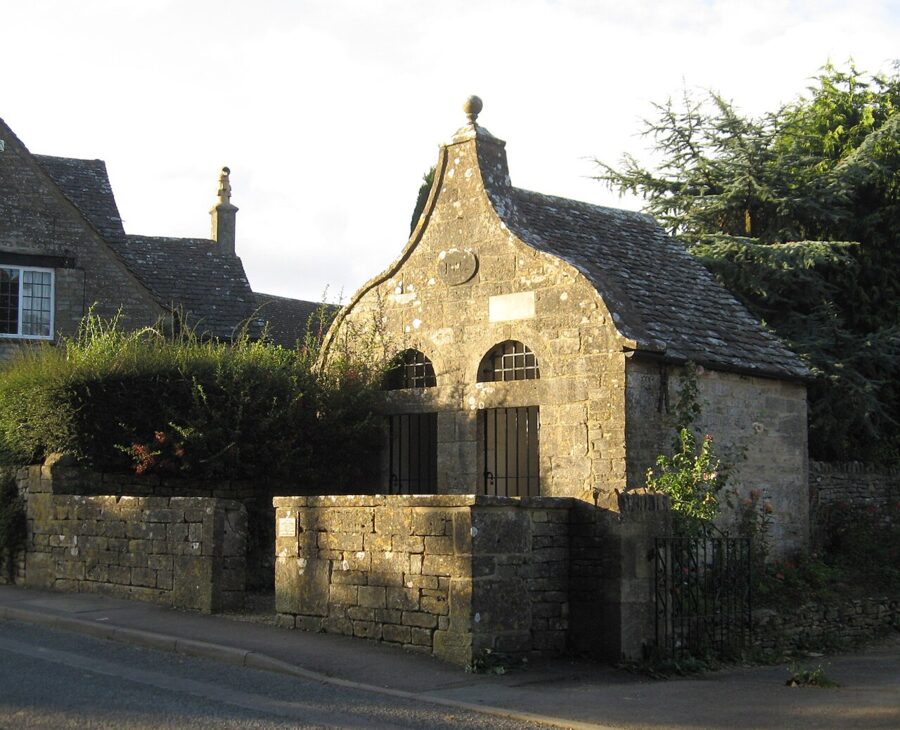
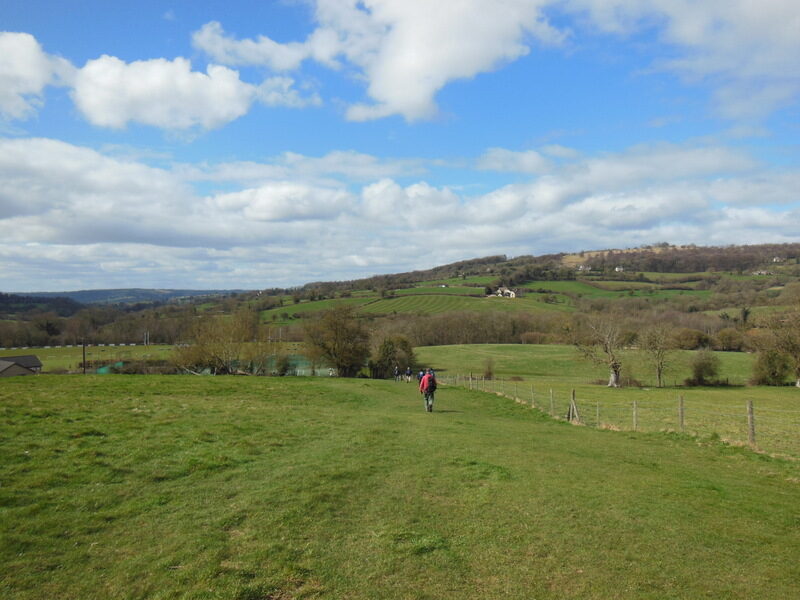
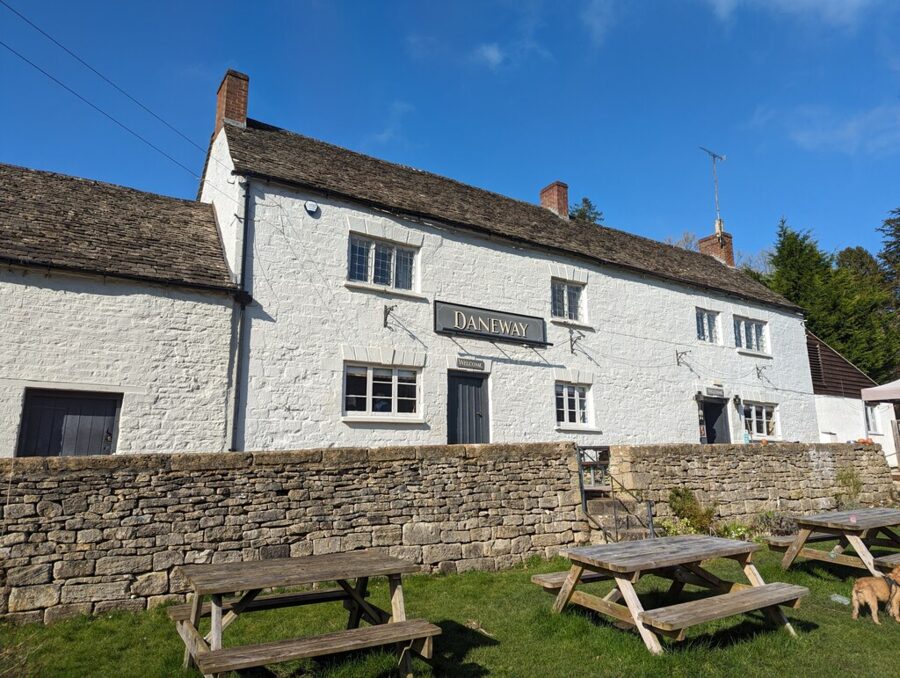
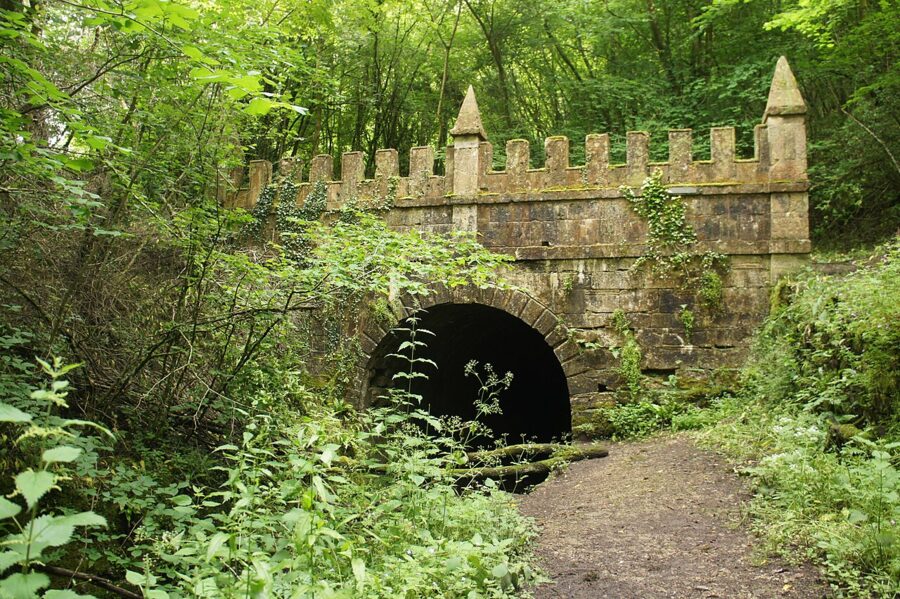
Sapperton has two pubs within a mile of each other, and walking between them is one of the best short pub walks in the Cotswolds. The Daneway Inn was built in 1784 as cottages for the men digging the Sapperton canal tunnel on the Thames and Severn Canal, and later lodged the bargees and “leggers” who walked boats through it lying on their backs. Inside are a huge carved Dutch fireplace and Wadworth beer, with food from noon to 20:00 (18:00 on Sunday) and a campsite with glamping tents.


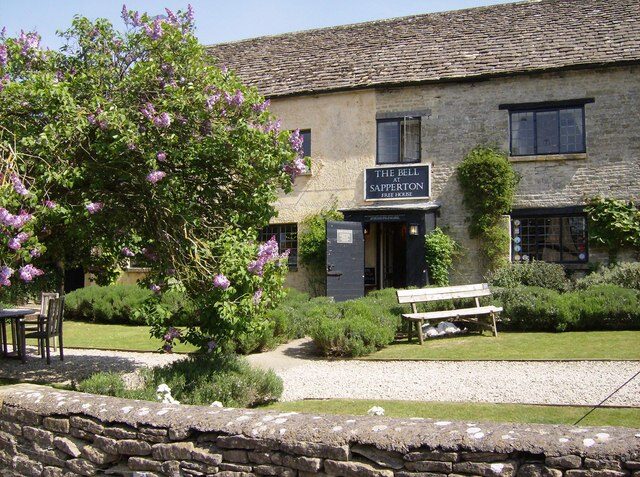
Up the hill in the village, the Bell at Sapperton is the smarter of the two: an eighteenth-century pub with two bars and log fires, horses welcome (there is horse parking), and fish as the kitchen’s speciality. Stroud Brewery’s Budding and Tom Long are the regulars. In autumn 2026 it opened seven days, with food from 12:00 to 14:30 and 18:00 to 20:30 on weekdays; book for dinner.

The Old Crown, Uley
At the southern end of the Stroud valleys, the Old Crown faces the church across the green at Uley, a stone’s throw from the Cotswold Way. It is an independent free house, owned by the same family for more than thirty years and renovated in 2022 when they took it back from a tenant. Historic England lists it as eighteenth century, while CAMRA dates it to 1638, so take your pick.
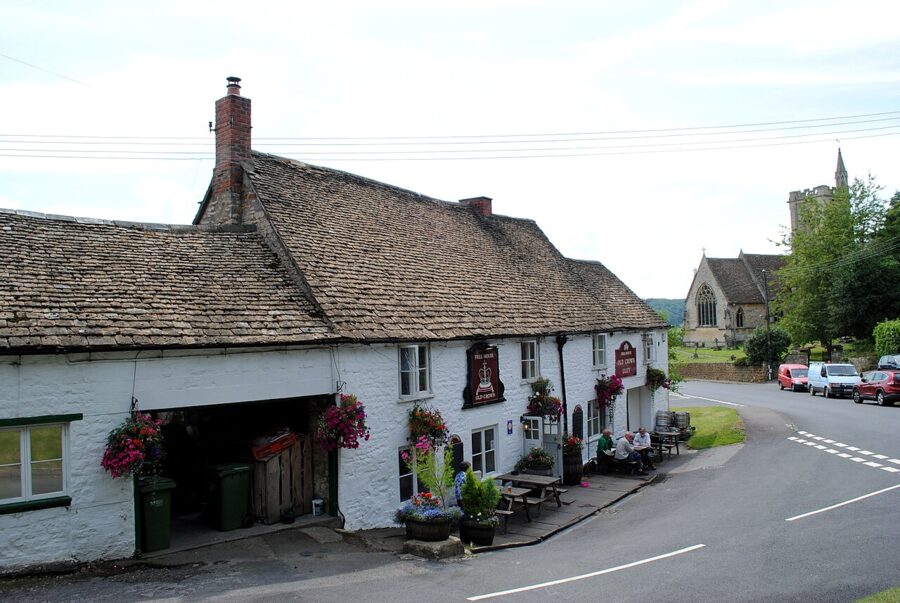

Winter hours are short (as of November 2026): closed Monday and Tuesday, the bar from 15:00 and the kitchen 17:30 to 21:00 Wednesday to Saturday, and Sunday from noon with food until 19:00. Wye Valley’s Butty Bach is the regular beer, with regional guests, and there is a walled garden that is safe for children.

Cirencester, the Ampneys and the Coln valley
East of Cirencester the land flattens towards the Thames, and the stone villages sit along little rivers: the Churn, the Ampney Brook, the Coln. This is where the Red Lion is, along with some of the best-looking pubs in the region, several now owned by small hotel groups.
The Red Lion, Ampney St Peter
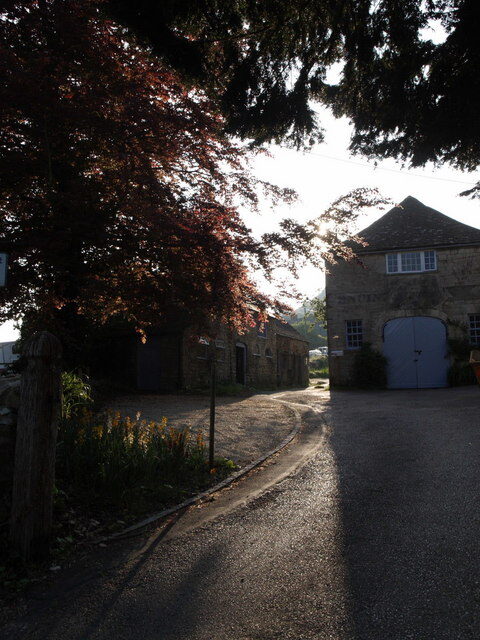
Here are the facts behind that opening. The Red Lion is a stone roadside pub of about 300 years, listed Grade II, and on CAMRA’s National Inventory of Historic Pub Interiors with three stars, the top grade. Tetbury Brewery bought it in 1851, Stroud Brewery took that over in 1911, and when John Barnard, only the fourth licensee since 1851, died, it closed for years.
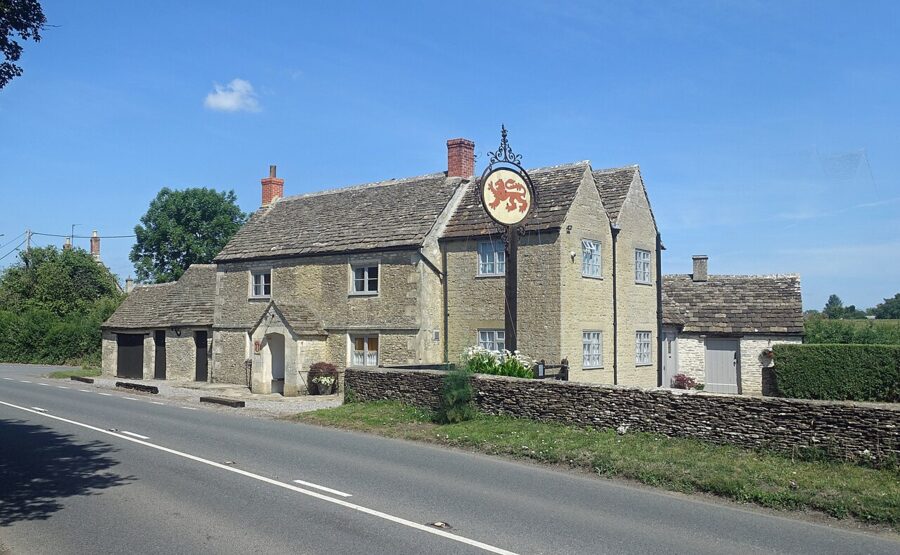

It reopened in May 2023 with its historic core untouched. It opens only on Thursday, Friday and Saturday, from 17:30 to 22:30. There is no food, one regular beer (North Cotswold’s Shagweaver when CAMRA last checked), a garden and a real fire.
Behave as you would in someone’s front room, because that is roughly what it is. Sit where there’s a space, talk to whoever is next to you, and don’t treat it as a museum: it survived because people drank in it. My notes on pub etiquette cover the basics.
North Cerney and Barnsley
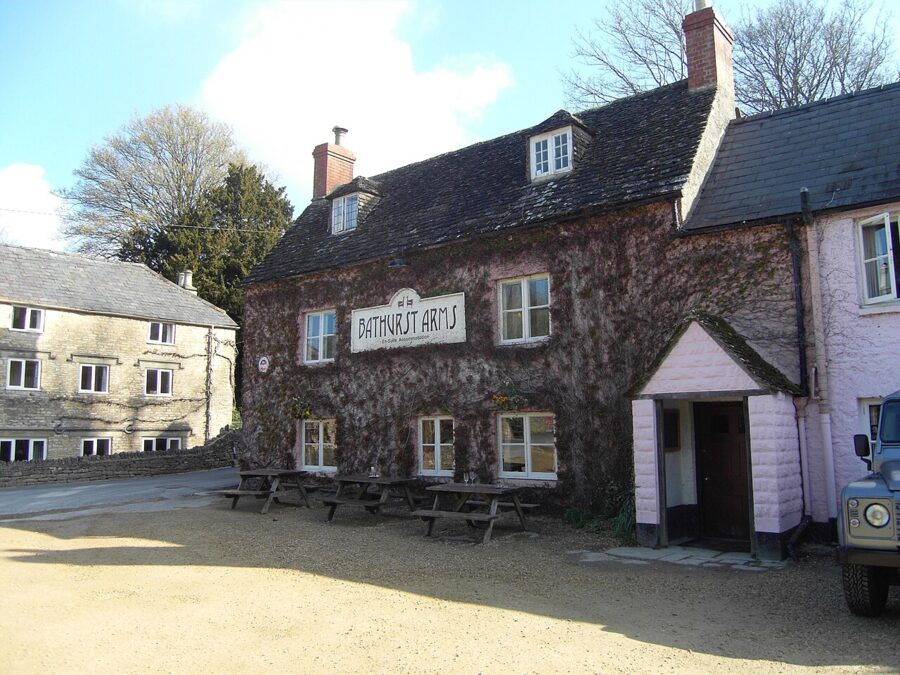
Up the Churn valley, the Bathurst Arms at North Cerney was built in 1699 as a wheelwright’s house and has sold beer since the Beer Act of 1830. The right-hand side, with flagstones and an inglenook, is for drinkers; the left is the restaurant; the garden runs down to the river. St Austell’s Tribute is the regular, and the drinkers’ side looks after local ales too.

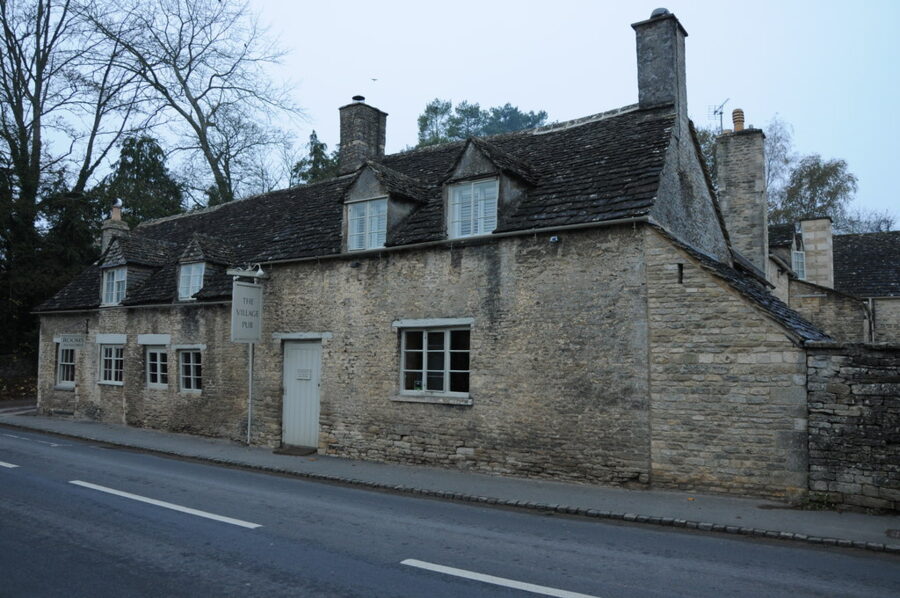
The Village Pub at Barnsley, on the B4425 towards Bibury, is a 370-year-old roadside inn that reopened under new management in June 2024. It is a warren of low-beamed little rooms (watch your head) with a fire lit most of the year, and a drinkers-only lounge where four ales are poured straight from barrels behind the bar. Arkell’s Wiltshire Gold and Stroud’s Tom Long were the regulars at the last count.

Bibury and Coln St Aldwyns
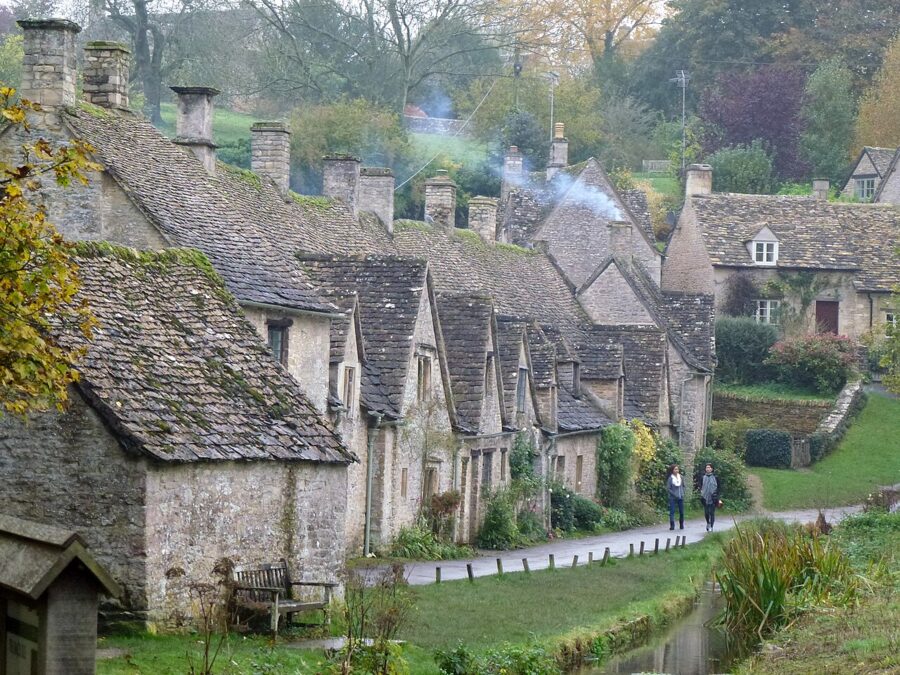
Bibury is the busiest small village in the Cotswolds, thanks to Arlington Row, a terrace of weavers’ cottages that half the world has photographed. Its pub is the Catherine Wheel in Arlington, at the western end of the village, a Grade II listed house of the early seventeenth century that has been a family-run pub since 2009. It does trout and a Sunday roast, keeps open fires in winter and lets rooms.

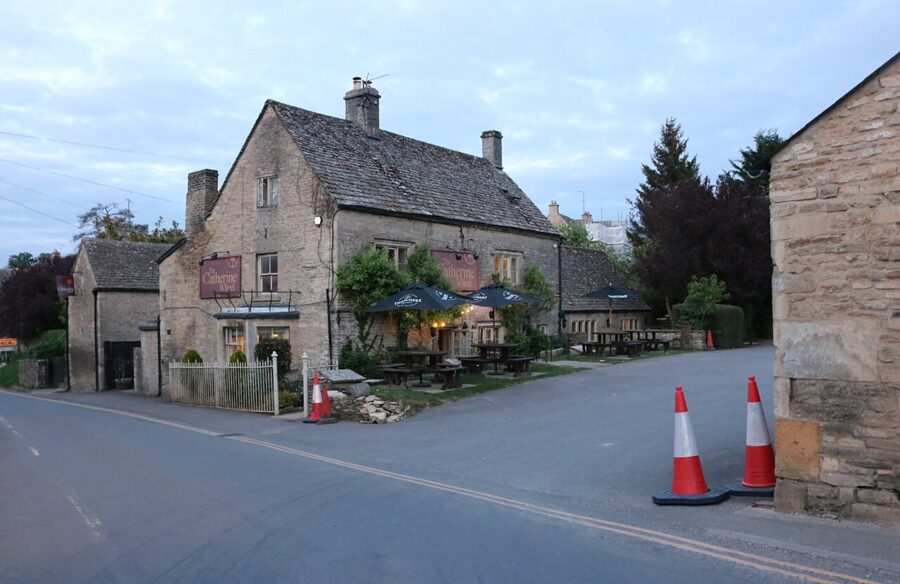

A couple of miles down the Coln, the New Inn at Coln St Aldwyns is a sixteenth-century coaching inn built round a courtyard, saved from redevelopment after a long local campaign. The bars are smart and rustic, with an open fire and a stove, though most tables will be laid for dinner. Hooky and Timothy Taylor Landlord are on; it is closed Monday and Tuesday, with food 12:00 to 15:00 and 17:30 to 20:30 the rest of the week.

The Wild Duck, Ewen
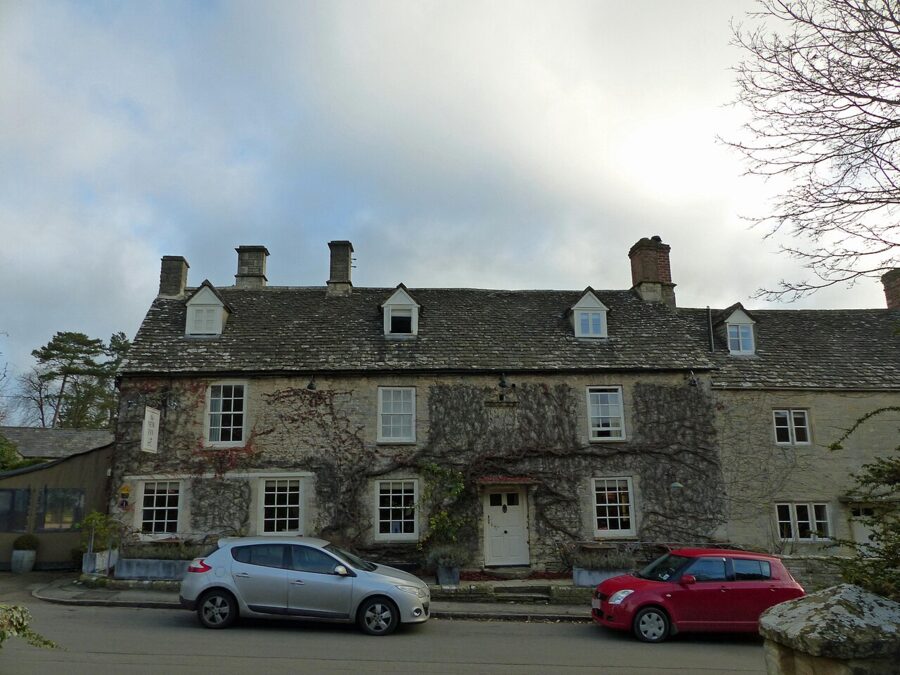
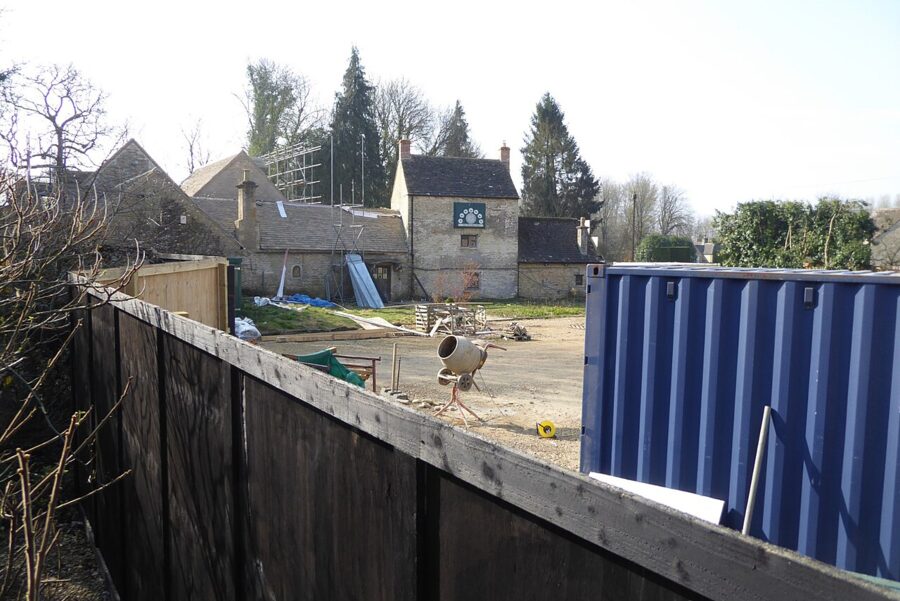
South of Cirencester, the Wild Duck at Ewen reopened on 2 March 2026 after a long restoration by Country Creatures, the small group behind the Double Red Duke at Clanfield. The building is listed Grade II, reputedly has parts dating from 1563, and began as the gardener’s cottage to Ewen Manor. It is the easiest pub here to reach without a car: Kemble station is about a mile and a half away.

Stow-on-the-Wold and the Donnington villages
Stow sits on top of the wold where eight roads meet, and the villages below it to the west and north are where Donnington’s pubs cluster. You could spend a weekend drinking nothing else, and I’d recommend it.

The Queen’s Head
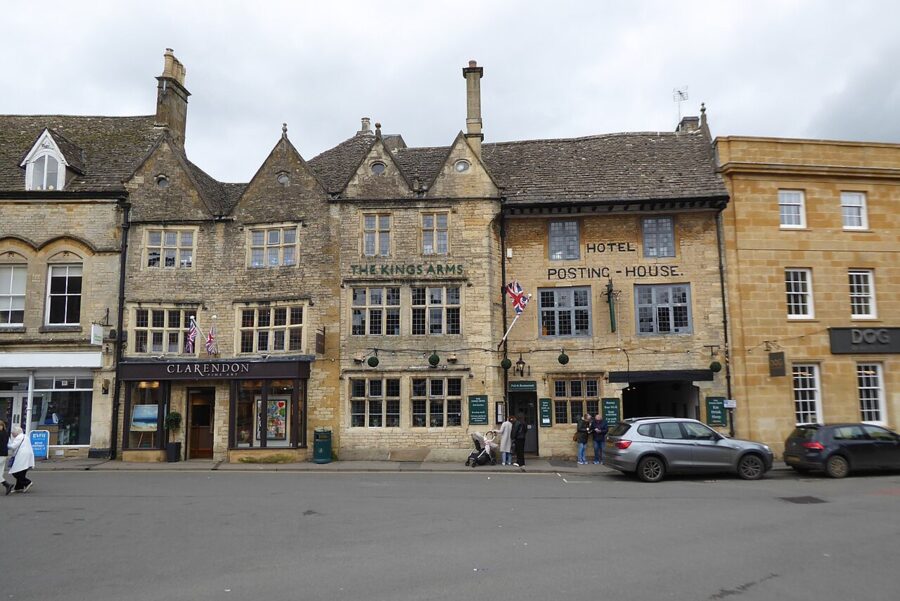
If you have one drink in Stow, have it at the Queen’s Head on the square. It is a seventeenth-century stone inn, licensed since at least the 1630s, with two bars crammed with pictures, clocks and odds and ends, and CAMRA calls it a near-perfect small Cotswold town pub. Donnington BB and SBA are on, there is food at lunch and in the evening except Sunday night, and dogs are welcome.
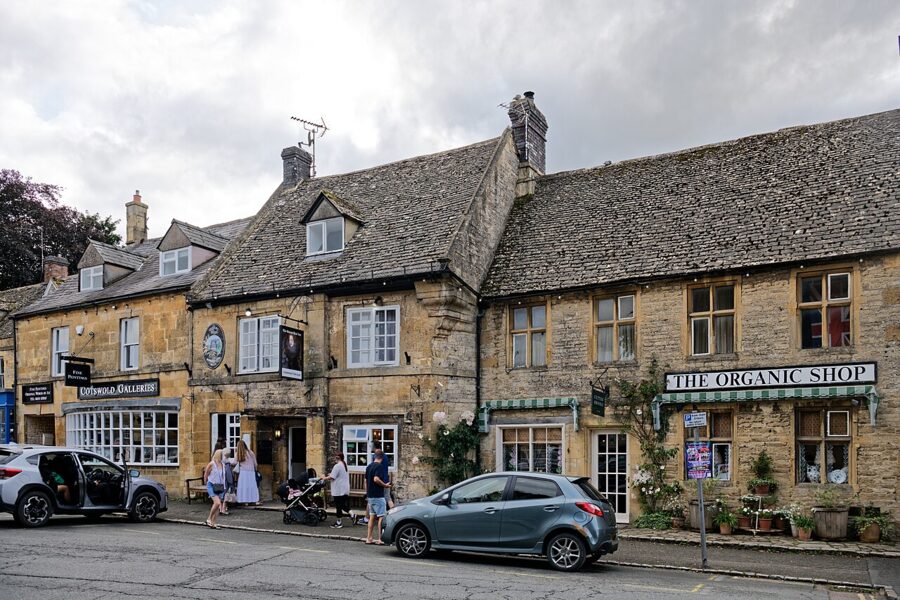

The Telegraph put it among its best pubs in the UK for 2026, so it is busier than it was. Go at opening time (11:00) or mid-afternoon, and drink in the front bar.
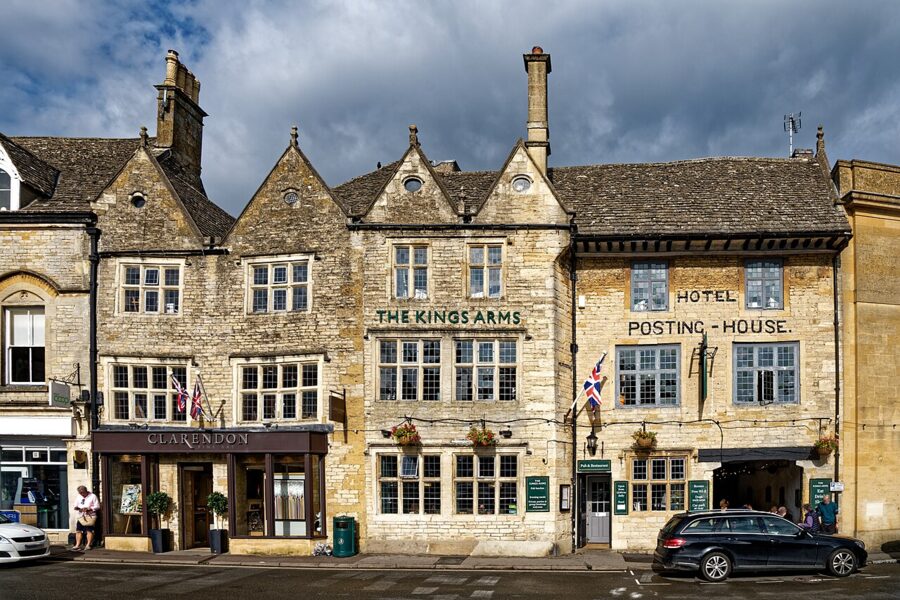
The Porch House and the King’s Arms
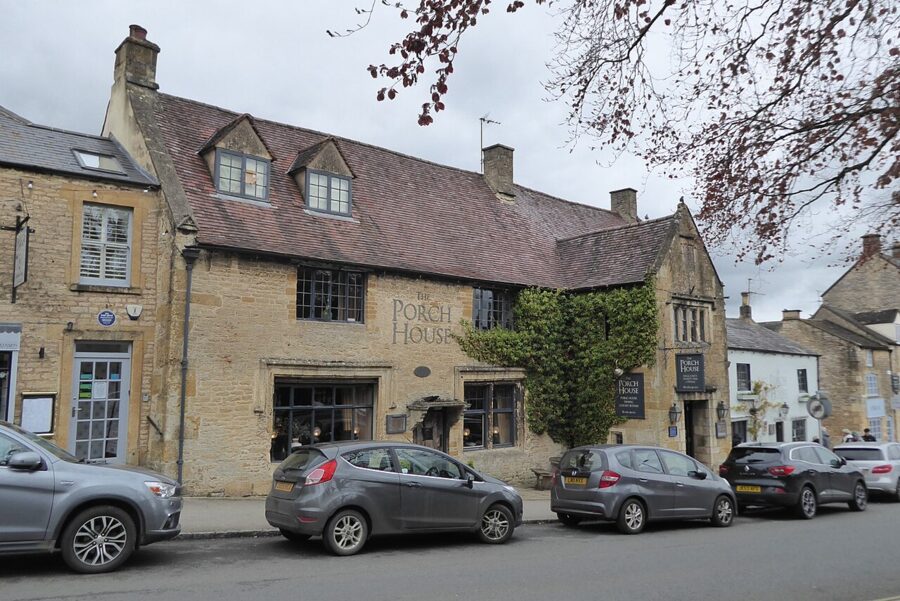
The Porch House on Digbeth Street says it is England’s oldest inn, founded in 947. Historic England lists it at Grade II* and dates the building to the sixteenth or early seventeenth century, with a datestone of 1615; I weigh the evidence in my piece on the oldest pubs in England. As a pub it is a small bar with a real fire beside a big dining room, with Brakspear’s Original Gravity on cask and rooms upstairs.

The King’s Arms, the old coaching inn on the corner of the square, is now a hotel and dining pub, open from 10:30 with Greene King IPA on cask. Fine for a meal; not where I’d drink.

Lower Swell, Longborough and Broadwell
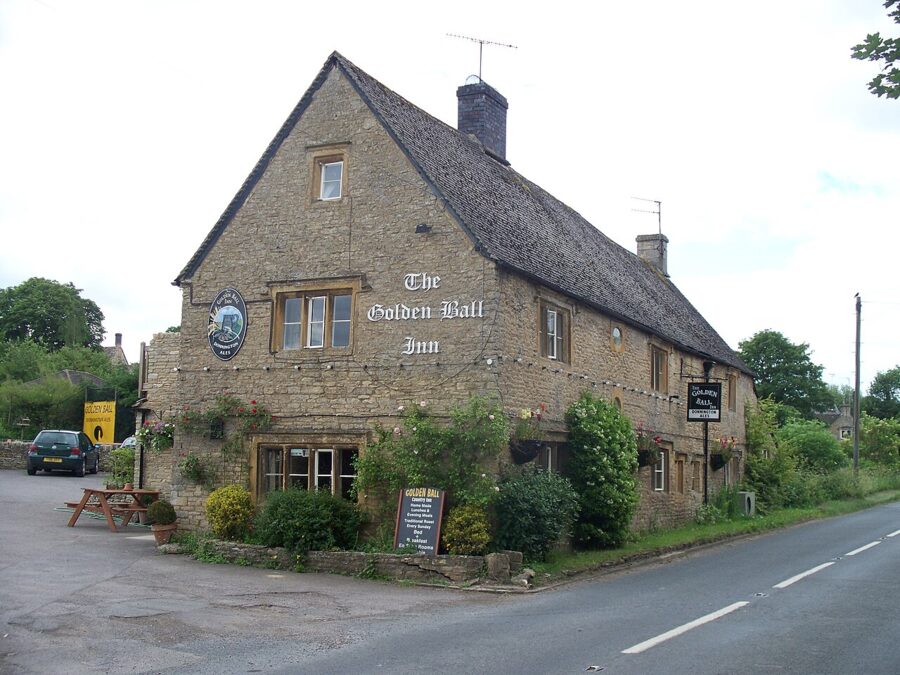
A mile west of Stow on the B4068, the Golden Ball at Lower Swell is a seventeenth-century farmhouse that has been a pub for over a hundred years. Donnington BB is on, the food is homely and hearty, and there are rooms and a balcony at the back. It is closed Monday and Tuesday, and lunch stops at 14:00, so don’t arrive late.

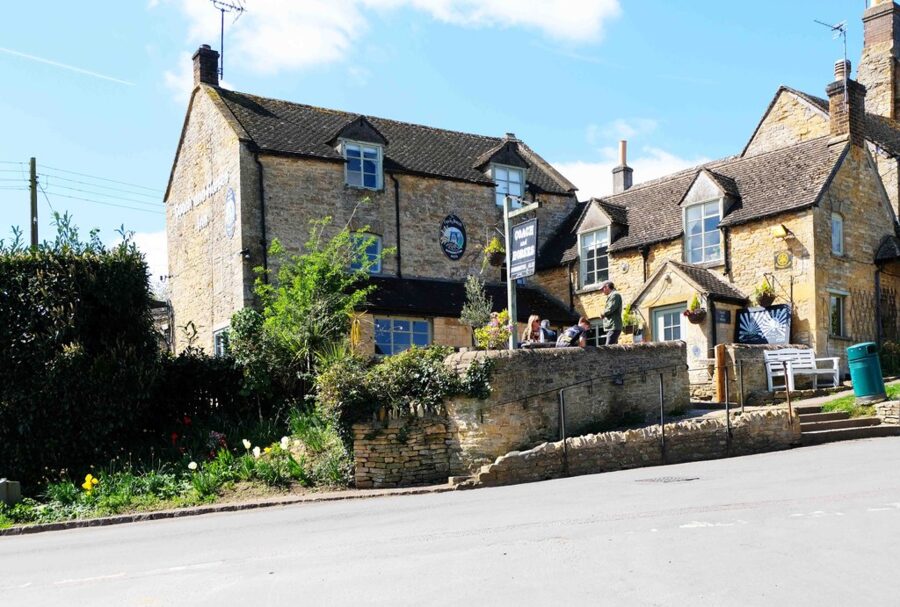
North of the brewery, the Coach and Horses at Longborough is an eighteenth-century one-bar pub on a bank above the green and war memorial, about a mile from Donnington’s mill. It has flagstones, an open fire and the full Donnington range, and it is the centre of the village. It opens every day, with no food on Mondays.

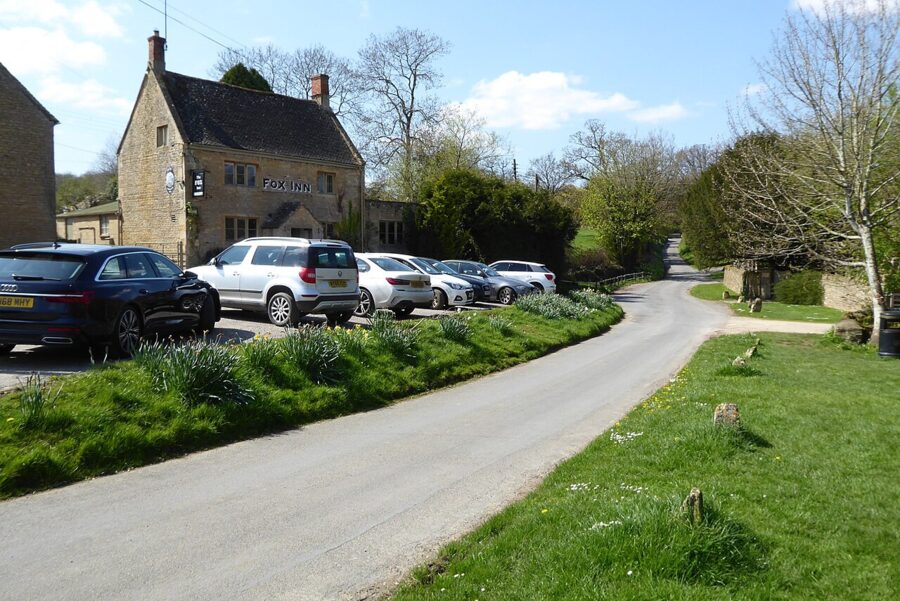
The Fox at Broadwell, a mile and a half north-east of Stow, looks over its village green, with flagstones in the bar, Donnington beer and good walks from the door. Food is served at lunch and in the evening, and all afternoon on Sunday.

Naunton and the Slaughters
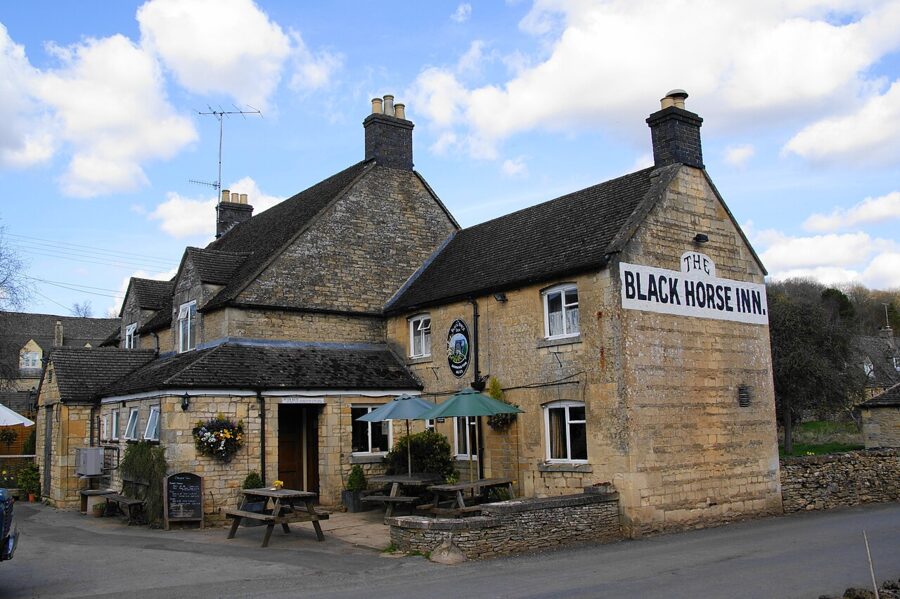
Down in the Windrush valley, the Black Horse at Naunton was built in the 1870s as a row of cottages and keeps their proportions: a front bar with flagstones, low black beams and built-in pews, and a small snug behind that now serves as the dining room. It is a Donnington house, dog friendly, with a leaflet of a full day’s walk round the valley. Racing people from the local yards drink here too.

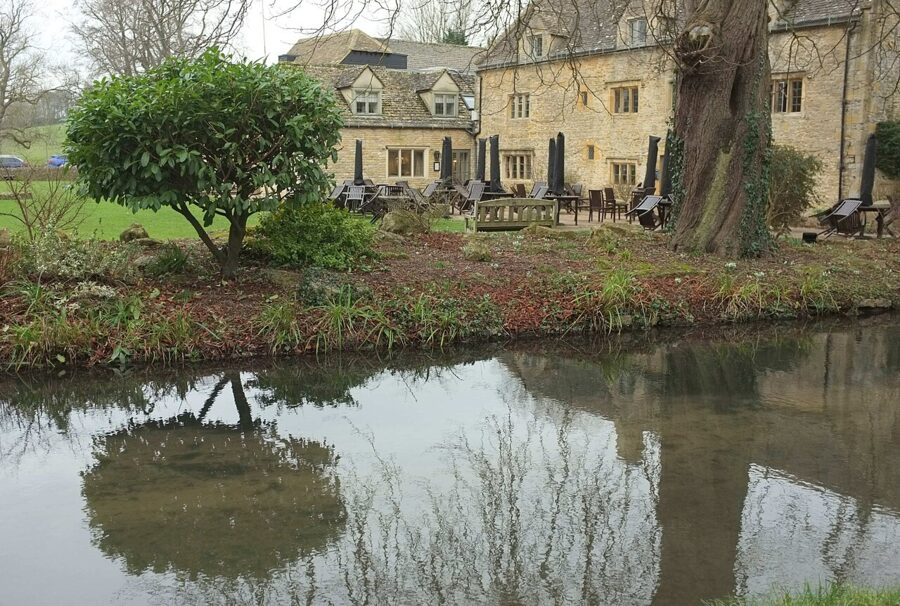
Lower Slaughter has the Slaughters Country Inn, a seventeenth-century building in four acres beside the River Eye. It is upmarket and mostly about food and rooms, but drinkers are welcome in the bar. Upper Slaughter, a mile upstream, has no pub at all.

Chipping Campden and the northern edge
The northern Cotswolds end in a steep edge above the Vale of Evesham, with Chipping Campden at the top and Broadway below. The stone here is the deepest gold of all, and the Cotswold Way starts in Campden’s High Street.

The Eight Bells
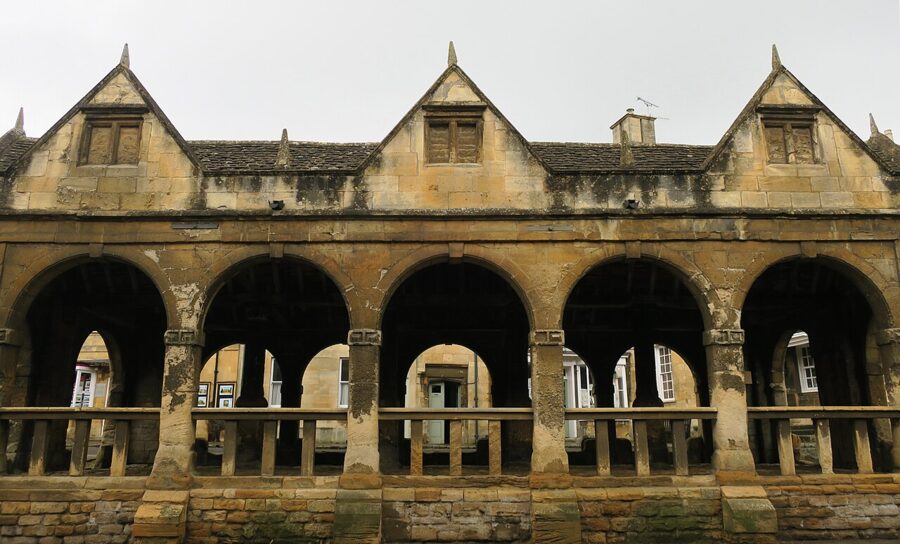
The Eight Bells on Church Street is Campden’s best pub. Its story is that it was built in the fourteenth century to house the masons building St James’ church and later stored the church’s eight bells; it was rebuilt in the seventeenth century from much of the old stone and timber, round a cobbled courtyard. North Cotswold CAMRA made it their Pub of the Year in 2020.
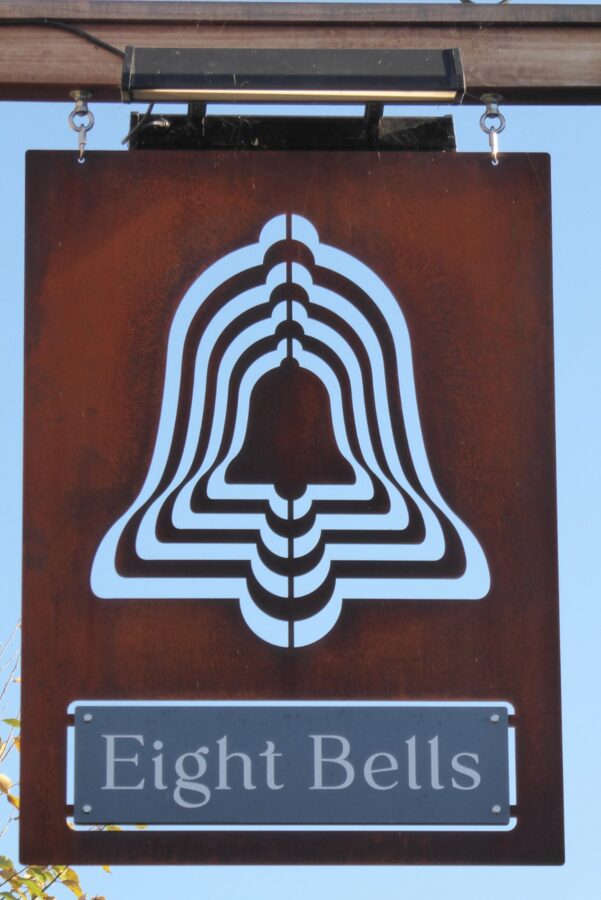

Four handpumps pour Hooky and local and regional beers, with up to two real ciders. Food runs 12:00 to 14:00 and 18:30 to 21:00 Monday to Thursday, a little later on Fridays, and there are rooms. Christmas tables go months ahead, so book early for December.
Stanton and Snowshill
Stanton is a single street of gold stone below the edge, on the Cotswold Way, and the Mount Inn is at the very top of it. It is a seventeenth-century Donnington house that has been a farmhouse, a cobbler’s, a tea room and an off-licence, and it has no jukebox and no fruit machines. What it does have is a terrace looking across the Vale of Evesham to the Malverns and, on a clear day, the Welsh hills.
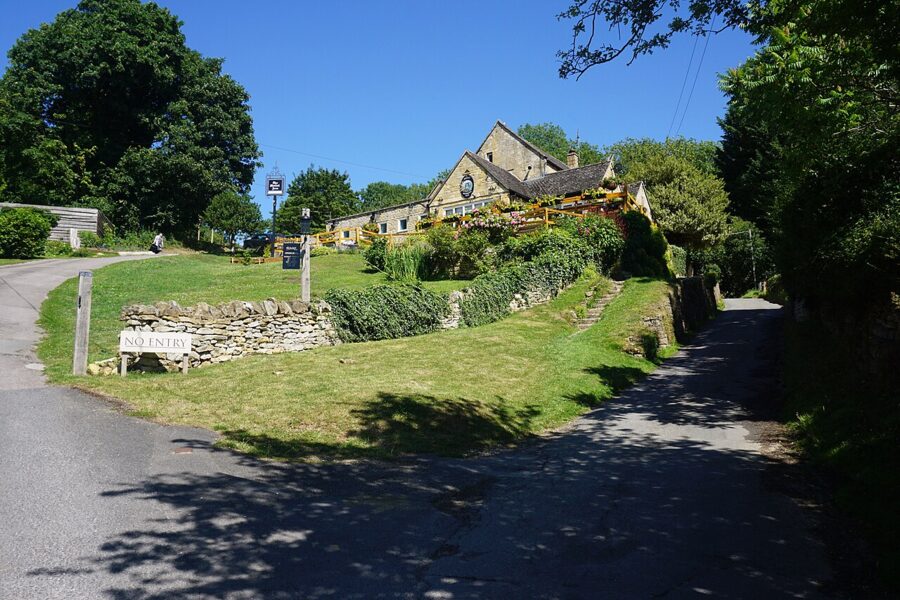

It opens 12:00 to 15:00 and 18:00 to 23:00 Tuesday to Saturday and Sunday lunchtime only, and it is closed on Mondays. Food finishes at 14:00 and 21:00, so walkers coming along the Way from Broadway should time their arrival.
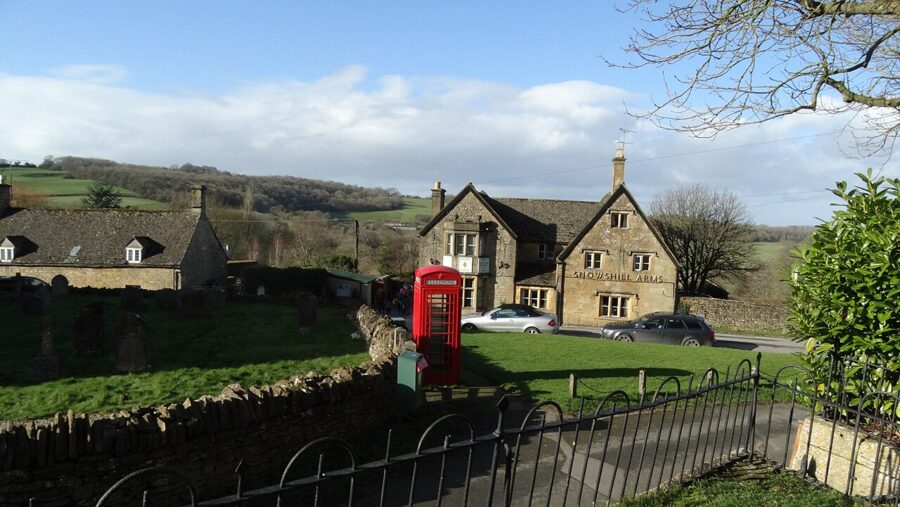
Over the hill, the Snowshill Arms sits by the green in a village visited mainly for Snowshill Manor, the National Trust house. It is a family-friendly local with Donnington BB and SBA, a big play area, a log fire in winter and dogs welcome, and it does a festive menu in December. The Sunday roast is popular, so book; my Sunday roast guide says what a good one looks like.

Ford and Guiting Power
The Plough at Ford, on the B4077 near Temple Guiting, is my pick of the Donnington pubs and the second National Inventory pub in this guide. Local lore makes it a sixteenth-century court house with dungeons in the cellar; the Inventory’s survey says a stone inn of the late seventeenth or early eighteenth century, with a 1905 extension. Behind the front door is an old “bars up”, a beam you pull out of the wall to bolt the door, and the room to the right is stone-walled and flagged under a beamed ceiling, with old window seats and wooden shutters.
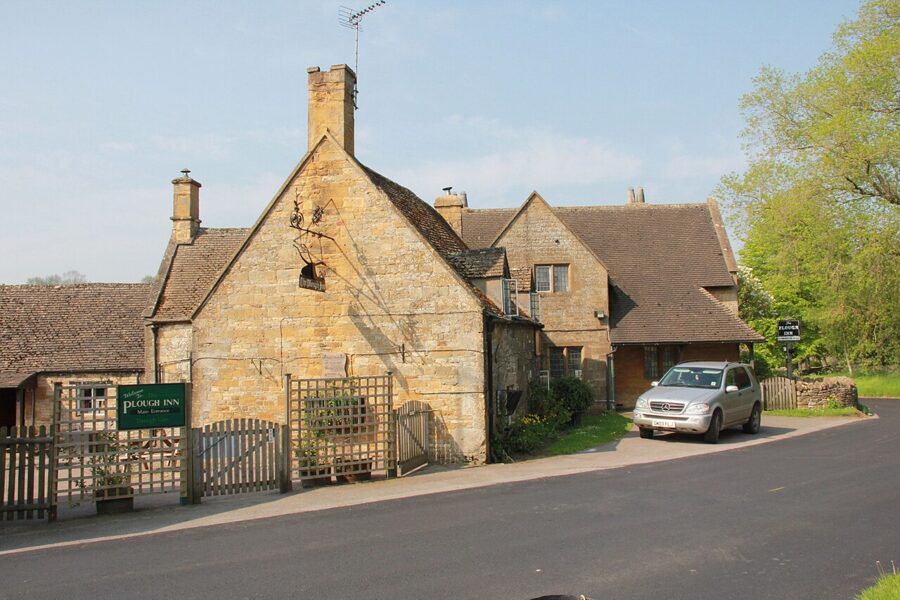

It serves Donnington BB, SBA and Cotswold Gold, has a big garden with a play fort and two car parks, and opens 11:00 to 23:00. Across the road is Jackdaws Castle, Jonjo O’Neill’s racing yard, and the pub fills with racing people after a big winner. CAMRA’s branch notes it has not taken table bookings, so ring ahead, and on a Sunday arrive early.
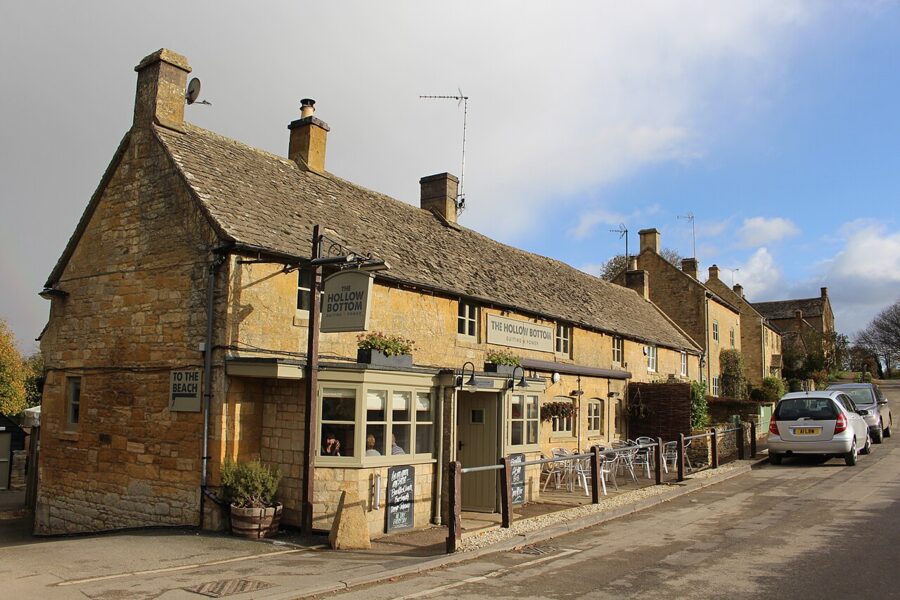
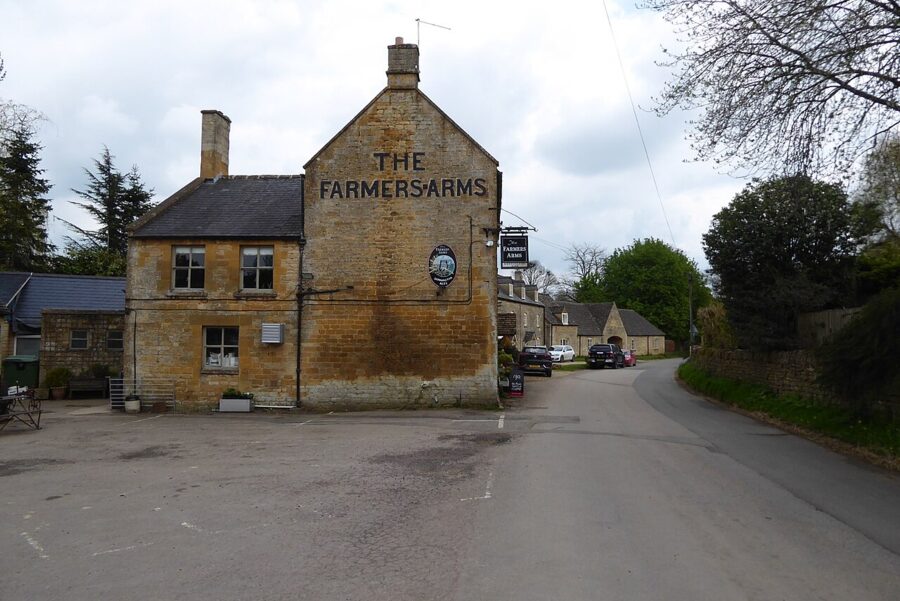
Guiting Power, three miles south, has two pubs a few minutes’ walk apart. The Hollow Bottom is a free house and a racing pub through and through, with Hooky and North Cotswold beers, six dog-friendly bedrooms and the Cheltenham fixtures on its website; food runs 12:00 to 14:30 and 17:30 to 21:00. The Farmers Arms is a Donnington pub run by a local couple, with a log burner, a sweeping bar, a skittle alley and a big garden, and no food on Mondays.


Over the border: Hook Norton, Bledington and Burford
The Oxfordshire Cotswolds are a different county but the same hills, and three villages there belong in any Cotswold pub guide.
The Pear Tree, Hook Norton
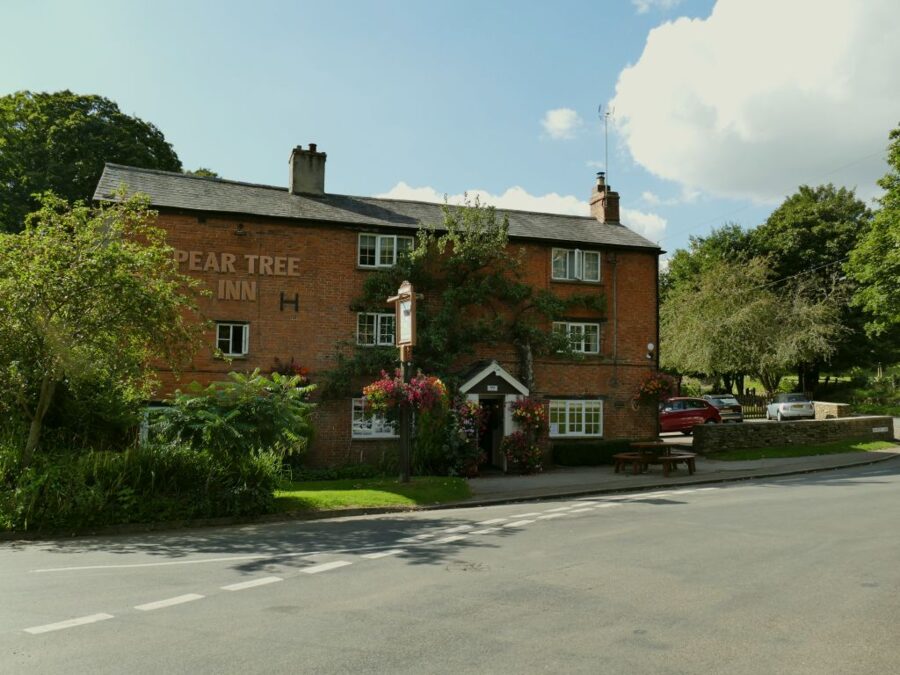
The Pear Tree at the end of Brewery Lane was the brewery tap, opened as a pub in 1869, and it is the longest-owned of all Hook Norton’s pubs: the tied estate began with it. It is an eighteenth-century house with a red-brick front (a sign of money, in a village of stone) and a pear tree growing up the wall, with a second planted in the 1960s as insurance. Inside are a small bar with a log burner, Hook Norton beer and three bedrooms.

The King’s Head, Bledington
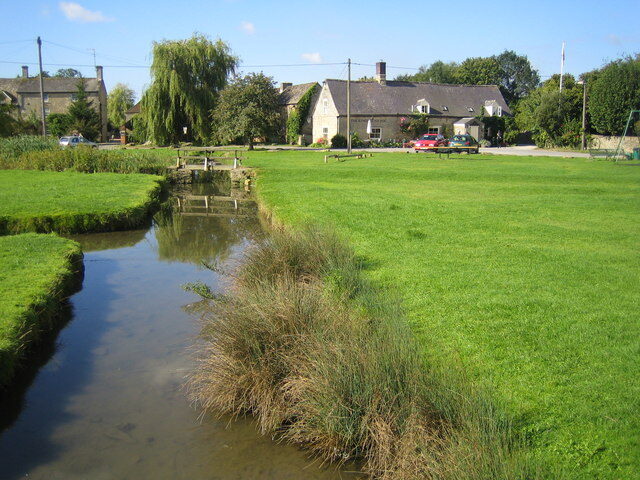
The King’s Head sits on the green at Bledington, with a brook running past, and the oldest part of the building goes back to the mid-1600s. It is an inn with rooms above the bar and in a courtyard behind, plus a restaurant, but it keeps a proper bar with flagstones and settles. Kingham is the nearest station, a short taxi ride away.

The Lamb, Burford
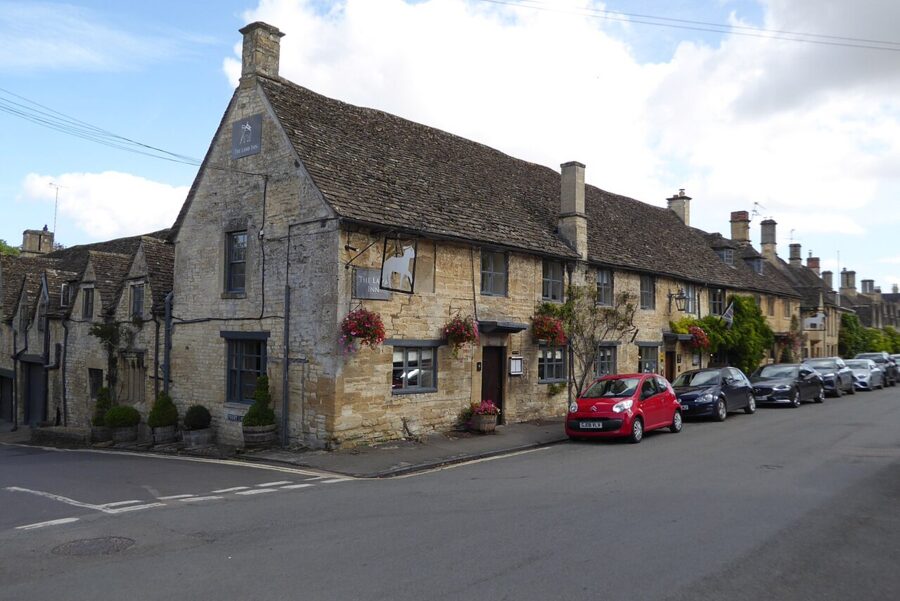
In Burford, the Lamb is a stone inn on quiet Sheep Street, off the steep High Street, run by Cotswold Inns and Hotels. It is a hotel first, with rooms and a dining room built round simple seasonal food, and a calm place to stop after the climb up the hill.

Walks and drives that link them
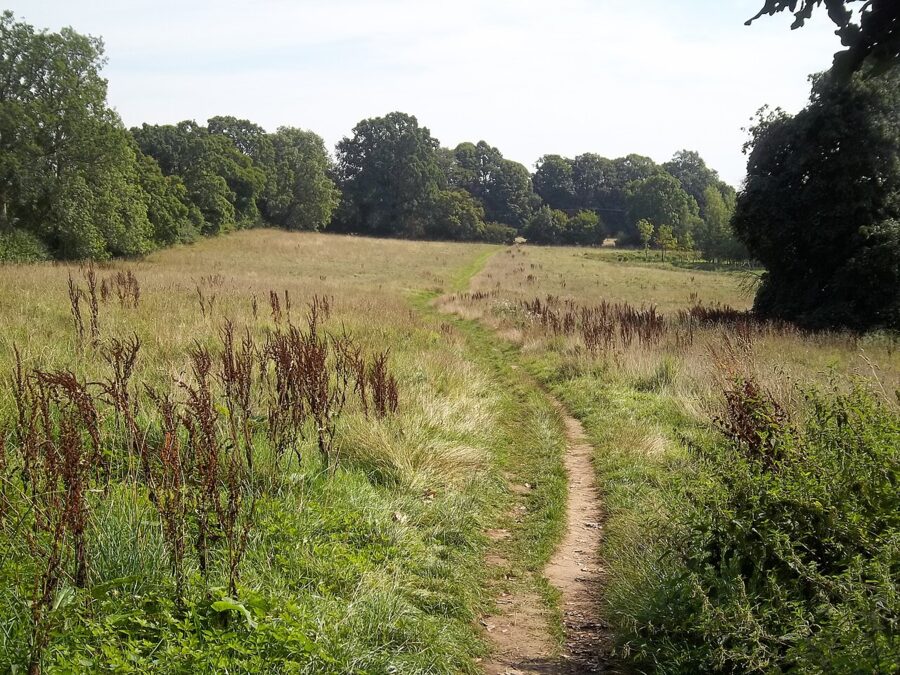
The Cotswolds are made for a pub walk, but almost no village is near a station, so plan the return before the first pint. These four days use real footpaths and short drives; the distances are approximate, and an Ordnance Survey Explorer map beats a phone signal in the valleys.
The By Brook: Castle Combe to Ford
From Castle Combe follow the footpaths down the By Brook valley to Ford, about two miles, for lunch at the White Hart, and come back the same way. With a car, add the Salutation at The Gibb for dinner. Chippenham is the nearest station, about six miles away, so you’ll need a taxi at each end.
Sapperton and the canal
Start at the Bell at Sapperton, walk down through the woods to the Daneway Inn, under a mile, and come back along the old canal and up the hill. It is a short loop with two very different pubs, and a fine winter afternoon. Kemble station is about four miles away; Cirencester has more taxis.
The Slaughters and Stow
Walk from Lower Slaughter to Upper Slaughter and back by the River Eye, about two miles in all, with a drink at the Slaughters Country Inn. Then drive the three miles to Stow and finish at the Queen’s Head. Moreton-in-Marsh is the station for Stow, about four miles away; buses link Moreton, Stow and Bourton-on-the-Water, but not late.

A Donnington day by car
With a non-drinking driver, the Donnington pubs make a loop: the Plough at Ford for lunch, the Black Horse at Naunton, the Golden Ball at Lower Swell, past the brewery to the Coach and Horses at Longborough, and the Fox at Broadwell for the evening, with Stow as a base. Half pints and a bag of crisps at every stop make it a day rather than an afternoon. Don’t try it on a Monday or Tuesday, when the Golden Ball is shut.
Practical notes: hours, food, rooms and dogs
Hours. Country pub hours here are irregular. Many open at noon rather than 11:00, several close on Mondays (the Mount Inn) or Mondays and Tuesdays (the Golden Ball, the New Inn), and a few open only in the evenings out of season (the Old Crown) or only three nights a week (the Red Lion). Winter hours are shorter and they change, so check the pub’s own website on the day.
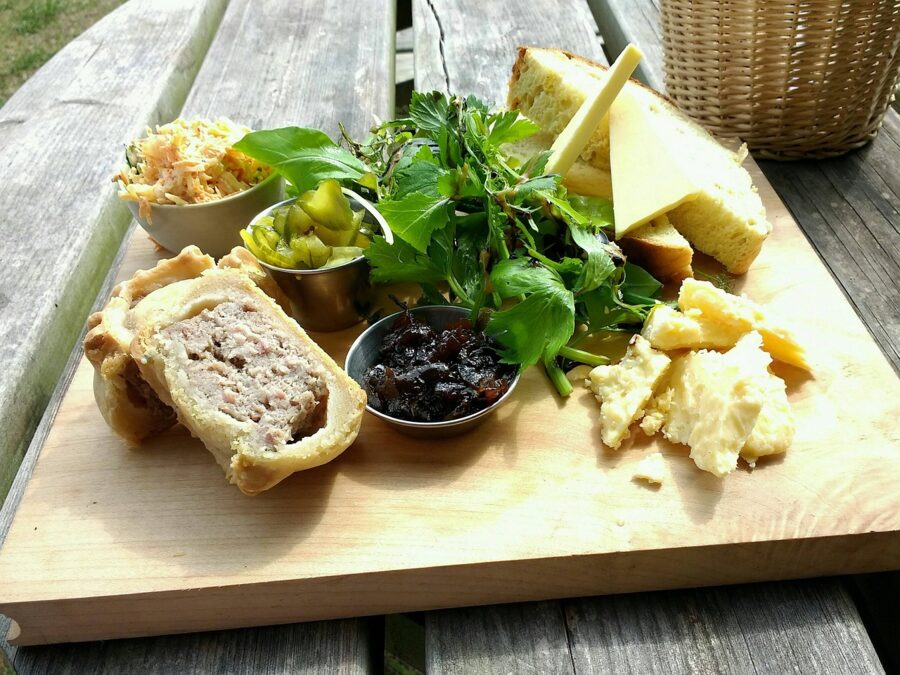
Food. Lunch usually stops at 14:00 or 14:30 and dinner at 21:00, earlier on Sundays, and Monday kitchens are often closed. Turn up hungry at 15:00 and you will get crisps. A few pubs still do a ploughman’s lunch; most do a sandwich at lunchtime and full meals in the evening.
Booking. For dinner at any food-led pub on a Friday or Saturday, and for Sunday lunch almost everywhere, book. For a drink you don’t need to; walk in, go to the bar and order. The Plough at Ford has a habit of not taking table bookings, so ring first.
Rooms. Many of these pubs let rooms: the Neeld Arms, the Castle Inn, the Eight Bells, the Golden Ball, the Hollow Bottom, the King’s Head and the Pear Tree among them. Staying over is the only way to drink properly in a region with almost no buses after dark.
Dogs and children. Most country pubs here welcome dogs in the bar, and the walkers’ pubs (the Black Horse, the Butchers Arms, the Woolpack, the Salutation) are dog friendly almost by definition. Children are welcome in most, with play areas at the Plough at Ford and the Snowshill Arms. Dining rooms sometimes have their own rules, so ask.
Parking and transport. Most country pubs have car parks; Castle Combe, Bibury and Painswick don’t have enough space, so use the public car parks at the edge of the village. By train, Kemble, Stroud, Moreton-in-Marsh and Kingham are the useful stations, with Chippenham for the Wiltshire villages; buses thin out badly in the evenings and on Sundays.
If you have only one evening, make it a Thursday, Friday or Saturday, and eat in Cirencester first. Then drive out to Ampney St Peter for 17:30, ask for whatever is on, and wait for it to come over the back of the bench.