
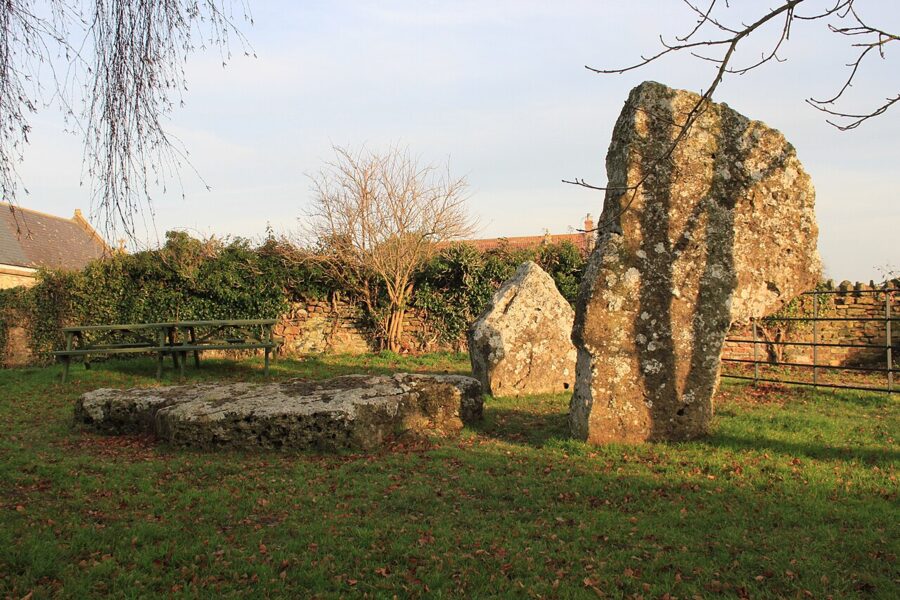
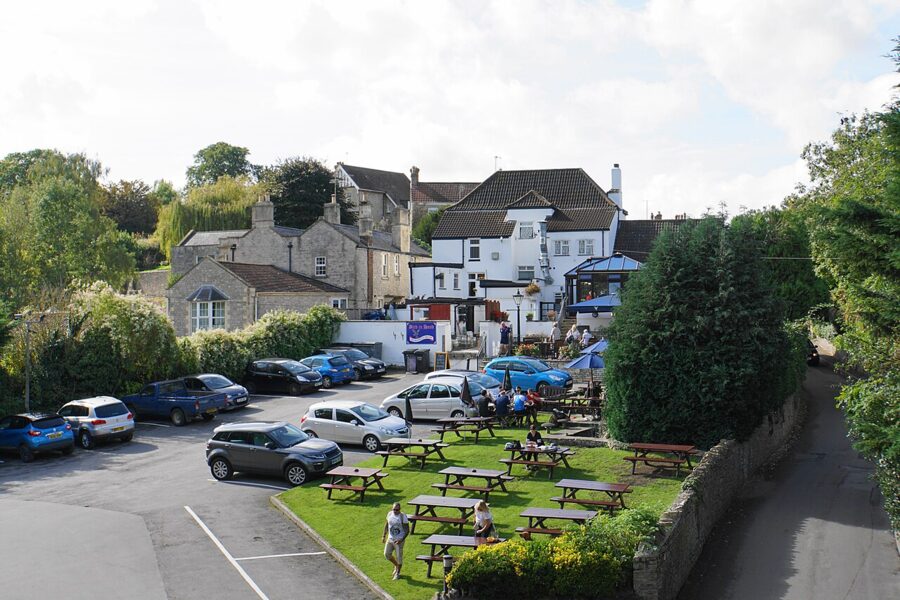
Three big grey stones lean together in the beer garden of the Druids Arms at Stanton Drew, a few yards from the tables. They belong to a monument that English Heritage dates to around 2500 BC, which makes the pub, the church next door and everything else in the village the newcomers. You can sit with a pint of Butcombe and look at them, and nobody will charge you a penny for the view.
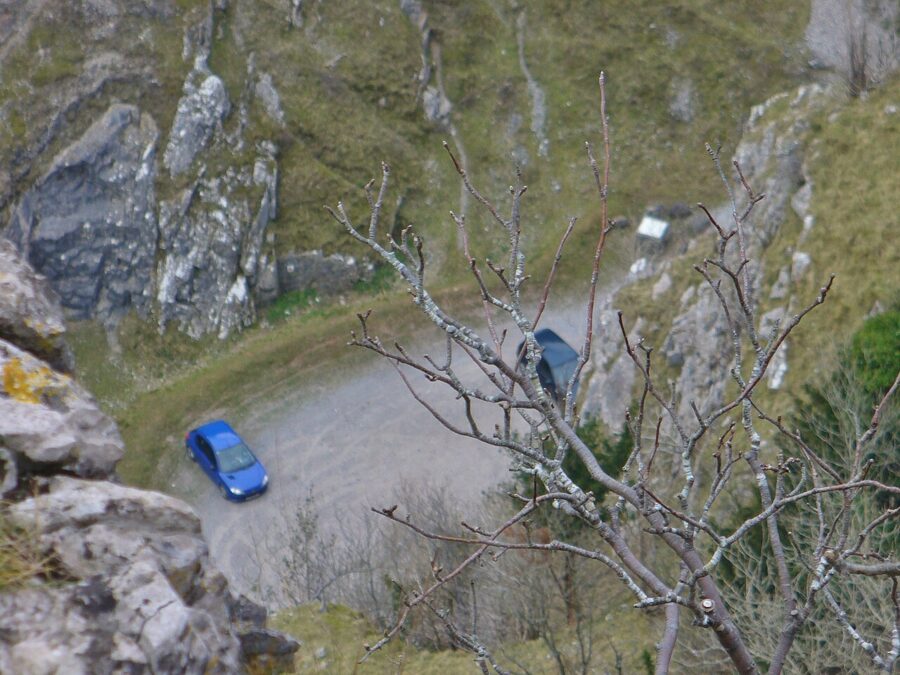
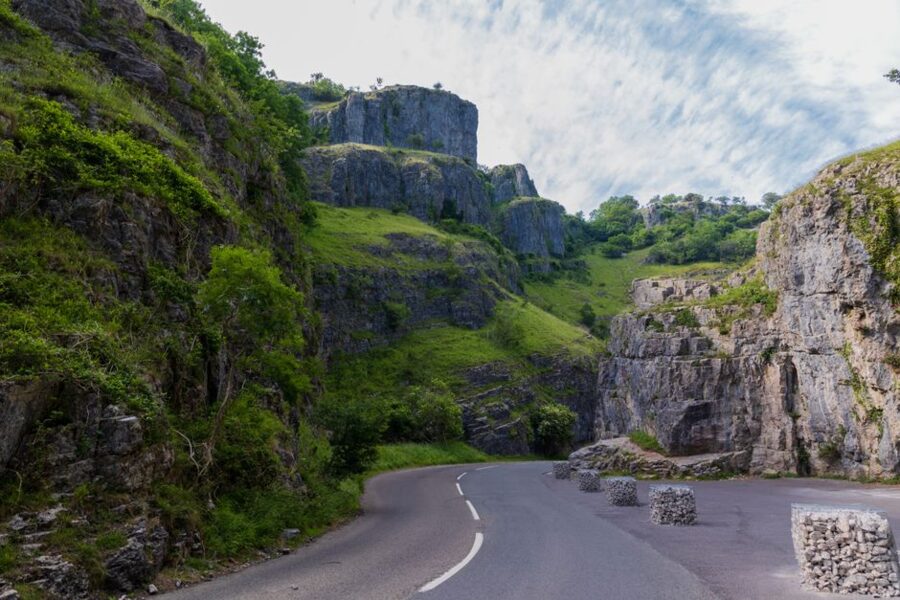
Ten miles south-west as the crow flies, the other end of the journey is a limestone gash. Cheddar Gorge runs for about three miles and drops almost 400 feet. In between lie the Mendip plateau, the cider orchards around Sandford, the commuter villages along the old Cheddar Valley railway and the Chew Valley, where the pubs get smarter.

This is the bit of Somerset that people from Bristol mean when they say they are going “out to the country” for Sunday lunch. It is close enough for that, and good enough to deserve more. The beer is mostly local, the cider is properly local, and a surprising number of the best pubs are the plainest ones.


On this page
- What north Somerset drinks
- Cheddar and Axbridge
- Up on the Mendip plateau: Priddy and the caving pubs
- The Strawberry Line villages: Churchill, Sandford, Winscombe and Rowberrow
- Yatton, Backwell and Wrington
- The Chew Valley: Chew Magna to Stanton Drew
- Saltford, on the Avon
- Wells and Glastonbury, in brief
- Cider farms on the Levels and the Mendips
- Walks, drives and a day out
- Practical notes: hours, food, rooms and dogs
What north Somerset drinks
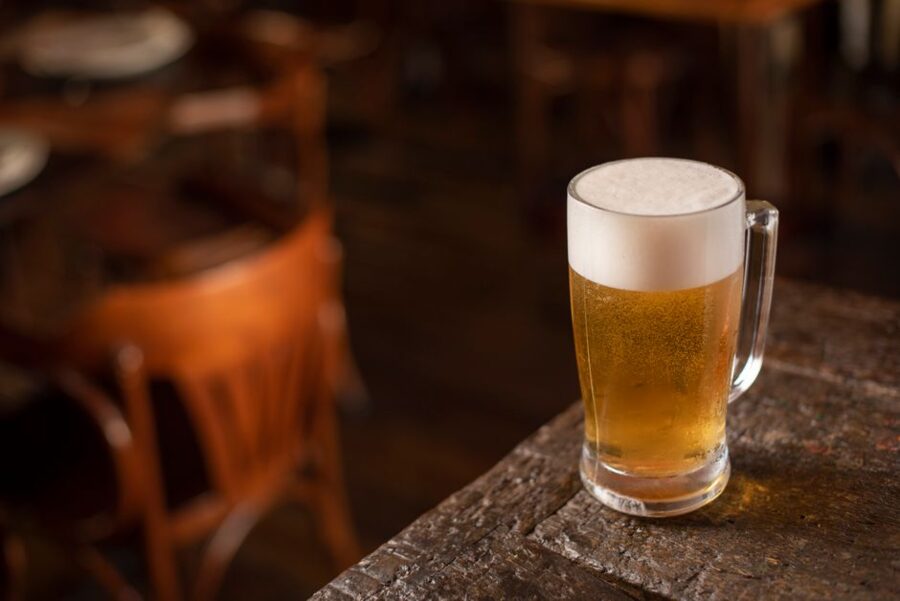
The house beer of this stretch of country is Butcombe. Simon Whitmore, who had worked for Courage, started brewing it in 1978 in outbuildings beside his house in the village of Butcombe, and the brewery moved two miles down the road to Wrington in 2005. Butcombe Original, a 4% bitter, is on more bars between Cheddar and Stanton Drew than any other beer, and the company now runs a chain of pubs of its own.
The challenger is Cheddar Ales. Jem Ham spent about fourteen years at Butcombe before setting up on his own in Cheddar in 2006, and his Potholer, a 4.3% golden ale, and Gorge Best, a 4% bitter, have spread across the Mendips. Twisted Oak’s Fallen Tree turns up in the better free houses. If cask beer is new to you, my guide to real ale explains what you are looking at on the bar.
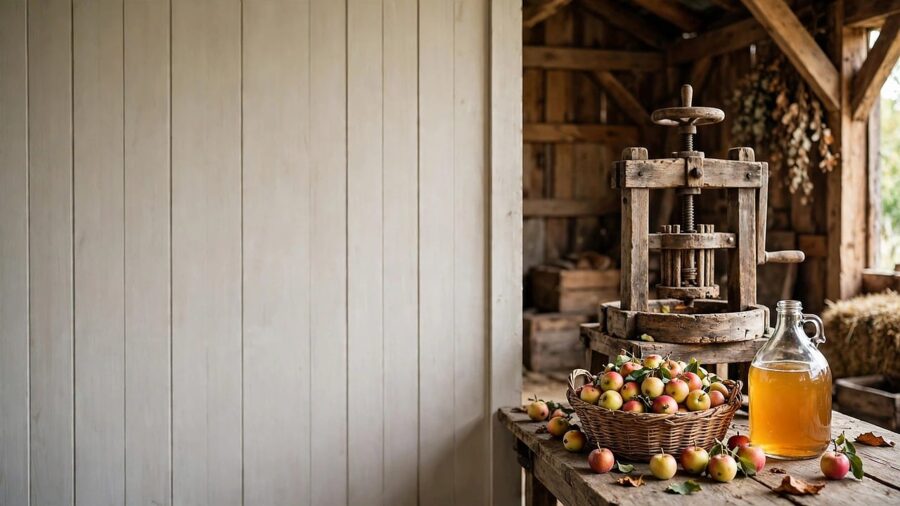
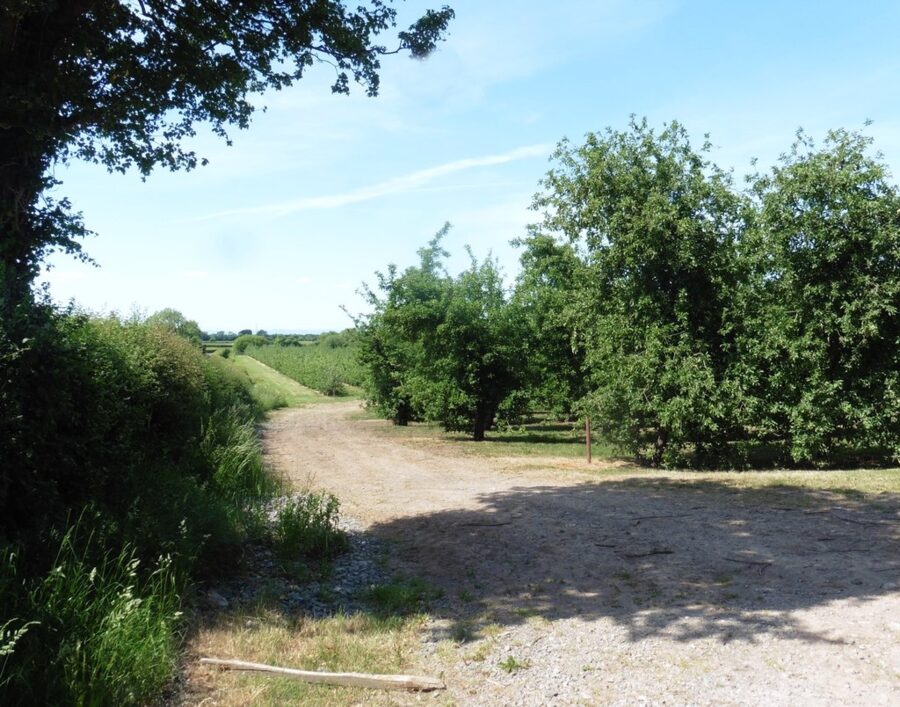
Then there is cider, which in Somerset grows in the fields behind the pub. Thatchers has made it at Myrtle Farm in Sandford since 1904, and plenty of country pubs keep a still farmhouse cider in a box behind the bar as well as the fizzy one on the font. My piece on cider covers the difference between the two, and the cider farms themselves come later in this guide.
The pubs this country does best are stone-built village locals with flagged floors and a fire, old coaching inns in the market towns, and a handful of dining pubs in the Chew Valley that would hold their own in Bath. It does the big roadside family pub badly, and those are left out. If you are coming from the city, my guide to Bristol pubs covers the harbour and the hills; this is what lies south of them.
Cheddar and Axbridge
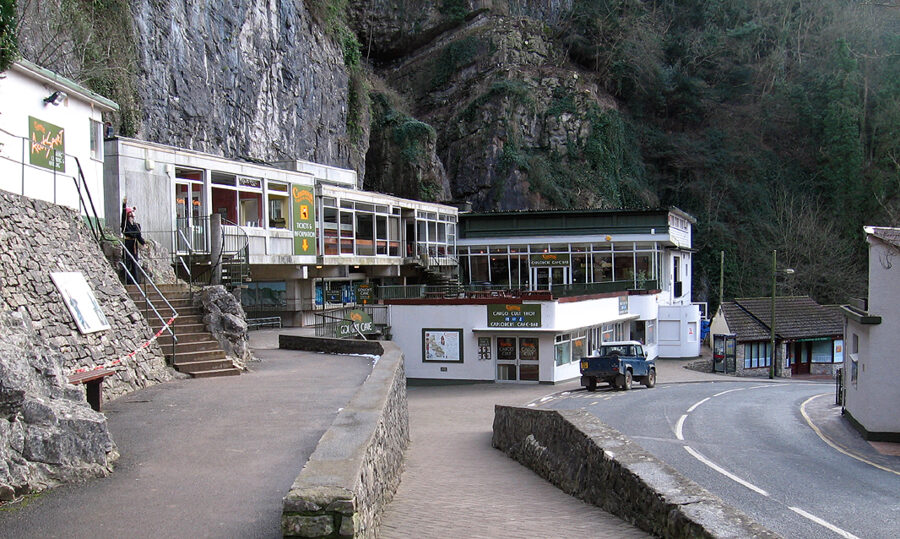
Cheddar is two places. The gorge end is cafés, cheese shops and coach parking. The village end, around The Bays and Bath Street, is where people who live in Cheddar drink, and it is ten minutes on foot from the caves.
The White Hart
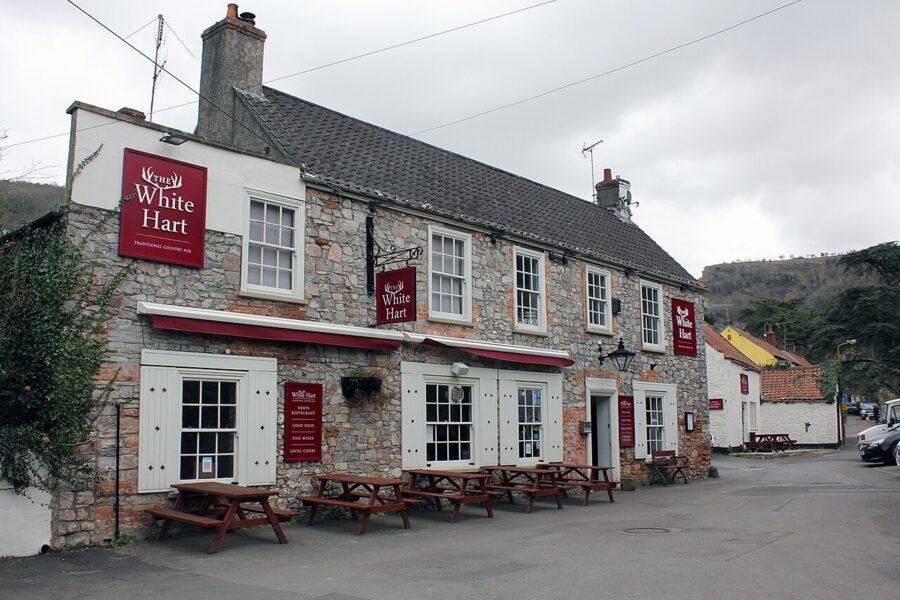
The White Hart sits on The Bays, a quiet side street just off the main road at the bottom of the gorge, and it is the pub I would send you to first. It is a traditional village pub owned by Red Oak Taverns, with Cheddar Ales’ Potholer and Gorge Best as the regular beers and a third from the same brewery that changes. The name is one of the commonest in England, the badge of Richard II, and my piece on pub names explains why so many survive.
Food starts at 10:00 and runs until 20:30 every day, which is useful in a village where several kitchens shut between lunch and dinner. Book for the Sunday roast. There is a garden to the side, a function room upstairs, a free car park behind and a welcome for dogs.
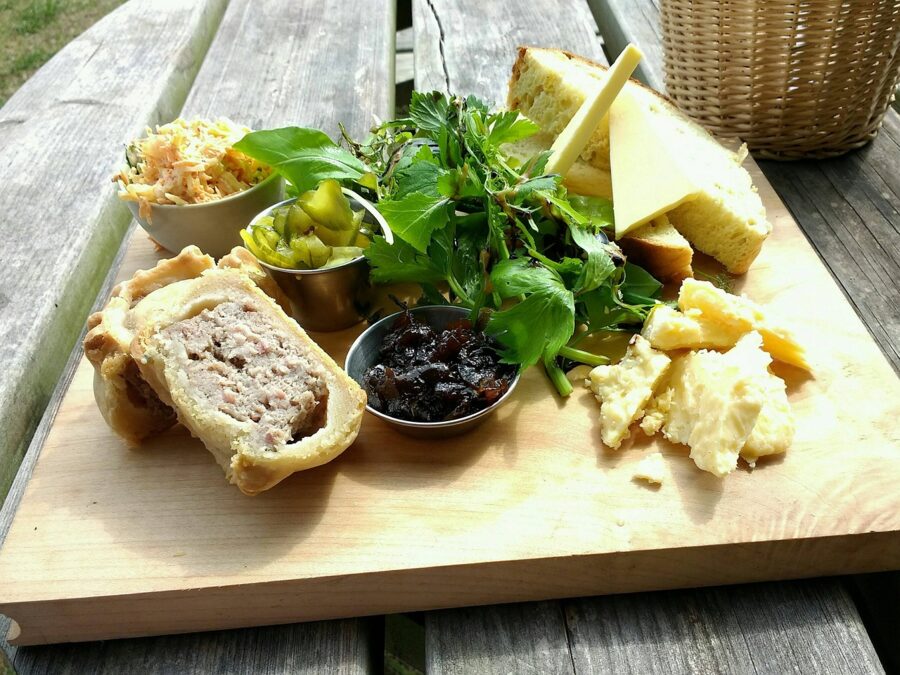
Hours are long: 10:00–23:00 from Monday to Thursday, until midnight on Friday and Saturday, and until 21:30 on Sunday. Order a ploughman’s somewhere in this village at least once, if only to eat the cheese where it got its name; my guide to the ploughman’s lunch has the story of that particular invention.
The Bath Arms
The Bath Arms on Bath Street is the big stone inn of the village, the place for a proper dinner and a room. The outside seating stands where stagecoaches once drew up to the George, the coaching inn that stood here before. The beers are Cheddar Ales, the inside has been smartly done up, and there is step-free access with an accessible toilet.
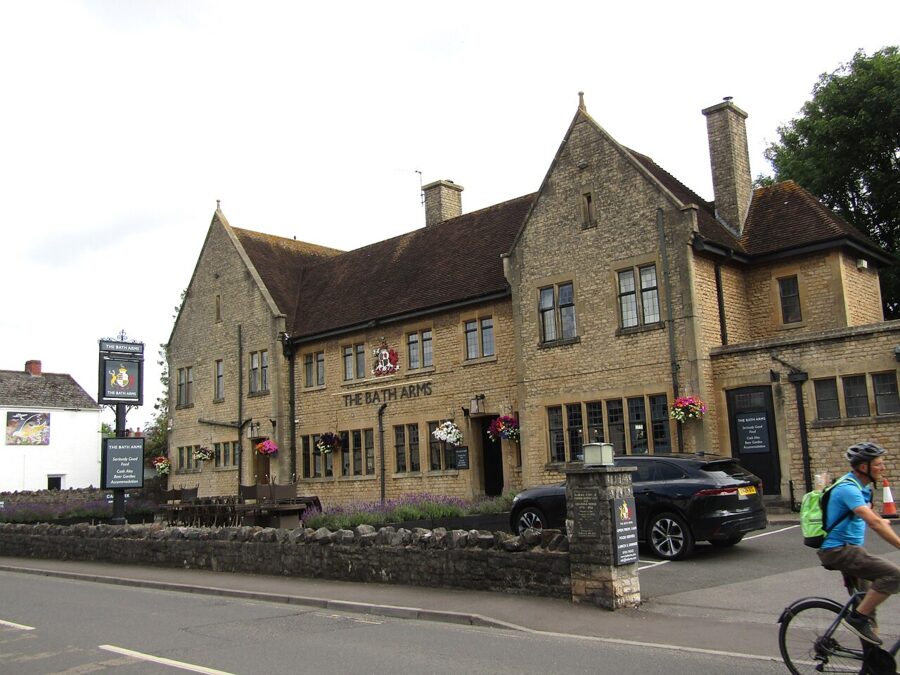

Food runs from 12:00 to 15:00 and 17:30 to 20:30 during the week, a little later on Friday and Saturday, and from 12:00 to 19:00 on Sunday. Of the two pubs, the White Hart is the better place to drink and the Bath Arms the better place to stay.
The Riverside Inn and the tap room
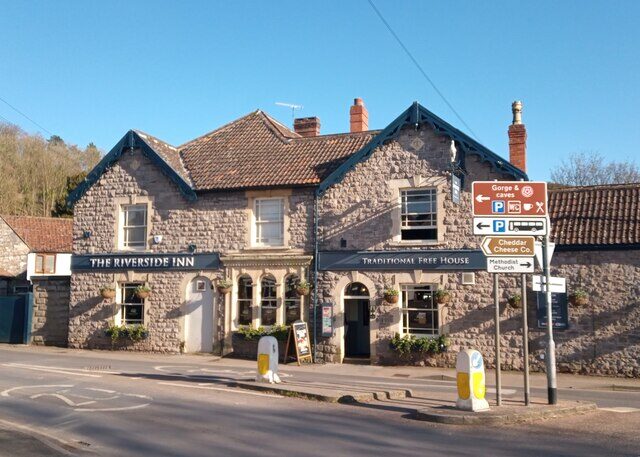
Down at the bottom of the gorge on Cliff Street, the Riverside Inn is a very large pub with a beer garden along the River Yeo, a play area, sports screens and food from 10:00. Bring the children here. The beer is better than you might fear, and the regulars include Potholer and Bath Ales’ Gem.

Cheddar Ales’ own tap room is just outside the village, and the brewery’s website gives a safe walking route from the village. Up to six of its cask beers are poured where they are brewed, with gins from the Somerset Distillery next door. It opens 12:00–16:00 Monday to Thursday and 12:00–18:00 on Friday and Saturday, with pizzas on those two days from April to October, and on Sunday only over summer bank holidays.

The Lamb, Axbridge
Axbridge is two miles west of Cheddar and a far better-looking town, with an old market square, a big church and very little traffic. The Lamb faces the square, a Grade II-listed coaching house owned by Butcombe, with a large low-beamed bar, smaller and quieter rooms off it, darts and a skittle alley. Food runs at lunchtime and in the evening, all day on Saturday, and until 19:00 on Sunday.
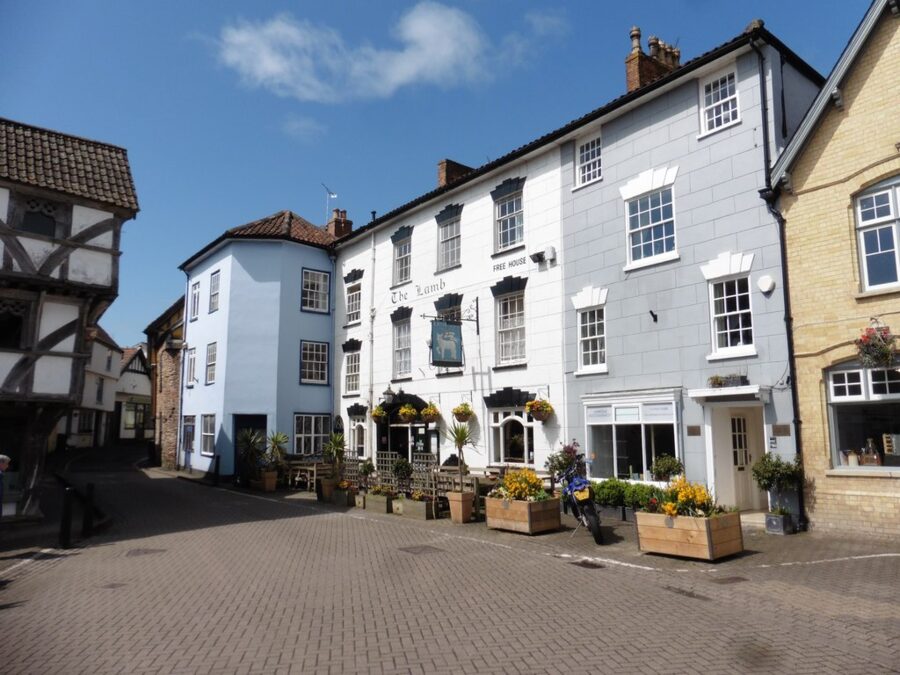

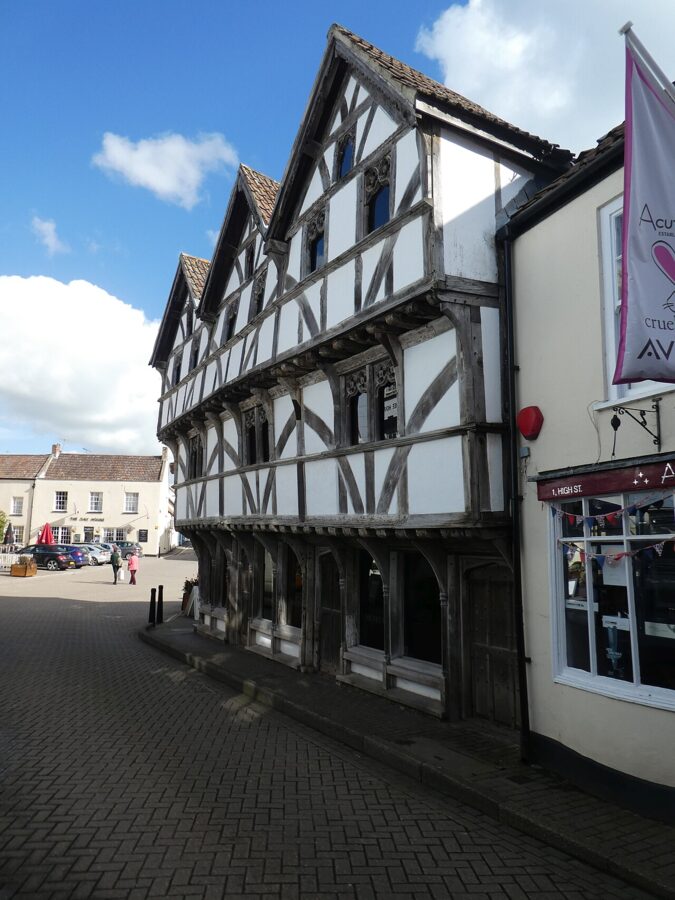
Local tradition says Judge Jeffreys held court here after Monmouth’s rebellion. That is the kind of claim a lot of West Country inns make, and I would treat it as a good story rather than a fact. The building opposite tells a better lesson in local legend: King John’s Hunting Lodge is a wool merchant’s house of about 1500, built nearly three centuries after King John died, and it now holds the town museum.

Up on the Mendip plateau: Priddy and the caving pubs
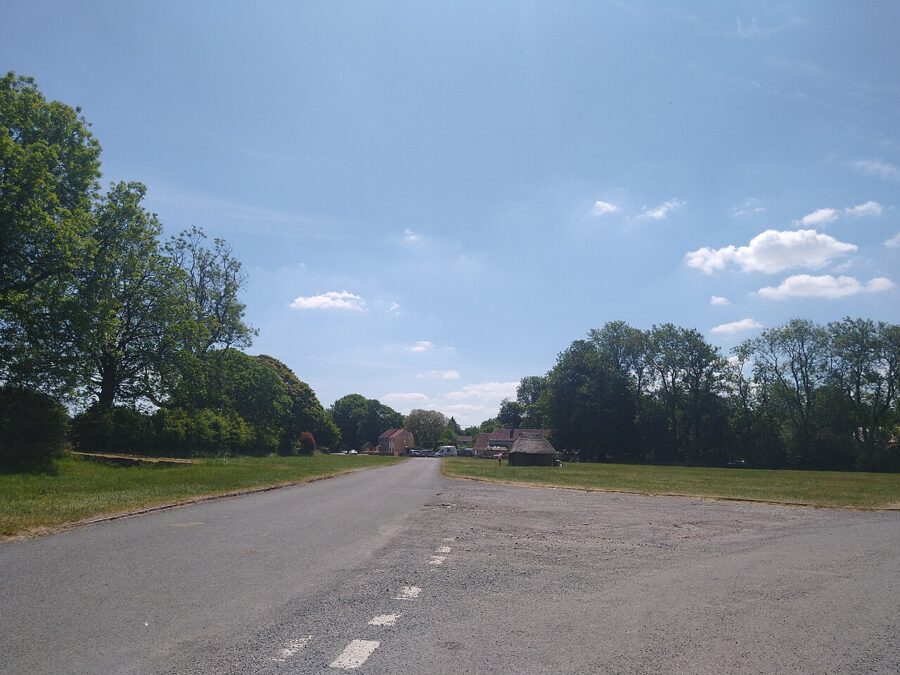
Drive up the gorge and the land flattens into a high, bare plateau of stone walls, sheep and swallets, the holes where streams vanish into the limestone. Priddy, usually called the highest village in Somerset, sits up here around its green. This is caving country, and the pubs are used to muddy boiler suits.

The Hunters Lodge
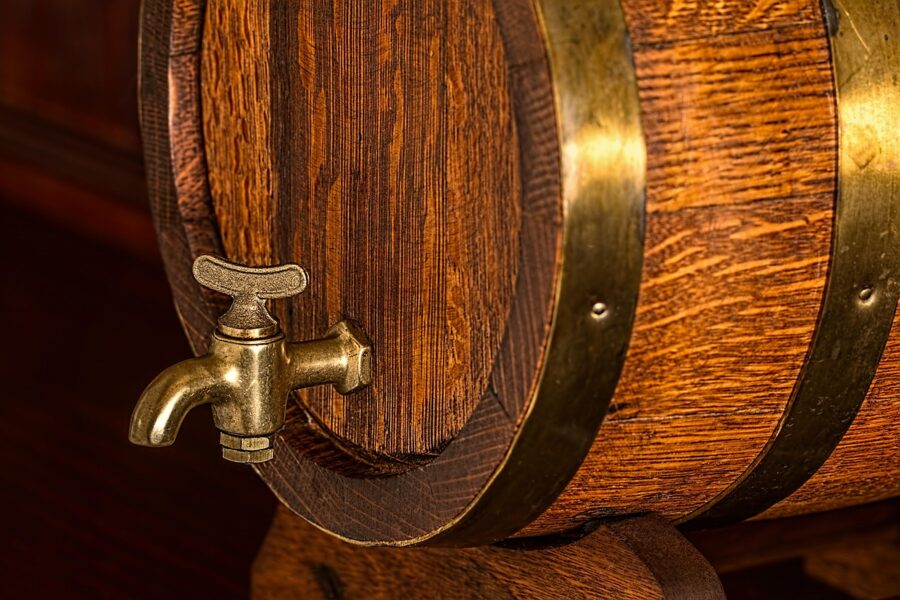
If you only go to one pub in this guide, make it the Hunters Lodge. It stands alone at a crossroads about a mile from Priddy, in a farmhouse CAMRA dates to around 1780, and the same family has owned it for more than a hundred years. The landlord, Roger Dors, has been in charge for more than half a century. CAMRA gives the interior three stars on its National Inventory of Historic Pub Interiors, its highest rating, and says nothing of note has changed since 1964.
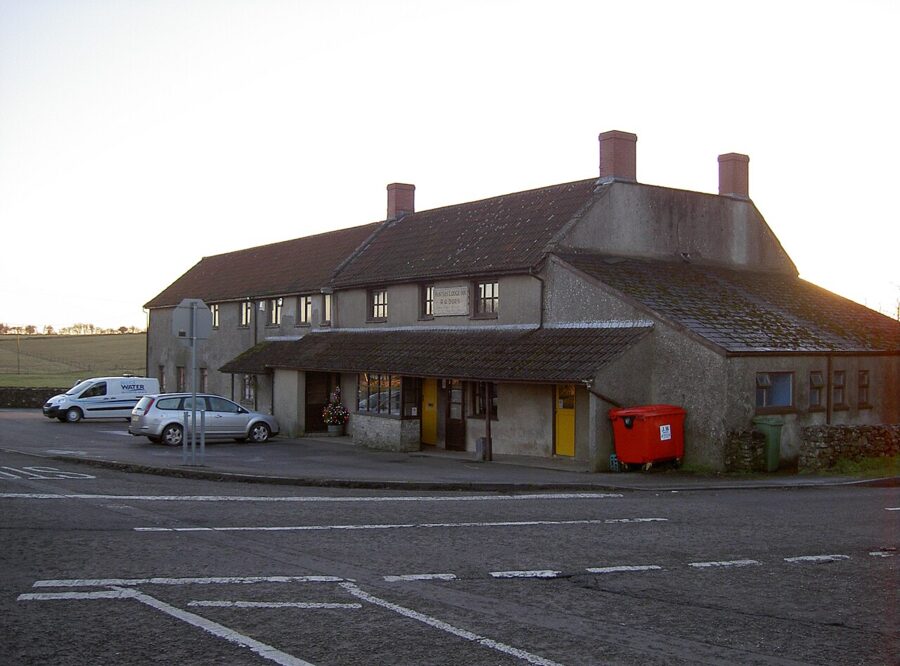

There are three rooms, one with a flagstone floor, and the beer is poured straight from casks behind the bar: Butcombe Original and Cheddar Ales’ Potholer, with local cider. The food is simple, home-cooked and excellent value, and it is served whenever the pub is open. On Tuesday evenings folk musicians drop in to play in the back room.
Three rules. It is cash only. Phones are not welcome, and there is no signal anyway. And check the hours, which are short: it is shut on Monday and lunchtimes are brief.
The Queen Victoria and the Tipsy Farmer
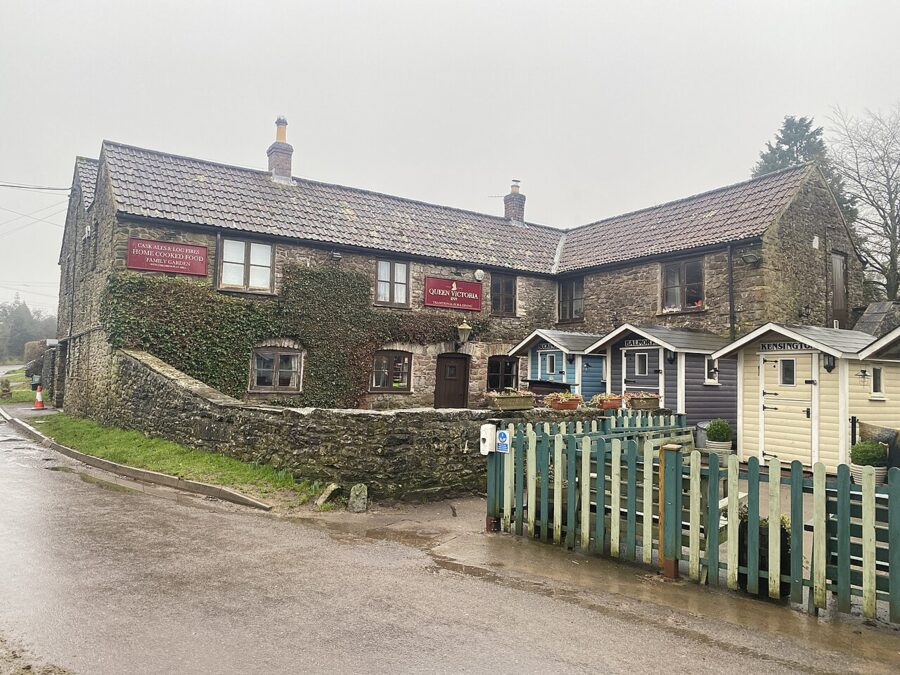
The Queen Victoria in the village has been a pub since 1851, a creeper-covered stone house with four low-ceilinged rooms, flagged floors and two log fires. It belongs to Butcombe and is run by a tenant; new people took it on in time for Christmas 2025. The beers are Butcombe’s, with four boxed ciders, and children and dogs are welcome, with a play area by the car park.

The newcomer up here is the Tipsy Farmer, on a working farm near the Camping and Caravanning Club site outside Priddy. It was a farm shop and café until the summer of 2026, when it opened as a pub. Gorge Best and Potholer are on the handpumps with a third Cheddar Ales beer, the ciders are still and in boxes, and the kitchen uses vegetables the farm grows itself; it opens at 16:00 during the week and at noon from Friday to Sunday.
A warning for anyone using an old guidebook: the New Inn on Priddy green has been closed for a long time.
The Strawberry Line villages: Churchill, Sandford, Winscombe and Rowberrow
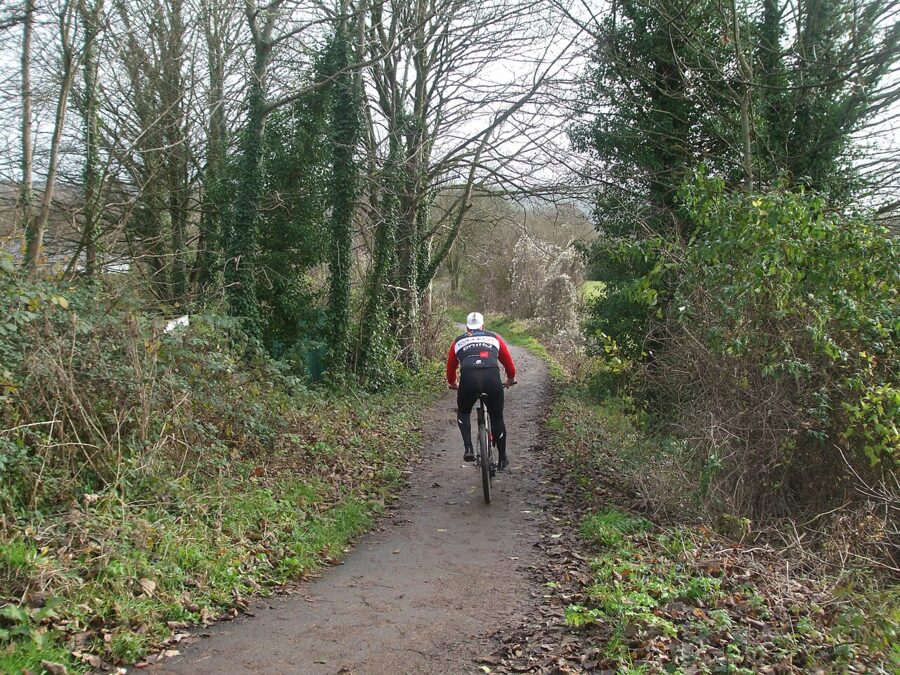
The north edge of the Mendips drops sharply to a string of villages along the A38 and the old Cheddar Valley railway. The line lost its passengers in 1963 and is now the Strawberry Line, a walking and cycling path named after the fruit it once carried from Cheddar. Pubs sit along it at sensible intervals.

The Crown, Churchill
The Crown is a small, old pub down a lane called The Batch, off the A38 just south of the junction with the A368, and it is the best pint in this guide. Five or six beers come straight from the cask, from local and regional brewers: Butcombe, Otter, Palmers, St Austell and Twisted Oak among them. The rooms are small, stone-flagged and warmed by two log fires, and the seating is whatever has been collected over the years.
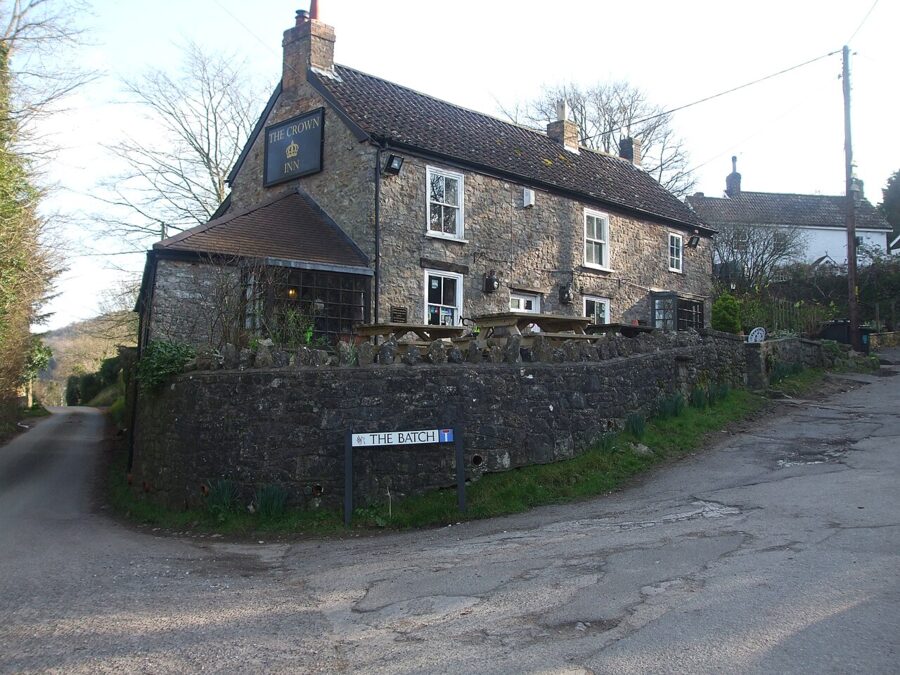

Food is lunchtime only, 12:00–14:30 (15:00 on Sunday). The pub takes no table bookings, so arrive early on a Saturday. Families are welcome away from the bar.
Do not confuse it with the Churchill Inn on Bristol Road, which closed in May 2026 and has not reopened.
The Railway Inn, Sandford, and Thatchers
Sandford is Thatchers’ village, and the company owns the Railway Inn beside its cider farm. The old pub was rebuilt and reopened in July 2015 at about three times its former size; only two of the original walls survive. The restaurant is to the left, and drinkers gather in the high-roofed bar.
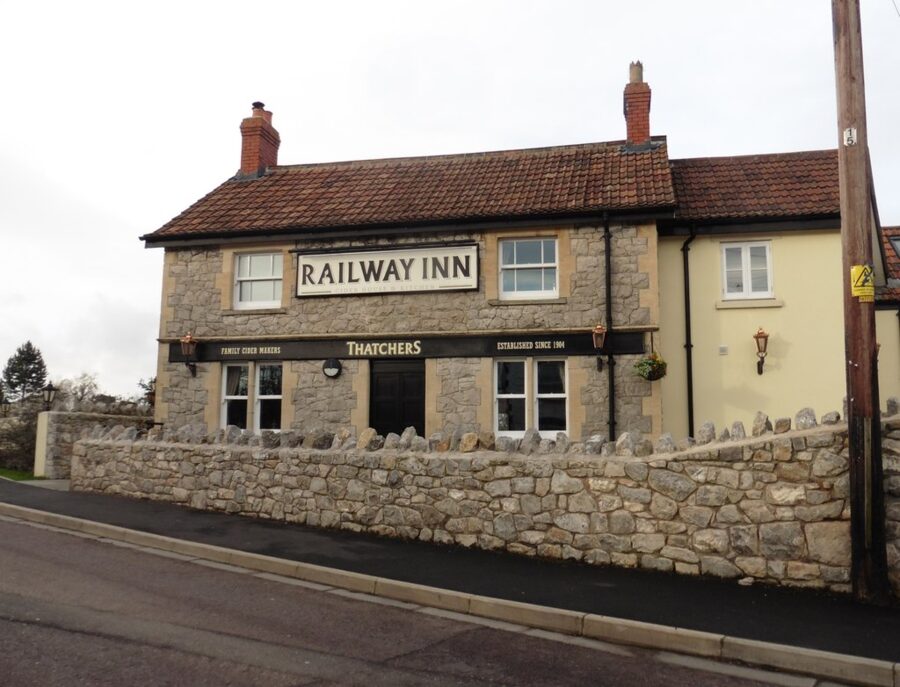

The point is the cider: three Thatchers ciders on handpump, including the Cheddar Valley and Heritage, and boxed ciders besides, with three cask ales, one of them from Butcombe. There is a large garden with a playground. Thatchers says it now opens seven days a week, but check the food times before you plan lunch around it.
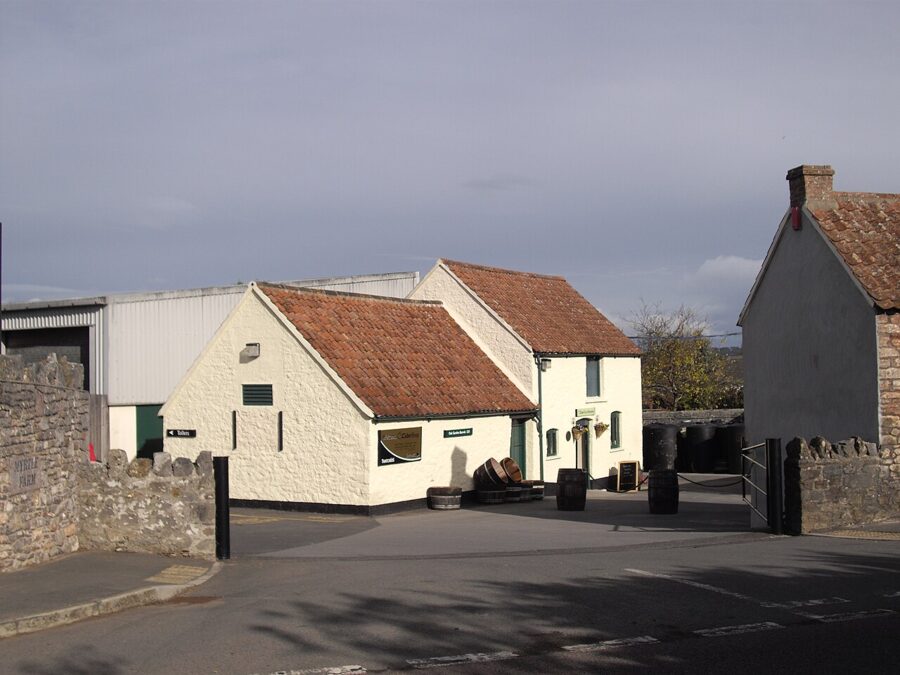

Across the lane, the Thatchers shop at Myrtle Farm sells draught cider to take away, drawn from the barrel, along with local cheese and preserves. It is an off-licence, so taste but do not expect to sit down with a pint. William Thatcher started making cider here in 1904, and the family still runs the company.

The Swan, Rowberrow, and the Woodborough, Winscombe
The Swan at Rowberrow is three knocked-through miners’ cottages from the late seventeenth century, Grade II listed and owned by Butcombe. It sits under Dolebury Warren, whose Iron Age hillfort is one of the best short walks on the Mendips. Two Butcombe beers and a guest are on, the food is the main business but drinkers are welcome, and the garden, play area and car park are across the road.
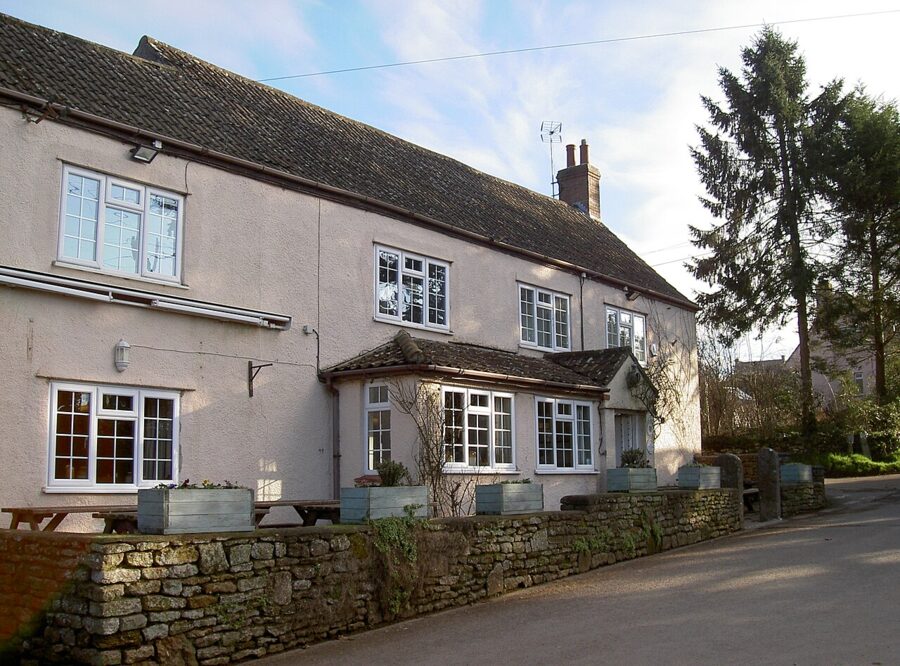


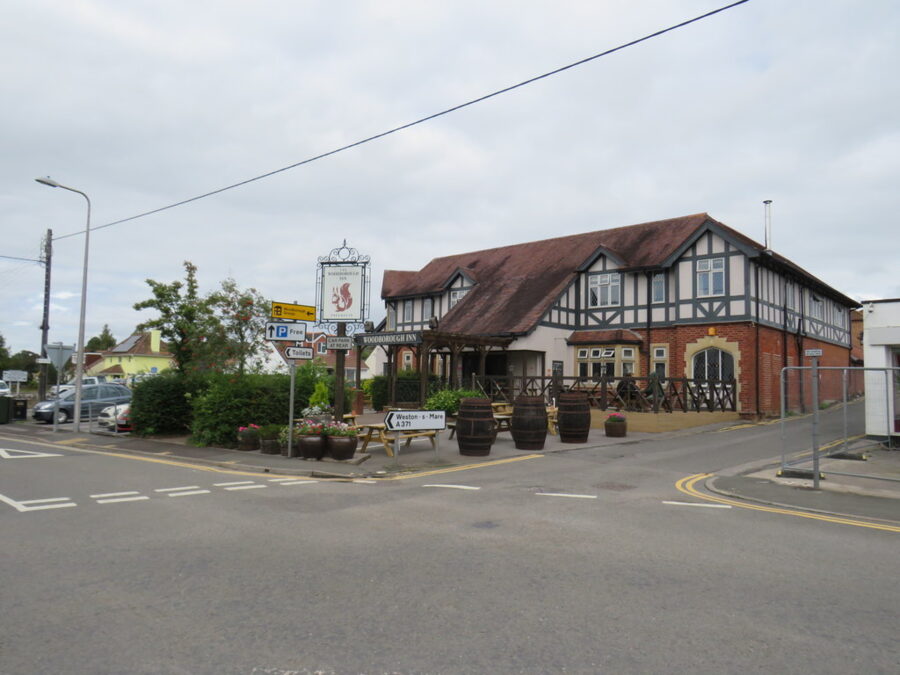
In Winscombe, the Woodborough is the big village-centre pub, with a black-and-white Tudor-style front, two bars, a restaurant, a skittle alley and seven rooms. It serves breakfast from 08:00 and runs a quiz on the first Thursday of the month. It is a short detour from the Strawberry Line.

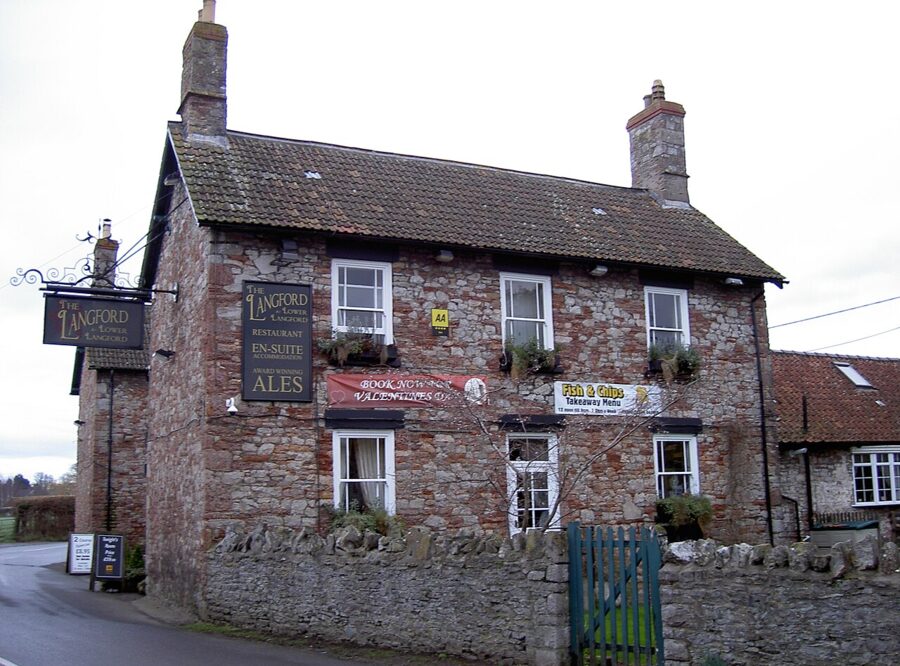
A few miles north-east, the Langford Inn at Lower Langford is another Butcombe house, completely refurbished in 2021, with seven bedrooms alongside. It is more country hotel than local, but drinkers are welcome.

Yatton, Backwell and Wrington
North of the Mendips the country flattens into the commuter villages along the railway from Bristol to Weston-super-Mare. Three of its pubs are worth the trip, and one is gone.
The Railway Inn, Yatton
The Railway Inn on Station Road went up in 1840 as the Railway Hotel, beside what was then the new Clevedon Road station; the station is now Yatton, a hundred yards away. CAMRA’s local branch records connections to both the Kray twins and the Great Train Robbers, which is the sort of thing every pub wants and few can document. Today it is a friendly sports-and-pool local with Sky, TNT and Amazon on the screens, darts, a function room and a garden.
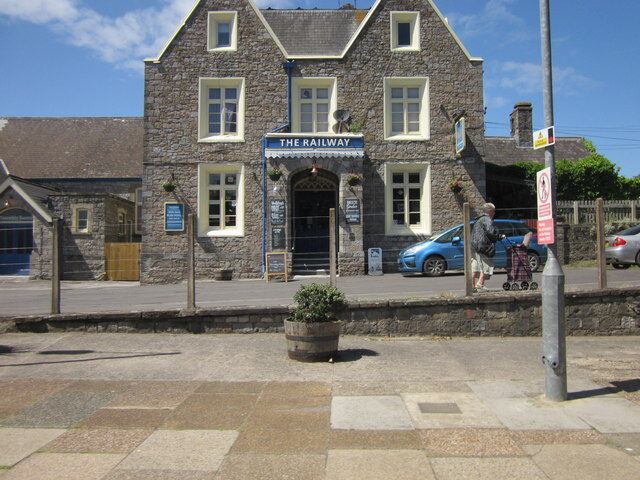

Children and dogs are welcome. Tuesday is quiz night, there is a cheap main-course deal on Thursday evenings, and booking is wise for Sunday lunch. The kitchen is shut on Monday; otherwise lunch runs 12:00–14:00 and dinner 17:00–20:00, with breakfast from 09:30 on Friday and from 09:00 on Saturday.
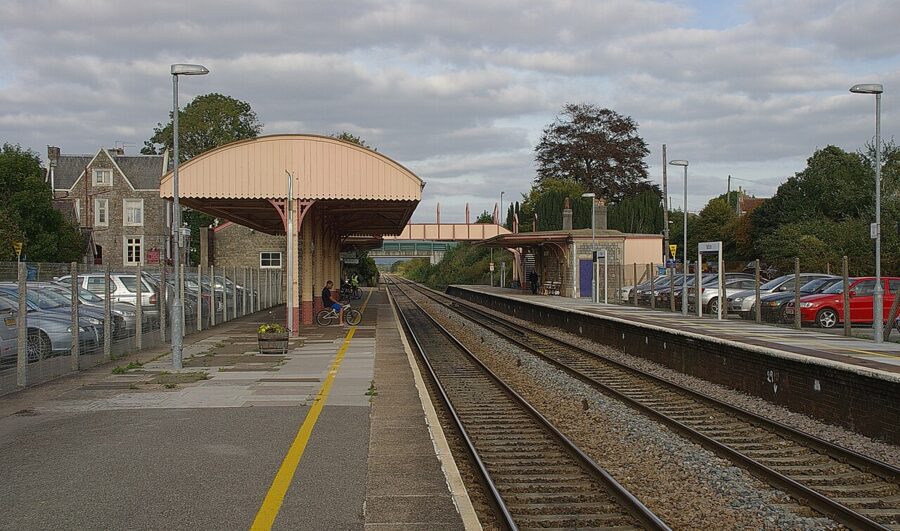

The beers change; Timothy Taylor’s Landlord has been on recently. It is not a pub for a quiet pint on a big match night, but no pub is better placed for the start of a Strawberry Line walk.
The Lord Nelson at Cleeve, on the main road a couple of miles east, is closed. It stopped trading in 2016, was demolished in 2021, and a petrol station and supermarket now stand on the site.
The Rising Sun and the George, Backwell
The Rising Sun on West Town Road is a big Butcombe pub, extensively modernised and open-plan, with six en-suite rooms, a large car park, a garden and a children’s play centre. It opens at 08:00 for breakfast, and the kitchen serves until 20:45 during the week and until 21:00 on Saturday. On Sunday food runs from 12:00 to 19:00, and the regular beers are Butcombe Original and Gold.
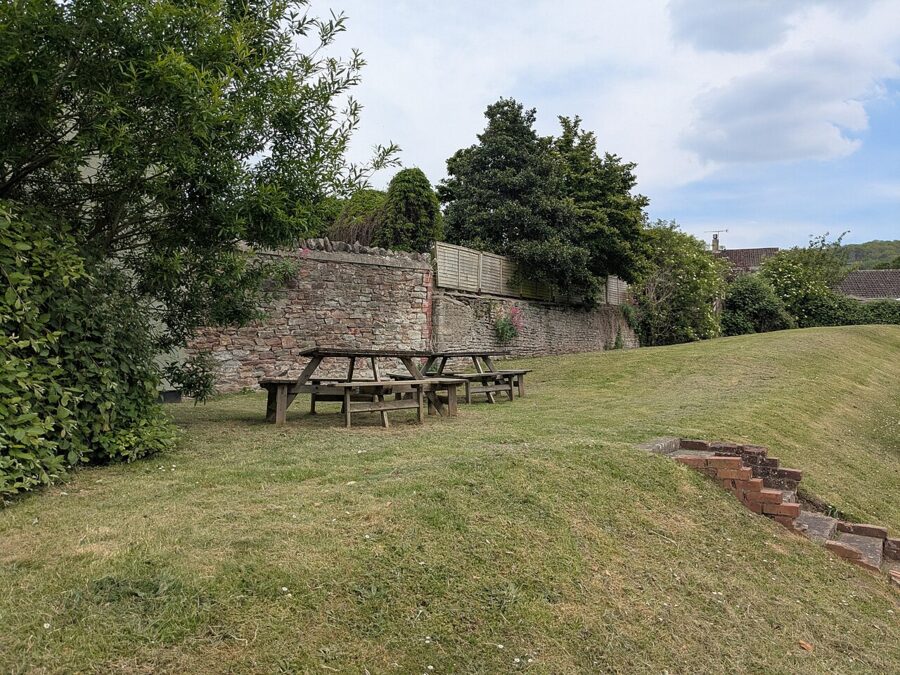

It is a good family dining pub. Nailsea and Backwell station is about fifteen minutes’ walk, the X1 bus between Bristol and Weston stops close by, and Bristol Airport is about three miles away, which makes the rooms handy for an early flight.
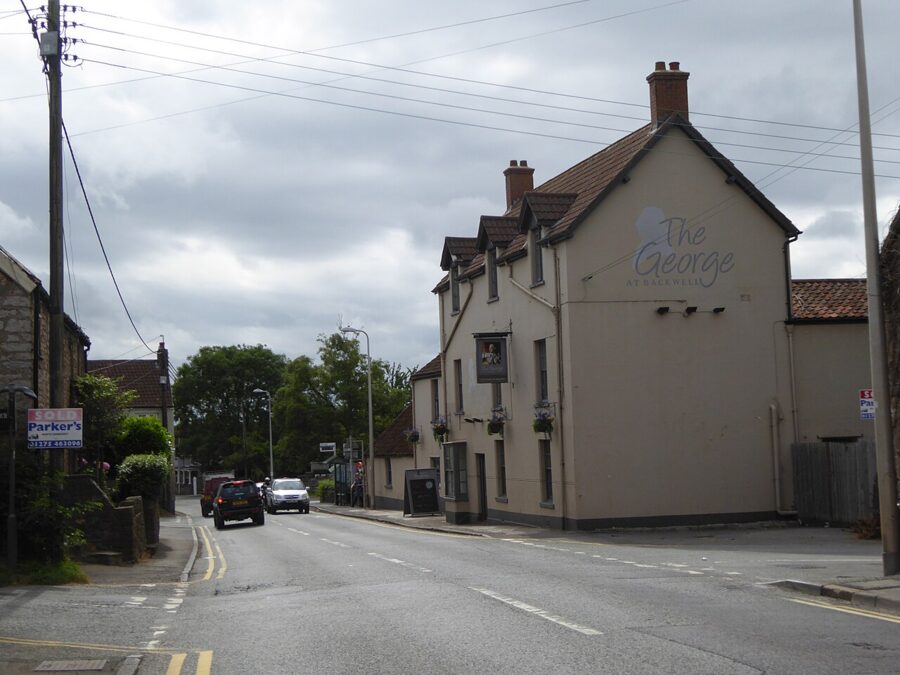
The George, on the A370 through Backwell, is the better place for a drink. It has a large courtyard garden, seven rooms, Butcombe Original and Timothy Taylor’s Landlord on the bar, and the X1 stops right outside. The door is at the back of the car park, and the kitchen is closed on Monday and Tuesday.

The Plough, Wrington
Wrington is Butcombe’s home now, and the brewery has a shop on its site outside the village and holds an open day at the end of September. The pub to drink in is the Plough, set back from the main street, with three open fires and an L-shaped room. The right-hand end works as a snug; the left leads through to the dining room and the garden.
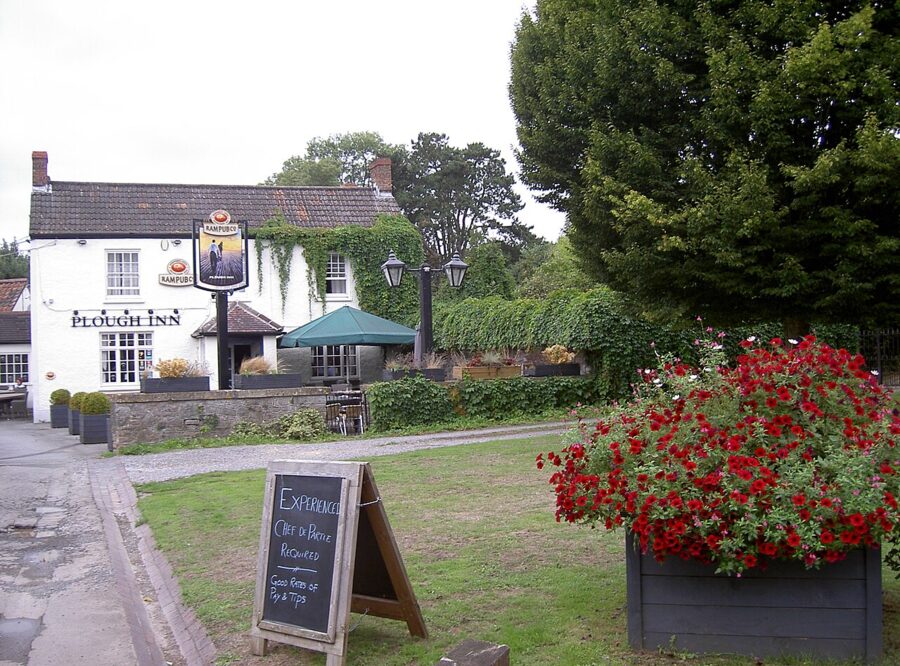

Butcombe Original and Timothy Taylor’s Landlord are joined by Bristol Beer Factory’s Independence, the current Champion Beer of Britain, and there is a cider from Ganley & Naish. Food runs 12:00–15:00 and 18:00–21:00, and until 16:30 on Sunday. It is the best all-round pub in the north of this area.
The Chew Valley: Chew Magna to Stanton Drew
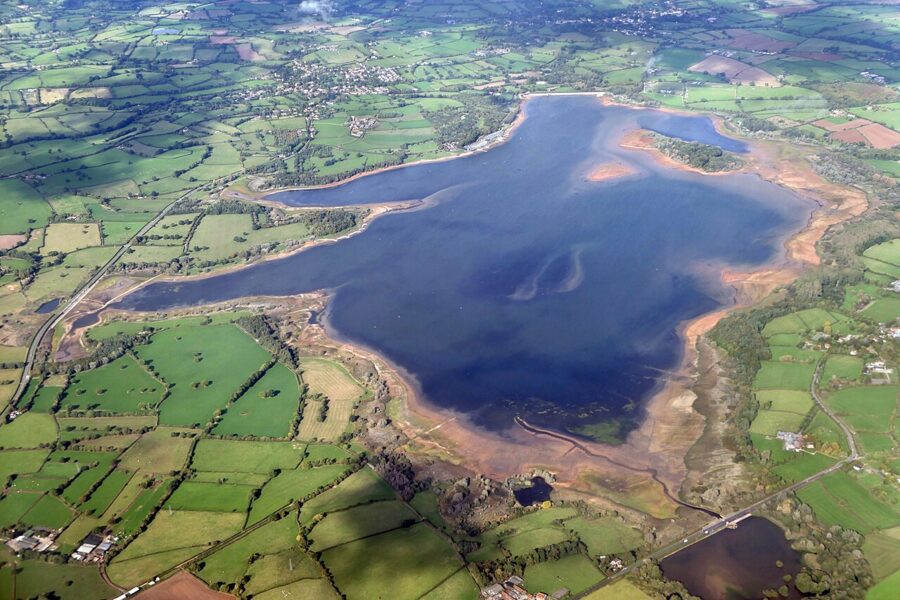
East of the A38 the hills soften into the Chew Valley, with Blagdon Lake and Chew Valley Lake filling the bottom of it. This is the richest corner of the area, close enough to Bristol for dinner, and the pubs show it.

The Druids Arms, Stanton Drew
The Druids Arms on Bromley Road is a village pub of three connected rooms and a real fire, with the Cove in its garden and the stone circles a short walk away. CAMRA’s local branch records a ghost called Grace, said to have died under a carriage outside. The regular beers are Butcombe Original and St Austell’s Tribute, and the bar also stocks Thatchers.
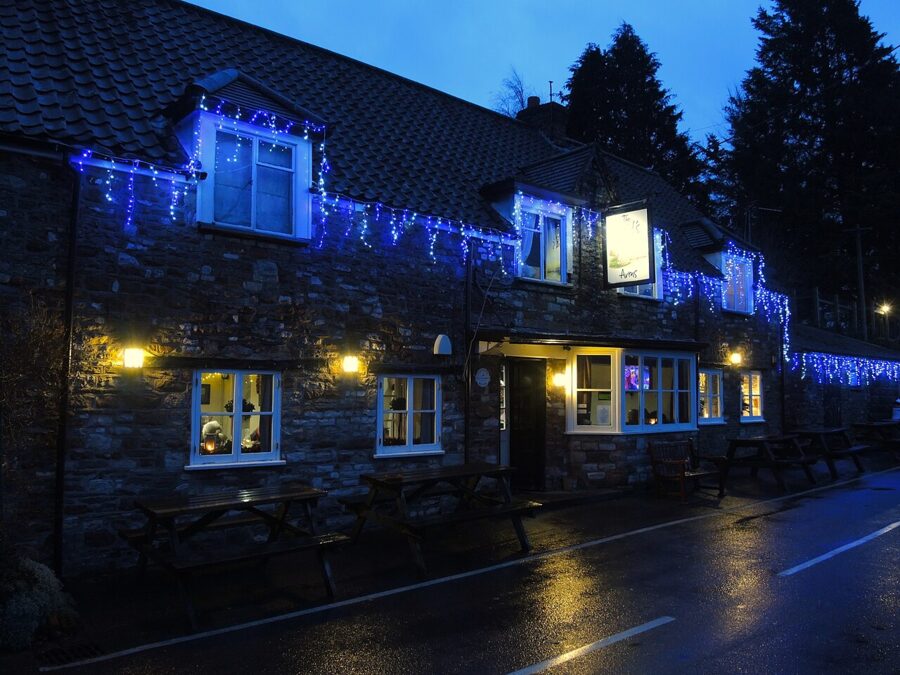

Food runs 12:00–14:00 and 17:30–20:30 from Monday to Saturday, and 12:00–16:00 on Sunday, when lunch is busy enough to book. Dogs are welcome in the pub but not in the restaurant area. Camper vans may be allowed to stay overnight in the car park if you ask.
Autumn 2026 brought a quiz, a conker championship and a Halloween party: a village local first. There is a single step at the door, with a ramp on request, but the toilets are up a steep flight of stairs.
The stone circles
Stanton Drew has three stone circles. The Great Circle is 113 metres across and one of the largest in the country, with 26 stones still standing, and English Heritage dates the complex to around 2500 BC. Geophysical surveys found nine rings of timber posts inside it, so what you see is the skeleton of something much bigger.
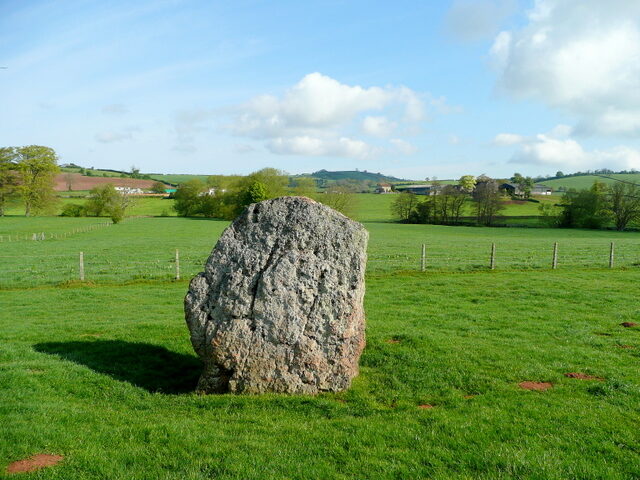

The local story is better than the archaeology. A wedding party danced in the meadow on a Saturday night; at midnight the fiddler stopped, a stranger took up the bow and played faster and faster, and by morning the dancers had turned to stone. The version told about the Cove makes its three stones the parson, the bride and the groom, punished for dancing on a Sunday. Visit the stones before lunch, not after.
The Carpenters Arms, Stanton Wick
A mile and a bit south-east at Stanton Wick, the Carpenters Arms is a rural dining pub with the feel of an old travellers’ inn: the Coopers Parlour is on the right and a dining room on the left. There is room for a drink by the fire, with Butcombe Original, Otter and Doom Bar on the bar. Food runs at lunchtime and from 18:00 until 21:30 (22:00 on Friday and Saturday), and all day on Sunday.

Chew Magna
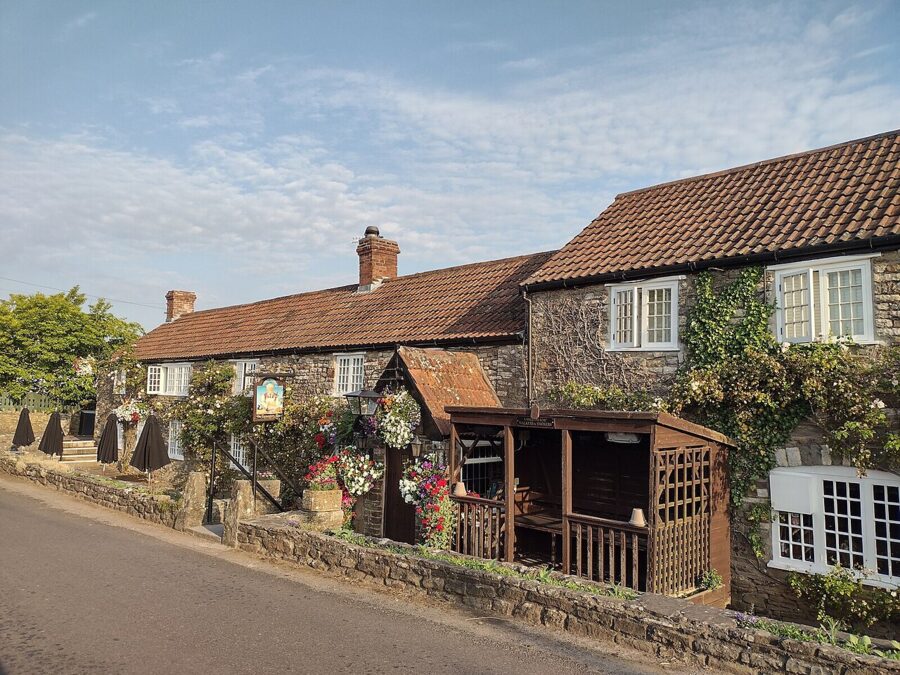
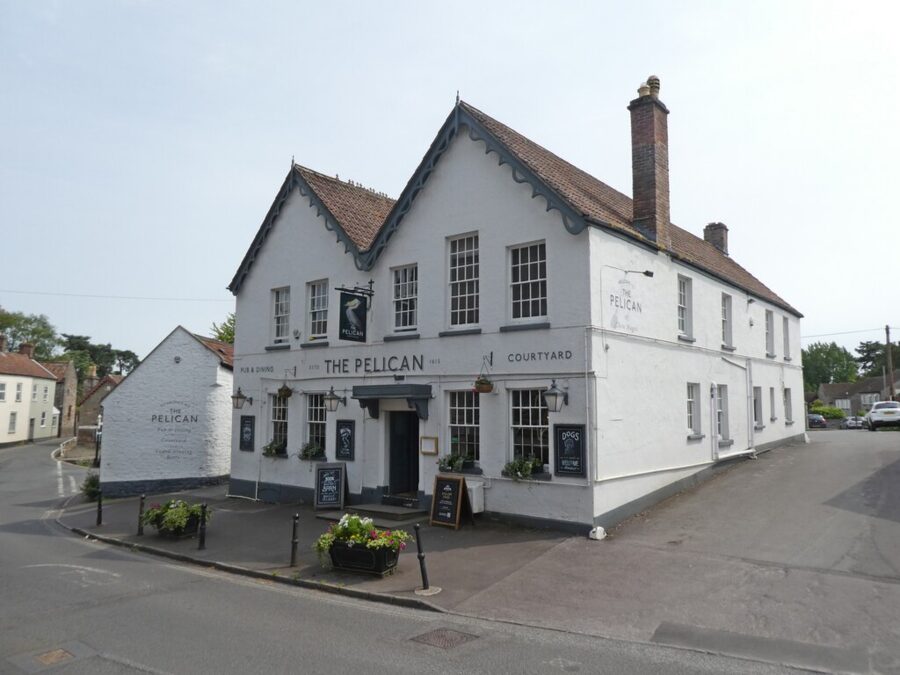
Chew Magna is the valley’s small town and has two pubs worth your time. The Pelican, known locally as the Pelly, is a double-gabled, whitewashed pub on South Parade, run since November 2024 by Josh and Holly Eggleton’s Pony group. It does woodfired pizza from Wednesday to Saturday, Bristol Beer Factory beer and Wilding cider, and keeps a games room with pool and darts.

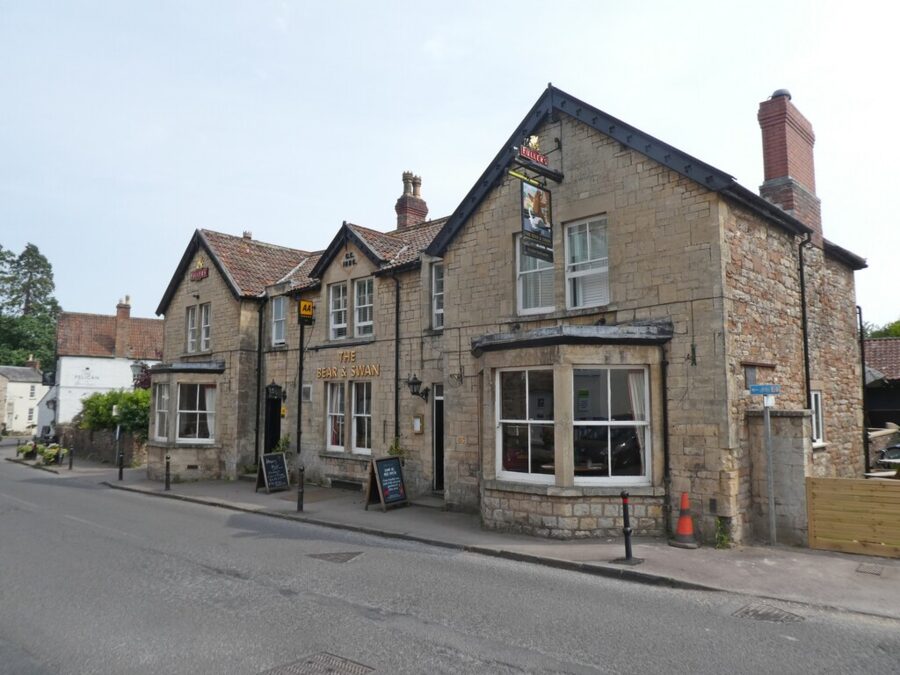
The Bear and Swan, a few doors along, is an upmarket nineteenth-century pub owned by Fuller’s, with London Pride and Butcombe, a heated marquee in the garden and six rooms. The Eggletons’ older place, the Pony & Trap at Newtown, is now the Pony Chew Valley, a restaurant and cookery school rather than a pub. Buses 100, 101 and X91 serve Chew Magna.

Blagdon, Compton Martin and the Harptrees
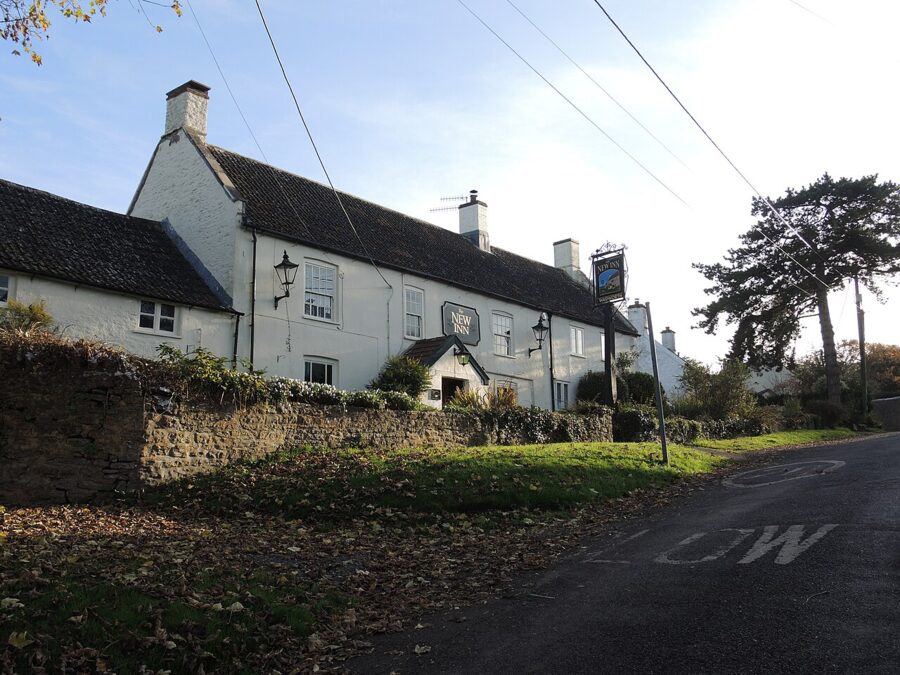
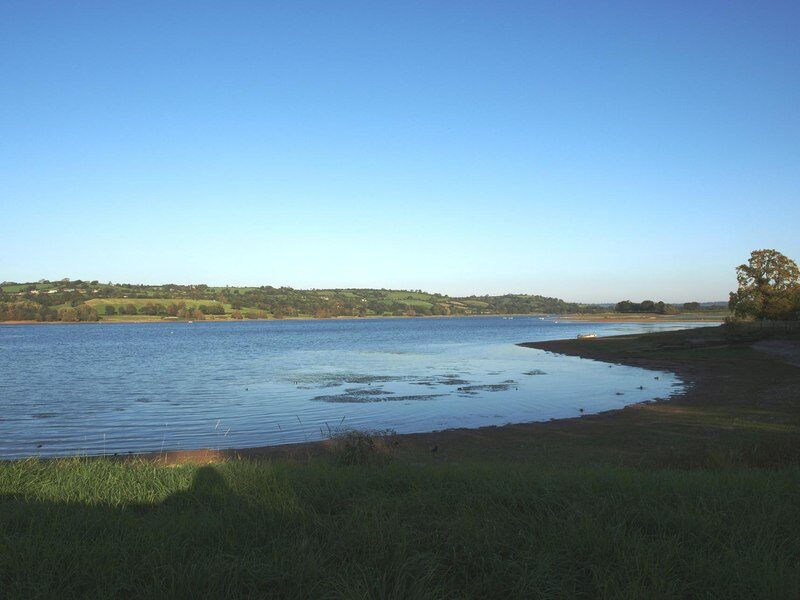
The villages along the north foot of the Mendips, between Blagdon and the Harptrees, are where you go for a pub with a view. The New Inn sits up Park Lane above Blagdon, with Blagdon Lake laid out below the garden, Wadworth beers on the bar and produce from Yeo Valley, whose farm is in the same valley. It opens at noon every day and closes at 19:00 on Sunday.


Cask drinkers should know that the Seymour Arms in Blagdon has stopped serving real ale. Its current licensee decided in the summer of 2026 that there was not enough demand.
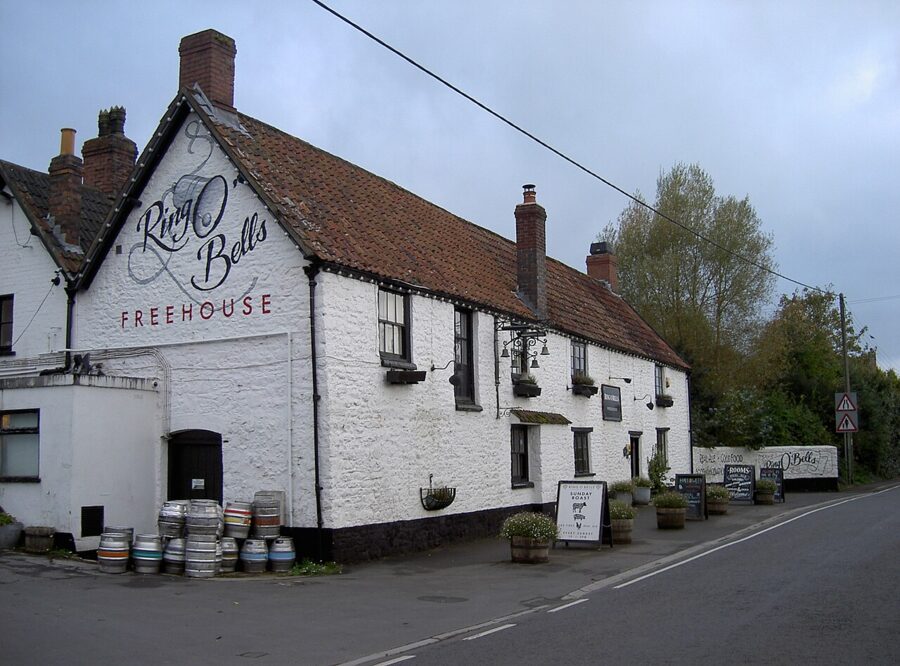
The Ring O’Bells at Compton Martin is a traditional village pub with history going back to the sixteenth century, three open fires, two bedrooms and a big garden at the foot of the hills. It is now run by Butcombe, and the kitchen serves from breakfast until 21:00. The X91 bus stops nearby.

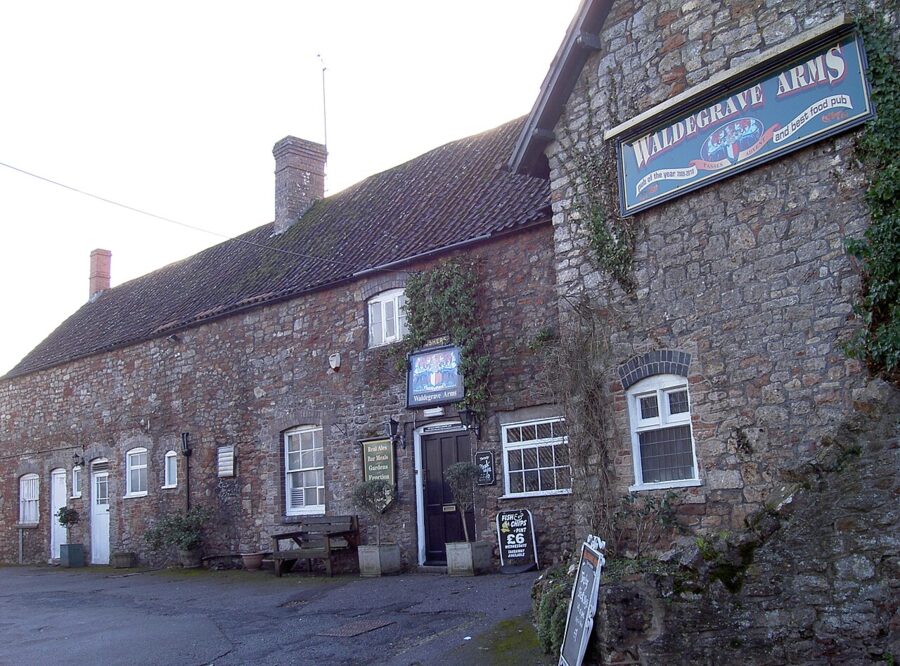
East Harptree’s Waldegrave is the one to cheer for. It is owned by a community benefit society, and since April 2026 a mix of staff and village volunteers has kept it open, pulling pints and doing the gardening and books. The bar carries Cheddar Ales, Arbor, Lost & Grounded and Pulpt cider; it is closed on Monday and Tuesday and opens at 17:00 on Wednesday and Thursday.

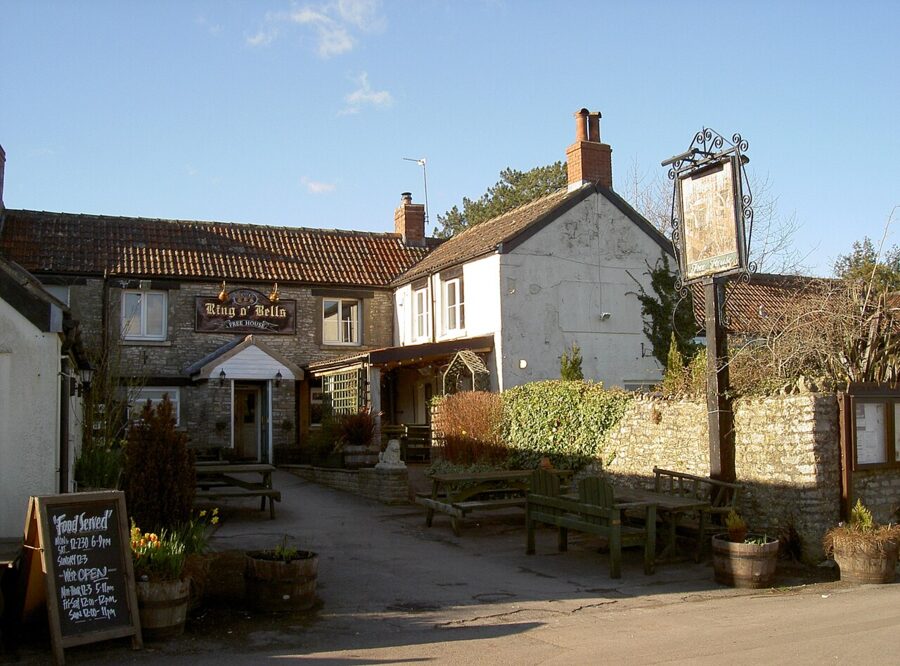
Further east, the Ring O’Bells at Hinton Blewett is a nineteenth-century pub with a bar and a snug, a dining room with its own garden, and a lot of cricket memorabilia. There is free boules on Tuesday evenings and a real cider, sometimes Rich’s Legbender. It is shut on Monday and Tuesday but opens all day from June to September.

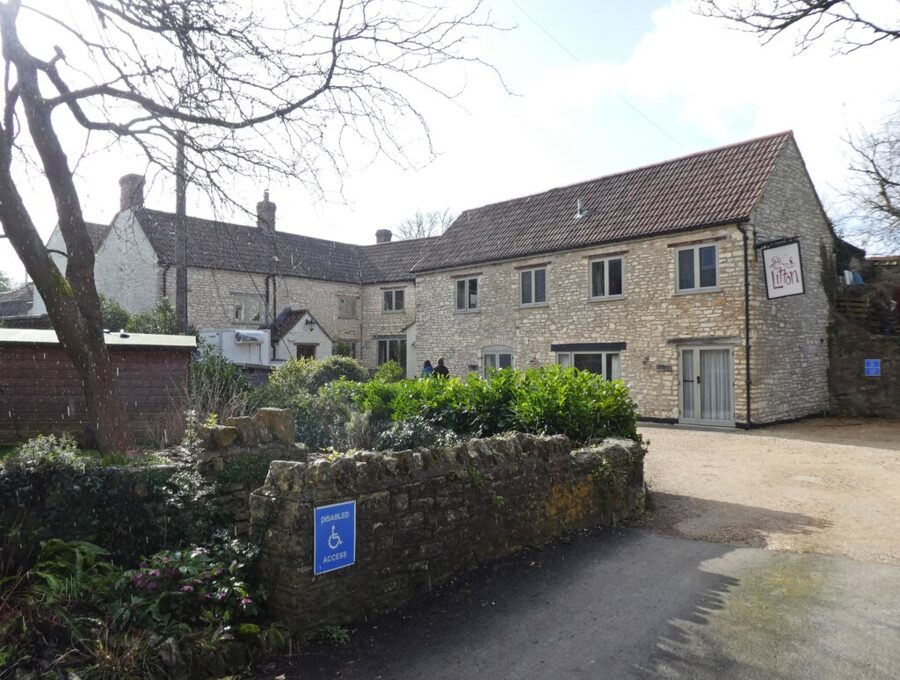
The Litton, a mile and a half south, is an enlarged fifteenth-century village pub turned boutique hotel, with a whisky bar in the oldest part and a terrace by the river. It is a destination for dinner and a room rather than a pint, and it does that well.

Saltford, on the Avon
Saltford is the odd one out: a village on the River Avon between Keynsham and Bath, with three good pubs and the Bristol and Bath Railway Path running past. It is one of the easiest places in this guide to reach without a car. My guide to the best pubs in Bath picks up where the river path ends.

The Riverside Inn
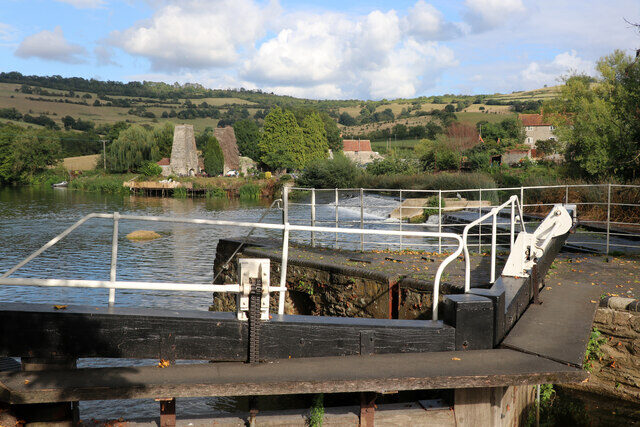
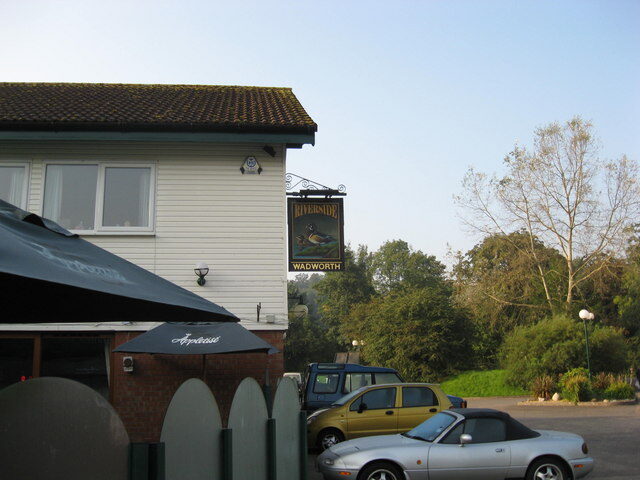
The Riverside Inn on The Shallows has a lounge bar looking over Kelston Lock, an upstairs family room, a restaurant and a conservatory. It is a Wadworth pub, with 6X and Henry’s IPA, and it has six bedrooms. A carvery runs on Wednesday, Thursday and Sunday, food otherwise from 12:00 to 20:00 (18:00 on Sunday), and there are sports screens and a pool table.


The Jolly Sailor and the Bird in Hand
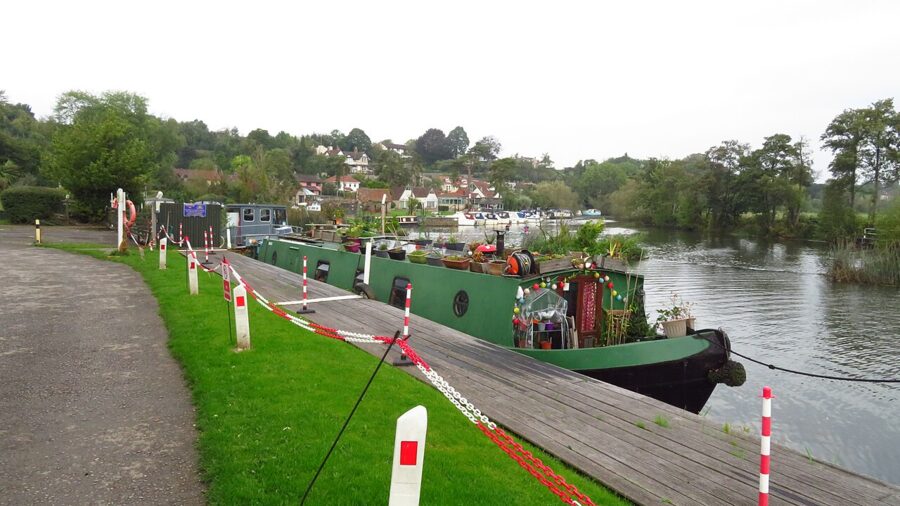
The Jolly Sailor is at the end of a long cul-de-sac called Mead Lane, with Saltford Lock outside the door and an island in the river that belongs to the pub. Wadworth reopened it in May 2026 after a big refurbishment. It is closed on Monday; otherwise it opens at noon and the kitchen serves 12:00–14:00 and 18:00–20:30, stopping at 15:00 on Sunday.
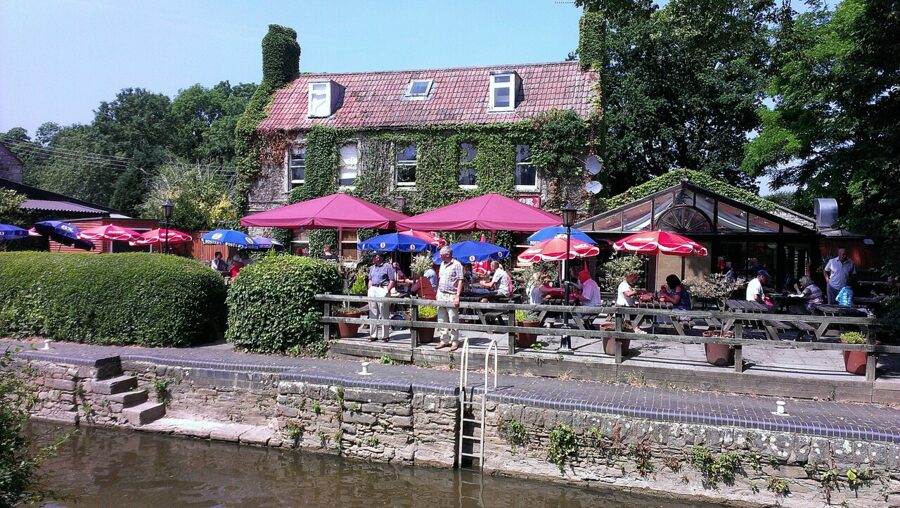

The Bird in Hand, built in 1869, sits among stone houses at the bottom of the High Street, beside the Railway Path and the River Avon Trail. It has a long L-shaped bar, a conservatory for eating and a terraced garden with a view across to the hills. Sunday roasts start at noon and run until they run out, so go early; my guide to the Sunday roast covers what to expect from one.

Wells and Glastonbury, in brief
South of the Mendips, Wells and Glastonbury deserve guides of their own; these are the pubs I would not miss. Neither has a railway station; the 376 bus runs from Bristol through Wells to Glastonbury.
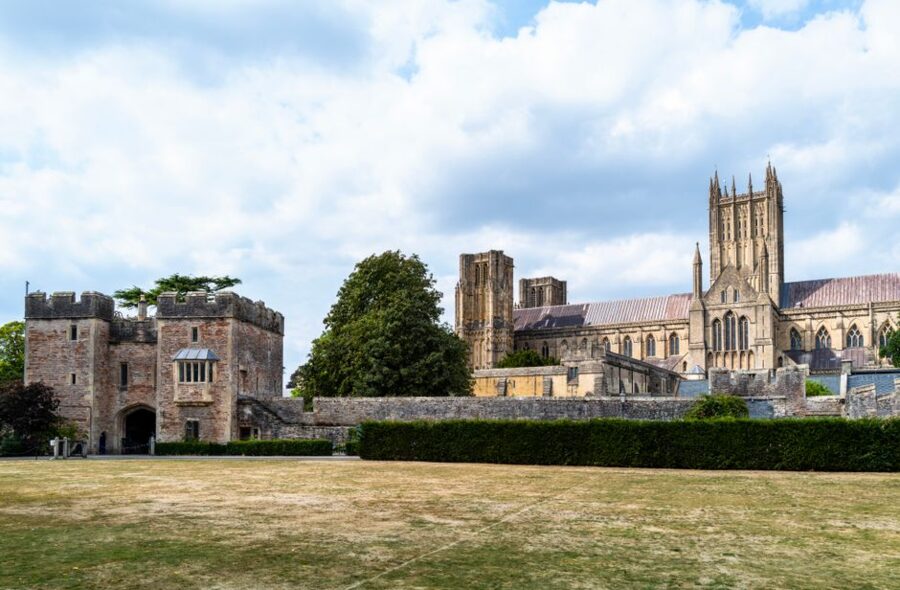
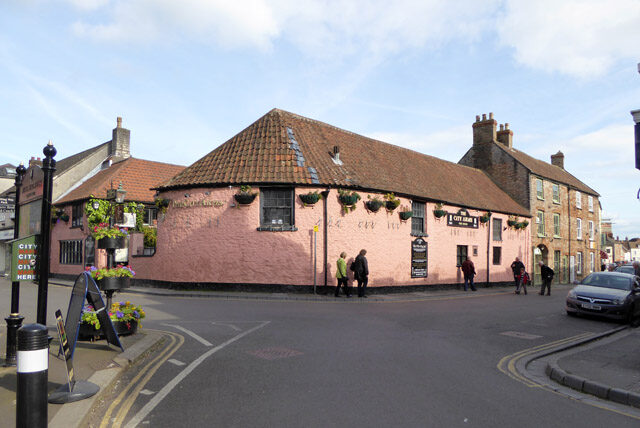
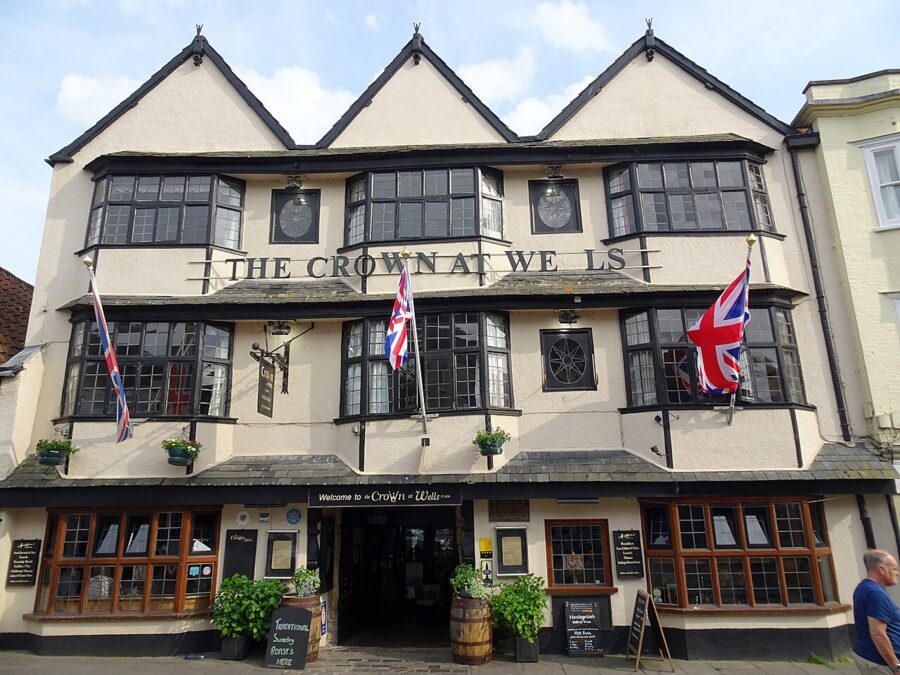
In Wells, the City Arms on the High Street was the city jail until 1810, and the main bar keeps its small barred windows and low vaulted ceilings. The building wraps around a courtyard with tables, three or so changing ales are on, and it has three bedrooms. The Crown on the Market Place is a hotel with a separate bar run as a pub, entered by the door to the left of the main entrance, with up to four changing ales.

William Penn, the Quaker who founded Pennsylvania, preached to a crowd from a window of the Crown in 1685 and was arrested for it, then released after the bishop stepped in. A plaque on the building records a more recent claim to fame, the filming of Hot Fuzz in 2006. No under-18s are allowed in the bar after 20:00.

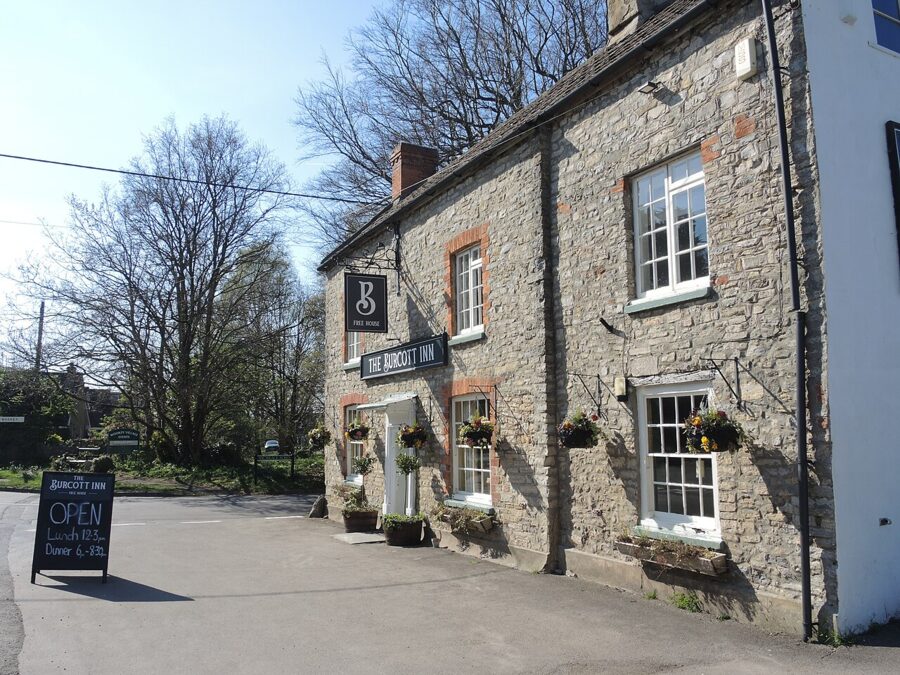
On the eastern edge of Wookey, two miles west of Wells, the Burcott Inn is a friendly village pub with Hop Back’s Summer Lightning, a garden and four self-catering cottages. It is closed on Monday and open only in the evening on Tuesday.

In Glastonbury, the George and Pilgrims on the High Street, near the Market Cross, is a Grade I-listed stone inn with a panelled, battlemented front and mullioned windows, built in the late fifteenth century under Abbot John Selwood for people visiting the abbey. It claims to be the oldest purpose-built pub in the South West. The claim stands up better than most, because this building was put up as an inn, and my guide to the oldest pubs in England explains why most rivals cannot say as much.
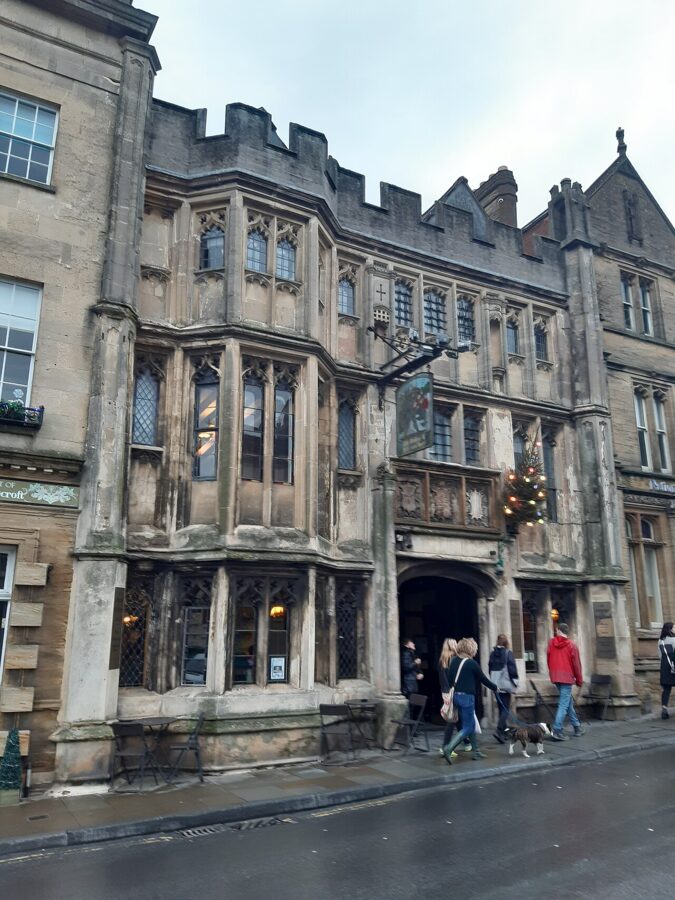

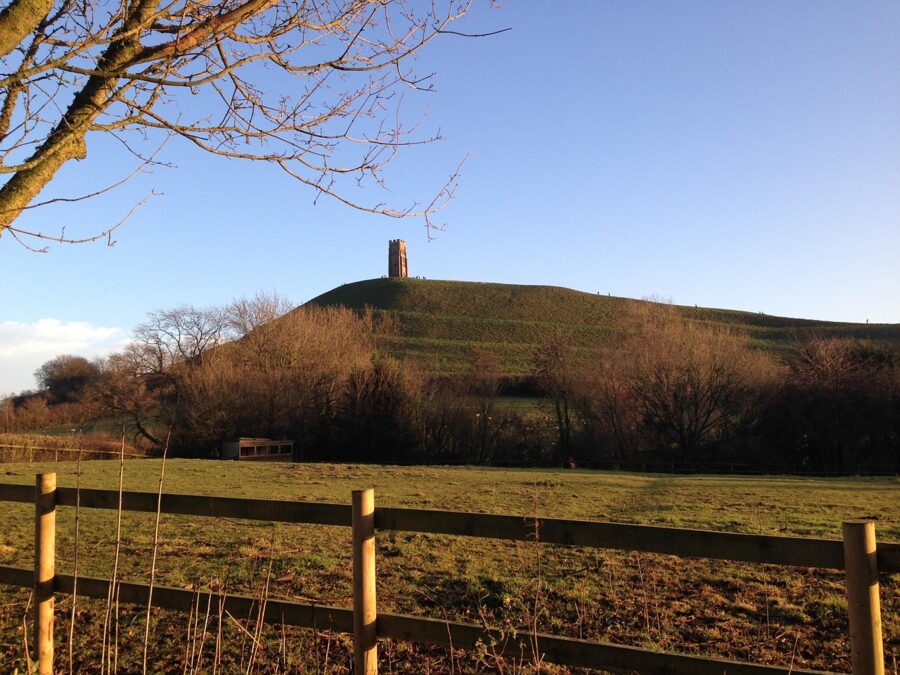
The Pilgrims Bar on the left of the flagged corridor has three or so cask ales, including a house beer brewed by St Austell, plus ciders and a good range of meads. There are fourteen rooms and breakfast from 07:30. If you want the town’s famous view, climb the Tor first and drink afterwards.
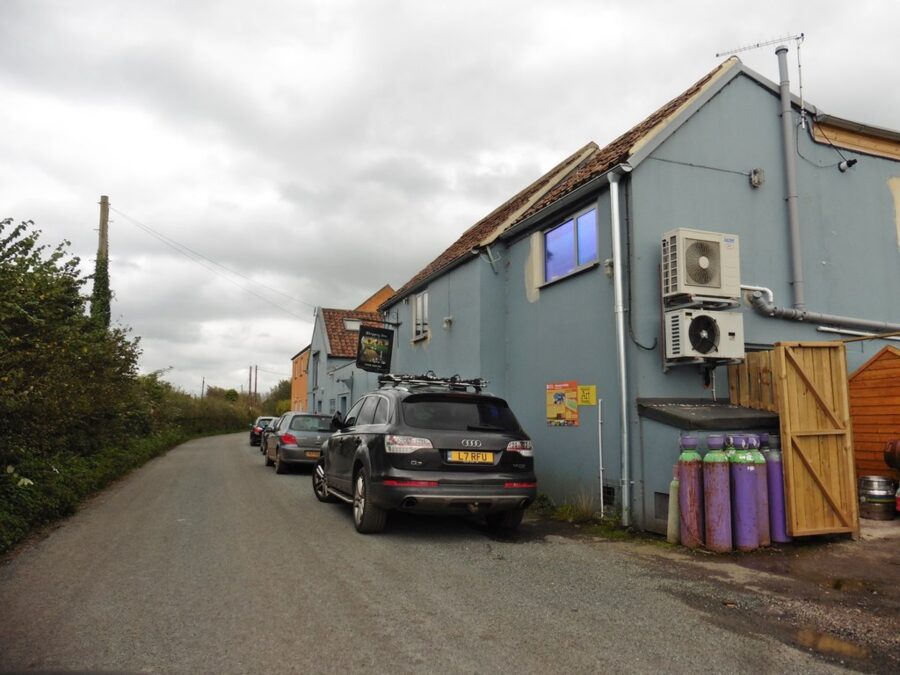
Ten minutes’ drive north of Glastonbury, out on the Levels at Lower Godney, the Sheppey is one of the most individual pubs in the county. It is a barn-sized former cider house full of contemporary paintings and old toys, with up to three cask ales, half a dozen craft beers from Somerset and Bristol and up to six ciders on gravity. The terrace hangs over the River Sheppey, where otters have been seen, and the food is very good.

Cider farms on the Levels and the Mendips
Somerset cider tastes best where it is made. Thatchers at Sandford is the big name, covered above. My guide to Bristol’s cider pubs covers where the farm ciders turn up in the city.
Wilkins, at Land’s End Farm in Mudgley near Wedmore, is the opposite of Thatchers in every way but quality. Roger Wilkins’s grandfather started the farm in 1917, Roger still runs it, and the cider is drawn from the barrel, dry or sweet or mixed to your taste. It is a working farm and not a visitor attraction, so be polite and ring before a special trip.

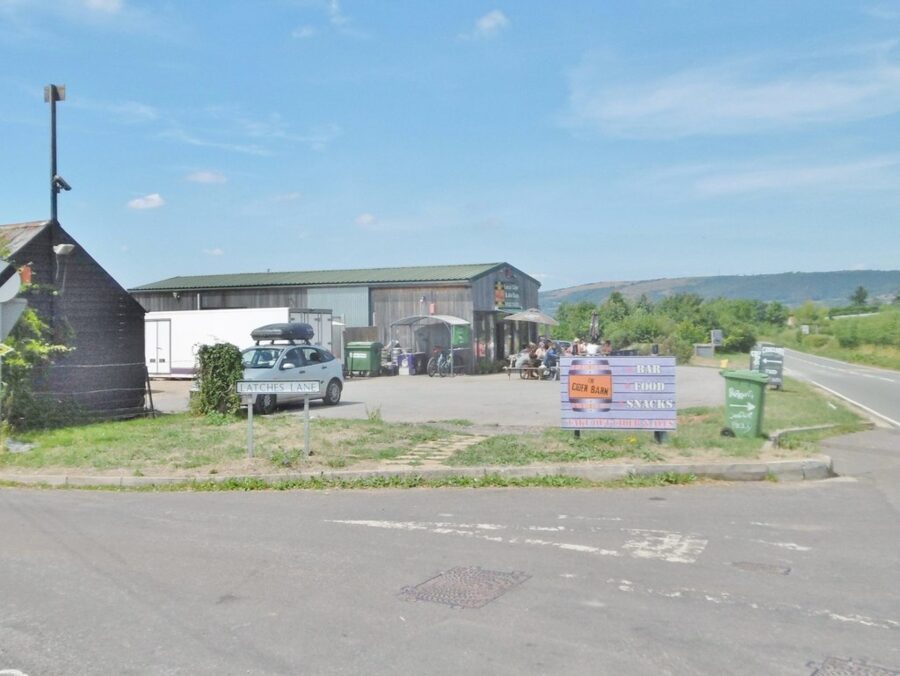
Rich’s Cider at Watchfield, near Highbridge, sits further out on the Levels and is more organised, with a farm shop, a restaurant, tours and tastings, and a wassail in January to bless the orchards. Closer to Cheddar, the Cider Barn on the Draycott road keeps up to thirteen real ciders, some as strong as 9%, alongside sourdough pizza. There is live music on Sunday evenings and an open-mic night on Wednesday.

Walks, drives and a day out
The Strawberry Line, Yatton to Cheddar
The best pub walk in the area is the Strawberry Line, about ten miles of old railway from Yatton station to Cheddar. Volunteers began turning it into a path in 1983, and it is flat, easy to follow and part of National Cycle Network route 26. Start at the Railway Inn in Yatton, stop at the Railway Inn at Sandford for cider, and detour into Winscombe for the Woodborough.
From there the path runs through a tunnel under Shute Shelve Hill to Axbridge and the Lamb, then on to Cheddar to finish at the White Hart. The 126 bus runs from Cheddar back to Weston-super-Mare, where there are trains to Bristol. Allow most of a day if you stop properly.
A Mendip drive
For a driver’s day, go up through Cheddar Gorge to Priddy for the Hunters Lodge at lunchtime, then drop down to East Harptree and along the foot of the hills through Compton Martin and Blagdon. Finish at the Crown in Churchill if you are there before 14:30 for food, or at the New Inn at Blagdon for the view in the evening. One of you will be on lemonade; the Hunters Lodge is about the best place in Somerset to make that sacrifice, because the food is so good.
The Chew Valley and Saltford
For a half-day from Bristol, take the bus to Chew Magna for the Pelican or the Bear and Swan, then walk the lanes to Stanton Drew, well under two miles, for the circles and lunch at the Druids Arms. If you have a car, add the Carpenters Arms at Stanton Wick for dinner. For Saltford, cycle the Bristol and Bath Railway Path, or take the train to Keynsham and walk along the Avon.
Practical notes: hours, food, rooms and dogs
Country hours here are shorter than in the city. Plenty of the best places shut on Monday and some on Tuesday as well, the Hunters Lodge, the Waldegrave, the Ring O’Bells at Hinton Blewett, the Jolly Sailor and the Burcott Inn among them. Most kitchens stop at 20:30 or 21:00, and Sunday kitchens often close in the middle of the afternoon.
Book for Sunday lunch at the Druids Arms, the White Hart, the Railway at Yatton and anywhere in the Chew Valley. The Crown at Churchill takes no bookings and serves food at lunchtime only. The Hunters Lodge takes cash only, and the Bear and Swan and the Carpenters Arms are dinner pubs where turning up at 19:30 on a Saturday without a booking is optimistic.
For rooms, the Bath Arms in Cheddar, the Swan at Rowberrow, the Woodborough, the Langford Inn, the Rising Sun and the George at Backwell, the Ring O’Bells at Compton Martin, the Bear and Swan, the Riverside at Saltford and, further afield, the George and Pilgrims and the Crown at Wells all have beds. Most pubs in this guide welcome dogs at least in the bar, though some keep them out of the dining room. If you are unsure how ordering, rounds and tables work, my piece on pub etiquette covers it.
Most of the country pubs have their own car parks, and Cheddar has public ones near the gorge. Buses are thin outside the main roads and thinner on Sundays. The Mendip lanes are narrow and unlit, which is one more reason to settle on a driver before the first round.
If you have one day, do this. Walk the circles at Stanton Drew in the morning, book a table at the Druids Arms for lunch, and take your pint out to the garden by the Cove. Ask what’s on cask before you order, and sit where you can see the stones.