
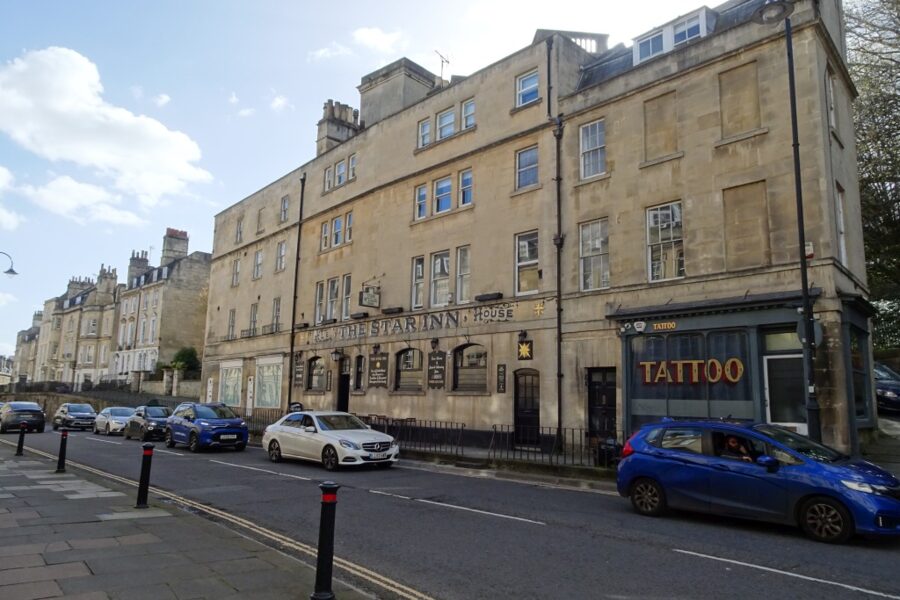
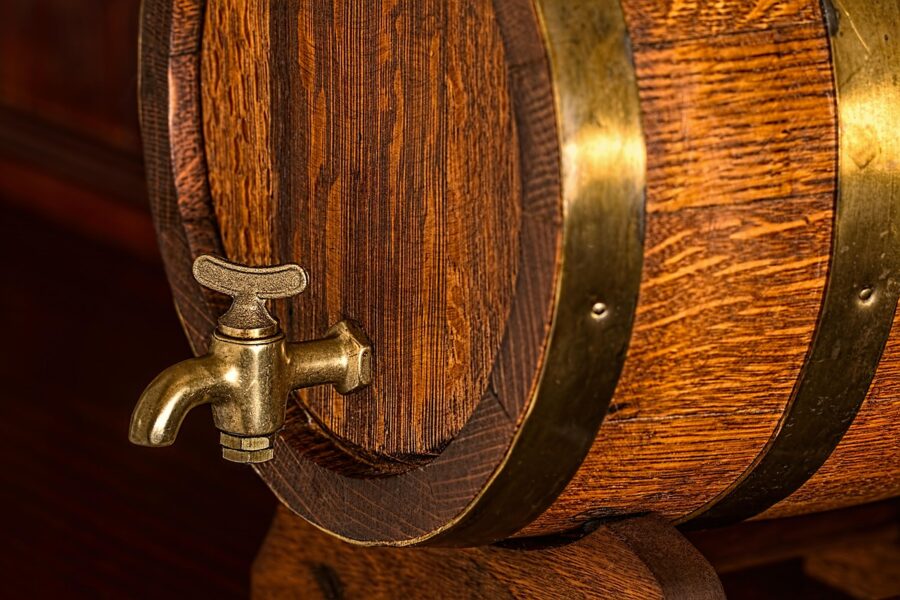
At the Star Inn on Vineyards the beer does not always come from a handpump. A glass jug is filled from a cask behind the bar and then tipped into your pint in front of you, which is how pubs poured beer before the beer engine and how almost nobody pours it now. Along one wall of the snug runs a single bench the regulars call Death Row, and on the ledge above it sit tins of snuff, free to anyone who asks.
That jug tells you most of what you need to know about drinking in Bath. The city sells itself on Roman baths and Georgian crescents, but it is also very good at the small, unhurried town pub: panelled, divided into numbered rooms, and slightly too small for everyone who wants to be in it. Two of those interiors are rated by CAMRA among the most important in the country, and they are a short walk apart.
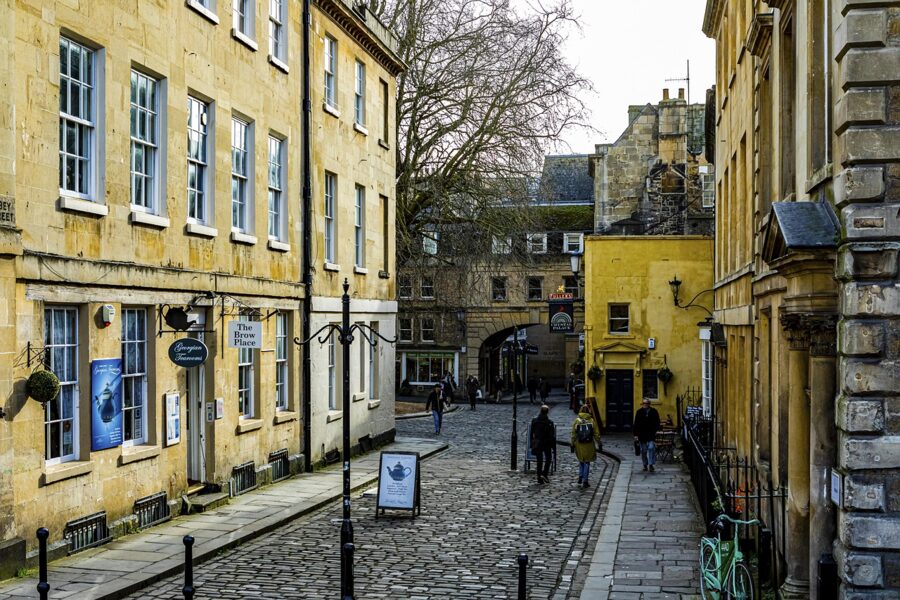
The centre is small enough to cross on foot in a quarter of an hour. Start low, near the station and the Abbey, work outwards and uphill while your legs are fresh, and finish somewhere you would be happy to be stuck.
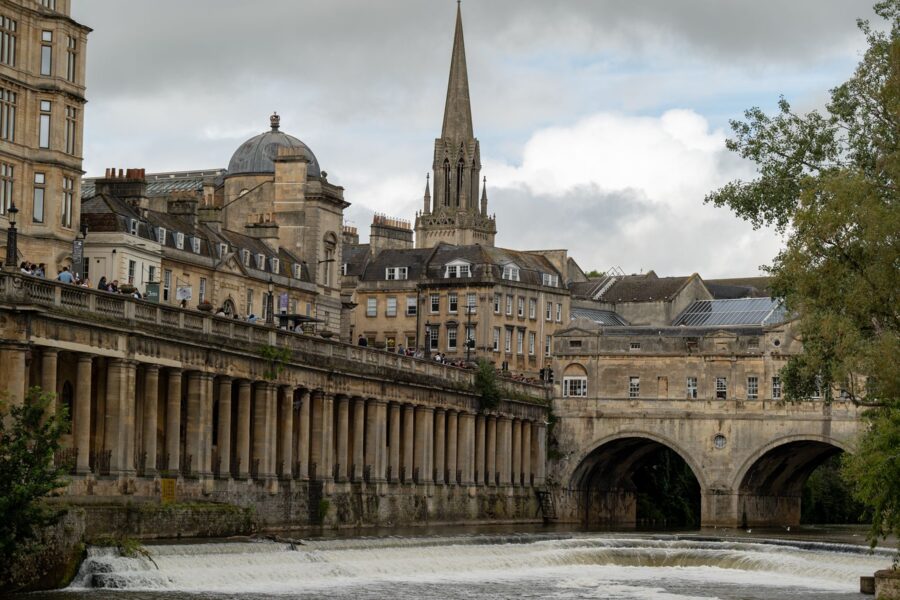
On this page
- Bellringer, Gem and a jug of Bass
- The centre: Queen Square, Green Street and the Abbey
- North of the centre: Walcot, the Paragon and Larkhall
- The Circus and the Crescent: two dining pubs
- West along the river
- Over the river: Widcombe, Bathwick and Bear Flat
- Old rooms and famous names: what is genuine
- One evening in Bath, pub by pub
- Out of town, and the Bristol connection
- Practical notes
Bellringer, Gem and a jug of Bass
For a city of 90,000-odd people Bath brews surprisingly little of its own beer, and its pubs make up the difference by pouring the West Country’s. The name you will see most is Abbey Ales, founded in 1997 by Alan Morgan in Camden Row, a short walk from the Star, and the first brewery inside the city for more than fifty years. Its Bellringer, a golden 4.2% best bitter launched at the Bath CAMRA beer festival that October, is on more Bath bars than anything else.
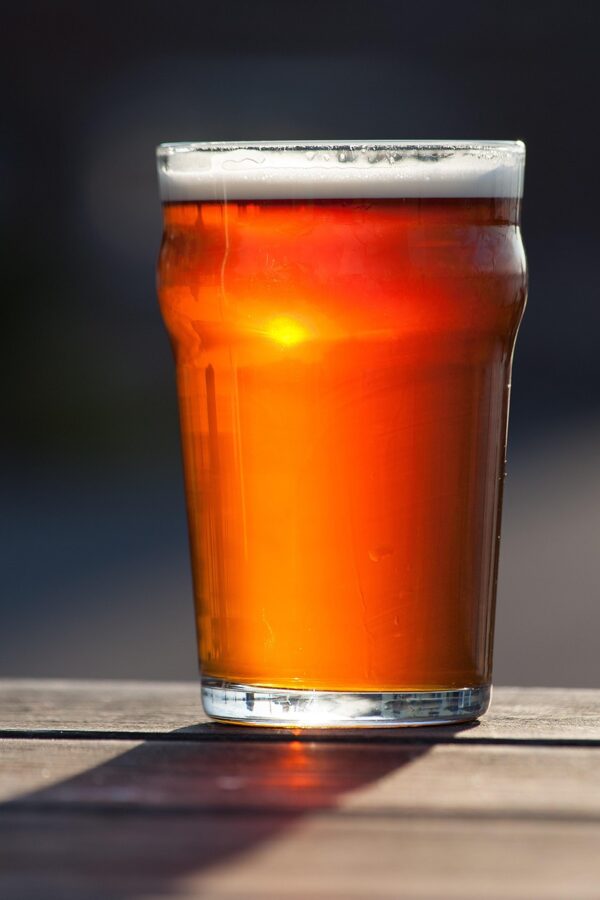
Bath Ales is the other name on the pumps, though it has not been a Bath brewery for years. It started in Somerset in 1995, moved to Warmley on the Bristol side of the county line, and since 2016 has belonged to St Austell of Cornwall. St Austell also owns a string of Bath pubs, so Tribute and Proper Job turn up often.
The newer and smaller ones matter more. Electric Bear has brewed off Brassmill Lane, west of the centre, since 2015. The Bath Brew House makes its own beer behind a glass wall at the back of its bar, the Royal Oak has brewed as Ralph’s Ruin in its old kitchen since 2017, and the Raven and the Old Green Tree both have house beers made for them by Blindmans, a small brewery near Frome.
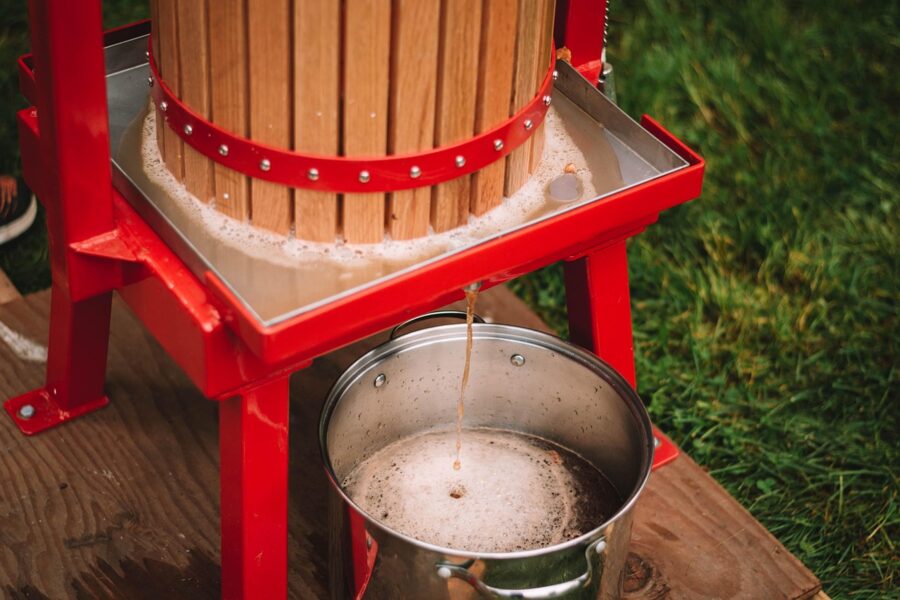
This is Somerset, so take the cider seriously. Several pubs keep a farmhouse cider, among them Honey’s Midford at the Old Green Tree and cider from Iford Manor, down the valley towards Bradford on Avon. If there is a still, dry, slightly cloudy one in a box behind the counter, have that before anything with a brand on the tap.
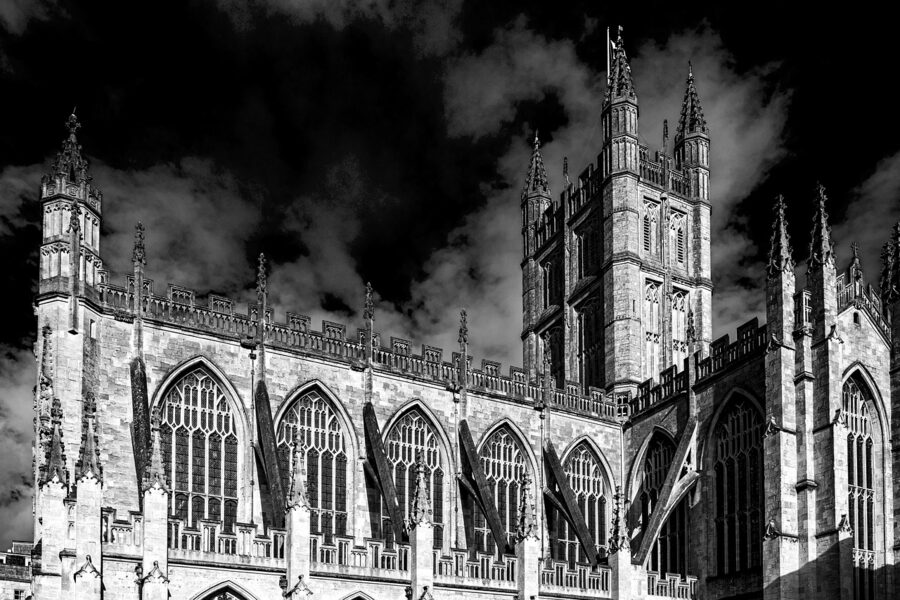
What the city does best, though, is the multi-roomed local with well-kept real ale. Bath Spa station sits at the bottom of town by the river. Walk north and you reach the Abbey in five minutes; keep going and the ground rises past Queen Square towards the Circus, the Royal Crescent and Lansdown. Walcot Street runs north-east along the valley, Widcombe and Bathwick lie across the river, and the Upper Bristol Road heads west to the riverside pubs.
The centre: Queen Square, Green Street and the Abbey
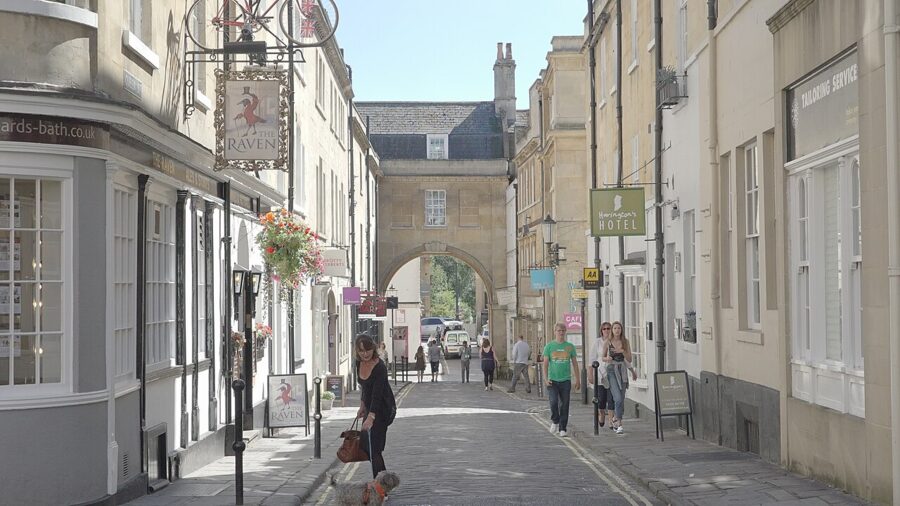
The Raven, Queen Street
If you have one evening and want a pint of something interesting, go to the Raven. It is an eighteenth-century free house on Queen Street, a cobbled lane by Queen Square, and in 2022 it pushed through into the building next door, so it now runs to four bars in six rooms over three floors, with a second entrance on Quiet Street. Up to ten cask ales are on, two of them house beers from Blindmans called Raven Ale and Raven’s Gold, plus a real cider from a local maker.

The food is pies and sausages, which is the right answer: a big hot pie on mustard mash or chips with gravy, or a ploughman’s lunch. It opens at 08:00 for breakfast and is one of the few Bath pubs still feeding people on a Sunday evening. It takes no bookings, and early in the evening diners get priority on the first floor, so if you only want to drink, stay downstairs.
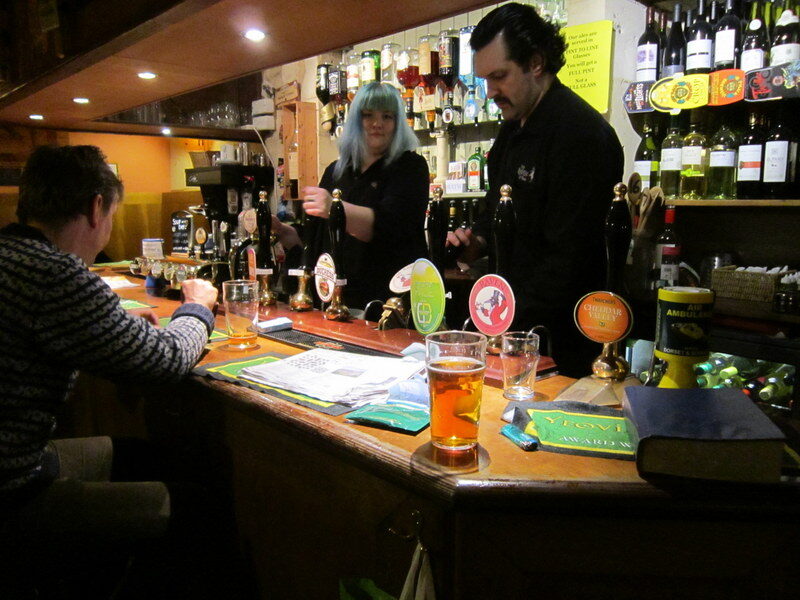

The local CAMRA branch named it Pub of the Year in 2023 and runner-up in 2026. On a rugby Saturday it is very full, and worth it anyway.
The Salamander, John Street
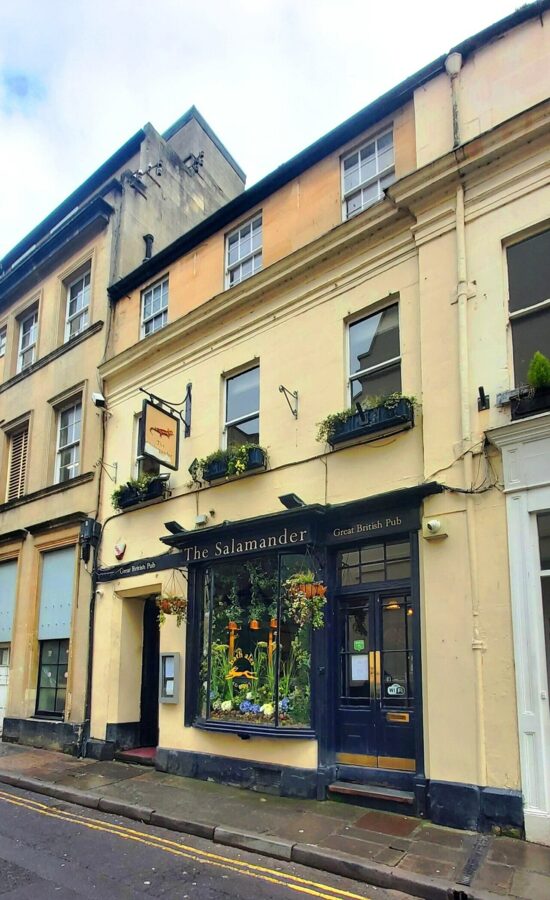
Two minutes away, the Salamander is the darker, quieter choice. The building is eighteenth century but it opened as a coffee bar in 1957 and only got a pub licence five years later, though with its bare boards, panelling and low light you would guess a century older. The food is pub classics and a Sunday roast, with a dining room upstairs. The beer is not cheap, even for Bath, so I’d come for one pint in the gloom on a wet afternoon, which is when the place is at its best.

The Old Green Tree, Green Street
The Old Green Tree is tiny, nearly always full, and the best pub in Bath for anyone who cares about rooms. The building dates from around 1770, and in 1926 a local architect, W.A. Williams, extended it backwards and lined it with oak panelling that is still there. The plan is northern rather than West Country, with a drinking lobby in front of the bar where you stand and talk to strangers, a small lounge left of the door and a smoke room at the back, all behind doors that still carry their old licensing numbers.
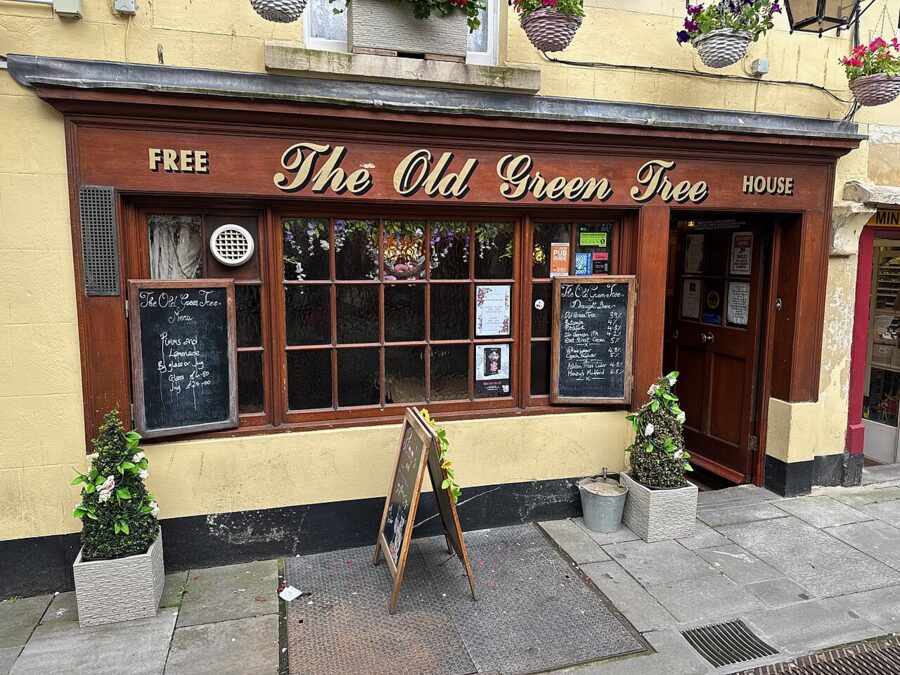

CAMRA gives the interior three stars on its National Inventory of Historic Pub Interiors, its highest grade. The beer lives up to it: Green Tree Bitter from Blindmans, up to three guests from small breweries, a stout or porter in winter, Honey’s Midford cider and some Belgian bottles. It has been in every Good Beer Guide since 1998 and was the Bath branch’s Pub of the Year in 2024.
It shuts at 18:30 on Sundays, which catches people out. Go early on a weekday and don’t arrive with a party of eight. Even the gents, down eleven steps, keep their 1926 fittings.
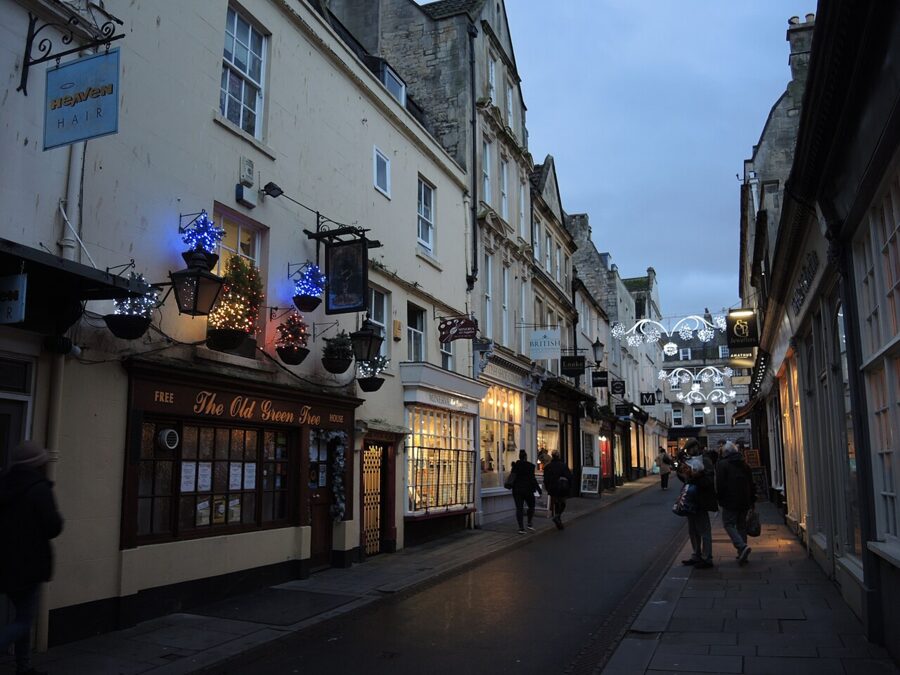

A few doors along, the Welly is a different animal: a bright taproom opened in October 2025 by Somer Valley Brewing, with up to eighteen keg beers, a cask or two and small plates from the brewery’s own farm. Come for a pilsner and the scotch egg, then go back for the panelling.
Coeur de Lion and the Volly
The Coeur de Lion in Northumberland Place, a narrow lane opposite the Guildhall, claims to be Bath’s smallest pub, and you will not need a tape measure to believe it. It has been at number 17 since 1886. Its best feature is a stained-glass window with the name and crest of Devenish, the brewery that tried to close it in 1990; the council refused permission for a shop after a campaign backed by the city’s then MP, Chris Patten.
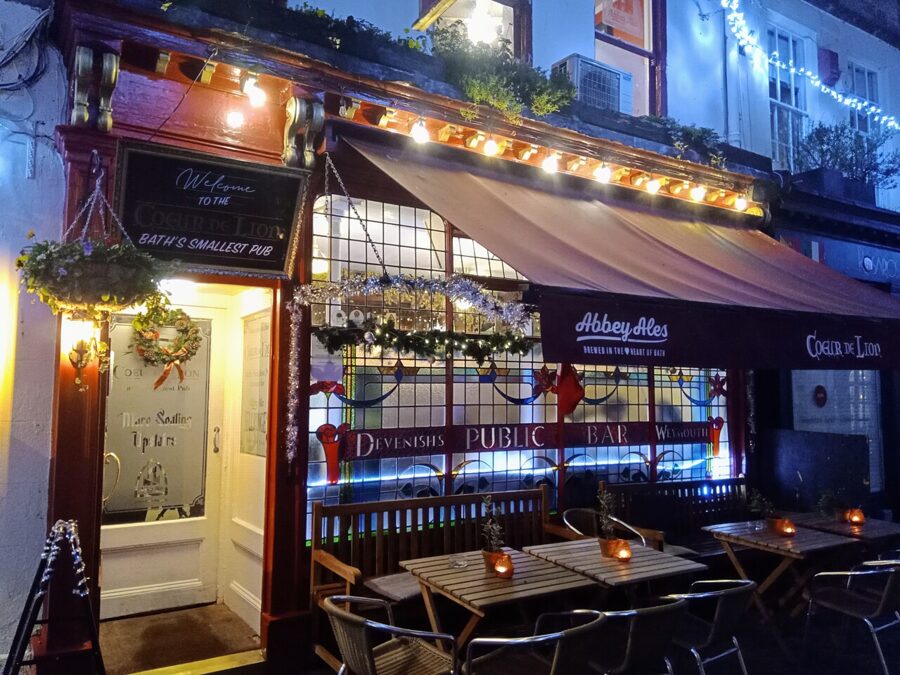

Abbey Ales leases it, so there is always Bellringer. Breakfast runs 10:00–11:45 and pub classics 12:00–17:00, with a Sunday roast in the same hours on Sundays. On Bath Rugby match days it is the meeting point for half the city, which in a room this size becomes a contact sport.
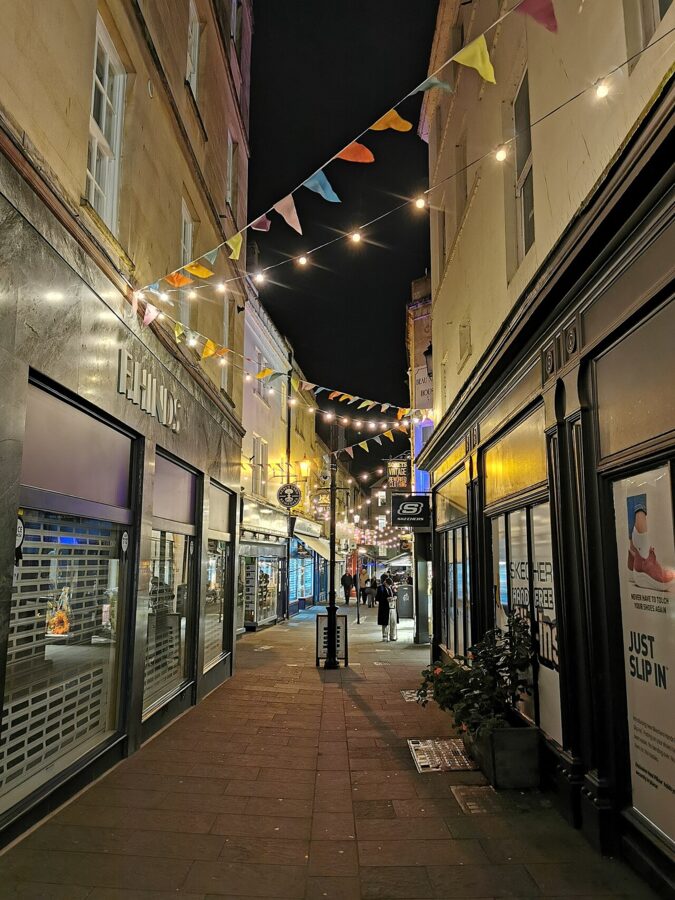

The Volunteer Riflemans Arms, the “Volly”, is the other contender for smallest: a one-bar local in New Bond Street Place with military posters on the walls, a small dining room upstairs and a few seats outside.
The Grapes, Westgate Street
The Grapes at 14 Westgate Street is the most entertaining building in the centre. It appears on Joseph Gilmore’s map of 1694 as Ms Pocock’s lodgings, became a pub in 1792, and reopened as an independent free house in August 2019 after two years shut, having nearly become a fried chicken shop. Upstairs, in Pocock’s Living Room, is a Jacobean plaster ceiling of 1612, now used for life drawing and a monthly skiffle practice.
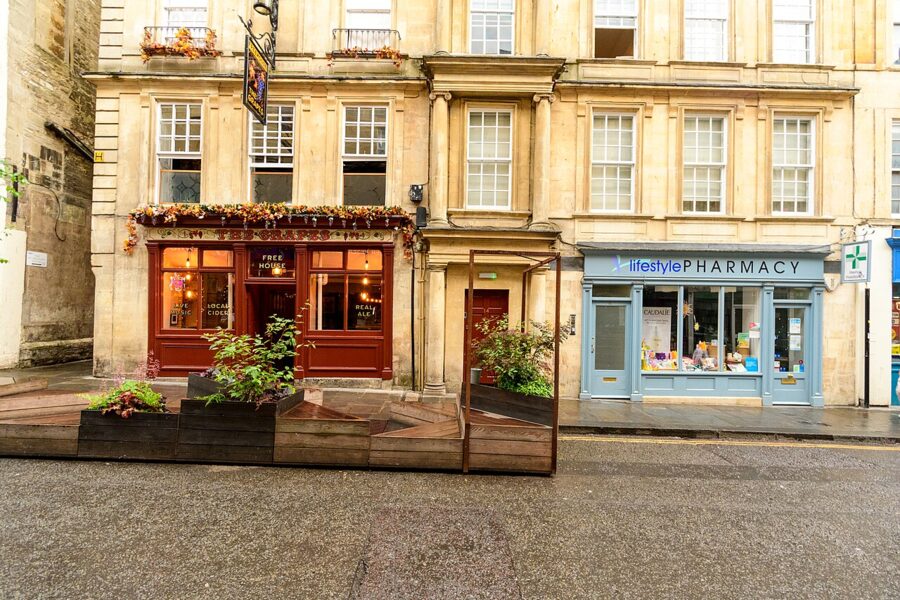
Downstairs it is a music pub, with jazz, blues and folk sessions through the week and vinyl on Saturdays. Three cask beers rotate, usually from Kettlesmith, Frome or Fine Tuned. There are no bookings, dogs are very welcome, and it stays open later than almost anywhere: 01:00 most nights and 02:00 at weekends on its listed hours.
Round the Abbey: Crystal Palace, Garrick’s Head, Huntsman
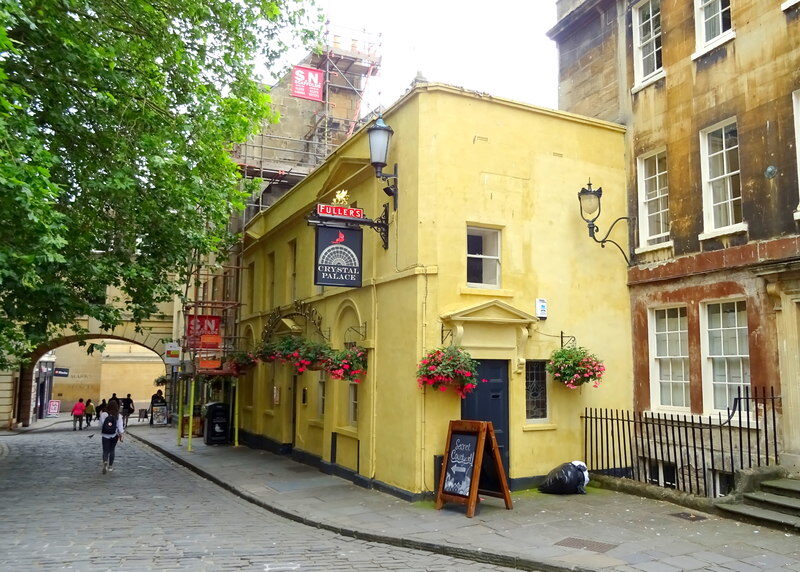
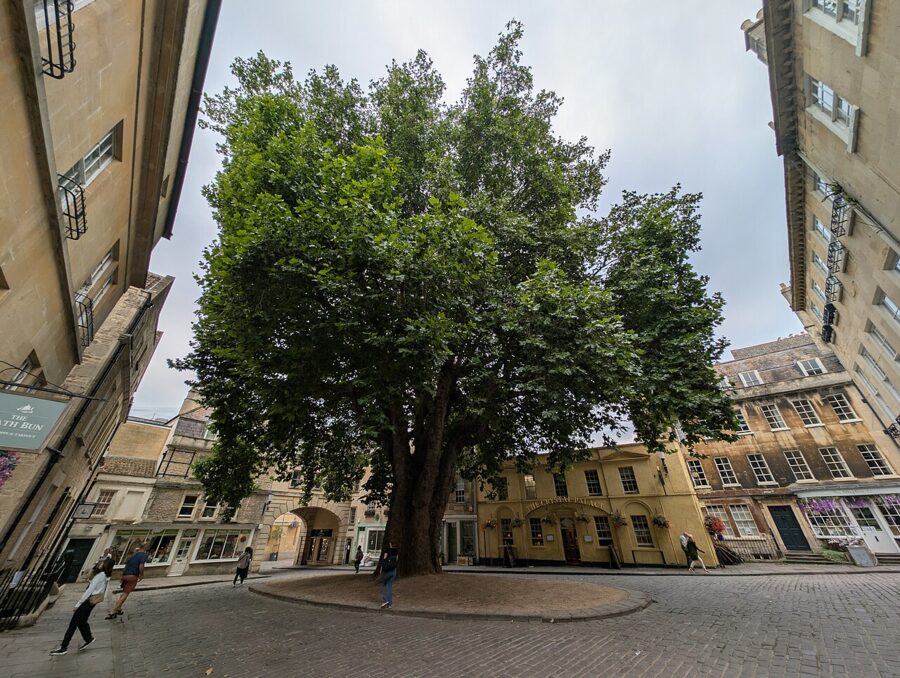
The Crystal Palace fills one side of Abbey Green, a small square behind the Abbey with a big plane tree in the middle. By the pub’s own account the building was the Three Tuns lodging house in 1654, took its present name in the 1850s after the Great Exhibition, and lost its top floor around 1935. Fuller’s runs it, with London Pride, ESB and a guest or two, and refitted it in February 2026. The food is standard Fuller’s; the building and the enclosed courtyard are the point.

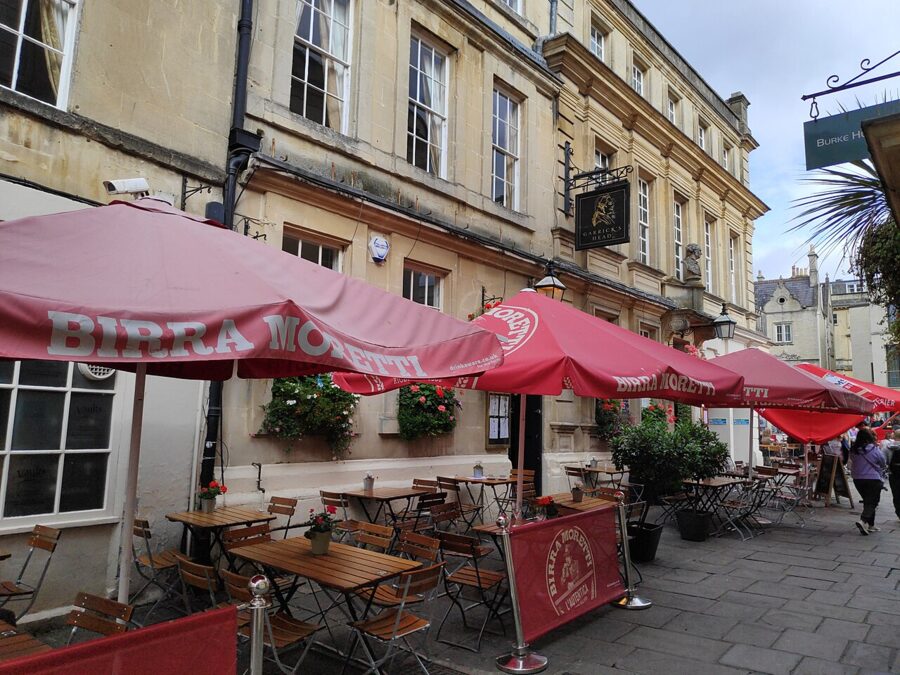
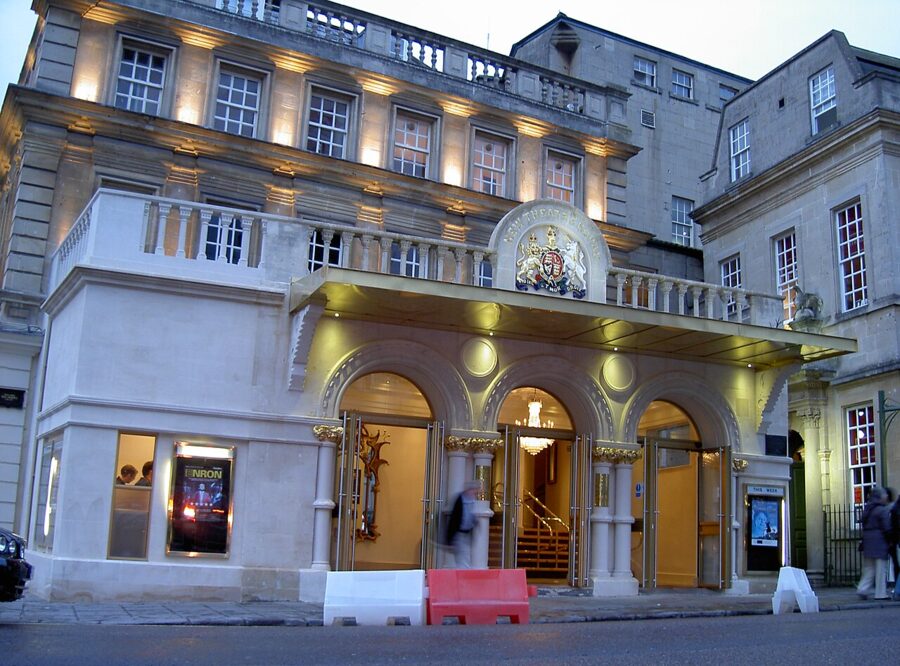
The Garrick’s Head on St John’s Place stands beside the Theatre Royal and was built around 1720 by Thomas Greenway for Richard “Beau” Nash, the city’s master of ceremonies. It has been a theatre pub for about two centuries and is reputed to be the most haunted in Bath. More usefully, it serves food 12:00–21:00 every day, keeps three local cask ales and makes its own shortcrust for the pies. Card payments only.


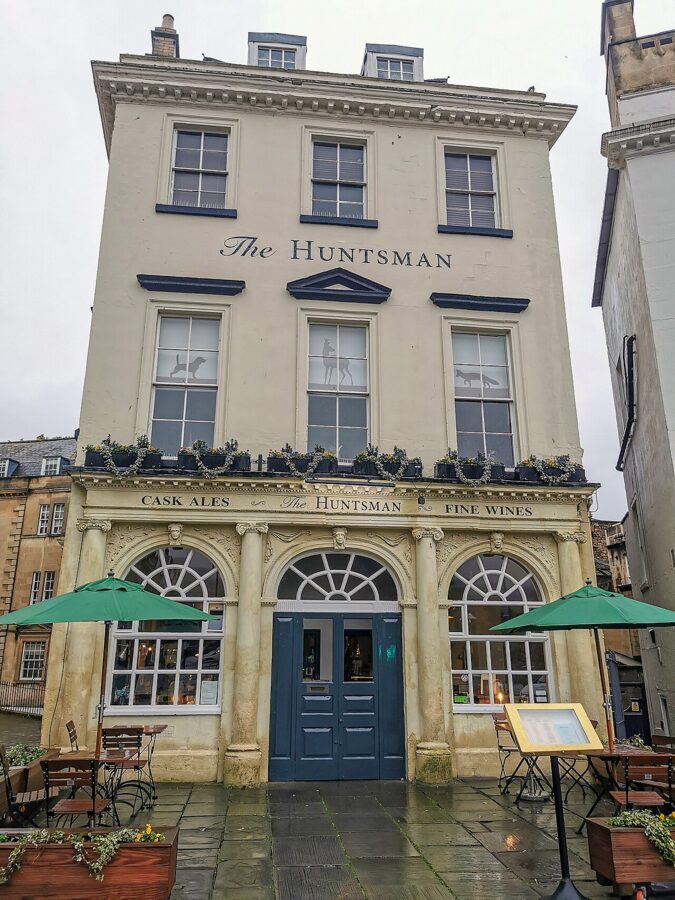
The Huntsman on Terrace Walk is a smart Fuller’s dining pub in a listed building of 1748–50, a few steps from the Abbey. Its prices are high even for this city, so I’d make it lunch rather than an evening. Close by, the Ale House is a small corner pub with a real fire, three changing ales and a landlord who performs close-up magic in the cellar on Friday and Saturday nights. Watch your change.

Towards Green Park: Bath Brew House and Black Fox
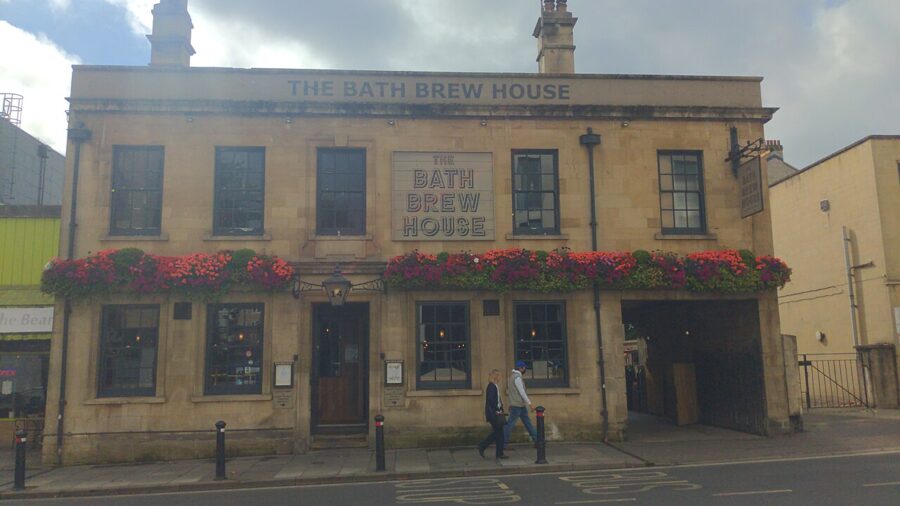
The Bath Brew House on James Street West, once the Midland Hotel, became a brewpub in 2013 and reopened after a refurbishment on 16 April 2026, with Young’s holding the lease. Gladiator and Emperor are brewed in the vessels behind the bar, and the huge garden has a retractable roof, heated booths and a burger shack. It’s a good bet for a group and a poor one for a quiet pint. Card only.

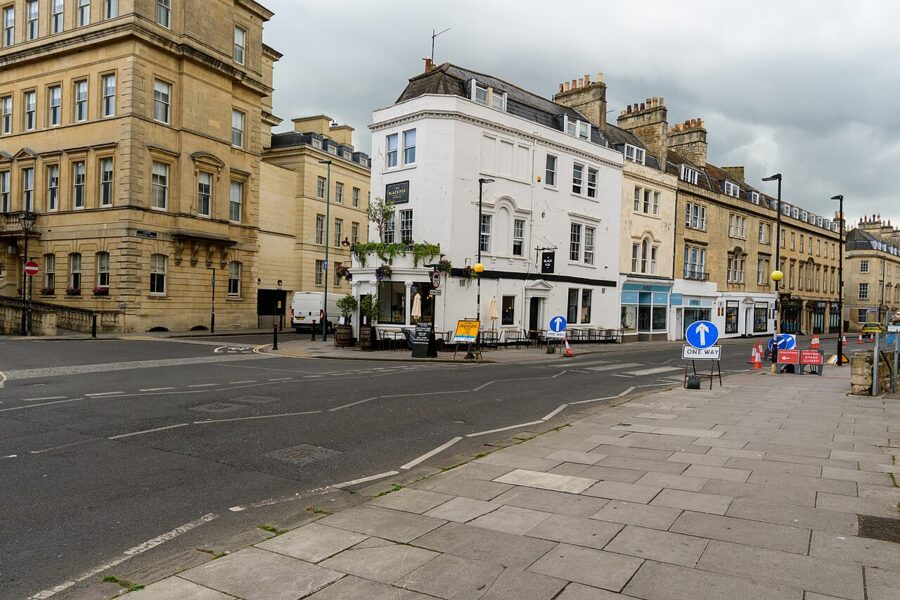
Nearby on St James’s Parade, the Black Fox is narrow, plain and wooden, with three cask ales, beers mostly from Bath and Bristol breweries and a menu of British pub classics. Card only again, and a sensible first stop if you are walking up from the station.
North of the centre: Walcot, the Paragon and Larkhall
The Star Inn
The Star is on Vineyards, the raised pavement above the Paragon, about 1,100 metres from Bath Spa station and most of it uphill. It was first licensed around 1760 (sources give 1759 or the 1760s). What you see inside dates from 1928, when W.A. Williams, two years after his work at the Old Green Tree, extended it into half of the house next door.
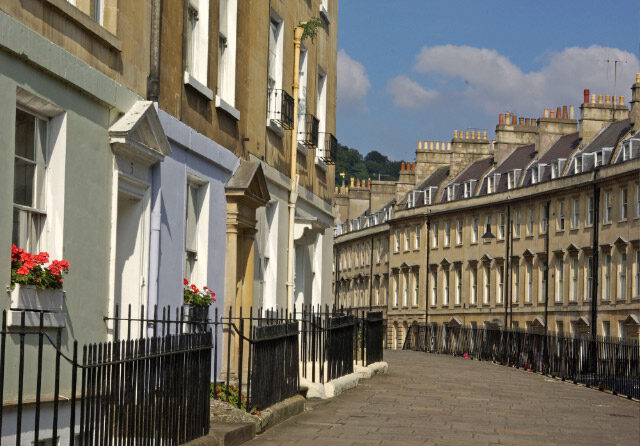

Four rooms open off the lobby. On the left is a panelled lounge with its bell-pushes; on the right the snug with Death Row and a 1920s telephone high on the wall. Behind a timber screen is the Glass Room, with a fold-down shove ha’penny board, and beyond it the public bar, where the bar-back stands at right angles to the counter.
In 1991 the owner, Bass, planned to turn most of the building into offices and leave one room as a pub; the landlord, Alan Perrett, and a local campaign stopped it. Kirsten Elliott and Andrew Swift later called the Star “a national treasure” in their book Bath Pubs. Abbey Ales has run it since about 2001.
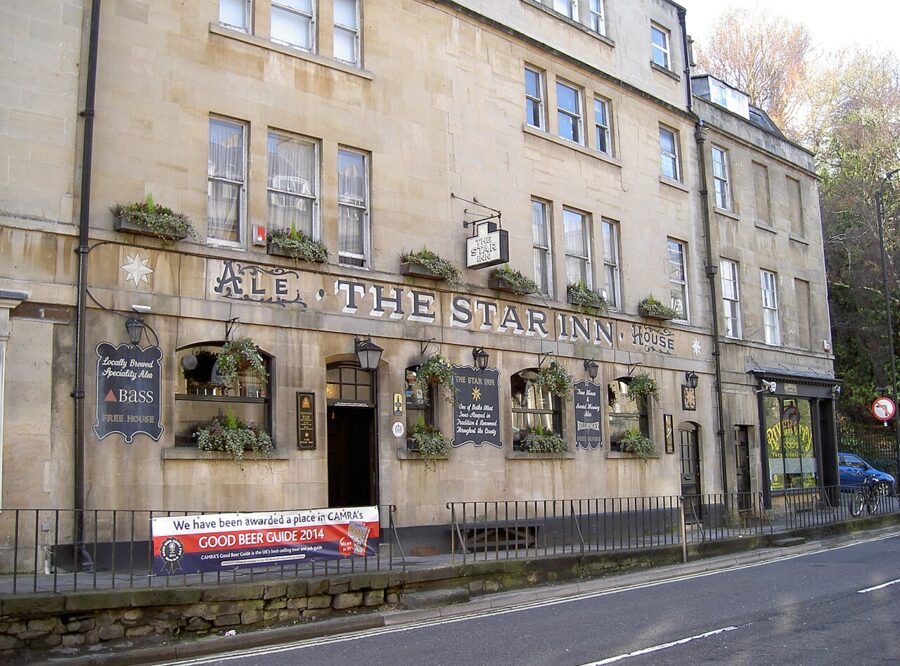

The beer comes by the jug: Bellringer, and Draught Bass when there is a cask on, poured cask to jug and jug to glass. There are no meals, only rolls, plus a cheese night on Thursdays and live music on Fridays from 20:30, and no fruit machines or jukebox. Dogs on leads are welcome. It opens at noon and, by its own hours, closes at midnight Monday to Saturday and 22:30 on Sunday.
The Bell, Walcot Street
The Bell at 103 Walcot Street has been Bath’s music pub since the 1960s. In 2013 more than 500 regulars, musicians and staff bought it, with support from Peter Gabriel and Robert Plant, and it is still community owned. Inside are a long bar, bar billiards, a back room for bands and a walled garden with a retractable roof, where a sourdough pizza bike parks four days a week.
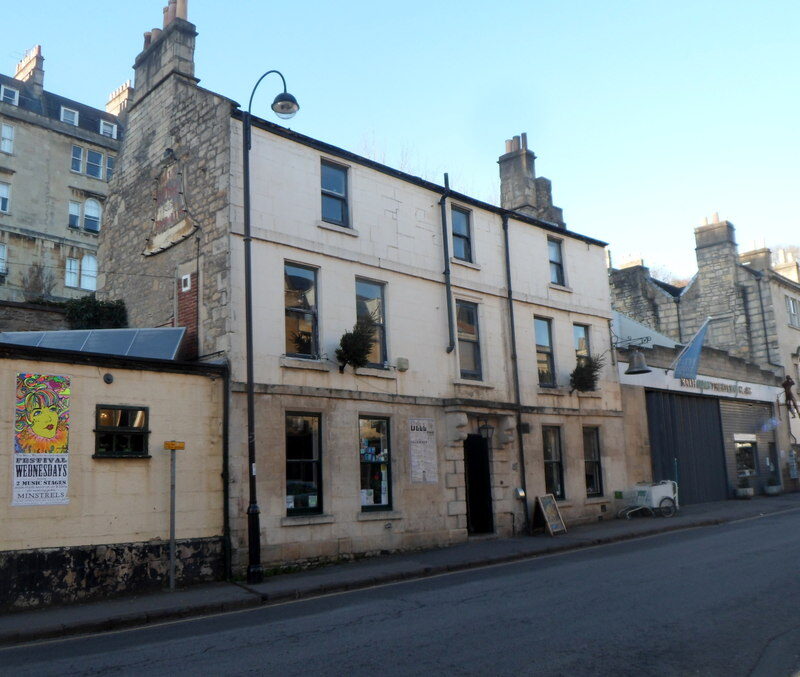

Free live music runs three or four nights a week, with vinyl DJs at weekends and five regular ales plus guests. In autumn 2026 the pub was fighting plans for flats next door, fearing complaints about the noise, and Bath’s MP objected too. Go on a Wednesday, when a loud band is on and the students are in. It opens at 16:00 on Mondays and Tuesdays, 13:00 Wednesday to Saturday and noon on Sundays.

Broad Street, Saracen Street and the Curfew
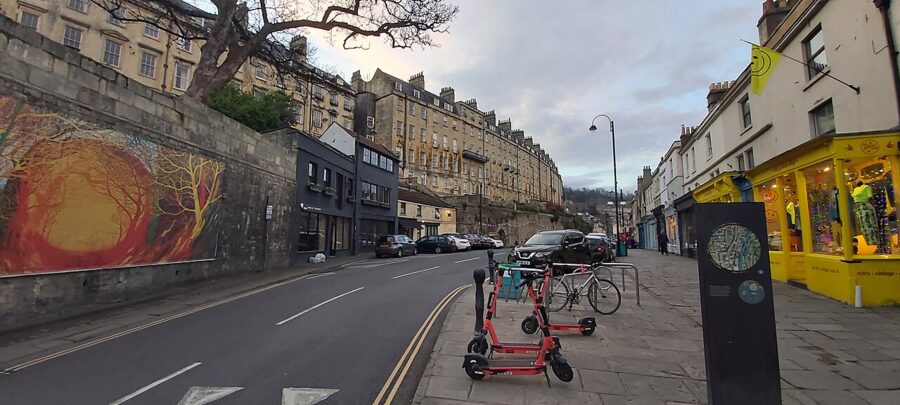
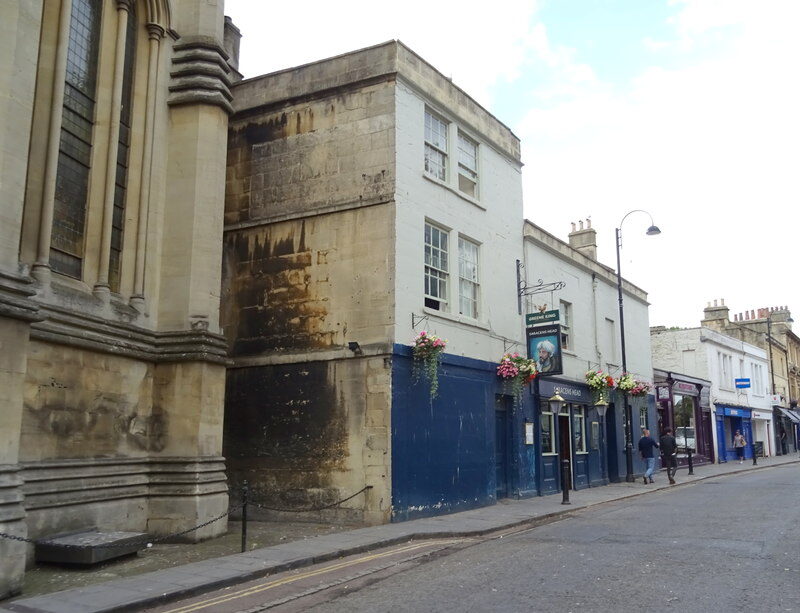
The Saracen’s Head on Broad Street says it is the oldest pub in Bath, built as an inn in 1713, and that Charles Dickens stayed here. More on both claims below. Today it is a Greene King house with three or four of the brewery’s beers, quiz and comedy nights, and a back door onto Walcot Street. Have one for the story.

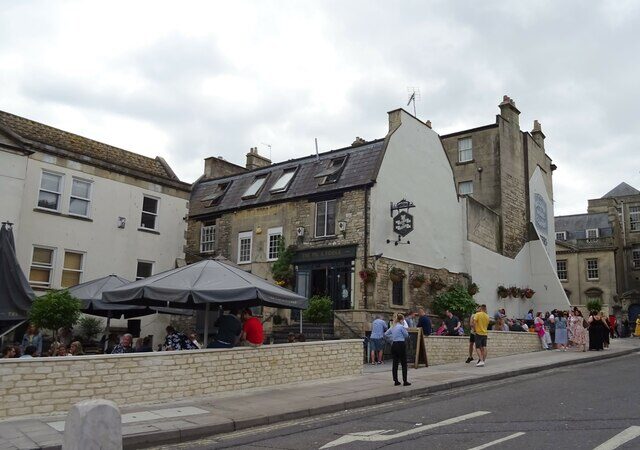
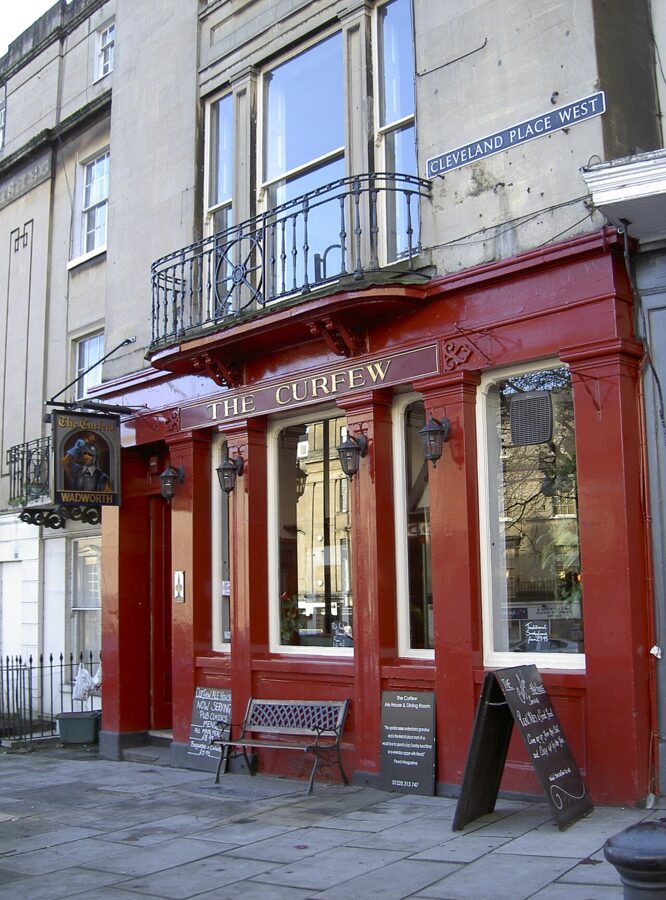
The Pig and Fiddle, at the corner of Saracen Street and Walcot Street, is big, busy and owned by Butcombe, with sport on a screen in the snug and a heated courtyard full of benches. On a sunny afternoon that courtyard is hard to beat. Further up, on Cleveland Place West, the Curfew is a busy rugby pub with Draught Bass as a regular; it changed management in summer 2026, so check on food before you count on it.


The Larkhall Inn
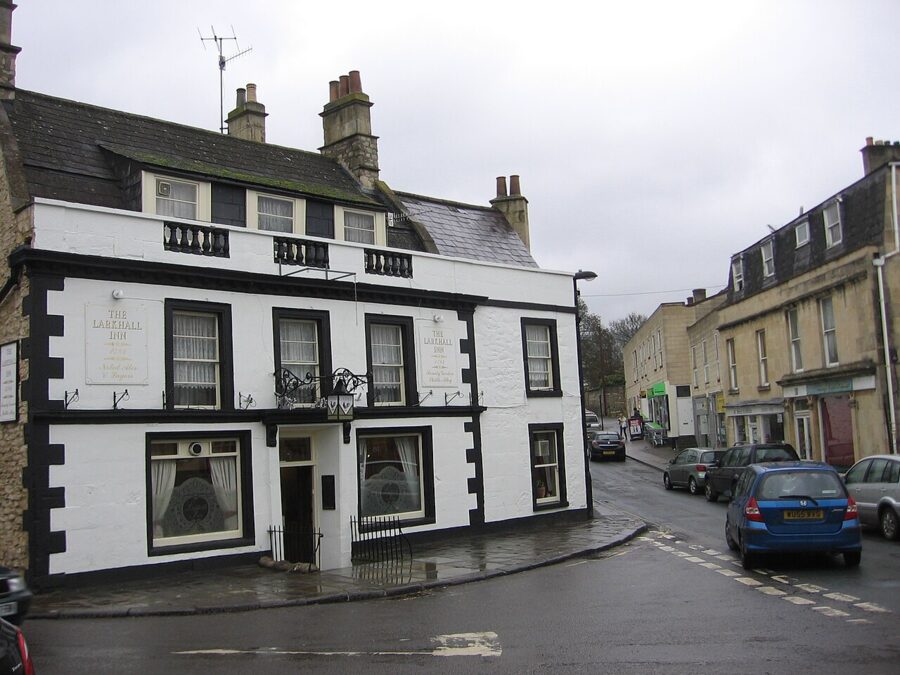
On the north-eastern edge of the city, the Larkhall Inn on St Saviour’s Road is a lively community local with a properly good garden and a wall of club trophies. CAMRA rates its late-Victorian interior of regional importance: a quarry-tiled entrance, a panelled side room with wall benches, a curved settle in the bay window, and three brass handpumps on the counter inscribed for Nathaniel George Wilcocks of Bath, said to date from 1887 and long out of use.

The Circus and the Crescent: two dining pubs
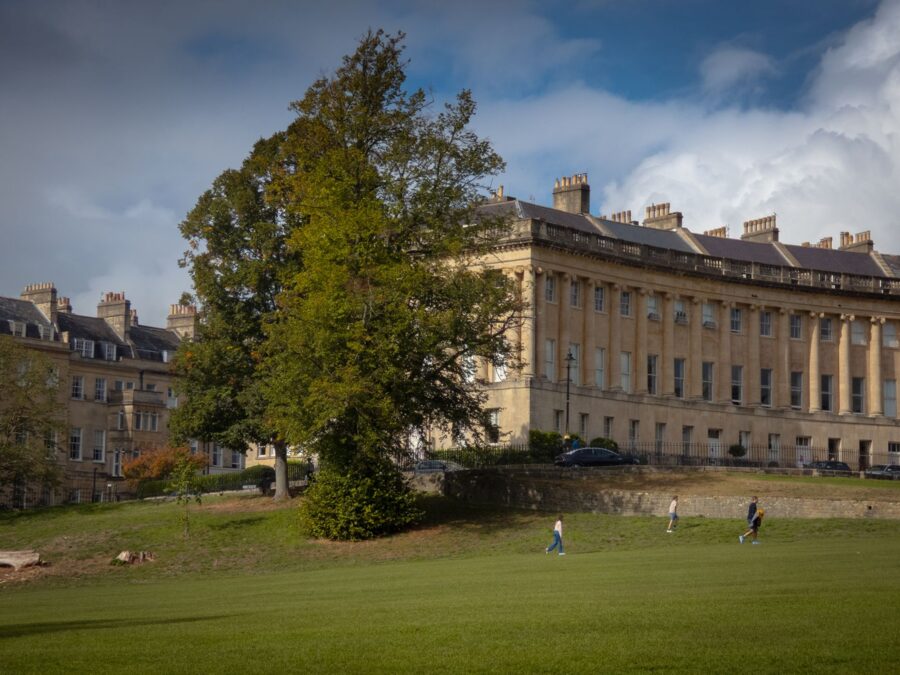
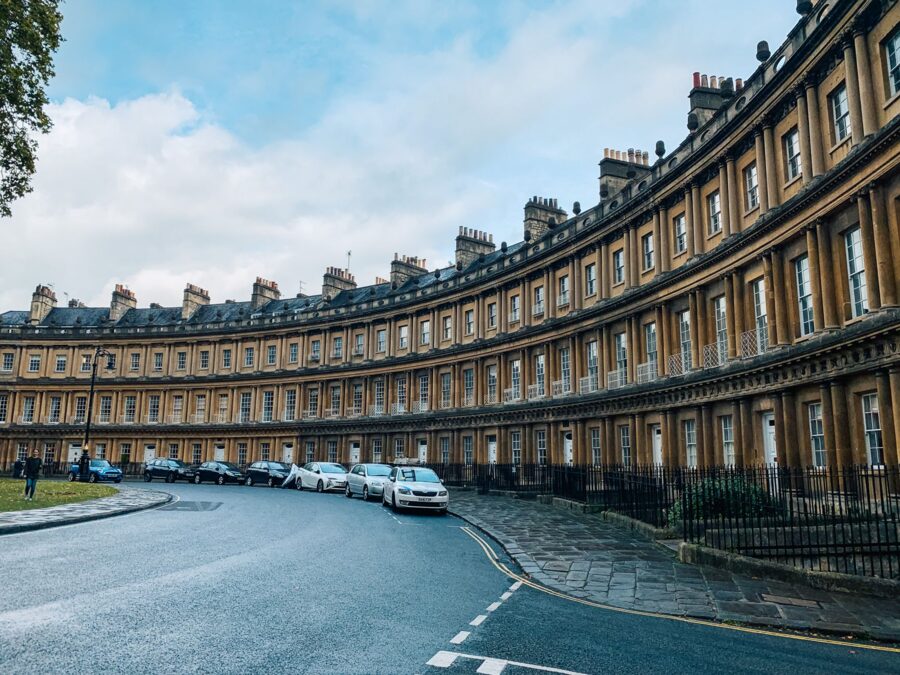
Up in the smartest part of town the pubs lean towards dinner, and two of them do it well. The Chequers on Rivers Street, between the Circus and the Royal Crescent, was a Bib Gourmand in the 2026 Michelin Guide, yet locals still drink at the downstairs bar. The Marlborough Tavern, a minute from the Royal Crescent and overlooking Royal Victoria Park, is a St Austell dining pub with two cask ales, real cider and a walled garden. Book for food at both; if all you want is a pint, walk down to the Raven.
West along the river
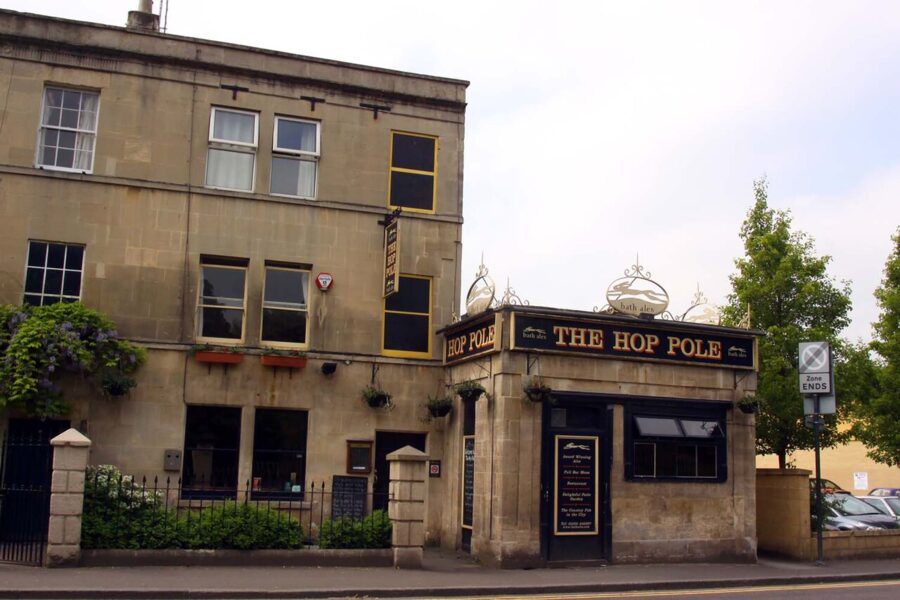
The Hop Pole, Upper Bristol Road
The Hop Pole on Albion Buildings, opposite Royal Victoria Park and half a mile west of the centre, is a Grade II Georgian pub with a panelled interior in three rooms, a skittle alley and a sun-trap courtyard. Good Chemistry, the Bristol brewery, reopened it on 14 May 2026 as its first Bath taphouse, with a couple of its cask beers, smashed burgers and Sunday roasts. Happy hour, 16:00–20:00 daily, gets you four pints for £10, but only on keg. Dogs and families are welcome.

The Royal Oak, Lower Bristol Road
The best pub in Bath for beer is nowhere near the postcard part of the city. The Royal Oak sits on the A36 at East Twerton, a pub since around 1840 that closed in 1999, was earmarked for demolition and reopened in August 2005. Since 2017 it has brewed its own Ralph’s Ruin beers in the old kitchen, served alongside up to six guests, plus ciders, perries and Belgian bottles.
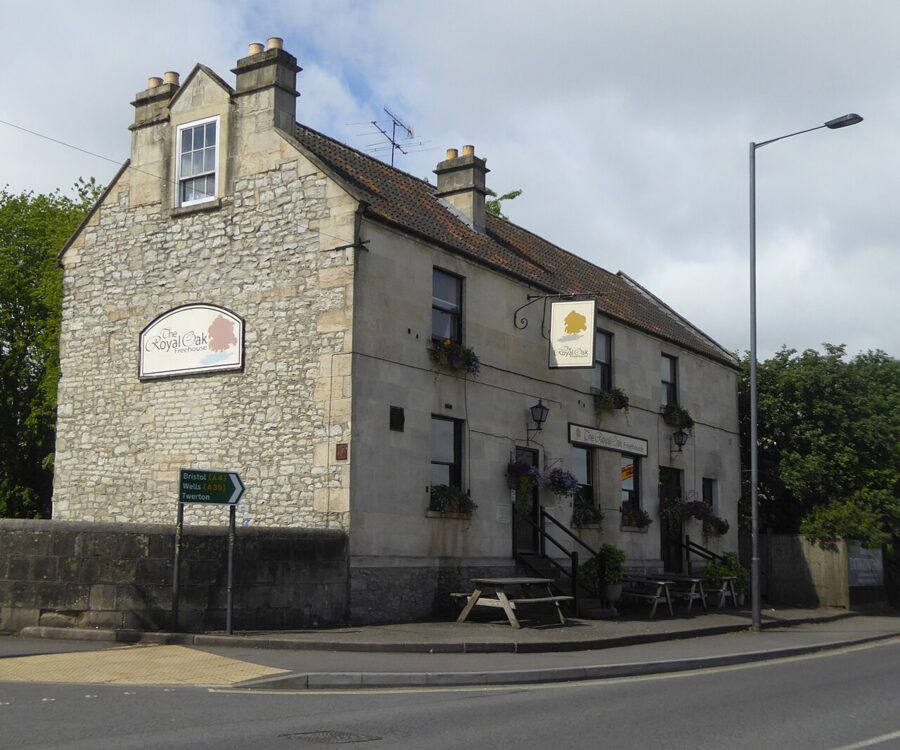

There’s folk music on Wednesdays, live music most Fridays, no wifi on purpose and a pub dog called Ralph. Bath & Borders CAMRA made it Pub of the Year in 2020 and 2025. Children and dogs are welcome, it fills with football fans when Bath City are at home at Twerton Park, and most days it opens at 16:00.
Locksbrook, the Boathouse and Electric Bear
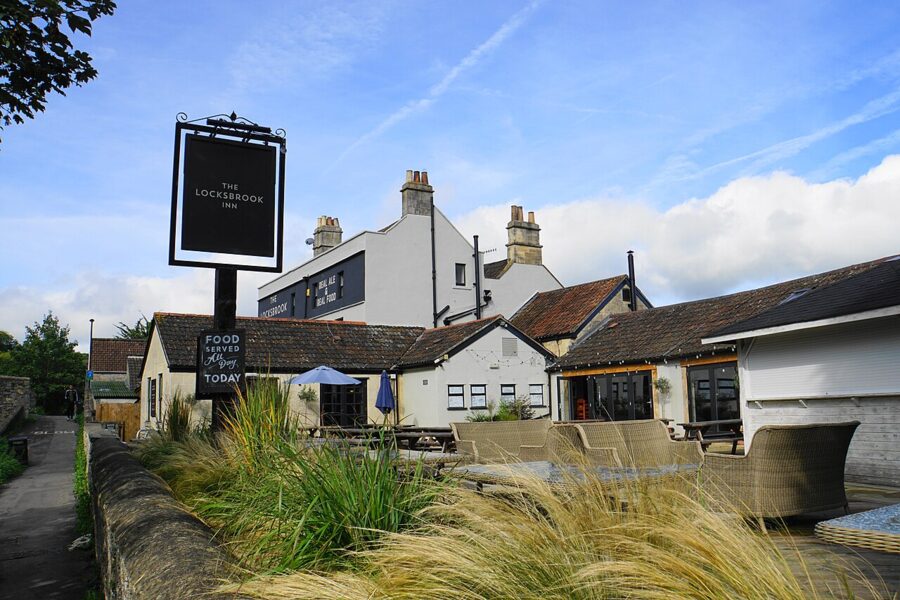
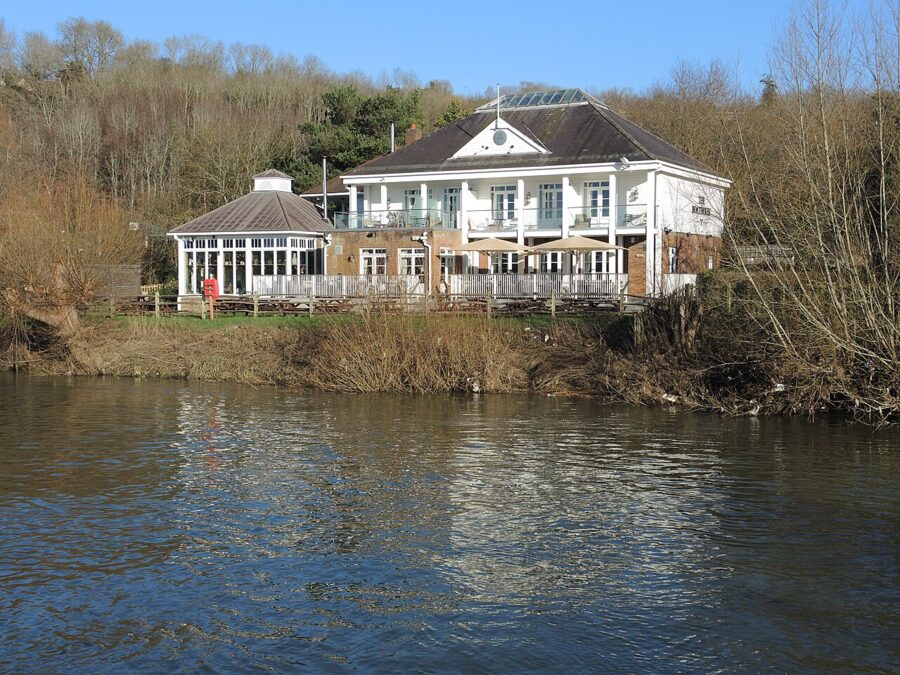
The Locksbrook Inn, the Dolphin until 2016, sits beside the Weston Cut and the Bristol and Bath cycle path, with a big riverside patio and St Austell’s Proper Job and Tribute. The Boathouse at Newbridge, on the city’s western edge, is a Hall & Woodhouse food pub with rooms and a terrace over the Avon, reached through the park and ride car park.


Electric Bear’s taproom on Brassmill Lane is a half-hour walk or a short bus ride west. Up to ten of its unfiltered beers are on tap and food vans turn up at weekends, but it opens only Thursday to Sunday.
Over the river: Widcombe, Bathwick and Bear Flat
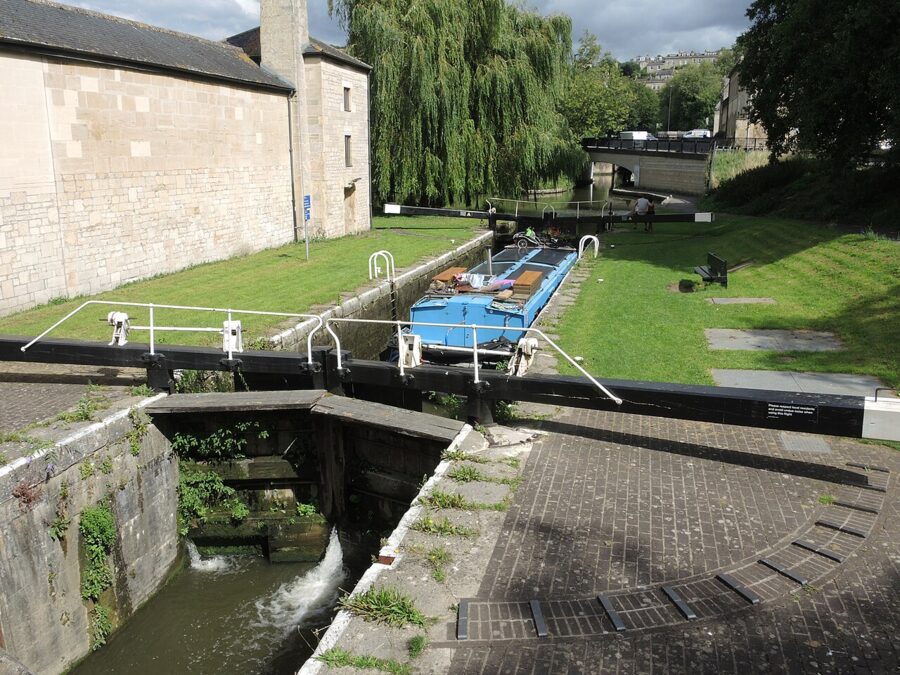
Widcombe is the easiest escape from the centre: cross the footbridge behind Bath Spa station and you are there in five minutes. It feels like a village inside the city, with its own parade of shops and the start of the Kennet and Avon Canal.

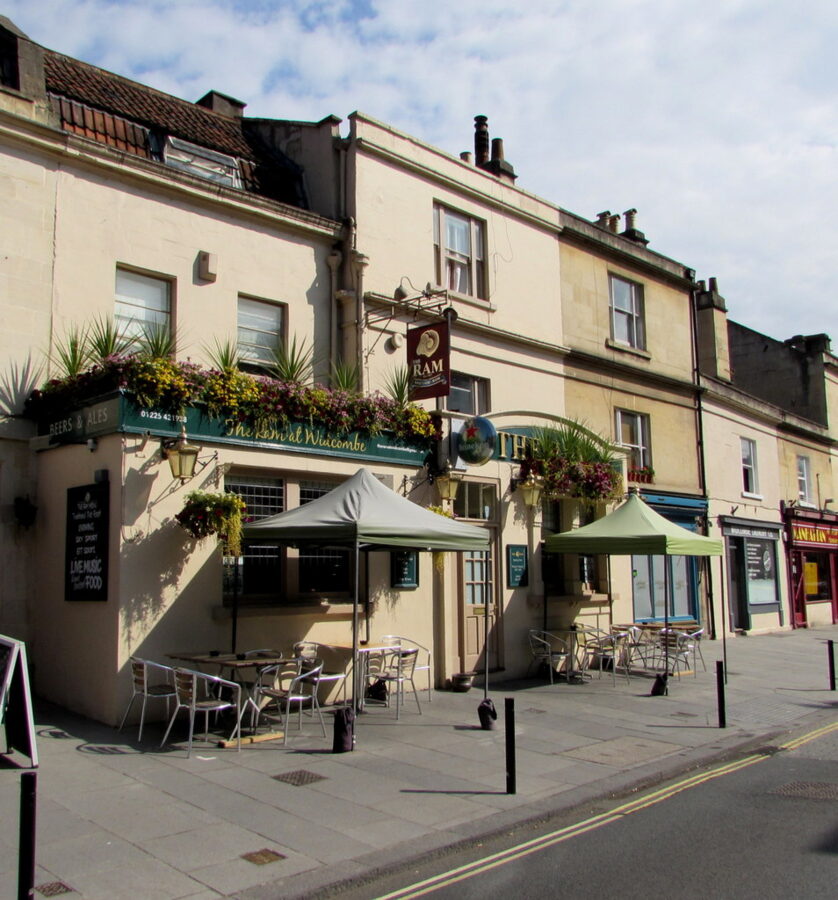
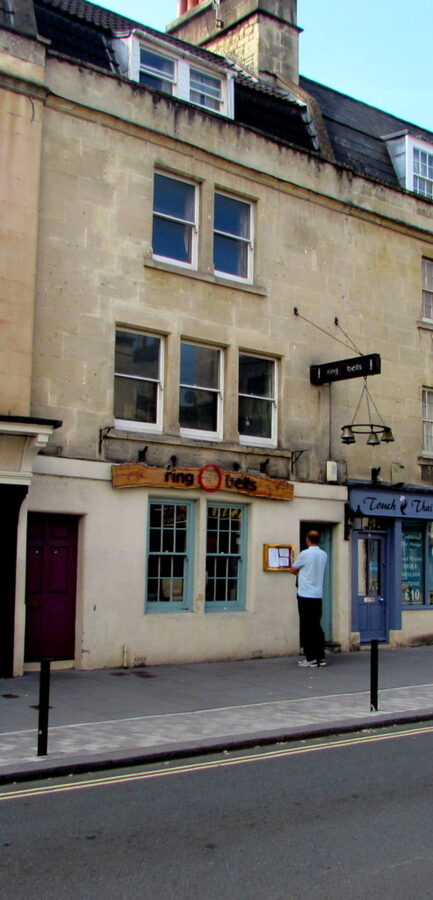
The Ram on Claverton Buildings has been a pub since 1856. By day it doubles as the Widcombe Deli; in the evening it turns into a sports and live music pub with a weekly quiz and two to four ales, lately including Harvey’s Sussex Best, a rare sight this far west. The Ring O’Bells on Widcombe Parade has a long single bar, homemade food and Timothy Taylor Landlord, Otter and Draught Bass, and opens its big upstairs room on rugby days.


Widcombe Social Club, up Lower Widcombe Hill, is a members’ club whose bar is open to everyone, and it has hosted the Bath and Borders CAMRA beer festival in most recent years.
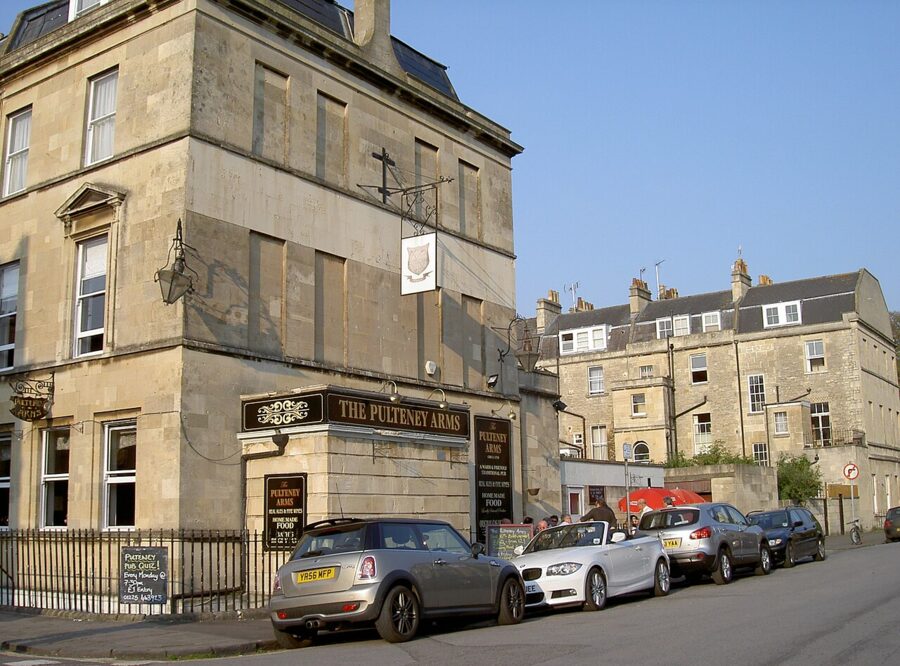
Over in Bathwick, the Pulteney Arms on Daniel Street, off the far end of Great Pulteney Street, has been open since 1792. Four old gas light fittings hang above the bar, the cat on the sign comes from the Pulteney coat of arms, and the walls belong to rugby, since the Rec is close by. It is in the Good Beer Guide, with Timothy Taylor Landlord, Butcombe Rare Breed and guests, and well-liked food. It is shut on Mondays and Tuesdays and runs a Wednesday quiz at £2 a head.

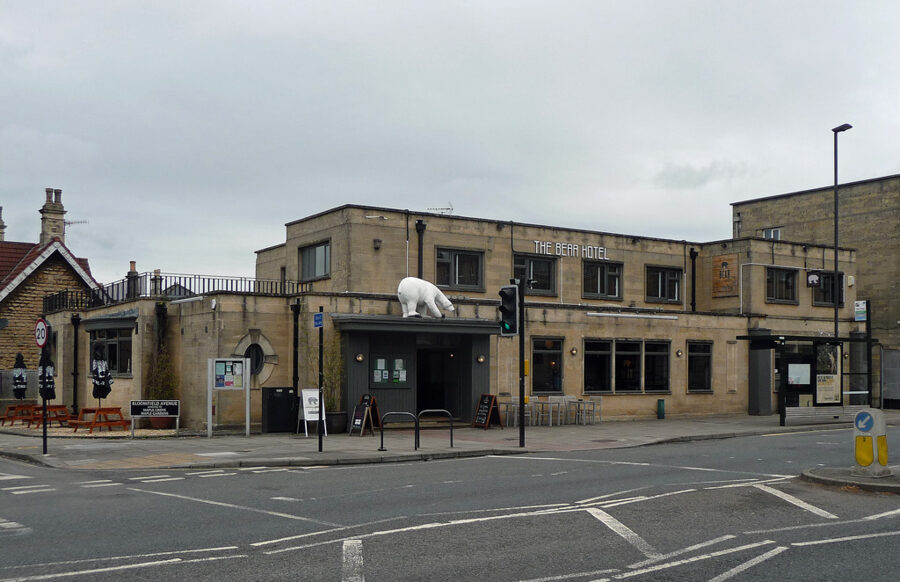
Up the Wellsway at Bear Flat, the Bear is worth knowing for what stands above its door: Snowy, a life-sized white polar bear. The original pub was destroyed in the Bath Blitz of 1942, replaced by a temporary building and rebuilt in 1956. When someone proposed repainting Snowy, the outcry killed the idea.

Old rooms and famous names: what is genuine
CAMRA’s National Inventory of Historic Pub Interiors lists pub rooms that survive largely intact, and three stars means outstanding national importance. Bath has two, the Star and the Old Green Tree, both Grade II listed and both fitted out by W.A. Williams within two years of each other. Drink in both on one evening and you see one man’s idea of a good town pub done twice.
Beyond those and the Larkhall Inn, much of what you hear is story. The Saracen’s Head’s 1713 date is plausible, and while several Bath pubs stand in older buildings, few can show they have been pubs for longer. Dickens is another matter. He is said to have come to Bath in 1835 as a young reporter, but no letter or diary puts him in this pub, and when he sent the Pickwick party to Bath they put up at the White Hart.
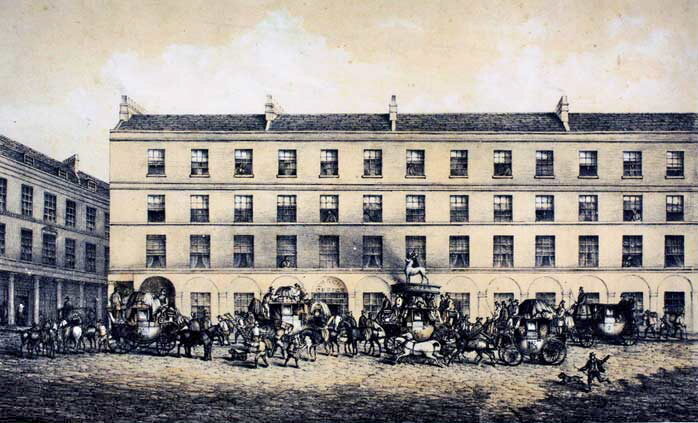
The name, at least, is old: the Saracen’s Head is usually traced to the Crusades and is one of the older pub names in England. The Crystal Palace’s Roman mosaic, found by a landlord in 1981, was left under sand in the cellar where nobody can see it, and Nelson’s stay there is only “believed”. The Garrick’s Head really was built for Beau Nash, and the Grapes’ 1612 ceiling is the real thing. The ghosts are your own affair.
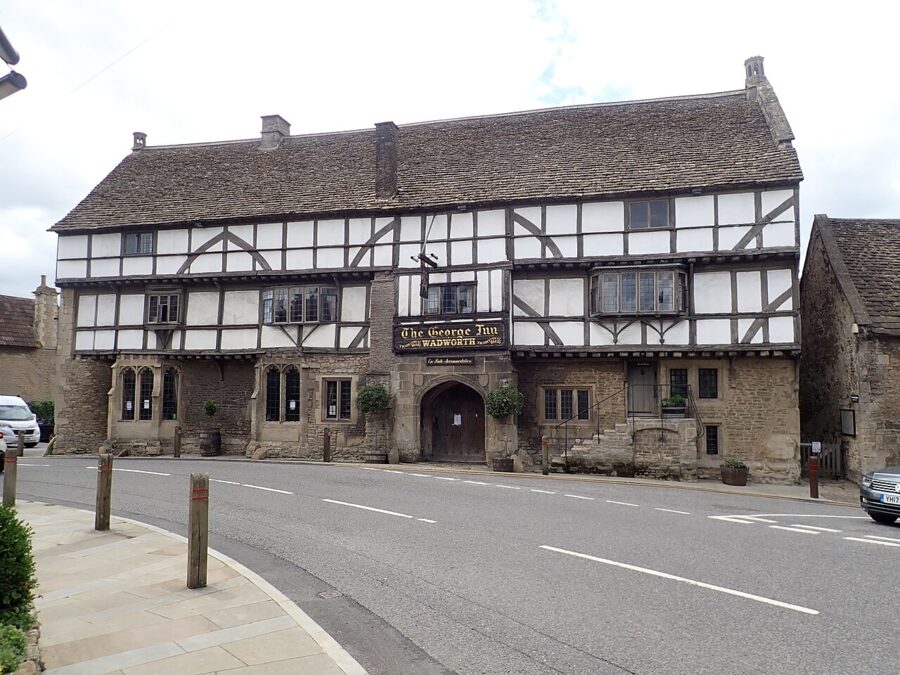
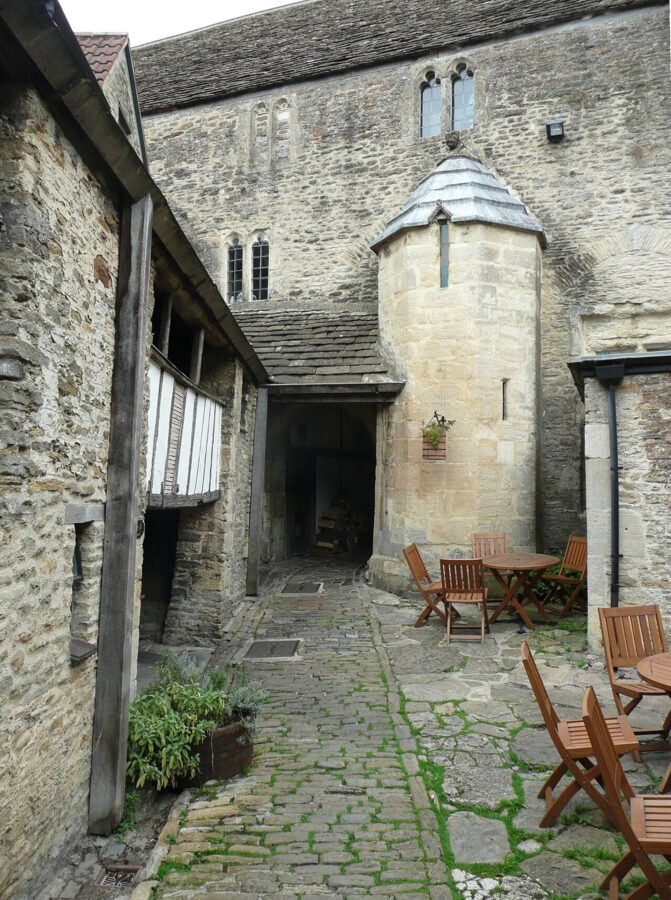
Seven miles south, the George at Norton St Philip makes the biggest claim of all. It is Grade I listed and dates from at least the early fourteenth century, and English Heritage and the historian James Wright both treat it as a serious candidate for the oldest purpose-built inn in the country. Among the contenders for the oldest pubs in England, its case is one of the strongest.
One evening in Bath, pub by pub
This route covers the essentials in under two miles, mostly flat, with one climb at the end. Start around 17:00 so the Old Green Tree has room.
Begin at the Raven and eat there, because nowhere later will feed you properly. From Queen Street it is a few minutes east to the Old Green Tree, where you want the back room and something from the guest list. Then cut through to Northumberland Place for a half of Bellringer at the Coeur de Lion, mostly to say you have been.
Walk up Broad Street, past the Saracen’s Head, to the Bell on Walcot Street, where there may be a band and there will certainly be a crowd. Finish at the Star, a short climb from the Bell. Order Bass by the jug if it is on, find a seat in the Glass Room and stay till they call time. If the night is still going, the Grapes keeps the latest hours in the centre, and Bath Spa station is downhill from everywhere.
Out of town, and the Bristol connection
Bath sits in a bowl of hills, and some of the best pubs within reach are in the villages around it. The Packhorse at South Stoke, a couple of miles south, was built in 1618, closed by Punch Taverns in 2012, bought by villagers who raised more than £1 million, and reopened in 2018. It has two old taprooms, a garden overlooked by the church, Butcombe and a guest, and food good enough that you should book.
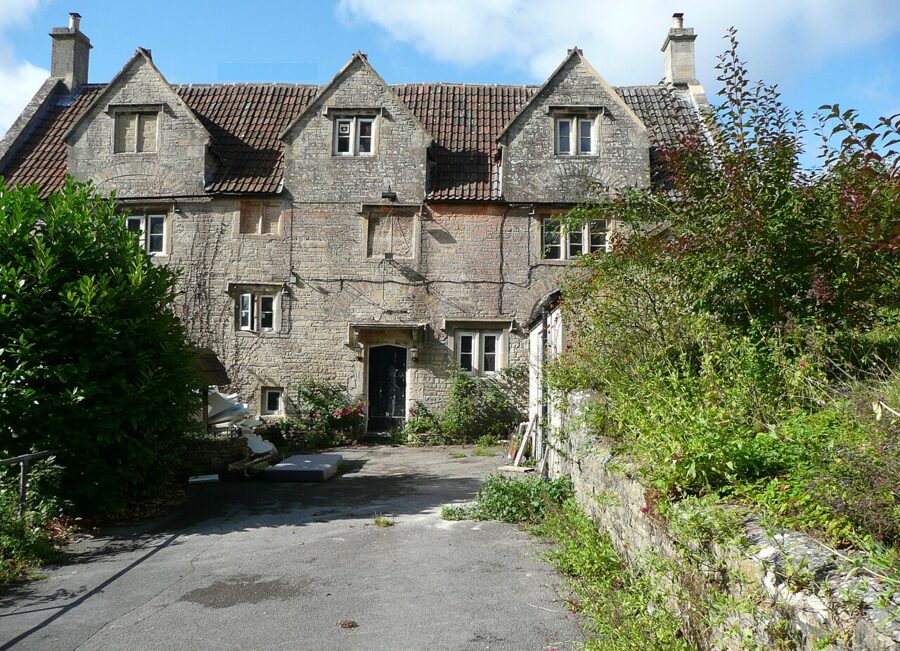

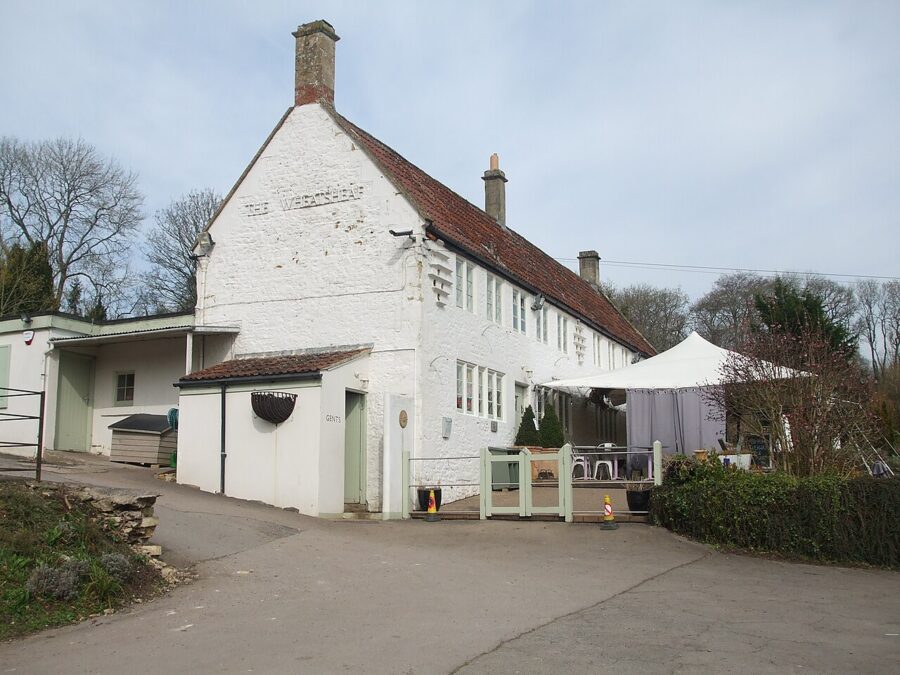
The Wheatsheaf at Combe Hay, also south of the city, began as a farmhouse in 1576 and is now a dining pub with a terraced, south-facing garden made for after a walk. It closes early in the evening, so plan lunch.

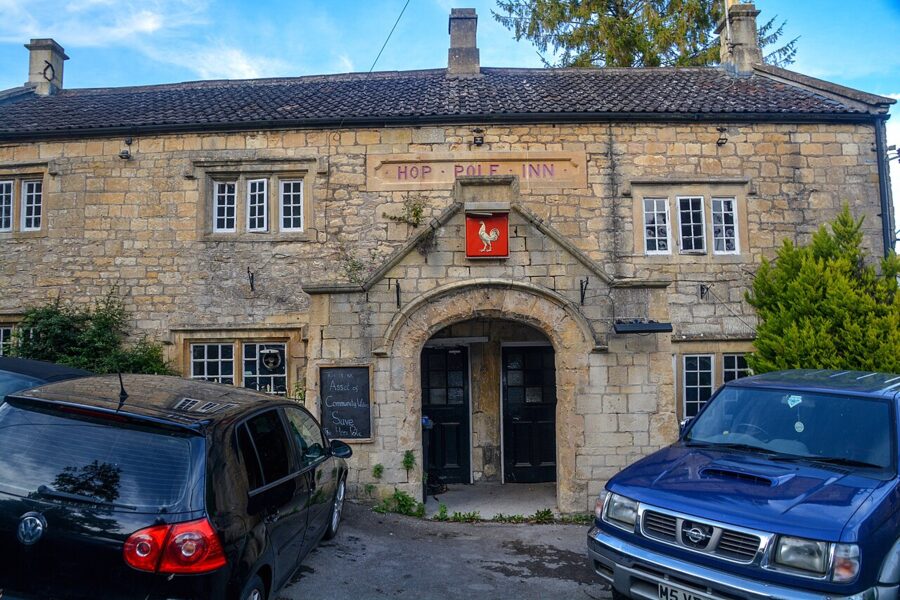
Down the Avon valley, the Hop Pole Inn at Limpley Stoke shut in 2018, was bought by its village in 2022 and reopened in January 2025. It was the Bath branch’s Pub of the Year for 2026 and an inspectors’ favourite in that year’s Michelin Guide. It has no phone, so email for a table.

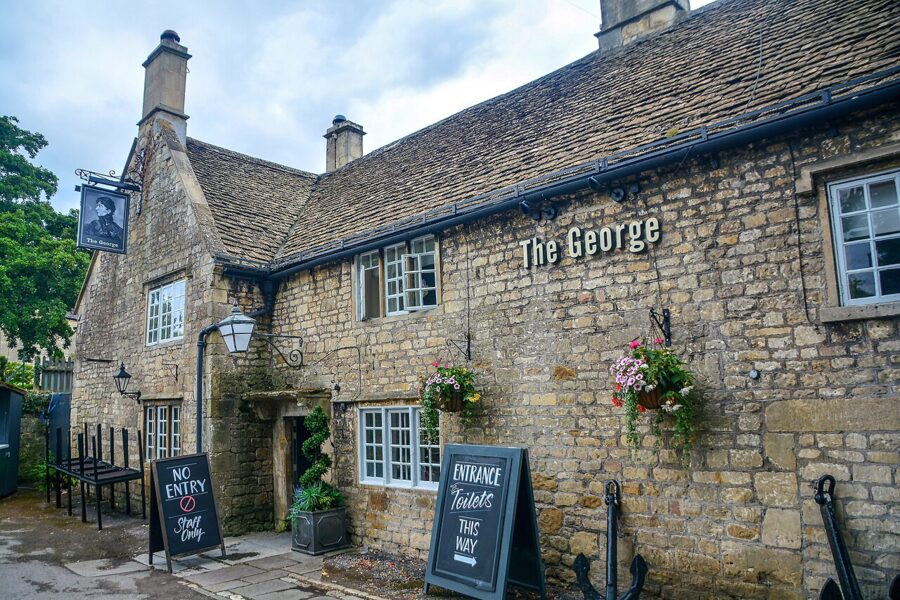
The George at Bathampton sits right on the Kennet and Avon Canal, a towpath walk east from Widcombe. It is a Greene King Chef and Brewer pub in a seventeenth-century listed building, with a ghost story about a nobleman killed in a duel on Claverton Down in 1778. Come for the canal rather than the menu.

And then there is the George at Norton St Philip, which Butcombe reopened in November 2023 after a major refurbishment. In 1685 the Duke of Monmouth made it his headquarters, and after the rebellion failed Judge Jeffreys is said to have held court there. The beamed bar, the galleried courtyard and the Dungeon bar are reason enough for the twenty-minute drive.


Bath is also an easy day out from Bristol, about a quarter of an hour away by train, and the two cities make a good pair: Bristol for harbourside cider pubs and taprooms, Bath for old rooms and the jug.
Practical notes
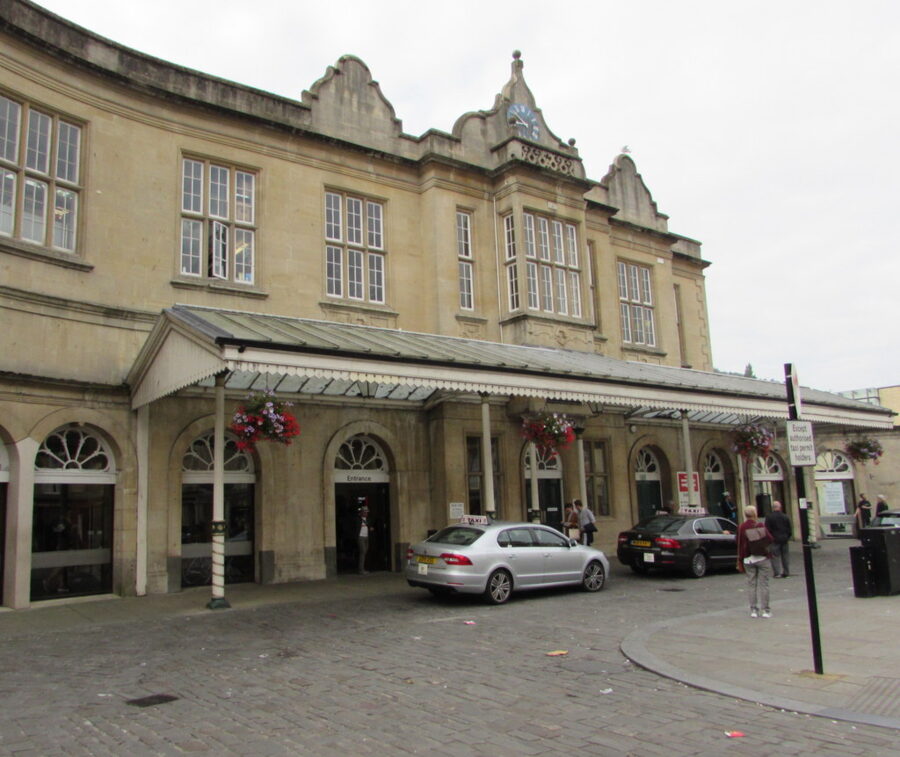
Bath Spa is the station for the centre, with Widcombe across the footbridge behind it and the Raven, the Old Green Tree and the Coeur de Lion all within ten minutes’ walk. Most pubs shut at 23:00. The Star (midnight except Sundays), the Raven (midnight on Fridays and Saturdays) and the Grapes (01:00, or 02:00 at weekends) go later, and listed hours are often summer hours.

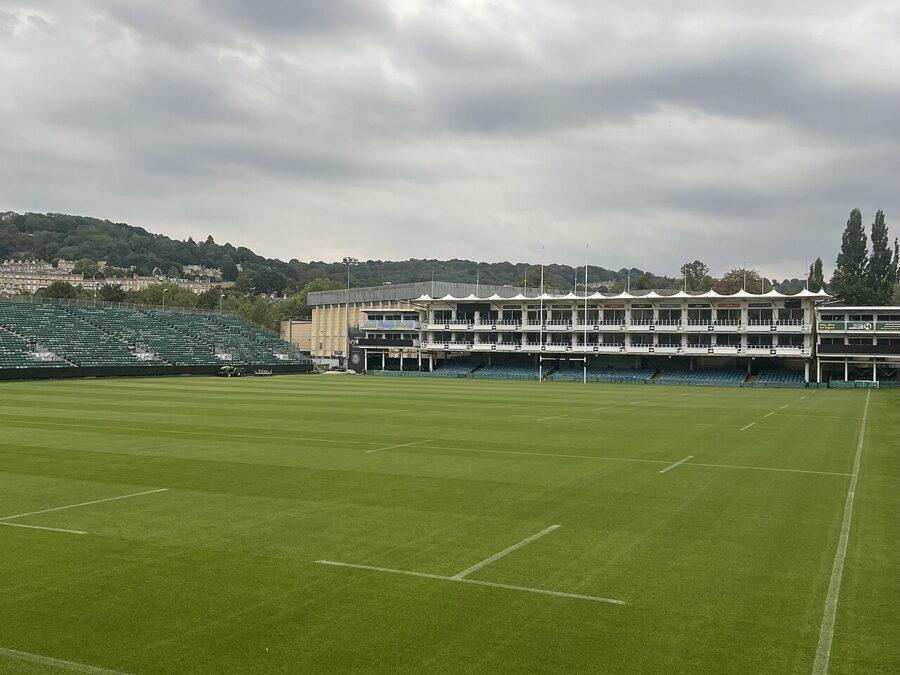
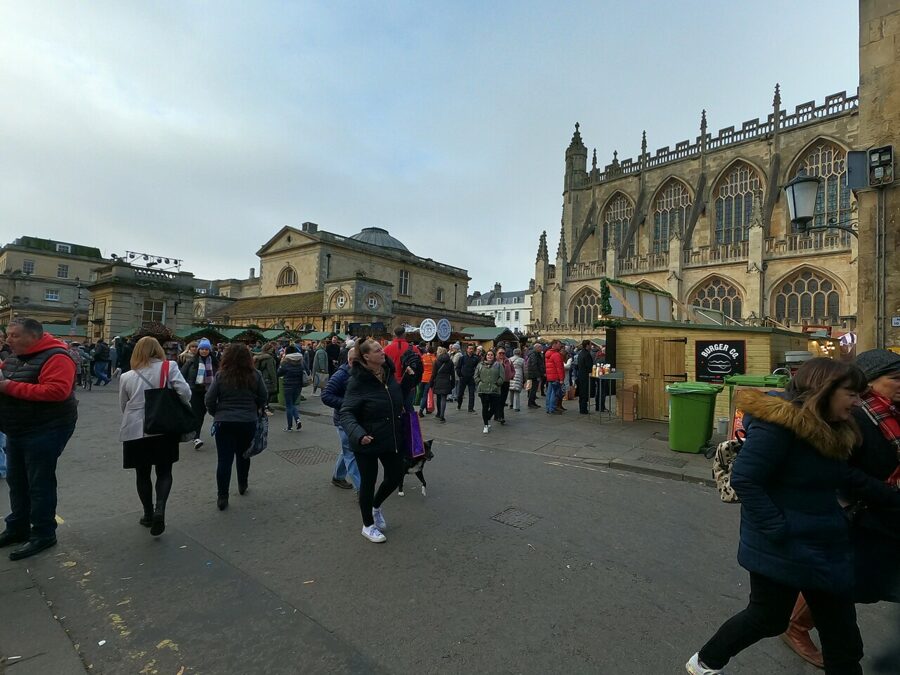
Bath Rugby play at the Recreation Ground by the river, right in the centre, and on match days the Raven, the Coeur de Lion, the Pulteney Arms, the Ring O’Bells and the Curfew are packed. The Christmas Market, from late November into December, fills the streets round the Abbey too. On those days go early, or go out to the Royal Oak.

Several pubs take cards only, including the Black Fox, the Garrick’s Head, the Bath Brew House and the Hop Pole. The Raven and the Grapes take no bookings; book for food at the Garrick’s Head, the Packhorse and the Crescent dining pubs. Dogs are welcome at the Star (on a lead), the Grapes, the Garrick’s Head, the Royal Oak, the Hop Pole and the Boathouse. The usual pub etiquette applies: order at the bar, and in a lobby as small as the Old Green Tree’s, step back once you have been served.
Whatever else you do, end at the Star. Ask what is in the jug, take it to the Glass Room, and let the walk down to the station wait.