
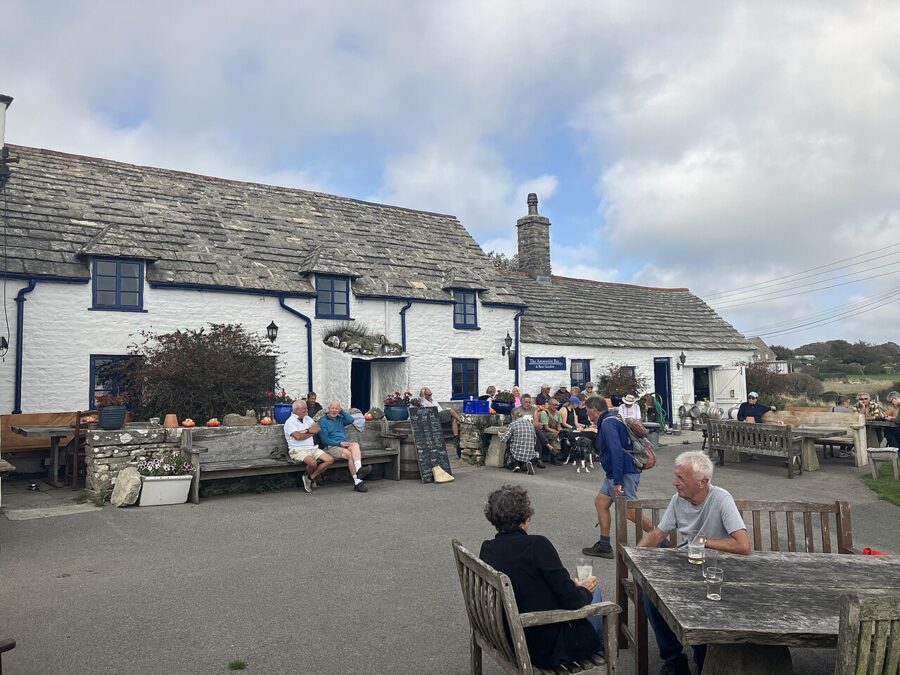
There is no bar at the Square and Compass. You walk in down a flagstone passage, ask at a hatch that was once the back door, and someone fetches your pint from a row of barrels on a stillage in a lean-to behind it. The cider was pressed by the owner. The Newman family has run the place since 1907, and the room on the right still has the wood-block floor and panelling that Hayter and Son of Swanage put in during November 1935.
CAMRA counts it among the country’s last twenty or so pubs with no counter at all, and it is one of the pubs on its National Inventory of Historic Pub Interiors. But the county has more going for it than one famous hatch.
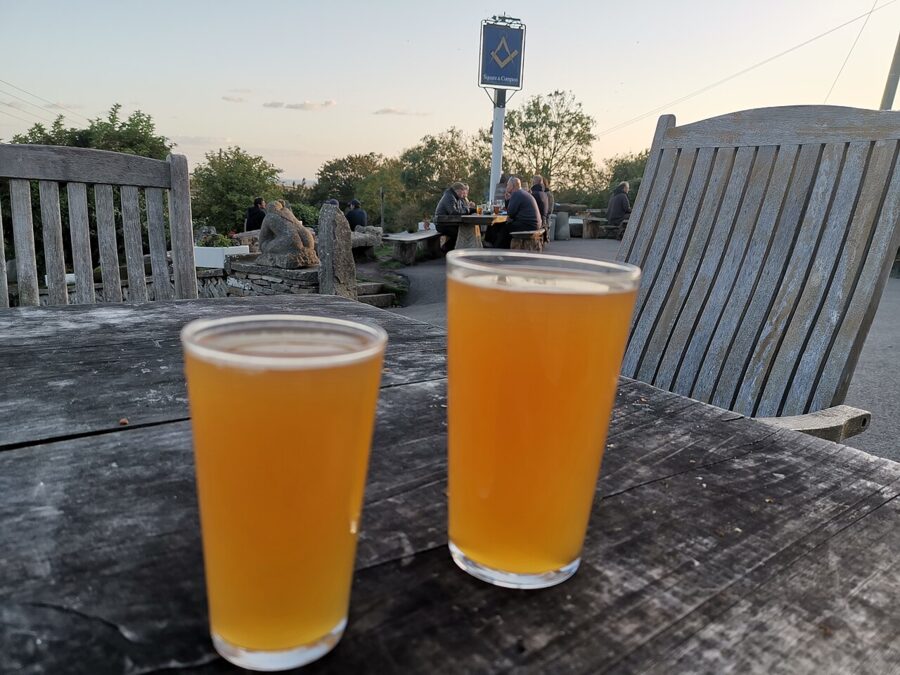

Dorset still has two family breweries that own most of its best old pubs, one of them in a thatched building beside a river in Bridport. It has a coast lined with inns that served smugglers and now serve walkers off the coast path, and a run of chalk valleys where the pubs are thatched, the villages are called things like Piddletrenthide, and Thomas Hardy put half of them in his novels. What it does best is the country pub that has not been knocked through. Go for those.

On this page
- What Dorset drinks
- The far west, under Golden Cap
- Bridport, West Bay and Burton Bradstock
- Weymouth and Portland
- Dorchester and Thomas Hardy's pubs
- Purbeck: the Square and Compass and its neighbours
- East Dorset and the Stour valley
- North Dorset: Sherborne and Shaftesbury
- Four days out, with the stations
- Before you go
What Dorset drinks
Walk into a village pub west of Dorchester and the odds are good that the pump clips say Palmers. Head north and east and they say Badger, which is what Hall & Woodhouse call their beer. Between them the two firms decide what most of rural Dorset drinks, and both are still run by the families whose names are over the door.
Palmers, Bridport
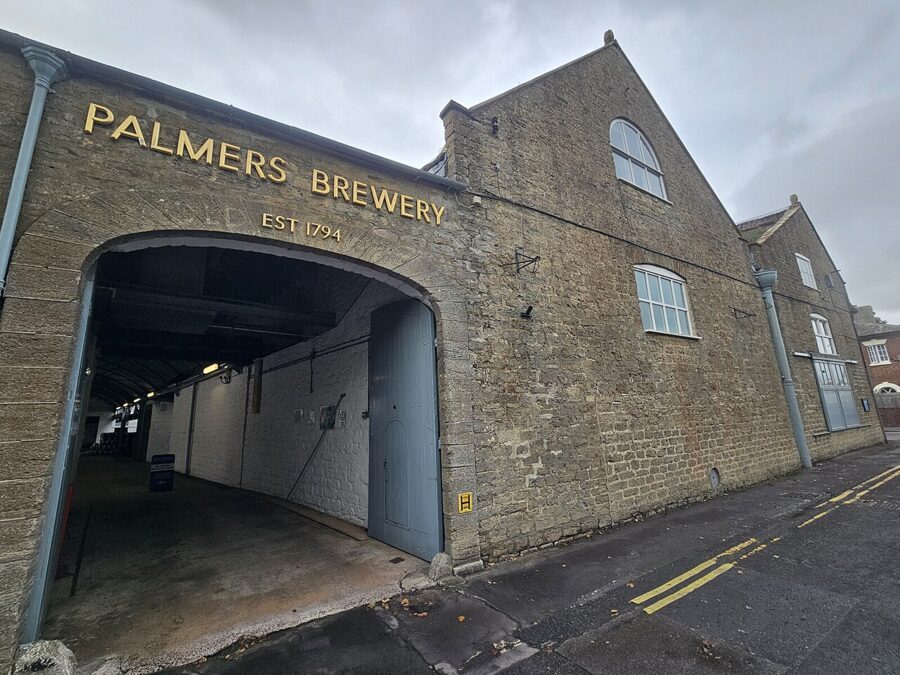
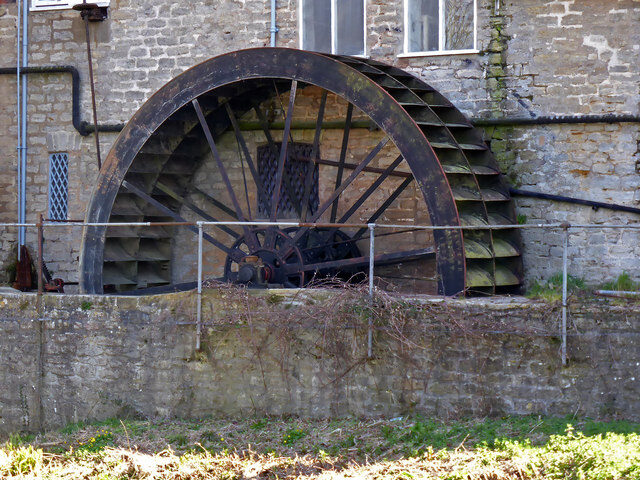
Palmers has brewed on the same spot by the River Brit since 1794, and the Palmer family has owned it since 1896. It calls itself the last thatched brewery in the country, and the waterwheel on the side was forged in Bridport in 1879: eighteen feet across, it drove machinery until mains electricity arrived in 1930 and has turned for show since a restoration in 1982. The brewery’s first freehold pub, bought in 1802, was the George in Bridport, and it now has more than fifty.

The beers are worth learning. IPA, at 4.2%, is the everyday pale beer, launched in 1953. Dorset Gold, a 4.5% golden ale that started life in 1999 as a weaker summer beer, overtook it in 2026 as Palmers’ best seller. Copper Ale is the light session bitter at 3.7%, 200 a 5% premium bitter brewed for the bicentenary in 1994, and Tally Ho!, first brewed in 1949, is a 5.5% old ale that only a few of the pubs keep on.
Tours run Monday to Friday at 11:00 and 14:00 and last two hours, ending with a tasting at the Palmers Wine Store across the road. They are for over-12s with an adult, places are limited so book ahead, and the steep stairs rule them out for anyone with a wheelchair.
Hall & Woodhouse and the Badger houses
Charles Hall, a farmer, started brewing at Ansty in 1777, and the firm has brewed beside the River Stour at Blandford St Mary since the turn of the twentieth century. It runs about 140 pubs across the south of England, and in July 2026 the King and Queen came to Blandford to open its 250th anniversary year. The beers you will meet are Badger Best Bitter, Fursty Ferret and Tanglefoot, which is the one to go easy on.
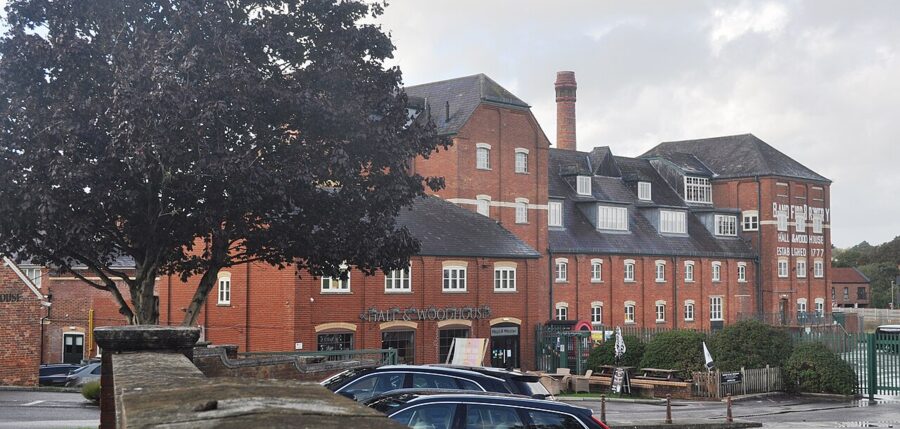
The Brewery Tap opens 09:00–18:00 Monday to Wednesday and 09:00–23:00 Thursday to Saturday, with food until 17:00 and 20:30 respectively; it is closed on Sundays. Tours take over-10s and end there. For the family history, drive out to the Fox Inn at Ansty, now a free house, which was once the Woodhouse family’s home and only became an inn in 1915.
Small brewers, lost brewers and the cider
Around the big two sits a ring of small breweries whose beers turn up on guest pumps everywhere: Cerne Abbas, Dorset Brewing Company (its Jurassic is the one you’ll see most), Sixpenny on Cranborne Chase, Isle of Purbeck in the grounds of the Bankes Arms at Studland and Lyme Regis Brewery in the town mill. Purbeck’s pubs also lean heavily on Hattie Brown’s Moonlite. If cask beer is new to you, start with how real ale is kept and served, because these are pubs where it matters to the landlord.
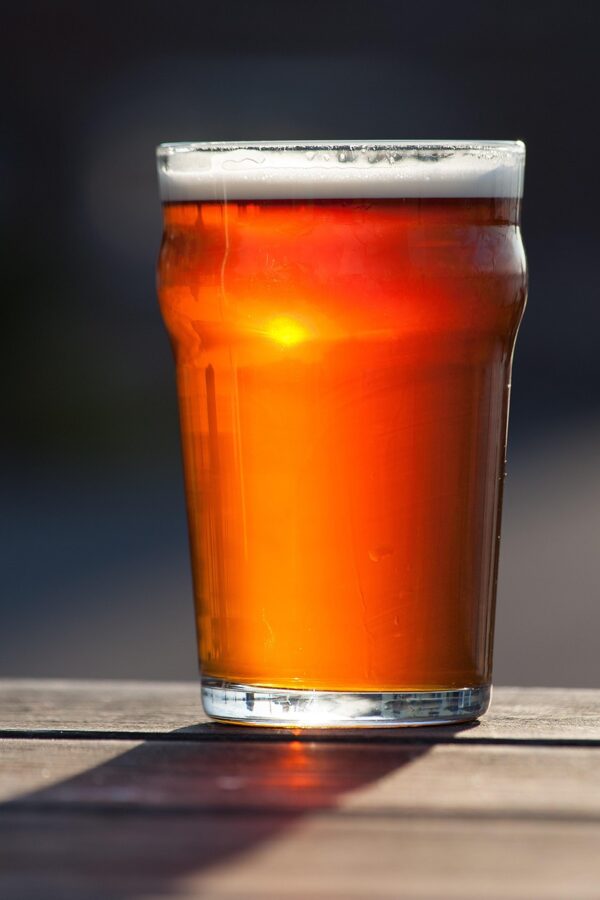
Some of the old names are gone and only the buildings remember them. Eldridge Pope brewed in Dorchester on what is now Brewery Square, opposite Dorchester South station. Devenish brewed in Weymouth’s Hope Square until the mid-1980s, and the Red Lion opposite was its tap. In Bridport, the Tiger Inn still has an etched window for Groves, another Weymouth brewery that has vanished.

Cider is quieter here than across the border, and if you want farmhouse scrumpy by the dozen the Somerset pubs are an hour north. But Dorset has its own. Palmers pubs carry Dorset Orchards, the Spyway Inn pours West Milton, the Greyhound in Corfe Castle has the Purbeck Cider Company and the Vine Inn at Pamphill sells a Purbeck Dabinett. For how farmhouse cider is made and served, there is a separate guide.
The far west, under Golden Cap
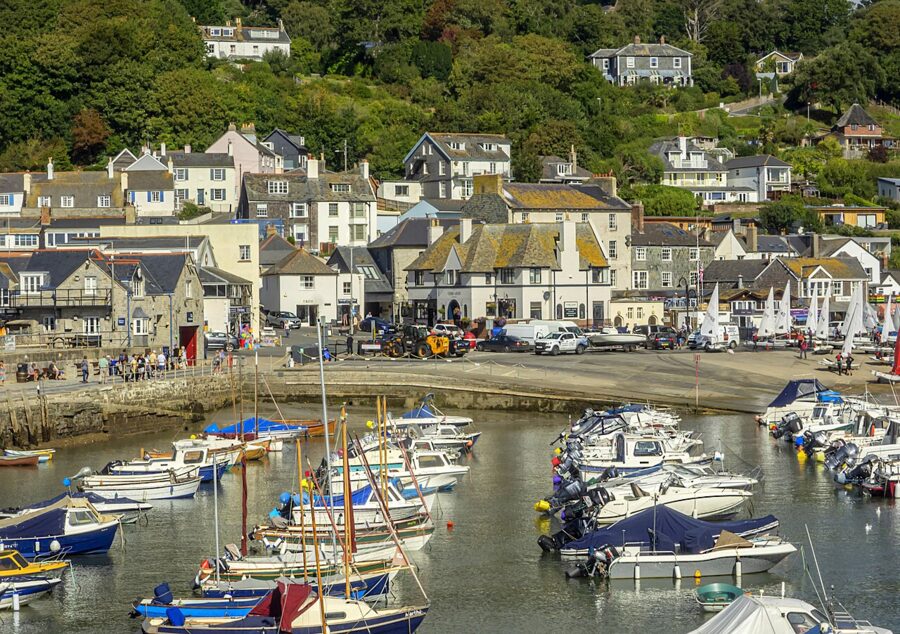

The far west of the county is fossil country, and in summer it is also parking-space country, because Lyme Regis was built for carts. Axminster is the nearest station, a few miles inland on the line from London Waterloo, and First’s Jurassic Coaster buses run along the coast road to Lyme, Chideock and Bridport. Check the timetable before you rely on a late one.
Lyme Regis
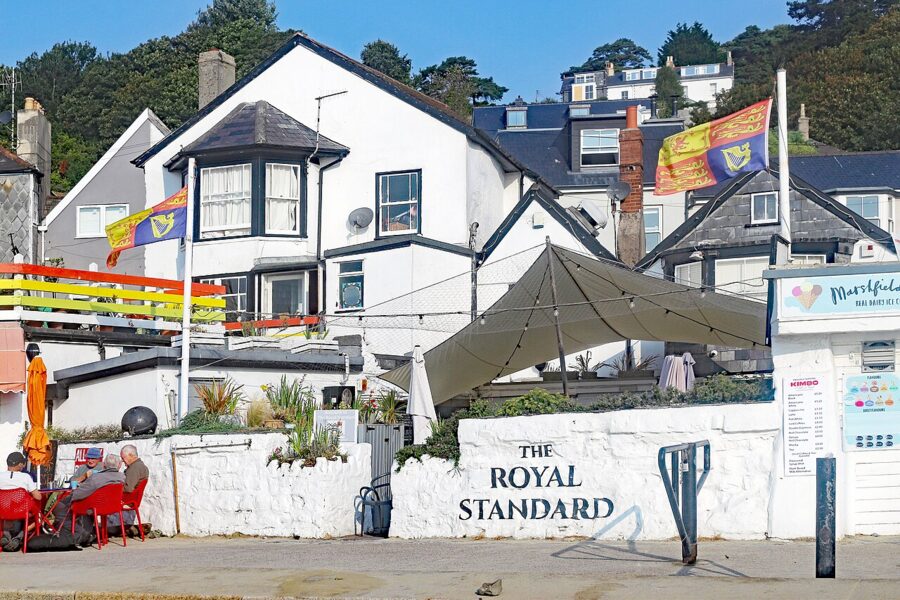
Start on the beach at the Royal Standard on Marine Parade, a Palmers house that CAMRA puts at about 400 years old and that sits on the beach itself. It is panelled, busy, carries the full Palmers range and opens 11:00–23:00 every day. Food runs all day from April to September and in two sittings the rest of the year, 12:00–14:45 and 17:30–21:00.

Further along, the Cobb Arms has been refurbished, overlooks Lyme Bay and lets dogs into its rooms. Up in the town, the Pilot Boat on Bridge Street is a long, cleverly renovated Palmers pub with a courtyard, a roof terrace and three sea-view rooms named after the beers; it won a CAMRA pub design award. Local legend makes it the home of the collie that inspired Lassie, and the pub is happy to tell you about it.
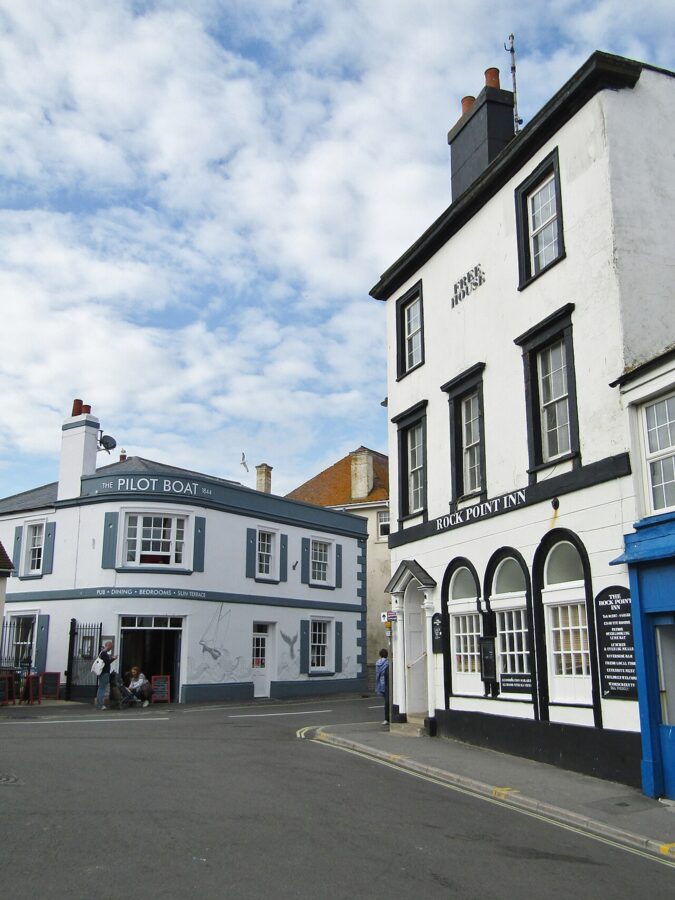

Close by, the Rock Point Inn is the St Austell house, the Cornish brewery that runs much of the trade in Cornwall’s pubs. It was rebuilt and enlarged in 2020, has nine rooms and two balconies with heaters, and serves breakfast from 08:00. For something less polished, climb Silver Street to the Nags Head, a brick-and-flint coaching inn with a garden view across the bay to Portland, sport on the television and live music on Saturdays. It doesn’t open until 14:00 Monday to Wednesday.
The Volunteer on Broad Street is the drinker’s pub: a low-beamed front bar, four changing beers and a house beer called Volly Ale. Its name comes from the volunteer regiment raised in 1794 against the threat of a French invasion, though the building is older. Food is only served on Friday and Saturday evenings and Sunday lunchtime, so eat elsewhere and drink here.
The George at Chideock
A few miles east, the A35 squeezes through Chideock between thatched cottages, and on the main street stands the George Inn. Historic England lists it at Grade II as a late seventeenth-century public house with rendered stone walls and a thatched roof, “modernised”, which is fair: the open fireplace in the left-hand room was heavily rebuilt and there is a twentieth-century extension on the right. It has also traded as the Crown and Sceptre.
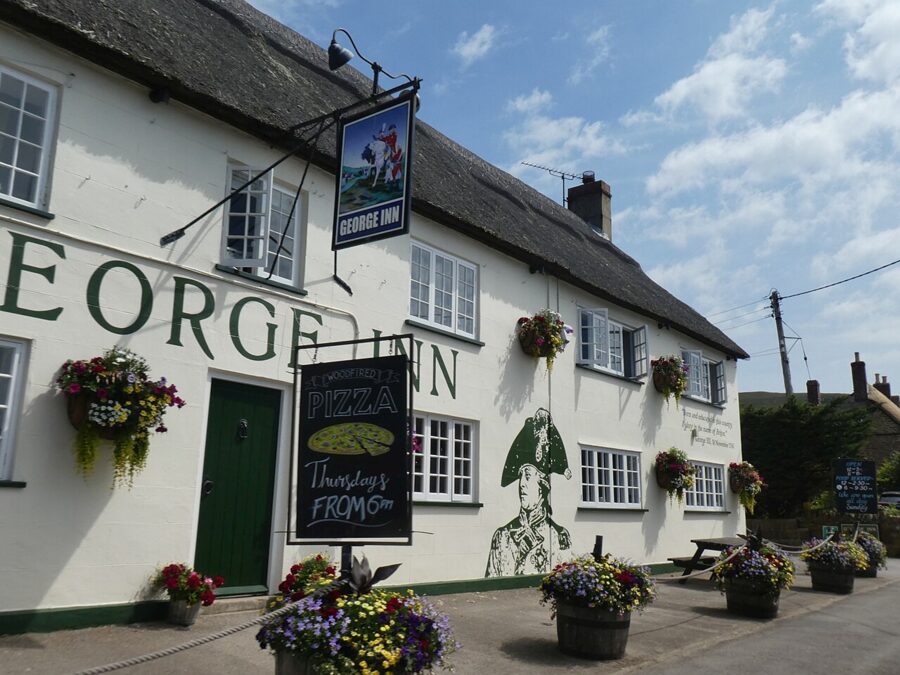

It is a Palmers pub and a proper one, with IPA and Dorset Gold on the pumps, Sheppy’s cider, log fires and a big patio at the back. On Thursday evenings the kitchen fires up a wood-fired pizza oven alongside the normal menu. Food runs 12:00–15:00 and 17:00–21:00, and noon to 18:00 on Sundays; dogs are very welcome, and locals use it all year, so booking for dinner is sensible.
Along the main road, opposite the church, the Clock Inn burned badly in 2015, rose again under a new name and has had new licensees since August 2024. It does fish and chips on Fridays, keeps a beer festival in October and is shut on Tuesdays.
Seatown and Golden Cap
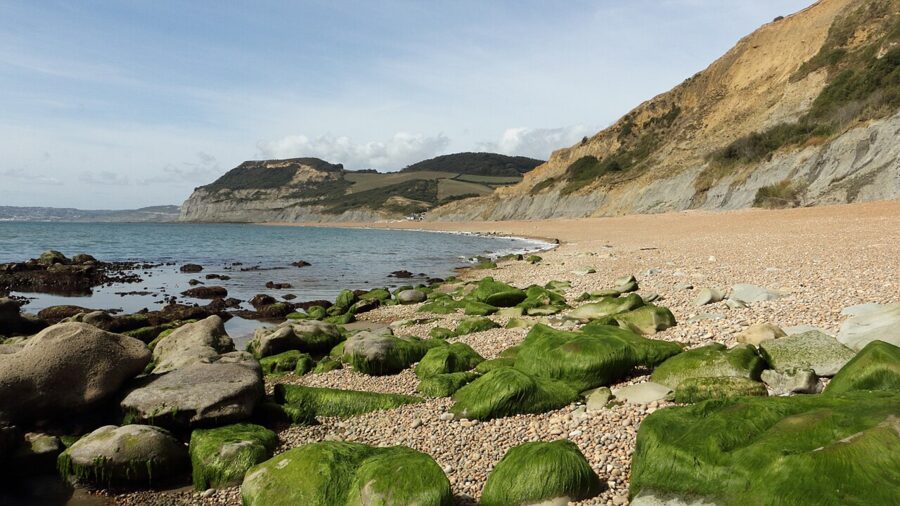
From the George, a lane runs south for under a mile to Seatown, which is a car park, a few cottages, a shingle beach and the Anchor Inn. Behind it rises Golden Cap, the highest point on the south coast.
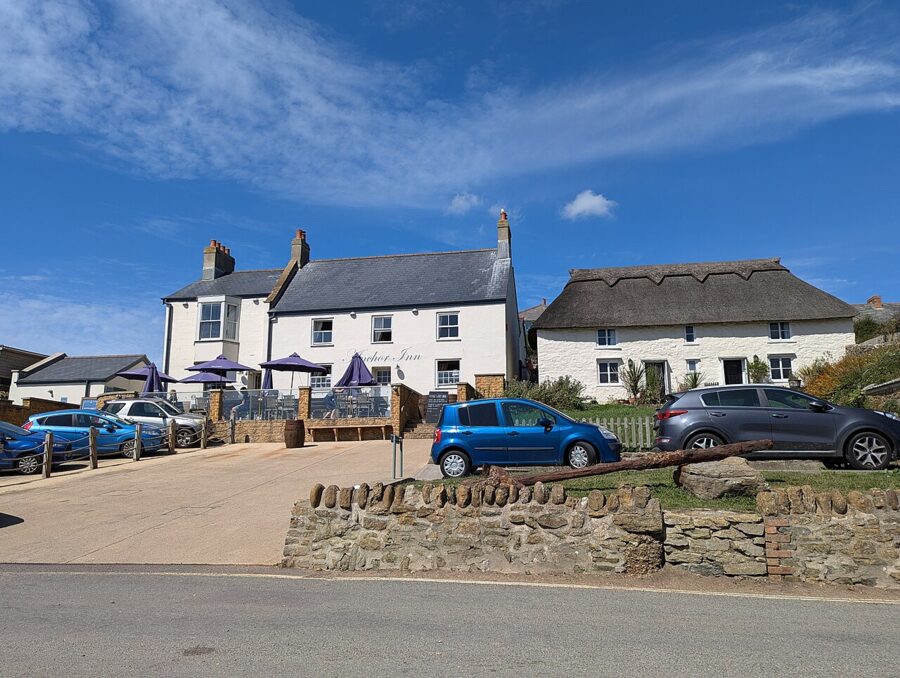

The Anchor is Palmers, comfortable inside, and nearly on the beach. From May to September there are no reservations and it takes cards only, so the trick is to get there before the walkers come down off the cliff. Food runs 12:00–20:00 every day, and there are rooms if you can’t face the climb back.

Bridport, West Bay and Burton Bradstock
Bridport made rope and nets for centuries, and its streets are wide enough to have been laid out, so the story goes, for drying it. It is the best pub town in Dorset because it has both kinds: Palmers houses that do everything, and free houses run by people who care a great deal about beer. Come on a Wednesday or Saturday, when the market fills the streets.
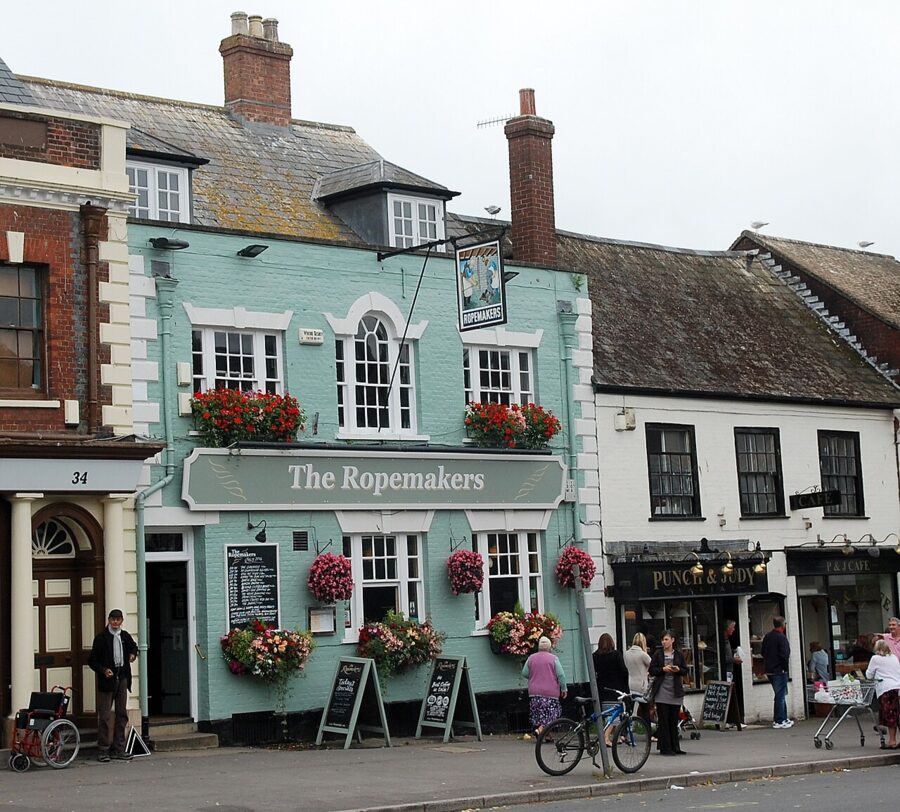

The Ropemakers on West Street is the big, sociable Palmers pub, which once traded as the Sun Hotel. It pours the whole range including the seasonals, so the beer turns over quickly. There’s a quiz on Tuesdays and a monthly cheese club, and breakfast from 10:00. The Market House, another Palmers house in the centre, does breakfast too and gets busy on market days.
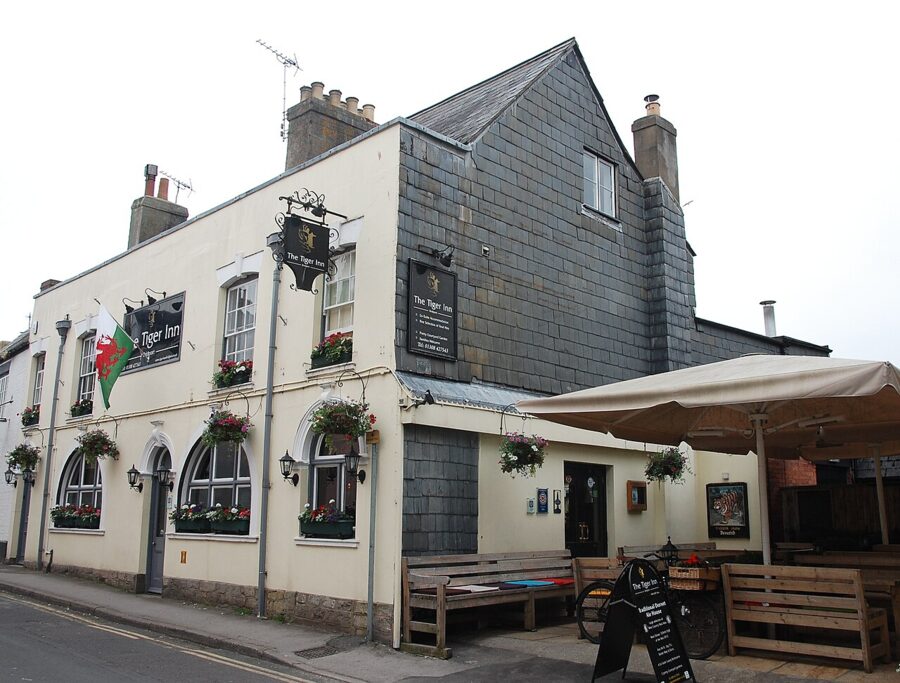
For the beer itself, go to the free houses. The Pursuit of Hoppiness on West Street is a one-room micropub for about two dozen people, with six handpumps that always include a porter or stout, tasting flights of three and a fridge of bottles and cans; you can bring in food from outside, and it takes cards only. The Tiger Inn on Barrack Street is Victorian, with six changing ales, a sports screen in the main bar, a quieter second bar and seven rooms. Look for the Groves window.

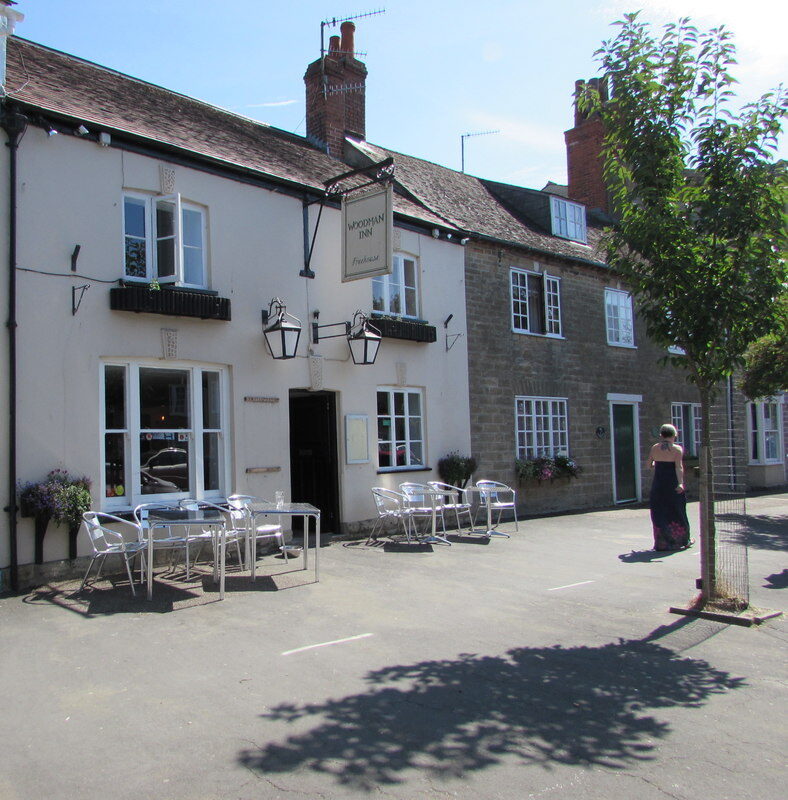
The Woodman on South Street is the one CAMRA members chose as both Wessex Regional Pub of the Year and Regional Cider Pub of the Year for 2024. It has one bar with a stone floor and a log burner, a garden and a skittle alley at the back, and a beer range that rarely repeats, with one handpump kept for stouts and porters. If you have one evening in Bridport, end it here.

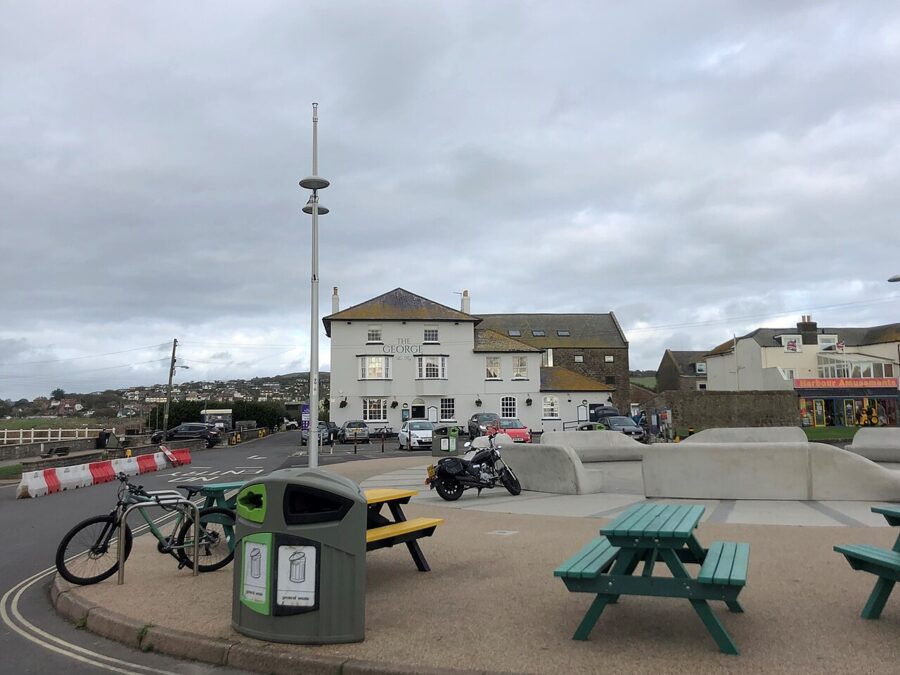
A mile and a half south, West Bay is Bridport’s harbour. The George Hotel stands right by it: a separate public bar, a dining room, a riverside garden with its own bar in summer and six rooms. It opens every day of the year and serves food 12:00–20:30, and from July to September it is walk-ins only.

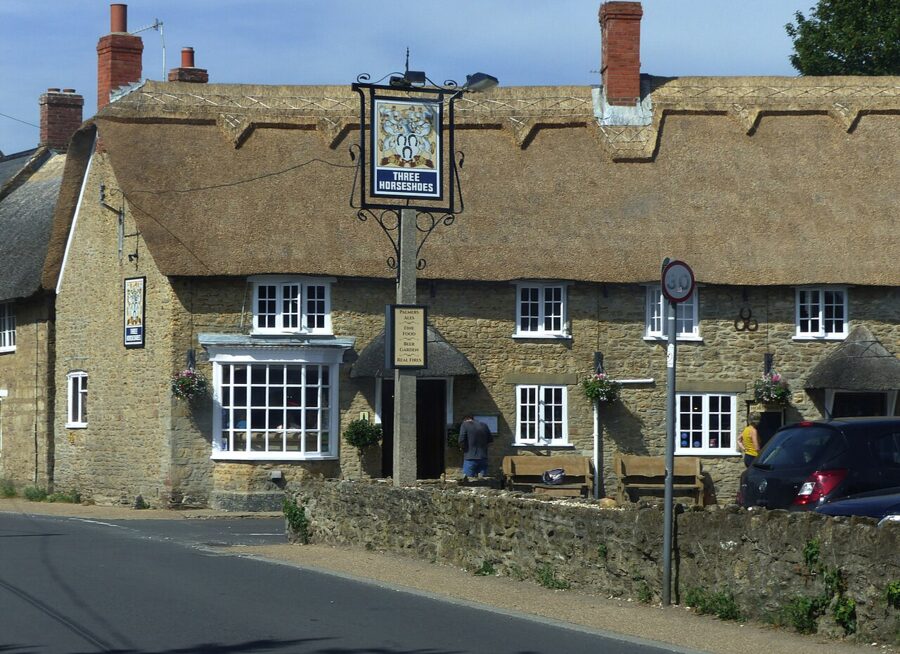
East again, Burton Bradstock has the Three Horseshoes on Mill Street, a thatched Palmers pub with sun-trap seats out front, a short walk from Hive Beach. It is one of the few Palmers houses that keeps Tally Ho! on regularly. It’s shut on Mondays; food runs noon to 20:30 Tuesday to Saturday and stops at 15:00 on Sundays.

The villages behind Bridport
Inland, the hills fold up into narrow lanes and the pubs open when the village wants them. The Spyway Inn below Eggardon Hill at Askerswell is a sixteenth-century smugglers’ inn with a small, old-fashioned main bar, ales poured straight from the cask and West Milton cider; it opens on weekday evenings and longer at weekends, and is closed on Mondays. Mind your head on the way out to the garden.
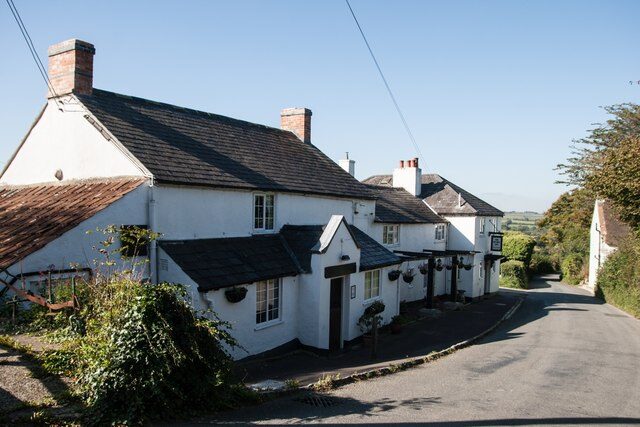

The Loders Arms is a long, flagstoned Palmers bar that serves classic pub food at fair prices and opens Wednesday to Sunday. At Symondsbury, the Ilchester Arms is sixteenth-century, with oak beams and a big inglenook, and the New Inn at Eype sits at the end of a steep lane above the sea. Both have new licensees, so check their social pages for current hours before you set off.
Weymouth and Portland
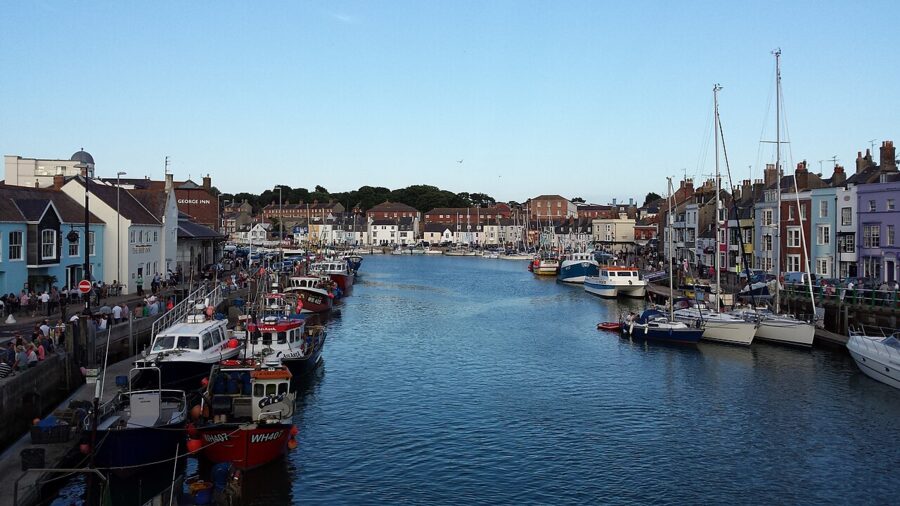

Weymouth has the seafront everyone knows and a harbour that is far better for drinking. The station has direct trains from London Waterloo. Head for the south side of the harbour, where Devenish once brewed.
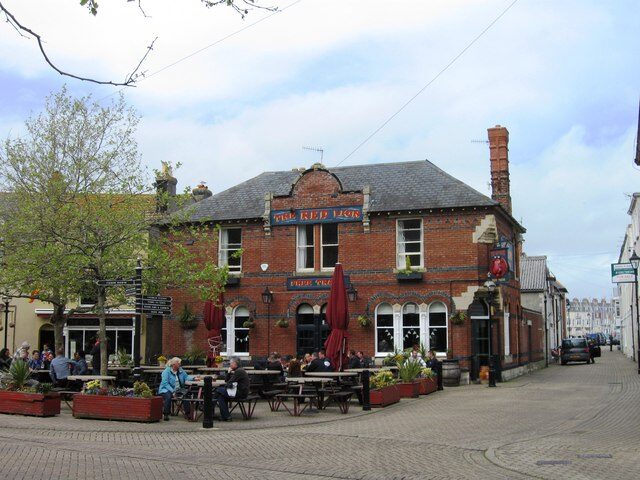
The Red Lion in Hope Square was the Devenish brewery tap until brewing stopped in the mid-1980s. It is small inside, so on a sunny day everyone sits at the tables in the square, and on summer weekends there is often music outside. There are usually five ales, including a re-badged Lifeboat Ale with a share of each sale going to the RNLI, and a long list of rums. One quirk to know: two halves cost more than a pint here.

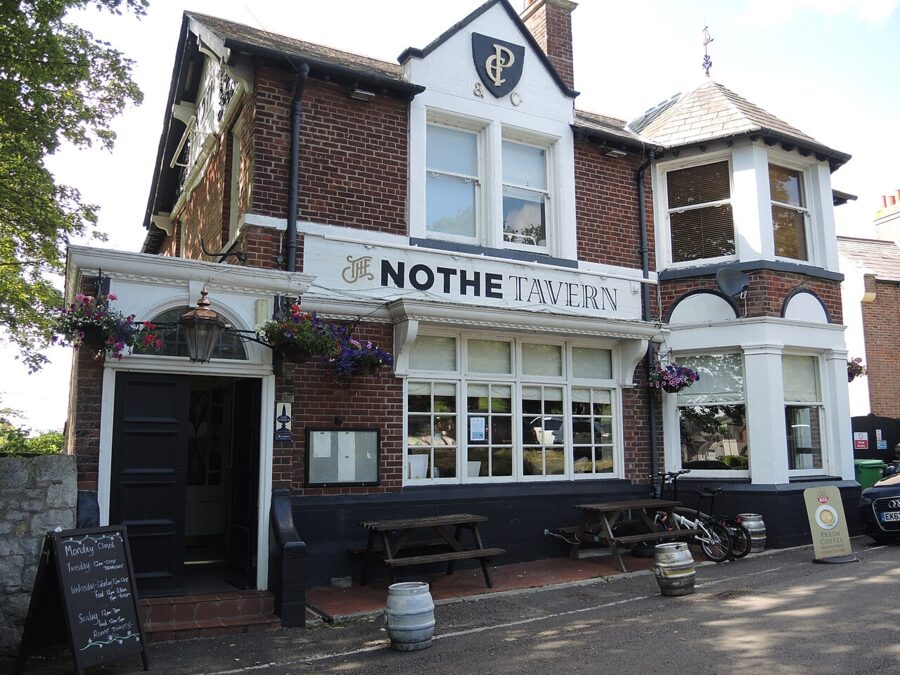
Round the corner and up Barrack Road, the Nothe Tavern sits on the peninsula below Nothe Fort, with a terraced garden that looks back over the rooftops and the harbour. It does food all day. Back across the bridge, the Doghouse on Great George Street is a micropub with at least six ales on gravity, a floor laid with old pump clips and its own dog, Sky, on greeting duty; children are welcome until 19:00.

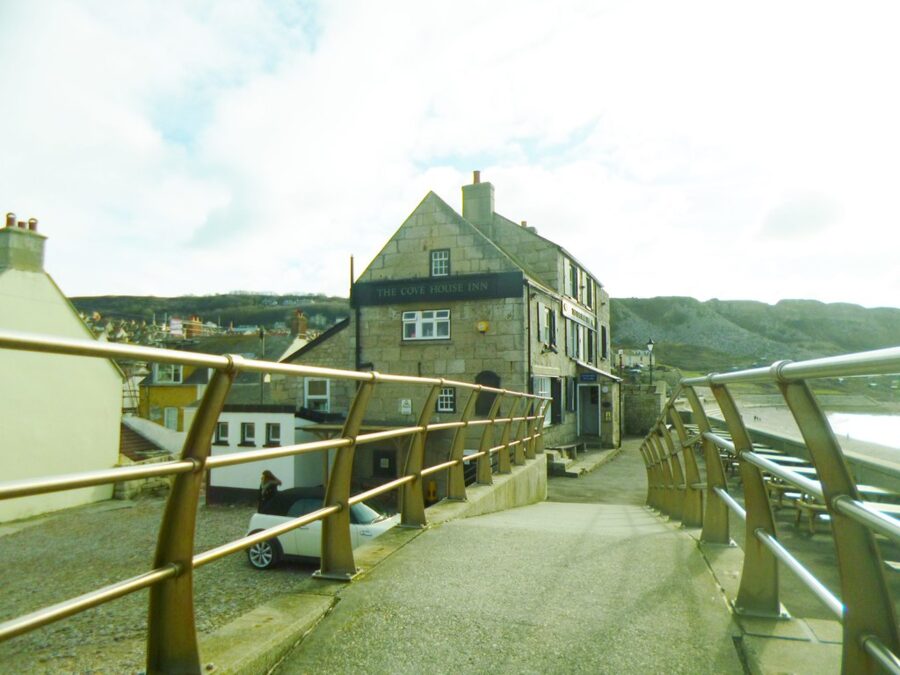
Portland is another country, joined to the mainland by a causeway. At Chiswell, at the southern tip of Chesil Beach, the Cove House Inn has a promenade terrace above the shingle and wooden shutters on the lower windows that are there for the winter storms, not for decoration. These days it leans towards food, so book if you want to eat. It closes on Mondays and hosts a weekly folk session.

East of Weymouth, the Smugglers Inn at Osmington Mills is a big Hall & Woodhouse pub just off the coast path, so close to the cliff that it fills with walkers. The story goes that it was the base of a French smuggler, Pierre Latour, and a landing place for contraband. I believe the smuggling and doubt the thirteenth-century date sometimes given for the building; it is a good story either way, as most claims to be the oldest pub in England turn out to be. It takes cards only and serves food from noon to 21:00.
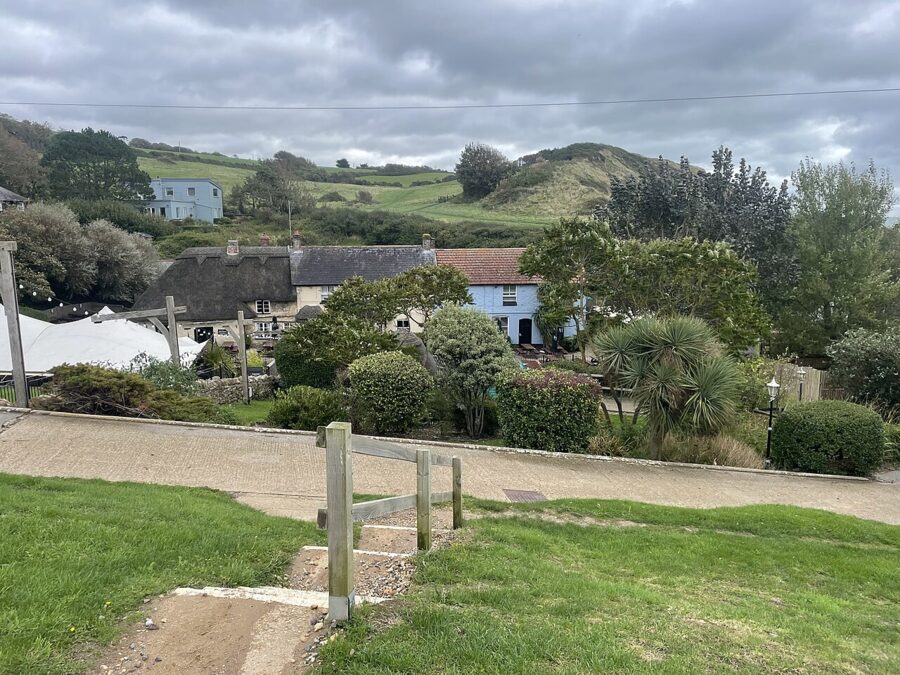

Inland at Sutton Poyntz, the Springhead sits opposite a duck pond under the chalk. Hardy turned the village into Overcombe for The Trumpet-Major, and the local society’s Hardy walk starts just up the road. The pub is food-led, with wood-fired pizzas at weekends and a log fire in winter.
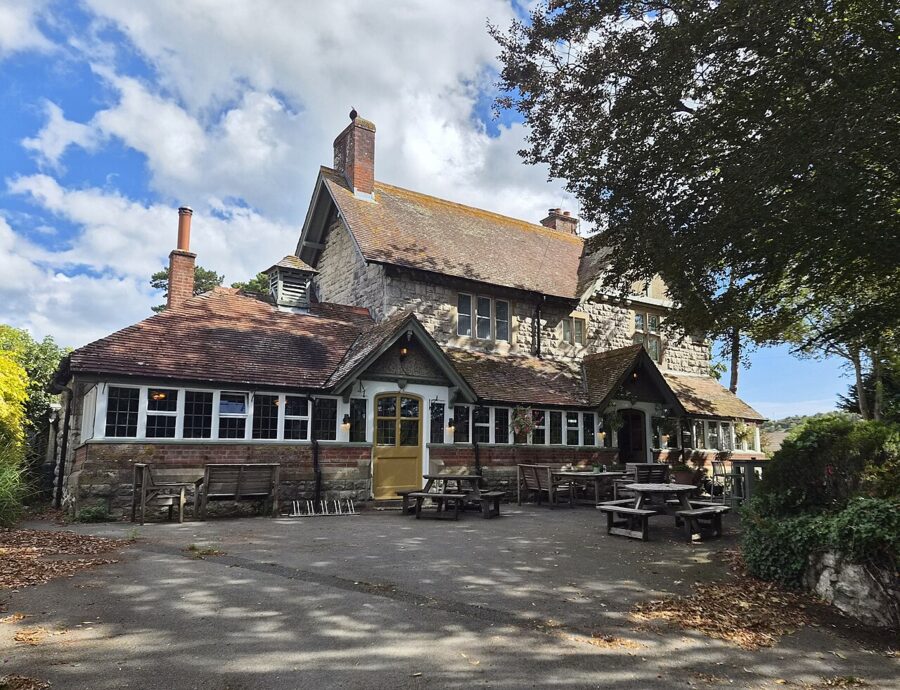

Dorchester and Thomas Hardy’s pubs
Hardy was born just outside Dorchester, lived and died just outside it, and turned it into Casterbridge. His novels are full of inns, and a surprising number of the real ones are still pouring. The county town has two stations, Dorchester South for London and Dorchester West for Bristol, and they are a few minutes’ walk apart.
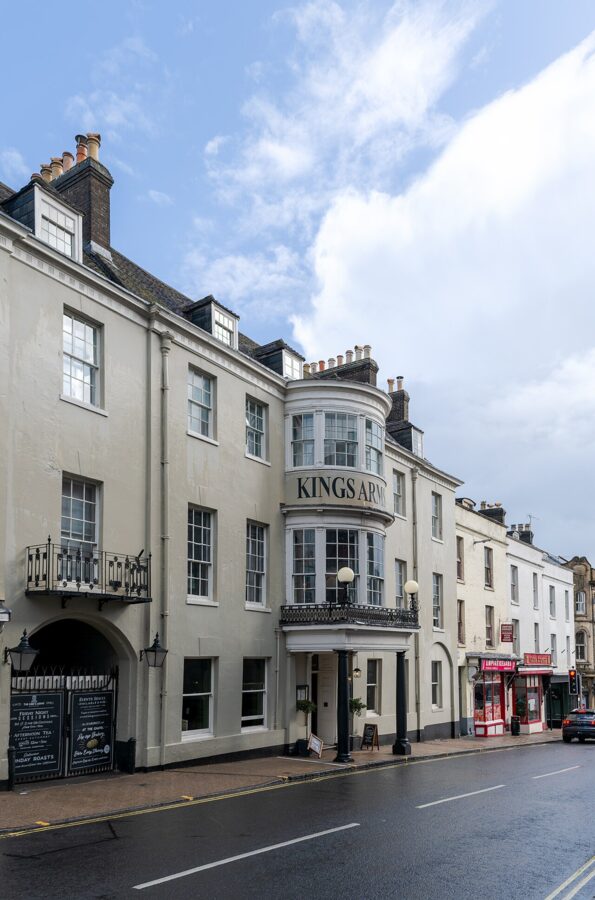

The Kings Arms on High East Street is the inn where Michael Henchard, the Mayor of Casterbridge, presides over his dinner while the town looks in through the bow window above the porch. Hardy’s description still matches the building. It closed for years, was bought by the Stay Original Company in 2015 and reopened in 2020 after a renovation said to have cost £5 million. It has 28 rooms, serves food all day and takes cards only.
For a drink rather than a hotel, the Blue Raddle on Church Street is a small free house run by the licensee and his wife, with covers of Private Eye on the walls, Cerne Abbas on the bar and game on the menu. It opens Thursday to Sunday only. At the bottom of the hill, Tom Browns has a wood-floored public bar, a real fire and a garden gate onto the river path along the Frome; it is under threat of redevelopment, so go while you can.
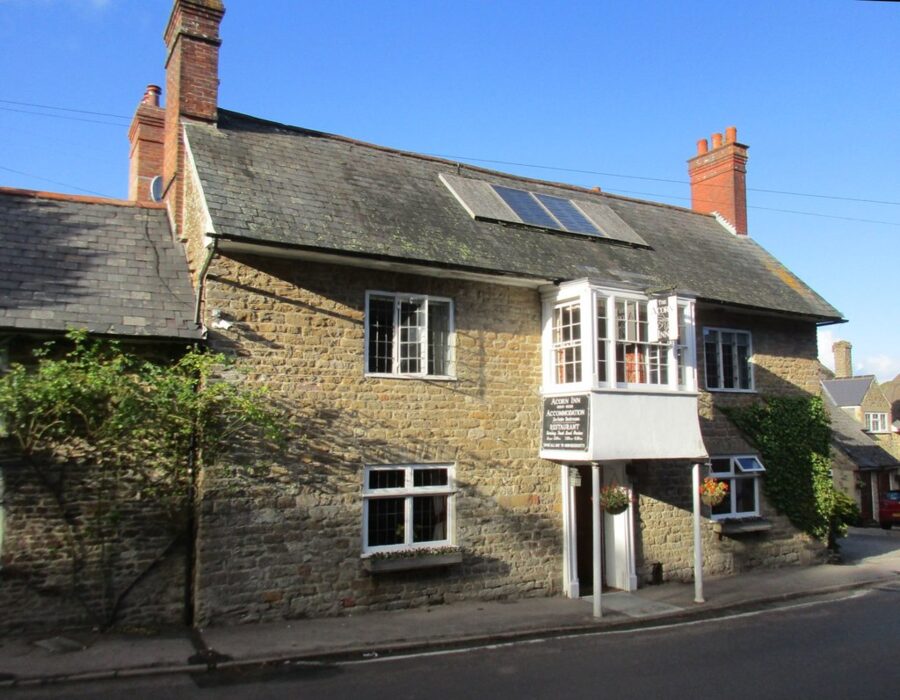
Hardy put more than one real inn into Tess of the d’Urbervilles. The Acorn at Evershot, a sixteenth-century coaching inn, is his Sow-and-Acorn, and the ten rooms are named after places and people from the books. The village bar is separate from the restaurant, there’s a skittle alley, and dogs get biscuits from a jar on the bar. On Mondays it opens only in the evening.

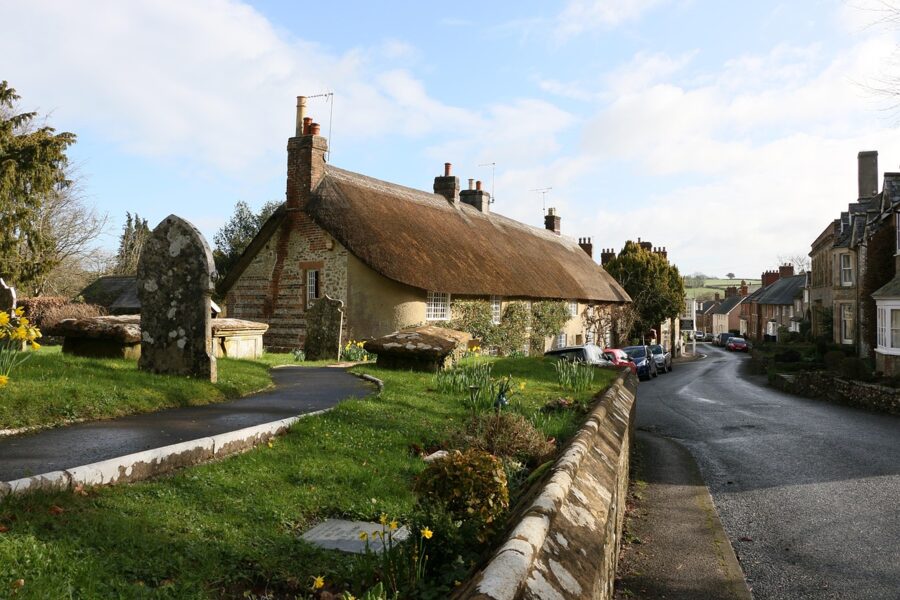
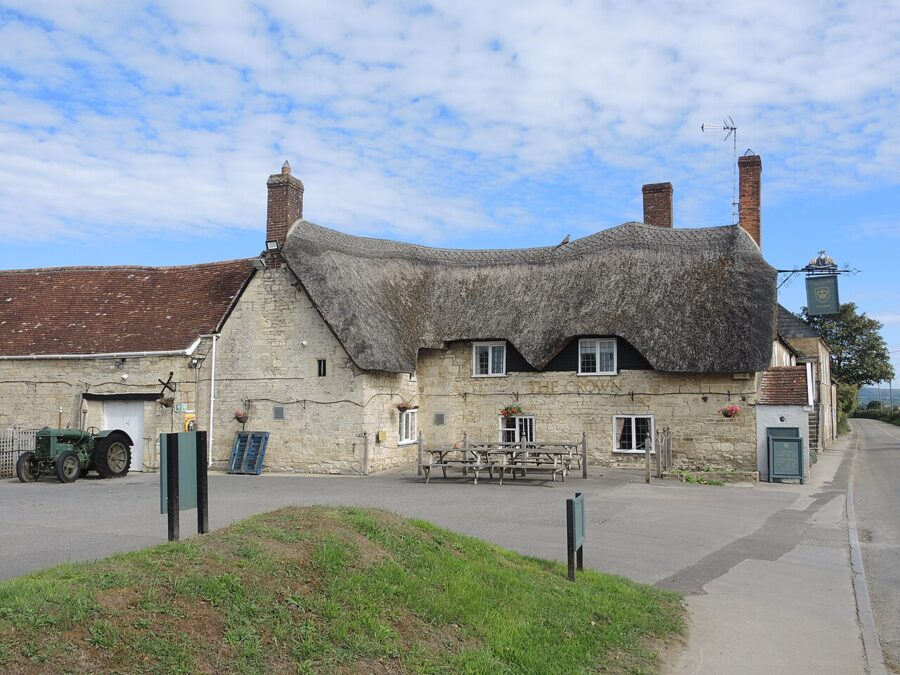
Up in the Blackmore Vale, the Crown at Marnhull is Hardy’s Pure Drop Inn, the pub in Tess’s home village. It is a sixteenth-century Hall & Woodhouse coaching inn with an inglenook, original beams and a priest hole, seven rooms and a private Hardy Room for groups. Fursty Ferret and Tanglefoot are the regulars.

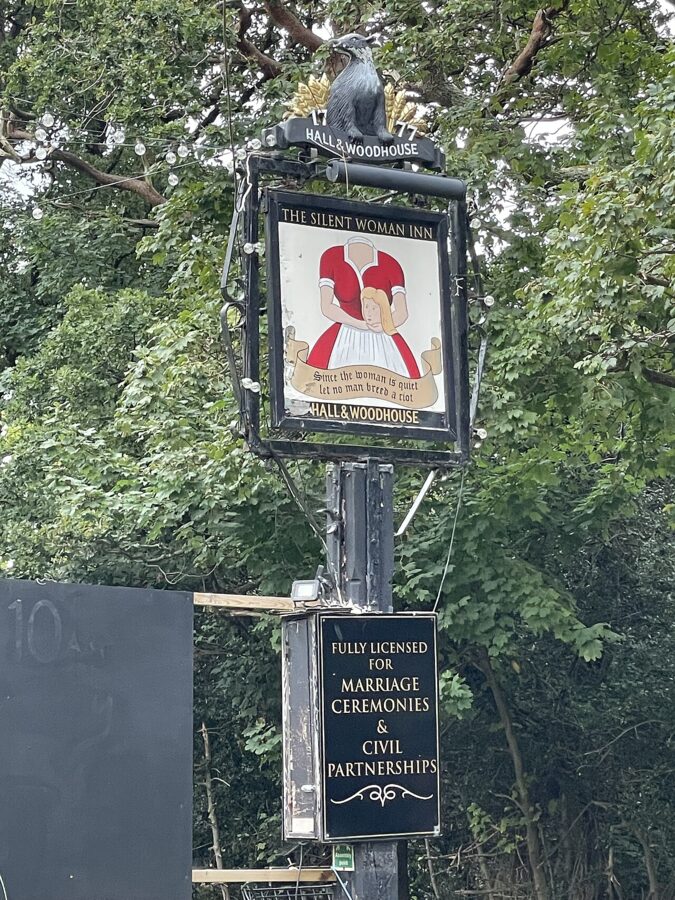
Out in Wareham Forest, the Hall & Woodhouse pub at Coldharbour was renamed the Silent Woman between the wars in honour of Hardy’s Quiet Woman in The Return of the Native. After a refit in 2025 it went back to its original name, the Angel, which it is thought to have carried for most of its 400 years. Dogs are welcome in the bar, children are not, and there is a big garden.

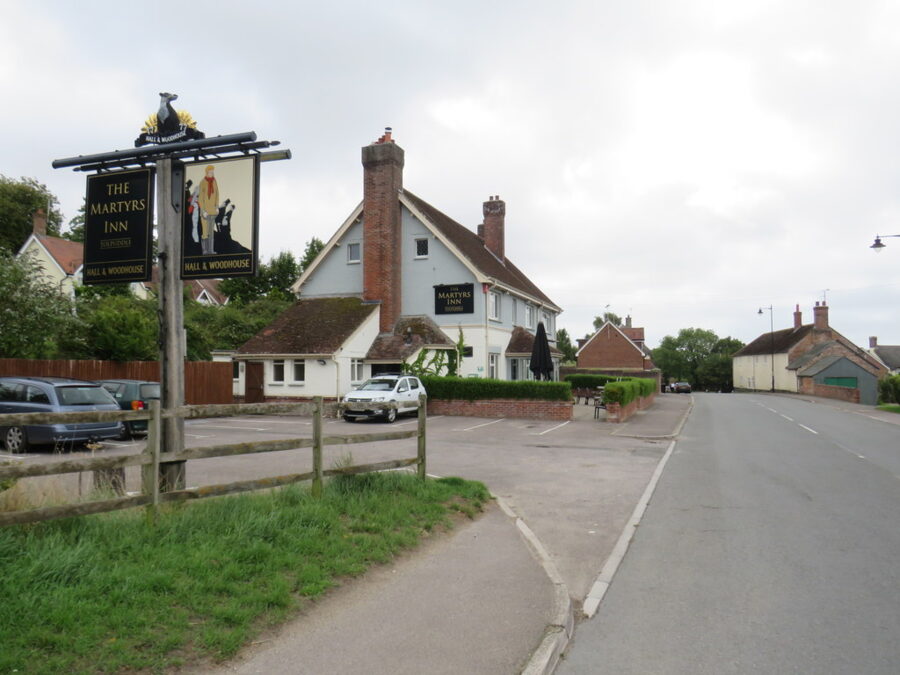
Hardy’s country is also the Tolpuddle Martyrs’ country. In the village where six farm labourers were convicted in 1834 for swearing an oath to a union, the Martyrs Inn closed, and the community raised the money to buy it, refurbish it and reopen it in 2023. It serves locally sourced food, a permanent ale and two changing ones, and opens Wednesday to Sunday.

Up the Cerne and Piddle valleys
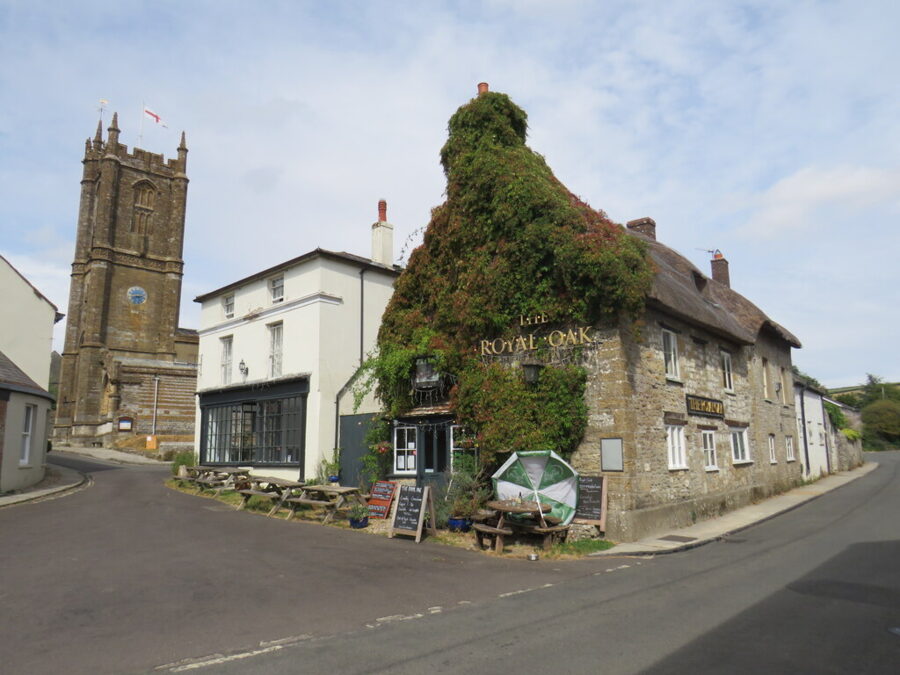
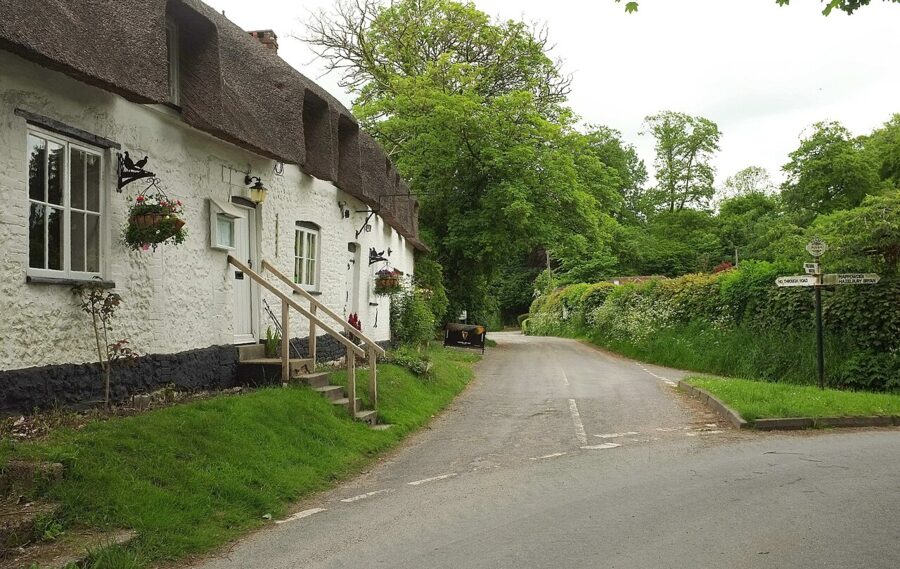
North of Dorchester the chalk valleys run up towards the Blackmore Vale, each with a stream, a road and a pub or two. Cerne Abbas, under its chalk giant, has three good stops. The Royal Oak on Long Street is a sixteenth-century thatched pub covered in ivy, with three connecting rooms, flagstones, beams and at least one beer from the village brewery; it is closed on Mondays and Tuesdays. The New Inn along the street is Palmers, with rooms, and the Cerne Abbas Brewery tap is out at Barton Meadows Farm.

At Plush, the Brace of Pheasants was a row of sixteenth-century cottages. It is now a heavily beamed, thatched inn that serves beer by gravity from a stillage behind the bar, with an inglenook and a restaurant that is worth booking. The sign is two stuffed pheasants in a lit glass case. It opens Wednesday to Sunday.

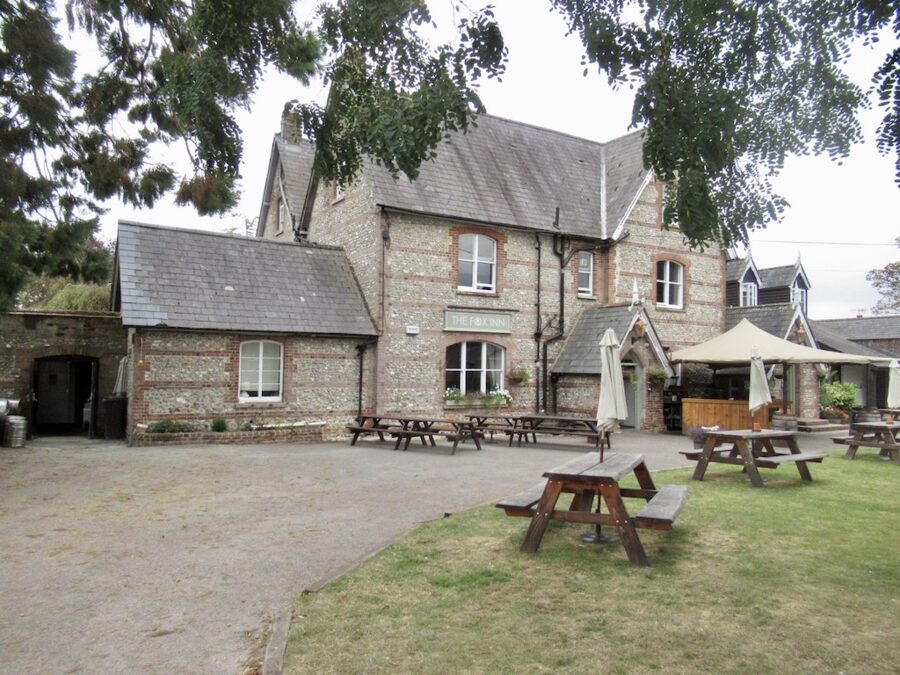
Over the hill at Ansty, the Fox was the Woodhouse family’s home before it became an inn in 1915, and it is a good base for walkers, with breakfast for non-residents and a carvery on Sundays. Mobile signal is poor, which is not a complaint.

Purbeck: the Square and Compass and its neighbours
Purbeck is the stone country in the south-east corner, almost an island between Poole Harbour and the sea. The quarrymen who cut its limestone drank in pubs built of it, and three of the best are within a few miles of each other along the B3069.
The Square and Compass takes its name from the tools of the masons who drank there, one of the many pub names borrowed from a trade. It has been a pub since about 1793, was a Strongs of Romsey and then a Whitbread house, and the family bought the freehold in 1994. Inside there are two rooms: a tap room with bare benches and a huge fireplace, and the Big Room, extended into the old stable in 1935, which is why the ceiling changes height.
Food is pasties and pies, including vegan and gluten-free ones, and nothing else. There’s a fossil museum in a side room, regular live music and an open-mic night on the third Wednesday of the month. It opens from noon every day. The bus does not come to the door: the Purbeck Breezer 40 stops on the B3069, and the lane from there is about a mile.
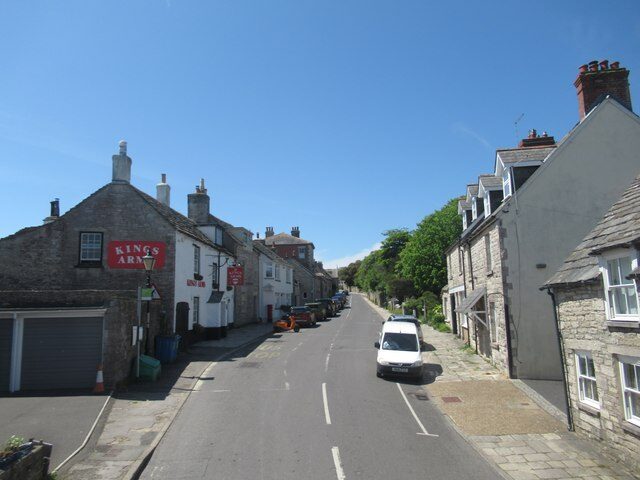
A mile or two east, the King’s Arms at Langton Matravers opened in 1743 as the Masons Arms, for the quarry workers, and was renamed in 1803 for George III. It is another CAMRA National Inventory pub: a flagstoned public bar at the back with benches fixed to the panelling, a main bar made out of the old courtyard around 1960, and a front room that served as the village mortuary until 1943. It opens noon to 23:00 every day, with no food on Tuesdays and Wednesdays.

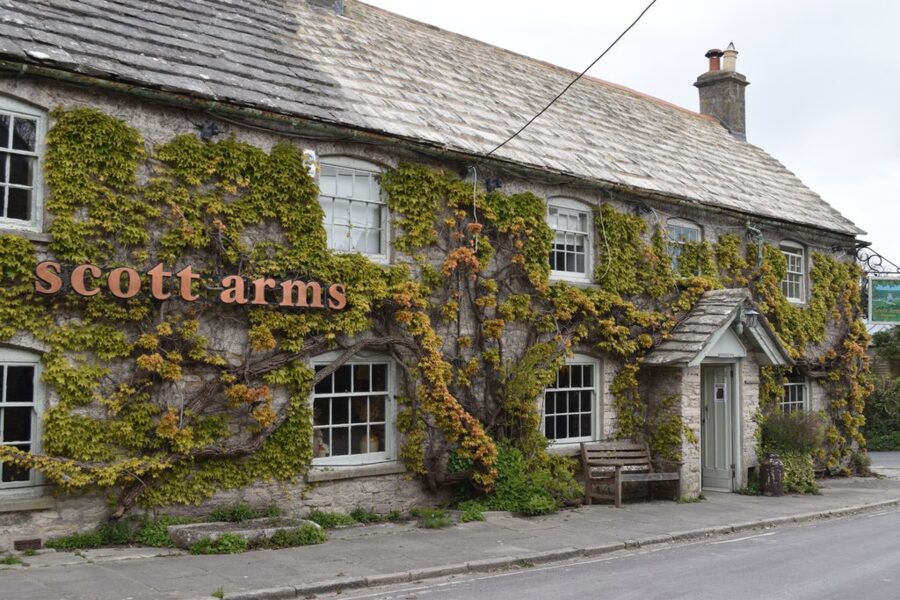
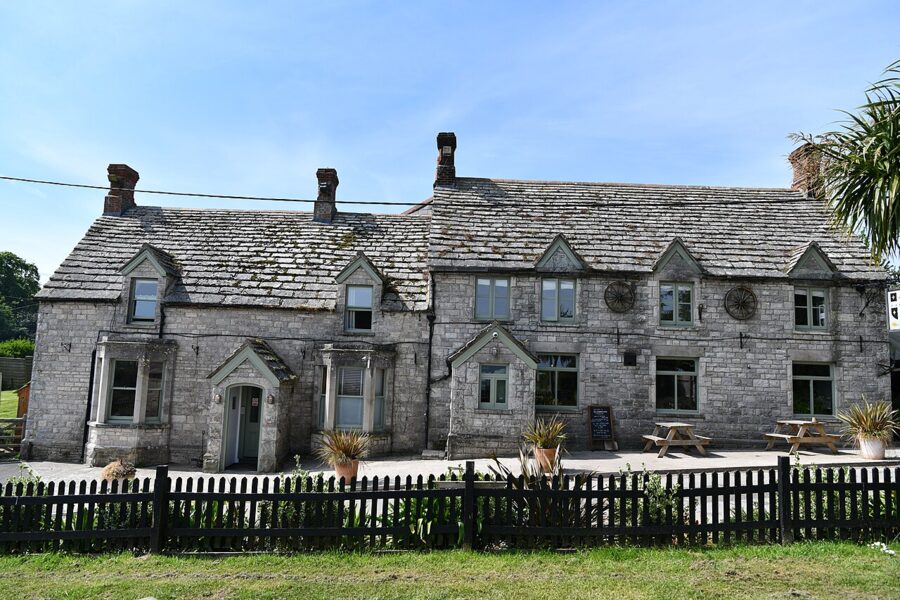
North of Worth, the Scott Arms at Kingston is a creeper-covered corner pub with an upper and a lower bar and a garden that looks straight across to Corfe Castle and Poole Harbour beyond. The beer is mostly Dorset Brewing Company, and the cider is made just down the hill. On a clear evening this is the view in Dorset.

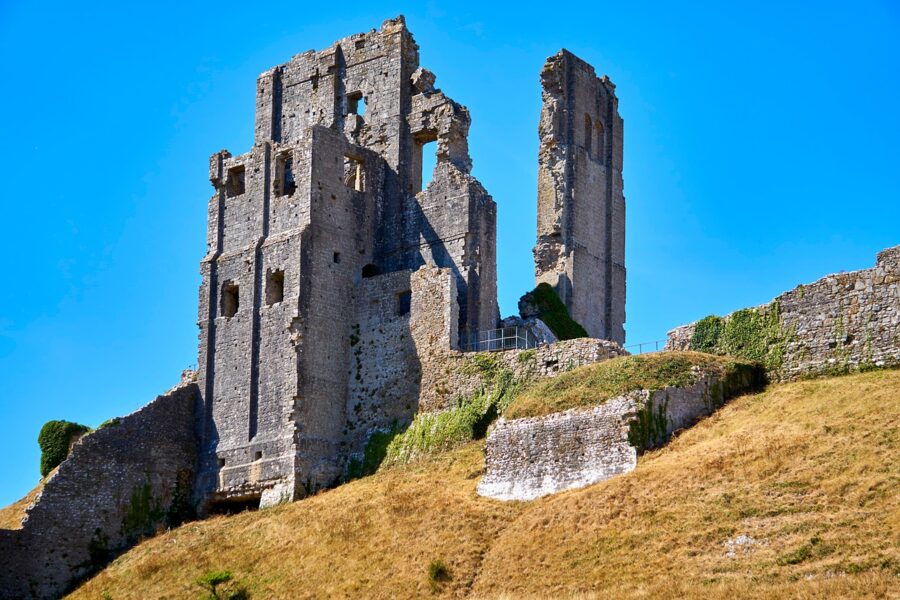
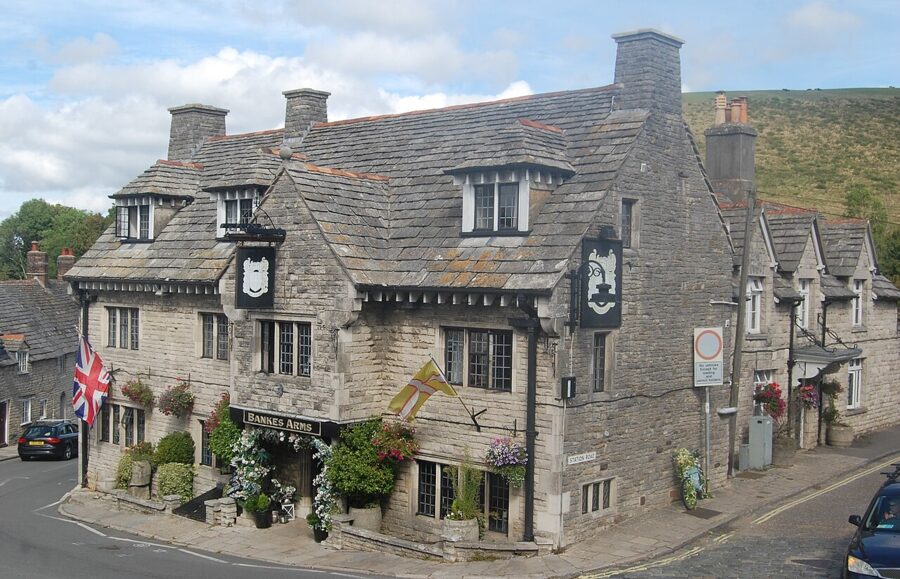
Corfe Castle village has two pubs on the square worth knowing. The Bankes Arms is a Grade II hotel owned by the National Trust, with a front drinkers’ bar, Palmers beers, summer beer festivals and a big garden above the Swanage Railway’s Corfe Castle station. The Greyhound, under the castle walls, pours Dorset Brewing Company, Ringwood and Purbeck cider; it opens noon to 22:00 and is very busy on Sundays, so book for a Sunday roast.
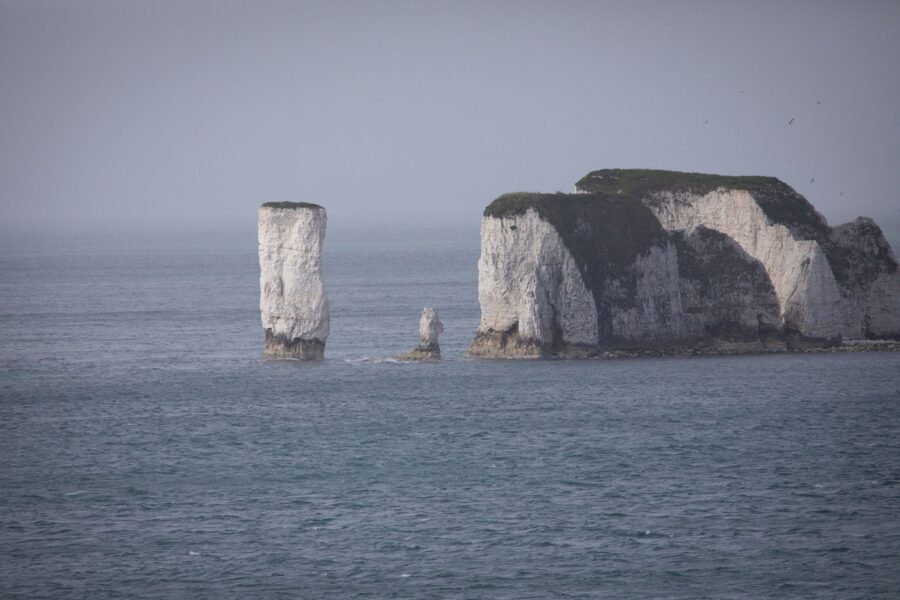
On the other side of the Purbeck hills, the Bankes Arms at Studland has the Isle of Purbeck Brewery in its grounds, founded in 2003, so the beer travels about as far as the bar. The garden looks over Studland Bay, and it is the natural end of the walk out to Old Harry Rocks.

Lulworth and the ranges
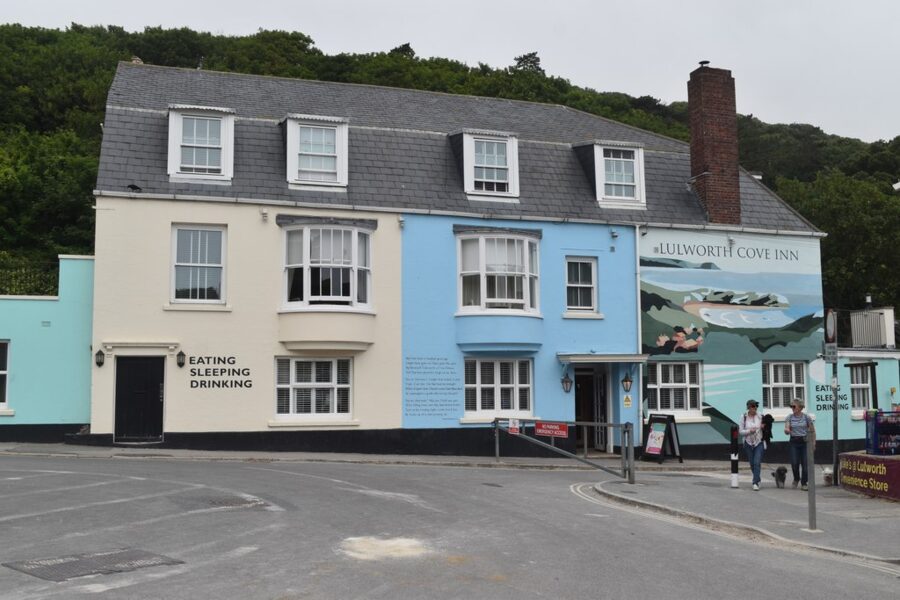
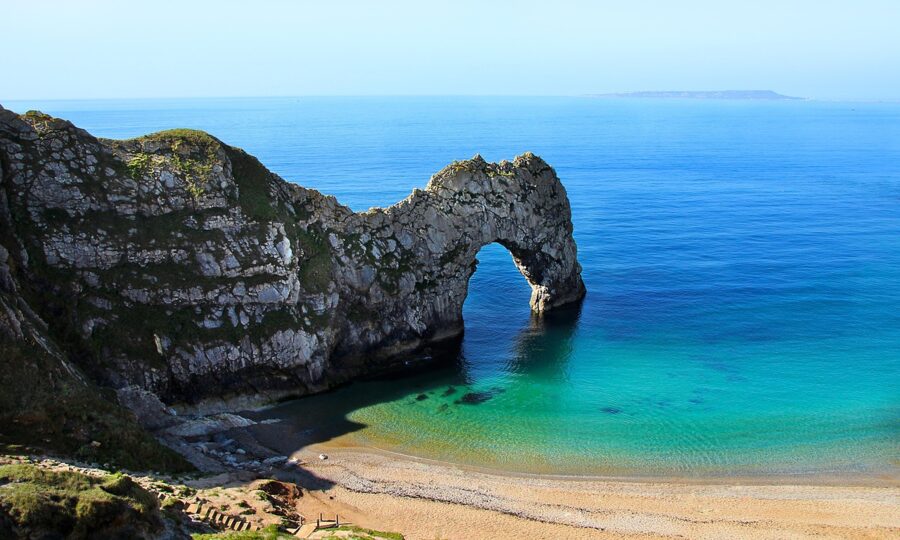
West of Purbeck proper, the coast turns into postcards: Lulworth Cove, Durdle Door, and miles of army range that close to walkers when the tanks are firing. The Lulworth Cove Inn is nearly 400 years old, a former coaching stop on the mail road from Wareham and, like everything on this coast, a haunt of smugglers. It is now a modern Hall & Woodhouse inn with big windows towards the cove, rooms and breakfast from 08:30.

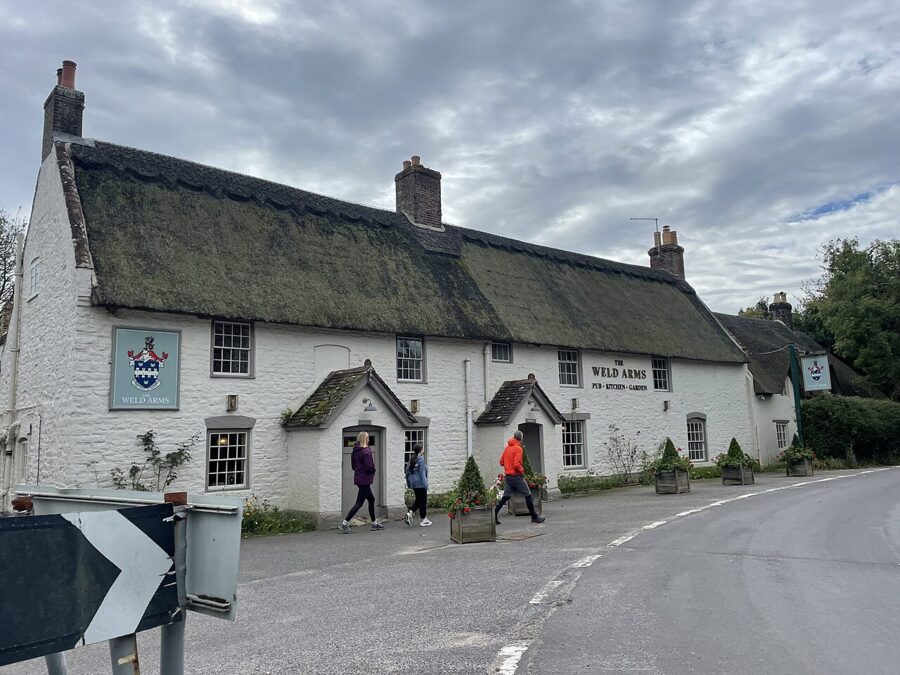
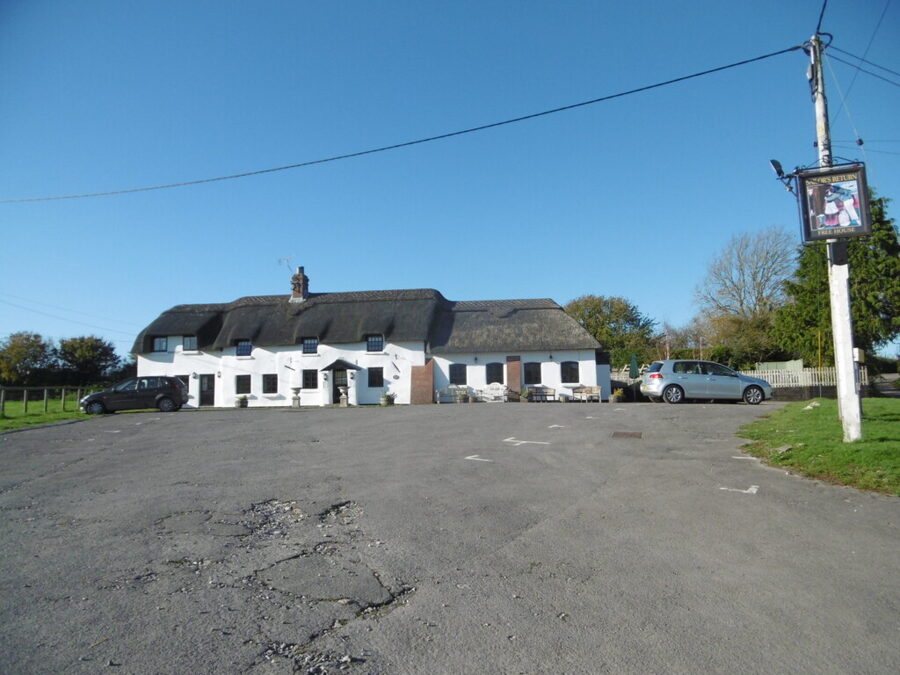
Two quieter pubs reward the detour. At East Lulworth, the Weld Arms is a thatched row of old cottages still owned by the Weld estate, with Palmers beer, a big garden facing Flowers Barrow and card payment only; it opens Wednesday to Sunday. At Chaldon Herring, the thatched Sailors Return is the stop for walkers coming inland off the coast path, with flagstone floors through a run of rooms and a main bar that still feels like the village local. It too is shut on Mondays and Tuesdays.


East Dorset and the Stour valley
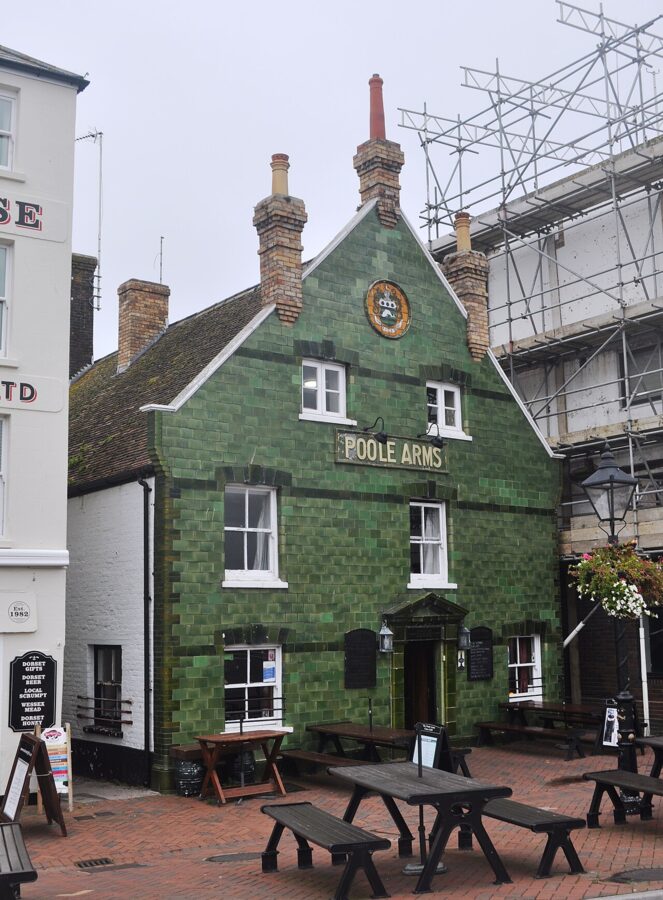
The east of the county is the most built-up part, but it has two pubs worth a special trip. On Poole Quay, the Poole Arms dates from 1635 and wears a green-tiled front added in the nineteenth century; inside it is a single wood-panelled room hung with photographs of old Poole. It serves seafood and up to five ales, and the benches on the quay are the place to watch the harbour.
Outside Wimborne, the Vine Inn at Pamphill is owned by the National Trust and has been run by the same family for more than a hundred years. It became a pub around 1900, when the present landlady’s grandfather fitted it out, and it sold only beer and cider until the 1950s. The public bar is about eight feet square in front of the counter, one of the smallest in the country; nine steps lead up to a panelled tap room. CAMRA gives it three stars, its top rating, on the National Inventory.
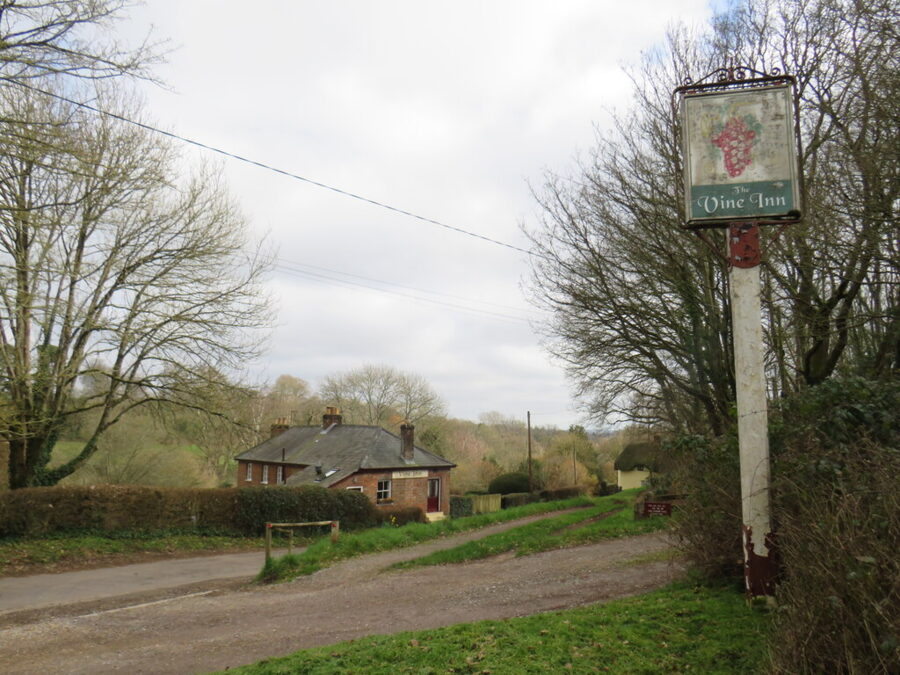

It is built into a hillside, so there is no step-free way in, and it has no card machine. It is one of the half-dozen pubs in Dorset I’d plan a day around.
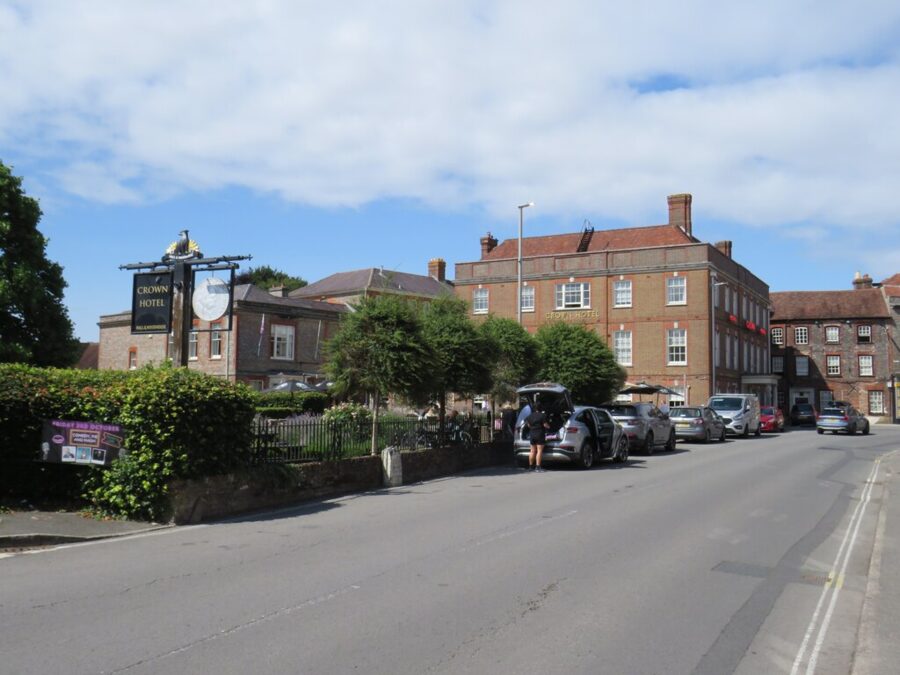
Up the Stour, Blandford Forum is a Georgian town rebuilt after a fire in 1731, and its Crown Hotel is the big Hall & Woodhouse hotel in the middle of town: panelled walls, oak floors, a big sunny garden and a ghost story or two about a woman in black and a highwayman. The brewery tap is across the river at Blandford St Mary. North-east, near Cranborne, the Sixpenny Brewery tap is in converted stables crammed with oddities, including a Tardis.

North Dorset: Sherborne and Shaftesbury
North Dorset is dairy country, all market towns and estate villages. Its best pub is not in a village at all.
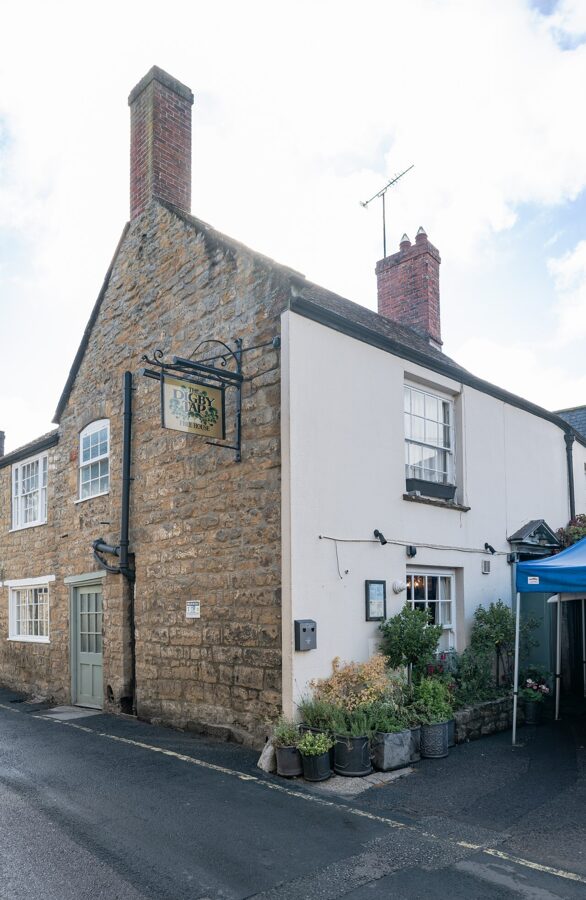
The Digby Tap in Sherborne is on Cooks Lane, a few minutes from the Abbey and about 350 metres from the station. It is a sixteenth or seventeenth-century building that was once a workhouse, with a part-panelled lobby, flagstones and a split door that probably served the off-sales. The 1959 handpumps on the counter tell you the bar is at least that old, and CAMRA lists the interior on its National Inventory. There are three or four changing beers, lunches from 12:00 to 14:00, and a strict rule against mobile phones.

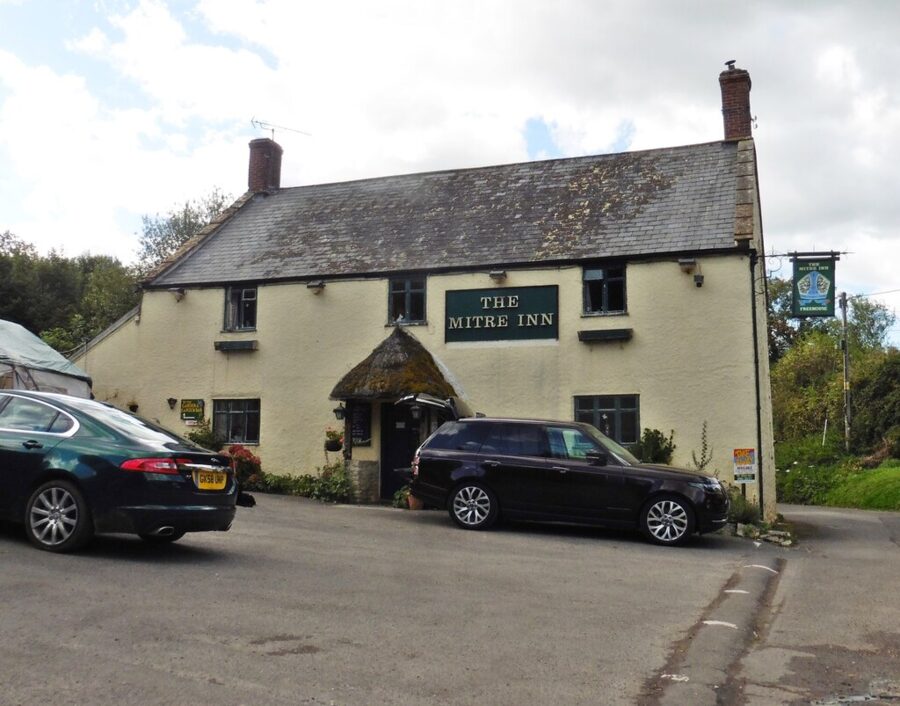
Three miles north, on the Somerset border, the Mitre at Sandford Orcas has armchairs in the bar, flagstones through to the dining room and a raised garden out the back. The owner’s wife brews as Apex, and more of her beer appears on the bar each year. Mind your head on the way in. It is closed on Mondays.

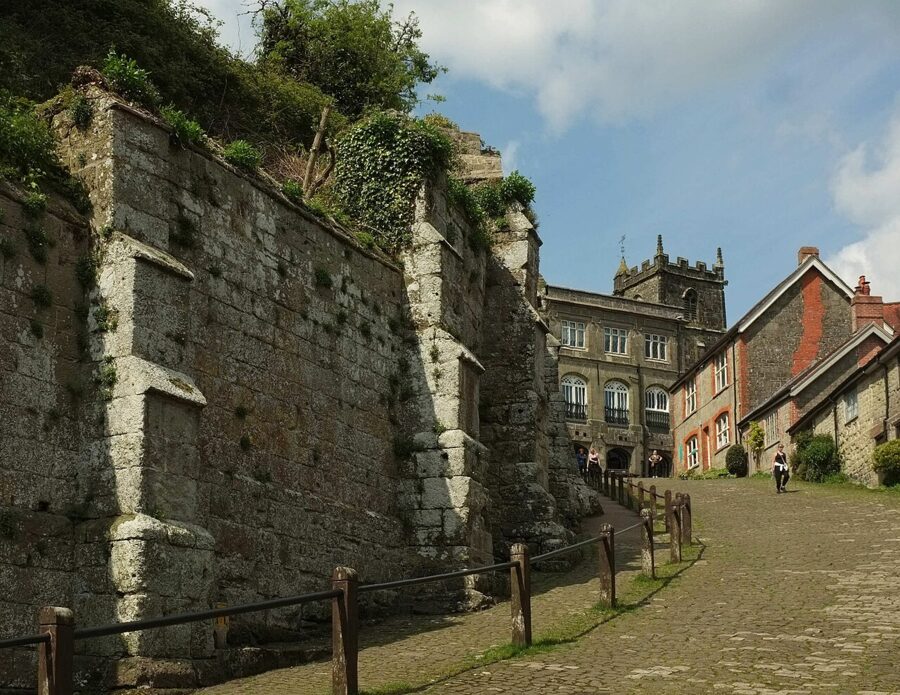
In Shaftesbury, the Mitre on the High Street stands at the top of Gold Hill, the cobbled slope from the old bread advert, with a patio looking over the Blackmore Vale. It gets young and loud on Friday and Saturday nights and is calmer at lunchtime, when the view is the point.

Four days out, with the stations
The Golden Cap day. Take the bus along the A35 to Chideock, walk down the lane to Seatown, climb Golden Cap on the coast path and come back down to the Anchor for a late lunch. Then walk back up to the George for the evening, and catch the bus back to Bridport or on to Axminster station. In summer, be at the Anchor before 12:30 or queue.
Bridport on a market day. Book the 11:00 tour at Palmers, have lunch at the Ropemakers, try the flights at the Pursuit of Hoppiness, then walk or bus down to West Bay for the George and back up for the evening at the Woodman. Bridport has no station; Dorchester and Axminster are the nearest, both a bus ride away.
Purbeck on foot. Take the train to Wareham and the Breezer 40 bus to Corfe Castle for the Bankes Arms, then walk up to Kingston for the Scott Arms and over the fields to Worth Matravers for the Square and Compass. Finish at the King’s Arms in Langton Matravers, where the 40 stops nearby for Swanage. It is hilly all the way, and the paths are muddy from October to April.
Hardy’s Wessex by car. Start at the Kings Arms in Dorchester, drive up the Cerne valley to the Royal Oak, cross to Plush for lunch at the Brace of Pheasants, and end at the Acorn in Evershot, where you can stay in a room named after one of the novels.
Before you go
Country pubs in Dorset keep country hours. Many are shut on Mondays and Tuesdays, open only in the evening midweek and close early if it is quiet, and in winter the hours get shorter again. Food usually stops between 20:00 and 21:00, and on Sundays often by 15:00 or 16:00, so a late lunch can turn into crisps.
Summer brings its own rules. The Anchor at Seatown stops taking bookings for the summer months, May to September, and the George at West Bay is walk-ins only from July to September. Several pubs take cards only, including the Anchor, the Pursuit of Hoppiness, the Weld Arms, the Smugglers and the Kings Arms in Dorchester, while the Vine at Pamphill takes only cash. Carry both.
Dogs are welcome almost everywhere on the coast and in most country pubs, often in the bar rather than the dining room; the Cobb Arms and the Kings Arms in Dorchester take them in some rooms too. For a bed above the bar, the Pilot Boat, the Rock Point, the Tiger, the George at West Bay, the Acorn, the Crown at Marnhull and the Bankes Arms at Corfe all have rooms. Parking is easy in the villages and hard in Lyme Regis, Corfe and Lulworth from Easter to September.
Which brings you back to Worth Matravers and the hatch in the passage. Go at opening time, on a weekday, out of season. Ask what cider they have pressed this year, take it out to the stone tables and look at the sea.